.jpg "5 Days Kilimanjaro Climbing – Route, Cost, Itinerary & Success Rate")
8-Day Lemosho Route Kilimanjaro Climbing
The Definitive Guide to Itinerary, Cost, and Success
The 8-Day Lemosho Route is widely regarded as one of the most reliable and well-designed routes for climbing Mount Kilimanjaro. It offers a balanced combination of diverse landscapes and a remote wilderness experience that gradually introduces climbers to higher altitudes. Its scientifically structured acclimatization profile supports steady altitude adaptation and contributes to improved summit success rates.
Expedition At A Glance
- 🚀 Success Rate: 95% +
- 🏔️ Total Distance: 70 km / 43 miles
- 📈 Difficulty: Moderate / High
- ⛺ Accommodation: Four-season Tents
- 🌿 Ecological Zones: All 5 crossed
Why Experienced Climbers Prefer the 8-Day Lemosho Route on Kilimanjaro
When experienced Kilimanjaro guides, expedition leaders, and mountain rescue professionals are asked which route they would personally choose for a first summit attempt, one route consistently rises above the rest: the 8-Day Lemosho Route.
The 8-Day Lemosho Route begins on Kilimanjaro's remote western flank at Londorossi Gate, an area characterized by dense montane rainforest and relatively low trail traffic compared to the more crowded southern approaches. Unlike shorter itineraries that push climbers rapidly toward elevations above 4,000 meters (13,123 feet), the 8-day version carefully spaces altitude gain across multiple days. This allows physiological adaptation to occur progressively, reducing the likelihood of altitude-related illness while significantly increasing summit success rates.
At Rede Tours and Safaris, we recommend this route not because it is the longest option available, but because it provides the most effective balance between challenge, safety, and enjoyment. It allows climbers to experience Kilimanjaro as a complete mountain journey rather than a race against altitude.
The 8-Day Advantage Explained: Why It Maximizes Summit Success
The answer to summit success lies in understanding how the human body responds to altitude. At sea level, atmospheric pressure drives oxygen into the lungs; at the summit, that pressure is reduced by more than 50%.
| Elevation | Oxygen Availability relative to Sea Level |
|---|---|
| Sea Level | 100% |
| 3,000 m (9,842 ft) | 70% |
| 4,000 m (13,123 ft) | 60% |
| 5,000 m (16,404 ft) | 50% |
| Uhuru Peak (5,895 m / 19,341 ft) | 43% |
What Happens During Acclimatization?
Within hours of exposure to higher elevations, your heart and breathing rates increase. Within days, your kidneys adjust blood chemistry and red blood cell production increases to transport oxygen more efficiently. The challenge is that these adaptations require time. A climber who gains altitude faster than the body can adapt significantly increases the risk of Acute Mountain Sickness (AMS).
The strength of the 8-Day Lemosho Route lies in its "Climb High, Sleep Low" principle. By reaching high points like Lava Tower (4,630m) and descending to sleep at Barranco (3,960m), the body receives the physiological stimulus of altitude while recovering at a more oxygen-rich elevation.
The Complete 8-Day Master Itinerary
Day 1: Londorossi Gate to Mti Mkubwa Camp
The adventure begins at Londorossi Gate on Kilimanjaro’s remote western approach, a region significantly less trafficked compared to the southern routes. After registration, permit verification, and vehicle transfer through forest tracks, climbers enter the official trailhead. The initial ascent passes through dense montane rainforest dominated by tall Podocarpus latifolius, Hagenia abyssinica, camphor trees, and wild fig species. The forest floor is heavily layered with decomposing organic matter, roots, and moss, creating a biologically rich but slippery trekking surface.
This ecosystem is one of the most humid zones on Kilimanjaro, receiving high annual precipitation that supports thick canopy cover and epiphyte growth including hanging lichens and moss curtains. Wildlife encounters are frequent, particularly black-and-white colobus monkeys, blue monkeys, and a wide range of endemic bird species such as Hartlaub’s turaco and hornbills.
From a physiological perspective, Day 1 is intentionally conservative. The elevation gain is moderate to allow initial cardiovascular adaptation without stress. Guides immediately introduce the “Pole Pole” philosophy, ensuring climbers regulate pace to minimize early fatigue accumulation. Temperatures typically range between 15°C and 25°C depending on cloud cover and altitude gradient.
Day 2: Mti Mkubwa Camp to Shira 1 Camp
Upon leaving Mti Mkubwa Camp, the rainforest gradually transitions into the heath and moorland ecological zone. The dense canopy breaks apart, replaced by shorter vegetation including Erica arborea (giant heather), Helichrysum species, and early alpine shrubs adapted to low oxygen and high UV exposure. This ecological shift is one of the most visually dramatic on Kilimanjaro.
The trail becomes steeper and more exposed, with increasing volcanic rock formations and erosion channels carved by seasonal rainfall. As elevation increases, climbers begin to experience a measurable decrease in atmospheric oxygen, typically noticeable during sustained uphill sections.
One of the most significant visual milestones of the day occurs near Shira Ridge, where Kibo Peak becomes visible for the first time. This marks the transition from lower mountain trekking to high-altitude expedition terrain. Temperatures drop significantly, especially in shaded areas and during late afternoon winds.
Day 3: Shira 1 Camp to Shira 2 Camp
Day 3 traverses the expansive Shira Plateau, one of the highest volcanic plateaus in the world formed by the collapse of Kilimanjaro’s original western cone. The terrain is relatively flat compared to previous days, consisting of volcanic ash, basaltic rock, and scattered alpine vegetation adapted to extreme UV exposure and cold nighttime temperatures.
This section plays a critical acclimatization role by allowing sustained exposure to altitude without excessive physical exertion. The plateau offers unobstructed views of Kibo Peak and the Western Breach walls. Atmospheric pressure continues to decline, and some climbers may begin experiencing mild altitude-related symptoms such as reduced sleep quality or mild headaches.
Due to the relatively low physical strain, many guided expeditions include an optional acclimatization walk in the afternoon, ascending slightly above camp before returning to sleep at lower elevation, reinforcing oxygen adaptation efficiency.
Day 4: Shira 2 Camp to Lava Tower to Barranco Camp
This is the most important physiological acclimatization day of the entire route. The trail leaves the Shira Plateau and enters the alpine desert zone, characterized by extreme diurnal temperature variation, intense solar radiation, and minimal vegetation. The ascent toward Lava Tower at 4,630 meters exposes climbers to significantly reduced oxygen availability, often triggering mild Acute Mountain Sickness symptoms in susceptible individuals.
Lava Tower itself is a massive volcanic plug formed during Kilimanjaro’s geological evolution. Climbers spend time at this elevation to stimulate erythropoietin production, increasing red blood cell concentration and improving oxygen transport efficiency. After this high-altitude exposure, the descent into Barranco Valley follows, dropping nearly 670 meters to optimize physiological adaptation.
This “Climb High, Sleep Low” methodology is a cornerstone of modern high-altitude medicine and significantly increases summit success probability when properly executed. Barranco Camp lies beneath the imposing Barranco Wall and offers one of the most dramatic geological settings on the mountain.
Day 5: Barranco Camp to Karanga Camp
The day begins with the ascent of the Barranco Wall, a steep volcanic escarpment formed through erosion and lava layering. Despite its intimidating appearance, the climb is non-technical and involves basic scrambling techniques requiring balance, hand support, and careful foot placement. Guides assist climbers through exposed sections including the well-known “Kissing Stone” passage.
Upon reaching the top, climbers are rewarded with panoramic views of Heim Glacier, the Southern Icefields, and the surrounding alpine valleys. The route then continues across a series of ridges and erosion gullies toward Karanga Camp, requiring repeated short ascents and descents that contribute to cumulative fatigue despite the short distance.
Day 6: Karanga Camp to Barafu Camp
The terrain becomes increasingly barren as climbers approach Barafu Camp, with volcanic scree, loose rock, and exposed ridgelines dominating the landscape. Vegetation is completely absent at this altitude, and oxygen concentration continues to decline, requiring slower and more deliberate movement patterns.
Barafu Camp is strategically positioned on a narrow ridge and serves as the final staging point before summit night. Upon arrival, climbers undergo hydration protocols, equipment checks, and receive detailed summit briefings from guides. Early dinner and limited rest follow, as summit departure typically occurs around midnight.
Day 7: Barafu Camp to Uhuru Peak to Millennium Camp
Summit night begins at midnight under extreme arctic conditions with temperatures ranging between -10°C and -20°C, excluding wind chill effects. Climbers ascend steep volcanic scree slopes toward Stella Point using controlled pacing to conserve oxygen and energy. At this altitude, oxygen availability drops to approximately 43% of sea level, significantly increasing physical strain.
After several hours of sustained ascent, climbers reach Uhuru Peak at sunrise, the highest point in Africa at 5,895 meters. Following brief celebration and photography, descent begins immediately to Barafu Camp and continues further to Millennium Camp, where increased oxygen levels allow rapid physiological recovery.
Day 8: Millennium Camp to Mweka Gate
The final day marks the transition from high-altitude expedition life back to civilization. After the intensity of summit night, many climbers wake feeling noticeably stronger thanks to the substantial descent achieved the previous day. The trail initially passes through upper moorland before re-entering Kilimanjaro's rainforest zone. Oxygen levels continue increasing with every kilometer descended. The effects are often immediate. Breathing feels easier. Appetite returns. Energy levels improve significantly. The forest environment provides a striking contrast to the barren alpine desert and arctic conditions encountered only 24 hours earlier. Birdsong replaces mountain winds. Dense vegetation returns. The air becomes warmer and more humid. Upon reaching Mweka Gate, climbers complete exit formalities and receive official Kilimanjaro summit certificates. For those who reached Uhuru Peak, the certificate represents far more than a piece of paper. It symbolizes successful navigation of nearly 70 kilometers of mountain terrain, five ecological zones, extreme altitude, and one of the most remarkable trekking journeys available anywhere in the world. From Mweka Gate, Rede Tours and Safaris transfers climbers back to their hotel in Moshi, where hot showers, comfortable beds, and well-earned celebrations await after conquering the Roof of Africa.
8 Days Lemosho Route Kilimanjaro Climbing Cost Breakdown
The cost of the 8-Day Lemosho Route Kilimanjaro climb typically ranges from approximately USD 1,800 to USD 2,800 per person, depending on group size, service level, and inclusions. This price reflects a fully supported high-altitude expedition covering mandatory Kilimanjaro National Park fees (conservation fees, camping fees, rescue fees, and crew fees), professional mountain guide wages, certified porter salaries aligned with ethical KPAP standards, full-board mountain meals, camping equipment, and high-altitude safety logistics including emergency oxygen systems and first aid support. The 8-day itinerary is positioned at a higher price point compared to shorter routes because it includes an additional acclimatization day, which significantly improves summit success rates to above 95% and reduces evacuation risk. Operators such as Rede Tours and Safaris structure pricing transparently based on safety compliance, logistical complexity from the western Lemosho entry point, and the extended duration required for optimal acclimatization on Mount Kilimanjaro.
What’s Included in the 8 Days Lemosho Route Kilimanjaro Package
- Kilimanjaro National Park fees including conservation, camping, and rescue fees
- Professional certified mountain guides trained in high-altitude safety and first aid
- Experienced porters following ethical KPAP employment standards
- All meals on the mountain (breakfast, lunch, and dinner)
- High-quality mountain tents and camping equipment
- Portable toilet setup for hygiene at high camps
- Emergency oxygen system and pulse oximeter monitoring
- Daily health checks and altitude symptom monitoring by guides
- Transport from Moshi or Arusha to Londorossi Gate and return
- Safety briefing and full expedition coordination from Rede Tours and Safaris
What’s Not Included in the 8-Day Lemosho Route Kilimanjaro Package
- International flights to and from Tanzania
- Travel insurance (mandatory for all climbers)
- Tanzania visa fees
- Personal trekking gear such as boots, jackets, gloves, and sleeping bags (can be rented if needed)
- Tips and gratuities for guides, cooks, and porters
- Personal items such as snacks, energy drinks, and bottled beverages
- Hotel accommodation before and after the climb in Moshi or Arusha
- Optional porter for extra personal luggage beyond standard allowance
Professional Safety Systems
We apply structured safety protocols modeled on international wilderness standards:
- WFR Guides: Certified in Acute Mountain Sickness (AMS), HAPE, and HACE recognition.
- Pulse Oximetry: Twice-daily SpO₂ and heart rate monitoring to track your adaptation trends.
- Emergency Oxygen: Portable cylinders carried on all high-altitude days for stabilization.
- Evacuation: Conservative descent protocols and coordination with park rescue services.
Cost & Ethical Standards
Kilimanjaro costs are driven by government fees and labor standards. A responsible operator does not cut costs at the expense of porter welfare.
- Park Fees: Entry, camping, and rescue fees are mandatory government charges.
- Ethical Wages: We follow KPAP standards for fair wages, load limits (max 20kg), and proper food/gear for our crew.
- Logistics: Includes fresh pre-acclimatization nutrition and 4-season medical-grade equipment.
12-Week High-Altitude Training Plan for the 8-Day Lemosho Route
Weeks 1–4: Aerobic Foundation
Build cardiovascular endurance with 3–5 weekly walking or jogging sessions (60–90 minutes), combined with core strength and joint stability training. Focus on steady aerobic conditioning to prepare the body for sustained uphill trekking at altitude.
Weeks 5–8: Endurance & Load Adaptation
Introduce long-distance hiking sessions (3–6 hours) on hilly terrain with a 5–10kg backpack. Include stair climbing, incline treadmill training, and controlled downhill walking to strengthen knees and improve descent control under load.
Weeks 9–12: Expedition Simulation Phase
Train with back-to-back hiking days carrying 8–12kg packs to simulate summit fatigue conditions. Practice “Pole Pole” pacing discipline, hydration timing, and long-duration endurance to prepare for summit night stress and oxygen-limited movement.
Frequently Asked Questions
How difficult is the 8-Day Lemosho Route?
The 8-Day Lemosho Route is classified as a moderate-to-challenging high-altitude trek. It does not require technical climbing skills such as rope use or ice axe experience, but the real difficulty lies in progressive oxygen reduction as altitude increases. Physical endurance, mental discipline, and pacing (“Pole Pole”) become more important than raw fitness. The route is intentionally designed to reduce strain through gradual ascent, making it one of the most manageable options for reaching Uhuru Peak when properly guided.
What is the actual success rate of the 8-Day Lemosho Route?
Under professionally guided expeditions with proper acclimatization protocols, the 8-Day Lemosho Route consistently achieves a summit success rate of approximately 90%–95% or higher. This high success rate is directly linked to its extended acclimatization profile, especially the “Climb High, Sleep Low” strategy applied at Lava Tower and Barranco Camp. Success is further improved by guided pacing control, daily health monitoring using pulse oximeters, and proper hydration and nutrition management throughout the climb.
Is the Barranco Wall dangerous?
The Barranco Wall is one of the most visually intimidating sections of Kilimanjaro, but it is not technically dangerous when approached correctly. It is a steep rock scramble rather than a climb, meaning no ropes or climbing equipment are required. Guides assist trekkers through key sections, including narrow ledges such as the famous “Kissing Stone” passage. While exposure exists in some areas, the route is well-traveled, and accidents are extremely rare when climbers follow guide instructions and maintain steady footing.
How cold does it get on summit night?
Summit night on Kilimanjaro is one of the coldest trekking environments in the world. Temperatures typically range between -10°C and -20°C (14°F to -4°F), but wind chill at higher elevations can make it feel even colder. Climbers begin the ascent at midnight from Barafu Camp and move through the alpine desert into the arctic summit zone, where oxygen levels drop to approximately 43% of sea level. Proper layering, insulated gloves, and windproof outer shells are essential for survival comfort and energy conservation during this phase.
What makes Lemosho better than Machame?
The Lemosho Route is generally considered superior to the Machame Route due to its more gradual ascent profile and lower initial crowd density. Lemosho begins on Kilimanjaro’s remote western side, allowing climbers to experience untouched rainforest terrain before joining the main southern circuit. Most importantly, Lemosho provides better acclimatization by spreading altitude gain more evenly across eight days, reducing the risk of Acute Mountain Sickness. Machame, while scenic, compresses altitude gain into a shorter timeframe, making Lemosho statistically safer and more suitable for first-time high-altitude climbers.
When is the best time to climb Kilimanjaro?
The best climbing windows for the 8-Day Lemosho Route are January to March and June to October. These periods typically offer the most stable weather conditions, with clearer skies, lower precipitation, and improved summit visibility. January–March tends to be colder with occasional snow at higher elevations, while June–October is generally drier and more popular among climbers. Although Kilimanjaro can be climbed year-round, avoiding the heavy rainy seasons (April–May and November) significantly improves trail conditions and overall summit experience.
Ready for the "Gold Standard" Climb?
Get a personalized quote for your 8-Day Lemosho expedition today.
REQUEST A PERSONALIZED QUOTEBook Your 8 days Kilimanjaro climbing tour via lemosho route
Your information is secure. We'll respond within 24 hours.
Kilimanjaro Climbing Guides & Insights
Contact our experienced Kilimanjaro team to plan your 5-day climbing adventure. Whether you are aiming for the summit of Uhuru Peak or exploring a short but challenging trek, we provide expert-guided climbs with full support, safety, and professional mountain services in Tanzania.
Other Popular Kilimanjaro Climbs

6 Days Machame Route
Classic "Whiskey Route" with stunning views, Barranco Wall challenge, and high summit success rate.
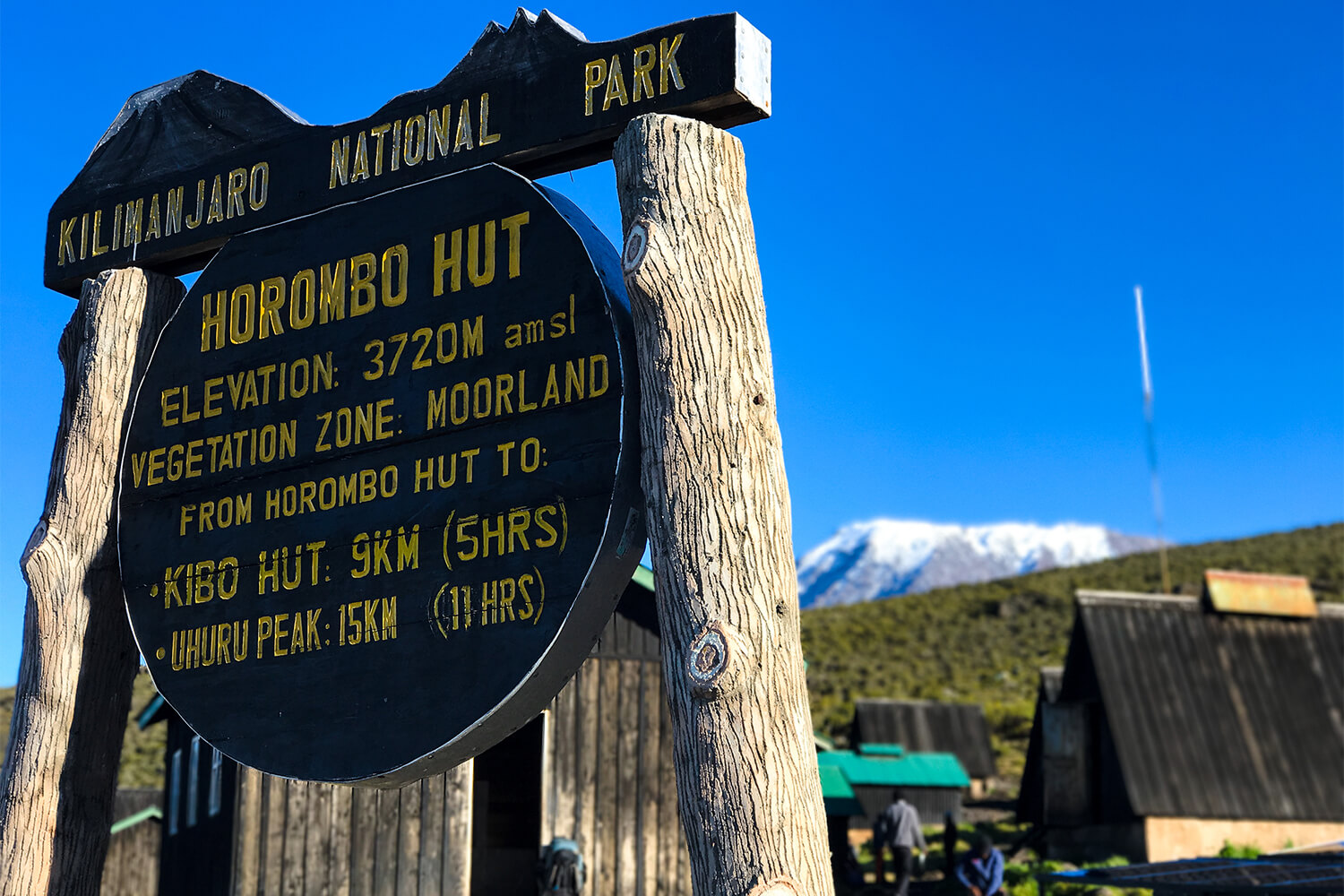
6 Days Marangu Route
The only route with huts – known as the "Coca-Cola Route" – ideal for those preferring comfort over camping.

7 Days Machame Route
Extended Machame with extra acclimatization day – higher summit success rate and more time to enjoy the scenery.
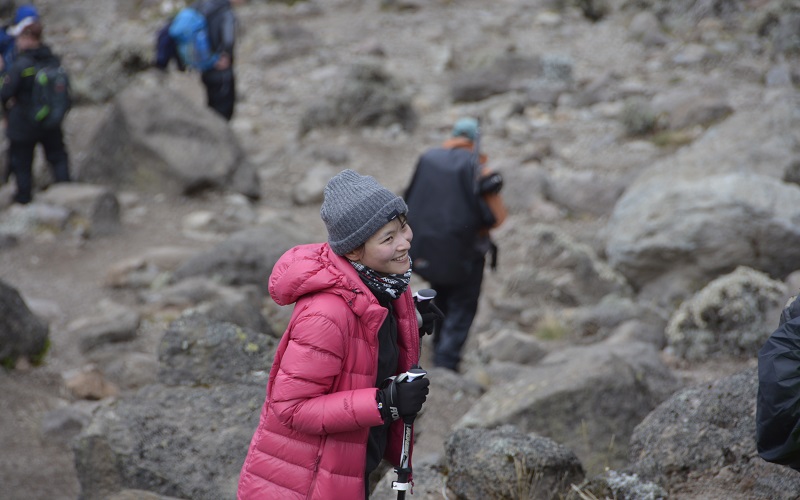
8 Days Lemosho Route
Most scenic and wildlife-rich route with gradual ascent, Lava Tower acclimatization, and excellent summit success.