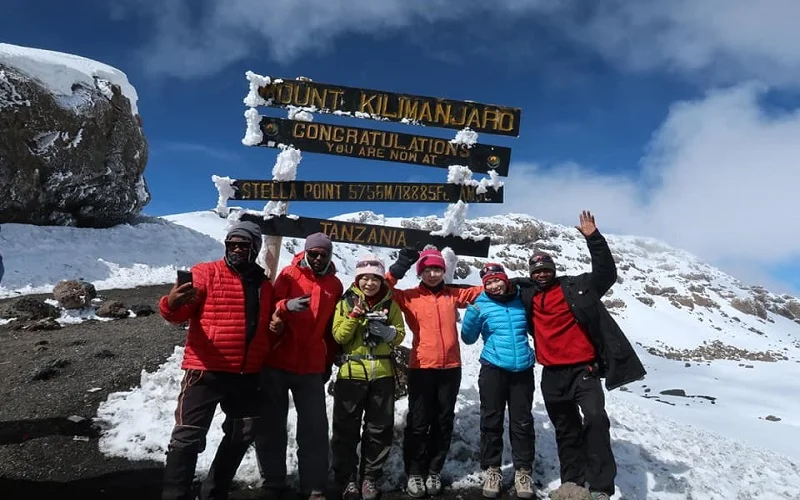
Can a Beginner Climb Mount Kilimanjaro?
Many people dream of climbing Mount Kilimanjaro but stop themselves with one important question: Is it really possible for a beginner? The image of snow, extreme altitude, and long days of hiking can feel intimidating. The truth is that Kilimanjaro is one of the few high-altitude mountains in the world where beginners regularly and successfully reach the summit. With the right preparation, guidance, and mindset, first-time climbers can not only reach Uhuru Peak but enjoy the journey safely and confidently.
Mount Kilimanjaro is not a technical mountain. Climbers do not need ropes, ice axes, or prior mountaineering experience. The ascent follows well-maintained trekking routes that rise gradually through distinct ecological zones from lush rainforest to moorland, alpine desert, and finally snow-covered summit slopes. What makes Kilimanjaro challenging is not technical difficulty, but its height 5,895 meters above sea level and the physiological effects that altitude has on the human body.
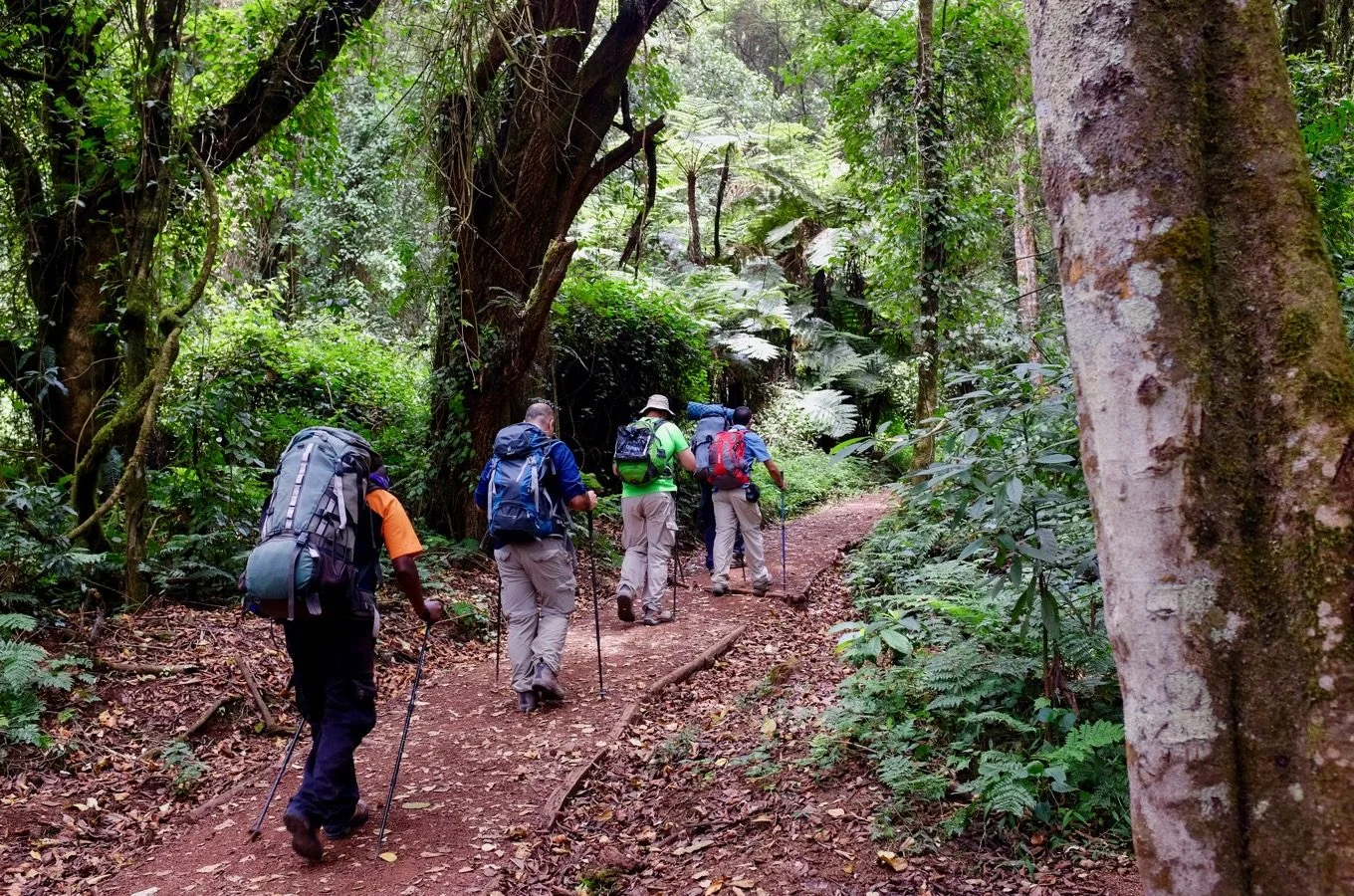
Altitude: The Real Challenge for Beginners
Altitude is the single greatest challenge on Kilimanjaro, especially for first-time climbers. As elevation increases, oxygen levels decrease, making every step feel more strenuous. The body must gradually adapt to reduced oxygen intake, which cannot be rushed without risking illness.
Beginners commonly experience headaches, fatigue, shortness of breath, reduced appetite, and difficulty sleeping. Even individuals in excellent physical shape are affected. These symptoms are normal and signal that the body is adjusting to altitude. Success depends on climbing slowly, hydrating regularly, eating properly, and resting sufficiently.
Breathing often feels different at higher elevations. Beginners may notice they are taking deeper or faster breaths, especially at night. This is the body’s natural response and generally improves with acclimatization. Understanding these changes helps beginners stay calm, reduce panic, and focus on maintaining steady progress.
Tips for Managing Altitude:
- Drink at least 3–4 liters of water per day to stay hydrated.
- Eat small, frequent meals to maintain energy.
- Climb slowly don’t rush the pace.
- Consider prophylactic altitude medication if recommended by your doctor.
Physical Preparation: Endurance Matters More Than Strength
Kilimanjaro does not require extreme athletic ability, but endurance is key. The climb involves walking several hours daily over uneven terrain for consecutive days. It is a test of sustained effort, not short bursts of strength.
Beginners are best prepared by focusing on:
- Regular walking or hiking with increasing distances
- Uphill and downhill practice to condition legs and joints
- Strengthening core and leg muscles for stability
- Consistency over intensity rather than last-minute extreme workouts
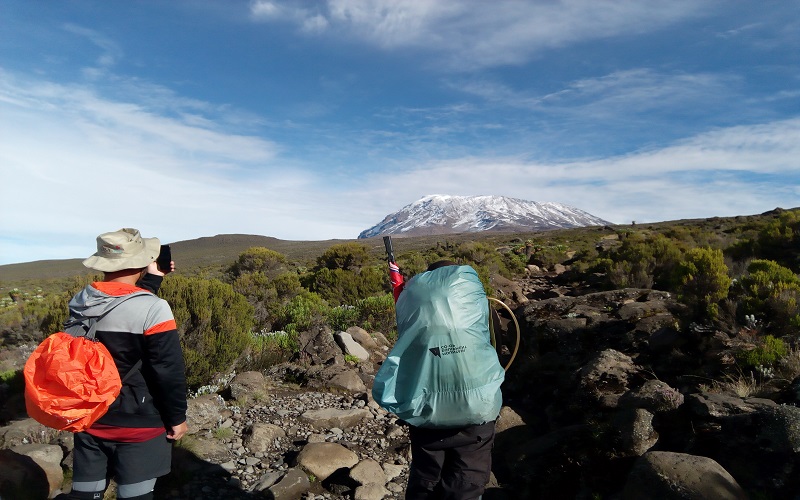
Even modest fitness routines followed for 8–12 weeks before the climb provide significant benefits. Beginners who prepare gradually adapt better to long days on the mountain and reduce the risk of injury or exhaustion.
Mental Preparation and Fear of Failure
Mental strength is often the decisive factor for beginners. Kilimanjaro tests patience, confidence, and resilience. Fatigue, cold, and altitude can challenge even the most prepared climbers, leading to doubt or hesitation.
Summit night is the most mentally demanding part of the climb. Climbers start the ascent around midnight, walking slowly in darkness through cold and wind. Success depends on maintaining a step-by-step focus, trusting guides, and embracing discomfort as part of the process. Understanding in advance that summit night is difficult but temporary helps beginners stay calm and motivated.
Fear of not reaching the summit is common. Choosing to descend for health or safety reasons is never a failure; it is a smart decision that prioritizes long-term health. Many beginners later try again and successfully summit because they respect the mountain and their bodies.
Route Choice and Beginner Success Rates
Route choice is a critical factor for beginner success. Longer routes allow for gradual altitude gain, which significantly increases the likelihood of reaching the summit. Many first-time climbers fail not because they are unfit, but because they select short itineraries that push the body too quickly.
- Routes with 7–9 days on the mountain provide a gentle climb and allow the body to acclimatize naturally.
- Longer routes also offer better scenic diversity, ranging from dense forests to high alpine deserts, enriching the overall experience.

Simply put: more days on the mountain equal a higher chance of reaching Uhuru Peak safely and comfortably.
Cost vs Safety: A Common Beginner Mistake
Beginners often focus on cost when booking a climb, opting for the cheapest options. While budget is important, it is vital to understand that lower prices often mean fewer days, rushed ascents, less acclimatization, and limited safety measures.
Investing in a well-organized climb with experienced guides, quality equipment, and proper medical monitoring may cost more, but it greatly increases your chances of success and safety. For beginners, this is not a luxury it is essential. The right investment ensures that your first climb is a memorable, safe, and stress-free experience.
Daily Life on Kilimanjaro: What Beginners Experience
Life on the mountain follows a structured routine that supports acclimatization and comfort. Days typically begin early with warm drinks and breakfast, followed by slow, steady hikes lasting several hours with frequent hydration and rest breaks.
Meals are prepared by professional mountain cooks and are designed to provide energy, nourishment, and recovery support. Even if appetite decreases at high altitude, guides encourage climbers to eat to maintain strength.
Sleeping conditions are basic but adequate. Sleep may be lighter at higher altitudes due to reduced oxygen, which is normal and improves as acclimatization progresses. Toilet facilities are simple, but private portable toilets can be arranged for added comfort, which many beginners appreciate.
Essential Gear and Clothing for Beginners
Packing correctly is critical for comfort, safety, and summit success. Here is a complete beginner-friendly gear list:
Clothing:
- Moisture-wicking base layers
- Insulating mid-layers (fleece or down jacket)
- Waterproof, windproof outer jacket and pants
- Warm hat, gloves, and neck gaiter
- Hiking socks (multiple pairs)
Footwear:
- Sturdy, well-broken-in trekking boots
- Lightweight shoes for camp use
Other Essentials:
- Trekking poles for stability
- Headlamp with extra batteries
- Sunglasses and sunscreen (high SPF)
- Reusable water bottles or hydration bladder
- Sleeping bag rated for -10°C to -15°C

A Beginner’s Typical Journey on Kilimanjaro
For first-time climbers, the experience generally follows a familiar pattern:
- First days: Exciting, physically manageable, and scenic
- Mid-climb: Altitude effects become noticeable, requiring patience
- Later days: Confidence grows as body adapts
- Summit night: Mentally and physically challenging
- Summit: Relief, pride, and unforgettable satisfaction
Understanding this progression helps beginners maintain patience and positivity throughout the journey.
Altitude Sickness Prevention Tips
Beginners should take steps to reduce the risk of altitude sickness:
- Climb slowly and avoid rushing
- Stay hydrated and drink water frequently
- Eat carbohydrate-rich foods for energy
- Avoid alcohol and heavy meals at high altitude
- Communicate symptoms early to your guide
- Consider preventive medication if recommended by a doctor
Safety, Guides, and Medical Support
Professional guides are essential for beginner climbers. They set pace, monitor health, and make critical decisions throughout the trek.
A responsible guiding team provides:
- Daily health and symptom checks
- Oxygen saturation monitoring
- Clear emergency and evacuation plans
- Constant motivation and reassurance
Descending is always the most effective treatment for altitude sickness, and experienced guides prioritize safety over summit success.
Who Should Not Climb Kilimanjaro
While the mountain is achievable for many beginners, it is not suitable for everyone. Individuals with untreated heart or lung conditions, those advised against high-altitude travel by a doctor, or anyone unwilling to follow instructions or walk slowly should reconsider or seek medical guidance.
Common Beginner Questions Answered
Beginners often ask:
- Do I need experience? No, Kilimanjaro is designed for trekkers.
- Will I fail? Proper preparation, route selection, and pacing greatly increase success.
- Is it dangerous? Kilimanjaro is safe when climbed with professional guides and proper acclimatization.
Our Beginner-Friendly Kilimanjaro Packages
To help beginners climb Kilimanjaro safely and confidently, we offer carefully designed packages that prioritize acclimatization, comfort, and summit success. Each itinerary is led by experienced local guides and includes full mountain support from start to finish.
- Lemosho Route – 7 or 8 Days
This is our most recommended option for beginners. The Lemosho Route offers a gradual ascent, excellent acclimatization, and breathtaking scenery from the very first day. With extra time on the mountain, beginners adapt better to altitude and enjoy one of the highest success rates on Kilimanjaro. - Machame Route – 7 Days
Often called the “Whiskey Route,” Machame is ideal for beginners who want a scenic and slightly more adventurous trek while still allowing enough time for acclimatization. The route follows a climb-high, sleep-low profile that helps the body adjust naturally to altitude. - Northern Circuit Route – 8 or 9 Days
For beginners who want the best possible acclimatization, the Northern Circuit is the ultimate choice. It is the longest route on Kilimanjaro, with fewer crowds and the highest summit success rates. This package is perfect for those who prefer a slower pace and maximum safety.
All of our packages include:
- Professional, certified mountain guides
- Daily health and altitude monitoring
- Quality tents, sleeping arrangements, and mountain equipment
- Nutritious meals prepared by experienced mountain cooks
- Porters to carry main luggage so you can hike comfortably
- Emergency support and evacuation procedures
These packages are designed specifically to remove stress for first-time climbers and give beginners the best possible chance of reaching Uhuru Peak safely.
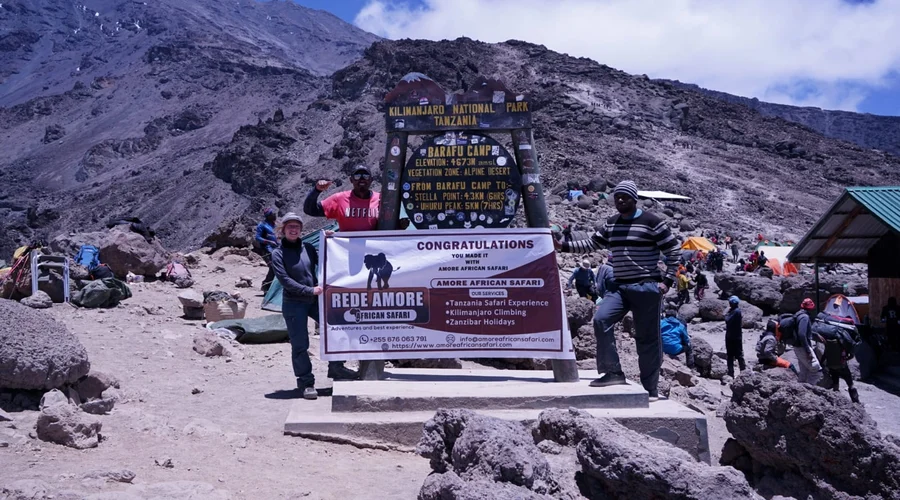
Ready to Book Your Kilimanjaro Climb?
Climbing Mount Kilimanjaro as a beginner is not just possible it becomes achievable when you choose the right route, the right pace, and the right team. Our beginner-focused packages are built around safety, comfort, and success, ensuring your first climb is both memorable and rewarding.
If standing on the Roof of Africa is your dream, let us help you make it a reality. Book your Kilimanjaro adventure with us today and climb with a team that understands beginners, respects the mountain, and is committed to getting you to the summit safely.
Your journey to Uhuru Peak starts here join us and climb with confidence.