Things You Should Have Before Hiking Mount Kilimanjaro in 2026
Hiking Mount Kilimanjaro is a challenge that attracts adventurers from all over the world. As Africa’s highest peak, it offers breathtaking views, diverse ecosystems, and a unique opportunity to push your physical and mental limits. With its snow-capped summit standing tall above the Tanzanian landscape, the mountain presents an awe-inspiring journey for those who dare to take on its slopes.
However, climbing Kilimanjaro is no small feat. The physical demands, unpredictable weather, and high-altitude environment mean that the journey requires more than just enthusiasm. To successfully reach the summit, a combination of preparation, endurance, and the right mindset is essential. From understanding the logistical details to mastering the physical training and selecting the proper gear, every aspect of the trek plays a pivotal role in ensuring your success.
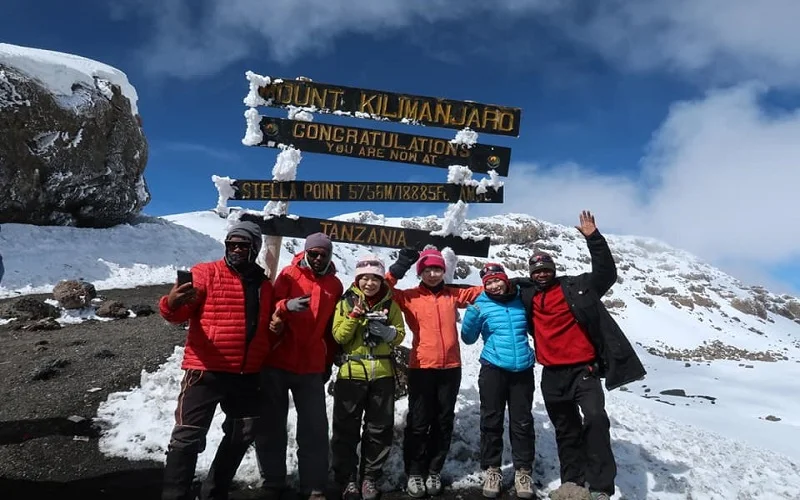
In preparation for your 2026 expedition, it’s crucial to equip yourself with the knowledge of what’s needed to tackle Kilimanjaro’s rugged terrain. This guide will break down the essential steps logistics, physical training, gear, and route selection providing you with a clear roadmap to achieve one of the most incredible accomplishments of your life. Whether you're a seasoned hiker or a first-time adventurer, the trek requires careful planning, commitment, and an adventurous spirit. By following this guide, you’ll be fully prepared to experience the magic of Kilimanjaro and make it to the summit safely and successfully.
1. Physical Preparation and Training
Climbing Mount Kilimanjaro is a test of both physical endurance and mental stamina. Although no technical climbing skills are required, the trek is physically demanding due to its altitude, varied terrain, and the need for extended daily hikes over several days.
Building Physical Endurance
The climb is a multi-day adventure where each day typically involves hiking between 4 to 8 hours, often uphill or on rough terrain. Building endurance through aerobic exercises will ensure that you can tackle the daily hikes without exhausting yourself.
- Cardio Exercise: Consistent cardiovascular exercise will be critical in building your stamina for high-altitude hiking. Running, cycling, and swimming will help boost your cardiovascular capacity, which is essential for the uphill segments of the climb. Aim to reach a level of fitness where you can comfortably do aerobic exercises for 60-90 minutes.
- Leg Strength & Hill Training: Hiking requires leg power, particularly for the steeper sections of the trail. Focus on exercises like squats, lunges, leg presses, and step-ups to build leg muscles. Additionally, incorporating hill training into your routine is a must. Find steep hills or staircases to simulate the ascent on Kilimanjaro.
- Flexibility & Balance: Your ability to handle uneven terrain and changes in elevation will benefit from balance and flexibility exercises. Yoga or Pilates can help with flexibility, improving your mobility on rough surfaces.
Mental Preparation
While training your body is essential, mental resilience is arguably just as important. The physical demands, fatigue, altitude sickness, and sometimes monotonous pace can wear you down mentally.
- Breathing Techniques: Practicing controlled breathing helps prevent panic, reduces anxiety, and maintains focus during moments of exhaustion or discomfort. Learn techniques such as diaphragmatic breathing to calm your nerves and keep oxygen flowing to your muscles.
- Visualization and Positivity: Many climbers struggle with negative thinking as they approach the summit. Visualization techniques, such as imagining yourself at the summit or recalling inspiring stories from previous climbers, can help maintain motivation.
Altitude Training and Acclimatization
The greatest challenge on Kilimanjaro is the altitude. Your body needs time to acclimatize to lower oxygen levels to avoid altitude sickness. While altitude training is not possible for everyone, hiking at altitude prior to your Kilimanjaro trek, or spending a few days at high altitudes before starting your climb, can help mitigate this issue.
Most trekkers will need at least two days to acclimatize to the changing altitudes as they ascend. Routes like Lemosho or Machame are designed to allow for this gradual increase in elevation, which helps reduce the risk of altitude sickness.
2. Documents and Permits
Before you embark on the Kilimanjaro trek, you need to make sure all your documentation is in place. Here’s what you need to know:
- Passport: Ensure your passport has at least 6 months of validity beyond the date of your arrival in Tanzania. This is a general requirement for most countries, and you may be denied entry if it is not up-to-date.
- Visa: Most visitors to Tanzania will need a visa. Depending on your nationality, you may be able to obtain a visa on arrival or apply for one before departure. It’s essential to check the visa requirements for your specific country well in advance.
- Travel Insurance: Having comprehensive travel insurance is critical for your Kilimanjaro adventure. Your policy should cover emergency medical expenses, including evacuation. If you're trekking with an experienced operator, they'll often help you secure this insurance, but it’s your responsibility to confirm it covers high-altitude treks specifically.
- Climbing Permit: As previously mentioned, you can’t hike Kilimanjaro without going through a registered tour operator who arranges all permits and logistical details. These include the Kilimanjaro National Park entrance fees and camping fees. This is usually bundled with your tour package, but make sure to verify these details.
- Emergency Contact Information: Ensure your operator has your emergency contact details, and share them with your family. It’s also wise to give your family the contact information of the local Tanzanian embassy in case of any emergencies.
3. Clothing and Footwear
The right clothing is absolutely crucial for a successful Kilimanjaro trek. Kilimanjaro’s weather can be erratic, with temperatures varying greatly depending on your altitude and the time of day. Layering is your best strategy to deal with these conditions effectively.
Clothing Essentials
- Moisture-Wicking Base Layers: Layering begins with moisture-wicking fabrics. Wool or synthetic base layers help keep sweat off your skin, preventing chills and discomfort. Avoid cotton as it traps moisture, which increases the risk of hypothermia in colder climates.
- Insulating Layers: A fleece jacket or down jacket will provide warmth when you need it most, particularly in the cold nights at higher altitudes. A down jacket, despite being lightweight, is excellent for retaining heat.
- Waterproof and Windproof Outer Layers: Kilimanjaro’s weather can change quickly. You need a durable, breathable, waterproof jacket and pants. Look for gear made from materials such as Gore-Tex or similar fabrics.
Footwear and Accessories
- Trekking Boots: Invest in high-quality, waterproof hiking boots with solid ankle support. The boots should have a non-slip sole to provide good grip on rocky surfaces. Make sure to break them in before the hike to avoid blisters.
- Socks: Wear merino wool or synthetic socks to avoid blisters, and consider bringing extra pairs of socks for comfort. Liner socks can also help reduce friction.
- Gaiters: Gaiters are a great addition to keep mud, rocks, and snow out of your boots.
- Sun Protection: As mentioned earlier, protect your skin with sunscreen, lip balm with SPF, and a wide-brimmed hat. Sunglasses with high UV protection are also essential for the sunny days.

4. Essential Climbing Gear
Having the proper gear will make your climb safer and more comfortable. Some items are provided by your operator, but others you’ll need to source yourself.
Backpack and Hydration Systems
A 30–40-liter daypack will suffice for carrying essentials such as water, snacks, and layers. It's important to have a hydration system (like a Camelback) integrated into your pack so you can drink hands-free while hiking.
- Hydration System or Bottles: Staying hydrated is critical to avoid dehydration and altitude sickness. A hydration bladder is convenient, but water bottles are also an option. You will need to drink at least 3-4 liters of water a day.
Headlamp
A headlamp is essential for early morning departures, particularly for summit day when you’ll start hiking in the dark. Bring extra batteries or a rechargeable headlamp.
Trekking Poles
Trekking poles are useful for providing stability on uneven terrain, reducing the impact on your knees during descents, and offering support during steep sections of the climb.
Sleeping Bag and Sleeping Pad
The higher you go, the colder it gets. A 4-season sleeping bag rated for temperatures of at least -10°C (14°F) is essential for the nights at higher altitudes. A sleeping pad will provide comfort and insulation from the cold ground.
5. Health and Safety Items
Altitude Sickness Prevention
Altitude sickness can occur above 2,500 meters (8,200 feet), and it can become more severe as you reach higher elevations. Symptoms include headaches, nausea, dizziness, and shortness of breath. To prevent altitude sickness:
- Diamox: Consult with your doctor about taking Diamox (Acetazolamide), a medication that helps your body acclimatize to high altitudes by improving oxygen absorption. While not necessary for everyone, it can be beneficial for many trekkers.
- Monitor Your Symptoms: Stay in tune with your body and report any symptoms of altitude sickness to your guide immediately.
First Aid Kit
Pack a small first-aid kit containing:
- Bandages, antiseptic wipes, blister plasters, and medical tape.
- Pain relievers like ibuprofen or paracetamol.
- Anti-diarrhea medicine (as gastrointestinal issues can occur).
- A thermometer and a high-quality multi-tool.

6. Snacks and Energy Food
When trekking up Mount Kilimanjaro, your body will be exerting a lot of energy, especially at higher altitudes where your appetite may decrease. Carrying energy-dense snacks can provide the necessary fuel to keep you going. Here’s why each of these options is a good choice:
- Energy Bars (e.g., Cliff Bars, Protein Bars): These bars are designed to provide a balanced mix of carbohydrates, proteins, and fats, which are essential for maintaining energy during the trek. They are easy to carry, don’t spoil quickly, and are lightweight. Look for options that are high in calories and have a good balance of nutrients.
- Trail Mix (Nuts, Dried Fruits, Chocolate): Trail mix is a great snack for quick energy. Nuts provide healthy fats and proteins, while dried fruits offer sugars that can provide an immediate energy boost. Adding some chocolate can give you a quick sugar rush and a morale boost, especially when you're feeling fatigued. It's also lightweight and doesn't take up much space in your pack.
- Gels or Electrolyte Tablets: These are ideal for hydration and replenishing lost electrolytes, especially if you're sweating a lot. Electrolyte gels or tablets help to maintain the balance of minerals in your body (like sodium, potassium, and magnesium), preventing dehydration and muscle cramps.
- Crackers or Biscuits: Simple carbohydrates like crackers and biscuits can provide a quick source of energy when you need a light snack. These options are easy to carry and don't require much space.
7. Optional but Helpful Items
While these items aren't strictly necessary for the trek, they can enhance your overall experience:
- Camera/Smartphone: Kilimanjaro offers breathtaking views, and a camera (or a smartphone with a good camera) can help capture the incredible scenery. Having a portable charger is essential as you'll be using your phone or camera often, and the cold temperatures at higher altitudes can drain battery life faster than usual.
- Notebook & Pen: If you're someone who enjoys reflecting on your journey, writing a journal can be a meaningful way to document your thoughts, experiences, and emotions along the trek. A small notebook and pen won’t take up much space in your pack but can add a lot of value for personal memories.
- Trekking Boots & Sock Liners: Comfortable, high-quality trekking boots are crucial for a successful trek, especially on rocky or uneven terrain. Sock liners are a great addition to prevent blisters and keep your feet dry. Having two pairs of boots or socks can be helpful so you can alternate in case one set gets wet, which is especially useful if you get caught in rain or sweat a lot.
- Cash: You’ll need cash for tipping the guide and the crew at the end of the trek. While many tour operators handle payments in advance, tips are typically given at the end of the trek for services provided by the guides, porters, and cooks. The standard tipping range of $200–300 per climber is a common practice, but this can vary depending on the size of your group, the length of your trek, and your satisfaction with the service. It's always best to have the cash in small bills.
8. Hiring a Guide and Choosing the Right Route
Hiring a Licensed Guide
In Tanzania, it's required by law to climb Kilimanjaro with a licensed guide. The guides are trained in mountaineering and first aid, ensuring that your safety is prioritized. They will also be familiar with the routes, weather conditions, and any potential risks on the mountain. A knowledgeable guide can enhance your experience, providing insights into the local culture, wildlife, and geology of Kilimanjaro.
- Choosing the Right Route: Kilimanjaro has several routes to choose from, and the one you select will impact the difficulty and length of your trek. Some routes are more scenic, while others are more challenging or have a higher success rate for reaching the summit. Here's a quick overview of the most popular ones:
- Machame Route: This is one of the most popular and scenic routes. It's known for its beautiful views and varied landscapes, but it’s also one of the more challenging routes, especially for beginners. It’s a longer route (6-7 days), allowing for better acclimatization.
- Marangu Route: This is considered the "Coca-Cola" route because it’s the easiest and most popular route. It’s also the only route that offers hut accommodations (as opposed to tents). While it’s shorter (5-6 days), the ascent is quicker, which may increase the risk of altitude sickness. It’s best suited for people who are less experienced or those with limited time.
- Lemosho Route: Known for its beauty and relatively quiet atmosphere, Lemosho offers great acclimatization options. It’s a longer route (7-8 days) and tends to have a higher summit success rate due to the additional days for acclimatization. It’s more remote, with less traffic than Machame or Marangu, which can provide a more serene experience.

Researching Your Tour Operator
It’s essential to choose a reputable operator that prioritizes safety and has experienced guides. Look for reviews from past trekkers, ensure the operator provides adequate support (porters, cooks, etc.), and check their safety record. A good tour operator will ensure you have proper training, equipment, and emergency procedures in place, including evacuation plans if necessary.
Choosing the right operator is crucial because a well-organized trek increases your chances of reaching the summit, having an enjoyable experience, and staying safe.
9. Summit Day Preparation
Summit day on Mount Kilimanjaro is the ultimate challenge of your trek. It typically involves starting in the early hours of the morning, sometimes as early as midnight, to reach the summit by sunrise. This day is physically and mentally demanding due to the cold temperatures, the steep incline, and the long hours of hiking. Here’s how to prepare:
- Start Early: You’ll begin your ascent to the summit at night, often around midnight or 1 AM. This gives you plenty of time to reach the summit for sunrise. Make sure you're well-rested and have eaten a good dinner the night before to fuel your climb.
- Layer Up: Summit day can be freezing, especially in the early morning. Wear several layers so you can adjust as you warm up or cool down. Make sure to wear a warm, insulated jacket, gloves, and a hat.
- Stay Hydrated and Energized: Drink plenty of water to stay hydrated, and have energy-dense snacks available (such as energy bars or nuts) to keep your energy levels up. Summit day will demand both physical strength and mental focus, so it’s crucial to fuel your body properly.
- Mental Resilience: Mental strength is vital on summit day. The final push to the top is long and challenging, but remind yourself that each step brings you closer to achieving your goal. Stay focused on the horizon and take frequent breaks to recharge.
- Pace Yourself: Even though you’re heading for the summit, it’s essential to maintain a steady pace and avoid rushing. The ascent is gradual but steep, and pushing too hard can lead to exhaustion or altitude sickness.
10. Post-Summit Recovery
Once you reach the summit and take in the incredible views, it’s important to prioritize your recovery. The physical toll of the trek doesn’t end when you reach the top. Here’s how to manage your recovery:
- Descend Gradually: After the summit, it’s crucial to descend as quickly as possible to lower altitudes to reduce the effects of altitude sickness. Your guide will ensure you descend safely, but it’s important to continue drinking water and monitoring for symptoms of altitude sickness.
- Rest and Rehydrate: Once back at camp or the base, give your body time to rest and recover. Rehydrate with water or electrolyte drinks, and eat nutritious meals to replenish your energy. A warm bath or a good night’s sleep will help with muscle recovery as well.
- Celebrate Your Achievement: Reaching the summit of Kilimanjaro is a huge accomplishment. Take time to enjoy the sense of pride and reflection on your journey. Share your success with your fellow climbers, guides, and porters who helped you get there.
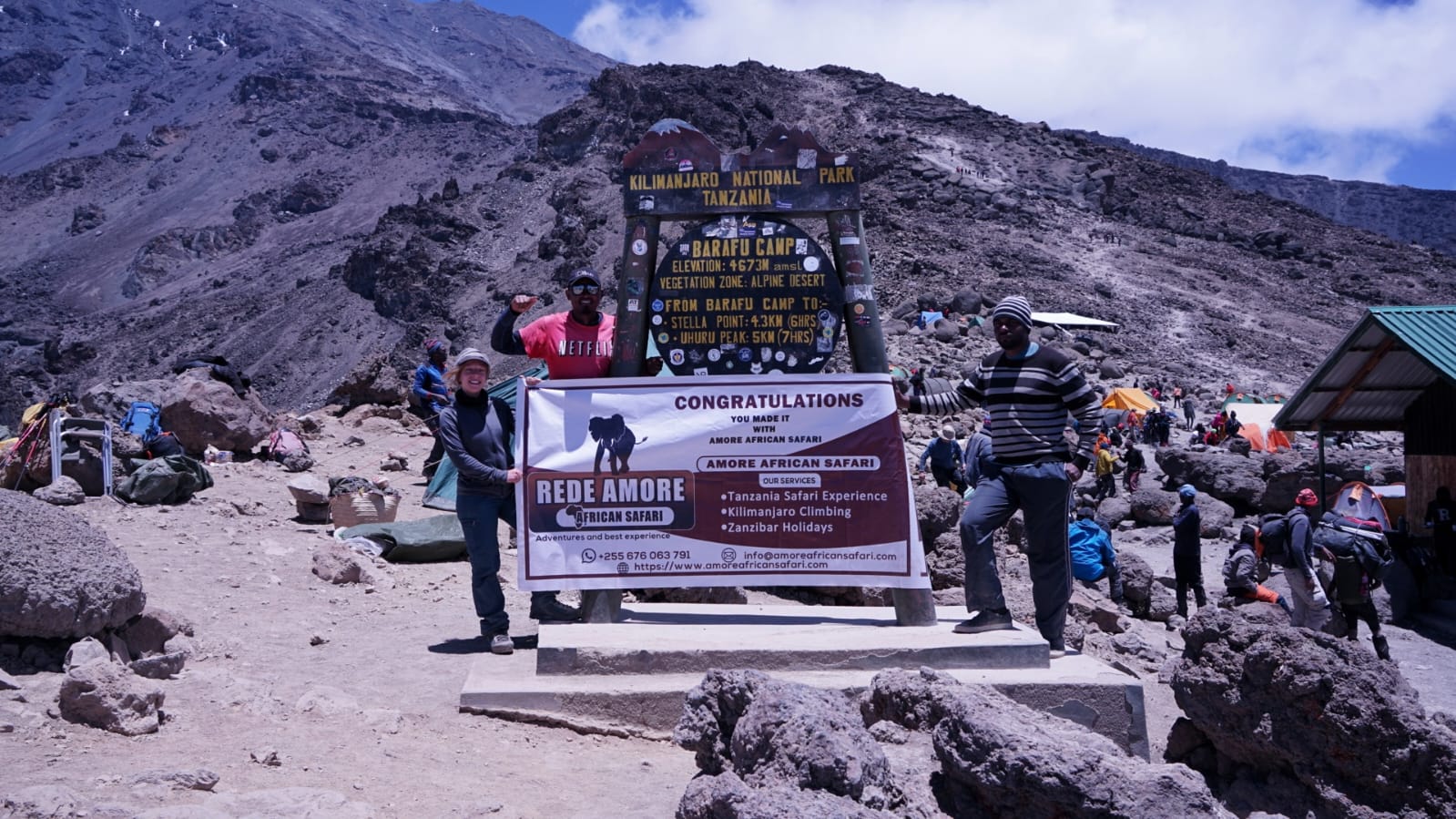
Climbing Mount Kilimanjaro is a challenging but incredibly rewarding adventure. Whether you’re doing it for personal achievement, to connect with nature, or to test your limits, careful preparation is key. This guide has provided you with the essential knowledge for a successful Kilimanjaro climb in 2026, from physical training and gear selection to understanding the logistics and choosing the right operator.
By planning ahead, training consistently, and following the advice shared here, you'll be well on your way to experiencing one of the most unforgettable journeys of your life. Remember, the trek is not just about reaching the summit but embracing the journey itself, with all the beauty, challenges, and camaraderie it offers along the way.
Good luck with your 2026 Kilimanjaro adventure—you’ve got this and welcome Rede Tours and Safaris to book with us.