Top 10 Interesting Facts About Mount Kilimanjaro
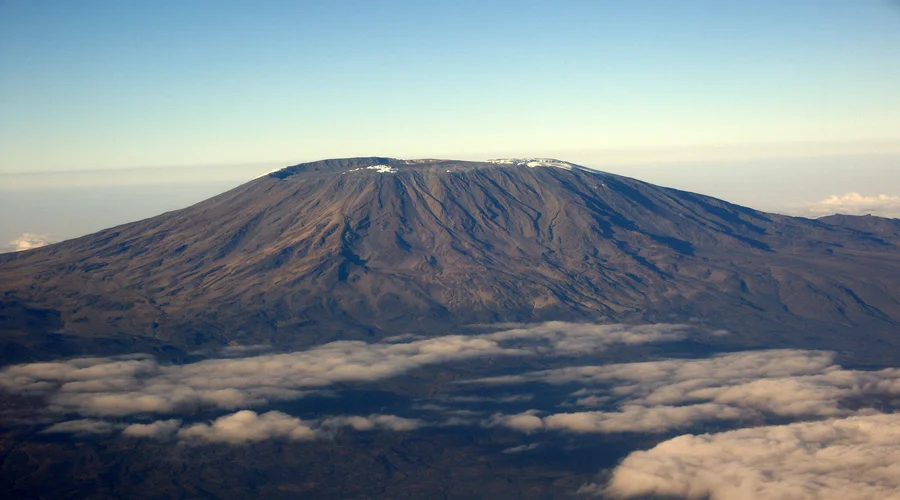
Mount Kilimanjaro stands as one of the most majestic and mysterious mountains on the planet, a true natural wonder that captivates the imagination of adventurers, scientists, and travelers alike. Located in the heart of Tanzania, East Africa, Kilimanjaro is not only the highest mountain on the African continent, but it is also regarded as one of the most iconic and recognizable landmarks in the world. Towering at an impressive 5,895 meters (19,341 feet), it draws climbers from across the globe, all eager to experience the challenge and beauty of reaching its snow-capped summit.
However, Kilimanjaro is much more than just a physical peak; it is an enduring symbol of the forces of nature, history, and culture. The mountain is rich in geological history, with its volcanic origins and unique ecosystem. It is home to a wide array of biodiversity, supporting diverse plant and animal life that ranges from tropical rainforests at the base to the arctic conditions at its peak. Kilimanjaro also holds significant cultural and spiritual importance, particularly for the local communities like the Chaga people, who have lived on its slopes for centuries.

In addition to its breathtaking landscapes, the mountain plays a crucial role in the environmental health of the region. It is a vital water source for millions, with its glaciers and snowpack serving as the lifeblood for the surrounding ecosystems and communities. However, in recent decades, it has become a focal point in the global conversation about climate change, as its glaciers are rapidly receding.
So, beyond its towering height and the allure of summiting, Kilimanjaro is a mountain filled with historical significance, scientific intrigue, cultural richness, and environmental importance. Let’s take a deeper look at what makes Mount Kilimanjaro such a unique and awe-inspiring destination, and explore the many facets that make this peak an essential part of our planet’s natural heritage.
1. Kilimanjaro is the Tallest Mountain in Africa
At a height of 5,895 meters (19,341 feet), Mount Kilimanjaro is not only the highest point in Africa but also one of the most recognizable mountains globally. Its towering peak rises high above the surrounding plains, and it is visible from miles around. Because the mountain is located just south of the equator, it presents a unique combination of being both near the tropical belt and at an extreme altitude. This rare combination of factors results in temperature fluctuations that are dramatic, which means that the base of the mountain can be tropical and warm, while the summit is snow-covered and freezing cold

The height of Kilimanjaro means that it is visible from distances of up to 100 kilometers (about 62 miles). The sight of it, especially during sunrise or sunset when its peak is bathed in gold, is a mesmerizing experience that draws people from all over the world.
2. Kilimanjaro is Actually a Volcanic Mountain
While many mountains are formed by tectonic movements, Kilimanjaro is a volcanic mountain, made of three distinct volcanic cones: Kibo, Mawenzi, and Shira. Kibo is the tallest of the three and contains a massive crater at its summit. Though Kilimanjaro is dormant (meaning it hasn’t erupted for hundreds of thousands of years), it is still considered an active volcano because there is some evidence of geothermal activity beneath the surface, such as warm vents and gases escaping from cracks in the earth.
Mawenzi, the second peak, is much steeper and jagged, making it impossible to reach the summit by conventional hiking routes. It is a breathtaking and intimidating sight, towering dramatically above the landscape. Shira, on the other hand, is the oldest and has collapsed over time, forming a plateau at higher elevations. It is a stark contrast to Kibo and Mawenzi and is the least visited part of the mountain.

Kilimanjaro’s volcanic origin also means that its soils are rich in nutrients, which is one of the reasons the lower slopes are so fertile and productive. This has allowed the local communities around the mountain to thrive by farming crops like coffee and bananas.
3. Kilimanjaro Has Five Distinct Climate Zones
One of the most extraordinary features of Kilimanjaro is that it encompasses five completely different climate zones, each with its own unique ecosystems. The change in climate as you ascend the mountain is so dramatic that it feels like traveling through different regions of the world.
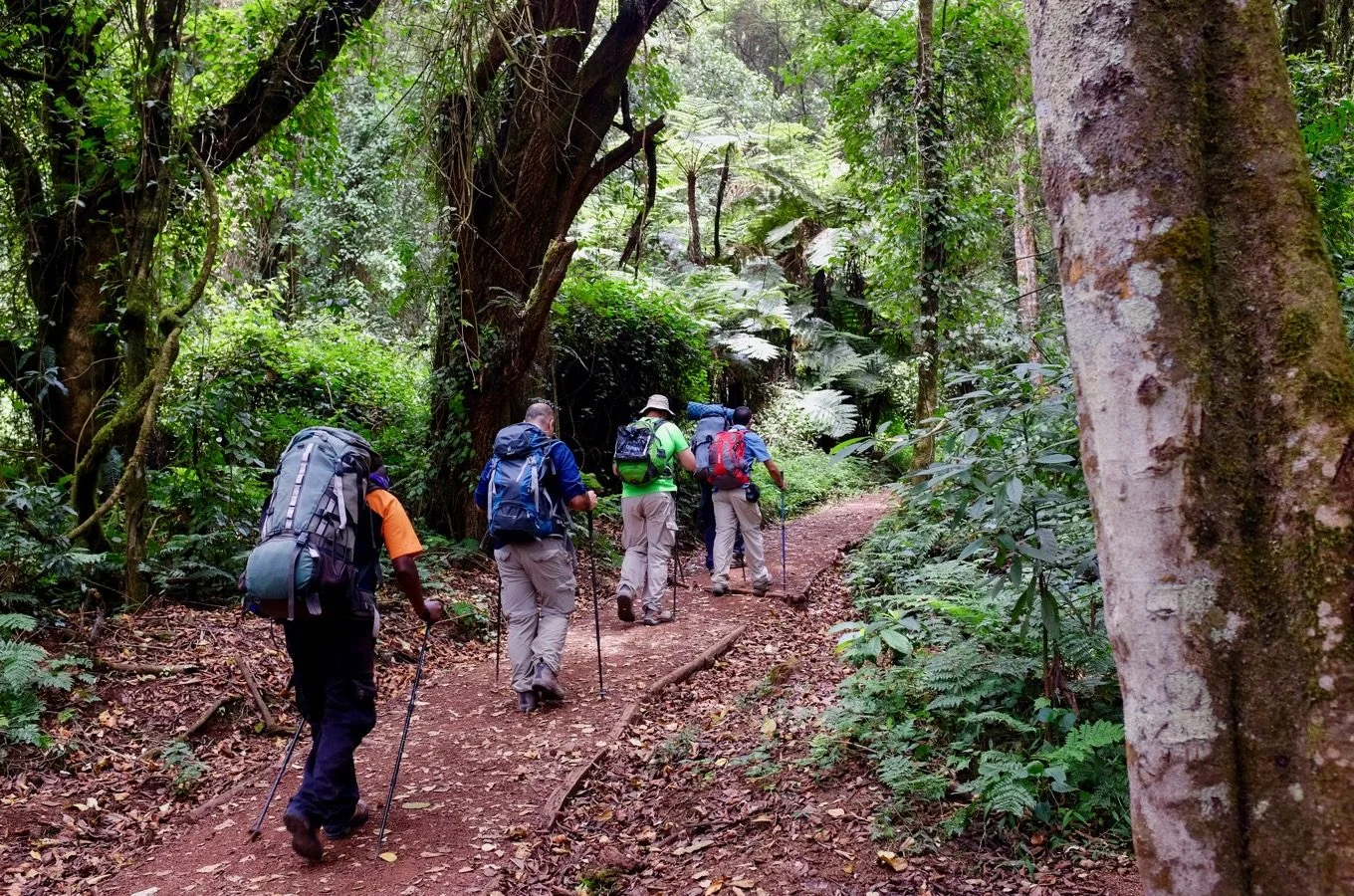
At the base, you enter a cultivated zone where the land is used for farming. This area is rich in vegetation and warmth, and crops like coffee, bananas, and vegetables grow well here. As you climb higher, you enter the rainforest zone, which is lush, humid, and full of life. The forest is home to a wide variety of wildlife, including monkeys, birds, and insects. The thick trees and dense undergrowth make the forest feel alive, as though it has a personality all its own.
Above the rainforest lies the moorland or heather zone, where the air starts to thin and the climate becomes colder. The vegetation here becomes sparse, and the ground is often covered in strange, towering plants known as giant groundsels and giant lobelias, which seem almost otherworldly. As you climb further, you enter the alpine desert zone, where conditions become harsh. The air is thin and dry, and the landscape feels almost barren, with only small, hardy plants and insects managing to survive in the extreme conditions.
Finally, at the summit, you encounter the arctic zone, a world of ice, snow, and freezing temperatures. The landscape here is stark and dramatic, with glaciers, ice sheets, and jagged rocks. The summit of Kilimanjaro is often covered in snow, despite being near the equator. However, due to global warming, the ice sheets are shrinking at a rapid rate.

4. The Snow and Glaciers Are Rapidly Disappearing
Kilimanjaro is well-known for its snow-capped summit, but in recent years, scientists have noticed a dramatic decline in the amount of ice and snow at the peak. In the past century, the glaciers on Kilimanjaro have shrunk by more than 80%, and much of the remaining ice is now in a state of rapid decline. Some scientists believe that within a few decades, the mountain may no longer have any snow at all.
The reasons behind this shrinkage are complex but largely driven by global warming. Rising temperatures around the world have led to reduced snowfall and increased melting. Additionally, the loss of the surrounding forest ecosystem has contributed to changes in the local climate, making it even harder for the glaciers to survive. This process is happening faster than most experts expected, and it serves as a stark reminder of how sensitive high-altitude environments are to climate change.

The disappearance of the glaciers is not just a visual loss but also an environmental one. The glaciers and snowpack act as a vital source of freshwater for the surrounding areas, and their loss could severely affect local communities that depend on this water for agriculture and daily life.
5. Kilimanjaro Hosts an Incredible Range of Wildlife
The diverse climate zones on Kilimanjaro create an incredible variety of habitats that support a wide range of plant and animal life. The lower slopes of the mountain are rich with tropical forests, where you can find creatures such as elephants, buffalo, leopards, and various species of monkeys, including the blue monkey and the colobus monkey. These animals thrive in the lush, green environment of the rainforest zone, which provides ample food and shelter.
As you climb higher, the animals begin to change. The higher reaches of the mountain are home to species adapted to the colder, more arid conditions, such as the Kilimanjaro tree frog, which lives in the alpine zone. However, the higher you climb, the fewer animals you encounter, as the conditions become increasingly harsh and oxygen levels thin.

In addition to animals, the mountain is also home to a number of endemic plant species, many of which are found nowhere else in the world. For example, the giant groundsels and lobelias that dot the higher altitudes are unique to Kilimanjaro, giving the mountain an almost otherworldly appearance.
6. Kilimanjaro is One of the Easiest High Mountains to Climb
Despite its towering height and extreme conditions, Kilimanjaro is considered one of the more accessible high mountains in the world for climbers. Unlike other peaks that require technical climbing skills, Kilimanjaro is a non-technical mountain, which means that anyone with a good level of fitness can attempt the climb.
There are no ice axes or ropes required the trek is mainly a long, uphill hike, which is why it’s often referred to as a “walking safari” rather than a technical climb. That said, the mountain’s high altitude poses a significant challenge. Altitude sickness is a common concern for climbers, and it’s important to give the body time to acclimatize to the thin air as you ascend.
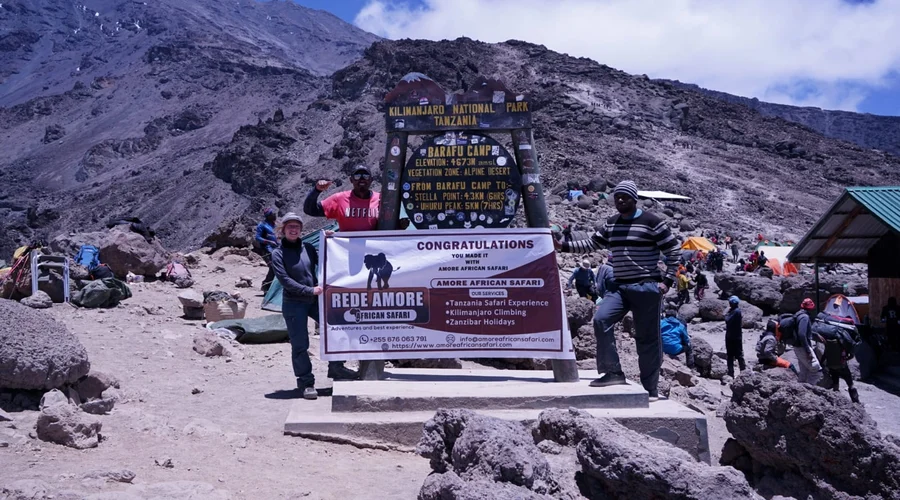
While the climb is easier than some other high mountains, it’s still a physically demanding journey, and it’s important to prepare properly, both physically and mentally.
7. The First Successful Summit Was in 1889
The first recorded ascent of Kilimanjaro was made in 1889 by a German geographer named Hans Meyer and an Austrian mountaineer named Ludwig Purtscheller. Their climb was not easy, as they faced many challenges, including poor weather, difficult terrain, and the fact that they had little knowledge of the mountain’s high-altitude environment.
Interestingly, the local Chaga people had known about the mountain for centuries, but it wasn’t until outsiders attempted the climb that it gained international recognition. Local guides, such as Yakubu Lijiu, were crucial to their success, and many later climbers relied on these local experts to navigate the mountain safely.
Their achievement opened the door for further exploration and has since inspired thousands of climbers to attempt the summit.

8. Kilimanjaro Has Multiple Routes to the Top
There are several routes to the summit of Kilimanjaro, and each route offers a different experience. Some routes, like the Marangu Route, are well-traveled and relatively straightforward, with hut accommodations along the way. Others, like the Machame Route, are more scenic but also more challenging, with steep climbs and rougher conditions.
Each route provides a unique perspective on the mountain, and the choice of route often depends on the climber's experience level, desired difficulty, and the amount of time they have. One key factor in any climb is the need for proper acclimatization to avoid altitude sickness, which is why longer routes, such as Lemosho, are popular they allow climbers to adjust more gradually to the thinning air.
9. Kilimanjaro National Park Protects the Mountain
Kilimanjaro is protected by Kilimanjaro National Park, a UNESCO World Heritage site. The park covers over 1,600 square kilometers (about 620 square miles) and is home to diverse ecosystems, wildlife, and natural beauty. The park was created not just for tourism, but to protect the delicate environmental balance of the mountain’s ecosystems and its unique species.
The park is vital for preserving the mountain’s flora and fauna, as well as the watersheds that provide water to the surrounding areas. By protecting the land, Tanzania ensures that future generations can experience the wonders of Kilimanjaro while maintaining the area’s biodiversity.

10. Kilimanjaro Holds Deep Cultural Significance
For the Chaga people who live on the slopes of the mountain, Kilimanjaro is not just a physical landmark it holds spiritual significance. The mountain is seen as a sacred place, with many myths and legends surrounding it. Local traditions describe the mountain as the home of gods or ancestral spirits, and its summit is often considered a link between the earthly and spiritual worlds.
The Chaga people also rely on the mountain for their livelihoods. The fertile soils, nourished by volcanic ash, allow them to grow crops such as coffee, bananas, and beans. In addition, the mountain’s glaciers and snowpack provide vital water to the region, making Kilimanjaro a symbol of life and prosperity.
.jpg)
Personal Experiences and Testimonials from Climbers
While the facts and history surrounding Mount Kilimanjaro are fascinating, there's something uniquely inspiring about the personal stories of those who have climbed this majestic peak. For many, reaching the summit is more than just a physical achievement; it’s an emotional and spiritual journey that stays with them forever.
- Many climbers describe feeling an incredible sense of achievement as they near the summit. Some also mention feeling a spiritual connection to the mountain, similar to a pilgrimage.
- Other stories highlight the difficulties climbers face, such as battling altitude sickness, but ultimately persevering to reach the top and standing in awe of the mountain’s grandeur.
Kilimanjaro in Popular Culture
Mount Kilimanjaro has long captured the imaginations of writers, filmmakers, and artists around the world. Its towering peaks and snow-covered summit have inspired numerous literary works, films, and songs.
- Ernest Hemingway’s short story, “The Snows of Kilimanjaro”, helped cement the mountain as a symbol of human aspiration and personal struggle.
- In the film world, Kilimanjaro has been featured in documentaries like "Kilimanjaro: To the Roof of Africa", and is regularly showcased in adventure films, where the mountain often represents the ultimate challenge.
- The mountain’s iconic imagery has also appeared in various artworks, with painters and photographers often capturing its snow-capped peaks and sweeping landscapes.

Conservation Efforts on Kilimanjaro
Mount Kilimanjaro’s ecological and cultural importance makes it a focal point for conservation efforts, as the effects of climate change and human activity threaten its glaciers, ecosystems, and local communities.
- The Kilimanjaro Conservation Organization (KCO) focuses on promoting sustainable tourism to reduce the environmental impact of climbing. This includes encouraging climbers to use established routes, minimize waste, and support local communities.
- Reforestation projects are actively being carried out in areas where deforestation has been an issue. These efforts help restore critical habitats and improve local water sources.
- Water management initiatives are particularly vital as the glaciers continue to shrink. Local communities rely on snowmelt for farming, and the decreasing ice poses a threat to water resources.
Health and Safety Tips for Climbers
Climbing Mount Kilimanjaro is a physically demanding endeavor, even though it is considered one of the easier high-altitude climbs. However, like any high-altitude trek, climbers must prepare for the challenges that come with altitude sickness, harsh weather conditions, and the physical strain of the climb.
- Physical Preparation: Focus on endurance training with cardio exercises like running, cycling, or long walks. Practice hiking with a weighted backpack to simulate carrying your gear.
- Altitude Sickness Prevention: Follow the “climb high, sleep low” principle to help your body adjust to the thinner air. Always take time to rest and stay hydrated.
- Proper Gear: Pack warm clothing and high-quality hiking boots, as well as gear like headlamps, walking poles, and waterproof jackets for unpredictable weather.
- Best Times to Climb: The most ideal months are between January and March, and June to October, when rainfall is minimal and the weather is generally favorable for a safe climb.
The Chaga People’s Connection to Kilimanjaro
The Chaga people, who have lived on the slopes of Kilimanjaro for centuries, have a deep spiritual connection to the mountain. For them, Kilimanjaro is not just a majestic natural wonder, but a sacred place that forms an integral part of their culture, history, and identity.
- Spiritual Significance: The Chaga view Kilimanjaro as the home of gods and ancestral spirits. The summit is considered a sacred space, a link between the physical world and the divine.
- Agricultural Contributions: The fertile volcanic soils of Kilimanjaro support coffee, bananas, and other crops, providing the Chaga with a sustainable livelihood. The glaciers and snowmelt from the mountain also provide vital water for irrigation.
- Traditional Knowledge: The Chaga people are known for their expertise in agriculture and mountain navigation. Many local guides, deeply knowledgeable about the mountain, assist climbers in their journeys.
.JPG)
Kilimanjaro’s Role in Scientific Research
Mount Kilimanjaro is a unique natural laboratory for scientists, who study its ecosystems, wildlife, and the effects of climate change. Its varied climate zones make it an ideal location for understanding the impact of altitude on biodiversity, while its shrinking glaciers provide valuable data on climate change.
- Glaciology: Scientists monitor the glaciers closely to understand climate change. The glaciers are retreating rapidly, offering insight into how high-altitude ice is affected by global warming.
- Biodiversity Studies: Kilimanjaro's ecosystems, from tropical rainforests to alpine deserts, are home to endemic species that are found nowhere else in the world. Researchers study the adaptability of these species, such as the Kilimanjaro tree frog and giant lobelias.
- Environmental Monitoring: Ongoing studies on soil erosion, water resources, and deforestation are crucial to understand the environmental pressures facing Kilimanjaro and the surrounding regions.
The Importance of Protecting Kilimanjaro
As the effects of climate change and human activity continue to threaten Mount Kilimanjaro, the need for preservation and sustainable management is more critical than ever.
- Sustainable Tourism: Promote responsible tourism practices such as leaving no trace, respecting local cultures, and supporting eco-friendly businesses that contribute to conservation.
- Deforestation: Combat illegal logging by supporting reforestation initiatives and encouraging sustainable farming practices in local communities.
- Support Conservation Efforts: Consider donating to or volunteering with organizations like Kilimanjaro Conservation to help protect the mountain’s fragile ecosystems.
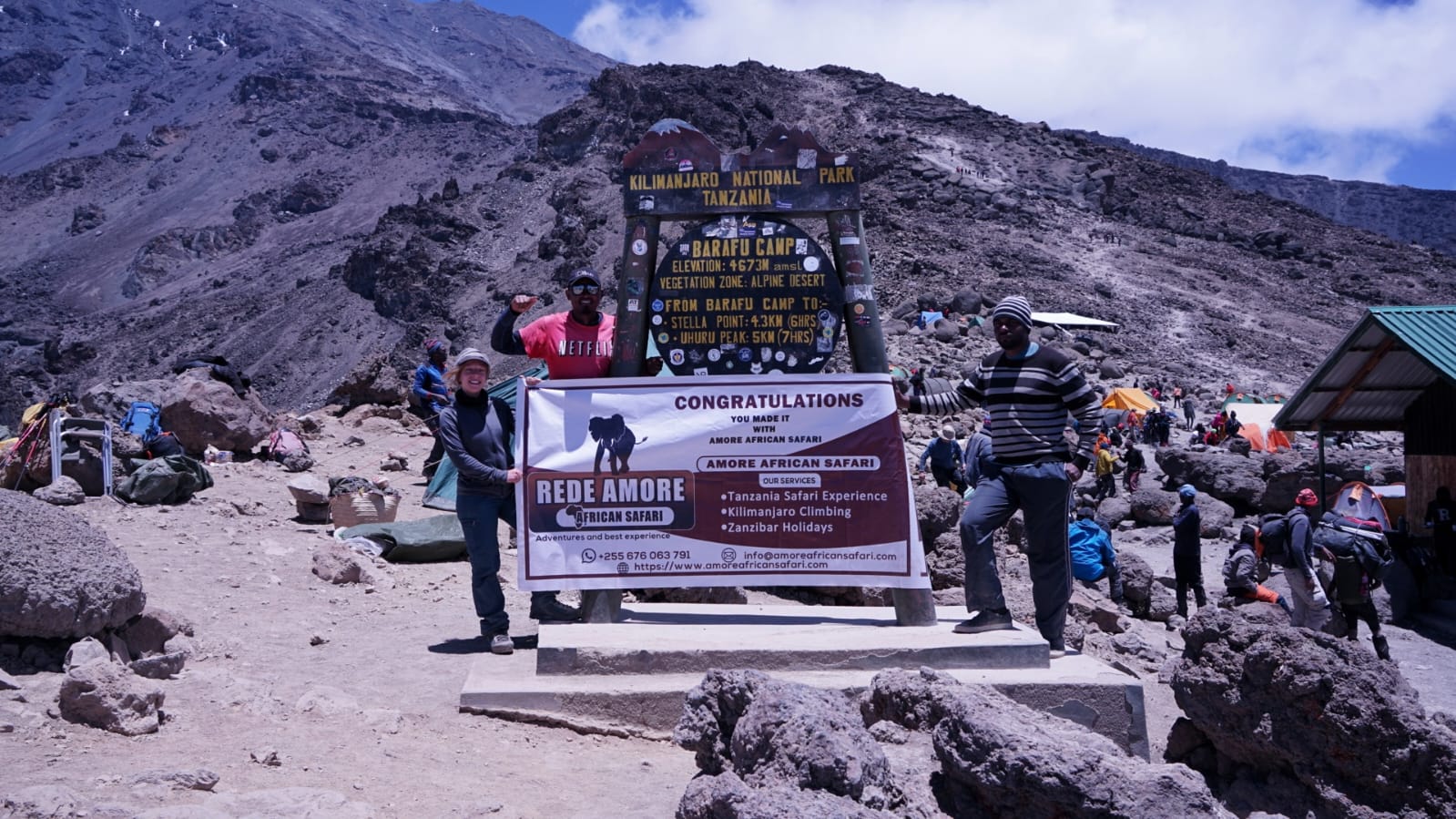
Mount Kilimanjaro is more than just the highest peak in Africa; it is a cultural, spiritual, environmental, and scientific treasure that continues to capture the hearts and minds of people around the world. From the Chaga people’s spiritual connection to its slopes to the scientific research that uses it as a living laboratory, Kilimanjaro represents the intersection of human history, natural beauty, and global challenges.
As we look to the future, it is vital to continue efforts to protect and preserve Kilimanjaro. Whether through conservation, sustainable tourism, or environmental activism, we all have a role to play in safeguarding this majestic mountain for generations to come.