
Reaching the "Roof of Africa" is a monumental achievement, but the high altitude and extreme conditions of Mount Kilimanjaro require serious respect. Safety is the single most important factor in any successful trek. At Rede Tours and Safaris, we believe that every climber should be well-informed about the risks and the protocols put in place to mitigate them. Whether you are a seasoned hiker or a first-time climber, understanding Kilimanjaro safety considerations is essential for a safe 2026 or 2027 summit attempt.
This guide outlines the critical health and safety measures you need to follow—from managing altitude sickness to choosing the right team—to ensure your adventure is both safe and successful.
Top 10 Safety Protocols for a Successful Kilimanjaro Climb
1. Acclimatize: "Pole Pole" (Slowly, Slowly)
The golden rule of Kilimanjaro is to trek slowly. Moving at a relaxed pace allows your body more time to adapt to the decreasing oxygen levels. Even if you feel energetic, rushing increases the risk of altitude sickness. Our guides will constantly remind you to go "Pole Pole." This strategy is the most effective way to reach the summit safely.
"Success on Kilimanjaro isn't a race; it's a slow adaptation to the sky."
2. Understand Altitude Sickness (AMS)
Acute Mountain Sickness (AMS) can affect anyone, regardless of age or fitness level. It is crucial to recognize early symptoms:
- Mild AMS: Headache, nausea, dizziness, and loss of appetite.
- Serious Conditions: HAPE (fluid in lungs) and HACE (swelling of the brain) are life-threatening and require immediate descent.
Our guides are trained to monitor these symptoms and will conduct health checks twice daily using pulse oximeters to measure your oxygen saturation and heart rate.

3. Choose a Safe Route Profile
Routes with a "climb high, sleep low" profile offer the best safety margins. For example:
- Lemosho & Machame: These offer excellent acclimatization opportunities by allowing you to hike to high points during the day and sleep at lower altitudes.
- Avoid 5-Day Treks: Unless you are already pre-acclimatized, 5-day routes have much higher failure and sickness rates. We recommend at least 6 or 7 days.
4. Hydration and Nutrition
Your body works significantly harder at altitude. You should aim to drink 3 to 4 liters of water per day. Proper hydration helps thin the blood and aids acclimatization. Likewise, eating enough calories—even if you lose your appetite—is vital to provide the energy needed for the final summit push.
5. Professional Medical Equipment
A reputable operator should always carry emergency medical supplies. Ensure your trekking team provides:
- Pulse Oximeters: To monitor heart rate and oxygen levels.
- Emergency Oxygen: Used to stabilize climbers with severe altitude symptoms during descent.
- Comprehensive First Aid Kit: Managed by guides certified as Wilderness First Responders (WFR).
6. Invest in Proper Gear
Hypothermia and frostbite are real risks on the summit night where temperatures can drop to -20°C (-4°F). High-quality moisture-wicking layers, a heavy down jacket, waterproof outer shells, and thermal gloves are non-negotiable. Don't compromise on your boots; they must be waterproof and well-broken-in to prevent blisters and injury.
"There is no such thing as bad weather, only bad clothing choices for the mountain."
7. Daily Health Briefings
Every evening, your lead guide should sit down with you to discuss how you are feeling. Be 100% honest. Hiding a persistent headache or nausea can lead to dangerous complications later. Open communication between you and your guide is a vital safety link.
8. Emergency Evacuation Procedures
Before you start, ensure your operator has a clear evacuation plan. This includes coordination with AMREF Flying Doctors for helicopter rescue if necessary. You must have travel insurance that specifically covers high-altitude trekking up to 6,000 meters.
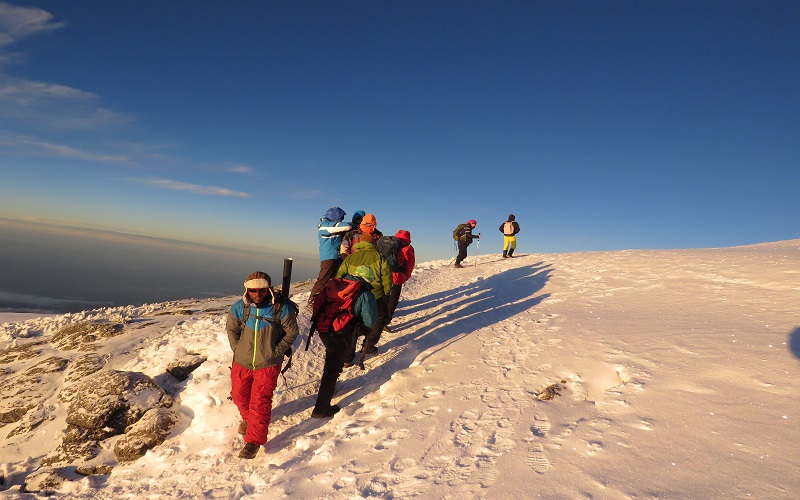
9. Physical & Mental Preparation
While Kilimanjaro is a "walk-up" mountain, it is physically demanding. Building cardiovascular endurance and leg strength months before your climb will reduce physical stress on your body. Mental resilience is equally important; staying positive helps you cope with the discomfort of altitude and cold.
10. Guide Expertise and Ratios
A safe climb requires a high guide-to-climber ratio (ideally 1 guide for every 2-3 climbers). This ensures that if one person needs to descend, a qualified guide can accompany them while the rest of the group continues safely. Always verify that your guides are licensed and experienced.
Final Word: Safety is Success
Reaching the summit is optional, but returning safely is mandatory. By following these safety considerations and choosing an operator like Rede Tours and Safaris that prioritizes medical monitoring and professional guiding, you significantly increase your chances of standing on Uhuru Peak. Listen to your body, trust your guides, and enjoy the journey!

