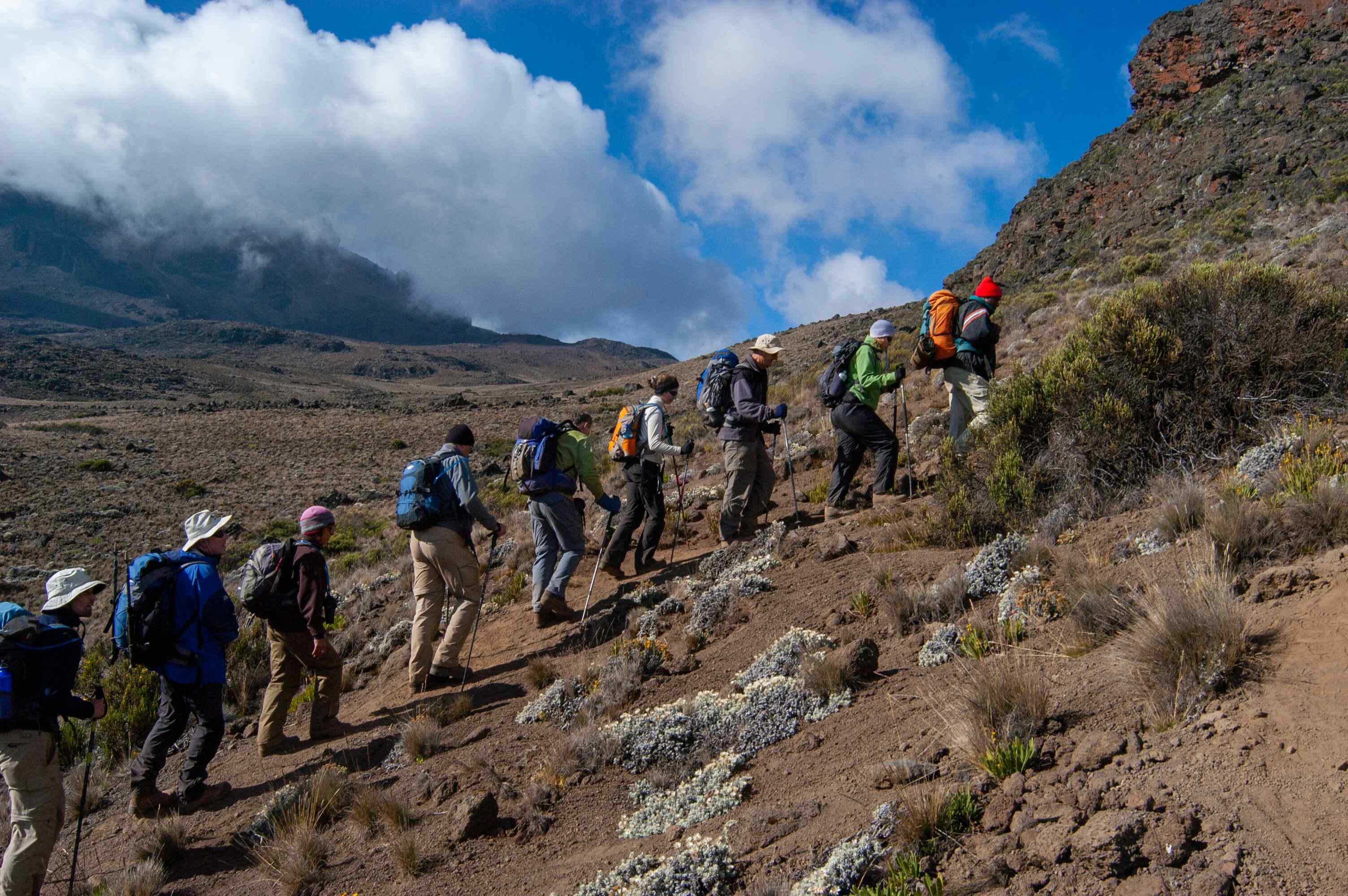
7 Days Lemosho Route Kilimanjaro Hiking Tour
From: $1,790

7 Days Lemosho Route Kilimanjaro Hiking Tour

7 Days Lemosho Route (Western Side)

Lemosho Route 7 Days starts from the western side of Mount Kilimanjaro, the most scenic route with excellent acclimatization and a high summit success rate.

  • Route name: 7 Days Lemosho Route Kilimanjaro Hiking Tour
  • Starting point: Moshi, Tanzania
  • Starting gate: Lemosho Gate on the western side of Mount Kilimanjaro
  • Summit: Uhuru Peak, 5,895 m
  • Daily hiking: 4–8 hours typical; summit day 12–15 hours
  • Typical success rate: Over 85% with proper preparation and acclimatization
  • Best months: January–March and June–October
  • Price range: USD 1,790–2,250 per person

Overview

The 7 Days Lemosho Route Kilimanjaro Hiking Tour starts from Moshi and begins at Lemosho Gate on the western side of Mount Kilimanjaro. This route is known for its beautiful scenery, gradual ascent, and excellent acclimatization profile, making it one of the best choices for climbers aiming to reach Uhuru Peak.

7-day Lemosho Route is lesser known route on kilimanjaro making it less populated path despite its beautiful scenery. The route starts at Londorossi Gate, travesses the shira plateau, pass through lava tower and the Baranco wall before summiting at Uhuru Peak (5895m) and descending via Mweka route.

This 7-day lemosho route hiking involves 7 days of hiking to kilimanjaro's uhuru peak and 2 days of hotel stays at Moshi before and after the hike.

7 Days Lemosho Route Kilimanjaro Hiking Highlights

  • Day 1: Drive from Moshi to Londorossi Gate (2,100 m)
  • Day 2: Mti Mkubwa Camp (2,820 m) to Shira 1 Camp (3,505 m)
  • Day 3: Shira 1 Camp (3,505 m) to Moir Hut (4,200 m)
  • Day 4: Moir Hut (4,200 m) to Lava Tower (4,600 m)
  • Day 5: Barranco Camp (3,960 m) to Karanga Camp (4,035 m)
  • Day 6: Karanga Camp (4,035 m) to Barafu Camp (4,640 m)
  • Day 7: Summit attempt from Barafu Camp to Uhuru Peak (5,895 m)
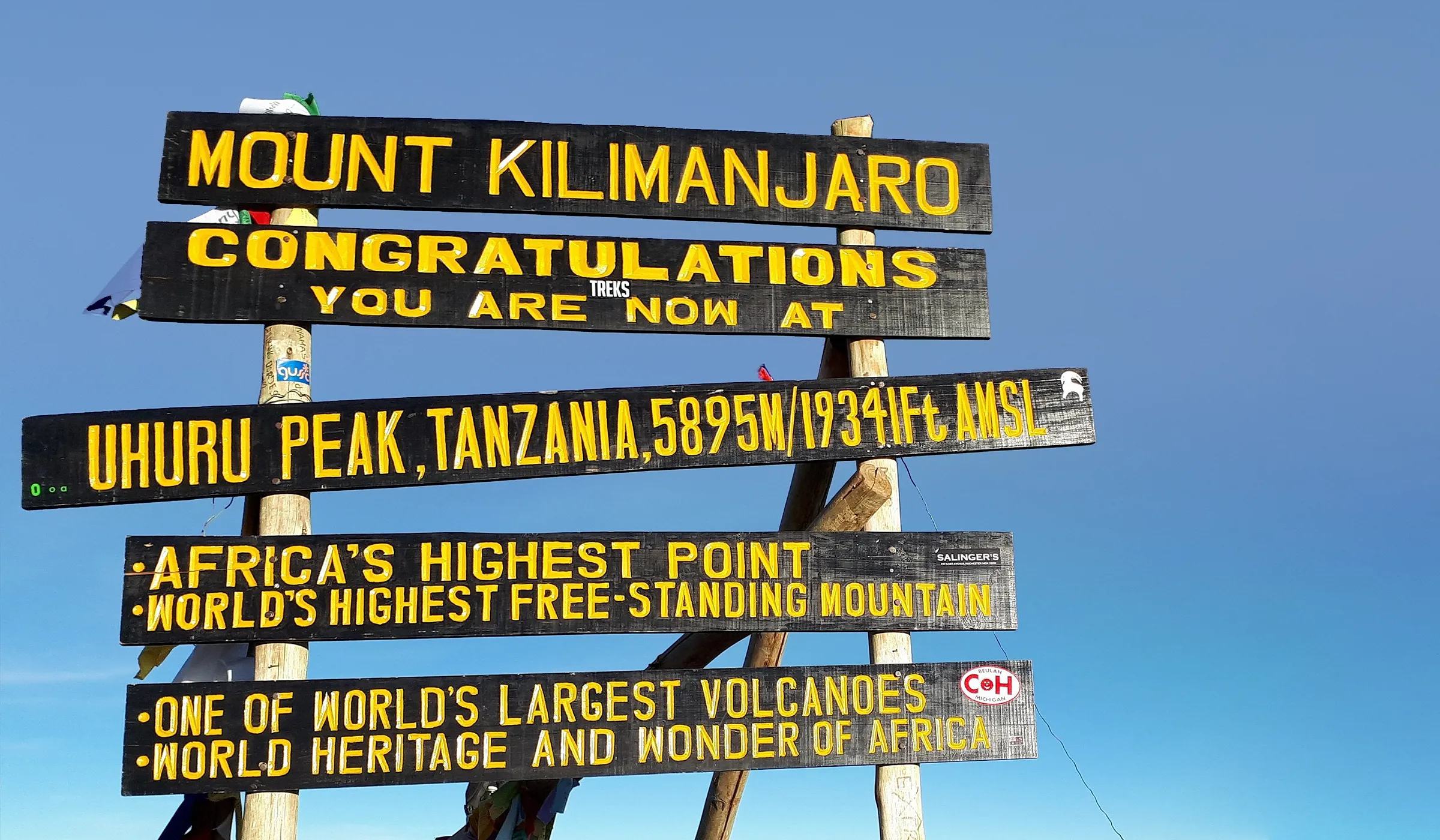
kilimanjaro climbing via machame route to uhuru peak

Why Choose 7 Days Lemosho Instead of Machame?

The 7 Days Lemosho Route offers a quieter and more gradual approach to Mount Kilimanjaro compared with Machame. It provides beautiful scenery, fewer crowds, and a longer acclimatization period before the summit attempt.

The extra day allows climbers to adapt better to altitude while enjoying highlights such as the Shira Plateau, Lava Tower, and Southern Circuit. It is a great choice for first-time climbers who want a scenic, comfortable, and higher chance of reaching Uhuru Peak.

7 Days Kilimanjaro Lemosho Route Itinerary

Day 1: Moshi to Londorossi Gate (2,100 m) to Mti Mkubwa Camp (2,820 m)

The 7-day Lemosho Route adventure begins in Moshi with a scenic drive to Londorossi Gate on the western side of Mount Kilimanjaro. After completing park registration and entry formalities, you continue to the Lemosho trailhead, where your hike begins. This quieter side of the mountain offers a peaceful introduction to Kilimanjaro before you enter the lush rainforest.

The hike takes you through the beautiful montane forest, surrounded by tall trees, moss-covered branches, and the sounds of birds and monkeys. Your professional guide will help you spot local plants and wildlife while sharing interesting stories about Kilimanjaro and the surrounding area.

After approximately 3–4 hours of steady hiking, you arrive at Mti Mkubwa Camp, where your mountain crew prepares your first overnight stay. As you settle into camp and enjoy your first evening on the mountain, the excitement of climbing Africa's highest peak truly begins.

Day 2: Mti Mkubwa Camp (2,820 m) to Shira 1 Camp (3,505 m)

Today's trek takes you above the rainforest into the beautiful moorland zone. As you gain altitude, the vegetation changes from tall trees to giant heathers and open landscapes, and the first views of Kibo Peak begin to appear.

The trail becomes more open and scenic as you approach the Shira Plateau. You will notice the air becoming cooler and the landscape becoming more dramatic with volcanic rocks, mountain views, and wide views across the plains below.

You spend the night at Shira 1 Camp, one of the best places on the route to enjoy sunset views over the surrounding landscape.

Day 3: Shira 1 Camp (3,505 m) to Moir Hut (4,200 m)

Today you cross the impressive Shira Plateau, one of the oldest volcanic features on Mount Kilimanjaro. The wide open terrain gives you a true feeling of being in a high-altitude wilderness.

The pace remains slow to help your body adjust to the increasing altitude. Along the way, your guide will explain the unique plants that survive in this harsh environment and point out different views of Kibo Peak.

You arrive at Moir Hut, a quieter camp away from the main trail, offering a peaceful evening before joining the southern circuit.

Day 4: Moir Hut (4,200 m) to Lava Tower (4,600 m) to Barranco Camp (3,960 m)

Today is an important acclimatization day on the 7 Days Lemosho Route Kilimanjaro Hiking Tour. You climb higher toward Lava Tower, allowing your body to experience a higher altitude before descending to sleep lower at Barranco Camp.

The landscape changes completely as you leave the last vegetation behind and enter the alpine desert zone. The trail becomes rocky, quiet, and surrounded by impressive views of Kibo Peak.

At Lava Tower (4,600 m), many climbers notice the effects of altitude for the first time. Your guide will monitor your condition while you enjoy a lunch break before starting the descent into the beautiful Barranco Valley.

The arrival at Barranco Camp is one of the highlights of the route. The huge Barranco Wall rising above the camp creates one of the most memorable views on Kilimanjaro.

Day 5: Barranco Camp (3,960 m) to Karanga Camp (4,035 m) via Barranco Wall

After breakfast, you begin one of the most exciting sections of the Lemosho Route — crossing the famous Barranco Wall. Although it looks steep from the camp, it is a fun hiking section where you use your hands in a few places for balance.

Your guide will help you choose the best steps while you slowly climb toward the top. Once you reach the viewpoint, you are rewarded with amazing views of Kibo Peak and the valleys below.

The trail continues across the high alpine desert toward Karanga Camp. This shorter hiking day allows you to rest, recover, and continue preparing your body for the final summit push.

Day 6: Karanga Camp (4,035 m) to Barafu Camp (4,640 m)

Today you continue through the dry alpine landscape toward Barafu Camp, the final camp before reaching Uhuru Peak. The trail is shorter, but the altitude makes every step feel more demanding.

As you approach Barafu Camp, you will notice the mountain environment becoming more extreme. Strong winds, cold temperatures, and rocky terrain remind you that you are getting close to the summit zone.

From the camp, you enjoy views of Kibo Peak and Mawenzi Peak while your guides prepare you for the summit attempt. After an early dinner, you rest for a few hours before beginning the final climb around midnight.

Day 7: Barafu Camp (4,640 m) to Uhuru Peak (5,895 m) and Descent to Mweka Camp (3,080 m)

The final day begins around midnight with a warm drink and a slow walk into the darkness toward the summit of Mount Kilimanjaro. This is the most challenging part of the journey, but also the most rewarding.

The climb to Stella Point (5,739 m) takes you across steep volcanic scree. Your guide sets a slow and steady pace, helping you conserve energy as you climb higher into the thin mountain air.

From Stella Point, you continue along the crater rim to Uhuru Peak (5,895 m), the highest point in Africa. Standing at the summit is an unforgettable moment where you can celebrate your achievement and enjoy incredible views of the glaciers and surrounding landscapes.

After taking photos at the summit, you begin the long descent back through Barafu Camp and continue down to Mweka Camp. The return to the forest zone marks the end of your Kilimanjaro adventure, bringing you from the icy summit environment back into the green slopes where your journey began.

Request your Quote

7 Days Lemosho Route Kilimanjaro Cost & Booking

The cost of the 7 Days Lemosho Route Kilimanjaro Hiking Tour usually ranges from US$1,790 to US$2,300 per person. The final price depends on group size, accommodation standards in Moshi, level of mountain support, and services included in the package.

The Lemosho Route is slightly more expensive than shorter Kilimanjaro routes because it starts from the western side of the mountain, requires longer transport logistics, and includes seven days of park fees, camping services, food supplies, and mountain crew support.

For a 7 Days Lemosho Route group climbing package, climbers normally budget around $260 to $350 per person per day depending on the group size and service level.

Accommodation Before and After Your Kilimanjaro Climb

Most 7 Days Lemosho Route packages include accommodation in Moshi before and after the climb. Staying in Moshi allows enough time for equipment checks, guide briefing, and early morning transfer to Lemosho Gate.

Recommended hotels commonly used by Kilimanjaro climbers include:

  • Kilimanjaro White House Hotel – Comfortable budget-friendly option with easy access to Moshi town.
  • Keys Hotel – Popular climber accommodation with restaurant facilities and mountain views.
  • Parkview Hotel Moshi – Convenient location near the town centre.
  • Kilimanjaro Wonders Hotel – Higher comfort option with swimming pool and mountain views.

Your exact hotel depends on availability, season, and the accommodation category selected during booking.

7 Days Lemosho Route Kilimanjaro Pricing
Group Size Cost Per Person (USD) Booking
1 Person $2,300 Book Now
2-5 People $2,050 Book Now
6-14 People $1,950 Book Now
15-20 People $1,850 Book Now
21+ People $1,790 Book Now

Solo Climber Supplement: +$350
Single Room Supplement (Before/After Trek): +$300

The 7 Days Lemosho Route cost includes all essential mountain logistics required for a safe Kilimanjaro climb, including park fees, camping equipment, professional guides, porters, meals, and emergency support.


Crew Structure (Per 2 Climbers – Standard Ratio)

A successful Kilimanjaro climb depends on a strong mountain support team. For every two climbers, the typical crew includes:

1 Lead Mountain Guide
1 Assistant Guide
1 Cook
1 Service Porter
1 Toilet Porter (where requested)
8–12 Porters for camping equipment, food, and supplies


What Affects the Cost of the 7 Days Lemosho Route?

Several factors influence the final price of a 7 Days Lemosho Route Kilimanjaro climb. These include group size, number of guides and porters, quality of camping equipment, food standards, hotel accommodation in Moshi, and safety services provided.

Lemosho also requires longer vehicle transfers from Moshi to the western mountain gate compared with routes such as Marangu and Machame. This additional distance, combined with the longer itinerary, affects the overall cost.


What's Included?

  • 2 nights accommodation in Moshi before and after the climb
  • Airport transfers
  • Transport from Moshi to Lemosho Gate and back
  • Kilimanjaro National Park fees
  • Camping fees and rescue fees
  • Professional mountain guides
  • Assistant guides and porters
  • Mountain cook and support crew
  • Quality sleeping tents
  • Dining tent and camping equipment
  • Portable toilet
  • All meals during the trek
  • Drinking water throughout the climb
  • Emergency oxygen cylinder
  • Pulse oximeter altitude monitoring
  • First aid kit
  • Government taxes and VAT

What's Excluded?

  • International flights
  • Tanzania visa fees
  • Travel insurance
  • Personal trekking gear
  • Tips for guides, porters, and cooks
  • Personal shopping and expenses
  • Additional hotel upgrades

Why Choose the 7 Days Lemosho Route Kilimanjaro Hiking Tour?

Scenery and ecological diversity: The Lemosho Route is widely considered one of the most scenic routes on Mount Kilimanjaro. The journey begins from the western slopes of the mountain, where the trail passes through untouched rainforest filled with ancient trees, thick moss, colorful flowers, and bird species found only in the Kilimanjaro ecosystem. As altitude increases, the forest gives way to the heath and moorland zone, home to unique high-altitude plants such as giant lobelias and giant senecios. The route then crosses the wide Shira Plateau before entering the volcanic alpine desert and finally reaching the icy summit zone near Uhuru Peak.

Better acclimatization profile: One of the main reasons climbers choose the 7 Days Lemosho Route is the gradual altitude gain. Unlike shorter Kilimanjaro routes, this itinerary allows more time for the body to adjust to reduced oxygen levels. The route includes important acclimatization sections such as ascending toward Lava Tower at approximately 4,600 m before descending to Barranco Camp. This "climb high, sleep low" approach is one of the most effective ways to prepare the body for the summit attempt.

Peaceful and less crowded trail: The Lemosho Route starts from a remote area on the western side of Kilimanjaro, offering a quieter trekking experience during the first days. Climbers enjoy a more natural wilderness environment before joining the southern circuit near Lava Tower and Barranco Camp. This makes it an excellent choice for travelers who want beautiful scenery, fewer crowds, and more time to enjoy the mountain.

Adventure without technical climbing: The 7 Days Lemosho Route offers a true high-altitude trekking experience without requiring previous mountaineering skills. The route includes challenging sections such as the Barranco Wall, long summit preparation days, and changing weather conditions, but no ropes or technical climbing equipment are needed. With experienced guides and a steady pace, most prepared hikers can complete the climb successfully.

Professional mountain support: Every climb is supported by a trained mountain crew including licensed guides, assistant guides, cooks, and porters. The team manages camping equipment, meals, drinking water, safety checks, and daily mountain logistics. Proper support allows climbers to focus on acclimatization, pacing, and enjoying the experience of reaching Africa's highest peak.


Success Rate of the 7 Days Lemosho Route

The 7 Days Lemosho Route Kilimanjaro climb has one of the highest success rates among the popular Kilimanjaro routes. A properly planned seven-day itinerary can achieve summit success rates of around 85% to over 90%, depending on weather conditions, climber preparation, and the quality of the guiding team.

The main advantage of the seven-day Lemosho itinerary is the additional time for acclimatization. Spending more nights on the mountain allows the body to gradually adjust before the final summit push.

Key factors that influence summit success:

  • Acclimatization schedule: The gradual ascent and "climb high, sleep low" sections improve the body's ability to adapt to altitude.
  • Physical preparation: Strong endurance, regular hiking practice, and good fitness make long trekking days easier.
  • Walking pace: A slow and consistent pace helps conserve energy and reduces altitude-related problems.
  • Weather conditions: Rain, snow, cold temperatures, and strong winds can affect progress, especially near the summit.
  • Nutrition and hydration: Proper meals and regular water intake are essential for maintaining energy at high altitude.
  • Experienced guides: Professional guides monitor health, check oxygen levels, and adjust the pace when necessary.

How professional operators improve success: Experienced Kilimanjaro companies use qualified guides, proper safety equipment, balanced meals, reliable camping gear, and carefully planned schedules. These factors reduce unnecessary risks and give climbers the best possible chance of reaching Uhuru Peak.


Best Time to Climb the 7 Days Lemosho Route

The best time to climb the 7 Days Lemosho Route Kilimanjaro is during the dry seasons when trails are easier to walk and visibility around the mountain is usually better.

January to March: These months offer cooler conditions, fewer climbers, and a good chance of seeing snow near the summit area.

June to October: This is the most popular climbing season because of generally dry weather, clearer views, and stable trail conditions.

November: Short rains can create muddy trails and cloudy conditions, although experienced climbers can still complete the route.

March to May: The long rainy season brings wetter conditions, slippery trails, and reduced visibility, making the climb more challenging.


Is the 7 Days Lemosho Route Difficult?

The 7 Days Lemosho Route is considered a challenging but achievable trekking route. The difficulty comes mainly from the high altitude, long walking distances, cold temperatures near the summit, and several days of continuous hiking.

Unlike technical mountain climbs, Kilimanjaro does not require ropes, climbing experience, or special mountaineering skills. However, climbers need good fitness, mental preparation, and the ability to walk for several hours each day at high altitude.

The seven-day schedule makes the climb more comfortable compared with shorter itineraries because altitude gain is spread over more days. The route gives your body extra time to adapt before reaching high camps such as Barafu Camp at 4,640 m.

Daily expectations: Most trekking days involve approximately 5–8 hours of hiking. The summit day is the toughest section, starting around midnight and lasting about 12–15 hours as climbers reach Uhuru Peak and descend to a lower camp.

Altitude management: Climbers should follow the guide's pace, drink enough water, eat regularly, and report symptoms such as headaches, nausea, or dizziness immediately. Early response to altitude symptoms is important for safety.

Training recommendations: Preparation should include long walks, hiking, stair climbing, running, cycling, and strength exercises for the legs and core. Training with a backpack helps simulate real mountain conditions and improves endurance.

What Meals Are Included and What Food Can You Expect on Kilimanjaro?

All meals are included during the 7 Days Lemosho Route Kilimanjaro Hiking Tour and are freshly prepared by a professional mountain cook. The meals are designed to provide enough energy for long hiking days and help climbers maintain strength at high altitude.

Drinking Water During the Climb

  • Fresh water is collected from available mountain sources along the lower sections of the route.
  • All collected water is boiled before it is served to ensure it is safe for drinking.
  • In higher areas where natural water sources are no longer available, porters carry water in containers to supply the mountain camps.
  • Climbers are provided with enough drinking water throughout the trek to stay hydrated.

Breakfast on the Mountain

Breakfast is served every morning before starting the day's hike. A typical Kilimanjaro breakfast includes:

  • Fresh fruits
  • Scrambled eggs
  • Porridge
  • Toast with jam
  • Hot chocolate
  • Coffee or tea

Lunch During the Trek

Lunch is usually provided as a packed lunch that climbers enjoy along the trail. A typical lunch box may include:

  • Sandwiches
  • Boiled eggs
  • Chicken
  • Fresh fruits
  • Snacks for additional energy

Dinner at Mountain Camps

After reaching camp, dinner is served in the dining tent where climbers can relax and recover after the day's hike. Dinner usually includes:

  • Fresh soup with bread
  • Red meat or poultry
  • Rice, pasta, chips, mashed potatoes, or other starch options
  • Fresh vegetables
  • Fresh fruits for dessert
  • Hot chocolate, coffee, tea, or milk

Dining Arrangement on Kilimanjaro

  • Breakfast and dinner are served inside a dining tent equipped with tables and chairs.
  • Lunch is usually enjoyed along the hiking trail to allow more time for trekking.
  • The dining setup provides a comfortable space for climbers to eat, rest, and prepare for the next day's adventure.

Special Dietary Requirements

We can accommodate vegetarian meals, vegan diets, food allergies, and other dietary requirements. Please inform us before the climb so our mountain cook can prepare suitable meals throughout your 7 Days Lemosho Route Kilimanjaro climb.

7 Days Lemosho Route Packing List

Packing the correct equipment is essential for a safe and comfortable climb on the 7 Days Lemosho Route Kilimanjaro Hiking Tour. The route passes through five different climate zones, from warm rainforest areas to freezing temperatures at the summit.

A proper layering system allows climbers to adjust to changing temperatures throughout the trek. Lightweight hiking clothes are needed during warmer sections, while insulated jackets, gloves, and warm layers are required near the summit.

Clothing

  • ✔ Waterproof hiking jacket
  • ✔ Waterproof hiking trousers
  • ✔ Thermal base layers
  • ✔ Fleece jacket
  • ✔ Warm insulated down jacket
  • ✔ Warm gloves
  • ✔ Sun hat and warm winter hat
  • ✔ Hiking socks
  • ✔ Comfortable waterproof hiking boots

Essential Gear

  • ✔ Headlamp with extra batteries
  • ✔ Trekking poles
  • ✔ Sleeping bag rated for cold temperatures
  • ✔ Daypack (20–35 litres)
  • ✔ Water bottles or hydration bladder
  • ✔ Waterproof duffel bag
  • ✔ Backpack rain cover
  • ✔ Sunglasses for strong mountain sunlight

Personal Items

  • ✔ Sunscreen SPF 50+
  • ✔ Lip balm with sun protection
  • ✔ Personal medication
  • ✔ Wet wipes
  • ✔ Toiletries
  • ✔ Hand sanitizer
  • ✔ Camera or smartphone
  • ✔ Power bank

Kilimanjaro Equipment Rentals for the 7 Days Lemosho Route

You do not need to purchase all specialized mountain equipment for your 7 Days Lemosho Route Kilimanjaro Hiking Tour. We provide quality rental gear to help climbers travel lighter while still having the proper equipment required for changing mountain conditions.

The Lemosho Route passes through five different climate zones, starting from the warm rainforest on the western slopes of Mount Kilimanjaro and ending in freezing temperatures near Uhuru Peak at 5,895 m. Having the correct clothing and equipment is essential for comfort, safety, and summit success.

Available Kilimanjaro Rental Equipment

  • Four-season sleeping bags suitable for cold mountain nights
  • Warm down jackets for high-altitude sections and summit night
  • Trekking poles for balance and reducing pressure on knees during descent
  • Gaiters to protect against mud, rain, and volcanic scree
  • Waterproof hiking jackets and trousers
  • Waterproof duffel bags for porter transportation
  • Sleeping mats for additional insulation and comfort
  • Headlamps with spare batteries for the midnight summit attempt
  • Warm gloves and winter hats for cold summit conditions
  • Other essential mountain equipment upon request

Gear Inspection Before Starting the Climb

Before departing from Moshi for the Lemosho Gate, our experienced mountain guides conduct a complete equipment check to ensure every climber has the necessary gear for the trek.

The inspection focuses on important items such as hiking boots, waterproof clothing, warm layers, sleeping bags, and summit equipment. If any essential item is missing or unsuitable, we help arrange the correct rental equipment before beginning the climb.

Proper preparation allows you to focus on enjoying the scenery of the 7 Days Lemosho Route, from the rainforest and Shira Plateau to the final summit climb of Mount Kilimanjaro.

Everything to Know Before Climbing the 7 Days Lemosho Route Kilimanjaro

The 7 Days Lemosho Route Kilimanjaro climb is a scenic but demanding high-altitude trekking experience that requires proper preparation. The route starts from the western side of Mount Kilimanjaro and gradually climbs through rainforest, moorland, the Shira Plateau, alpine desert, and finally the summit zone at 5,895 m.

🏃 Physical Training for Kilimanjaro

  • Build cardiovascular endurance through hiking, running, cycling, or stair climbing
  • Practice long walks with a backpack to simulate mountain conditions
  • Strengthen legs, core muscles, and balance for uneven terrain
  • Train for consecutive hiking days because the climb involves continuous effort
  • Include uphill walking practice to prepare for higher altitude sections

🎒 Essential Gear for Lemosho Route

  • Waterproof hiking boots with good ankle support
  • Warm insulated jacket for cold nights and summit attempt
  • Waterproof jacket and trousers for rainforest conditions
  • Thermal base layers and fleece clothing
  • Headlamp for the midnight summit climb
  • Trekking poles for steep descents and rocky sections
💡 Expert Packing Insight: The Lemosho Route crosses five different climate zones. Climbers may experience warm and humid rainforest conditions at the beginning of the trek and freezing temperatures near Uhuru Peak. A proper layering system is essential because temperatures can change quickly during the climb.
Full Kilimanjaro Packing Guide

Prepare professionally using our structured training resources: 8-Week Kilimanjaro Training Plan .

Success on the 7 Days Lemosho Route Kilimanjaro climb depends on proper acclimatization, slow pacing, hydration, nutrition, and experienced mountain guidance. The extra day compared with shorter Kilimanjaro itineraries allows climbers more time to adjust to altitude before reaching the summit zone.

🩺 Altitude Safety Monitoring

  • Daily health checks by experienced mountain guides
  • Pulse oximeter monitoring to check oxygen saturation levels
  • Emergency oxygen available during the climb
  • First aid equipment carried by the mountain team
  • Guides trained to recognize symptoms of altitude sickness

🌍 Climbing Conditions on Lemosho Route

  • Five climate zones from rainforest to arctic summit conditions
  • Temperatures can range from warm daytime conditions to below freezing near Uhuru Peak
  • High hydration requirement due to dry mountain air and altitude
  • Limited mobile network coverage in higher mountain areas
  • Changing weather conditions requiring flexible pacing
🎯 Summit Success Strategy: The biggest advantage of the 7 Days Lemosho Route is the gradual acclimatization profile. Walking slowly, drinking enough water, eating properly, and following the "climb high, sleep low" principle greatly improve the chances of reaching Uhuru Peak safely.

Explore more Kilimanjaro planning resources: Budget Climb Options , Group Departures from Moshi , Kilimanjaro Climb Cost Breakdown , and Why Choose Lemosho Route .

7 Days Lemosho Route Kilimanjaro FAQs

The 7 Days Lemosho Route is one of the most scenic and highly recommended routes for climbing Mount Kilimanjaro. The trek starts from the western side of the mountain at Lemosho Gate and crosses through different ecological zones including rainforest, moorland, alpine desert, and the arctic summit zone. The route reaches Uhuru Peak at 5,895 meters, the highest point in Africa. Compared with shorter Kilimanjaro routes, the 7-day Lemosho itinerary provides better acclimatization because it includes gradual altitude gain and follows the important "climb high, sleep low" principle.

The 7 Days Lemosho Route is a great choice for climbers who want a scenic trail with strong acclimatization. The route begins in a remote rainforest area on the western slopes of Kilimanjaro, offering fewer crowds during the first days compared with routes such as Marangu and Machame. Highlights include the Shira Plateau, Lava Tower, Barranco Wall, Karanga Valley, and the final summit climb to Uhuru Peak. Its longer approach allows the body more time to adjust to altitude, making it one of the routes with a high summit success rate.

The 7 Days Lemosho Route is considered a challenging but achievable Kilimanjaro trek. It does not require technical climbing skills, but climbers need good fitness, endurance, and preparation because of the high altitude and long hiking days. Most days involve 5 to 8 hours of trekking, while the summit day can take 12 to 15 hours. The main challenge is adapting to the altitude rather than the difficulty of the trail itself. Walking slowly, staying hydrated, and following the guide's pace are important for a successful climb.

Yes, the 7 Days Lemosho Route is considered one of the best durations for climbing Kilimanjaro. It provides enough time for gradual altitude adjustment compared with shorter 5 or 6-day itineraries. The route includes important acclimatization sections such as climbing to Lava Tower at approximately 4,600 meters before descending to Barranco Camp. This extra time improves comfort on the mountain and increases the chance of reaching Uhuru Peak successfully.

The typical 7 Days Lemosho Route itinerary starts with a transfer from Moshi to Lemosho Gate. Day 1 is Lemosho Gate to Mti Mkubwa Camp through rainforest. Day 2 continues to Shira 1 Camp as the landscape changes into moorland. Day 3 crosses the Shira Plateau toward Moir Hut. Day 4 climbs to Lava Tower before descending to Barranco Camp for acclimatization. Day 5 continues through Barranco Wall to Karanga Camp. Day 6 reaches Barafu Camp, the summit base camp. Day 7 begins with the midnight summit attempt to Uhuru Peak before descending to Mweka Camp or Mweka Gate depending on the schedule.

The 7 Days Lemosho Route has an estimated summit success rate of around 85% to 90% when operated with proper pacing and experienced guides. The high success rate is mainly due to the gradual approach, longer acclimatization period, and the "climb high, sleep low" sections. Success also depends on weather conditions, physical preparation, hydration, nutrition, and how well each climber adapts to altitude.

The highest point reached on the 7 Days Lemosho Route is Uhuru Peak at 5,895 meters (19,341 feet) above sea level. Uhuru Peak is the summit of Mount Kilimanjaro and the highest point in Africa. From the summit, climbers can see the surrounding volcanic landscape, glaciers, and plains of Tanzania when weather conditions are clear.

The 7 Days Lemosho Route covers approximately 70 to 75 kilometers from Lemosho Gate to the summit and descent point. Daily distances vary depending on the camp location, with shorter hiking days during acclimatization sections and the longest day being the summit attempt. The slow pace allows climbers to conserve energy and adjust better to the increasing altitude.

The 7 Days Lemosho Route starts at Lemosho Gate at approximately 2,100 meters and reaches Uhuru Peak at 5,895 meters above sea level. Climbers gain almost 3,800 meters of elevation during the ascent. The route is designed with gradual altitude gain, including important acclimatization sections such as climbing to Lava Tower at around 4,600 meters before descending to Barranco Camp. This elevation profile helps the body adapt better to the reduced oxygen levels at higher altitude.

The best time to climb the 7 Days Lemosho Route is during Kilimanjaro's dry seasons from January to March and June to October. These months usually provide better trail conditions, clearer views, and more comfortable temperatures. January to March is quieter with fewer climbers and a higher chance of seeing snow around the summit. June to October is the busiest climbing season because of more stable weather conditions. The route can be climbed throughout the year, but the rainy seasons may bring muddy trails, clouds, and reduced visibility.

Previous mountain climbing experience is not required for the 7 Days Lemosho Route. Kilimanjaro is a trekking mountain and does not require technical climbing skills, ropes, or special mountaineering experience. However, climbers should have experience with long walks, hiking, and endurance activities because of the long distances and high altitude. Proper preparation before arriving in Tanzania greatly improves comfort and summit chances.

Climbers need a good level of endurance and general fitness to complete the 7 Days Lemosho Route. Training should focus on cardiovascular fitness, leg strength, and long-distance walking ability. Recommended preparation includes hiking, stair climbing, jogging, cycling, and strength exercises for the legs and core. Practicing with a backpack similar to your trekking daypack helps your body adjust to mountain conditions.

Yes, beginners can successfully climb Kilimanjaro through the 7 Days Lemosho Route with proper preparation. In fact, Lemosho is one of the recommended routes for first-time climbers because it provides more time for acclimatization compared with shorter itineraries. The gradual approach from the western side allows beginners to adjust slowly while enjoying some of Kilimanjaro's most beautiful landscapes.

The 7 Days Lemosho Route is considered safe when climbed with proper preparation and a professional mountain crew. The main risks on Kilimanjaro are altitude-related problems, dehydration, extreme weather, and exhaustion. Experienced guides monitor climbers daily using symptoms checks and oxygen saturation measurements. The longer itinerary reduces some altitude risks because the body receives more time to adjust before the summit attempt.

The Lemosho Route is different because it starts on the western side of Mount Kilimanjaro in a remote rainforest area. Unlike the Marangu Route, which uses mountain huts, Lemosho uses camping throughout the trek. The route offers exceptional scenery including ancient rainforest, the Shira Plateau, volcanic landscapes, giant groundsel plants, and views of Kibo Peak. Its longer approach and excellent acclimatization profile make it one of the preferred routes for climbers seeking a higher chance of reaching Uhuru Peak.

The 7 Days Lemosho Route package normally includes Kilimanjaro National Park fees, camping fees, rescue fees, professional mountain guides, assistant guides, porters, a mountain cook, meals during the trek, tents, sleeping equipment, drinking water, and transportation between Moshi and Lemosho Gate. Many packages also include airport transfers and accommodation before and after the climb depending on the selected option.

Items normally not included in the 7 Days Lemosho Route package are international flights, Tanzania visa fees, travel insurance, personal trekking equipment, tips for guides and porters, personal expenses, extra hotel nights, and optional activities. Climbers should confirm the complete inclusions before booking to understand exactly what is covered during their Kilimanjaro climb.

The cost of the 7 Days Lemosho Route Kilimanjaro climb depends on group size, climbing season, accommodation level, and services included. At Rede Tours and Safaris, prices generally range from around USD 1,850 to USD 2,300 per person for a fully supported Kilimanjaro expedition. The price includes Kilimanjaro National Park fees, camping fees, rescue fees, professional mountain guides, porters, cook, meals, tents, drinking water, and transportation from Moshi to Lemosho Gate. A reliable operator should focus on safety, experienced guides, quality equipment, and proper treatment of the mountain crew rather than offering the cheapest possible price.

Yes, solo travelers can join the 7 Days Lemosho Route from Moshi. Many international climbers travel alone and join scheduled group departures to share the experience with other trekkers. Joining a group climb is a good option for reducing costs while enjoying the support of professional guides and mountain crew. Private climbs are also available for travelers who prefer more flexibility and a personalized experience.

Age alone does not determine whether someone can climb Mount Kilimanjaro. Many climbers in their 50s, 60s, and beyond successfully complete the 7 Days Lemosho Route with proper preparation. The longer itinerary gives older climbers more time to adjust to altitude compared with shorter routes. Good fitness, medical preparation, slow pacing, and an experienced guide team are important for a safe climb.

The recommended minimum age for climbing Mount Kilimanjaro is generally 10 years old. However, younger climbers require careful preparation because the trek involves long hiking days, high altitude, and changing weather conditions. There is no strict maximum age limit, but every climber should have good physical fitness and be prepared for the challenges of the mountain.

The 7 Days Lemosho Route uses mountain camping accommodation. Climbers sleep in quality tents at camps such as Forest Camp, Shira Camp, Barranco Camp, Karanga Camp, and Barafu Camp before the summit attempt. Before and after the climb, most travelers stay in hotels or lodges in Moshi. Accommodation options can be arranged depending on the selected Kilimanjaro package and comfort level.

Public toilets are available at official camps along the Lemosho Route. Climbers who prefer more comfort and privacy can request a private portable toilet as an optional service. A private toilet is recommended for travelers who want extra convenience during the 7-day camping trek.

All meals during the climb are freshly prepared by a professional mountain cook. Meals are designed to provide enough energy for long trekking days and help climbers maintain strength at high altitude. Breakfast usually includes porridge, eggs, fruits, bread, tea, coffee, and hot drinks. Lunch and dinner may include rice, pasta, potatoes, vegetables, soup, meat, chicken, and fresh fruits. Vegetarian, vegan, and allergy-friendly meals can be arranged when requested before the climb.

Climbers should drink around 3 to 4 liters of water daily during the Lemosho Route climb. The mountain crew provides treated drinking water throughout the trek. Staying hydrated is very important because dehydration can increase fatigue and make altitude adjustment more difficult.

No. Porters carry your main duffel bag, camping equipment, food supplies, and other mountain gear. Climbers only carry a small daypack with essentials such as water, snacks, camera, rain jacket, and extra layers. Supporting local porters also helps create employment opportunities for communities around Mount Kilimanjaro.

The size of the mountain crew depends on the number of climbers and luggage requirements. A typical 7 Days Lemosho Route climb includes a lead guide, assistant guides, cook, and several porters. The crew provides support with camp setup, meals, luggage transportation, safety monitoring, and daily mountain assistance.

Essential equipment includes waterproof hiking boots, warm layers, rain jacket, thermal clothing, gloves, hat, sleeping bag, trekking poles, headlamp, sunglasses, water bottles, and personal toiletries. The Lemosho Route passes through different climate zones, from rainforest and heath areas to alpine desert and freezing summit conditions. Proper preparation is important for comfort and safety.

Yes. Climbers can rent essential Kilimanjaro equipment in Moshi if they do not want to purchase expensive gear. Common rental items include sleeping bags, trekking poles, warm jackets, gaiters, waterproof duffel bags, and other mountain equipment. Our team can help arrange equipment rental and check your gear before departure to Machame Gate.

Altitude sickness is one of the main challenges when climbing Mount Kilimanjaro. During the 7 Days Lemosho Route, professional guides monitor climbers daily for symptoms such as headache, nausea, dizziness, and unusual fatigue. The longer itinerary allows better acclimatization because climbers gain altitude gradually and follow the "climb high, sleep low" principle. If symptoms appear, guides may recommend rest, slower pacing, or descent depending on the situation.

Summit day is the most challenging and rewarding part of the 7 Days Lemosho Route. Climbers usually begin the final ascent around midnight from Barafu Camp. The climb continues through the cold alpine desert toward Stella Point and finally Uhuru Peak at 5,895 meters, the highest point in Africa. After celebrating at the summit, climbers descend to a lower camp for rest. The day requires determination, warm clothing, hydration, and a slow steady pace.

Temperatures on the 7 Days Lemosho Route vary depending on altitude. The lower rainforest zone can be warm and humid, while higher areas become much colder. Near the summit, temperatures can drop below freezing, especially during the early morning summit attempt. Climbers should carry proper layers including thermal clothing, a warm jacket, gloves, and waterproof gear.

Weather on Mount Kilimanjaro changes as you move through different altitude zones. On the 7 Days Lemosho Route, climbers experience rainforest conditions near Lemosho Gate, cooler temperatures on the Shira Plateau, dry alpine desert around Lava Tower, and freezing conditions near Uhuru Peak. Weather can change quickly, so waterproof clothing and proper layering are essential.

The main highlights of the 7 Days Lemosho Route include the quiet rainforest trails on the western side of Kilimanjaro, the beautiful Shira Plateau, views of Kibo Peak, Lava Tower, the Barranco Wall, Karanga Valley, and the final summit at Uhuru Peak. The route is known for its scenery, excellent acclimatization, and one of the highest summit success rates among Kilimanjaro routes.

Climbers usually carry a small daypack weighing around 5 to 8 kilograms containing personal essentials such as water, snacks, camera, rain gear, and extra clothing layers. Porters carry the main luggage, tents, food supplies, and camping equipment. This allows climbers to focus on enjoying the scenic trails and gradual ascent of the 7 Days Lemosho Route.

Waterproof hiking boots with good ankle support are recommended for the 7 Days Lemosho Route. Your boots should be comfortable, already broken in, and suitable for different terrains including rainforest trails, rocky sections, volcanic ground, and cold summit conditions. Avoid using brand-new boots during the climb because they may cause blisters.

Trekking poles are highly recommended for the 7 Days Lemosho Route. They provide stability on uneven terrain, reduce pressure on your knees during long descents, and improve balance on rocky sections. Many climbers find poles especially useful during steep areas such as the Barranco Wall and the final descent from the summit.

Yes, phones and cameras can be used throughout the 7 Days Lemosho Route to capture beautiful landscapes including the rainforest, Shira Plateau, glaciers, and summit views. However, cold temperatures near the summit can reduce battery life quickly. Carrying a power bank and protecting electronic devices from moisture is recommended.

Mobile network coverage is available in some lower sections of the Lemosho Route, but it becomes limited as you climb higher. Some camps may have weak signals depending on the network provider and weather conditions. Climbers should not depend completely on phone connectivity while trekking on Mount Kilimanjaro.

Supplemental oxygen is not normally required for healthy climbers climbing the 7 Days Lemosho Route. The longer itinerary allows gradual acclimatization, helping the body adjust naturally to increasing altitude. Professional guides carry emergency equipment and monitor climbers for altitude-related symptoms throughout the trek.

Safety is always the priority on Mount Kilimanjaro. If a climber experiences serious altitude symptoms, exhaustion, or health concerns, the guide may recommend stopping or descending. Completing the 7 Days Lemosho Route journey is still a great achievement because the experience includes exploring one of Kilimanjaro's most beautiful and scenic routes.

The main difference is the additional time for acclimatization and the scenic western approach. The 7 Days Lemosho Route starts from the quieter western side of Mount Kilimanjaro and allows climbers to gradually gain altitude through beautiful landscapes. Compared with shorter routes, it offers better preparation time and generally higher summit success chances.

Both routes offer different experiences. The Lemosho Route is more scenic, quieter, and provides better acclimatization with camping accommodation. The Marangu Route uses mountain huts and has a shorter itinerary but fewer scenic variations. Many climbers choose Lemosho because of its beautiful landscapes and excellent summit success rate.

Both Lemosho and Machame are among the most scenic Kilimanjaro routes. However, the Lemosho Route offers a quieter beginning through remote rainforest areas and the spectacular Shira Plateau. It is ideal for travelers who want beautiful scenery, fewer crowds, and a more gradual climb.

Other Kilimanjaro Climbing Tours

7 Days Kilimanjaro Machame Route Hiking Tour

7 days Machame

The Machame Route is a seven-day trek known for its dramatic scenery and excellent acclimatization profile. Climbers pass through rainforest, moorland, the Shira Plateau, and alpine desert before reaching Uhuru Peak, making it one of the most popular routes on Kilimanjaro.

4.9 (120 reviews)
$1,820.00 $1,930.00

6 Days Kilimanjaro Machame Route Hiking Tour

6 days Machame

The Machame Route is a six-day trek known for its dramatic scenery and varied landscapes. Climbers pass through rainforest, moorland, and alpine desert before reaching Uhuru Peak, following a “climb high, sleep low” strategy to aid acclimatization.

4.8 (110 reviews)
$1,650.00

6 Days Kilimanjaro Marangu Route Hiking Tour

6 days Marangu

The Marangu Route spans six days with hut accommodations along the trail. It suits first-time climbers, combining comfort with rainforest and alpine desert scenery.

4.7 (195 reviews)
$1,600.00

9 Days Kilimanjaro Northern Circuit Route Hiking Tour

9 days Northern Circuit

The Northern Circuit Route is a nine-day trek circling the entire mountain. It provides panoramic views, excellent acclimatization, and the highest summit success rates.

4.9 (180 reviews)
$2,950.00