6 Days Marangu Route Kilimanjaro Climb

TANZANIA TOURISM FORECAST 2026–2030 | WHAT TO EXPECT

Explore Tanzania’s tourism forecast for 2026–2030. Discover Tanzania’s tourism landscape, emerging growth drivers, and top destinations shaping the industry from 2026 to 2030.


INTRODUCTION

Tourism is one of the pillars of Tanzania’s economy, shaping livelihoods, conservation efforts, and international perceptions of the country. As the world continues to recover from global economic fluctuations and travel disruptions experienced in the early 2020s, Tanzania is emerging as one of Africa’s most stable, attractive, and fast-growing destinations

The tourism sector is among the fastest-growing sectors in the global economy. The World Travel and Tourism Council 2020 report shows that globally, in 2019 tourism sector contributed 10.3% (US$ 8.9 trillion) of global Gross Domestic Product (GDP) and 330 million jobs, which is about 10% of all global employment (WTTC, 2020). The report further affirms that the growth rate of the global tourism sector in 2019 outpaced the overall global economic growth rate: the sector grew at 3.5% as compared to the global economic growth rate of 2.5%. Besides, the sector's role in the overall improvement of human development through income and job creation, tourism is making a significant contribution in many countries towards the balance of payment, poverty alleviation, foreign exchange generation, creation of a market for indigenous commodities, promotion of the hospitality industry, and stimulation of transport sector development (Gisore and Ogutu, 2015; Sarpong et al., 2020).

Private vs Group Safari in Tanzania

The tourism sector's contribution to the economies of developing nations is incredibly significant. For instance, in Tanzania, the tourism sector is second after the manufacturing sector in contributing to the national income.

In particular, the travel and tourism sector's contribution to GDP in 2019 was US$ 6,577.3 million, equivalent to 10.7% of the country's GDP (WTTC, 2020). The sector created 1,550,100 jobs in 2019, which is equivalent to 11.1% of the country's total employment.

The tourism sector in Tanzania is also instrumental in the fight against abject poverty through job creation and the development of a market for traditional products (Luvanga and Shitundu, 2003; Odhiambo, 2011; Wamboye et al., 2020).

The development of the tourism sector in Tanzania, and the developing countries at large, is also a stimulant for the development of transport and hospitality industries (Gisore and Ogutu, 2015; Sokhanvar et al., 2018).
Tanzania family safaris

The consistent increase of international tourism receipts, as a special form of export, contributes to increasing forex and a better balance of payment (Gisore and Ogutu, 2015; Luvanga and Shitundu, 2003).

In total, Tanzania has 44 game-controlled areas; 16 national and 2 marine parks, 28 game reserves, several forest reserves, and 1 conservation area hosting the world's renowned biodiversity, wildlife, and unique ecosystems (Wamboye et al., 2020)

In terms of international tourism receipts, Tanzania exhibits a unique trend as compared to other emerging economies in Africa. For instance, over the period 2010–2019, the average international tourism receipt (% of total exports) for Tanzania was 23.95%, Uganda 21.17%, Kenya 16.22%, South Africa 9.24%, Ghana 5.85% and Mozambique 4.68% (World Bank, 2021).
Private vs Group Safari in Tanzania

These figures suggest that Tanzania has a comparative advantaged of building up her economy by investing on tourism sector. Besides, Tanzania is endowed with massive storehouse of nature-tourism, which in turn has made the tourism industry in the recent years a robust source of growth.

A World Bank source discloses that Tanzania has attained a high-value low-density (HVLD) tourist destination because the sector has a strategy of targeting high ended segment of the market which is normally unaffected by seasonal economic fluctuations (World Bank, 2015). As a result, in contrast with other emerging economies such as Kenya which attracts more tourists, HLVD enables Tanzania to make more revenue for it attract visitors from more price inelastic market segment.

The growth in tourism sector is expected to continue and thus lead to increased government revenue (through taxation and foreign exchange) and improved household revenue (through increased employment income: salaries, wages, interest, etc.). The WTTC 2020 report attests that globally, the travel and tourism sector will significantly drive the global economic recovery after COVID-19 through job creation and its economic effect on suppliers across the whole supply chain. Tugcu (2014) affirms that growth in the tourism sector can at least be used in three major ways: first, increase regional and seasonal employment and, as a special type of export, tourism growth generates foreign currency. Second, tourism development promotes the growth of transport sector, hospitality industry, and construction in the host country.

Third, tourism growth can be used by policymakers to contract income inequalities in the host country. Further, Sokhanvar et al. (2018) attest that tourism development has the potential to increase the price of non-traded local goods and services, thereby increasing the employment of people and use of resources, which culminate in improved people's wellbeing.
Safari in Tanzania

1. OVERVIEW OF TANZANIA’S TOURISM LANDSCAPE

In 2023, the World Travel and Tourism Council (WTTC) from the United Kingdom released The World Travel & Tourism Council’s (WTTC) 2024 Economic Impact Research (EIR) and unveiled the significant growth of Tanzania’s Travel & Tourism sector last year, with record-breaking numbers for economic contribution and visitor spend.

According to the data, Travel & Tourism contributed TZS 18.6TN to the national economy, surpassing the previous 2019 peak by 4%, representing 9.5% of the economy, showing the importance of the sector to the economic output.

Visitor spending also reached record levels in 2023, with international visitor expenditure surpassing TZS 8TN, and domestic spending reaching TZS 3.7TN, 11.1% and 12.8% above 2019 levels respectively.

Employment climbed to more than 1.4 million, adding more than 97,300 new jobs, but still 7.4% behind the 2019 high point.

Moreover, according to the global tourism body, the trend is expected to continue, as the sector's contribution to Tanzania’s national economy is projected to reach TZS 20.3TN in 2024, representing nearly 10% of the economy.

Visitor spending was forecasted to be rising significantly again for 2024, with international visitor expenditure anticipated to reach TZS 8.7TN, up 8.5% from 2023, while domestic visitor spending was projected to grow to more than TZS 3.9TN.

Employment within Travel and Tourism was being expected to reach record levels for 2024, with the number of jobs projected to grow to more than 1.5 million, highlighting the sector's role as a major employer in the country.

Julia Simpson, WTTC President & CEO, said: “Tanzania's Travel & Tourism sector is growing from strength to strength, contributing record numbers to the national economy. This underscores the sector's crucial role in driving economic development and job creation, with projections indicating continued growth and increased employment over the coming years.”

Tanzania's tourism in 2025 has surpassed expectations, exceeding its 5 million visitor target by April, reaching 5.3 million arrivals, driven by strong recovery, infrastructure improvements, and focused marketing, leading to ambitious new goals like 8 million visitors by 2030. Continued growth is projected amidst ongoing infrastructure development and a focus on sustainability.

Key source markets include Kenya, USA,Canada, France,Italy, Poland, Uk, Germany,Belgium, Russia, China, and more abroad countries around the world with holiday travel dominating, and the sector remains a vital economic driver, contributing significantly to GDP and employment.

Key Achievements & Projections (2025 to 2030)

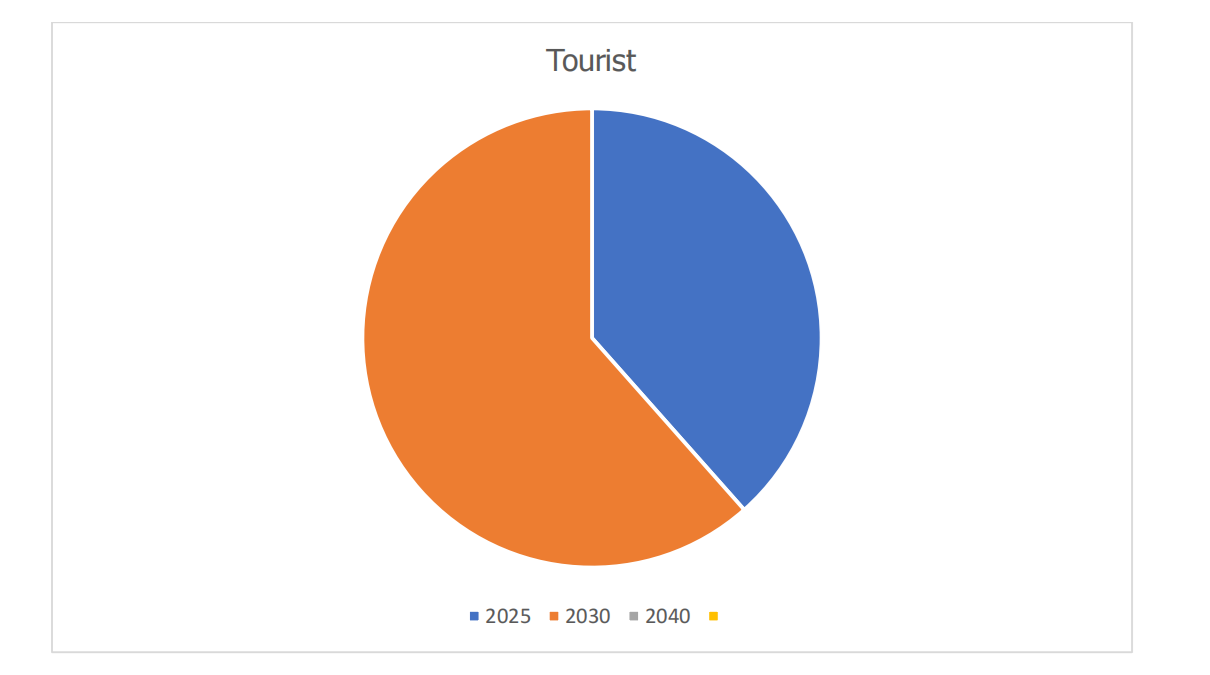
tourism chart forcest

Target Exceeded: Tanzania hit 5.3 million international tourists by April 2025, surpassing its 5 million goal ahead of schedule.

New Target: An ambitious goal of 8 million annual visitors by 2030 has been set.

Strong Growth: The sector shows resilience post-pandemic, with significant increases in arrivals and receipts.

Economic Impact: Tourism contributes substantially to GDP (17.2% in 2024) and supports over 1.5 million jobs.

Tourist Forecasts:

In 2030, Tanzania’s Travel and Tourism sector is expected to see substantial growth, reaching TZS 30.9TN (WTTC). The sector is also projected to continue contributing to job creation, with total employment set to reach 2.25 million, adding 710,000 new jobs — employing almost one in 15 workers in the country.

The years 2026 to 2030 are projected to bring a transformative shift, fueled by new investments, infrastructure development, sustainable travel trends, and the ever-powerful appeal of Tanzania’s world-class wildlife and beaches.

This forecast examines what the travel industry, investors, tour operators, and global travelers can expect. It draws from current trends, government plans, economic signals, technological changes, and tourism behaviors.

Whether you are a traveler planning a safari, a tour company strategizing for growth, or an investor eyeing opportunity, this article provides a thorough understanding of what the future holds.

Private vs Group Safari in Tanzania

1.1 Record Wildlife Sightings

Serengeti’s Great Migration remained one of the world’s most powerful attractions, drawing tourists from the USA, Europe, Asia, and the Middle East. Improved anti-poaching operations enhanced wildlife populations and visibility.

The Serengeti Migration Safari showcases the world’s largest wildlife migration, with over 1.5 million wildebeest moving across the Serengeti ecosystem. It happens year-round, following rainfall and fresh grazing areas. January–February is calving season in Southern Serengeti, while July–October features dramatic river crossings in Northern Serengeti.

The migration attracts many predators, including lions, cheetahs, leopards, and hyenas. Visitors enjoy incredible photography, rich wildlife encounters, and open savannah landscapes. It is often combined with Ngorongoro Crater, Tarangire, and Zanzibar for a complete Tanzania safari experience.

1.2 New Hotels and Airport Expansion

As Tanzania projects strong tourism growth toward 2030, major investments in new hotels and airport infrastructure have played a critical role in strengthening the sector. Significant expansions at Julius Nyerere International Airport (JNIA), Kilimanjaro International Airport (KIA), and Abeid Amani Karume International Airport (ZNZ) have greatly increased passenger handling capacity and improved service standards.

tanzania safari accommodations

These developments have enabled Tanzania to receive a higher volume of direct international flights, particularly from Europe and the Gulf region, enhancing accessibility to key tourism hubs. Together with the rapid development of accommodation facilities, these improvements position Tanzania as a more competitive, efficient, and attractive destination, supporting sustained tourism growth through 2030 and beyond.

1.3 Stable Government & Strong Branding

Tanzania strategically marketed itself as a safe and peaceful destination, highlighting its political stability and welcoming environment for international travelers. At the same time, the country emphasized its exceptional biodiversity, iconic national parks, and world-renowned safari experiences, including the Serengeti and Ngorongoro Crater.

By promoting Zanzibar and its coastline as a top African beach destination, Tanzania successfully positioned itself as a complete safari-and-beach holiday choice. This strong and consistent branding significantly boosted tourist arrivals year after year.

1.4 Growth in Domestic Tourism

More Tanzanians began exploring parks and cultural destinations, partly supported by holidays, promotions, and the rise of social media travel influencers. These elements form the foundation of what we expect in 2026–2027.


2. Drivers of Tourism Growth for 2026–2030

tanzania tour on budget

2.1 Conservation Strengthening & Wildlife Expansion

Tanzania’s wildlife-based tourism continues to thrive because more than 30% of the country’s land is protected as national parks and conservation areas, ensuring long-term ecological sustainability. Looking ahead to 2026–2030, increased deployment of park rangers in Serengeti, Nyerere, and Ruaha will strengthen conservation and anti-poaching efforts.

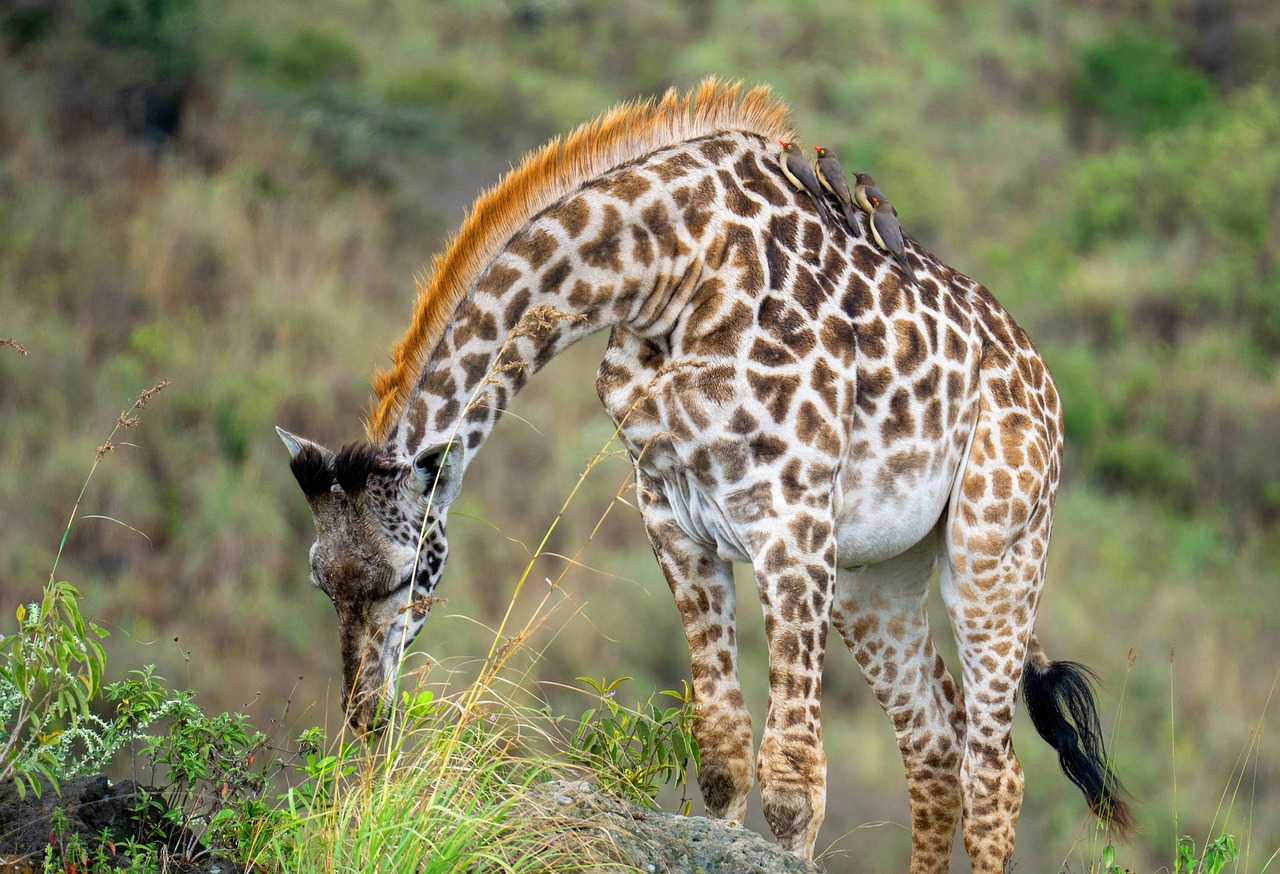
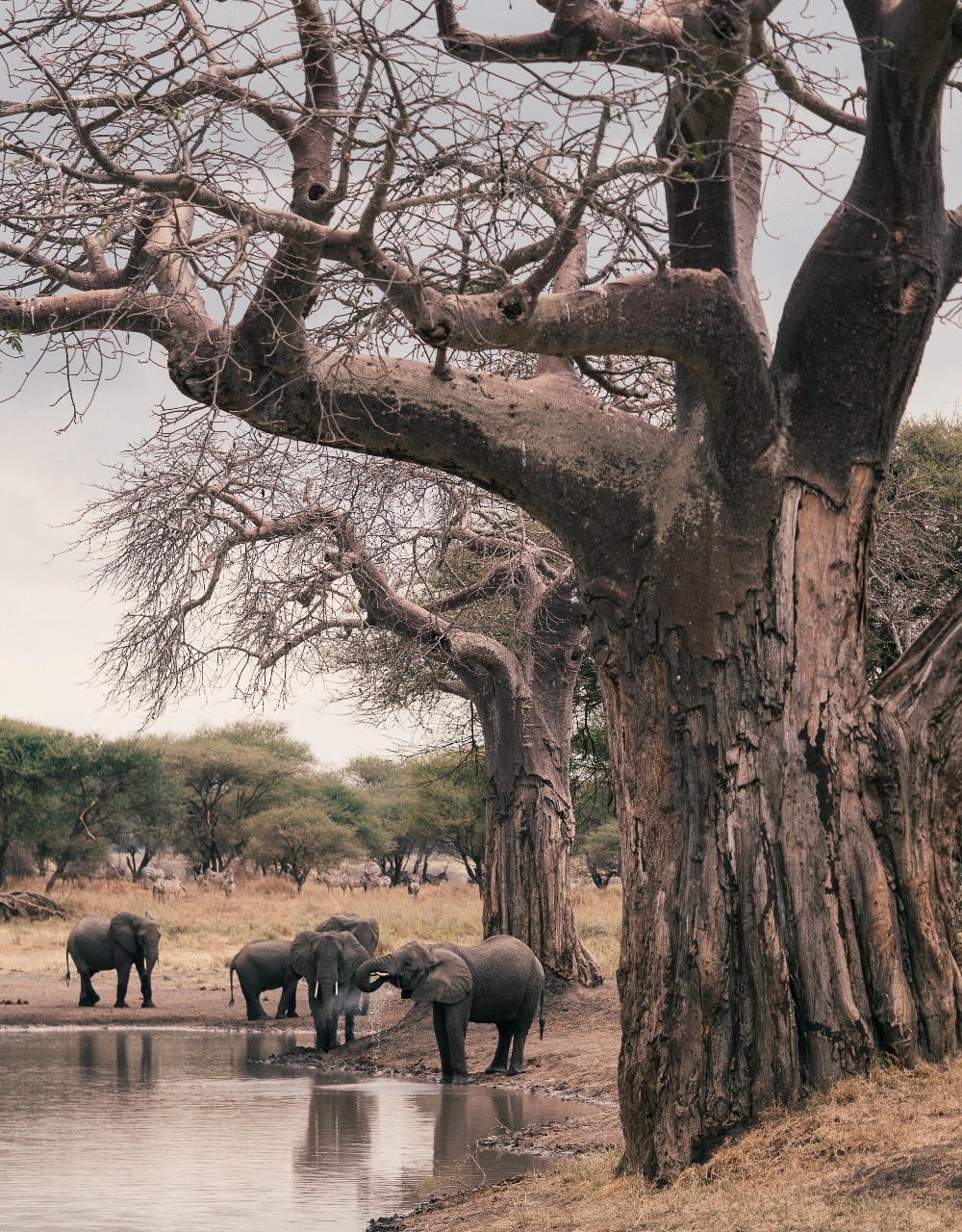
As a result, elephant and rhino populations are projected to grow, while predator visibility—including lions, cheetahs, and leopards—will remain consistently strong. Tanzania’s exceptional birdlife diversity will further attract niche markets such as birdwatching tourism. These factors position Tanzania as a leading global destination for reliable, high-quality wildlife encounters.

2.2 Growth of the Luxury Safari Market

Tanzania’s luxury safari segment is expanding at a faster pace than standard tourism, driven by growing demand for exclusive, high-end travel experiences. This growth is supported by private charter flights, luxury lodges, high-end tented camps, and boutique properties in Serengeti and Ngorongoro. Exclusive beach resorts in Zanzibar also strengthen Tanzania’s combined safari-and-beach luxury appeal.

By 2027, Tanzania is projected to rank among Africa’s top three luxury safari destinations, driving the expansion of luxury migration camps, highly qualified private guides, and strong demand for fully personalized safari itineraries.

2.3 Massive Demand for Kilimanjaro Climbing

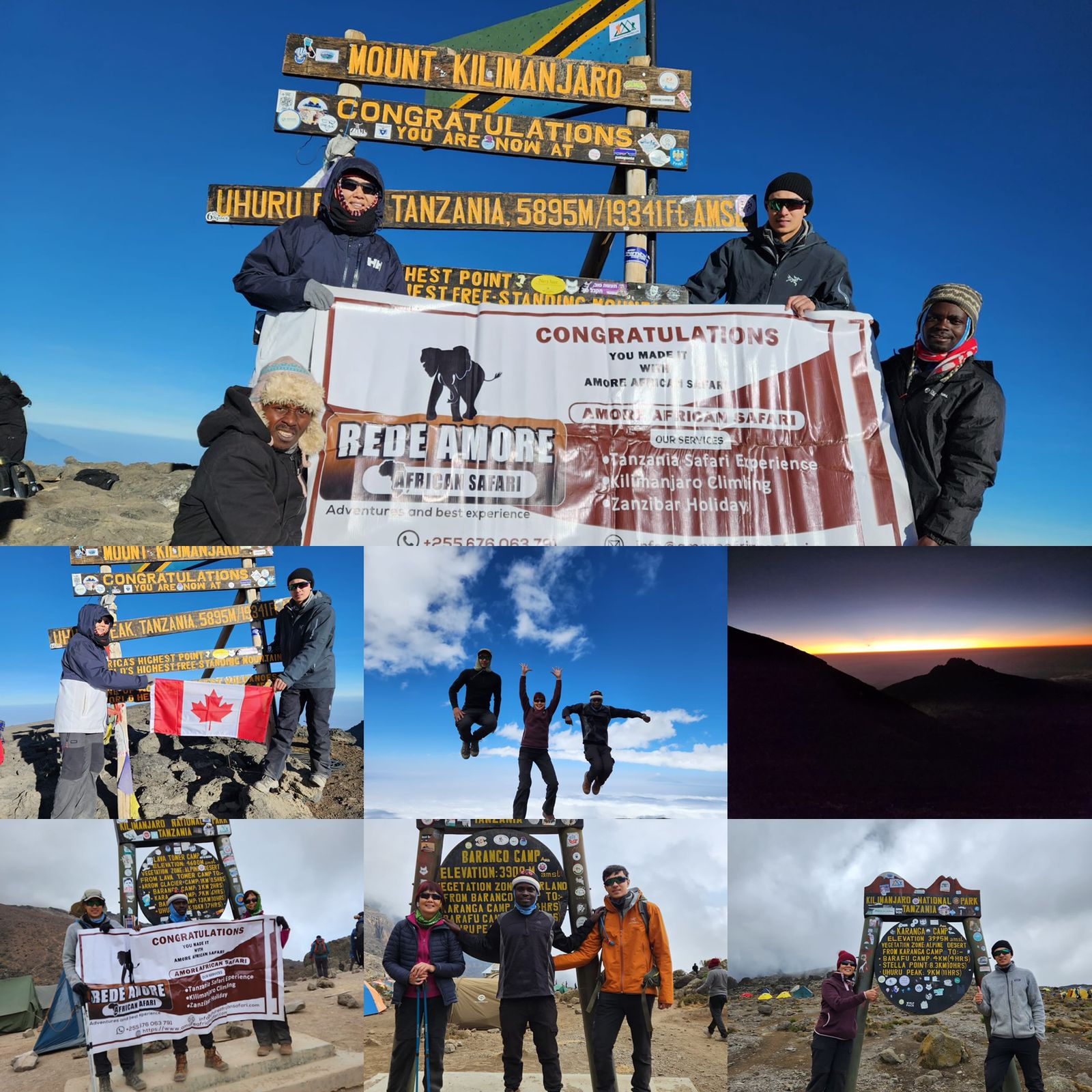
Mount Kilimanjaro continues to rank among the world’s most iconic bucket-list adventures, driving strong demand for trekking experiences. From 2026–2030, climber numbers are expected to rise, with Lemosho and Machame Routes remaining the most popular due to high success rates and scenic beauty.

tanzania safari and Kilimanjaro Climbing

Demand for luxury Kilimanjaro climbing packages is increasing, including VIP tents, private facilities, oxygen support, and dedicated mountain teams. Younger climbers, adventure-focused travelers, and corporate groups will shape this market, reinforcing Kilimanjaro’s status as a leading global trekking destination.

2.4 Zanzibar’s Rapid Growth

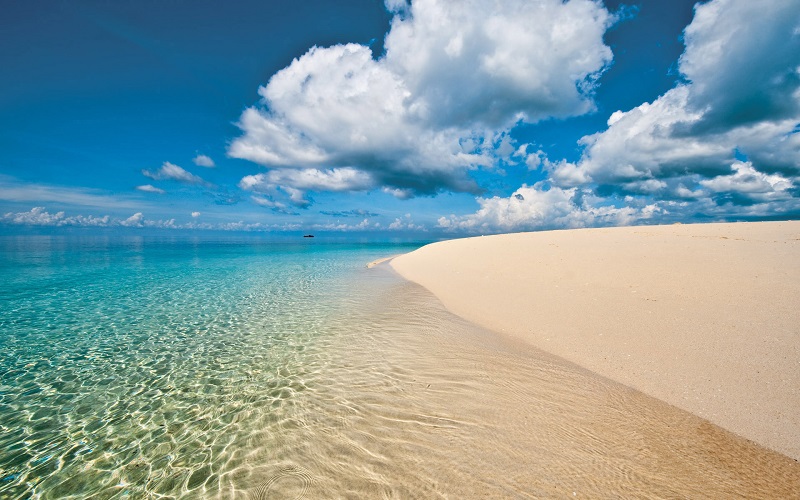
Zanzibar is projected to remain one of East Africa’s fastest-growing beach destinations, supported by new 5-star hotels, improved roads, and airport expansion. Financial inflows from the Middle East and Europe enhance hospitality standards, while growing digital nomad interest expands Zanzibar’s appeal beyond traditional leisure travel. By 2030, arrivals of honeymooners and long-stay visitors are expected to increase significantly.

tanzania safari and Kilimanjaro Climbing

3.0 Most Popular Destinations (2026–2030)

Serengeti National Park will remain Tanzania’s number one destination, driven by the year-round Great Migration, dramatic river crossings, the calving season, and consistent Big Five sightings. Ngorongoro Crater continues to be unmatched for high-density wildlife viewing in a single day. Tarangire National Park maintains strong seasonal demand, Lake Manyara attracts short-stay visitors, Zanzibar grows in honeymoon and luxury tourism, and Kilimanjaro National Park sees continued climbing tourism growth.

CONCLUSION

Tanzania’s tourism outlook for 2026–2030 is exceptionally promising. With its iconic wildlife, world-class beaches, rich cultural heritage, and rising global visibility, Tanzania remains a top destination for safari enthusiasts, adventure travelers, honeymooners, and families.

The government’s investments in infrastructure, conservation, and international marketing continue to strengthen the industry. Meanwhile, tour operators, lodges, and local communities are adapting to new trends such as sustainability, digital travel planning, and personalized experiences.

Visitors in 2026–2030 can expect a remarkable Tanzania tourism experience with significant improvements and new opportunities, including:

  • Better accessibility
  • Improved services
  • More diverse tourism products
  • Stronger safety and conservation measures
  • A seamless blend of nature, culture, and adventure

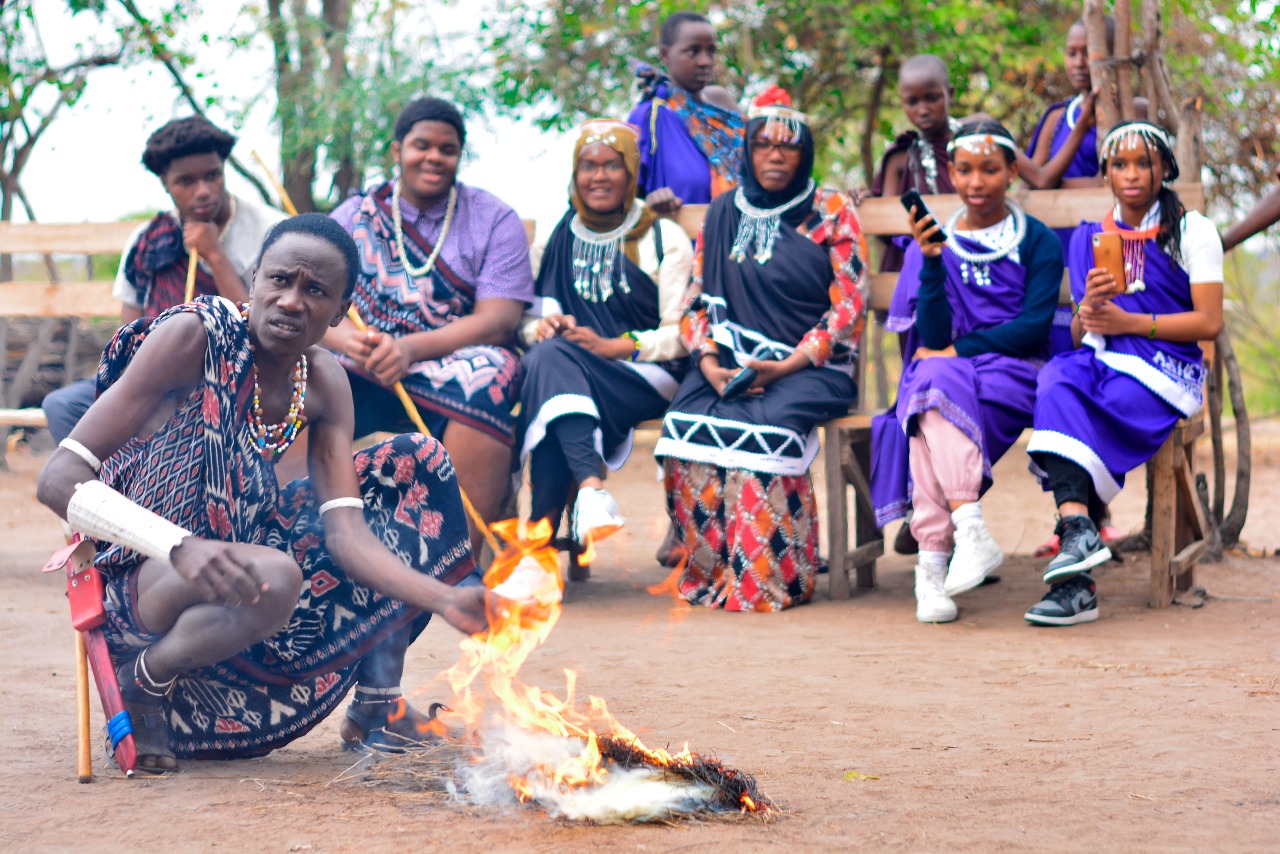
Whether travelers want to witness the Great Migration, summit Mount Kilimanjaro, relax on Zanzibar’s beaches, or experience authentic Maasai culture, Tanzania continues to offer unforgettable experiences.

The future is bright — and Tanzania is ready.

Redempotius Respicius Nalisis

Author Bio – Redempotius Respicius Nalisis

Redempotius Respicius Nalisis is a writer, researcher, and experienced content strategist specializing in East African tourism. He holds a BSc in Environmental Engineering from The University of Dodoma (UDOM) and currently works as a Writer and Content Manager at Rede Tours and Safaris, Tanzania.

Expertise & Experience

With years of hands-on experience in safari operations, content creation, and destination research, Redempotius focuses on producing high-quality travel insights that help both travelers and investors understand Tanzania’s tourism landscape.

Passion for Sustainable Travel

His passion for sustainable travel, cultural diversity, and wildlife conservation drives his work in shaping informative tourism resources for travelers worldwide.

References

  1. World Travel and Tourism Council: WTTC 2023 Report
  2. World Bank Tourism Reports
  3. Tanzania Tourist Board: Tanzania Tourism Official Website
  4. Tanzania National Park: Tanzania National Parks
  5. Bank of Tanzania Economic Growth: Bank of Tanzania
  6. Tourism Development and Economic Growth in Developing Countries. Social Science Research Network, Rochester, NY (SSRN Scholarly Paper No. ID 1948704). Georgantopoulos, A.G., 2013.
  7. Gisore, R., Ogutu, H., 2015. Sustainable tourism in Africa: standards as essential catalysts. Sector Standardisation Needs Review 9, 1–26.
  8. Granger, C.W.J., 1988. Causality, cointegration, and control. J. Econ.

Latest Tanzania Safari Experiences

Immerse yourself in the breathtaking beauty of Tanzania through our curated gallery. From the vast Serengeti plains to the vibrant wildlife of Ngorongoro Crater, these images capture the essence of an unforgettable safari adventure.