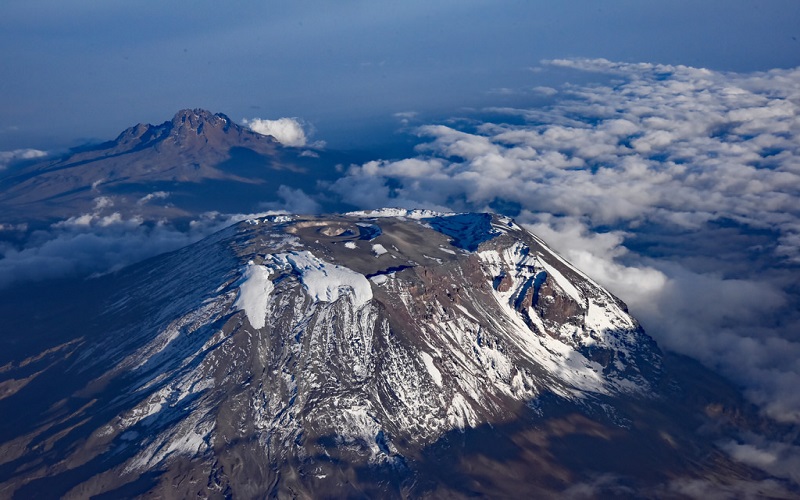
Kilimanjaro Climbing Tours 2026
Kilimanjaro Climbing Tours 2026 are the professionally organized trekking experiences designed to guide you to the summit of Africa’s highest peak, Mount Kilimanjaro. These tours are structured to suit different travel styles, fitness levels, and preferences, ensuring that you can choose a suitable and well-supported route to Uhuru Peak.
Whether you are a first-time trekker or an experienced adventurer, Kilimanjaro Climbing Tours 2026 give you a safe and well-planned journey through diverse ecological zones, including rainforest, moorland, alpine desert, and glacier landscapes. Each tour is led by professional mountain guides who prioritize your safety, acclimatization, and a successful summit experience.
Types of Kilimanjaro Climbing Tours 2026
Kilimanjaro Group Joining Tours
These are shared Kilimanjaro expeditions where you join fixed departure groups. They are more affordable and ideal for you if you enjoy meeting new people while trekking.
Private Kilimanjaro Climbing Tours
Private Kilimanjaro tours are fully customized experiences designed for individuals, couples, families, or friends. They offer flexibility in dates, pace, and itinerary adjustments for a more personalized adventure.
Luxury Kilimanjaro Tours
Luxury Kilimanjaro climbs focus on comfort and premium services, including high-quality camping equipment, upgraded meals, and enhanced support throughout your trek.
Budget Climbing Tours
Budget-friendly Kilimanjaro tours are designed for cost-conscious travelers while still maintaining safety, professionalism, and essential mountain support services.
Popular Routes for Kilimanjaro Climbing Tours 2026
Machame Route – 6 & 7 Days
One of the most scenic routes, offering varied landscapes and a strong acclimatization profile suitable for you as a first-time trekker.
Lemosho Route – 7 & 8 Days
A quieter route with gradual ascent, excellent scenery, and one of the highest success rates for your summit attempt.
Northern Circuit – 9 Days
The longest route with exceptional acclimatization and a remote wilderness experience for you.
Marangu Route – 5 & 6 Days
The only route with hut accommodation, offering a more direct and structured climb for you.
Kilimanjaro Climbing Tour Prices and Packages 2026
The cost to climb Kilimanjaro in 2026 varies according to route, duration, and service level. Most Kilimanjaro Climbing Tours 2026 range from $1,800 to $4,500 per person, with luxury upgrades available. All packages include park fees, professional guides, porters, meals, camping equipment, and transfers. Early booking is recommended to secure your preferred dates and the best prices.
| Package Type | Price (per person) | Includes | Best For | Book |
|---|---|---|---|---|
| Budget Kilimanjaro Climbing Tours 2026 | $1,800 – $2,300 | Guides, porters, meals, camping, park fees, transfers | Cost-conscious travelers | Book |
| Standard Kilimanjaro Climbing Tours 2026 | $2,300 – $3,200 | Improved services, better accommodation setup, full support team | Most travelers | Book |
| Luxury Kilimanjaro Climbing Tours 2026 | $3,200 – $4,500 | Premium camping, upgraded meals, extra comfort, priority support | Comfort & premium experience seekers | Book |
What to Expect from Kilimanjaro Climbing Tours 2026
Understanding Kilimanjaro Climbing Tours 2026 helps you prepare better for the experience. Each tour includes professional mountain guides, porters, camping equipment, meals, and structured daily trekking schedules designed to improve acclimatization and increase your summit success rate.
You will pass through five major climate zones, starting from tropical rainforest at the base to arctic conditions at the summit. This makes the journey not only a physical challenge but also a unique geographical and ecological experience.
All tours are carefully planned to prioritize safety, proper altitude adjustment, and an enjoyable trekking experience, ensuring you are fully supported from start to finish.
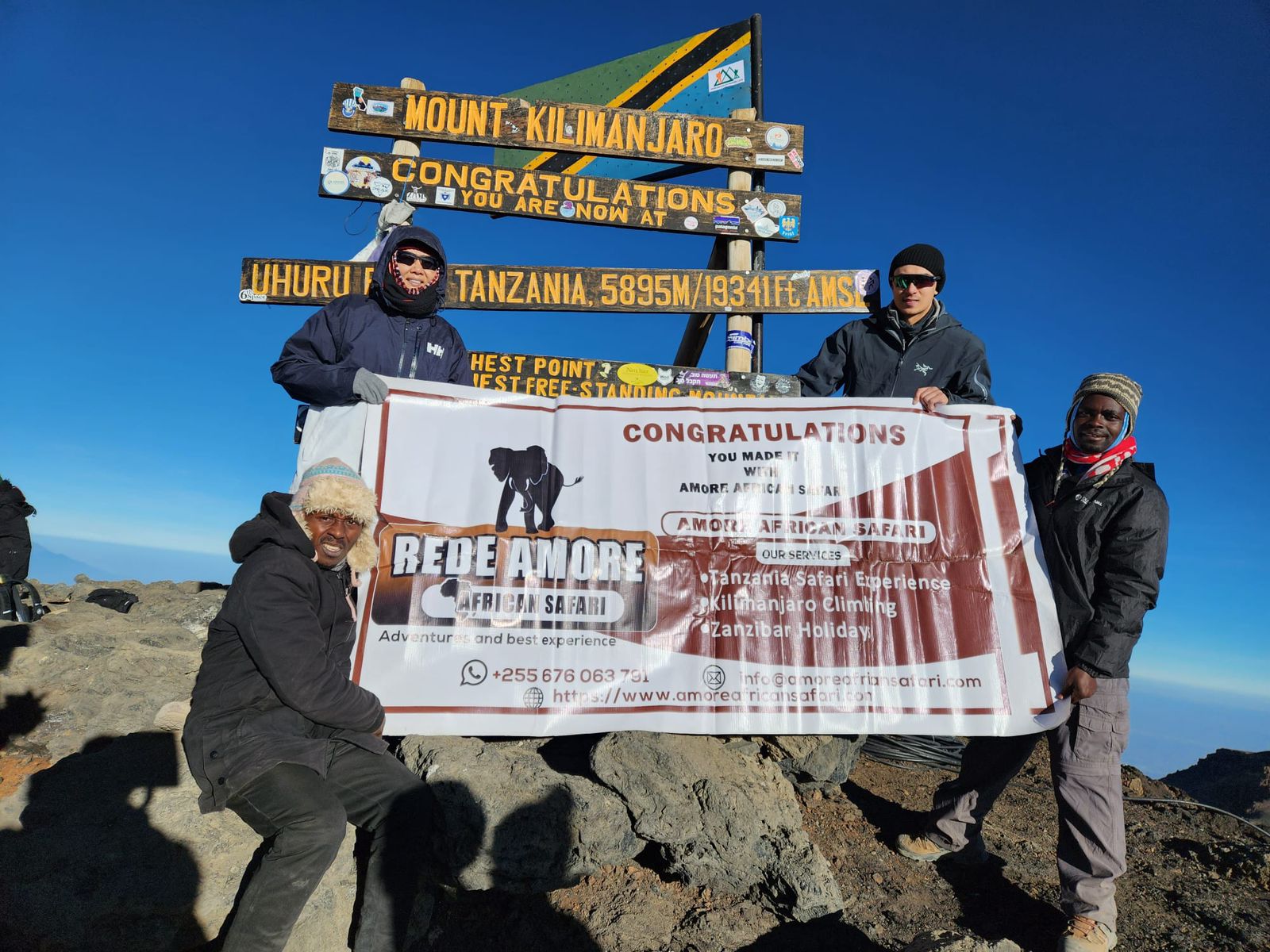
Top Kilimanjaro Climbing Routes & Itineraries for 2026
When planning your Kilimanjaro Climbing Tours 2026, choosing the right route is one of the most important decisions. Each route offers a different level of difficulty, scenery, duration, and acclimatization profile, allowing you to select the experience that best matches your fitness level and travel goals.
Machame Route (7 Days) – $1,850 per person
The Machame Route is one of the most popular choices for Kilimanjaro Climbing Tours 2026. Often called the “Whiskey Route,” it takes you through diverse landscapes ranging from rainforest to alpine desert. The 7-day itinerary provides excellent acclimatization, giving you a higher chance of reaching Uhuru Peak while enjoying scenic and well-paced trekking days.
Machame Route (6 Days) – $1,650 per person
The 6-day Machame option is a faster and more physically demanding version of the route. It is best suited if you are fit and have some altitude experience. You still experience the same beautiful scenery, but with a shorter acclimatization period, making the climb more challenging.
Lemosho Route (8 Days) – $2,155 per person
The Lemosho Route is known for its panoramic views, low traffic, and excellent acclimatization profile. Over 8 days, you move gradually through pristine wilderness, giving you more time to adjust to altitude and increasing your summit success rate. This is one of the most rewarding options for Kilimanjaro Climbing Tours 2026.
Lemosho Route (7 Days) – $1,855 per person
The 7-day Lemosho variation offers a slightly faster itinerary for those with limited time or previous altitude experience. It skips one acclimatization day, making it more demanding while still maintaining the scenic beauty of the route.
Marangu Route (6 Days) – $1,660 per person
The Marangu Route, also known as the “Coca-Cola Route,” is the only Kilimanjaro route offering hut accommodation. The 6-day itinerary includes a structured ascent with a built-in acclimatization day, making it suitable if you prefer more comfort during your Kilimanjaro Climbing Tours 2026.
Marangu Route (5 Days) – $1,450 per person
The 5-day Marangu Route is a shorter and faster option designed for experienced trekkers comfortable with rapid altitude gain. It offers a direct ascent to the summit but requires good fitness and prior acclimatization experience.
Rongai Route (7 Days) – $1,690 per person
The Rongai Route approaches Kilimanjaro from the northern side, offering a drier and less crowded experience. The 7-day itinerary includes an acclimatization day, making it a strong option if you want a quieter and more remote feel during your climb.
Rongai Route (6 Days) – $1,550 per person
The 6-day Rongai Route is a more direct ascent suitable for those with strong fitness levels. While faster, it still provides beautiful scenery and a peaceful trekking environment.
Northern Circuit Route (9 Days) – $2,550 per person
The Northern Circuit is the longest and most complete route on Kilimanjaro. It offers outstanding acclimatization, fewer crowds, and incredible views of the mountain’s remote northern slopes. This is one of the best options for maximizing your success on Kilimanjaro Climbing Tours 2026.
Umbwe Route (6 Days) – $1,560 per person
The Umbwe Route is the steepest and most challenging route on Kilimanjaro. It is recommended only if you are an experienced trekker seeking a fast, direct, and physically demanding ascent with dramatic ridge lines and rapid elevation gain.
What to Expect on Your Kilimanjaro Climbing Tour
Regardless of the route you choose, your Kilimanjaro Climbing Tours 2026 experience begins with a detailed briefing in Moshi or Arusha. Each day involves 4 to 8 hours of trekking, nutritious meals, and overnight stays in tents or mountain huts. The highlight of your journey is the summit attempt, timed for sunrise at Uhuru Peak, followed by a celebratory descent.
Kilimanjaro Climbing Tour Prices and Packages
The cost of Kilimanjaro Climbing Tours 2026 varies depending on route, duration, and service level. Prices generally range from $1,800 to $4,500 per person. All packages include park fees, professional guides, porters, meals, camping equipment, and transfers, ensuring a fully supported trekking experience.
Best Time for Kilimanjaro Climbing Tours 2026
The best time for Kilimanjaro Climbing Tours 2026 is during the dry seasons from January to March and June to October. These months offer clearer skies, safer trails, and better summit conditions. If you prefer fewer crowds, you can also consider shoulder periods outside peak seasons.
Why Kilimanjaro Climbing Tours 2026 Stand Out
Choosing Kilimanjaro Climbing Tours 2026 gives you a well-structured and professional trekking experience designed to guide you safely to the summit of Africa’s highest peak. Every tour is organized with careful attention to route selection, acclimatization, safety, and overall comfort, ensuring that you have the best possible chance of reaching Uhuru Peak.
Whether you prefer a budget-friendly climb, a private guided experience, or a more comfortable trekking style, these tours are designed to match your travel expectations while maintaining high safety and service standards throughout the journey.
Professional Mountain Guides & Safety First Approach
Every Kilimanjaro Climbing Tour 2026 is led by experienced local mountain guides who understand the terrain, weather changes, and altitude challenges. They monitor your progress daily, guide your pace, and support proper acclimatization to improve your summit success rate.
Flexible Tour Options to Suit Your Travel Style
Kilimanjaro Climbing Tours 2026 are designed with flexibility in mind. You can choose between group departures, private climbs, luxury experiences, or budget-friendly options depending on your preferences, schedule, and comfort level.
Multiple Route Choices for Every Level
You can select from different Kilimanjaro routes such as Machame, Lemosho, Marangu, Rongai, Northern Circuit, and Umbwe. Each route offers unique scenery, difficulty levels, and acclimatization profiles, allowing you to choose the experience that best suits your goals.
Full Support Throughout Your Climb
From the moment your trek begins, you are fully supported by a professional team that includes guides, porters, and support staff. They handle logistics, carry equipment, prepare meals, and ensure you can focus fully on your Kilimanjaro experience.
What to Pack for Your Kilimanjaro Climbing Tour 2026
- Clothing – Pack layered clothing including warm jackets, fleece, t-shirts, long pants, and thermal wear for changing mountain conditions.
- Footwear – Strong, waterproof hiking boots and comfortable camp shoes for rest periods.
- Daypack – A lightweight 30–40L backpack for daily essentials like water, snacks, and extra layers.
- Sleeping Gear – A warm sleeping bag suitable for sub-zero temperatures depending on your route.
- Accessories – Gloves, hat, sunglasses, and sunscreen for protection against cold and sun exposure.
- Hydration – Reusable water bottles or hydration system to stay hydrated throughout the climb.
- Personal Items – Toiletries, medications, and basic personal hygiene items.
- Trekking Poles – Optional but highly recommended for stability and knee support.
- Snacks – Energy bars, nuts, or chocolates for extra energy during trekking days.
- Electronics – Camera, phone, and power bank for capturing your Kilimanjaro experience.
What Is Included in Kilimanjaro Climbing Tours 2026
- Professional mountain guides and support crew
- Porter services for carrying luggage and equipment
- Daily meals and drinking water during the trek
- Camping tents or mountain huts depending on route
- Park entry fees and climbing permits
- Transfers from Moshi or Arusha to the starting point
- Daily briefing and altitude guidance
- Basic first aid and emergency support
What Is Not Included in Kilimanjaro Climbing Tours 2026
- International flights to Tanzania
- Travel insurance (strongly recommended)
- Tips for guides and porters
- Personal hiking gear such as boots and sleeping bags
- Soft drinks, alcohol, and personal snacks not included in meals
- Optional activities before or after the climb
- Extra hotel nights before or after the trek
Frequently Asked Questions – Kilimanjaro Climbing Tours 2026
How difficult is it to climb Kilimanjaro?
Climbing Mount Kilimanjaro is considered a non-technical trekking adventure, meaning you do not need climbing ropes or mountaineering skills. However, it is still a physically demanding journey due to the high altitude and long trekking days. The biggest challenge is not the terrain itself but the gradual reduction of oxygen as you ascend.
With properly planned Kilimanjaro Climbing Tours 2026, you are guided through carefully structured routes that include acclimatization days, slower ascent pacing, and professional monitoring. This significantly increases your chances of reaching Uhuru Peak safely and successfully.
Do I need prior climbing experience?
No prior mountaineering or climbing experience is required to join Kilimanjaro Climbing Tours 2026. Many successful climbers attempt the mountain for the first time. What matters most is your physical fitness, mental preparation, and willingness to walk long distances for several consecutive days.
Training such as hiking, cardio workouts, and endurance exercises before your trip can greatly improve your comfort and performance during the climb. Professional guides also support you throughout the journey to ensure you climb at a safe and manageable pace.
What is the best route for Kilimanjaro Climbing Tours 2026?
The best route depends on your time, fitness level, and experience. For most travelers, Lemosho and the Northern Circuit are highly recommended because they offer longer itineraries, which improve acclimatization and increase summit success rates.
Machame is ideal if you want a scenic and moderately challenging route, while Marangu offers a shorter and more structured climb with hut accommodation. Each route in Kilimanjaro Climbing Tours 2026 is designed to give you a unique experience of the mountain.
How many days does it take to climb Kilimanjaro?
Most Kilimanjaro Climbing Tours 2026 take between 5 and 9 days depending on the route you choose. Shorter routes are faster but more physically demanding due to limited acclimatization time, while longer routes give your body more time to adjust to altitude changes.
For example, the Northern Circuit takes up to 9 days and offers the best acclimatization, while Marangu can be completed in 5 to 6 days for a quicker ascent.
What is included in Kilimanjaro Climbing Tours 2026 packages?
Standard Kilimanjaro Climbing Tours 2026 packages include all essential services required for a successful climb. This typically covers professional mountain guides, experienced porters, meals during the trek, camping or hut accommodation, park fees, and transfers to and from the mountain gate.
Everything is organized in advance so that you can focus entirely on the trekking experience without worrying about logistics or safety arrangements.
What is not included in the packages?
While most essentials are covered, there are a few personal and external costs not included in Kilimanjaro Climbing Tours 2026 packages. These include international flights, travel insurance, personal trekking gear, tips for guides and porters, and personal spending money.
It is strongly recommended that you prepare for these additional expenses in advance to ensure a smooth and stress-free experience.
How much does it cost to climb Kilimanjaro in 2026?
The cost of Kilimanjaro Climbing Tours 2026 generally ranges from $1,800 to $4,500 per person depending on the route, duration, and level of service. Budget options offer essential services, while mid-range and luxury packages include additional comfort and upgraded facilities.
The variation in price mainly reflects differences in route length, group size, equipment quality, and support level during the climb.
When is the best time to climb Kilimanjaro?
The best time for Kilimanjaro Climbing Tours 2026 is during the dry seasons, which run from January to March and June to October. These months offer clearer skies, better visibility, and safer trail conditions.
If you prefer fewer crowds, you can also consider shoulder months, although weather conditions may be slightly more unpredictable.
Is altitude sickness a risk on Kilimanjaro?
Yes, altitude sickness is one of the main challenges on Kilimanjaro due to reduced oxygen levels at higher elevations. However, Kilimanjaro Climbing Tours 2026 are designed to minimize this risk through gradual ascent, acclimatization days, and continuous monitoring by professional guides.
Staying hydrated, walking slowly, and following guide instructions are key to reducing the chances of altitude-related problems.
How do I book Kilimanjaro Climbing Tours 2026?
Booking is simple and usually starts with selecting your preferred route and travel dates. Once confirmed, you reserve your spot with a deposit and receive full pre-climb guidance including packing lists, training advice, and travel arrangements.
Early booking is highly recommended to secure availability, especially during peak trekking seasons in 2026.