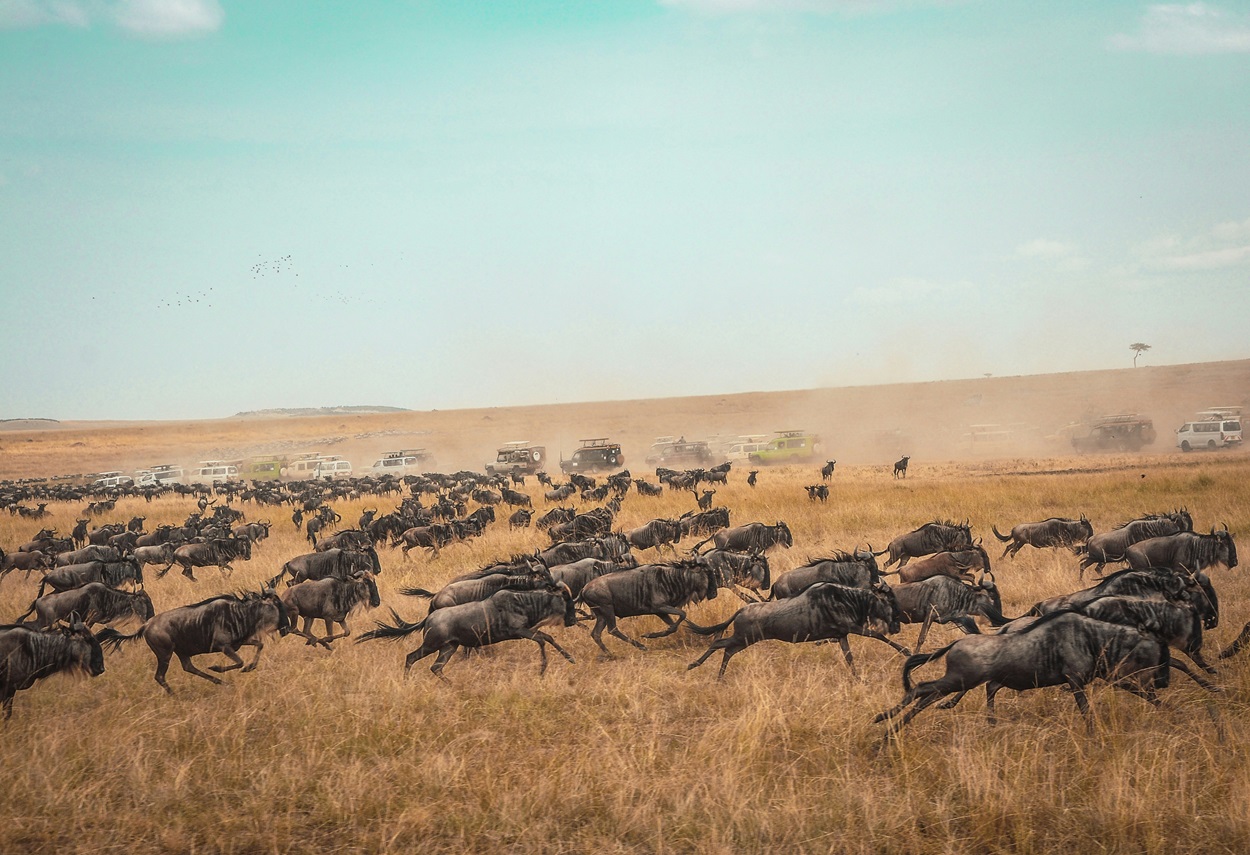
The Great Migration is more than a single event. It’s a year-round cycle, a rhythm of survival and renewal that has been happening for centuries. Over 1.5 million wildebeest, accompanied by zebras and gazelles, move across the Serengeti in Tanzania and into Kenya’s Maasai Mara, following the rains and fresh grass. Along the way, they face predators, rivers, and the sheer challenge of survival. For travellers, it’s a chance to witness nature at its rawest and most beautiful.
In this guide, we’ll explore everything you need to know before you go: the different stages of the migration, the best times to visit, how to plan your trip, and what else you can do in the Serengeti beyond chasing wildebeest herds. We’ll also talk about the challenges, the magic moments, and even a solution if you’d rather not go it alone. By the end, you’ll be ready to pack your bags, grab your camera, and step into one of the most unforgettable adventures of your life.
The Great Migration: Nature’s Endless Cycle
The Serengeti Great Migration isn’t a single day or week when all the animals suddenly decide to move. It’s a continuous cycle that unfolds across the Serengeti ecosystem. Think of it as a giant loop, with different highlights depending on the time of year.
From December to March, the herds gather in the southern Serengeti and the Ndutu area. This is calving season, when thousands of wildebeest calves are born within a few weeks. It’s a time of abundance, but also danger — predators like lions, cheetahs, and hyenas are everywhere, taking advantage of the easy prey. If you’ve ever wanted to see the circle of life play out in front of you, this is the moment.
By April and May, the herds start moving north and west, drawn by fresh grass. The Serengeti is lush and green, and the animals gather in massive numbers. It’s less dramatic than the river crossings, but the sheer scale of the herds is breathtaking.
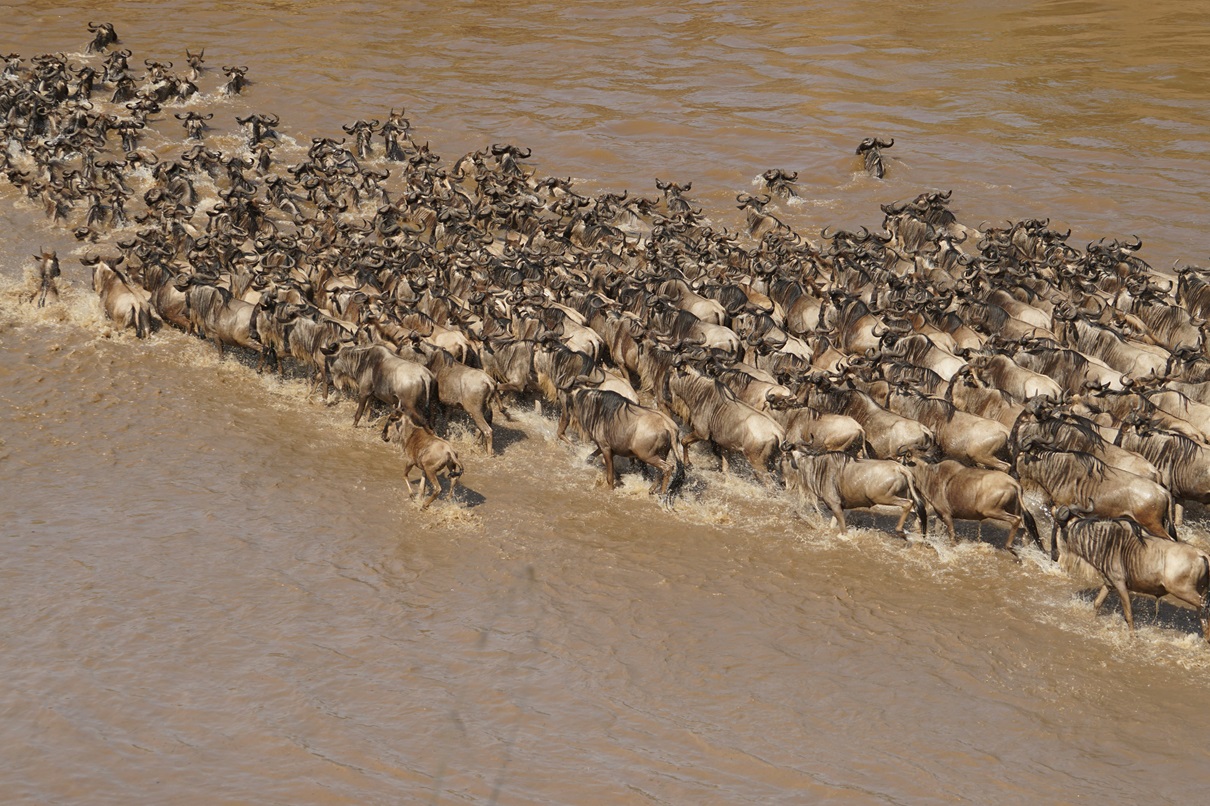
Come July to September, the migration reaches its most famous stage: the river crossings. At the Grumeti and Mara Rivers, wildebeest and zebras face their greatest challenge. Crocodiles lurk in the water, waiting for their chance. The animals hesitate on the banks, sometimes for hours, before suddenly surging forward in a chaotic rush. It’s dramatic, unpredictable, and unforgettable.
By October and November, the herds begin their journey back south, completing the cycle. The crowds thin out, the Serengeti feels quieter, but the migration continues — always moving, always searching.
Choosing the Best Time to Visit
So, when should you go? The answer depends on what you want to see.
If you dream of witnessing calves being born and predators on the hunt, aim for the southern Serengeti between December and March. If you want the drama of river crossings, July to September is your window. If you prefer fewer crowds and a more relaxed experience, April to June or October to November might be perfect.
The best time to see the Serengeti Great Migration is July to October.
Although, there’s no bad time to visit the Serengeti. The migration is always happening somewhere, and the park itself is home to incredible wildlife year-round. Lions, elephants, giraffes, leopards, and countless bird species don’t pack up and leave when the wildebeest move on. They’re always there, waiting to be discovered.
Planning Your Serengeti Migration Trip
Planning a trip to the Serengeti can feel overwhelming at first. The park is huge nearly 15,000 square kilometers and the migration moves constantly. But that’s part of the adventure.
Most travellers start their journey in Arusha, a city in northern Tanzania that serves as the gateway to the Serengeti. From there, you can either drive overland, stopping at places like Tarangire National Park and the Ngorongoro Crater along the way, or you can fly directly into one of the Serengeti’s airstrips. Driving takes longer but lets you see more of Tanzania; flying gets you straight to the action.
Once you’re in the Serengeti, you’ll need to decide where to stay. Options range from luxury lodges with infinity pools to mobile tented camps that move with the migration. Mobile camps are particularly popular because they put you right where the action is. Imagine waking up to the sound of wildebeest outside your tent it doesn’t get more immersive than that.
The Best Tours to Experience the Migration
One of the most rewarding ways to witness the Great Migration is to join a carefully planned tour that takes you straight into the heart of the action. While every safari has its own rhythm, these recommended journeys capture the essence of the Serengeti and give you the best chance to see the migration at its most dramatic.
3 days Serengeti Migration Safari
If you’re short on time but still want to feel the pulse of the migration, a three-day safari is the perfect choice. You might fly directly into the Serengeti and spend your first afternoon on a game drive across the central plains, soaking in the endless horizon and the first sightings of wildebeest herds. The next morning, you’ll track the animals as they graze and move, with predators never far behind. On your final day, you could watch lions or cheetahs in action before flying back to Arusha. It’s quick, intense, and ideal if you want a taste of the migration without a long commitment.
Five-Day Serengeti Migration Adventure
With five days, you can dive deeper into the rhythm of the herds. This tour follows the migration wherever it happens to be — south for calving season, west for the Grumeti River, or north for the Mara River crossings. Along the way, you can add unforgettable experiences like a hot air balloon ride at sunrise, a walking safari with expert guides, and evenings spent in mobile camps that move with the migration itself. By the end, you’ll feel as though you’ve lived alongside the wildebeest, sharing their journey across the Serengeti.
Seven-Day Northern Circuit Safari
For a full immersion into Tanzania’s wildlife wonders, the seven-day Northern Circuit is hard to beat. Begin in Tarangire National Park, famous for its elephants and ancient baobab trees. Continue to Lake Manyara, where tree-climbing lions and flocks of flamingos await. Spend a day in the Ngorongoro Crater, a dramatic volcanic bowl packed with wildlife. Then finish with three days in the Serengeti, timed to catch the migration at its peak. It’s the ultimate Tanzanian safari circuit, blending iconic landscapes with the raw drama of the migration.
The Magic of the Migration
What makes the Great Migration so special isn’t just the numbers though seeing a million wildebeest in motion is mind-blowing. It’s the drama, the unpredictability, the rawness of it all.
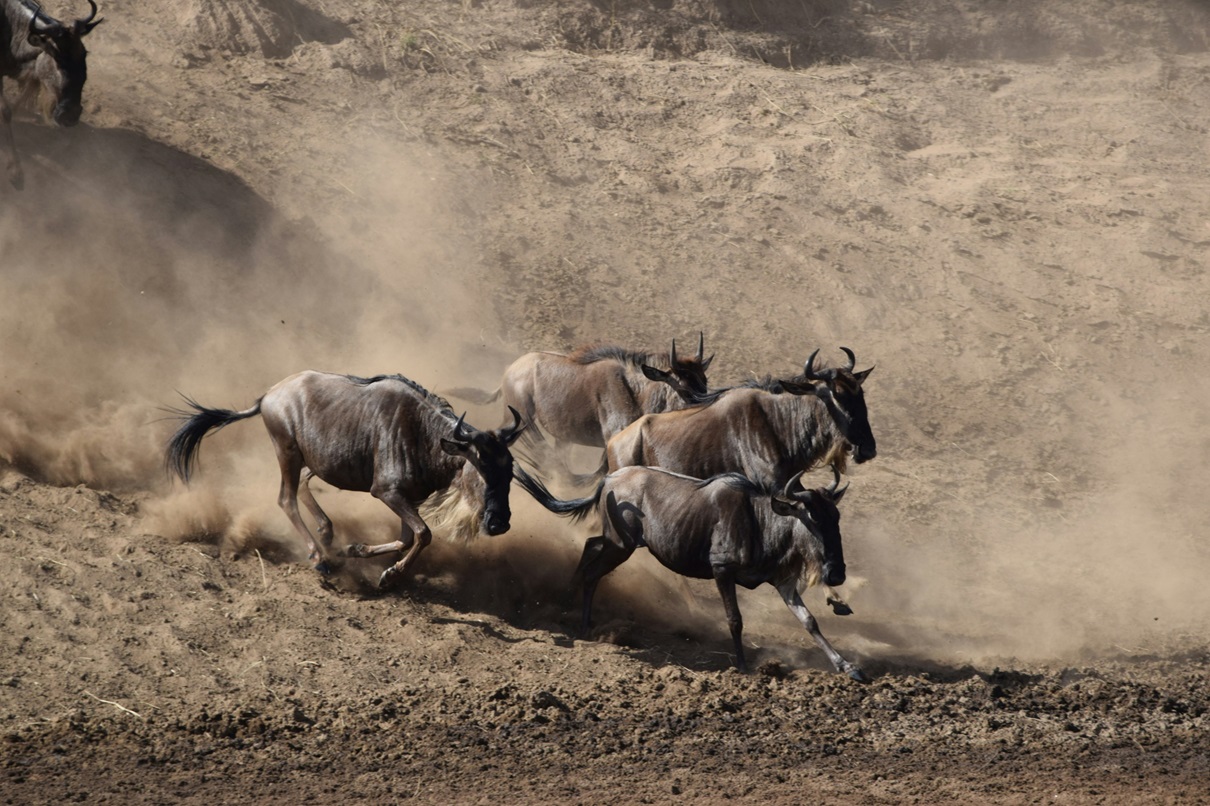
Picture this: you’re sitting in a safari vehicle, engine off, watching a herd of wildebeest gather on the banks of the Mara River. The air is thick with tension. The animals pace back and forth, unsure whether to cross. Hours pass. Suddenly, one brave wildebeest leaps into the water, and the rest follow in a chaotic rush. Crocodiles snap, dust rises, and the sound of hooves fills the air. It’s over in minutes, but the memory lasts forever.
Or imagine being in the southern Serengeti during calving season. Everywhere you look, newborn calves are taking their first steps. Lions lurk nearby, waiting for an opportunity. It’s heartbreaking and awe-inspiring all at once — the circle of life unfolding in front of you.
These are the moments that make the migration unforgettable. They’re not staged, not guaranteed, and not always easy to witness. But when they happen, they remind you why you came.
What to Pack for the Migration
Packing for the Serengeti is all about practicality. Lightweight, breathable clothing is essential, as temperatures can vary from hot days to cool nights. Neutral colors like khaki, beige, and olive are best, both for blending in and for keeping cool.
A good pair of binoculars is a must, as is a camera with a zoom lens if you want to capture the migration up close. Don’t forget sunscreen, insect repellent, and a hat — the African sun is no joke.
And while it might sound obvious, comfortable shoes are key. You’ll spend a lot of time in vehicles, but there will be moments when you’re walking, exploring, or simply standing for hours watching the herds. Trust me, you’ll be glad you packed those sturdy sneakers or boots.
Activities Beyond the Migration
While the migration is the star of the show, the Serengeti offers plenty of other experiences.
Hot air balloon rides are a popular option, giving you a bird’s-eye view of the plains at sunrise. Floating silently above the herds as the sun rises is an experience you’ll never forget.
Walking safaris, led by experienced guides, let you explore on foot and see the smaller details you’d miss from a vehicle.
Night drives reveal a whole different side of the Serengeti, with nocturnal animals like leopards, hyenas, and bush babies coming out to play.
Cultural visits to Maasai villages are another highlight. The Maasai are one of Tanzania’s most famous tribes, known for their distinctive dress and traditions. Spending time with them offers a glimpse into a way of life that has remained largely unchanged for centuries.
And of course, there’s the simple joy of just being in the Serengeti. Watching a lion laze in the sun, seeing giraffes move gracefully across the horizon, or listening to the sounds of the bush at night , these moments are just as memorable as the migration itself.
The Challenges of Migration Travel
As incredible as the Great Migration is, it does come with challenges. Timing is everything, and the migration doesn’t run on a fixed schedule. River crossings, for example, can happen suddenly and unpredictably. You might wait for hours, only to see the animals turn back. Or you might arrive just as the action begins.
Crowds can also be an issue, especially during peak season. The Serengeti is vast, but certain hotspots can get busy with vehicles. Costs are another factor ; safaris aren’t cheap, and prices tend to rise during migration months.
Weather can play a role too. The rainy seasons (April–May and November) can make roads muddy and travel slower. But they also bring lush landscapes and fewer tourists, so it’s a trade-off.
The Solution: Group Trip
Travelling to the Serengeti on your own is possible, but if you’d like a more social experience or simply want to make sure you don’t miss the migration a group trip is a fantastic option. Group safaris bring together like-minded travellers, guided by experts who know exactly where to go and when. You’ll share the excitement of spotting a lion, the awe of watching a river crossing, and the joy of evenings spent around a campfire.
On a five-day group tour, for example, you might explore the Serengeti, the Ngorongoro Crater, and Tarangire National Park. You’ll see the Big Five, witness the migration, and enjoy delicious meals and cosy lodges after each day’s adventure. It’s all the perks of a safari, with none of the stress.
Serengeti vs Maasai Mara: Which Side of the Migration?
One question travellers often ask is whether they should see the migration in Tanzania’s Serengeti or Kenya’s Maasai Mara. The answer? Both are incredible, but they offer different experiences.
The Serengeti is larger, wilder, and less crowded. It’s where the migration spends most of the year, and it offers a wider variety of landscapes. The Maasai Mara, on the other hand, is smaller and more accessible, with dramatic river crossings and excellent game viewing.
If you can, see both. If not, choose based on timing. For calving season, head to the Serengeti. For river crossings, the Mara is a strong contender. Either way, you won’t be disappointed.
Practical Tips for a Smooth Safari
A few final tips to make your migration safari as smooth as possible:
- Book early. Camps and lodges near migration hotspots fill up fast, especially during peak season.
- Be flexible. The migration doesn’t run on a fixed schedule. Guides and camps know where the herds are, so trust their advice.
- Bring patience. Waiting for a river crossing can take hours. Sometimes it doesn’t happen at all. But when it does, it’s worth every minute.
- Stay hydrated. The Serengeti sun is strong, and game drives can be long. Always carry water.
- Embrace the unexpected. You might miss a crossing but see a cheetah hunt instead. Safari is about surprises.