Wildlife in Mikumi National Park
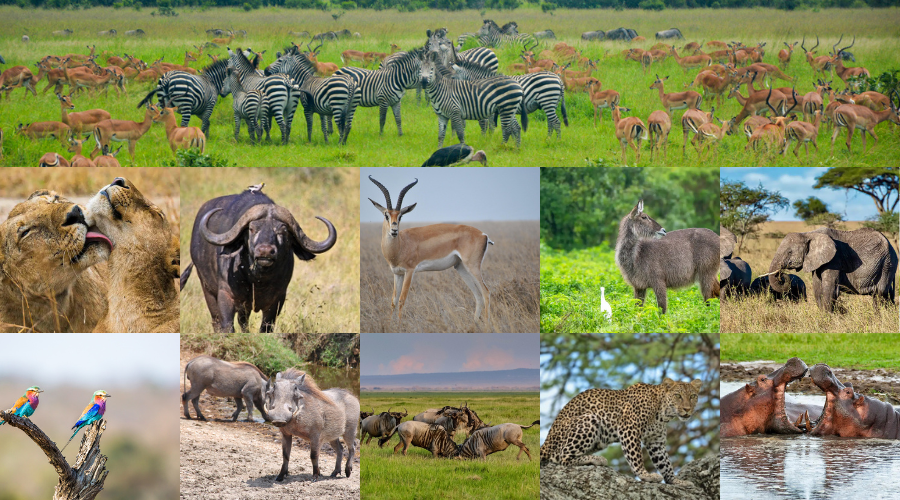
Mikumi National Park is one of the best places in Tanzania to experience African wildlife up close. Located in the southern safari circuit, the park is home to a wide variety of animals, birds, reptiles, and beautiful landscapes. One of the reasons many travelers choose Mikumi is because the wildlife is easy to spot. The park has large open plains, similar to the Serengeti, which means you can often see animals from a long distance without thick forests blocking your view. Whether you are visiting Mikumi for the first time or returning for another safari, you will have the chance to see some of Africa's most famous animals in their natural habitat. Every game drive is different because the animals move freely around the park, making every safari a new adventure. If you are wondering what wildlife you can expect to see in Mikumi National Park, this guide will help you understand the animals that call this beautiful park home.
Why Mikumi National Park Is Great for Wildlife Viewing
One of the biggest advantages of visiting Mikumi National Park is how easy it is to find wildlife. The park's open grasslands, known as the Mkata Floodplain, attract large numbers of grazing animals throughout the year. Because these animals gather in open areas, predators such as lions also spend time nearby. Unlike some parks where animals can disappear into thick vegetation, Mikumi offers wide open views that allow you to enjoy long wildlife sightings. This makes it an excellent destination for families, first-time safari visitors, photographers, and anyone hoping to experience an authentic African safari.
The park is also less crowded than many northern Tanzania parks, allowing you to enjoy wildlife without sharing every sighting with large numbers of safari vehicles.

Lions
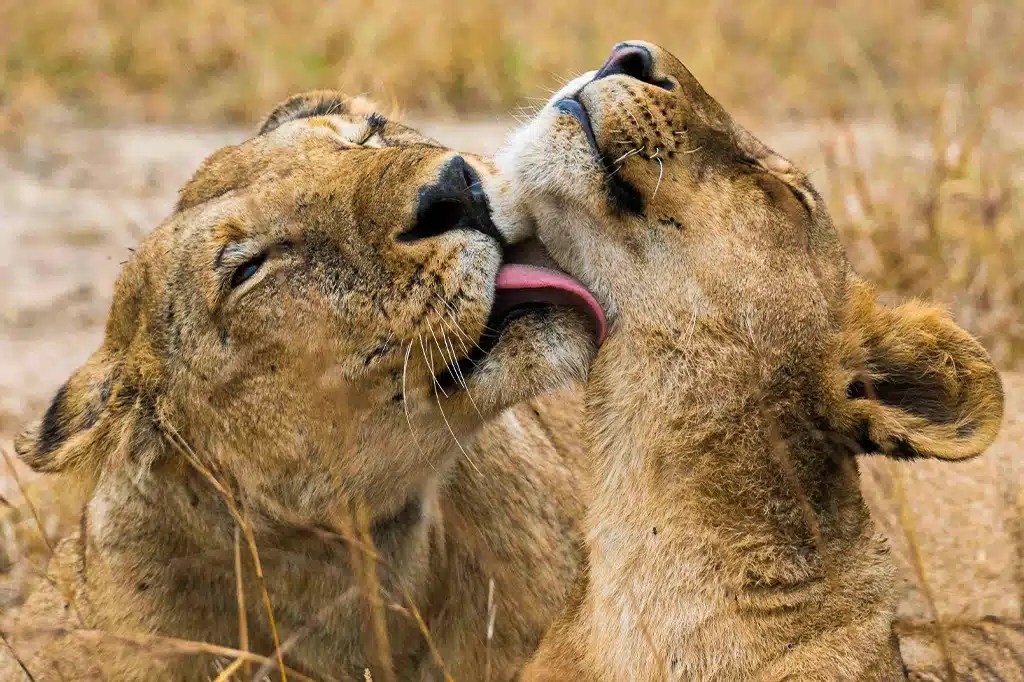
Lions are among the most exciting and unforgettable animals you can see in Mikumi National Park. The park has a healthy population of lions, and they are regularly spotted during game drives, especially around open plains and areas where prey animals gather. During the day, lions are often found resting under acacia trees or relaxing in the shade after spending the cooler night hours hunting. In the late afternoon, when temperatures become comfortable, they become more active and may be seen walking across the grasslands, following herds of zebras, wildebeests, and antelopes. If you are lucky, you may witness a lion pride resting together or playful cubs staying close to their mothers. Seeing lions living freely in their natural environment is one of the most powerful and memorable moments of a Mikumi safari.
African Elephants
African elephants are one of the greatest highlights of wildlife viewing in Mikumi National Park. These gentle giants are often seen moving through the park in family groups as they search for food, water, and safe areas to rest. Watching elephants is a special experience because you can observe their strong family connections and intelligent behavior. Young calves usually stay close to their mothers, while older females guide and protect the herd. During a game drive, you may see elephants using their trunks to collect leaves, drink water, communicate with each other, or show affection within the family. Seeing a group of elephants slowly crossing the open plains, with the beautiful Mikumi landscape in the background, creates a peaceful and unforgettable safari memory.
Giraffes
Giraffes are among the most beautiful and easily recognised animals in Mikumi National Park. They are commonly seen walking through open grasslands and woodland areas, where they use their long necks to reach leaves from tall acacia trees. Because other animals cannot reach these higher branches, giraffes have a special advantage when searching for food. During your safari, you may see them moving gracefully across the plains, feeding quietly, or standing together while watching their surroundings. Their calm nature and unique appearance make them one of the favourite animals for photographers. Your safari guide can explain how giraffes communicate, protect themselves from predators, and survive in Tanzania’s wild environment.
Zebras
Zebras are one of the most common and attractive animals found in Mikumi National Park. Their black and white stripes create a beautiful contrast against the golden grasslands, making them easy to spot during game drives. Zebras usually move in groups for protection and are often seen grazing together with wildebeests and other herbivores. This relationship helps different species stay alert because more animals watching the surroundings means a better chance of noticing approaching predators. During your safari, you may see zebras feeding peacefully, running across the plains, or gathering near water sources. Many visitors are surprised to learn that every zebra has a unique stripe pattern, making each animal completely different from another.
African Buffalo
African buffalo are among the strongest and most impressive animals in Mikumi National Park. They usually travel in large herds, sometimes containing many individuals, as they move across grasslands searching for fresh vegetation and water. Although they may appear calm while grazing, buffalo are powerful wild animals and are respected by both visitors and predators. Lions sometimes target buffalo, especially weaker members of the herd, which is why buffalo sightings can often lead to exciting predator encounters. Watching a large herd of buffalo moving together across the open plains is a memorable experience because it shows the true scale and beauty of Tanzania’s wildlife.
Hippos
Hippos are fascinating animals that add a different experience to a Mikumi safari. They spend most of the day resting in rivers, pools, and water areas to protect their sensitive skin from the strong African sun. The hippo pools in Mikumi provide a great opportunity to observe these large animals while they relax, communicate, and interact with each other. Although they look slow and peaceful, hippos are actually very powerful and territorial animals. During the night, they leave the water and travel onto land to feed on grass. Hearing their loud calls, watching them open their huge mouths, and seeing them move through the water are unforgettable wildlife moments.
Crocodiles
Crocodiles are another interesting species found in Mikumi National Park, especially around rivers, lakes, and waterholes. These ancient reptiles are often seen resting quietly on riverbanks or floating almost motionless in the water while waiting for the right opportunity to hunt. Their ability to remain still for long periods makes them excellent predators. Although they may not move often, observing crocodiles from a safe distance gives visitors a chance to appreciate their strength and importance in the natural ecosystem. They play a role in maintaining balance within the environment by controlling populations of other animals near water sources.
Leopards
Leopards are among the most beautiful but hardest animals to spot in Mikumi National Park. Unlike lions, which often move in groups, leopards are solitary animals that prefer to live and hunt alone. They are naturally shy and usually hide in thick vegetation or rest high in trees during the day. If you are fortunate, you may see a leopard quietly walking through the bush, resting on a tree branch, or moving during the early morning or evening hours when it is more active. A leopard sighting is always a special experience because these secretive cats are not seen as often as other big animals in the park.
Spotted Hyenas
Spotted hyenas are one of the most interesting animals you can see in Mikumi National Park. Although many people misunderstand them, hyenas are actually intelligent, social, and highly successful hunters. They live in groups called clans and work together to find food, protect their territory, and raise their young. Hyenas also play an important role in the ecosystem because they help clean the environment by eating remains left by other predators. During an evening or night game drive, you may hear their unique laughing calls echoing across the plains or see them moving through the grasslands searching for food. Watching hyenas interact with each other gives you a better understanding of their complex behavior and their important role in the African wilderness.
Wildebeests
Wildebeests are commonly seen grazing across the open plains of Mikumi National Park. These strong and energetic animals usually move in groups and are often found feeding together with zebras and other herbivores. Their movement across the grasslands creates a beautiful safari scene that represents the natural rhythm of African wildlife. Wildebeests play an important role in the ecosystem because their grazing helps maintain healthy grasslands, while they also provide an important food source for predators such as lions and hyenas. During your game drive, you may see large groups slowly moving across the plains, resting under the sun, or gathering near water sources. Watching wildebeests in their natural environment gives you a true feeling of the African savannah.
Antelope Species
Mikumi National Park is home to many different antelope species, each adapted to survive in different areas of the park. During your safari, you may see impalas, waterbucks, hartebeests, elands, reedbucks, sable antelopes, and greater kudus. Some antelopes prefer open grasslands where they can easily watch for predators, while others stay near rivers, forests, or woodland areas where they can find shelter and food. These animals are an important part of the park’s ecosystem because they support predator populations and help maintain the balance of nature. Learning to identify different antelope species is one of the enjoyable parts of exploring Mikumi, especially when your guide explains their unique features, behavior, and survival skills.
Warthogs
Warthogs are among the most entertaining animals you are likely to see during a safari in Mikumi National Park. These unique animals are often found walking across open areas while searching for roots, grass, and other food. One of the funniest things about warthogs is the way they run with their tails standing straight in the air, especially when they feel disturbed or excited. You may also see them kneeling on their front legs while feeding, which is a special behavior that helps them dig for food. Although they are smaller compared to elephants or buffalo, warthogs quickly become a favorite for many visitors because of their unusual appearance and interesting personality.
Primates
Mikumi National Park is home to several species of primates, including baboons and vervet monkeys. These animals are often seen moving through trees, along roads, and around areas where they search for food. Baboons usually travel in large groups with strong social relationships, while vervet monkeys are smaller and more active around woodland areas and camps. Watching young monkeys playing, adults searching for food, and the group protecting each other can be an enjoyable part of your safari experience. However, it is important to remember that these are wild animals, and visitors should never feed them because human food can change their natural behaviour and make them dependent on people.
Birdlife
Mikumi National Park is a fantastic destination for bird lovers, with more than 400 recorded bird species living in different habitats across the park. The combination of open grasslands, rivers, forests, and wetlands creates a perfect environment for many types of birds. During your safari, you may see fish eagles flying above water areas, colorful lilac-breasted rollers resting on branches, secretary birds walking across the plains, and species such as hornbills, kingfishers, bee-eaters, storks, herons, and vultures. Even if you are not an experienced birdwatcher, the colors, sounds, and variety of birds make them impossible to ignore. Your guide can help identify different species and explain their importance in the park’s ecosystem
Reptiles and Smaller Wildlife
While large mammals such as lions, elephants, and giraffes often receive the most attention in Mikumi National Park, the smaller creatures also play an important role in making the ecosystem complete. The park is home to a variety of reptiles and smaller wildlife that are fascinating to discover, especially when you take time to look closely at your surroundings. During your safari, you may come across monitor lizards moving through the grass, colorful agama lizards resting on rocks, geckos hiding near trees, tortoises slowly walking through dry areas, frogs near water sources, and different species of harmless snakes.
These smaller animals may not be as famous as the big mammals, but they are an essential part of the natural balance of the park. They help control insect populations, provide food for other animals, and contribute to the healthy functioning of the ecosystem. A walking safari is one of the best ways to discover this hidden side of Mikumi because your guide can point out tracks, small creatures, and details that are often missed during a vehicle game drive. Paying attention to these smaller species gives you a deeper appreciation of the incredible diversity of life in Mikumi National Park.
Best Time to See Wildlife in Mikumi National Park
Wildlife can be seen throughout the year, but the dry season from June to October is generally considered the best time for game viewing. During these months, grass is shorter, and animals gather around rivers and waterholes, making them easier to find. The green season, from November to May, is also rewarding. The park becomes lush and beautiful, many animals give birth, and birdlife is at its best because migratory birds arrive from different parts of the world. No matter when you visit, Mikumi offers excellent opportunities to enjoy wildlife in its natural environment.
Wildlife Photography Tips
If you enjoy taking photographs, try to bring a camera with a zoom lens, if possible, although smartphones can also capture excellent memories. Morning and late afternoon provide the best natural lighting, while patience often leads to the most rewarding wildlife encounters. Listening to your guide is important because they know where to position the vehicle for the best views without disturbing the animals.
Why Wildlife in Mikumi National Park Is Special
Wildlife in Mikumi National Park offers everything many travelers hope to experience on an African safari. The park combines open landscapes, abundant animals, experienced guides, and a peaceful atmosphere that allows you to enjoy nature at your own pace. Whether you are watching elephants cross the plains, listening to lion’s roar in the distance, photographing graceful giraffes, or quietly observing hippos in a waterhole, every moment feels natural and unforgettable. If you are looking for a safari destination where wildlife is plentiful, easy to see, and enjoyed without large crowds, Mikumi National Park is an excellent choice. It is a place where you can experience the beauty of Tanzania's wildlife while creating memories that will stay with you long after your journey ends.
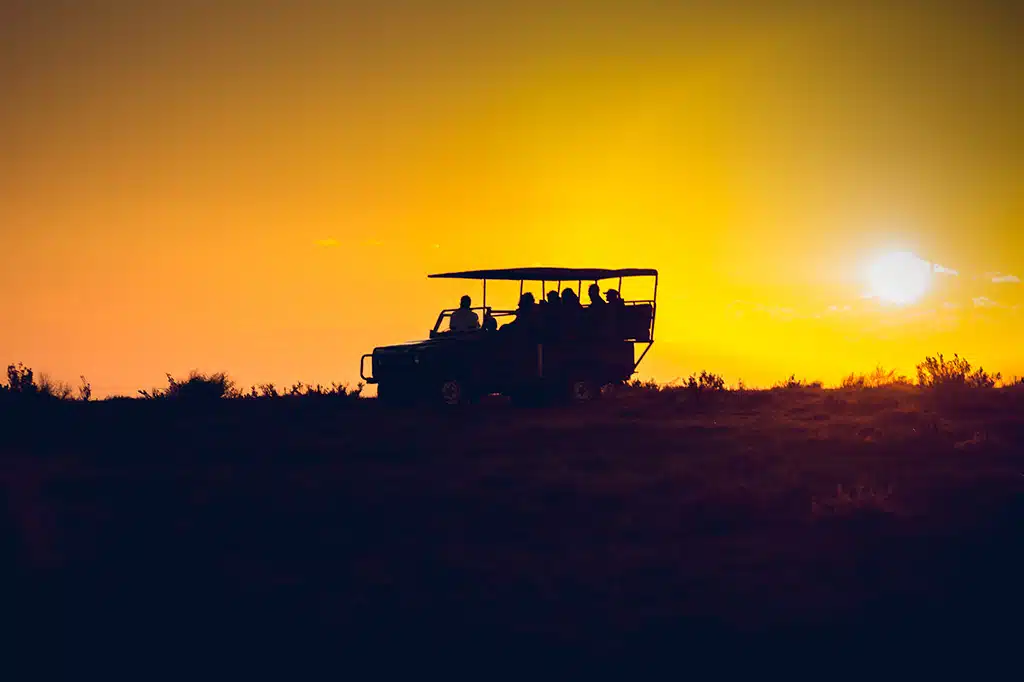
Mikumi National Park is one of Tanzania's best destinations for wildlife lovers, offering an incredible opportunity to see animals living freely in their natural habitat. From powerful lions and gentle elephants to graceful giraffes, large herds of zebras and buffalo, colorful birds, reptiles, and many other fascinating species, every game drive brings a new adventure. The park's open landscapes make wildlife easy to spot, while its peaceful atmosphere allows you to enjoy a more relaxed and authentic safari experience. Whether you are visiting for a day or spending several days exploring the park, Mikumi offers unforgettable moments that will stay with you long after your journey ends.
If you are ready to experience the amazing wildlife of Mikumi National Park, Rede Tours and Safaris is here to help you plan the perfect safari. Our experienced guides know the best wildlife viewing areas and will ensure you enjoy a safe, comfortable, and memorable adventure. Whether you are travelling solo, as a couple, with friends, or as a family, we can create a safari that matches your interests and budget.
