Climb Kilimanjaro in 2026
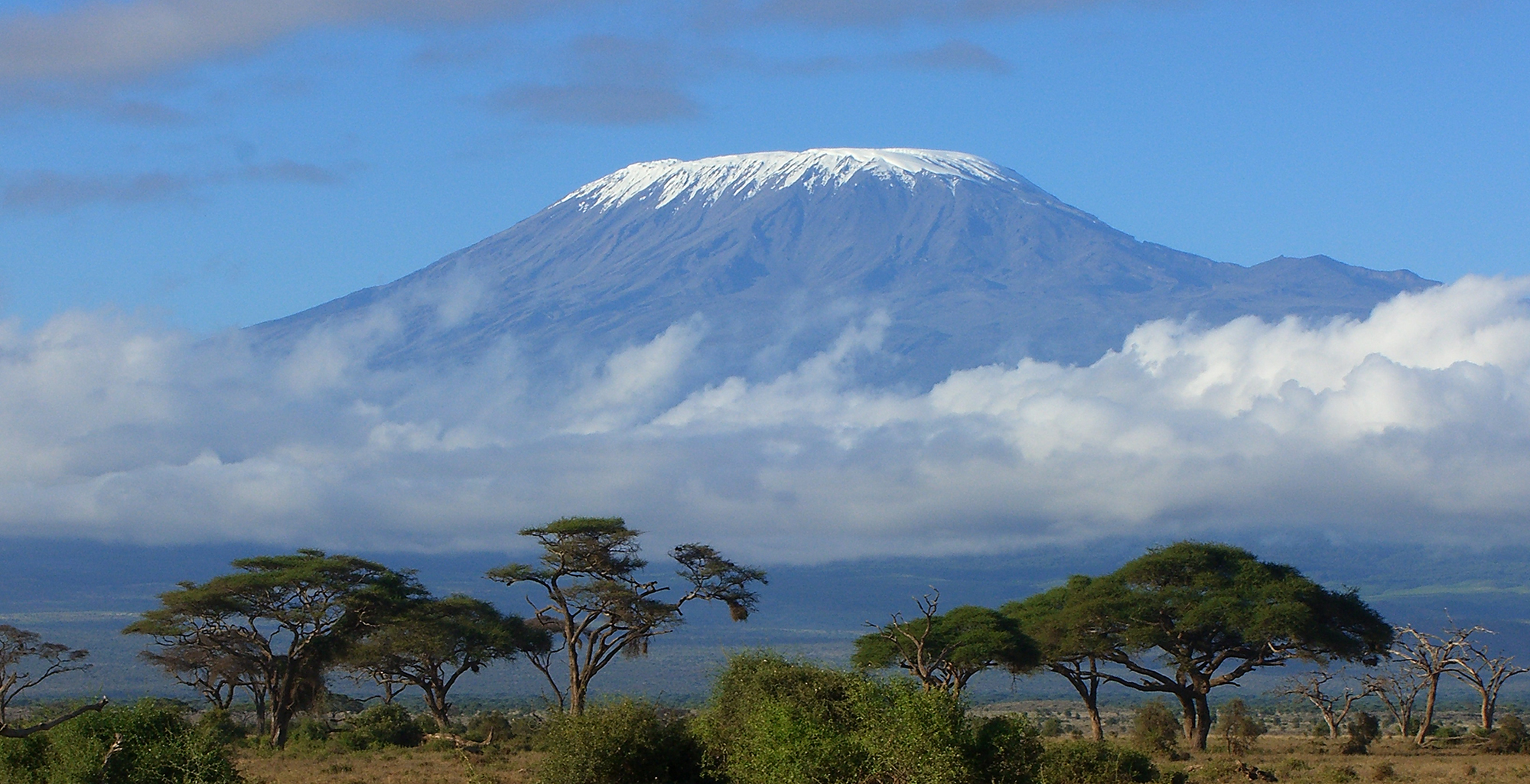
Mount Kilimanjaro is the highest mountain in Africa and one of the most famous mountains in the world. Every year, thousands of people travel to Tanzania to climb this great mountain. In 2026, climbing Mount Kilimanjaro is a very good idea for travelers, adventure lovers, and beginners.
You do not need climbing experience, special skills, or technical equipment. You only need good preparation, a positive attitude, and the desire to reach the top.
Below are the main reasons why you should climb Kilimanjaro in 2026. You will see why it is perfect for beginners, how the climb is safe and well-supported, what to expect during the journey, and how the experience can change your mind, body, and spirit. You will also learn how climbing Kilimanjaro benefits local communities, combines well with safaris or beaches, and creates memories that last a lifetime.
1. You Do Not Need Climbing Experience
One of the best reasons to climb Mount Kilimanjaro is that it is not a technical climb. This means you do not need ropes, ice tools, or any special mountain climbing skills. You are not scaling rocks or glaciers most of the climb is walking on clear, well-marked trails. You will walk on well-used paths with the help of a professional guide. Guides know the best route, the safest pace, and how to help you handle high altitudes. They also provide advice on when to rest, drink water, and eat to stay strong during the climb.
Many people who climb Kilimanjaro are first-time hikers. Some have never hiked before or are not used to long walks. Even older travelers or people with average fitness levels can succeed if they prepare properly. If you can walk slowly for several hours each day, take breaks, and follow your guide’s instructions, you can climb Kilimanjaro. Success depends more on determination, patience, and proper preparation than on previous climbing experience.
Climbing Kilimanjaro is about enjoying the journey, pacing yourself, and appreciating the amazing scenery, not technical skills. Even beginners can reach the summit and have a life-changing adventure.
2. Kilimanjaro Is Perfect for Beginners
Mount Kilimanjaro is one of the best mountains in the world for beginners. Even though it is tall and famous, it is very safe when you climb with a licensed tour company. You do not need previous hiking or climbing experience to reach the summit.
Beginners succeed on Kilimanjaro for several reasons:
· Slow walking pace – Guides set a slow and steady pace that helps your body adjust to the high altitude. Walking slowly reduces fatigue and makes the climb more manageable.
· Many rest days – Most routes include enough time to rest and acclimatize. Rest days allow your body to get used to thinner air and increase your chances of reaching the summit.
· Professional guides – Trained guides are with you every day. They give advice, monitor your health, and provide encouragement. Their knowledge makes the climb safer and more enjoyable.
· Good food and support – Tour companies provide proper meals and snacks during the climb. Porters carry your luggage, and cooks prepare warm food at camp, keeping your energy high.
3. 2026 Is a Good Year to Travel to Tanzania
Traveling to Tanzania in 2026 is easier, safer, and more comfortable than ever. The country has been improving tourism services, transportation, and mountain safety to give visitors the best experience possible. When you climb Kilimanjaro in 2026, you will enjoy:
· Better trained guides – Guides now have more training in mountain safety, altitude awareness, and first aid. They know how to help climbers of all levels, especially beginners.
· Improved rescue and safety systems – In case of emergencies, mountain rescue teams are well-prepared, and communication systems are better than ever. This ensures help is available if needed.
· Good hotels before and after the climb – Many tour packages include comfortable hotels or lodges where you can rest, eat well, and prepare for the climb. After the climb, you can recover in a clean and relaxing environment.
· Strong focus on responsible tourism – Tanzania encourages eco-friendly and ethical tourism. This means guides, porters, and local communities are treated fairly, and the environment is protected.
4. You Will Reach the Highest Point in Africa
The top of Mount Kilimanjaro is called Uhuru Peak, and it is 5,895 meters (19,341 feet) above sea level. Reaching this point is an incredible achievement and one of the main reasons people climb Kilimanjaro.
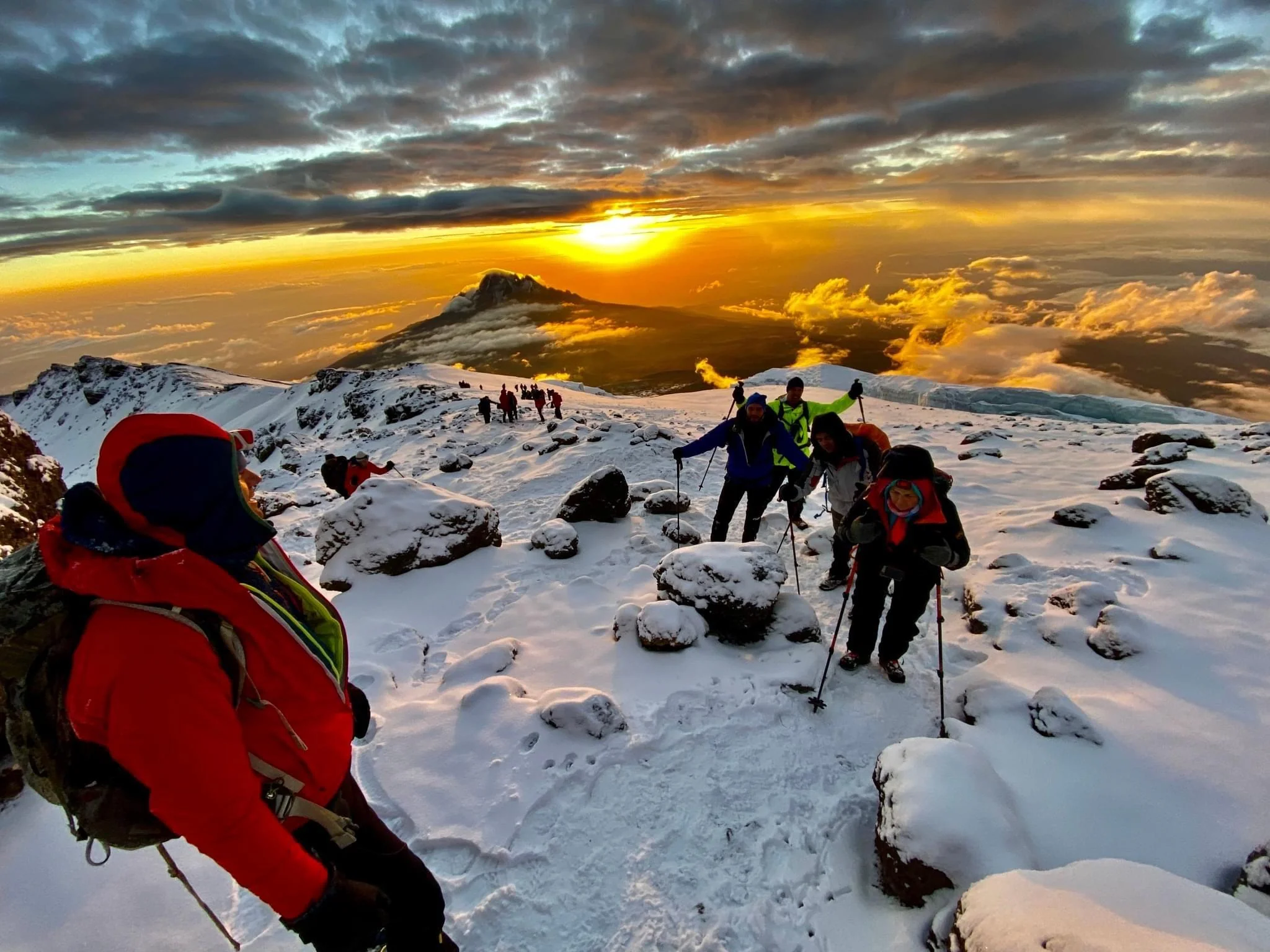
Standing on Uhuru Peak is a powerful and unforgettable moment. You are above the clouds, surrounded by snow and ice, and can watch the sunrise or sunset over the vast African landscape. The view is breathtaking, and the feeling of standing on the highest point in Africa is almost impossible to describe.
Many climbers say it is one of the happiest and proudest moments of their lives. The sense of accomplishment, combined with the beauty of the mountain, creates memories that last forever.
Reaching Uhuru Peak is not only a physical achievement but also a personal and mental triumph. It shows that with preparation, determination, and patience, you can achieve something extraordinary.
Climbing Kilimanjaro gives you the opportunity to reach the roof of Africa a goal that is inspiring, exciting, and life-changing.

Uhuru Peak
5. You Will See Five Different Climate Zones
Mount Kilimanjaro is very special because it has five completely different climate zones. As you climb higher, the temperature, vegetation, and landscape change dramatically. Walking through these zones is like visiting five different worlds in one mountain. Every day on the mountain looks different. Seeing the changes in climate and scenery makes the climb exciting, beautiful, and unique. No other mountain offers such a variety of landscapes in one hike. During the climb, you will pass through:
· Rainforest with tall trees – At the base, the mountain is covered in lush, green rainforest. You may see birds, monkeys, and many plants. The air is warm and moist, and the forest feels alive with wildlife.
· Open land with small plants (Heath and Moorland) – Higher up, the forest opens into moorland. The land has small shrubs, colorful flowers, and giant lobelias. The air becomes cooler and dryer, and the landscape is wide and open.
· Rocky desert areas (Alpine Desert) – Above the moorland, the mountain becomes rocky and dry. The soil is reddish, and very few plants grow here. It can be windy and cold, but the views are dramatic.
· Cold high camps (Arctic/Alpine Zone) – Near the summit, the air is very cold and thin. Temperatures can drop below freezing at night. The camps are simple, and you experience the harsh, high-altitude environment.
· Snow and ice near the summit – At the very top, you reach snow, ice, and glaciers. The landscape is white and otherworldly. This zone is the most extreme, but the view and feeling of accomplishment make it unforgettable.
Every day on the mountain looks different. Seeing the changes in climate and scenery makes the climb exciting, beautiful, and unique. No other mountain offers such a variety of landscapes in one hike.
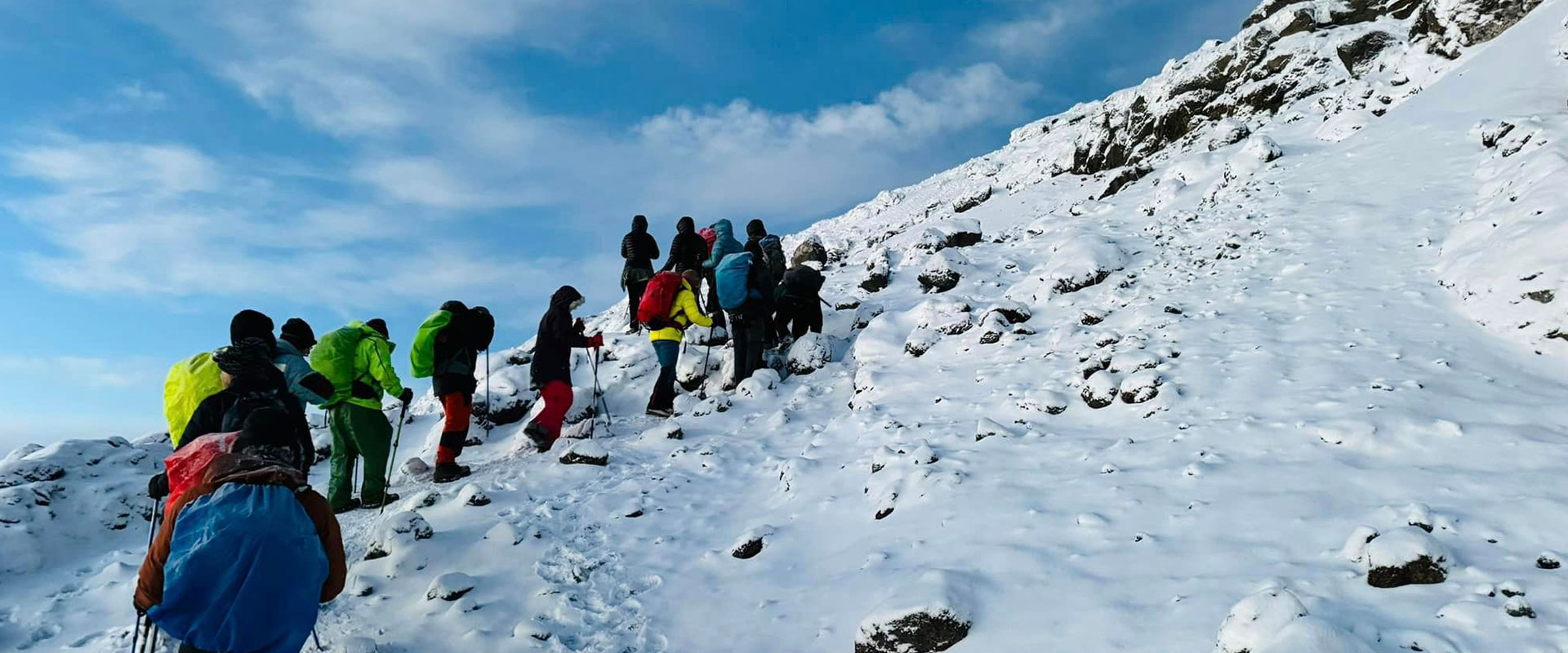
Snow and ice near the summit
6. Many Routes to Choose From
Mount Kilimanjaro offers several routes to the summit. Each route is different in terms of scenery, length, difficulty, and level of comfort. Choosing the right route is important for your safety, enjoyment, and chances of reaching the top. Some of the most popular routes include:
· Marangu Route – Known as the “Coca-Cola Route,” it is easier for beginners because it has comfortable huts to sleep in instead of tents. The path is well-marked, and the climb is steady. It is less scenic than other routes, but it is a good choice for first-time climbers who prefer comfort.
· Machame Route – Called the “Whiskey Route,” it is very scenic and popular with hikers who want beautiful views. You sleep in tents, and the route is more challenging than Marangu, but it has a high success rate for fit beginners.
· Lemosho Route – Known for its high success rate, this route is longer, giving your body more time to adjust to the altitude. It passes through lush forests and beautiful open landscapes. The slower pace and longer climb make it ideal for beginners who want more chances to reach the summit.
· Rongai Route – This route is quieter and less crowded because it approaches Kilimanjaro from the north. The scenery is different, and it is slightly easier on some sections. It is a great choice if you prefer a more peaceful and private climb.
In 2026, you can choose the route that best fits your schedule, fitness level, and preferences. Longer routes give more time for acclimatization and increase your chances of reaching Uhuru Peak, while shorter routes are faster but more challenging.
No matter which route you choose, professional guides and support teams make your climb safe, comfortable, and memorable.
7. High Chance of Reaching the Summit
Mount Kilimanjaro has a high success rate for climbers who choose the right route, pace themselves, and follow their guide’s instructions. Even beginners can reach the summit with proper preparation. Here are some tips to increase your chances of reaching Uhuru Peak safely:
· Choose a 7–9-day route – Longer routes give your body more time to adjust to the high altitude. This reduces the risk of altitude sickness and makes it easier to complete the climb.
· Drink enough water – Staying hydrated helps your body adapt to thinner air and prevents headaches or fatigue. Drink water regularly throughout the day, even if you don’t feel thirsty.
· Walk slowly – A slow and steady pace is the key to success. Taking small steps and resting often lets your body acclimatize properly. Rushing can make you tired quickly and increase altitude sickness risk.
· Listen to your guide – Your guide knows the mountain, the weather, and the best pace. They will advise you when to rest, eat, or slow down. Following their instructions greatly improves your safety and success.
Most climbers who follow these rules reach the summit safely. Even if the climb is challenging, the steady pace, proper support, and careful planning make the experience achievable and enjoyable. Reaching the top is not just about fitness, it’s about preparation, patience, and following the right guidance.
8. You Are Fully Supported During the Climb
When climbing Mount Kilimanjaro, you are never alone. A full support team is with you every day, making sure your climb is safe, comfortable, and enjoyable. This support team makes a big difference on the climb. They help you stay motivated, solve problems quickly, and ensure your experience is safe and enjoyable. With their help, even beginners can focus on walking, enjoying the scenery, and reaching the summit. Having a strong support team is one of the main reasons why climbing Kilimanjaro is beginner-friendly and achievable. Your team usually includes:
· Professional mountain guide – The guide leads the way, sets the pace, monitors your health, and gives advice. They know the mountain well and are trained to handle emergencies. Their support is essential for beginners and experienced hikers alike.
· Porters to carry luggage – Porters carry your heavy bags, camping gear, and supplies. This allows you to walk comfortably without being overloaded. They are experienced and know the trails well, helping to keep the climb smooth and safe.
· Cook to prepare meals – A cook prepares warm, nutritious meals at each camp. Good food keeps your energy high and helps your body recover for the next day’s hike.
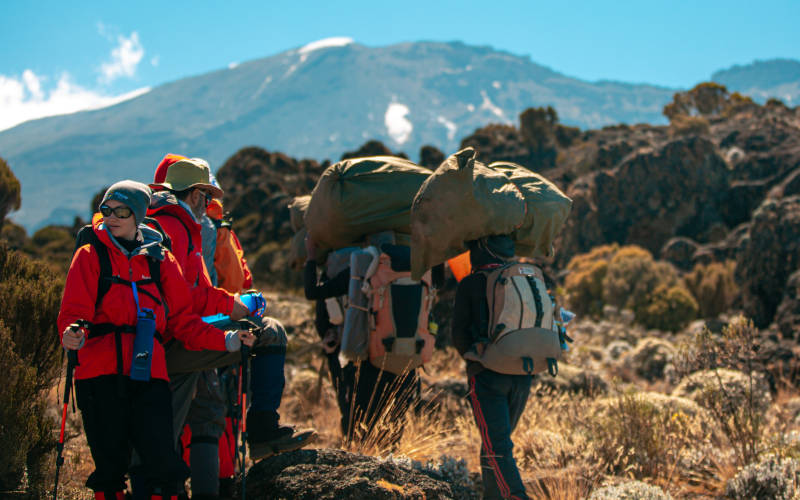
Kilimanjaro Porters
9. Safe Climbing with Proper Planning
Climbing Mount Kilimanjaro is safe when you go with a licensed company. Guides check your health every day, know how to handle altitude, and have emergency plans if needed. The park also provides rescue teams for extra safety.
In 2026, safety is even better with trained guides, improved equipment, and strong support teams. With proper planning, your climb can be safe, comfortable, and enjoyable.
10. Good for Your Mind and Body
Climbing Mount Kilimanjaro is great for both your body and your mind. Walking long distances, carrying some weight, and hiking at high altitude strengthens your muscles, improves your stamina, and makes your heart and lungs healthier.
It is also good for your mental health. Being in nature, away from daily stress, helps you feel calmer and more relaxed. Many climbers notice that they have less stress and a clearer mind during and after the climb.
The climb also boosts confidence. Reaching new heights and overcoming challenges shows you what you can achieve. It improves mental focus, patience, and determination.
Finally, standing at Uhuru Peak gives a sense of peace and accomplishment. Many climbers return home feeling stronger, happier, and proud of what they achieved. Climbing Kilimanjaro is not just an adventure, it’s a journey that strengthens both your body and mind.
11. Support Local People in Tanzania
Climbing Mount Kilimanjaro is not only an amazing adventure, it also helps local communities in Tanzania. Your climb supports the people who make the journey possible and contributes to the local economy. When you climb responsibly, your trip helps:
· Create jobs for guides and porters – Local people earn a living by guiding climbers, carrying luggage, and helping on the mountain. This provides stable income and career opportunities.
· Support families – The money earned by guides, porters, and cooks often goes directly to their families, helping pay for food, education, and healthcare.
· Improve the local economy – Tourism brings income to villages, hotels, restaurants, and shops. The money spent by climbers supports many businesses in Tanzania.
12. Combine Kilimanjaro with Safari or Beach
Many travelers in 2026 choose to combine their Kilimanjaro climb with other activities to make their trip even more memorable. After the climb, you can explore Tanzania in ways that suit your interests and energy level.
Some popular options include:
· A wildlife safari – Tanzania is home to the Serengeti, Ngorongoro Crater, and many other famous parks. You can see lions, elephants, giraffes, zebras, and more in their natural habitats. A safari adds adventure and excitement after the climb.
· A beach holiday in Zanzibar – Relax and recover on the beautiful beaches of Zanzibar. White sand, clear turquoise water, and warm weather make it perfect for resting your body after the climb.
· Cultural tours – Visit local villages, meet Tanzanian people, and learn about their traditions, food, and crafts. This gives your trip a deeper meaning and connection to the country.

Cultural tours
13. Affordable Compared to Other Famous Mountains
Mount Kilimanjaro is often more affordable than many other famous mountains around the world. Unlike technical climbs such as Everest or the Alps, Kilimanjaro does not require expensive climbing gear or advanced mountaineering skills. This makes it accessible to beginners and first-time climbers without a huge budget.
The climb usually takes 6 to 9 days, which is shorter than many other high-altitude mountains. Shorter climbs mean fewer days of paying for guides, porters, and accommodation, which keeps the overall cost lower.
Most Kilimanjaro tours include all essential services, such as park fees, trained guides, porters, food, tents, and camping equipment. You do not have to arrange these separately, which saves both money and stress.
Because of these factors, you get great value for a world-class adventure. For a relatively affordable price, you can experience stunning landscapes, climb Africa’s highest peak, enjoy professional support, and create memories that last a lifetime.
14. Create Memories for Life
limbing Mount Kilimanjaro is an experience you will never forget. From the moment you start the trek to the moment you reach Uhuru Peak, every day is full of amazing sights, challenges, and personal achievements.
You will remember the views – walking through lush rainforests, open moorlands, rocky deserts, and snowy summits gives you ever-changing landscapes that are breathtaking. Each day brings something new and beautiful to admire.
You will remember the people you meet – your guides, porters, fellow climbers, and locals create a strong sense of community. Sharing the journey with others makes it even more special and memorable.
You will remember the challenge – climbing Africa’s highest mountain is not easy. Pushing through fatigue, cold, and altitude shows your strength and determination. Overcoming these challenges makes reaching the summit even more rewarding.
Finally, you will remember the success – standing at Uhuru Peak is a proud moment that stays with you forever. Many climbers say it is one of the best achievements of their lives.
Climbing Kilimanjaro becomes a story you can share with friends, family, and yourself forever. It is a journey that inspires, motivates, and leaves a lasting impression on your mind, body, and heart.
Why Climb Kilimanjaro in 2026?
Climbing Mount Kilimanjaro in 2026 is a smart and meaningful choice for anyone who loves adventure, nature, or personal challenges. The mountain is safe, beginner-friendly, and well-organized by professional guides. It is also a life-changing experience that many climbers remember for the rest of their lives.
Here are the main reasons you should climb Kilimanjaro in 2026:
- You do not need experience – Kilimanjaro is a walking mountain, not a technical climb. Beginners and first-time hikers can reach the top with preparation and determination.
- You get strong support – Professional guides, porters, and cooks help you every day. They carry luggage, prepare meals, check your health, and guide you safely along the trails.
- You reach Africa’s highest point – Standing on Uhuru Peak (5,895 meters) is an unforgettable achievement. You will see amazing views above the clouds and feel proud of your accomplishment.
- You grow mentally and physically – The climb challenges your body and mind. Walking slowly, staying focused, and overcoming obstacles builds strength, patience, and confidence.
- You create lifelong memories – From the stunning scenery to the friends you meet and the challenge you complete, the climb becomes a story you will remember forever.
If you are looking for a powerful adventure that challenges you, inspires you, and rewards you, Mount Kilimanjaro in 2026 is waiting for you. It is the perfect time to take the first step toward an unforgettable journey.
Best Time to Climb Mount Kilimanjaro in 2026
Mount Kilimanjaro can be climbed any time of the year, but some months are better than others. Choosing the right time makes your climb more comfortable, safer, and enjoyable. Weather, crowds, and trail conditions change throughout the year, so planning ahead is important.
The best months to climb Kilimanjaro in 2026 are:
· January to March – During these months, the weather is generally warm and dry. There are fewer climbers on the mountain, so trails and camps are less crowded. Clear skies make it easier to enjoy the beautiful views and take photos.
· June to October – This is the dry season and one of the most popular times to climb. Trails are stable, the weather is mostly sunny, and visibility is excellent. These conditions make it easier to walk safely and enjoy the scenery.
How Long Does It Take to Climb Kilimanjaro?
Climbing Mount Kilimanjaro usually takes 6 to 9 days, depending on the route you choose. The length of the climb affects how easy it is, how comfortable you feel, and your chance of reaching the summit.
· Short routes (6–7 days) are cheaper, but they are harder. You have less time to adjust to the high altitude, which can make the climb more tiring and increase the risk of altitude sickness.
· Longer routes (8–9 days) give your body more time to adjust to the thin air. Walking slowly over more days helps your body get used to the altitude, making it easier to reach the top.
· Higher success rates are seen on longer climbs because your body has more time to adapt, and the climb feels less rushed.
For beginners, a 7–9-day climb is highly recommended. It allows for rest days, safer pacing, and a more enjoyable experience. Walking slowly, taking breaks, and giving your body time to adjust makes it much more likely that you will reach Uhuru Peak and enjoy the whole journey.
Altitude Sickness and How to Avoid It
Altitude sickness is the main challenge on Mount Kilimanjaro. It happens when the body does not adjust well to high altitude.
Common symptoms include:
- Headache
- Tiredness
- Loss of appetite
- Nausea
How to reduce the risk:
- Walk slowly
- Drink plenty of water
- Take enough days to acclimatize
- Listen to your guide
What to Expect on a Typical Day on the Mountain
Climbing Mount Kilimanjaro is a daily routine that is well-planned for safety and comfort. Each day follows a similar schedule, so your body can adjust to the altitude and you can enjoy the climb.
A typical day includes:
· Wake up early – Most days start around 6:00 am. Waking early gives you enough time to prepare, eat, and start walking in the cool morning air.
· Eat breakfast – A healthy breakfast is served before the climb. It gives you the energy you need for a long day of walking. Common foods include porridge, eggs, toast, and tea or coffee.
· Walk for several hours – You will hike slowly up the mountain, usually 3–6 hours depending on the route and day. Guides set a steady pace to help your body adjust to altitude.
· Take breaks – Regular breaks are important. You can rest, drink water, and enjoy the views. Short breaks every 30–60 minutes keep your energy up.
· Reach camp in the afternoon – Most climbs end at a new camp by early or late afternoon. This allows time to rest, enjoy the scenery, and recover for the next day.
· Eat dinner and rest – A warm meal is served at camp. After dinner, you can relax, talk to other climbers, or get ready for the next day. Sleeping early helps you feel refreshed.
The pace on Kilimanjaro is slow and steady. Walking slowly, taking breaks, and following your guide’s instructions helps your body adjust to the altitude and increases your chances of reaching the summit safely.
What Food Is Provided During the Climb?
Good food helps keep your energy high during the climb. Climbers are surprised by the quality of food on Kilimanjaro. Meals usually include:
- Rice, pasta, potatoes
- Vegetables and fruits
- Soup and bread
- Tea, coffee, and snacks
What to Pack for Mount Kilimanjaro
- Warm clothes for the summit
- Good hiking boots
- Rain jacket
- Gloves and hat
- Sleeping bag
- Water bottles
Physical Preparation for Kilimanjaro
You do not need to be an athlete, but some preparation helps a lot. Good preparation includes:
- Walking or hiking regularly
- Cardio exercises like cycling or jogging
- Practicing walking uphill
Mental Preparation Is Just as Important
Climbing Mount Kilimanjaro is not just a physical challenge, it is also a mental challenge. Your body may be tired, the air is thin, and the weather can be cold and windy, especially near the summit. To succeed, you need a strong mind as much as a strong body.
Here are the most important mental skills for the climb:
· Patience – The climb is long, and walking slowly helps your body adjust to the high altitude. Don’t rush; take one step at a time.
· Positive Thinking – Keep a good attitude, even when it is cold, tiring, or difficult. Encouraging yourself and your team can make a big difference.
· Determination – You will face challenges like steep trails, long summit night hikes, or cold weather. Staying determined helps you push through and keep moving forward.
Cost of Climbing Kilimanjaro in 2026
The cost of climbing Mount Kilimanjaro in 2026 depends on several factors. These include the route you choose, the number of days for your climb, and the level of service you want. Longer routes and better services usually cost more but increase your chances of success and comfort.
Most Kilimanjaro packages include:
· Park fees – required by the authorities to enter the mountain
· Guides and porters – trained professionals who help you safely climb and carry your luggage
· Food and accommodation on the mountain – meals and tents or huts during your trek
· Safety equipment – first-aid kits, communication devices, and sometimes oxygen for emergencies
It is important to choose quality over price. Cheap climbs might save money, but they often use inexperienced guides, overload porters, or cut corners on safety. A higher-quality climb ensures better support, safety, and a more enjoyable experience.
In short, think of the climb as an investment in a safe and successful adventure. Spending a little more can make your Kilimanjaro climb comfortable, safe, and unforgettable.
Why Choose a Licensed Kilimanjaro Operator?
Climbing Mount Kilimanjaro with a licensed operator is very important. The park authorities require it, and it helps keep your climb safe, legal, and enjoyable. Trying to climb without a licensed company is not allowed and can be dangerous. Here are the main benefits of choosing a licensed operator:
· Trained and Certified Guides
Licensed companies provide guides who are trained in mountain safety, first aid, and altitude sickness. They know the best walking pace and can help you reach the summit safely. Their experience makes the climb easier and more enjoyable for beginners and experienced hikers alike.
· Legal Access to the Mountain
Licensed operators handle all the permits and park fees required to enter Mount Kilimanjaro. This ensures your climb is official and avoids problems with authorities. You don’t have to worry about paperwork or rules.
· Better Safety Standards
Licensed companies follow strict safety rules. They have emergency plans, first-aid kits, and communication systems to respond quickly if someone feels unwell. They also provide proper equipment for camps and guides to check your health every day.
· Ethical Treatment of Porters
Porters carry heavy luggage and help make your climb possible. Licensed operators pay them fairly, provide safe weights, food, and sleeping arrangements. Choosing a licensed company supports these workers and ensures they are treated with respect.
Is Kilimanjaro Worth It?
Yes, Mount Kilimanjaro is absolutely worth it. It is one of the most rewarding adventures you can experience in your life. The climb challenges your body and mind, but the rewards are very great.
Climbing Kilimanjaro offers a huge personal achievement. Reaching the top of Africa’s highest mountain gives you strong confidence and pride. Many people feel more powerful and motivated after the climb. It also offers beautiful nature. During the journey, you see green forests, open landscapes, rocky areas, clouds below your feet, and snow near the summit. The views change every day and are unforgettable.
Kilimanjaro gives you a cultural connection. You climb with local guides and porters who share their stories, traditions, and daily life. This makes the experience more meaningful and personal. Most importantly, climbing Kilimanjaro is a life-changing experience. It teaches patience, strength, and determination. Many climbers say the mountain changed the way they think about themselves and life. That is why many people say climbing Mount Kilimanjaro is one of the best decisions they ever made.