Which Kilimanjaro Route Has the Highest Success Rate? Find Out Here!
Climbing Mount Kilimanjaro is one of the most incredible adventures you can have, but it’s also a challenge that requires careful planning. With five main routes to choose from, the route you take can have a significant impact on your chances of reaching the summit. In this article, we’ll explore which route has the highest success rate and why it matters.
Why Does the Success Rate Matter?
The success rate refers to the percentage of climbers who reach the summit on a specific route. Mount Kilimanjaro is a high-altitude climb, and the biggest challenge is altitude sickness. When you climb to high altitudes quickly, your body doesn’t have enough time to adjust to the thinner air, leading to symptoms like headaches, nausea, dizziness, and even life-threatening conditions like High Altitude Pulmonary Edema (HAPE) or High-Altitude Cerebral Edema (HACE).
Routes that take longer to complete give your body more time to acclimatize a crucial factor for success. In simpler terms, the more days you spend on the mountain, the better your chances of reaching the summit.
How the Kilimanjaro Routes Differ
Kilimanjaro has six main routes for climbers, and each one varies in terms of:
- Duration (number of days)
- Difficulty
- Scenery
- Crowds
- Altitude profile
Routes that are longer tend to have a higher success rate because they offer more time for acclimatization. Some routes are steeper and more challenging, while others are gentler and allow for a slower ascent. We’ll break down the routes, starting with the one with the highest success rate.
The Northern Circuit Route: The Top Choice for High Success Rates
Success Rate: 90% to 95%
The Northern Circuit route is the most successful route on Kilimanjaro, with success rates between 90% and 95%. It’s the longest route, taking between 8 to 9 days, and it offers the best chances of reaching the summit.
Why It Has the Highest Success Rate
The key to the Northern Circuit’s success is its long duration and gradual ascent. This route follows the “climb high, sleep low” technique, which is widely recognized as one of the best ways to acclimatize to high altitudes. On this route, you’ll ascend to higher altitudes during the day, but then return to lower altitudes to sleep. This gives your body time to adjust without pushing it too hard.
Another major advantage is that the Northern Circuit is less crowded than other routes, meaning you’ll have a more peaceful climb with less pressure to keep up with larger groups. This also reduces stress and makes for a more enjoyable experience.
Additionally, the Northern Circuit offers breathtaking scenery as it traverses the entire northern side of the mountain, showcasing diverse landscapes, from rainforests to alpine deserts. These scenic rewards make the journey more memorable.
Other High Success Rate Routes
While the Northern Circuit is the best option for many climbers, there are several other routes with high success rates that are also worth considering.
Lemosho Route: 85% to 90% Success Rate
The Lemosho Route is another top choice, boasting a success rate of 85% to 90%. It’s known for its stunning beauty and good acclimatization opportunities.
Why It Works Well
Lemosho is a longer route, typically taking 7 to 8 days. This gives you more time to adjust to the altitude, just like the Northern Circuit. The route starts on the western side of the mountain, offering lush rainforests and expansive views. Lemosho then converges with the Machame Route, which means that by the time you get to the summit, you'll have joined other climbers, creating a more social atmosphere near the top.
What sets Lemosho apart is that it is quieter than other popular routes, allowing for a more relaxed trek in the beginning. The scenery is stunning throughout, and you’ll have more chances to see wildlife and the unique environments of Kilimanjaro.
Machame Route: 75% to 85% Success Rate
The Machame Route is one of the most popular and scenic routes on Kilimanjaro, with a success rate between 75% and 85%. Known as the “Whiskey Route”, it’s a bit more challenging and steeper compared to the Northern Circuit and Lemosho, but it still provides great chances of reaching the summit.
Why It’s Popular
The Machame Route is known for its beautiful landscapes, including dense forests, moorlands, and alpine deserts. It takes about 6 to 7 days to complete, which allows climbers to acclimatize while still pushing through some tougher sections. While this route can be crowded, the views make it worth it for many climbers. If you’re looking for a slightly more challenging experience and don’t mind sharing the trail with others, Machame is a great option.
Rongai Route: 70% to 80% Success Rate
The Rongai Route is the only route that starts from the northern side of the mountain, near the border of Kenya. It’s less popular than the Southern routes, making it an excellent choice if you’re looking for a quieter, more peaceful experience.
Why Rongai is Successful
Rongai has a success rate of 70% to 80%, and its gradual ascent makes it a good option for acclimatization. It’s a bit shorter than the Northern Circuit, typically taking about 6 to 7 days to complete, but it still offers a steady ascent. One of the biggest advantages of Rongai is that it’s drier, so it’s a good route if you’re trekking during the rainy season.
While it’s less scenic than other routes like Lemosho or Machame, it has the benefit of being quieter and less crowded, which can make for a more serene experience.
Routes with Lower Success Rates
Not all routes have high success rates, and it’s important to understand the challenges of those that do not.
Marangu Route: 50% to 60% Success Rate
The Marangu Route is one of the oldest and most popular routes on Kilimanjaro, but it has a relatively low success rate. The success rate here is around 50% to 60%.
Why It’s Challenging
The Marangu route is often seen as the "easiest" because it’s the only one with hut accommodations (rather than tents). However, this also leads to a problem: The route is shorter, typically taking only 5 days. This short duration doesn’t allow enough time for proper acclimatization, which increases the chances of altitude sickness.
While it’s a great option for those who prefer sleeping in huts, the lack of acclimatization time makes this a less favorable choice for climbers focused on reaching the summit safely.
Umbwe Route: 40% to 50% Success Rate
The Umbwe Route is the steepest and most difficult route on Kilimanjaro, and it’s not recommended for beginners. It has the lowest success rate, ranging from 40% to 50%.
Why It’s So Challenging
The Umbwe route is incredibly steep, and it’s a much faster ascent compared to other routes. This means there is little time for acclimatization, and climbers are at a higher risk for altitude sickness. The terrain is tough, and climbers often feel exhausted before they’ve reached the summit.
This route is best suited for experienced climbers who are looking for a challenging trek and have a higher level of fitness. But for those seeking the highest success rate, it’s best to avoid Umbwe.
Choosing the Right Route for You for Kilimanjaro Hiking
Ultimately, the best route for you will depend on your fitness level, time constraints, and experience. If your main goal is to reach the summit safely, then the Northern Circuit is the top choice. It gives you the best chance of success due to its gradual ascent, longer duration, and lower crowds.
For those who want a quieter experience, Lemosho and Rongai are also solid options. If you’re comfortable with a more challenging climb and don’t mind the crowds, Machame is a great route for those seeking stunning views and a more rugged experience.
On the other hand, if you’re limited in time and willing to accept a lower success rate, Marangu or Umbwe might be options though it’s important to know these routes come with greater risks.
What to Expect on Each Route
Crowds vs. Solitude
Some routes, like Machame, Marangu, and Lemosho, can get crowded, especially near the summit, while others like Rongai and the Northern Circuit offer a more peaceful experience. Choosing a route based on your preference for solitude or social climbing is an important consideration.
Accommodation: Hut vs. Camping
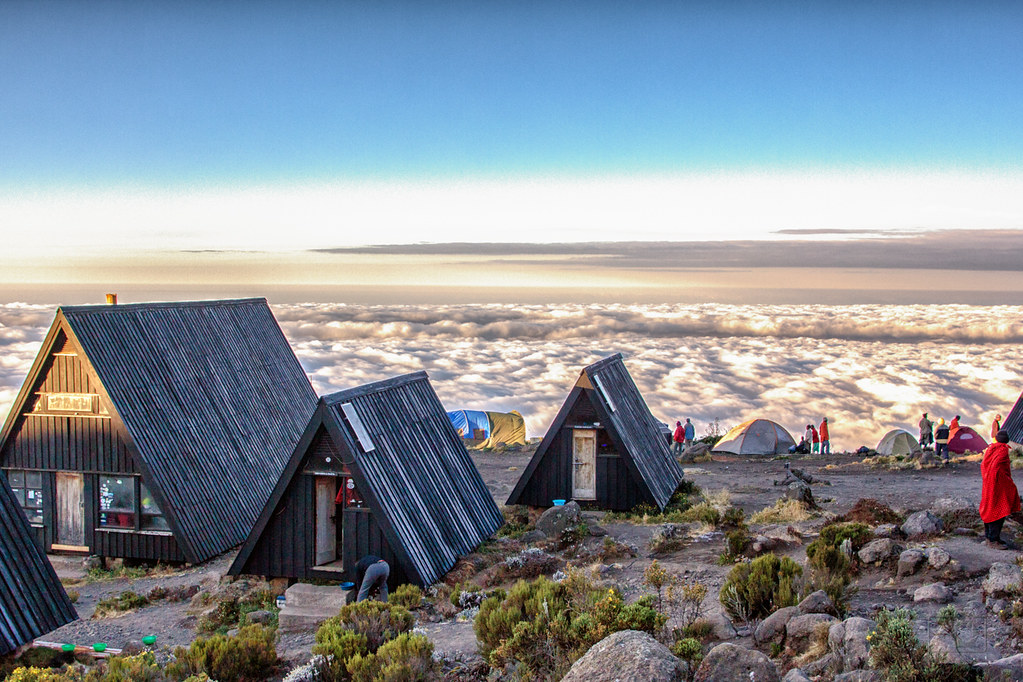
The Marangu Route offers huts where you can sleep comfortably in a bed, while all other routes require you to camp in tents. If you want a more comfortable experience with fewer logistical concerns, Marangu might be the right choice for you.
External Factors Affecting Success Rate
Weather Conditions
Weather can play a big role in your climb. The dry season, from January to March and June to October, is the best time to summit, offering clear skies and mild temperatures. Rainy season (March to May) brings tougher conditions, especially for routes like Machame and Lemosho.
Guides and Porters
A professional guide and porter team are essential for a successful climb. They help with navigation, manage camps, and keep an eye on your health. Always choose a reputable company with experienced guides and porters who understand the mountain’s challenges.
Practical Tips for a Successful Summit
- Hydration is Key: Keep hydrated, especially at higher altitudes. Drink at least 3-4 liters of water per day.
- Pace Yourself: Climb slowly and take regular breaks. It’s not a race; it’s about making it to the top.
- Acclimatization is Crucial: Never rush your ascent. Spend time resting at camps to allow your body to adjust to the altitude.
- Be Mentally Prepared: Kilimanjaro isn’t just physically demanding; it’s a mental challenge. Stay positive and trust your guide.
The Northern Circuit route stands out as the best option for those seeking the highest chance of success on Kilimanjaro. With its gradual ascent, longer duration, and the advantage of fewer crowds, this route allows climbers the time they need to properly acclimatize, increasing their chances of reaching Uhuru Peak the highest point in Africa. Its remote, scenic path offers breathtaking views while giving you more opportunities to adjust to the altitude, minimizing the risks associated with high-altitude climbs.
However, other routes like Lemosho, Machame, and Rongai also provide excellent chances of summiting, especially with the right preparation. Lemosho, known for its beautiful landscapes and less crowded start, is another favorite among climbers. Machame, while busier, is perfect for those who want a challenging climb with rewarding vistas. Rongai, being the quieter option, offers a unique experience with a slower ascent on the northern slopes. Each route has its own benefits and challenges, so the best one for you depends on your physical fitness, available time, and the type of experience you want, whether that’s a more peaceful, solitary climb or a social trek with others.
Regardless of the route you choose, success on Kilimanjaro is not just about the path you take it's about how well you prepare. Proper acclimatization is crucial to avoid altitude sickness, and taking the time to adjust at each camp can make all the difference in your climb. Physical preparation is equally important: training for endurance and strength will ensure that you’re ready for the demanding ascent. Most importantly, maintaining a positive mindset and staying motivated throughout the trek is essential. Kilimanjaro is as much a mental challenge as a physical one.
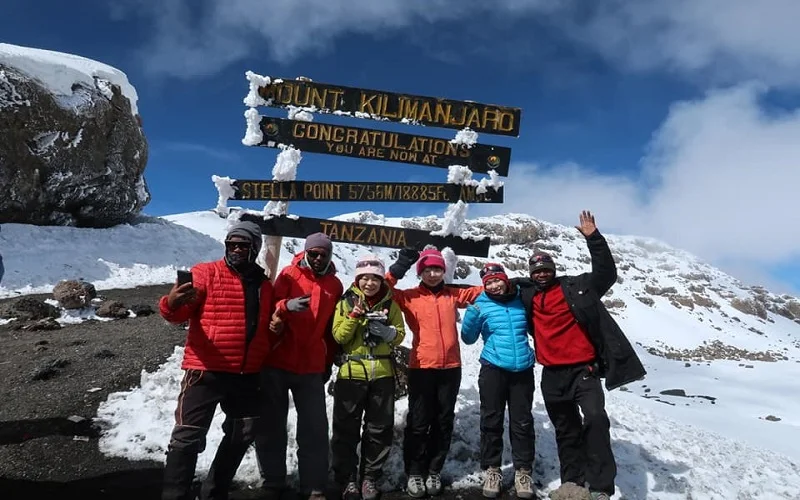
With careful planning, the right gear, and a solid strategy for acclimatization, you’ll be well-equipped to tackle the climb. Conquering Kilimanjaro is an incredibly rewarding achievement, and no matter the route, the feeling of standing at the summit of Uhuru Peak, gazing out over the vast African plains, is an experience you’ll never forget.