Which is Better: Kenya or Tanzania for Safari?
Planning a safari in East Africa is a dream for many travelers, offering the chance to witness some of the most stunning landscapes and incredible wildlife on the planet. Kenya and Tanzania are the two most famous safari destinations in the world, each boasting vast savannahs, iconic animals, and experiences that are truly unforgettable. From the rolling plains of the Maasai Mara to the endless horizons of the Serengeti, both countries showcase Africa at its wildest and most beautiful.
However, travelers often ask: Which country is better for a safari? The answer is not always straightforward. It depends on several important factors, including the type of wildlife you want to see, the variety of landscapes you wish to explore, the style of safari you prefer, the time you have available, your budget, and your personal interests.
Both Kenya and Tanzania offer world-class safari experiences, yet each has its own unique strengths and characteristics. Understanding the differences between the two countries will help you make the best choice for your adventure or even inspire you to plan an extended safari that combines the very best of both destinations, creating a journey you’ll never forget.
1. Wildlife and the Big Five
Both Kenya and Tanzania are home to Africa’s iconic Big Five—lion, leopard, elephant, buffalo, and rhino but the way you experience wildlife in each country can differ.
Kenya:
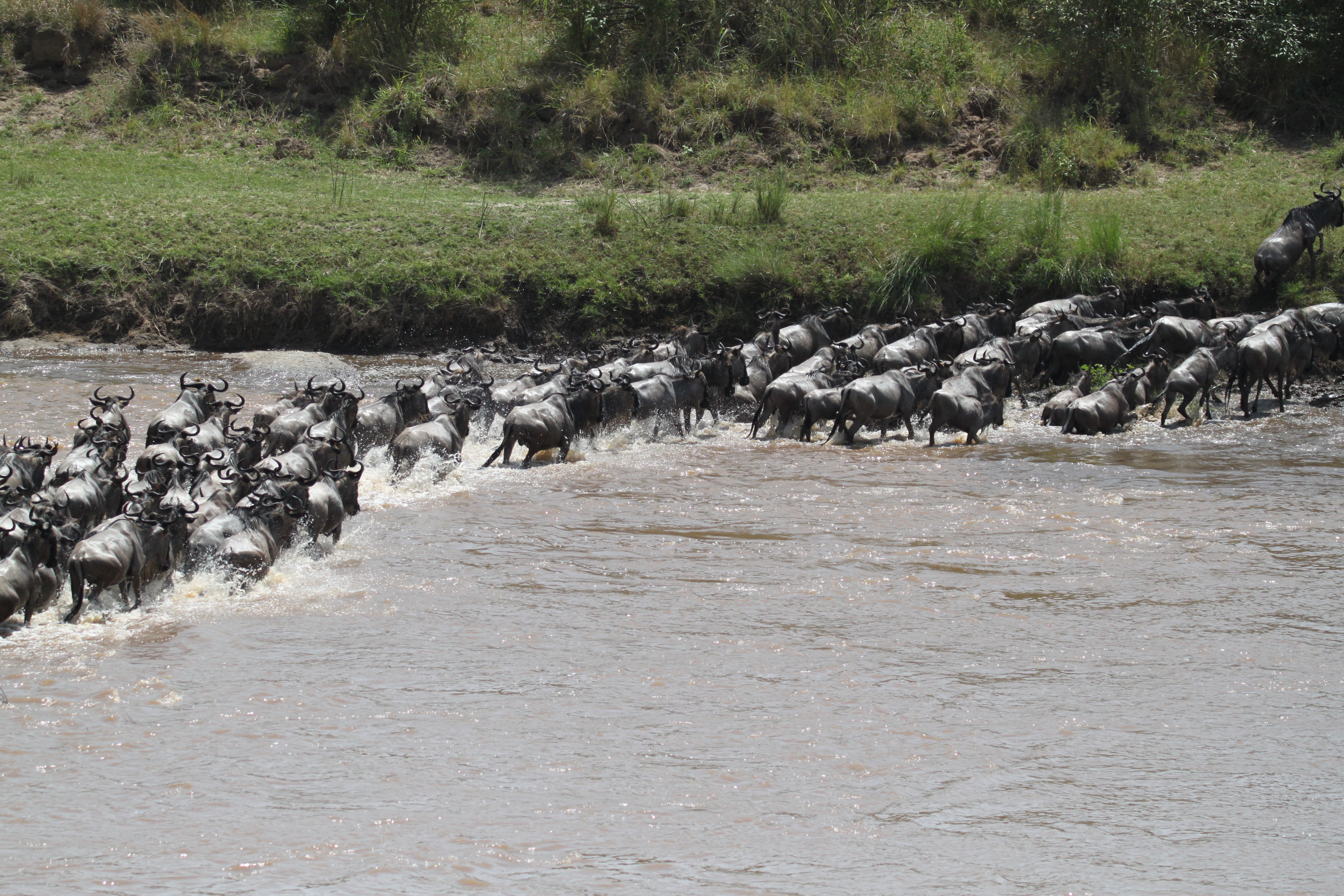
The Maasai Mara is Kenya’s most famous wildlife park and offers some of the highest chances to see predators like lions, leopards, and cheetahs. The park’s open savannah makes wildlife easy to spot, and during the Great Migration (July–October), millions of wildebeest and zebras move across the plains, attracting large predators. Other parks, such as Amboseli, are known for huge herds of elephants roaming beneath the majestic Mount Kilimanjaro. Kenya also has smaller parks like Lake Nakuru and Lake Naivasha, which are perfect for seeing rhinos, flamingos, and waterbirds in scenic landscapes.
Tanzania:
Tanzania’s Serengeti National Park is vast much larger than the Maasai Mara and home to enormous wildlife populations. It offers a more expansive and remote safari experience, where you may see hundreds of zebras or wildebeest in a single sighting. The Ngorongoro Crater is another highlight, offering a concentrated wildlife experience in a unique volcanic caldera. You can see large predators, rhinos, and buffalo in one area, making it a photographer’s paradise. Other parks like Tarangire and Ruaha provide remote wilderness, baobab trees, and unique elephant herds.
Verdict: Both countries are excellent for wildlife, but Kenya is often easier for short, accessible safaris, while Tanzania offers larger, more immersive wildlife experiences for longer trips.
2. Safari Landscapes
The landscapes in Kenya and Tanzania differ, giving each country a unique visual appeal.
Kenya:
Kenya’s parks are famous for open savannahs dotted with acacia trees and rolling hills. Amboseli offers the classic postcard view of elephants with Mount Kilimanjaro in the background. Lakes Nakuru and Naivasha provide lush wetlands, flamingos, and hippos. The variety of landscapes makes Kenya ideal for travelers who want scenic diversity in a shorter period.
Tanzania:
Tanzania offers vast, almost untouched wilderness. The Serengeti features endless plains with isolated kopjes (rocky hills), where lions often rest or hunt. Ngorongoro Crater is a one-of-a-kind landscape with dense wildlife concentrated in a sunken volcanic caldera. Tarangire and Ruaha provide remote bush experiences with giant baobab trees, winding rivers, and fewer tourists. The landscapes in Tanzania feel wilder and more expansive, giving a sense of true adventure.

Verdict: Kenya’s landscapes are iconic and easy to access, while Tanzania offers vast, untouched, and dramatic scenery that is perfect for longer and more adventurous safaris.
3. Safari Experience and Accessibility
Your safari experience is shaped by how easy it is to reach the parks and how you like to travel.
Kenya:
Most of Kenya’s top parks are close to Nairobi, making them ideal for short trips or weekend safaris. Roads to parks like Maasai Mara, Amboseli, and Nakuru are generally good, and there are many lodges, tented camps, and luxury options available. Cultural visits to Maasai villages or hot air balloon rides are easy to combine with wildlife viewing. Shorter safaris (2–5 days) are very feasible without feeling rushed.
Tanzania:
Tanzanian parks are larger and more spread out. Reaching them often requires longer drives or domestic flights. While this means safaris typically last 5–10 days, it also allows travelers to experience remote wilderness areas, away from crowds. Lodges are often set in more secluded locations, giving a slower, more immersive safari experience. Tanzania is perfect for travelers seeking adventure, exploration, and a deep connection with the wild.
Verdict: Choose Kenya for convenience and shorter trips; Tanzania for longer, immersive, and adventurous safaris.
4. Great Migration
Both Kenya and Tanzania play a role in the famous Great Migration of wildebeest and zebras.
Kenya:
The Maasai Mara hosts the migration mainly from July to October. This is the time when millions of animals’ cross rivers and open plains, attracting lions, crocodiles, and cheetahs.
Tanzania:
The Serengeti sees the migration in the southern and central plains from December to June. Here, you can witness huge herds moving through vast plains and experience more remote, less crowded locations.
Verdict: If the Great Migration is your primary goal, the choice of country may depend on the time of year you can travel.
5. Safari Costs
Budget is an important factor when choosing between Kenya and Tanzania.
Kenya:
Shorter safaris can be expensive per day due to park fees and luxury lodges, but shorter durations help reduce total costs. Affordable options are available for budget travelers, especially in self-drive or group tours.
Tanzania:
Longer safaris usually cost more overall because parks are bigger and more spread out, requiring more days of accommodation, transport, and meals. However, mid-range and budget options are widely available for travelers willing to stay in simpler lodges or camps.
Verdict: Kenya can be more budget-friendly for shorter trips, while Tanzania requires more planning and time for a longer, immersive experience.
6. Cultural Experiences
Both countries offer rich cultural encounters, though in different ways:
Kenya:
Maasai villages near the Mara or Amboseli make it easy to meet local communities, learn about traditional lifestyles, and participate in cultural activities.
Tanzania:
Safaris often pass through remote tribal areas, giving travelers the chance to meet lesser-known communities such as the Hadzabe hunter-gatherers or Datoga pastoralists. These experiences are more off-the-beaten-path and feel more exploratory.
Verdict: Kenya offers easier access to cultural experiences, while Tanzania provides deeper, more remote cultural immersion.
7. Suggested Safari Durations
The length of your safari can greatly influence your experience, depending on how much you want to see and how relaxed or adventurous you want your trip to be.
Kenya:
For first-time travelers or those with limited time, 3–5 days is ideal. This allows you to visit one or two top parks, such as the Maasai Mara and Lake Naivasha, and still enjoy morning and evening game drives without feeling rushed. For a more relaxed experience, where you can explore multiple parks, enjoy longer drives, and have time to rest at your lodge, 6–7 days is recommended. This duration lets you experience the diversity of Kenya’s wildlife and landscapes, from elephants in Amboseli to flamingos in Lake Nakuru, at a comfortable pace.
Tanzania:
Tanzania’s parks are larger and more spread out, so longer trips are usually necessary to fully experience them. 6–10 days is ideal for exploring major parks like the Serengeti, Ngorongoro Crater, Tarangire, and Ruaha. This allows for extended game drives, multiple wildlife sightings, and time to enjoy the unique landscapes and remote wilderness areas. Longer safaris also give you a chance to experience off-the-beaten-path locations, visit conservation projects, and witness the Great Migration if your timing aligns.
Tip: Choosing the right safari duration depends on your interests, time availability, and whether you prefer a fast-paced adventure or a slow, immersive experience in East Africa’s wild landscapes.
8. Some of our Selling Packages for Kenya and Tanzania Safaris
Kenya Short Safari (4 Days)
Nairobi → Maasai Mara → Lake Naivasha → Nairobi
A 4-day Kenya safari is perfect for travelers with limited time who want to experience the country’s wildlife highlights. Start in Nairobi, where you can visit local attractions or get brief orientation before heading to the Maasai Mara, Kenya’s most famous park. Spend two days on morning and evening game drives spotting lions, cheetahs, elephants, giraffes, and wildebeest. Then, travel to Lake Naivasha, where you can enjoy boat rides, see hippos and flamingos, and explore the lush lakeside scenery. End your trip back in Nairobi, with memories of Africa’s wildlife, stunning landscapes, and cultural encounters.
Tanzania Classic Safari (7 Days)
Kilimanjaro → Serengeti → Ngorongoro → Tarangire → Arusha
A 7-day Tanzania safari offers a full and immersive East African experience. Begin near Mount Kilimanjaro or Arusha, then travel to the Serengeti, the heart of Tanzania’s wildlife, for multiple game drives among lions, elephants, cheetahs, and wildebeest. Continue to the Ngorongoro Crater, where wildlife is dense in the volcanic caldera, allowing close encounters with rhinos and buffalo. Explore Tarangire National Park, famous for elephants, baobab trees, and remote wilderness. The safari concludes in Arusha, giving travelers time to relax, reflect, and enjoy the breathtaking landscapes and unforgettable wildlife experiences they’ve witnessed.
9. Accommodation Options
Choosing the right accommodation is an important part of your safari experience, as it can shape both your comfort and how immersed you feel in the wilderness. In Kenya and Tanzania, there are several types of lodging to suit different budgets and travel styles:
Luxury lodges and tented camps:
These offer the highest level of comfort, often with spacious rooms or well-appointed tents, private decks, and stunning views of the savannah. Many include full board, guided game drives, and additional activities like hot air balloon safaris or spa treatments. Staying in a luxury lodge allows you to enjoy the wilderness without sacrificing comfort, making it ideal for couples, honeymooners, or travelers seeking a high-end experience.
Mid-range lodges:
These provide comfortable accommodation with essential amenities and are suitable for families or travelers on a moderate budget. Many mid-range lodges are located close to national parks or conservancies, offering easy access to game drives while keeping costs manageable. They provide a good balance between comfort, convenience, and affordability.
Budget camping safaris:
For adventurous travelers who want to be closer to nature, camping safaris are an exciting option. You can stay in tents in or near the parks, sometimes with shared facilities, and enjoy a truly immersive experience in the African wilderness. This type of accommodation is perfect for those who love adventure, enjoy group travel, and want a more hands-on safari experience at a lower cost.
Tip: Your choice of accommodation can influence the pace of your safari, how close you feel to wildlife, and your overall experience. Many travelers even mix types combining luxury lodges for comfort with camping nights for adventure.
10. Transportation Options
How you travel between parks and lodges plays a big role in your safari experience. Both Kenya and Tanzania offer different options depending on your schedule, budget, and comfort preferences
Kenya:
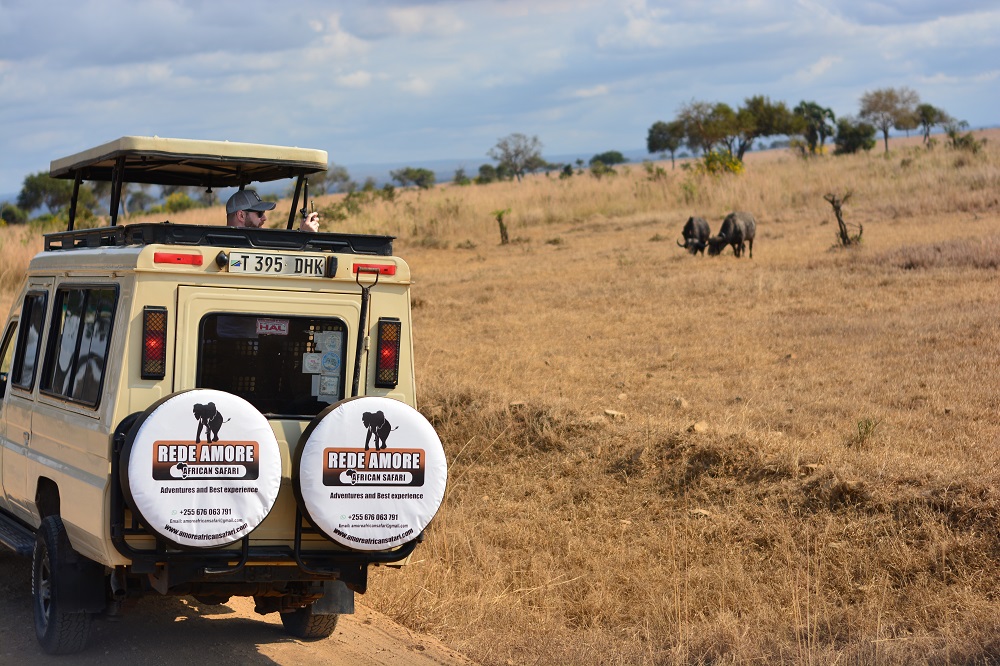
Most of Kenya’s top parks are easily accessible by road, making road travel the primary mode of transportation for most safaris. Roads to the Maasai Mara, Amboseli, and Lake Naivasha are generally well-maintained, and 4x4 vehicles make it possible to navigate even rough terrain. For travelers who want to save time or avoid long drives, domestic flights are available between Nairobi and major parks, such as the Maasai Mara or Amboseli. This allows you to maximize your time for game drives and spend less time traveling.
Tanzania:
Tanzania’s parks are much larger and more spread out, which often makes road travel time-consuming. Driving between Serengeti, Ngorongoro, and Tarangire can take several hours, especially on unpaved roads. For convenience, many travelers opt for domestic flights to cover long distances quickly and comfortably. While flights increase costs, they allow you to spend more time exploring the parks rather than traveling. For those who enjoy adventure, overland drives also provide a chance to see scenic landscapes and small villages along the way, adding a cultural dimension to the safari.
Tip: Planning your transportation carefully ensures a smoother safari experience. Shorter safaris in Kenya are easier to do mostly by road, while longer Tanzanian itineraries benefit from a mix of flights and drives to reduce travel fatigue.

Both Kenya and Tanzania are world-class safari destinations, and neither is objectively “better.” The choice depends on your priorities:
- Choose Kenya if you want a short, convenient, and accessible safari, iconic landscapes, and plentiful wildlife in a compact area.
- Choose Tanzania if you want longer, more immersive safaris, vast wilderness, and unique experiences like Ngorongoro Crater or remote northern parks.
For travelers with enough time, combining both countries is the ultimate East African safari adventure spending a few days in the Maasai Mara and then exploring the Serengeti or Ngorongoro Crater in Tanzania.
No matter which country you choose, both promise unforgettable wildlife encounters, breathtaking landscapes, and memories that will last a lifetime.