Where Can You See the Great Migration in Tanzania?
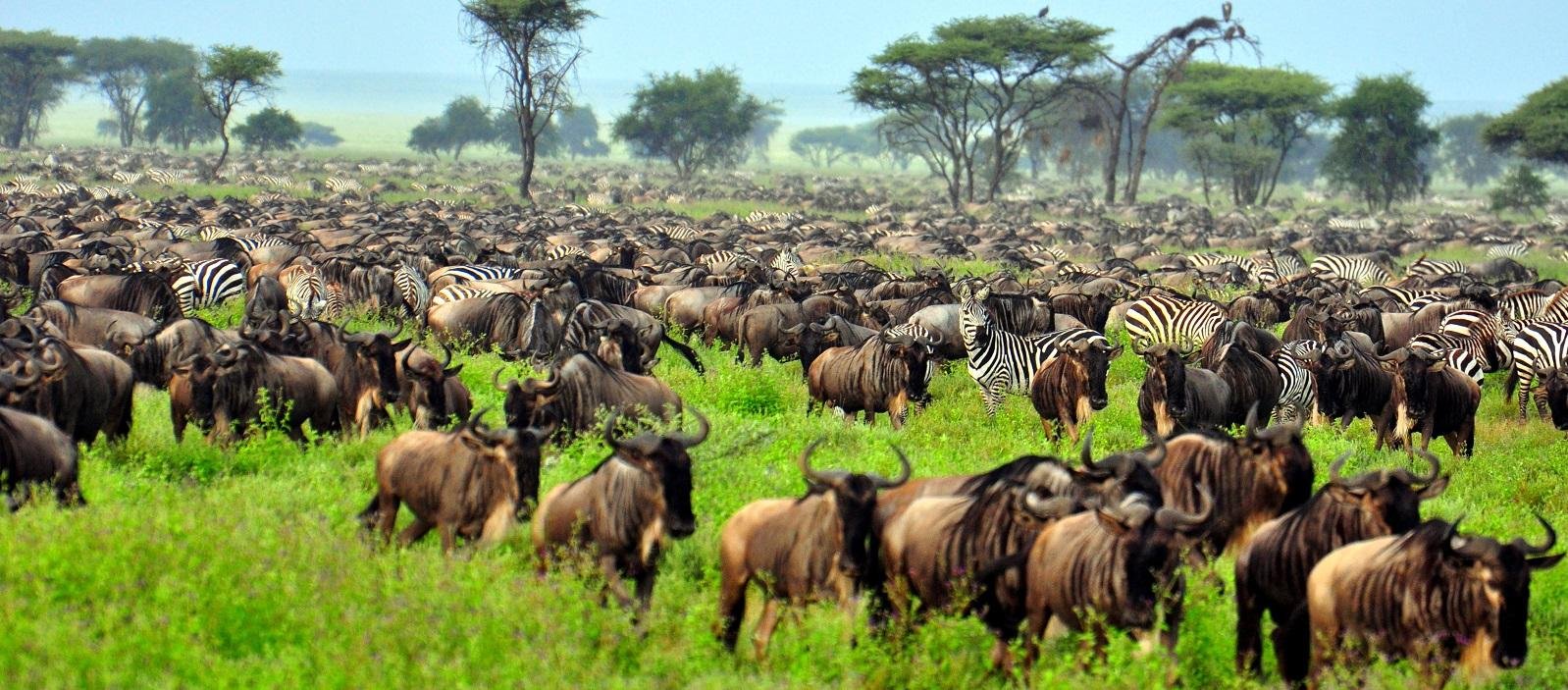
The Great Migration in Tanzania is one of the most incredible wildlife experiences in Africa. Every year, huge herds of wildebeest, zebras, and gazelles move across the Serengeti ecosystem in search of fresh grass and water.
If you are planning a Great Migration safari in Tanzania, one of the most important questions is where you can see the Great Migration during your travel dates. The herds do not stay in one place throughout the year. They move through different parts of the Serengeti National Park and surrounding areas, following rainfall and fresh grazing.
The good news is that you can experience the Great Migration in Tanzania during much of the year. However, choosing the right Great Migration location for the right month can make your safari much more rewarding.
Where Does the Great Migration Take Place in Tanzania?
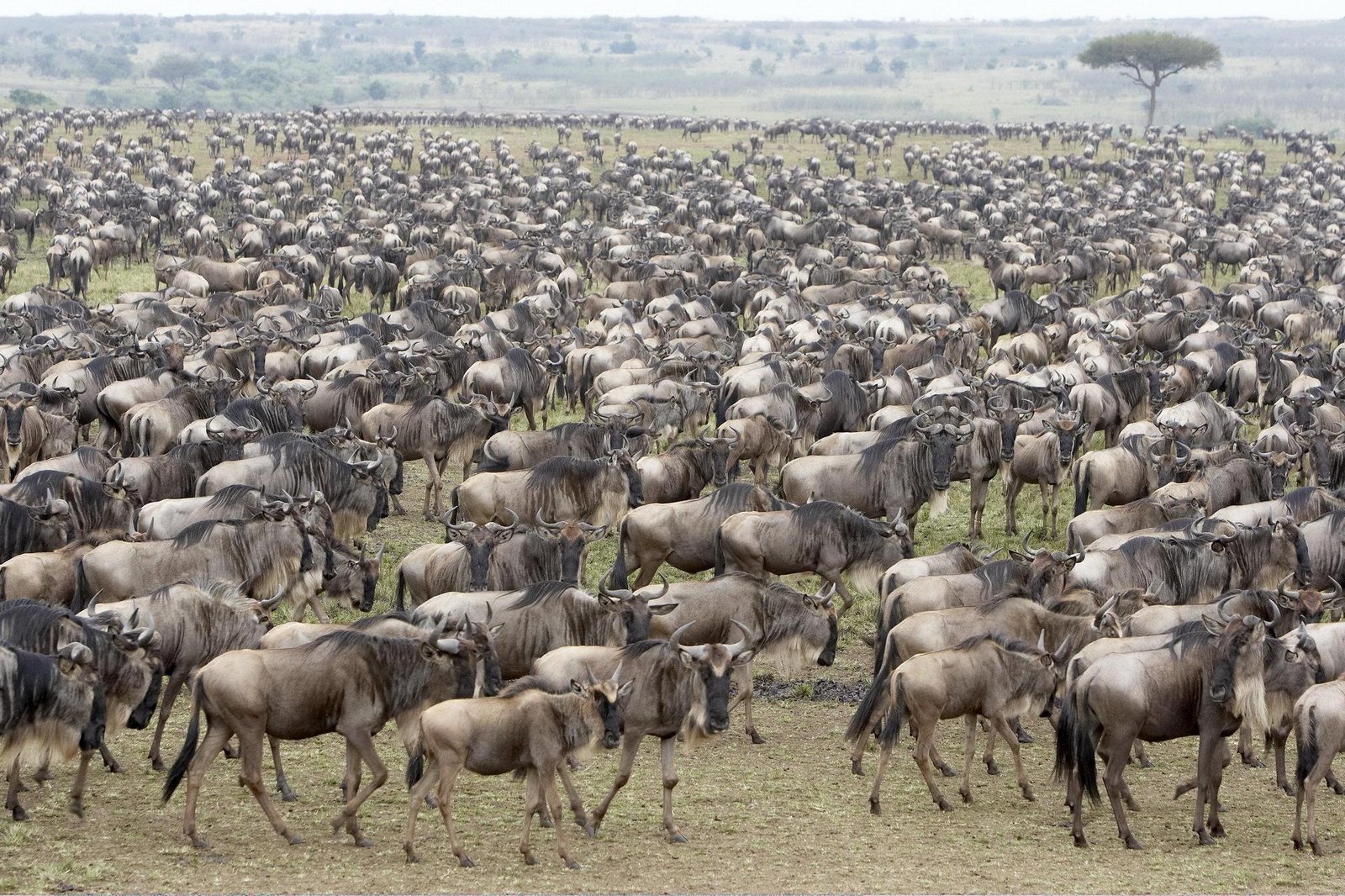
The main place to experience the Great Migration in Tanzania is Serengeti National Park, although the herds move through different parts of the wider Serengeti ecosystem throughout the year. The main Great Migration areas include Southern Serengeti and Ndutu, Central Serengeti, the Western Corridor, Northern Serengeti, and the Mara River area. Each location offers a different safari experience. In the south, you can see thousands of newborn wildebeest calves during the calving season, while Central Serengeti offers excellent wildlife viewing, the Western Corridor is known for the Grumeti River area, and Northern Serengeti provides opportunities to experience the famous Mara River crossings.
1. Southern Serengeti and Ndutu: Best for the Great Migration Calving Season
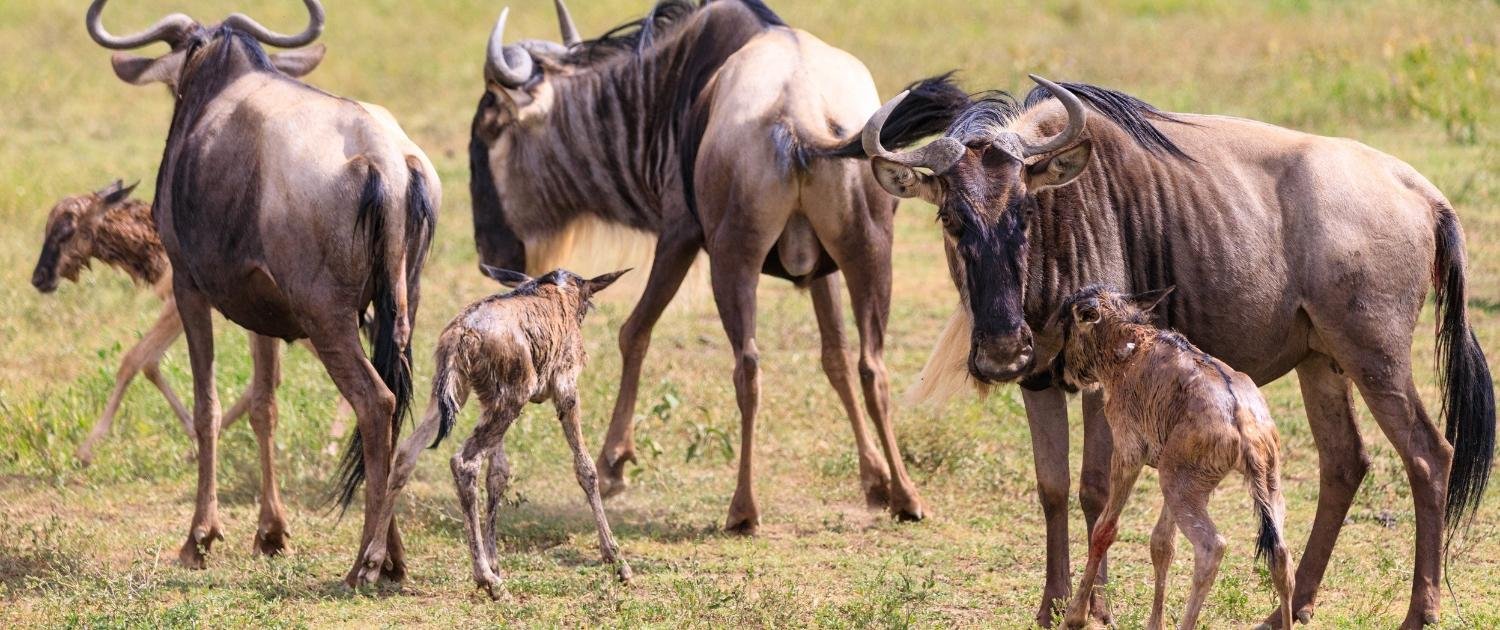
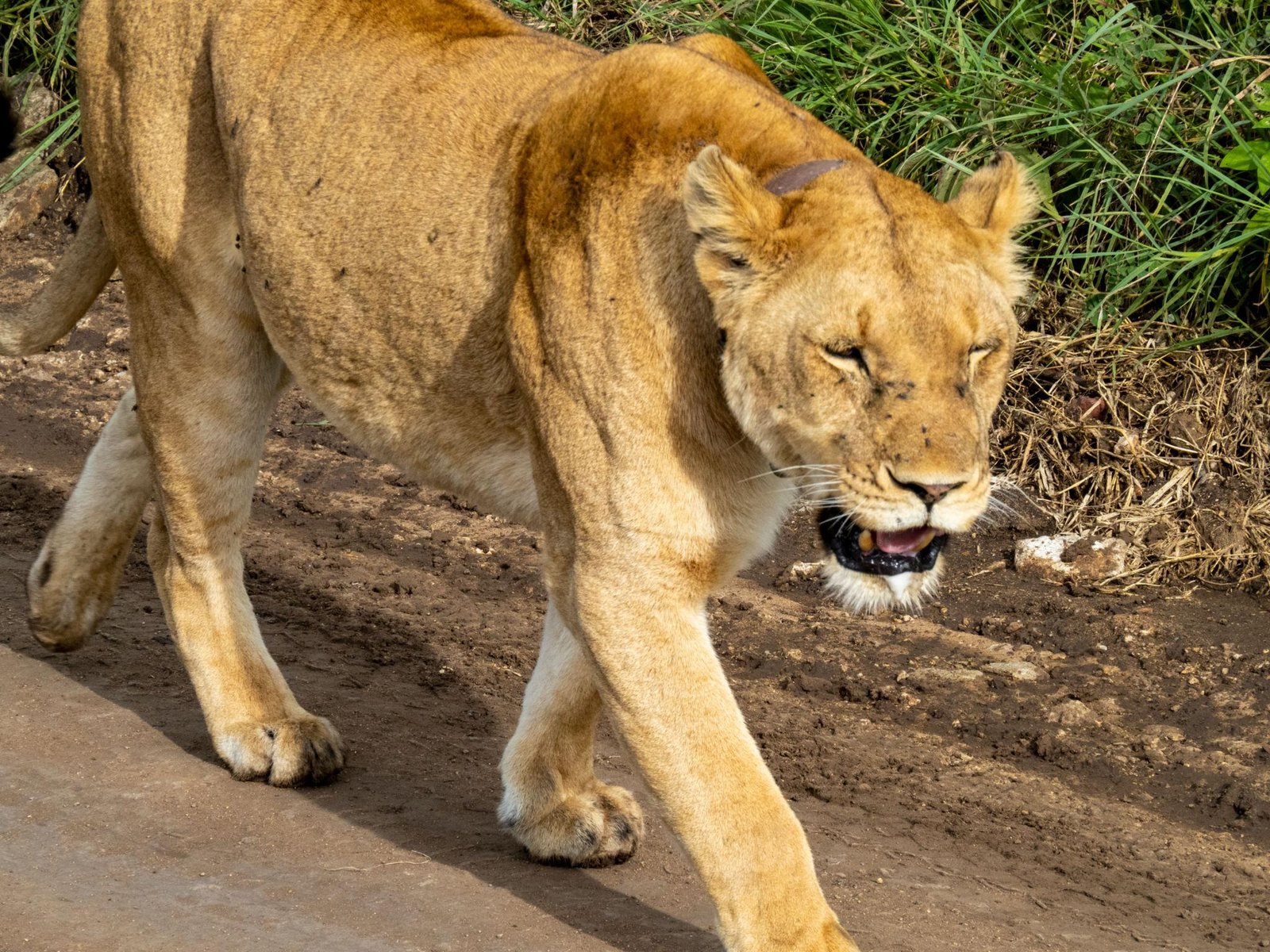
The Southern Serengeti and Ndutu are among the most important areas of the Great Migration, especially from approximately December to March. The exact timing of the herds depends on rainfall and the availability of fresh grass. During this period, huge numbers of wildebeest gather across the open plains for the annual calving season. Thousands of calves are born, creating one of the most beautiful and exciting wildlife experiences in Tanzania. You can watch young wildebeest take their first steps while mothers stay close to protect them. The large concentration of animals also attracts predators, giving you good opportunities to see lions, cheetahs, leopards, and hyenas hunting or following the herds.
Why Choose Southern Serengeti and Ndutu for the Great Migration?
Southern Serengeti and Ndutu are a great choice if you want to experience the Great Migration calving season, see newborn wildebeest, enjoy green open landscapes, and watch large herds moving across the plains. This area is also excellent for travelers who want a combination of migration viewing and predator sightings. The best time to experience the Great Migration in Southern Serengeti and Ndutu is generally from December to March, with the main calving period often taking place around late January and February, depending on the rains.
2. Central Serengeti: A Flexible Great Migration Safari Area
Central Serengeti, particularly the Seronera area, is an excellent choice for travelers who want to combine the Great Migration with reliable year-round wildlife viewing. The migration does not stay in one place, so the herds may pass through or near Central Serengeti as they move between the southern, western, and northern areas of the ecosystem. At different times of the year, you may see large herds moving through the plains, while at other times the migration may be farther away. Even when the main herds are elsewhere, Central Serengeti remains one of Tanzania's strongest safari areas because it has many resident animals, including lions, leopards, cheetahs, elephants, giraffes, and other wildlife.
Why Choose Central Serengeti for Your Great Migration Safari?
Central Serengeti is ideal if you want a flexible Serengeti safari itinerary that combines the Great Migration with excellent general wildlife viewing. It is particularly attractive for travelers interested in big cats, beautiful Serengeti landscapes, and game drives without making the migration the only focus of the trip. Central Serengeti can be visited throughout the year, but the exact location of the migration changes according to rainfall, grass conditions, and the natural movement of the herds.
3. Western Corridor: Great Migration and Grumeti River Area
The Western Corridor of the Serengeti becomes an important part of the Great Migration as the herds move north and west from the central and southern plains. The area is particularly famous for the Grumeti River, where wildebeest and zebras may gather as they continue their journey. The river is home to large crocodiles, adding another challenge for animals attempting to cross. Watching the herds gather near the river can be an exciting safari experience, but it is important to remember that Grumeti River crossings are not guaranteed. The animals may wait for hours or days before deciding to cross, and the timing changes every year depending on weather and herd movement.
Why Choose the Western Corridor for the Great Migration?
The Western Corridor is a good choice if you want to follow the migration as it moves through the Serengeti, see large herds in less crowded areas, and experience the natural uncertainty of the migration. It also allows you to explore a different side of the Serengeti beyond the popular central and northern areas. The Great Migration is generally associated with the Western Corridor from around May to July, but the exact timing depends on rainfall and the movement of the animals.
4. Northern Serengeti: Best for the Great Migration Mara River Crossings
Northern Serengeti is one of the most popular areas for travelers hoping to experience the dramatic side of the Great Migration. The region is famous for the Mara River crossings, where large herds of wildebeest and zebras move toward and across the river during their seasonal journey. You may see thousands of animals gathering along the riverbank, sometimes waiting for a long time before one animal finally enters the water. Once the movement begins, hundreds or even thousands of animals may follow. Strong currents, steep riverbanks, and crocodiles make the crossing challenging, creating a powerful and unforgettable wildlife experience.
Why Choose Northern Serengeti for a Great Migration Safari?
Northern Serengeti is an excellent choice if your main goal is to experience the Great Migration river crossings and spend time following the herds. The area also offers beautiful landscapes, excellent wildlife viewing, and a more remote safari atmosphere compared with some other parts of the Serengeti. The main season for the Mara River crossings is generally around July to October, although there is no fixed date for the crossings because the movement depends on rainfall, river conditions, and the behavior of the animals.
5. Mara River Area: One of the Most Dramatic Great Migration Experiences
The Mara River area is one of the most famous parts of the Great Migration in Tanzania and is particularly known for the dramatic river crossings. However, seeing a crossing requires patience because the wildebeest do not follow a timetable. You may spend hours watching a large herd gather near the river, only for the animals to turn around or continue waiting. Then, without warning, one animal may enter the water and hundreds or thousands may suddenly follow. This uncertainty is what makes the Mara River experience so special. It is not a scheduled wildlife show but a natural event that happens according to the animals' instincts and conditions.
Important Great Migration Safari Tip
If seeing a Great Migration river crossing is one of your main safari goals, it is a good idea to spend several nights in Northern Serengeti rather than staying for only one night. More time in the area gives your safari guide more opportunities to follow the herds and monitor river activity. It also gives you a better chance of being in the right area when a crossing happens. Even with careful planning, however, no safari operator can guarantee a river crossing, because the Great Migration follows nature rather than a fixed schedule.
Great Migration in Tanzania by Month: Where to See the Migration
The table below provides a simple guide to where to see the Great Migration in Tanzania by month. However, these movements are not guaranteed because rainfall and natural conditions influence where the herds travel.
Time of Year | Where You May See the Migration | Main Experience |
December–March | Southern Serengeti and Ndutu | Large herds and calving season |
April–May | Southern and Central Serengeti, moving west | Green landscapes and moving herds |
May–July | Western Corridor | Migration movement and Grumeti River area |
July–October | Northern Serengeti | Mara River crossings and large herds |
November | Central and Eastern Serengeti | Herds beginning their journey south |
This is a general Great Migration calendar and not a fixed schedule. The migration follows the rains, so the exact location can change from year to year.
How Does the Great Migration Move Across Tanzania?
The Great Migration in Tanzania is a continuous journey rather than a single event. Millions of wildebeest, together with large numbers of zebras and gazelles, move through the Serengeti ecosystem in search of fresh grass and water.
The animals do not follow exactly the same route every year. Their movement depends mainly on rainfall and the availability of fresh grazing. This is why the Great Migration route in Tanzania can change slightly from one year to another.
Generally, the herds spend the calving season in the Southern Serengeti and Ndutu area before moving through Central Serengeti and toward the Western Corridor. Many herds later continue north toward the Northern Serengeti and Mara River before eventually beginning their journey back toward the southern plains.
Understanding this movement can help you choose the best location for your Great Migration safari in Tanzania.
What Is the Great Migration Route in Tanzania?
The Great Migration route covers different parts of the Serengeti ecosystem throughout the year. Although the exact route changes according to rainfall, the migration generally follows this pattern:
Southern Serengeti and Ndutu → Central Serengeti → Western Corridor → Northern Serengeti → Southern Serengeti
During the journey, the animals travel long distances across open grasslands, rivers, and different landscapes. The migration is a continuous cycle of movement, grazing, survival, and new life.
For this reason, choosing the right safari location based on your travel month is more important than simply choosing one famous Serengeti area.
What Is the Best Place to See the Great Migration in Tanzania?
There is no single answer because the best place to see the Great Migration in Tanzania depends on what you want to experience.
Choose Southern Serengeti and Ndutu if You Want:
- Calving season
- Newborn wildebeest
- Large herds on open plains
- Excellent predator action
Choose the Western Corridor if You Want:
- Moving migration herds
- The Grumeti River area
- A different side of the migration journey
Choose Northern Serengeti if You Want:
- Mara River crossings
- Dramatic wildlife moments
- Large migration herds
- A remote and exciting safari experience
Choose Central Serengeti if You Want:
- A flexible safari location
- Excellent year-round wildlife viewing
- The chance to combine migration viewing with big cats and other wildlife
What Is the Best Month for a Great Migration Safari in Tanzania?
The best month for a Great Migration safari in Tanzania depends on the type of experience you want. If your main goal is to see newborn wildebeest and the excitement of the calving season, January to March can be an excellent time to explore the Southern Serengeti and Ndutu area. If you want to follow large herds as they continue their long journey across the Serengeti, April to July can offer rewarding migration experiences in different parts of the ecosystem. For travelers hoping to see the famous Mara River crossings, July to October is generally the period to consider Northern Serengeti and the Mara River area. However, the migration follows rainfall and grass conditions, so the exact timing can change from year to year. Planning your safari according to your travel dates and choosing the right Serengeti region can give you a better chance of experiencing the migration.
Can You See the Great Migration in Tanzania All Year Round?
Yes, you can often experience parts of the Great Migration in Tanzania throughout the year, but the location and type of experience change with the seasons. The Great Migration is not one single event that happens in one place. Instead, it is a continuous journey in which wildebeest, zebras, and gazelles move through different parts of the Serengeti ecosystem in search of fresh grass and water. One season may bring thousands of newborn calves, while another may offer long lines of animals moving across the plains or dramatic river crossings. This means you do not have to travel during only one specific month to experience the migration. The key question is where the Great Migration herds are expected to be during your safari dates. A knowledgeable safari operator can help you choose the most suitable area, route, and accommodation based on the seasonal movement of the herds.
How Many Animals Take Part in the Great Migration?
The Great Migration involves more than one million wildebeest moving through the Serengeti and Maasai Mara ecosystem, together with hundreds of thousands of zebras and large numbers of gazelles. Seeing such enormous herds spread across the open Serengeti plains is one of the most impressive experiences you can have on a Great Migration safari in Tanzania. The sight of thousands of animals walking, grazing, and moving together across the landscape gives you a real sense of the scale of this natural journey. These huge concentrations of herbivores also attract predators, creating opportunities to see lions, cheetahs, hyenas, and other wildlife following the herds. For many travelers, witnessing this incredible gathering of animals is one of the main reasons to choose a Serengeti Great Migration safari.
What Animals Can You See During the Great Migration in Tanzania?
Although wildebeest are the main stars of the Great Migration safari in Tanzania, they are not alone.
You may also see:
- Large herds of zebras
- Thomson's gazelles
- Grant's gazelles
- Elands
- Lions
- Cheetahs
- Leopards
- Hyenas
- Crocodiles
- Hippos
- Elephants and many other resident Serengeti animals
The large concentration of grazing animals also attracts predators, making the Serengeti Great Migration a complete wildlife experience rather than simply a journey of wildebeest.
Can You See a River Crossing During the Great Migration?
Yes, you may have the opportunity to see a Great Migration river crossing in Tanzania, especially if you travel to the Western Corridor or Northern Serengeti during the right season. The most famous crossing areas are the Grumeti River in the Western Corridor and the Mara River in Northern Serengeti. During these crossings, large numbers of wildebeest and zebras gather along the riverbanks before attempting to move through the water. Seeing thousands of animals facing the river together can be one of the most exciting moments of a Serengeti Great Migration safari.
Grumeti River Crossing
The Grumeti River crossing takes place in the Western Corridor of the Serengeti as the migration herds continue their journey northward. Large groups of wildebeest and zebras may gather near the river, creating opportunities to watch the animals prepare to cross. The river is also home to large crocodiles, which adds to the natural challenges faced by the migrating animals. The timing of the crossing depends on rainfall, water levels, and animal behavior, so seeing an actual crossing cannot be guaranteed.
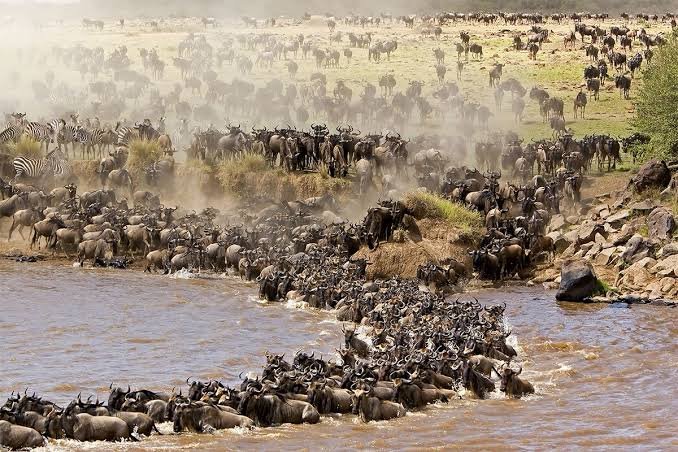
Mara River Crossing
The Mara River crossing in Northern Serengeti is one of the most famous experiences associated with the Great Migration in Tanzania. During the migration season, large herds of wildebeest and zebras may gather along the river before crossing into or within the northern Serengeti and toward the Maasai Mara ecosystem in Kenya. The scene can change quickly, with animals sometimes waiting for hours before suddenly entering the water. If you are hoping to experience a Mara River crossing, spending several nights in Northern Serengeti can give you more time to follow the herds and wait for the right opportunity.
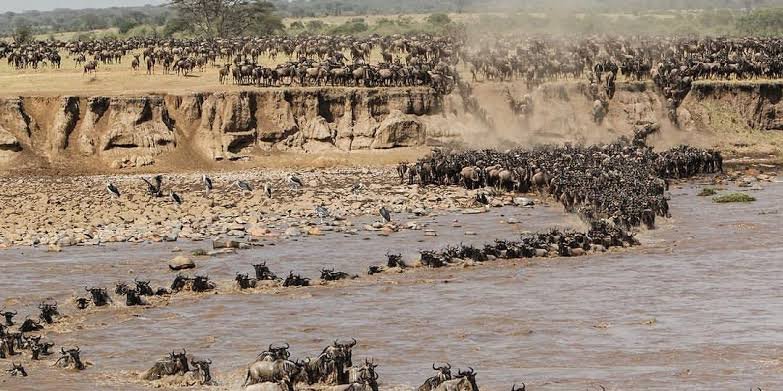
Are Great Migration River Crossings Guaranteed?
No, a Great Migration river crossing is never guaranteed because the animals do not follow a fixed schedule. Wildebeest may gather near the river for hours or even days, move toward the water, and then suddenly turn back. Sometimes one animal begins crossing and thousands quickly follow, while on another day the herd may decide not to cross at all. This unpredictability is an important part of the experience and makes a Great Migration river crossing safari feel like a truly natural wildlife event rather than a planned show.
How Many Days Do You Need for a Great Migration Safari in Tanzania?
For a rewarding Great Migration safari in Tanzania, it is worth considering at least 4 to 6 days on safari. This gives you enough time to explore different parts of the Serengeti, follow the movement of the herds, and spend more time in the area where the migration is expected to be. A longer safari can be especially useful if your main goal is to see a specific event, such as the Mara River crossing, because wildlife does not operate according to a fixed timetable. Spending several nights in the right migration area can give you more opportunities to experience interesting wildlife activity.
4-Day Great Migration Safari
A 4-day Great Migration safari can work well for travelers with limited time who want to focus mainly on the Serengeti. With careful planning, you can spend several game drives exploring the expected migration area while also looking for resident wildlife such as lions, elephants, giraffes, cheetahs, and other animals. This option is suitable for travelers who want a shorter Tanzania Great Migration safari without adding too many destinations.
5 to 6-Day Great Migration Safari
A 5 to 6-day Great Migration safari gives you more time to explore the Serengeti and follow the herds. This longer itinerary can be particularly useful when planning around seasonal events such as calving or river crossings. You can also spend more nights in one area instead of changing accommodation frequently, allowing your safari guide to monitor the movement of the animals and adjust game drives when appropriate.
Combining the Great Migration with Other Destinations
For a more complete Tanzania safari, you can combine the Serengeti Great Migration with destinations such as Ngorongoro Crater and Tarangire National Park. This allows you to experience the migration while also enjoying the different landscapes and wildlife found in northern Tanzania. The right combination depends on your travel dates, available time, and the type of safari experience you want.
Is the Great Migration Suitable for Families?
Yes, a Great Migration safari in Tanzania can be an unforgettable family experience. Children and adults can enjoy seeing enormous wildebeest herds, zebras, elephants, giraffes, lions, and many other animals in their natural environment. A family safari can also be an educational experience, helping children learn about wildlife, animal behavior, nature, and conservation while experiencing the Serengeti together. The key is to choose an itinerary that matches the ages and interests of everyone in the family.
Choose a Comfortable Family Safari Pace
Families should consider a family-friendly Great Migration safari with a comfortable travel pace rather than an itinerary packed with long drives every day. Allowing enough time for rest, choosing comfortable accommodation, and planning game drives around the family's needs can make the experience much more enjoyable. Families traveling with young children may also benefit from shorter game drives and flexible daily schedules.
Choose Family-Friendly Accommodation
The right accommodation can make a big difference to a family Tanzania safari. Depending on the children's ages and your budget, you can choose from family-friendly lodges, tented camps, or other safari accommodations that provide comfortable rooms and suitable facilities. Your safari operator can help you select accommodation that is practical for your family while keeping you close to the wildlife areas you want to explore.
Where Should You Stay During a Great Migration Safari?
Choosing the right accommodation is an important part of planning a Great Migration safari in Tanzania. The best place to stay depends on where the migration is expected to be during your travel dates. Options can include luxury safari lodges, luxury tented camps, mid-range safari camps, budget campsites, and mobile migration camps. Rather than choosing accommodation based only on its facilities or name, it is important to consider its location in relation to the expected movement of the Great Migration herds.
Luxury Safari Lodges and Tented Camps
Luxury safari lodges and tented camps in the Serengeti can provide a comfortable way to experience the migration while enjoying excellent service and beautiful surroundings. Many offer private or well-positioned rooms, quality dining, comfortable beds, and easy access to game-drive areas. Luxury accommodation can be especially appealing to travelers who want to combine the excitement of the Great Migration with a more relaxing and comfortable safari experience.
Mobile Migration Camps
Mobile migration camps can be an excellent choice for travelers who want to stay closer to the seasonal movement of the herds. These camps can relocate between different areas of the Serengeti according to the expected migration route. Their location can provide a more immersive experience and may reduce the amount of time spent driving long distances to reach the animals. However, the exact location and movement of the camp should always be checked when planning your safari.
Why Location Matters
Staying close to the expected Great Migration route can help you spend more time on game drives and less time traveling long distances between your accommodation and wildlife areas. This is particularly important if your main goal is to see calving in Ndutu, follow the herds through the Western Corridor, or experience the Mara River crossings in Northern Serengeti. Your accommodation should therefore be selected according to your safari dates and expected herd movement.
When Should You Book Your Great Migration Safari in Tanzania?
It is a good idea to book your Great Migration safari in Tanzania well in advance, particularly if you plan to travel during popular migration periods such as the Northern Serengeti Mara River crossing season. Accommodation in prime wildlife areas can become limited during busy months, especially at camps and lodges located close to the expected migration route. Booking early can give you a wider choice of accommodation, safari vehicles, routes, and travel dates.
Book According to the Migration Route
When planning a Serengeti Great Migration safari, do not choose your accommodation based only on the name or reputation of a camp. The most important factor is whether the accommodation's location matches the expected Great Migration route during your travel dates. A well-positioned lodge or mobile migration camp may give you better access to the herds and reduce unnecessary driving during your safari.
Can You Combine the Great Migration with Other Tanzania Safari Destinations?
Yes, you can easily combine a Great Migration safari in Tanzania with other famous destinations in northern Tanzania. Combining destinations allows you to experience different landscapes, wildlife species, and safari activities during one trip. Popular combinations include the Serengeti and Ngorongoro Crater, Serengeti and Tarangire National Park, Serengeti and Lake Manyara National Park, or a Tanzania safari followed by a Zanzibar beach holiday.
Great Migration and Ngorongoro Crater
Combining the Great Migration with Ngorongoro Crater gives you the opportunity to enjoy the seasonal movement of the herds in the Serengeti and then explore one of Tanzania's most impressive wildlife areas. The Ngorongoro Crater is known for its high concentration of wildlife and offers opportunities to see lions, elephants, buffaloes, rhinos, zebras, and other animals in a dramatic volcanic landscape. It can be a valuable addition to a Tanzania Great Migration safari itinerary.
Great Migration and Tarangire National Park
A Great Migration and Tarangire safari combines the Serengeti's large migrating herds with the unique landscapes of Tarangire National Park. Tarangire is especially known for its large elephant herds, ancient baobab trees, and diverse wildlife. Adding Tarangire can give you a different safari experience while making your Tanzania itinerary more varied.
Great Migration and Lake Manyara National Park
Combining the Great Migration with Lake Manyara National Park allows you to experience a different landscape and wildlife environment. Lake Manyara is known for its scenic surroundings, birdlife, elephants, and diverse habitats. Although it is not the main Great Migration destination, it can be a good addition to a longer northern Tanzania safari itinerary.
Great Migration and Zanzibar
A Great Migration safari and Zanzibar beach holiday is one of the most popular ways to finish a Tanzania vacation. After several exciting days of game drives in the Serengeti, you can fly to Zanzibar and spend time relaxing along the Indian Ocean, enjoying beaches, exploring local culture, or simply taking a break from the safari. This combination gives you both a Tanzania wildlife safari and beach holiday in one trip.
What Should You Pack for a Great Migration Safari?
Packing the right items can make your Great Migration safari in Tanzania more comfortable and enjoyable. Lightweight and comfortable safari clothing is useful during the day, while a light jacket or sweater can be helpful during cool early mornings and evenings. Comfortable walking shoes, a hat, sunglasses, sunscreen, insect repellent, a camera or smartphone, and binoculars are also useful for game drives. It is generally better to pack practical clothing that can handle changing weather conditions rather than bringing too many unnecessary items.
What Makes a Great Migration Safari Different from a Regular Safari?
A regular Tanzania safari can offer incredible opportunities to see wildlife, but a Great Migration safari gives you the chance to experience one of the world's most remarkable annual wildlife movements. Instead of only searching for individual animals, you may see thousands of wildebeest and zebras moving together across the Serengeti plains. Depending on the season and location, you may experience the wildebeest calving season in Southern Serengeti and Ndutu, large herds moving through Central Serengeti and the Western Corridor, predator activity around the herds, or dramatic river crossings in Northern Serengeti.
See Thousands of Wildebeest on the Move
One of the most impressive parts of the Serengeti Great Migration is watching huge numbers of wildebeest moving across the open plains. The animals may spread across a large area or form long lines as they travel toward fresh grazing areas. Seeing this movement in person gives you a better understanding of the incredible scale of the migration.
Experience the Wildebeest Calving Season
During the Great Migration calving season, especially around Southern Serengeti and Ndutu, thousands of wildebeest calves are born. This creates an opportunity to see newborn animals and observe the close relationship between mothers and their young. The concentration of young animals also attracts predators, making this season particularly interesting for travelers who enjoy predator and wildlife interactions.
Watch Predator Action
The large numbers of wildebeest and zebras attract predators such as lions, cheetahs, leopards, and hyenas. During a Great Migration safari, you may see predators following the herds, resting near migration routes, or taking advantage of opportunities to hunt. Wildlife behavior is unpredictable, so sightings vary, but the presence of large herds can create exciting opportunities for game viewing.
Experience Dramatic River Crossings
For travelers in Northern Serengeti, the Mara River crossings can be one of the most dramatic parts of the Great Migration. The sight of large herds gathering near the river, waiting, and eventually entering the water can be unforgettable. However, because the animals decide when and where to cross, patience is essential and no crossing can be guaranteed.
Why Is a Professional Guide Important for a Great Migration Safari?
A professional and experienced safari guide can make your Great Migration experience in Tanzania more rewarding. The Serengeti is enormous, and the migration is constantly moving, so local knowledge can be extremely valuable when deciding where to explore. An experienced guide can help you understand the expected location of the herds, animal behavior, seasonal migration patterns, different wildlife species, and the wider Serengeti ecosystem.
Following the Great Migration Route
Your guide can use knowledge of the Great Migration route, recent wildlife activity, weather conditions, and information from other guides to help decide where to take you for game drives. Although no guide can guarantee a particular sighting, local experience can help you make better decisions about where to spend your time.
Understanding Animal Behavior
A knowledgeable guide does more than drive you around the Serengeti. They can explain why wildebeest move in certain directions, how predators behave around the herds, why animals gather near rivers, and how seasonal rainfall affects wildlife movement. This can turn a simple wildlife sighting into a more meaningful Tanzania safari experience.
Making Your Safari More Memorable
A good safari guide can also help you enjoy the journey at a comfortable pace and make the most of your time in the Serengeti. They can answer questions, explain the landscapes and wildlife, and help you appreciate the natural events happening around you. For a Great Migration safari in Tanzania, having an experienced local guide can make the difference between simply seeing animals and truly understanding the incredible journey taking place around you.
Important Tips for Planning a Great Migration Safari in Tanzania
1. Choose Your Great Migration Travel Dates First
Your travel month will help determine the best Serengeti region to include in your Great Migration safari itinerary.
2. Remember That the Great Migration Is Unpredictable
No safari company can guarantee an exact river crossing or predict the precise movement of every herd.
3. Stay Close to the Expected Great Migration Area
Choosing accommodation near the herds can reduce long daily drives and give you more time for wildlife viewing.
4. Allow Enough Time for Your Great Migration Safari
A longer stay can give you a better opportunity to enjoy the migration without rushing.
5. Include Other Tanzania Safari Wildlife Experiences
The Serengeti offers much more than the migration. Enjoy the landscapes, predators, birds, elephants, and other wildlife that make every game drive special.
Why Is the Great Migration in Tanzania So Special?
The Great Migration in Tanzania is special because it is a natural journey that is never exactly the same. Every safari can bring a different experience depending on the season, rainfall, and movement of the animals. One day, you may watch thousands of wildebeest spread across the endless Serengeti plains, while another day may bring the excitement of newborn calves taking their first steps or large herds gathering near a river. The migration is more than simply seeing large numbers of animals; it is a powerful story of survival, movement, and life in the African wilderness. Whether you choose Southern Serengeti for the Great Migration calving season, the Western Corridor for the Grumeti River or Northern Serengeti for the Mara River crossings, every stage of the journey offers a unique and memorable Great Migration safari experience.
Plan Your Great Migration Safari in Tanzania with Rede Tours and Safaris
Planning the right Great Migration safari in Tanzania can make a big difference to your overall experience. Rede Tours and Safaris can help you choose the most suitable Serengeti region, accommodation, and safari route based on your travel dates and interests. Whether you want to experience the Great Migration calving season in Southern Serengeti and Ndutu, follow the herds through the Western Corridor, or look for the dramatic Mara River crossings in Northern Serengeti, choosing the right location at the right time is an important part of planning your safari. Your Tanzania Great Migration safari can also be combined with other popular destinations, including Ngorongoro Crater, Tarangire National Park, Lake Manyara National Park, and Zanzibar, giving you the opportunity to enjoy both an exciting wildlife adventure and a relaxing Tanzania beach holiday.
Start Planning Your Great Migration Adventure
If you are ready to experience one of Africa's most remarkable wildlife journeys, Rede Tours and Safaris can help you plan an unforgettable Great Migration safari in Tanzania. From choosing the best time to travel and selecting the right Serengeti region to arranging comfortable accommodation, transportation, and experienced local guides, your safari can be designed around your interests and travel schedule.
Contact Rede Tours and Safaris today to start planning your unforgettable Great Migration adventure in Tanzania and discover the incredible wildlife, landscapes, and natural events of the Serengeti.