What to Expect on Mount Kilimanjaro: Day-by-Day Experience
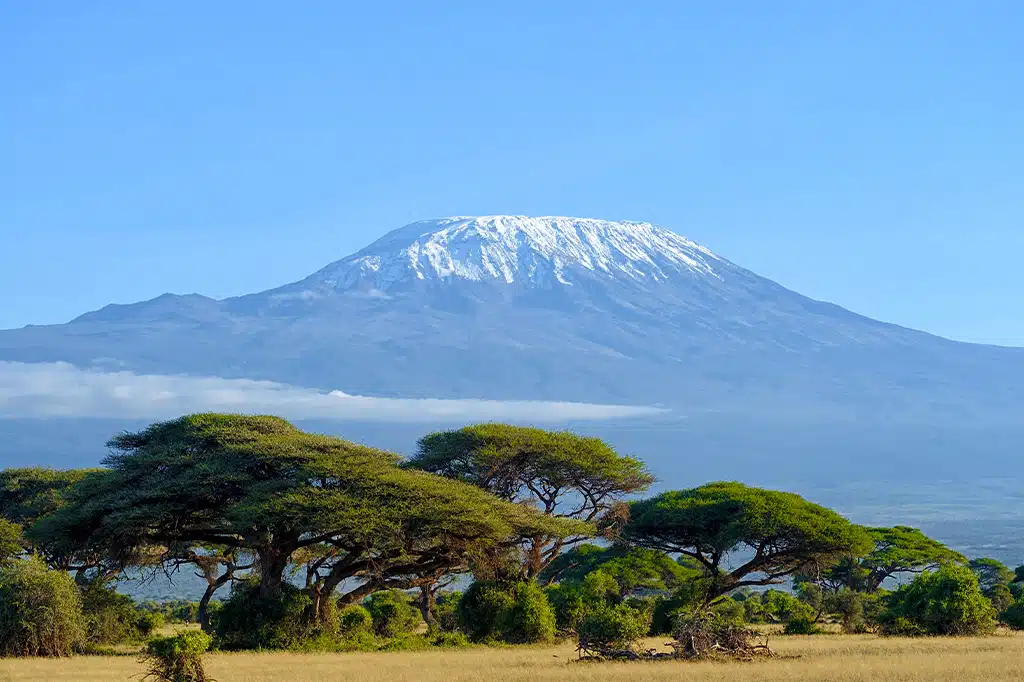
Climbing Mount Kilimanjaro is one of the greatest adventures in Africa and a dream for many travelers. Standing at 5,895 meters (19,341 feet), it is the highest mountain on the continent and the tallest free-standing mountain in the world.
Although Kilimanjaro does not require technical climbing skills, it is a serious physical and mental challenge. Success depends on good preparation, a slow pace, proper acclimatization, and strong support from an experienced mountain team.
This guide explains in detail what you will experience each day, how your safety is managed, and how we support you throughout the journey.
Who This Climb Is Suitable For
Kilimanjaro is suitable for many people, even those with no previous mountain experience.
This climb is ideal for:
- First-time climbers and adventure travelers
- People with average fitness who can walk several hours a day
- Solo travelers, couples, families, and private groups
- Anyone willing to walk slowly and follow guide instructions
You do not need ropes, climbing skills, or mountaineering experience. However, you should be in good health and prepared for long walking days. Mental strength is just as important as physical fitness, especially on summit day.
Our guides support you throughout the climb, adjusting the pace to suit the group and monitoring your health closely.
Day 1: Entering the Rainforest Zone
Your Kilimanjaro journey begins at the national park gate. After registration and a detailed briefing, you meet your full mountain team guides, porters, and cooks.
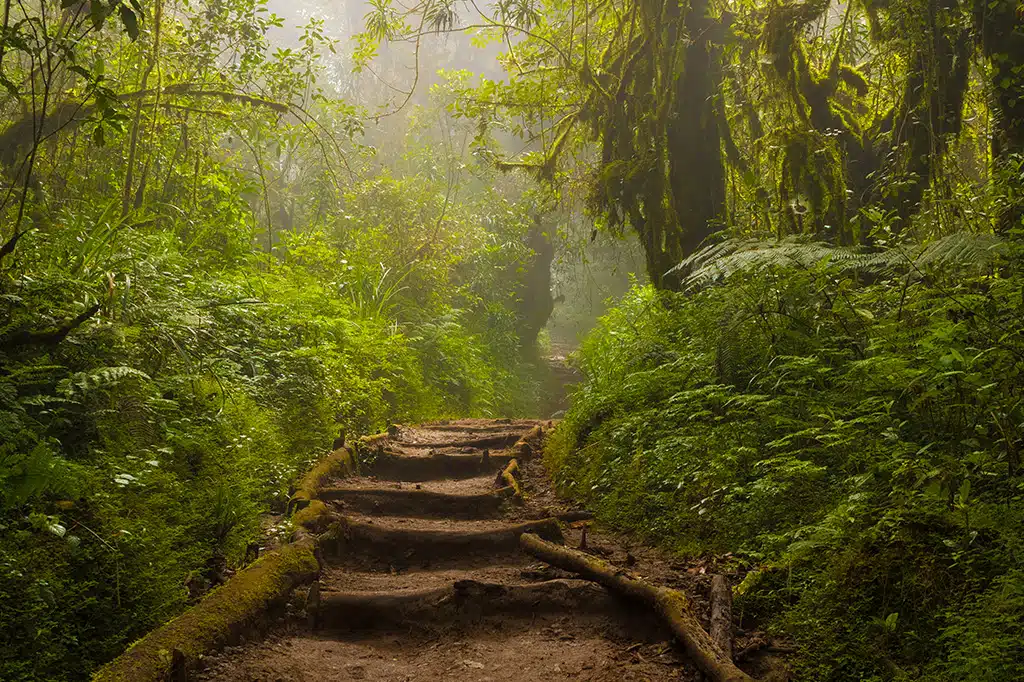
The first day’s walk takes you through dense rainforest. The trail is wide and well-defined, making this day a gentle introduction to the mountain. The forest is alive with birds, thick greenery, and sometimes monkeys.
The main goal of this day is to start slowly and allow your body to begin adjusting to altitude. You arrive at camp in the afternoon, where your tent is already set up and a warm meal is waiting.
What to expect:
- Easy walking pace
- Fresh air and shaded trails
- Excitement and high energy
Walking time: 3–4 hours
Focus: Easy start and enjoyment
Overnight: Forest camp
Day 2: Transition from Forest to Moorland
On the second day, the landscape begins to change. The thick forest gradually thins out, and trees become shorter. You enter the moorland zone, where the terrain feels more open and the views expand.
The trail becomes slightly steeper, and you may begin to notice changes in breathing. Guides encourage regular breaks and remind you to drink water often.
Temperatures start to drop, especially in the evening. You may feel mild altitude effects such as a light headache or slower walking speed. These are normal signs of adaptation.
.webp)
What to expect:
- Longer walking hours
- Cooler weather
- First real feeling of altitude
Walking time: 5–6 hours
Focus: Steady pace and acclimatization
Overnight: Moorland camp
Day 3: Acclimatization and Altitude Awareness
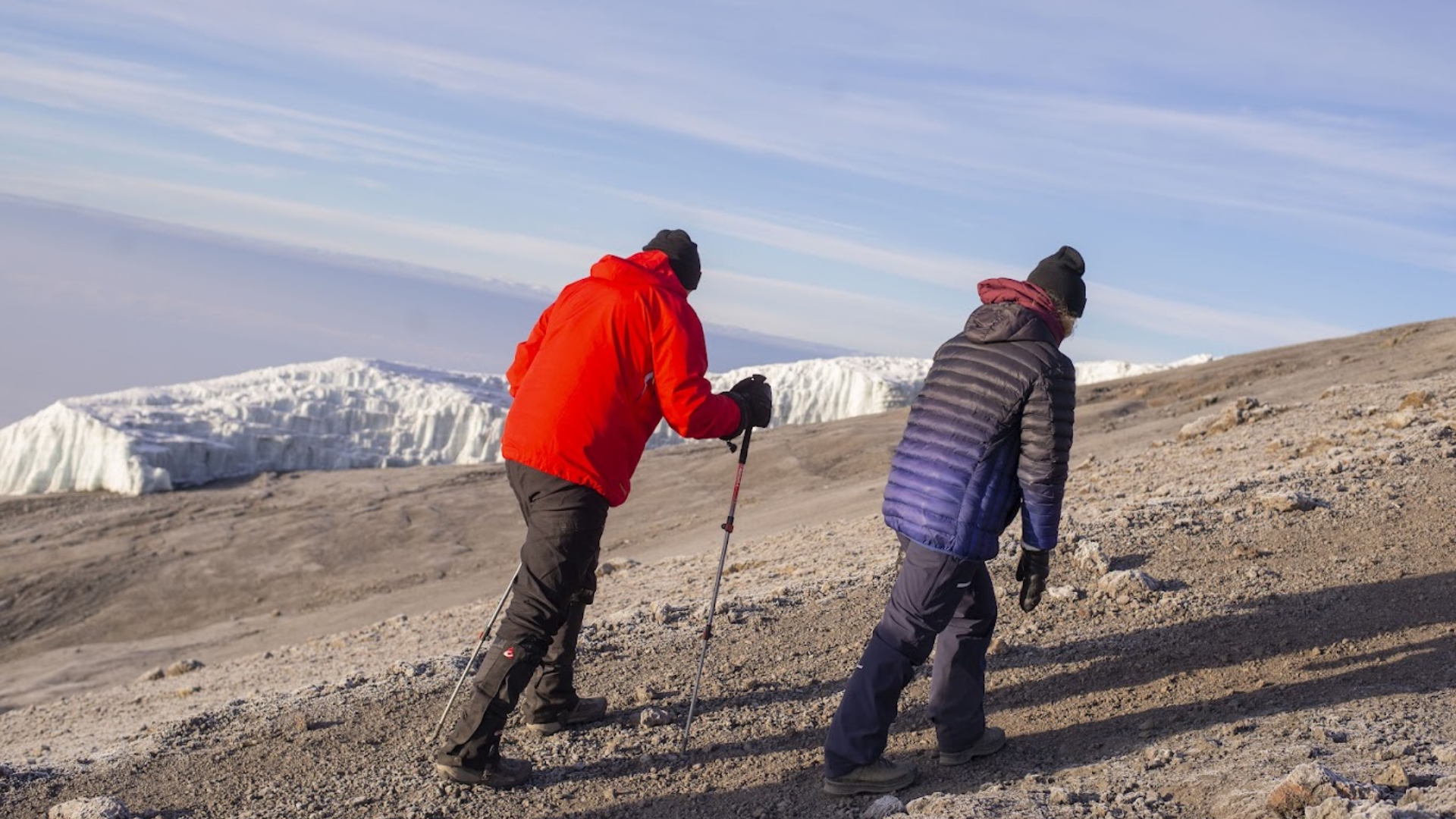
This is one of the most important days on the mountain. The purpose is not distance, but helping your body adjust to thinner air.
You may walk to a higher elevation during the day and then descend slightly to sleep. This “climb high, sleep low” method greatly improves your chance of reaching the summit.
The environment now feels more rugged and dry. The air is thinner, and even simple movements require more effort. Appetite may decrease, but eating is essential for energy.
Guides check your oxygen levels and overall condition to ensure everyone is adapting safely.
What to expect:
- Slower walking
- Increased tiredness
- Greater awareness of breathing
Walking time: 4–5 hours
Focus: Altitude adaptation
Overnight: High-altitude camp
Day 4: Endurance and Mental Strength
Day four is often the longest walking day. The trail crosses wide valleys, rocky sections, and gentle slopes.
Physically, the walking is not difficult, but the duration can feel challenging. Mentally, this day tests patience and focus. Walking slowly for many hours requires discipline.
Weather conditions may change quickly, from strong sun to cold winds. By the time you reach camp, you feel tired but proud of your progress.
What to expect:
- Long walking hours
- Changing weather
- Strong sense of achievement
Walking time: 6–7 hours
Focus: Endurance and mental preparation
Overnight: High camp
Day 5: Rest, Recovery, and Summit Preparation
This is a shorter day designed to allow your body to recover before summit night. You arrive at camp early and spend the afternoon resting.
The environment is now rocky and cold, with very little vegetation. Oxygen levels are low, and movement feels slower.
Your guide gives a detailed summit briefing, explaining pacing, safety procedures, and what to expect during the night climb. Early dinner and hydration are important, even though sleep may be light.
What to expect:
- Low energy levels
- Nervous excitement
- Mental preparation
Walking time: 3–4 hours
Focus: Rest and preparation
Overnight: Summit base camp
Day 6: Summit Day – The Greatest Challenge
Summit day begins around midnight. After a warm drink and light snack, you start the final ascent using headlamps.
The climb is slow, steep, and cold. Every step requires effort. Breathing is difficult due to low oxygen, and temperatures can be below freezing.
Guides lead the way step by step, offering encouragement and monitoring everyone closely. As the sun rises, the summit comes into view.
Reaching the top of Mount Kilimanjaro is an emotional moment filled with pride, relief, and joy.
After photos, you descend carefully to lower altitude, where breathing improves and rest becomes possible.

What to expect:
- Extreme physical effort
- Strong emotions
- Unforgettable achievement
Walking time: 10–14 hours
Focus: Safety, patience, achievement
Overnight: Lower camp
Day 7: Descent and Celebration
The final day is a steady walk down through changing landscapes back to the forest.
With more oxygen, energy returns quickly. Conversations and laughter replace the quiet focus of summit day.
At the park gate, you receive your official summit certificate and say goodbye to the mountain team.
What to expect:
- Easier breathing
- Happiness and pride
- Lasting memories
Walking time: 4–6 hours
Focus: Reflection and celebration
Safety and Health on the Mountain
Your safety is our top priority. We ensure this through:
- Certified and experienced guides
- Daily health and oxygen checks
- Slow acclimatization schedules
- Emergency oxygen and first-aid kits
- Clear evacuation procedures
We never rush climbers. Health always comes before reaching the summit.
What Is Included in Your Climb
- Professional mountain guides
- Porters, cooks, and camp staff
- All Park and rescue fees
- Nutritious meals on the mountain
- Quality camping equipment
- Medical monitoring and emergency oxygen
Gear rental is available if needed.
Best Time to Climb Mount Kilimanjaro
The best climbing seasons are:
- January to March: Warmer and quieter
- June to October: Dry and popular
Each season offers a unique experience, and climbs are possible year-round.
Ready to Start Your Kilimanjaro Journey?
Climbing Mount Kilimanjaro is not just about reaching the summit. It is a life-changing journey that challenges you both physically and mentally. Along the way, you grow stronger, learn patience, and experience the power of teamwork as you walk side by side with experienced guides and fellow climbers. Every step teaches you to trust yourself, move at your own pace, and discover a strength you may not have known you had.
Contact us today to start planning your Mount Kilimanjaro adventure with confidence and peace of mind.
Request a personalized itinerary or quote tailored to your fitness level, schedule, and travel goals.
Let our experienced and professional mountain team guide you safely to the top of Africa, ensuring your journey is well-supported, carefully paced, and truly unforgettable.