What to Expect on a Green Season Safari in Tanzania
A green season safari in Tanzania is one of the most beautiful, peaceful, and rewarding ways to experience African wildlife. While many travelers focus on the dry season, the green season offers fresh landscapes, fewer crowds, baby animals, and excellent value without sacrificing wildlife sightings.
The green season in Tanzania runs from November to May and is marked by short rains and longer rainy periods that bring the land back to life. Rainfall is usually light and short, not continuous, and many days remain sunny and warm.
What Is the Green Season in Tanzania?
The green season is the time of year when rain refreshes the land, turning dry savannahs into lush green plains. Grass grows, rivers fill, flowers bloom, and wildlife spreads across the parks. Unlike the dry season, when animals gather around limited water sources, the green season offers:
- Rich green landscapes
- Cooler temperatures
- More space for animals to roam
- A calmer, less crowded safari experience
It is often called the “secret season” by experienced safari travelers.

Month-by-Month Guide to the Green Season
Each part of the green season offers something unique:
November to December – Fresh Beginnings
These months mark the start of the green season. Light rains fall, washing dust from the land and bringing instant greenery. The air feels cooler and cleaner, and the scenery changes almost overnight. Wildlife remains easy to spot, and animals are active after the dry months. This is a wonderful time for travelers who want good game viewing with fewer visitors.
January to February – The Calving Season
This is one of the most dramatic and emotional times to visit Tanzania. Thousands of wildebeest and zebras give birth in the southern Serengeti and Ndutu area. Newborn animals appear everywhere, learning to walk, run, and survive. With so many young animals, predators such as lions, cheetahs, leopards, and hyenas become very active. This creates powerful wildlife moments that show the true cycle of life in the wild.
March to May – Deep Green and Quiet Parks
These are the wettest months, but also the calmest and most affordable. The parks are peaceful, with very few safari vehicles. The landscapes are at their greenest, and rivers and waterfalls are full. This period is ideal for travelers who value silence, space, and nature over busy schedules. It’s also a favorite for experienced safari travelers and photographers.
Lush Landscapes and Scenic Beauty
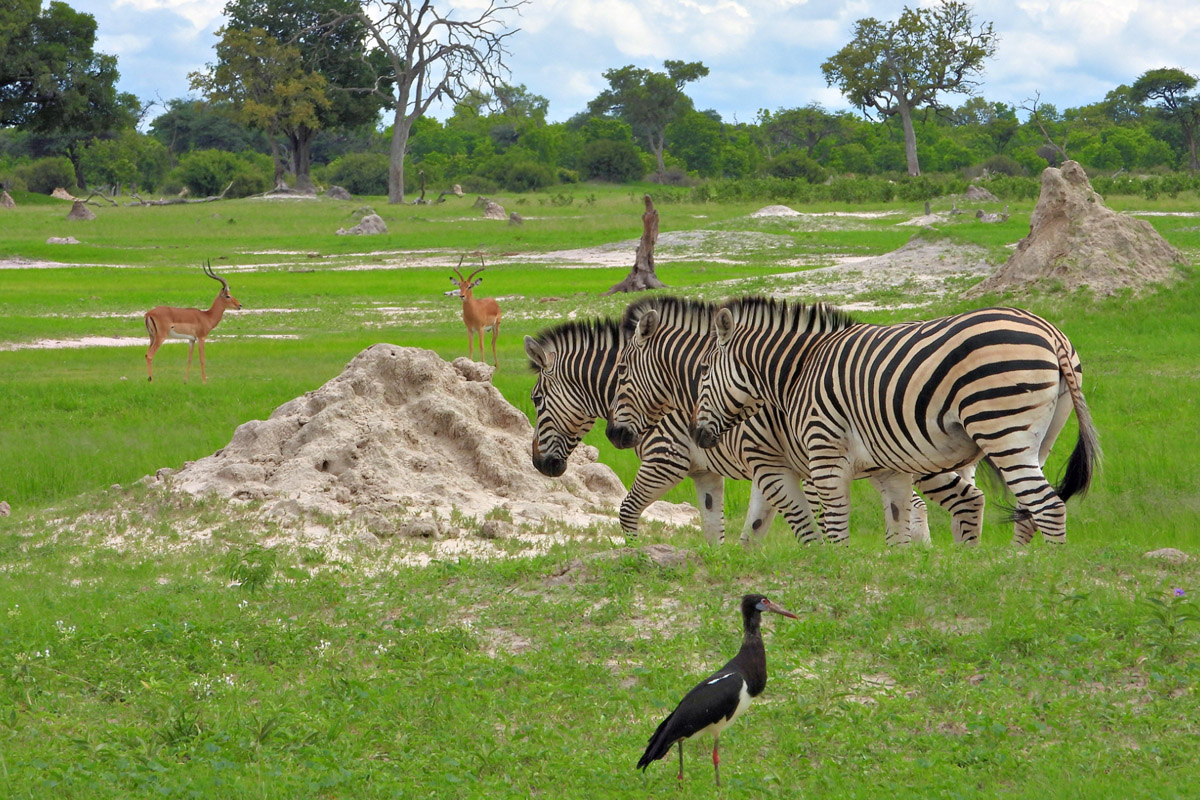
During the green season, Tanzania’s parks are at their most beautiful. Rolling plains turn bright green, trees regain their leaves, and water flows through rivers and lakes.
Parks like the Serengeti, Ngorongoro, Tarangire, and Lake Manyara look completely different compared to the dry season. The air feels fresh, the land looks alive, and the scenery is perfect for travelers who love nature and wide-open views.
Baby Animals and Predator Action
One of the biggest highlights of the green season is new life. The calving season brings thousands of newborn animals into the ecosystem.
You can expect to see:
- Baby wildebeest learning to walk within minutes of birth
- Young zebras staying close to their mothers
- Newborn gazelles running for the first time

With so many young animals, predators such as lions, cheetahs, leopards, and hyenas are very active, offering exciting wildlife encounters.
Wildlife Viewing During the Green Season
Wildlife viewing in Tanzania is excellent all year round. During the green season, animals are more spread out, but numbers remain high.
You can still see:
- The Big Cats (lion, leopard, cheetah)
- Elephants, buffalo, giraffes, and zebras
- Hippos and crocodiles in rivers and lakes
With fewer vehicles, game drives feel relaxed, and guides can spend more time observing animals without crowds.

A Quieter, More Peaceful Safari
One of the biggest advantages of the green season is the lack of crowds. Popular parks are much quieter than in peak dry months.
This means:
- Fewer safari vehicles at sightings
- More privacy during game drives
- A stronger connection with nature
For travelers who prefer a peaceful safari rather than a busy one, this season is ideal.
Better Prices and Excellent Value
The green season offers some of the best safari value in Tanzania. Many lodges and camps offer discounted rates while still providing the same high-quality service.
Travelers benefit from:
- Lower accommodation prices
- Special offers on longer stays
- Affordable private safari options
This makes the green season perfect for families, honeymooners, and travelers seeking luxury at a better price.
Green Season and Photography
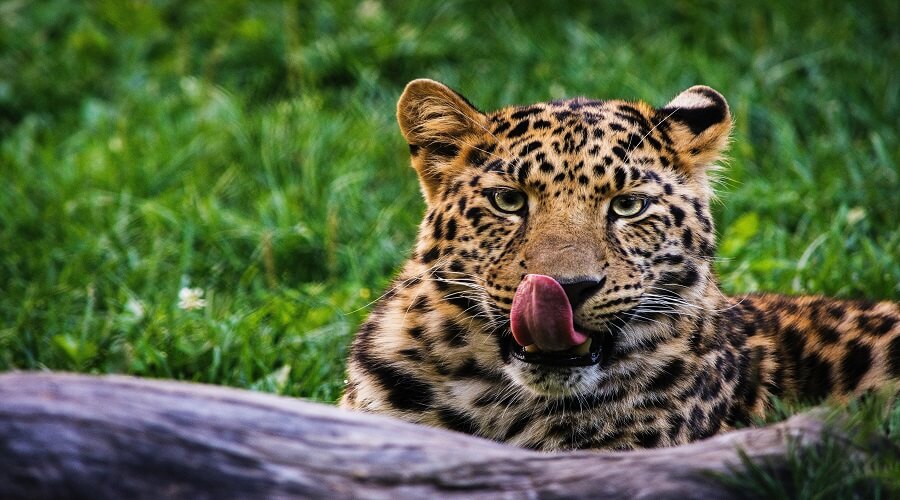
For photographers, the green season is outstanding. The light is softer, the skies are dramatic, and the landscapes are colorful.
Benefits include:
- Green backgrounds instead of dry brown grass
- Clean air with less dust
- Dramatic clouds and sunsets
Wildlife photography during this season is both creative and visually rich.
Birdwatching at Its Best
The green season is the best time for birdwatching in Tanzania. Migratory birds arrive from Europe and Asia, adding color and variety.
Bird lovers can enjoy:
- Migratory species in breeding colors
- Large numbers of water birds
- Excellent sightings around lakes and wetlands
What to Pack for a Green Season Safari
Packing smart ensures comfort during changing conditions:
- Lightweight, breathable clothing
- Neutral colors for safari activities
- A light rain jacket or poncho
- Comfortable closed shoes
- Sunscreen, hat, and insect repellent
Even during rainy months, days are often warm and pleasant.

Green Season vs Dry Season Safari
Green Season:
- Fewer crowds
- Lower prices
- Lush scenery and baby animals
- Excellent for photography and relaxation
Dry Season:
- Higher prices
- More tourists
- Easier wildlife concentration
- Best for first-time travelers who prefer predictability
Both seasons are excellent the best choice depends on your travel style.
Are the Green Season Good for Families and Honeymooners?
Yes, absolutely.
For Families:
- Lower costs
- Quieter parks
- Comfortable weather
- Educational experience with baby animals
For Honeymooners:
- Romantic green landscapes
- Private game drives
- Peaceful luxury lodges
- Beautiful photography opportunities
Frequently Asked Questions
- Will rain ruin my safari?
No. Rain usually comes in short showers, not all day. - Is wildlife harder to, see?
No. Wildlife is still abundant, especially in key areas like the Serengeti and Ngorongoro. - Are lodges and flights operating?
Yes. Most lodges and flights operate normally year-round.
Plan Your Green Season Safari in Tanzania
A green season safari offers fresh landscapes, new life, fewer crowds, and excellent value. With expert planning and experienced guides, it can be just as rewarding as a dry season safari sometimes even more so.
Plan Your Green Season Safari Today
Let our local safari experts design a custom Tanzania itinerary tailored to your travel style, budget, and interests. Enjoy peaceful parks, beautiful scenery, and unforgettable wildlife moments in Africa’s most magical season.