What Local Foods Should You Try in Zanzibar?
Zanzibar’s cuisine deserves more than a quick overview it’s a deep, sensory journey shaped by centuries of trade, migration, and coastal living. When you eat in Zanzibar, you’re not just tasting food; you’re experiencing a fusion of cultures that passed through the Indian Ocean and left their mark on the island. From the spice-laden dishes of Stone Town to the smoky grills along the beaches, every bite tells a story.
Below is a richer, more complete guide with deeper explanations and a few missing pieces added so your article feels truly comprehensive.
The Cultural Story Behind Zanzibar Food
Zanzibar’s food culture is rooted in the Swahili coast but heavily influenced by Arab traders, Indian merchants, and African traditions. The island was once a major center during the spice trade, especially under the rule of the Omani Sultanate rule in Zanzibar.
This history explains why:
- Spices like cloves, cinnamon, and cardamom are used generously
- Rice and flatbreads are staple foods
- Dishes balance sweet, spicy, sour, and savory flavors
Food here is social, often shared, and closely tied to hospitality and community life.
Must-Try Local Foods in Zanzibar
Zanzibar Pizza – A Street Food Icon
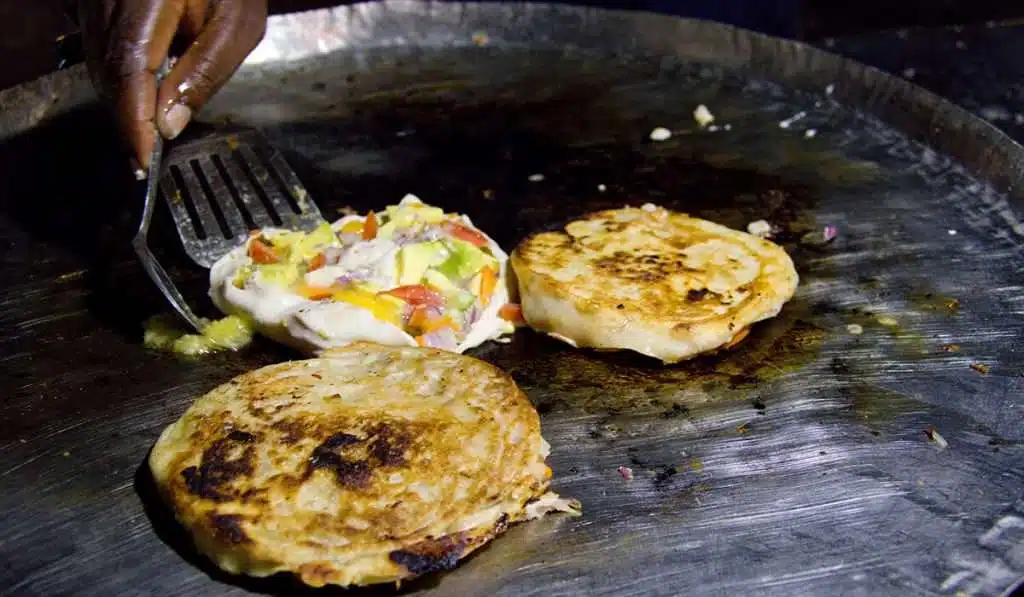
Found mainly at Forodhani Gardens, Zanzibar pizza is one of the most exciting and unique street foods on the island. Despite its name, it is very different from the classic Italian pizza. Instead of being baked in an oven, the dough is stretched thin on a flat surface, filled with a variety of ingredients, folded into a square, and then fried on a hot pan until golden and crispy on the outside while remaining soft and flavorful inside.
What makes Zanzibar pizza truly special is
- You choose fillings: beef, chicken, vegetables, egg, mayonnaise
- Sweet versions include banana, chocolate, or mango
- Cooked fresh in front of you within minutes
It’s not about authenticity it’s about the experience and flavor explosion.
Biryani and Pilau – The Heart of Celebration
These two rice dishes are central to Zanzibari cuisine and are deeply connected to culture, family gatherings, and special occasions. Influenced by Indian and Arab traditions, both dishes are rich in spices like cloves, cardamom, cinnamon, and cumin but they are prepared and enjoyed in very different ways.
Pilau:
- Cooked with spices directly in the rice, allowing the flavors to fully absorb
- Dry, fragrant, and slightly spicy with a warm, peppery taste
- Common in everyday meals, especially during family lunches or casual gatherings
- Often served with simple sides like kachumbari (fresh tomato and onion salad)
Pilau is loved for its simplicity and comfort it’s the kind of dish that brings people together daily.
Biryani:
- Rice is cooked separately, then layered with a rich, spiced meat or vegetable sauce
- Moist, flavorful, and more complex in texture and taste
- Prepared for weddings, celebrations, and important events
- Usually served with sauces, salads, or sometimes boiled eggs
Biryani is considered more special and luxurious, often associated with hospitality and celebration.
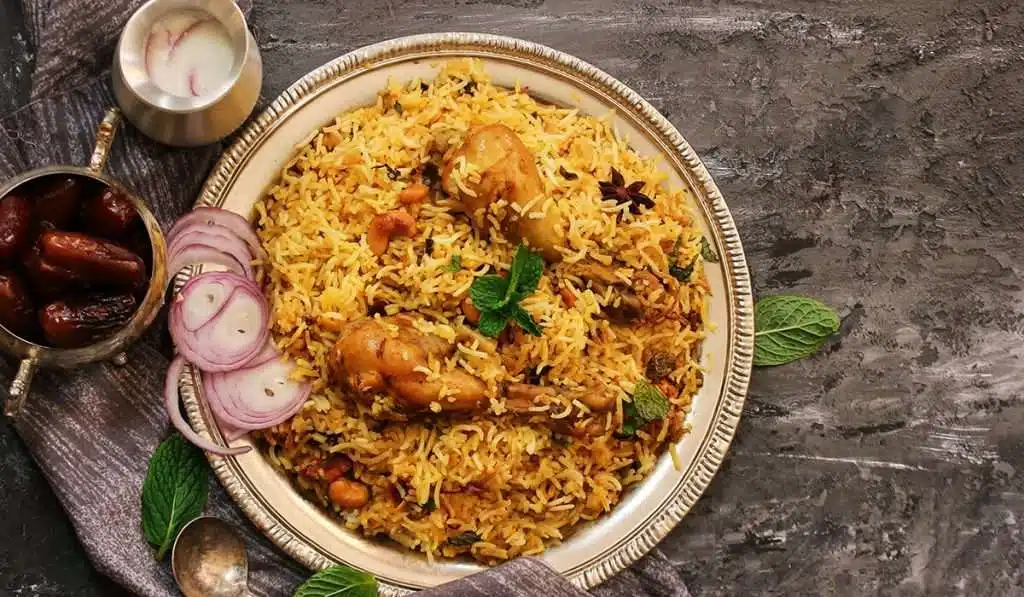
The difference between pilau and biryani is not just in how they are cooked it reflects lifestyle and occasion. Pilau represents everyday comfort, while biryani symbolizes celebration, status, and the joy of sharing something special.
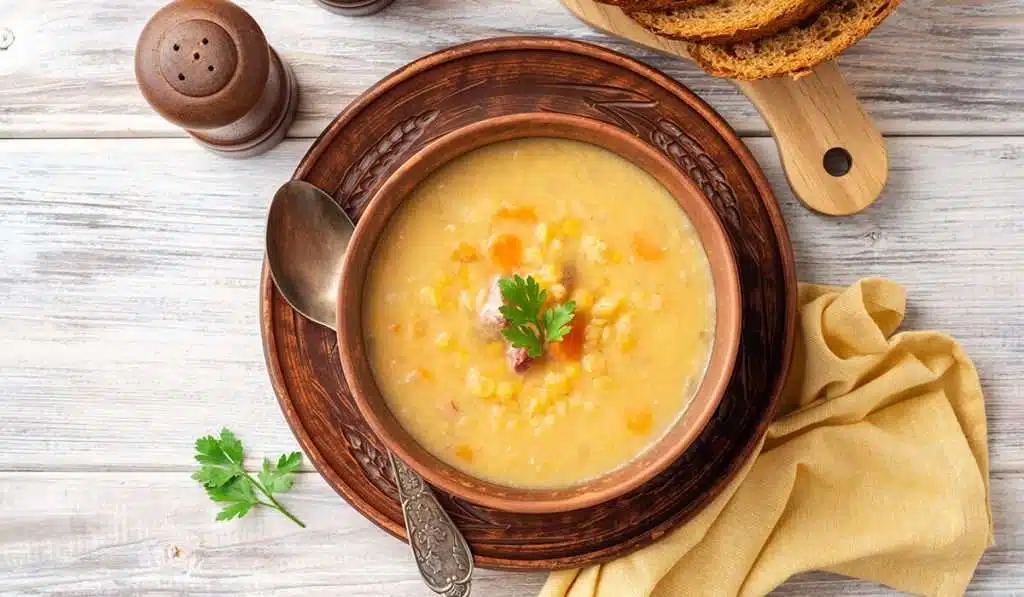
Urojo (Zanzibar Mix) – The Flavor Bomb
Urojo, often called Zanzibar Mix, is one of the most exciting and unique street foods you can try on the island. Popular in areas like Stone Town, this dish may look unusual at first, but it delivers an incredible mix of flavors and textures in every spoonful.
This is not a neatly structured dish it’s meant to be bold, messy, and full of character. Everything is combined into one bowl, creating a rich, tangy, slightly spicy experience that locals love.
What’s inside:
- Crispy fritters (bhajias) that add crunch
- Boiled potatoes and cassava for a soft, filling base
- Tangy mango chutney that brings sweetness and acidity
- A warm, yellow soup made from spices and flour
- Chili and lime for heat and freshness
What makes urojo special is how all these elements come together. You get crunch, softness, spice, and sweetness all at once, making every bite different from the last. It’s a perfect example of Zanzibar’s layered flavors and street food creativity.
Beyond the taste, urojo also tells a cultural story. The bhajias reflect Indian influence, cassava represents African roots, and the overall combination shows local innovation. It’s not just food it’s a bowl of Zanzibar’s history and identity.
Fresh Seafood – Ocean to Plate
Zanzibar’s seafood is one of the island’s biggest highlights because it comes directly from the Indian Ocean, often caught the same morning it is served. In coastal areas like Stone Town, seafood is not just food it is a daily way of life shaped by the sea, fishing traditions, and simple cooking methods that highlight natural flavor.
The strength of Zanzibari seafood lies in its freshness. Because the ocean is so close, there is very little need for heavy processing or preservation. This means the taste is clean, natural, and deeply satisfying.
Common seafood options include:
- Octopus, often tenderized and cooked in rich coconut curry
- Lobster grilled with garlic, butter, and fresh lime
- Fish varieties like barracuda, tuna, and red snapper, usually caught locally
Each type of seafood has its own character, but all are prepared to keep the natural flavor at the center.
Popular cooking styles:
- Charcoal grilling, which gives a smoky coastal flavor
- Coconut-based curries, rich and creamy with spice blends
- Light frying or pan-cooking with simple local spices and lime
What makes Zanzibar seafood truly special is its simplicity. Instead of overwhelming the dish with heavy sauces, local cooks focus on enhancing what is already there the freshness of the ocean catch. This approach allows the natural sweetness of seafood to stand out in every bite.
.webp)
Mishkaki – Zanzibar BBQ
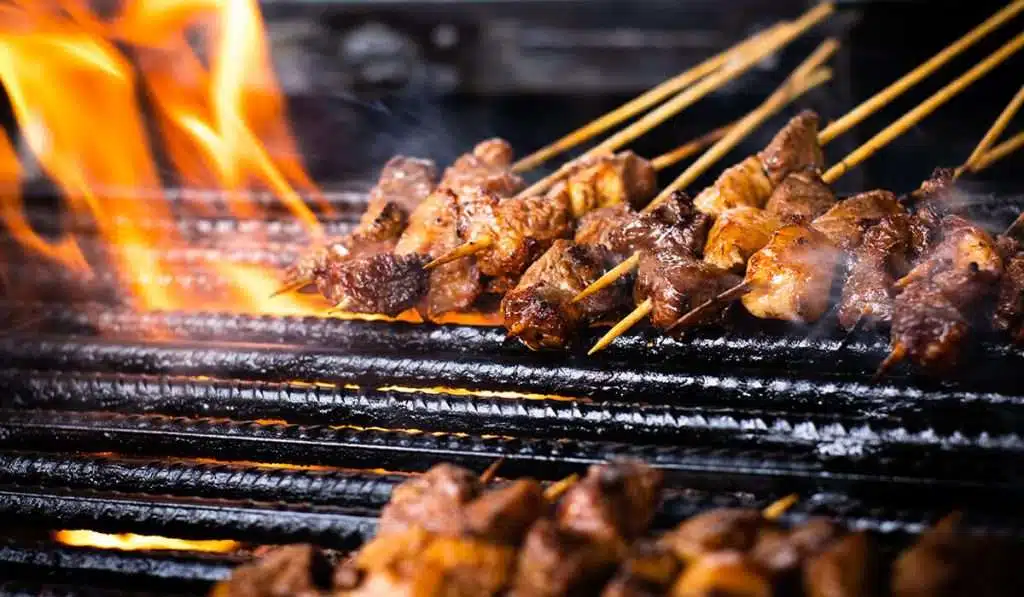
Mishkaki is one of Zanzibar’s most popular street foods and a true evening favorite, especially in lively areas like Stone Town. It is a simple but flavorful dish that reflects the island’s love for grilled, spice-marinated meats cooked over open flames.
The preparation is what makes mishkaki stand out. Small pieces of beef, chicken, or sometimes goat are soaked for hours in a rich marinade made from garlic, lemon, chili, and local spices. This slow marination allows the flavors to fully penetrate the meat before it is grilled.
Why people love it:
- Smoky, juicy, and slightly spicy with a bold flavor profile
- Easy to eat while walking through night markets or busy streets
- Served hot off the grill, often with chili sauce and sliced onions
What makes mishkaki even more special is the atmosphere in which it is enjoyed. At night, street vendors set up grills that glow with charcoal fires, filling the air with smoky aromas. The sound of sizzling meat, the smell of spices, and the lively crowds create an unforgettable street food experience.
Mishkaki is more than just grilled meat it’s part of Zanzibar’s social life. It brings people together in the evening, making it one of the best foods to enjoy while experiencing the island’s vibrant nightlife.
Chapati & Coconut Beans – Everyday Comfort Food
Chapati and coconut beans are among the most common and comforting meals in Zanzibar, often eaten in homes, small local eateries, and street food stalls across the island, especially around areas like Stone Town. This dish reflects the everyday life of locals simple, affordable, but full of flavor and history.
The combination shows the strong Indian influence on Zanzibari cuisine, blended beautifully with local coastal ingredients like coconut, which is widely used in many Swahili dishes.
Chapati:
- Soft, round, and slightly layered flatbread
- Cooked on a hot pan until lightly golden and flexible
- Often used to scoop or wrap other foods instead of utensils
Chapati is a staple across the island because it is filling, easy to make, and pairs well with both savory and mildly spiced dishes.
Coconut Beans:
- Slowly cooked beans simmered in creamy coconut milk
- Lightly seasoned with spices like garlic, onion, and sometimes turmeric
- Smooth, rich, and slightly sweet in flavor
The coconut milk gives the beans a soft, comforting taste that balances perfectly with the texture of chapati.
Together, chapati and coconut beans create a meal that is simple yet deeply satisfying. It is commonly eaten for breakfast or lunch, especially by locals who appreciate its affordability and nourishing qualities. More than just food, it represents the everyday rhythm of Zanzibar life warm, practical, and rooted in tradition.
Mandazi – The Swahili Snack
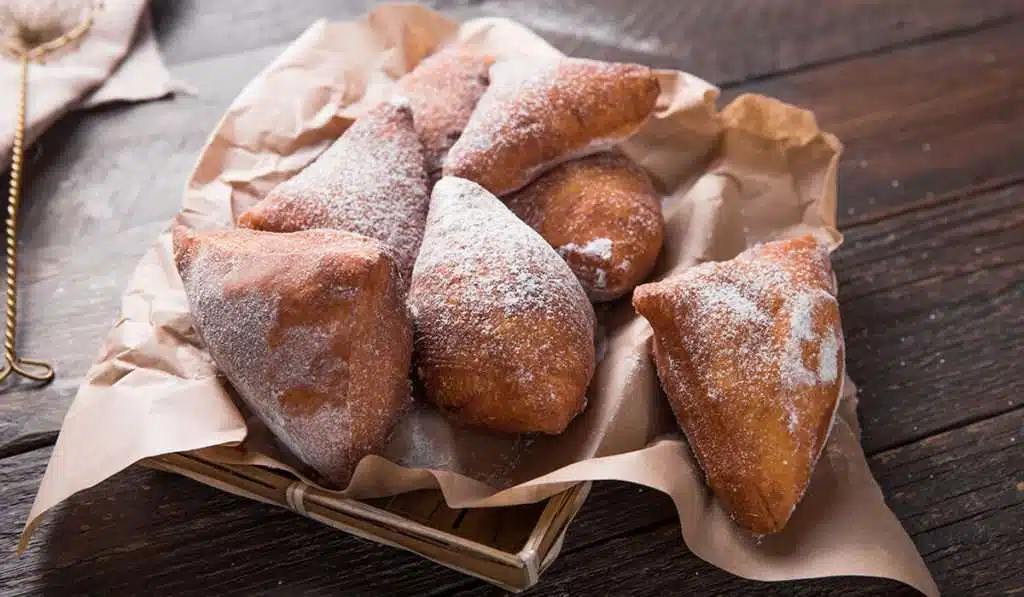
Mandazi is one of the most loved snacks in Zanzibar and across the Swahili coast, commonly found in homes, bakeries, and street stalls around places like Stone Town. It is a simple fried dough snack, but its soft texture and light sweetness make it an everyday favorite for all ages.
Unlike heavy desserts, mandazi is designed to be light and mildly sweet, making it perfect for breakfast or an afternoon snack rather than a sugary treat.
What makes mandazi unique:
- Flavored with coconut milk, cardamom, or sometimes a hint of cinnamon
- Soft, airy inside with a slightly crisp golden outside
- Less sugary than Western doughnuts, giving it a subtle taste
- Commonly enjoyed with spiced tea (chai) or coffee
Mandazi is deeply rooted in daily life. It is often prepared in large batches for families, sold by street vendors in the morning, and served in schools as a quick snack for students. Its simplicity is what makes it special it is filling, affordable, and comforting.
More than just food, mandazi represents everyday Swahili hospitality. It is the kind of snack that brings people together over a cup of tea, whether at home or by the roadside, making it a quiet but important part of Zanzibar’s food culture.
Traditional Drinks (More Than Refreshment)
Traditional drinks in Zanzibar are deeply connected to daily life, hospitality, and social interaction. They are not just served to quench thirst they are part of how people connect, relax, and share moments together, especially in places like Stone Town where tea culture is very strong.
Spiced Tea (Chai ya Tangawizi)
Spiced tea, locally known as chai ya tangawizi, is one of the most important drinks in Zanzibar. It is prepared in almost every home and is often the first thing offered to guests as a sign of welcome and respect.
Common ingredients include:
- Fresh ginger for warmth and a slight kick
- Cardamom for a sweet, aromatic flavor
- Cinnamon for depth and fragrance
- Cloves for a rich, spicy note
These spices are boiled together with tea leaves and milk, creating a strong, aromatic drink that is both comforting and energizing.
What makes this tea special is not just the taste, but the experience around it. It is usually enjoyed slowly, often with snacks like mandazi or chapati, while people talk, share stories, and relax. In many households, tea time is a daily ritual that brings family and friends together.
In Zanzibar, spiced tea is more than a beverage it is a symbol of hospitality, friendship, and everyday connection.
Sugarcane Juice
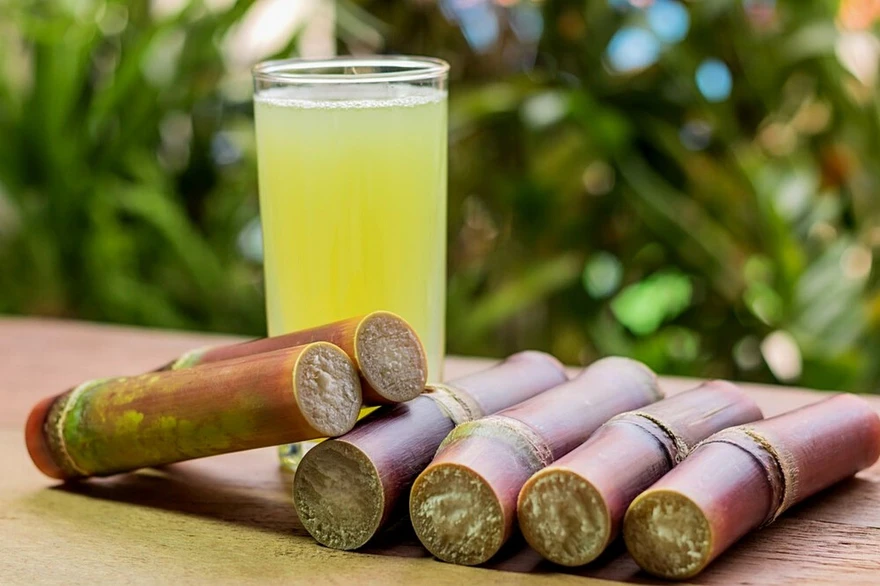
Sugarcane juice is one of the most refreshing natural drinks you’ll find in Zanzibar, especially in busy streets and coastal areas like Stone Town. It is made fresh on the spot using manual pressing machines, where sugarcane stalks are crushed to extract their sweet juice.
This drink is extremely popular because it is simple, natural, and instantly energizing perfect for the island’s warm tropical climate.
What makes it special:
- Freshly pressed using hand-operated machines right in front of you
- Often enhanced with lime for a tangy kick or ginger for extra spice
- Naturally sweet, hydrating, and full of quick energy
Sugarcane juice is more than just a drink it’s a quick refreshment that locals and visitors enjoy while walking through markets or exploring town. The mix of natural sweetness and optional flavor additions makes it both cooling and revitalizing.
It’s a simple but powerful reminder of Zanzibar’s street culture: fresh ingredients, quick preparation, and pure natural flavor served straight to you.
Coconut Water
Coconut water is one of the simplest and most natural drinks you can enjoy in Zanzibar, especially along the beaches and coastal areas near Stone Town. It is served directly from young green coconuts, often opened in front of you and enjoyed immediately while still fresh and cool.
Unlike processed drinks, coconut water is completely natural, making it a favorite choice for both locals and visitors who want something light and refreshing in the tropical heat.
What makes it special:
- Served straight from the coconut, often cut open on the spot
- Naturally sweet, light, and full of electrolytes for hydration
- Commonly enjoyed on beaches as part of relaxed coastal life
Coconut water is more than just a drink it is part of Zanzibar’s lifestyle. It reflects the island’s close relationship with the ocean and its natural environment. Whether you are walking along the beach, relaxing under palm trees, or exploring the coast, it offers a simple and pure way to cool down and stay refreshed.
Unique Food Experiences You Shouldn’t Miss in Zanzibar
Night Food Markets
The most famous night food experience in Zanzibar is at Forodhani Gardens. As the sun sets, this seaside park transforms into a lively open-air kitchen where food, culture, and social life all come together.
What makes it special is the atmosphere. The smell of grilled seafood fills the air, vendors call out their dishes, and people gather around glowing charcoal grills. You’ll find everything from skewered meats and seafood to sweet and savory street snacks being prepared right in front of you.
What to expect:
- Dozens of street food stalls offering a variety of local dishes
- Freshly grilled seafood like lobster, octopus, and fish straight from the ocean
- A mix of locals and tourists sharing the same vibrant space
It’s not just about eating it’s about experiencing Zanzibar at night, where food becomes a bridge between cultures and people.
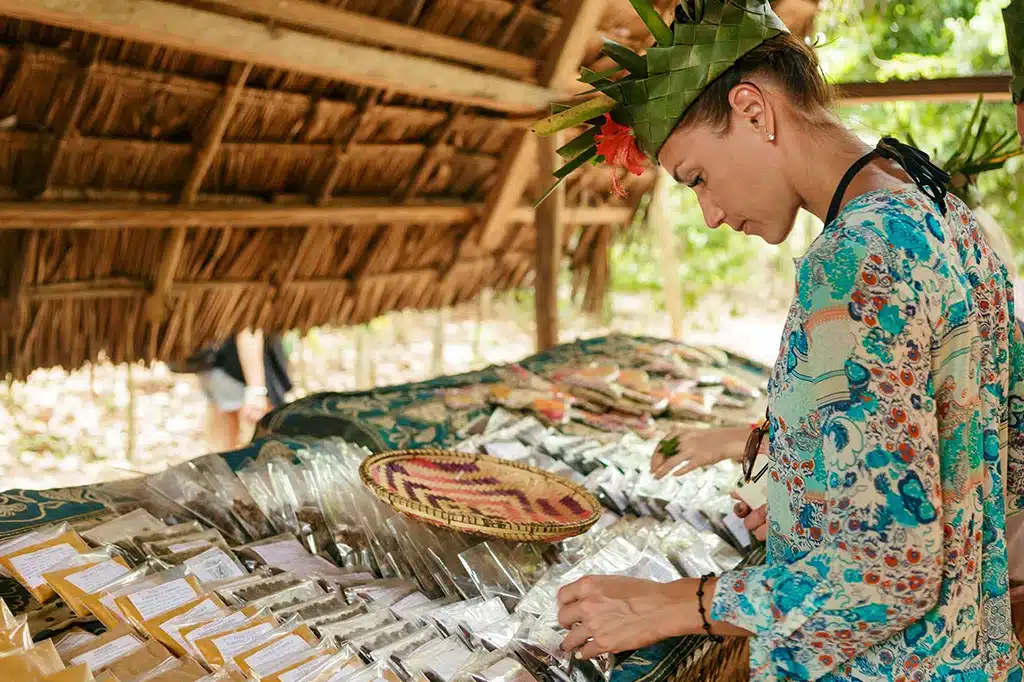
Spice Farm Tours
Zanzibar is famously known as the “Spice Island” because of its long history of spice production, especially cloves. Spice farm tours take you into the countryside where these spices actually grow.
During the tour, you get a hands-on experience with nature and agriculture. Guides explain how each plant is cultivated and how it is used in both cooking and traditional medicine. You’ll see, smell, and taste spices in their purest form, often picked fresh from the tree or soil.
What you’ll experience:
- Walking through plantations of cloves, vanilla, cinnamon, and nutmeg
- Tasting fresh spices directly from plants and trees
- Learning how spices are used in everyday Zanzibari cooking
This experience completely changes how you understand flavor it connects what you eat to where it comes from.
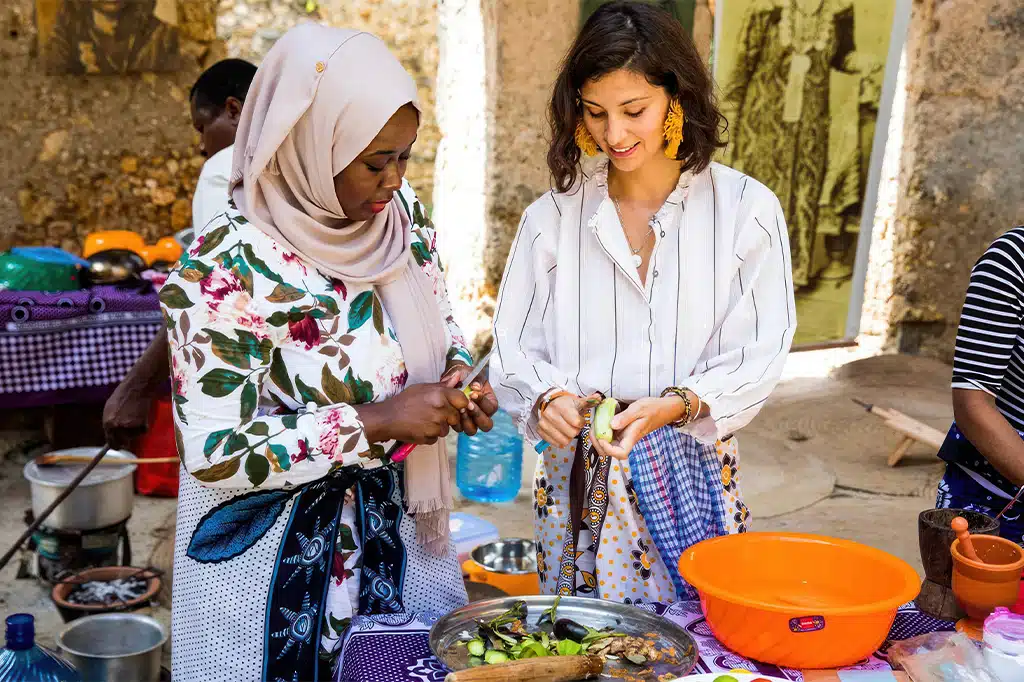
Swahili Cooking Classes
For travelers who want a deeper connection to local culture, Swahili cooking classes offer a hands-on way to experience Zanzibar’s cuisine.
These classes usually begin with a visit to a local market, where you learn how to select fresh ingredients. Then you move into cooking traditional dishes using authentic methods and spice combinations passed down through generations.
What you’ll do:
- Explore local markets and choose fresh ingredients
- Learn traditional cooking techniques step by step
- Prepare and enjoy authentic Zanzibari dishes
This is more than a cooking lesson it’s a cultural experience that helps you understand the balance of flavors, the importance of spices, and the meaning behind each dish.
Vegetarian and Halal-Friendly Food
Zanzibar is one of the easiest destinations for both vegetarian and halal-friendly dining, thanks to its strong Islamic culture and naturally plant-based coastal cuisine. In everyday life across places like Stone Town, you’ll notice that many meals are already prepared in ways that suit a wide range of dietary preferences without needing special requests.
Vegetarian travelers will find plenty of satisfying options because local cooking relies heavily on vegetables, legumes, rice, coconut, and spices. Dishes are often cooked slowly with coconut milk, creating rich and flavorful meals even without meat. Common choices include bean stews, lentil curries, vegetable curries, chapati, and fresh tropical fruits like mango, pineapple, and papaya.
Seafood is also widely available for those who include it in their diet, offering fresh alternatives like grilled fish or coconut-based octopus’ curry.
What you’ll easily find:
- Rice-based dishes like pilau without meat or with vegetables
- Coconut beans, lentils, and vegetable curries cooked with local spices
- Chapati served with vegetable stews or beans
- Fresh fruits and natural juices sold in markets and street stalls
For Muslim travelers, Zanzibar is especially convenient because most food is halal by default. The island’s majority Muslim population means that meat is generally prepared according to halal practices, and pork is not commonly part of the local diet. This makes dining simple, comfortable, and culturally aligned for Muslim visitors.
What makes Zanzibar unique is that dietary-friendly eating doesn’t feel like a restriction it feels natural. The island’s traditional cuisine already leans heavily toward fresh, wholesome, and minimally processed ingredients, making it easy for everyone to enjoy the food without compromise.
Where to Find the Best Food in Zanzibar
Eating in Zanzibar is not limited to restaurants it’s a full cultural experience that changes depending on where you go. From busy street corners to quiet beachfront settings, each place offers a different taste of the island’s food culture, especially around Stone Town.
Street Food Stalls (Stone Town & Evening Streets)
Street food is one of the most authentic ways to experience Zanzibar. In the evenings, especially around Stone Town, small stalls appear selling everything from mishkaki and urojo to Zanzibar pizza. The food is quick, affordable, and freshly prepared right in front of you. What makes it special is the lively atmosphere smoke from grills, busy crowds, and the sound of vendors calling out orders.
Local Restaurants (“Hotels”)
In Zanzibar, many local restaurants are called “hotels,” even if they are not accommodation places. These are simple dining spots where locals eat daily meals like pilau, biryani, chapati, and coconut beans. The food is usually home-style, flavorful, and served in generous portions. These places give you a real taste of everyday Zanzibari life.
Beachside Cafés (Nungwi, Kendwa, Paje)
Along the northern and eastern coasts, especially in areas like Nungwi, Kendwa, and Paje, you’ll find relaxed beach cafés and restaurants. These places specialize in fresh seafood, tropical juices, and fusion dishes. Dining here often comes with ocean views, sunset vibes, and a slower, more peaceful atmosphere.
Night Markets (Forodhani Gardens)
The most famous night food experience is at Forodhani Gardens. As evening falls, it becomes a vibrant open-air food market filled with grilled seafood, snacks, and local specialties. It’s not just about eating it’s about social life, music, and cultural exchange happening all around you.
Where you eat in Zanzibar is just as important as what you eat. Each setting from street stalls to beach cafés offers a different side of the island’s identity. Whether you want quick local snacks, traditional home-style meals, or romantic oceanfront dinners, Zanzibar gives you a food experience for every mood and moment.
How Locals Eat in Zanzibar
- · Meals are often shared from a common plate, especially in families and social gatherings
- · Eating with hands is common, particularly for rice dishes like pilau and biryani or chapati with beans
- · The right hand is traditionally used for eating as a sign of respect and cultural practice
- · Food is seen as a social activity, not just individual consumption
Best Time to Eat Street Food
- · Evenings and nights are the best time for street food
- · Night markets like Forodhani Gardens become very active after sunset
- · Food is freshly cooked during this time, especially seafood and grilled snacks
- · The atmosphere is lively with music, crowds, and street cooking
Food Safety Tips
- · Choose busy food stalls for fresher food and faster turnover
- · Drink bottled or filtered water instead of tap water
- · Eat food that is freshly cooked and served hot
- · Be extra careful with seafood always prefer freshly grilled or prepared meals

Zanzibar’s food is more than just cuisine it is a living reflection of the island’s culture, history, and everyday life. Every dish carries traces of centuries of trade, migration, and tradition, making each meal a meaningful experience rather than just something to eat.
From the busy street food scenes in Stone Town to freshly grilled seafood served along the beaches, food in Zanzibar is deeply tied to place and atmosphere. You don’t just eat you experience the island one flavor at a time.
Whether it’s spicy Urojo from a street stall, rich biryani at a local restaurant, or fresh coconut water on the beach, every taste tells a story of the island’s identity and people.
If you visit Zanzibar, don’t just see the island taste it.
Try new dishes, explore the spice markets, and experience the vibrant street food culture. Join locals in night markets, enjoy seafood by the ocean, and discover how food connects everything together on the island.
Ready to taste Zanzibar like a local?
Don’t just visit experience it through its flavors.
From spicy street food in Stone Town to fresh seafood on the beach and sweet tropical fruits under the sun, every bite reveals a new part of the island’s story.
Plan your Zanzibar trip today and let us take care of the rest. Book with us for a guided experience that lets you discover the best food spots, hidden local gems, and authentic flavors of Zanzibar.