What is The Easiest Route Up Kilimanjaro for Beginners?
The Easiest Route up Mount Kilimanjaro for Beginners
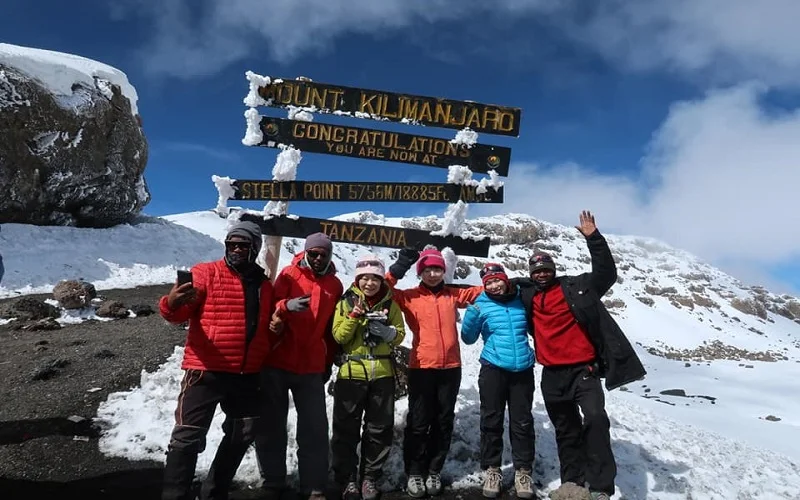
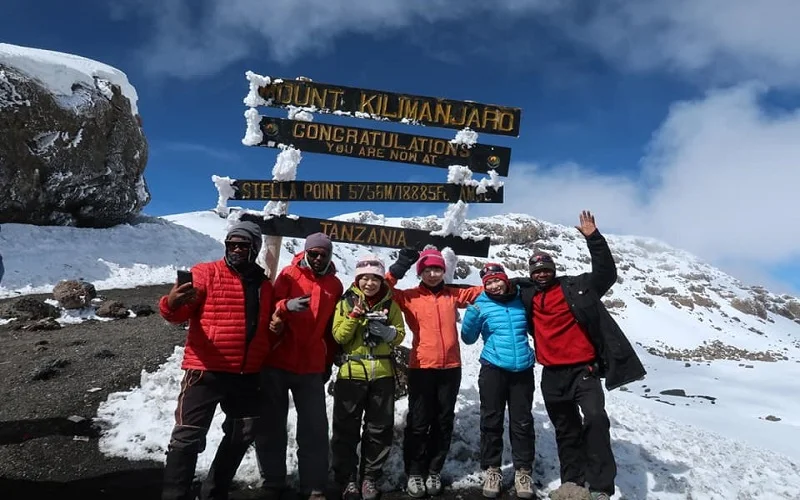
Climbing Mount Kilimanjaro is a dream for many travelers visiting Tanzania. At 5,895 meters above sea level, it is not only Africa’s highest peak but also the tallest free-standing mountain in the world. Standing on its summit, Uhuru Peak, is a once-in-a-lifetime experience, offering panoramic views across the African plains and glaciers near the top.
Reaching the summit is certainly a challenge, but it is entirely achievable for beginners with proper preparation, the right route selection, and a reliable support team. Unlike technical mountains, Kilimanjaro is a trekking peak, meaning you primarily walk rather than climb with ropes or specialized gear. With patience, endurance, and guidance, first-time climbers can safely complete the journey to the Roof of Africa.
This guide will introduce the easiest Kilimanjaro routes, explain why they are beginner-friendly, and provide practical tips on training, packing, safety, and mental preparation. Whether your goal is to summit in comfort, enjoy the scenery, or combine your climb with a safari or Zanzibar beach holiday, this guide will help you plan a successful and unforgettable adventure.
Why Route Choice Matters on Kilimanjaro
Kilimanjaro has several trekking routes, each offering different scenery, walking conditions, and acclimatization profiles. For beginners, choosing the right route can make the difference between a difficult struggle and an enjoyable adventure.
The most important factors for first-time climbers include:
- Gradual altitude gain so your body adjusts safely
- Comfortable sleeping arrangements for proper rest
- Reasonable daily distances to avoid exhaustion
- Reliable support crew to guide, cook, and assist you
A good route allows you to conserve energy, adapt to the altitude slowly, and enjoy the journey instead of rushing to the top.
The Marangu Route – The Classic Beginner Route
The Marangu Route is widely considered the easiest and most comfortable path up Kilimanjaro, which makes it very popular with first-time climbers.
Why Marangu is Beginner-Friendly
The Marangu Route is widely considered the easiest way to climb Mount Kilimanjaro, making it a favorite among first-time climbers. Several features make it especially beginner-friendly:
1. Hut Accommodation
One of the biggest advantages of Marangu is the availability of mountain huts. Unlike other routes where you sleep in tents on hard ground, Marangu provides huts with beds, mattresses, and shared dining areas. This is crucial for beginners because it offers better protection from harsh weather, including rain, wind, and cold nights at higher altitudes. Sleeping in a hut also allows for more restorative rest, which helps your body adjust to altitude and reduces fatigue for the next day’s trek. The comfort of a bed and the social aspect of shared dining with fellow climbers can also make the experience less intimidating for those new to multi-day mountain trekking.
2. Gradual Trail
The Marangu trail is well-maintained and follows a steady incline, which is easier on the legs and lungs than steeper or more rugged paths. Beginners can walk at a steady, comfortable pace without needing technical climbing skills, scrambling over rocks, or using ropes. The gradual slope also allows your body to acclimatize naturally to increasing altitudes, reducing the risk of altitude sickness. For first-time climbers, this steady rhythm provides confidence and encourages a relaxed, manageable approach to summiting Kilimanjaro.
3. Shorter Duration
Marangu usually takes 5–6 days, making it one of the quickest routes to reach the summit. This is ideal for travelers who have limited time but still want to experience the full climb. The shorter schedule can also reduce the amount of gear needed, and less time on the mountain means less exposure to potential weather changes. However, it’s important to pace yourself and not rush; even though the route is shorter, summit night is still demanding, and proper rest and hydration remain critical.
4. Straightforward Navigation
The route follows the same trail both up and down the mountain, making navigation simple and predictable. Beginners don’t have to worry about confusing forks, hidden trails, or backtracking through dense terrain. This predictability reduces stress and allows climbers to focus on pacing, hydration, and enjoying the views rather than worrying about getting lost. It also means guides can monitor climbers more effectively, helping ensure safety and timely acclimatization.
Because of its combination of comfort, simplicity, and accessibility, Marangu is often nicknamed the “Coca-Cola Route.” It allows first-time climbers to focus on building endurance and enjoying the experience rather than struggling with extreme physical or logistical challenges.
An Alternative Easy Option: Machame Route
While Marangu is the simplest route logistically, the Machame Route is frequently recommended for beginners who want the best chance of reaching the summit.
Why Machame Often Gives Better Success
- The itinerary is longer, allowing better acclimatization
- The “climb high, sleep low” pattern helps your body adjust to altitude
- The route passes through multiple ecosystems, making the journey more exciting
- Scenic variety keeps motivation high throughout the trek
Although Machame involves more camping and slightly steeper sections, many beginners actually find it easier overall because their bodies adapt better to the altitude.
Quick Route Comparison for Beginners
Marangu Route
- Best for comfort and simplicity
- Hut accommodation
- Shorter trip
- Faster ascent
Machame Route
- Best for summit success rate
- Camping experience
- Longer and more scenic
- Better altitude adjustment
If comfort and simplicity are your priority, Marangu is ideal.
If reaching the summit is your main goal, Machame is often the better option.
The Summit Experience
All routes lead to Uhuru Peak, the highest point in Africa. Summit night is the most demanding stage of the climb. You start hiking before midnight and move slowly toward the top, arriving at sunrise.
Even on the easiest route, climbers must face:
- Freezing temperatures
- Thin air with reduced oxygen
- Long hours of steady walking
- Physical and mental fatigue
Reaching the summit is less about speed and more about determination, patience, and pacing.
Best Time to Climb Kilimanjaro
While Mount Kilimanjaro can technically be climbed year-round, weather conditions have a major impact on comfort, safety, and visibility. Choosing the right season can make your climb more enjoyable and improve your chances of reaching the summit successfully.
January to March – Short Rainy Season & Cooler Conditions
During this period, temperatures are generally cooler, especially at higher altitudes, which can make hiking more comfortable. Fewer climbers on the mountain create a quieter and more peaceful trekking experience, allowing for a more intimate connection with the natural surroundings. Occasional snow may appear near the summit, adding stunning scenic views for photography. Trails can be slightly slippery after brief rains, but conditions are usually manageable, particularly for beginners with proper footwear and guidance.
June to October – Dry Season & Peak Visibility
This is the most popular period for climbing Kilimanjaro. Clear skies provide the best visibility, offering breathtaking panoramic views from the summit, which is ideal for photography. The dry weather keeps trails easier to navigate and less slippery, making it perfect for first-time climbers who want a smooth and safe ascent. Additionally, the higher number of trekkers during this season means more options for guided groups, transport, and support services, which adds extra convenience and security for beginners.
Rainy Months – April–May & November
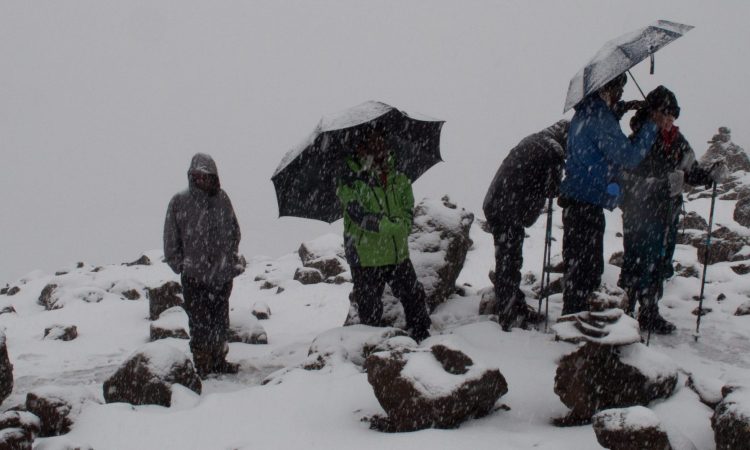
Rainy months have fewer climbers, giving the mountain a private and tranquil atmosphere. However, trails, particularly in the rainforest and lower sections, can become muddy and more challenging to hike. Cloudy conditions may also limit visibility from the summit, reducing the iconic panoramic views. While it is possible to climb during this period with experienced guides and proper gear, it is generally not recommended for beginners seeking optimal comfort and safety.
Tip for Beginners
For first-time climbers, the best choice is June to October for clear skies and ideal trekking conditions. January to March is also a good option if you prefer fewer crowds and slightly cooler temperatures. Heavy rains months are best avoided unless you are fully prepared for wet trails and reduced visibility.
Training Before the Climb
You do not need mountaineering skills, but physical preparation makes the trek far more enjoyable.
Good preparation includes:
- Weekly long walks or hikes
- Training on hills or stairs
- Light strength and cardio workouts
- Practicing with a daypack
The aim is to improve endurance so you can walk comfortably for several hours each day.
Packing Basics for Beginners
Proper gear makes a huge difference on the mountain.
Key essentials include:
- Broken-in waterproof hiking boots
- Warm layered clothing for temperature changes
- Insulated jacket, gloves, and hat
- Headlamp for summit night
- Daypack with rain protection
Many items can be rented locally, which helps reduce luggage and travel costs.

Mental Preparation for Summit Night
For many climbers, the toughest challenge on Mount Kilimanjaro is mental, not physical. Summit night can be long, cold, and exhausting, and your mindset plays a huge role in whether you reach the top.
During summit night, you will need to:
- Walk slowly in darkness – You start hiking around midnight and continue for several hours in pitch-black conditions. Keeping a calm, steady pace is essential.
- Stay motivated in cold wind – Temperatures can drop well below freezing, and strong winds make the climb feel harder. Mental focus helps you endure.
- Push through fatigue – After days of hiking, your body is tired, but maintaining a positive attitude and consistent pace allows you to keep moving safely.
Tips for mental strength:
- Set small goals – Focus on reaching the next marker or hut rather than thinking about the summit far ahead.
- Visualize success – Imagine standing on Uhuru Peak at sunrise; this keeps motivation high.
- Encourage yourself – Positive self-talk and celebrating small achievements along the trail help overcome discouragement.
- Listen to your guides – Their experience ensures safety and timing; trusting their guidance reduces stress.
- Use the “pole pole” principle – Moving slowly and steadily, rather than racing, preserves energy and morale.
Climbers who remain patient, positive, and focused usually succeed. Summit night is as much a mental challenge as a physical one, and preparing psychologically is a key step toward reaching the Roof of Africa.
Safety Tips for Beginners
Climbing Mount Kilimanjaro is a high-altitude trek, and safety should always come first. Even on the easiest routes, the combination of thin air, cold temperatures, and long walking hours can be challenging. Following simple habits greatly reduces risks and helps ensure a safe, enjoyable climb.
Important habits for a safe climb:
- Walk slowly (“pole pole”) – Moving at a steady, slow pace helps your body adjust to altitude and reduces fatigue. Rushing increases the risk of altitude sickness.
- Drink plenty of water – Staying hydrated is crucial because altitude can dehydrate you faster than normal. Aim for 3–4 liters per day.
- Eat regularly for energy – Even if you don’t feel hungry, small meals and snacks maintain stamina and prevent dizziness or fatigue.
- Report symptoms immediately – Headache, nausea, or shortness of breath are signs your body may be struggling. Alert your guide right away; prompt action prevents serious problems.
Professional guide support:
Your guides monitor your oxygen levels, health, and overall condition daily. They make safe decisions about pacing, altitude adjustments, and rest periods. Following their instructions, combined with these safety habits, ensures a safe and successful climb for beginners.
Cost Considerations
Most Kilimanjaro packages include:
- National Park fees
- Professional guides and porters
- Meals and accommodation
- Transfers from Moshi or Arusha
Usually excluded:
- Flights
- Tips for the mountain crew
- Personal equipment
- Travel insurance
Choosing a reputable operator ensures safety, comfort, and ethical porter treatment.
Kilimanjaro Beginner FAQ
1. How fit do I need to be?
You don’t need to be an elite athlete or have prior climbing experience, but having good walking endurance is important. Kilimanjaro is a trekking mountain, so most of the climb is long-distance hiking rather than technical climbing. If you can comfortably hike 5–7 hours a day at a slow pace, and handle hills or stairs, you are well-prepared. Regular pre-trip hikes, stair workouts, or carrying a backpack will make the climb much easier.
2. How many days are best for beginners?
A 6–8 day itinerary is ideal for first-time climbers. Longer schedules allow your body to acclimatize gradually to higher altitudes, reducing the risk of altitude sickness. For example, a 7-day Machame or Marangu route gives extra time to adjust while still keeping the climb manageable. Shorter trips (4–5 days) can be exhausting and increase the chance of not reaching the summit.
3. Is altitude sickness common?
Altitude sickness can affect anyone, regardless of fitness level. Symptoms include headaches, nausea, dizziness, or fatigue. Guides monitor climbers daily and use a “pole pole” (slow and steady) pace to help your body adjust. Drinking plenty of water, eating regularly, and following your guide’s instructions are the most effective ways to reduce risks. Most beginners experience mild symptoms but can still reach the summit safely.
4. What is the success rate for beginners?
With a professional operator, proper guidance, and a 7-day itinerary, beginner climbers typically have an 80–90% success rate. Success depends on choosing a suitable route, pacing yourself, and following safety instructions. Routes like Machame or Marangu are beginner-friendly and specifically designed to maximize summit success while minimizing strain.
5. Can You Combine Kilimanjaro with Safari or Zanzibar?
Yes, many travelers do.
After your climb, you can:
- Experience wildlife safaris in northern Tanzania
- Relax on the beaches of Zanzibar
- Explore coffee tours and cultural experiences around Moshi
Combining mountain, safari, and beach creates one of the most complete African adventures possible.
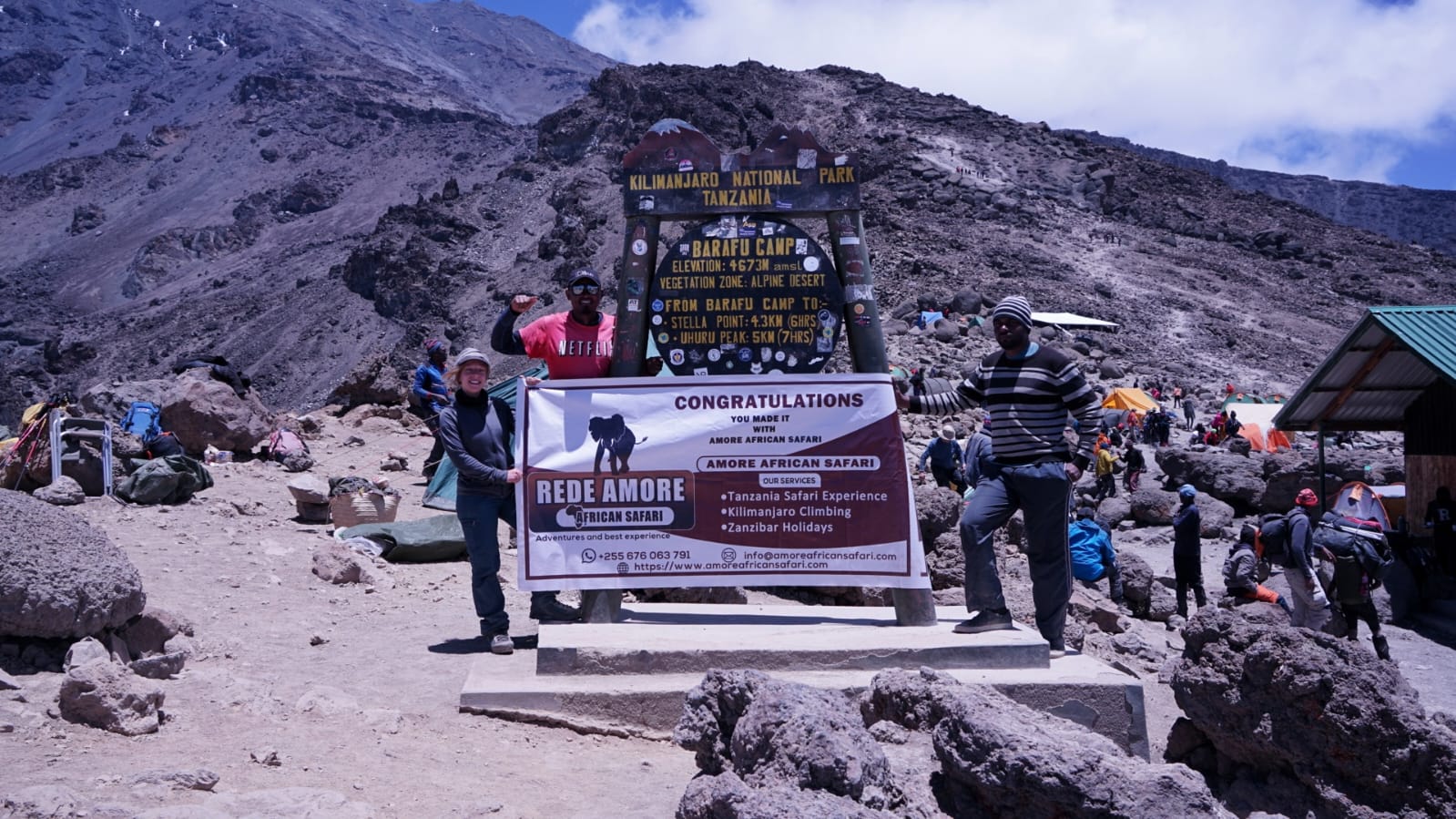
The easiest Kilimanjaro route is the one that matches your comfort level, fitness, and goals. Marangu offers simplicity and comfort, while Machame offers better acclimatization and higher success rates.
With preparation, patience, and experienced guides, beginners from around the world reach the summit every year. Standing on the Roof of Africa is not just a dream — it is an achievable goal.
Ready to Climb Kilimanjaro?
Standing on the summit of Kilimanjaro is a once-in-a-lifetime achievement, and the right team makes all the difference. Our experienced local guides, quality equipment, and carefully planned itineraries help beginners climb safely and successfully.
We offer:
- Expert mountain guides and full support crew
- Comfortable routes for beginners
- Flexible itineraries from Moshi or Arusha
- Safari and beach extensions after your climb
Contact us today to start planning your Kilimanjaro adventure and take your first step toward the Roof of Africa.