What Do I Need to Climb Mount Kilimanjaro?
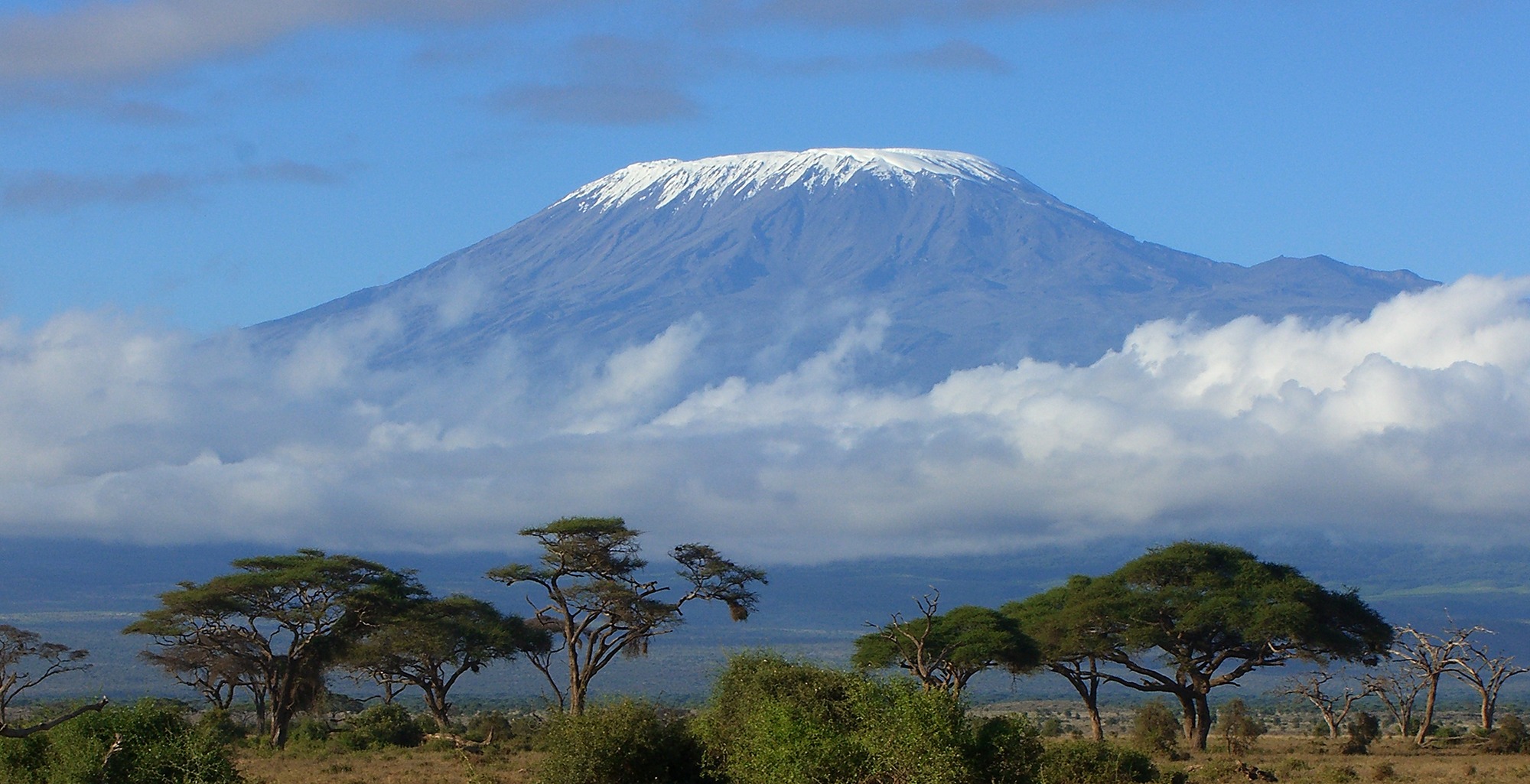
Climbing Mount Kilimanjaro is a life-changing adventure and one of the most exciting challenges in Africa. Standing on the highest peak on the continent is a dream for many travelers, but reaching the summit depends on good preparation, not luck.
Many people believe they need technical climbing skills, ropes or mountaineering experience. In reality, Kilimanjaro is a trekking mountain, not a technical climb. You do not need to know how to climb rocks or ice. What you truly need is proper planning, the right equipment, reasonable fitness, enough time on the mountain, and a strong mindset.
Because Kilimanjaro passes through different climate zones from warm rainforest to freezing alpine conditions, you must be ready for changing weather, long walking days, and high altitude. Understanding what to expect helps you stay safe, comfortable, and confident during the climb.
This guide explains everything you need to climb Mount Kilimanjaro, step by step, in simple language. It covers fitness, gear, guides, routes, mental preparation, and practical tips to help you prepare well and increase your chances of reaching the summit successfully.
1. Physical Fitness and Health
Climbing Mount Kilimanjaro is physically demanding, but you do not need to be a professional athlete. What matters most is being in good health, having endurance, and being able to handle long walks at altitude. Being physically prepared will make your climb safer, more comfortable, and much more enjoyable. You should be able to:
- In good general health – Make sure you do not have serious heart, lung, or other medical conditions that could be worsened by high altitude. A medical check-up before your trip is recommended.
- Able to walk for several hours a day – Each day on the mountain can involve 4–10 hours of walking on trails, sometimes on uneven or steep terrain. Being able to walk comfortably for long periods is important.
- Comfortable hiking uphill and downhill – The routes are not just flat trails. You will encounter hills, rocky paths, and steps, so your legs and knees should be used to climbing and descending.
How to Prepare Physically
Preparing your body ahead of time can significantly improve your experience and reduce the risk of injury or exhaustion.
- Walk or hike regularly – Go on daily walks or weekend hikes to build stamina. Gradually increase distance and difficulty.
- Train with a backpack – Practice walking with a backpack that weighs 5–10 kg (10–22 lbs) to simulate carrying water, snacks, and clothing.
- Do stair climbing and cardio exercises – Use stairs, treadmills, or hills to strengthen your legs and improve your cardiovascular fitness. Running, cycling, or swimming also helps build endurance.
- Practice long walks – Try to do at least one long walk per week that lasts 3–5 hours. This helps your body get used to prolonged physical activity similar to climbing Kilimanjaro.
Why Physical Fitness Matters
Good fitness:
- Helps prevent fatigue and injury
- Makes it easier to handle long summit days
- Reduces the risk of altitude sickness because your body adjusts better to physical stress
- Improves your confidence and enjoyment during the climb
2. Time and the Right Route
Planning enough time on Kilimanjaro and choosing the right route is one of the most important parts of a successful climb. The mountain is very high, and moving too quickly can increase the risk of altitude sickness. Proper planning helps you acclimatize, enjoy the scenery, and improve your chances of reaching the summit safely.
Enough Days on the Mountain
Time is very important on Kilimanjaro because the body needs to adjust to the high altitude gradually.Most climbers find that 7–9 days on the mountain is the ideal balance between enough time to acclimatize and completing the climb comfortably. If you are a beginner, choosing a longer route is highly recommended.
- Longer routes allow better acclimatization – When you spend more days on the mountain, your body has time to adapt to lower oxygen levels. This reduces the risk of altitude sickness and makes the climb safer.
- More days increase summit success – Climbers who take 7–9 days on the mountain have a higher chance of reaching the summit compared to those who attempt shorter climbs. Rushing the ascent can make you tired, sick, or force you to turn back.
Most climbers find that 7–9 days on the mountain is the ideal balance between enough time to acclimatize and completing the climb comfortably. If you are a beginner, choosing a longer route is highly recommended.
Choosing the Right Route
Kilimanjaro has several routes, each with different scenery, length, and difficulty. Some routes are better for first-time climbers:
- Lemosho Route – Known for its beautiful scenery and good acclimatization profile. It is longer and less crowded than other routes.
- Machame Route – Popular among beginners and experienced climbers alike. It offers varied landscapes and a high summit success rate.
- Northern Circuit Route – The longest route on Kilimanjaro. It provides excellent acclimatization and allows you to see the mountain from different angles.
Shorter routes, like the Marangu or Umbwe routes, are more challenging because they give less time for your body to adjust to the altitude. Climbers on short routes often feel more tired, and the risk of altitude sickness is higher.
Choosing the right route based on your fitness, experience, and available days is key to having a safe and enjoyable climb. Longer routes may take more time, but they are worth it for a better chance to reach the summit.
3. Professional Guides and Support Team
Climbing Mount Kilimanjaro is not a solo adventure. You cannot safely climb the mountain alone. A professional support team is essential for safety, comfort, and success. Every climber should be accompanied by trained staff who know the mountain, the weather, and how to handle emergencies.
Licensed Mountain Guide
Your guide is your most important support on Kilimanjaro.A good guide can make the difference between a successful climb and turning back.
- Expert knowledge – Guides know the routes, the terrain, and how to adjust the pace for your ability. They can choose the safest path in difficult conditions.
- Health monitoring – Guides check your condition every day, watching for signs of altitude sickness or fatigue. They decide if you should rest, descend, or continue.
- Safety and advice – Guides are trained in first aid and emergency procedures. They lead the team, give instructions, and make sure everyone follows safety rules.
Porters to Carry Equipment
Porters are a critical part of the team, and tipping them at the end of the climb is customary to show appreciation. Porters carry most of your luggage, including:
- Sleeping bag and mat
- Extra clothing and gear
- Food and supplies for the group
Why porters are important:
- They reduce the weight you carry so you can walk more comfortably.
- They set up tents and help at camps, allowing you to rest and enjoy the climb.
- They are trained to work safely on the mountain, even in tough conditions.
Porters are a critical part of the team, and tipping them at the end of the climb is customary to show appreciation.
Cook to Prepare Meals
A skilled cook can make a long, tiring climb more comfortable and enjoyable. The cook ensures you are well-fed and energized throughout the climb.
- Nutritious meals – The cook prepares meals that provide energy for long walking days. Breakfast, lunch, and dinner are balanced and filling.
- Hot drinks and snacks – Warm tea, coffee, and snacks help keep you warm and fueled.
- Clean and safe food – Proper food handling prevents illness on the mountain.
A skilled cook can make a long, tiring climb more comfortable and enjoyable.
How the Team Supports You?
The team allows you to focus on walking, acclimatizing, and enjoying the journey while they handle the rest. Having a professional support team is one of the key reasons Kilimanjaro is accessible to beginners and experienced climbers alike. The guide, porters, and cook work together to:
- Check your health daily
- Carry and set up equipment
- Prepare meals and water
- Maintain safety during the climb
4. Proper Clothing and Gear
Essential Clothing You Need
- Waterproof jacket and pants
- Warm insulated jacket
- Thermal base layers
- Hiking trousers
- Fleece or warm mid-layer
Footwear You Need
- Waterproof hiking boots
- Comfortable and well broken-in
- Warm socks (several pairs)
Accessories You Need
- Warm gloves
- Warm hat and sun hat
- Sunglasses
- Headlamp with extra batteries
5. Sleeping Equipment
Sleeping well on Kilimanjaro is very important because your body needs rest to recover each day and adjust to high altitude. Cold nights and long days of trekking can be exhausting, so having the right sleeping equipment makes a big difference in comfort, warmth, and overall safety.
Warm Sleeping Bag (Suitable for Cold Temperatures)
Choose a sleeping bag that can handle temperatures as low as -10°C (14°F) or lower, especially for summit night. Down sleeping bags are lightweight and very warm, while synthetic bags handle damp conditions better. Make sure it fits you well and allows you to move, but is snug enough to retain heat. You can also use a liner inside the sleeping bag for extra warmth and to keep it clean. A warm sleeping bag is essential for preventing cold-related discomfort or health issues like hypothermia.
Sleeping Mat (Often Provided by Operators)
A sleeping mat prevents heat loss from the cold ground and makes sleeping more comfortable. Mats provide cushioning, which is important for getting a restful sleep after long hiking days. Foam mats are durable and lightweight, while inflatable mats offer more comfort and insulation but can be slightly heavier. Most tour operators provide sleeping mats, but it is a good idea to confirm in advance. Using a good sleeping mat along with your sleeping bag ensures better sleep quality, which is critical for physical recovery and coping with altitude.
Why Proper Sleeping Equipment Matters?
Proper sleeping equipment helps your body recover from long trekking days. It keeps you warm and prevents cold-related health problems, improves overall energy for walking and acclimatization, and makes the mountain experience more enjoyable and less stressful. Proper sleeping gear is not optional; it is one of the most important items for a safe and comfortable Kilimanjaro climb.
6. Personal Items and Toiletries
Bringing the right personal items and toiletries is important to stay clean, comfortable, and healthy during your climb. Pack light, but do not forget essential items.
Sunscreen and Lip Balm
The sun is very strong on Kilimanjaro, especially at higher altitudes. Sunscreen protects your skin from sunburn, while lip balm prevents dry and cracked lips. Choose products with high SPF and apply them regularly throughout the day.
Wet Wipes
Wet wipes are useful for cleaning your hands, face, and body when showers are not available. They help you stay fresh during multi-day treks and are especially helpful at higher camps where water is limited.
Hand Sanitizer
Hand sanitizer keeps your hands clean before eating and after using the bathroom. It helps prevent sickness and keeps you healthy on the mountain.
Personal Medication
Bring any prescription medicine you need, plus basic medications for headaches, upset stomach, or altitude sickness prevention if recommended by your doctor. Having your medication on hand ensures you can manage small health issues quickly.
Small Towel
A small, quick-drying towel is useful for washing up, drying your hands or face, and keeping clean. Lightweight towels save space and are easy to carry in your daypack.
Why These Items Matter?
Packing the right personal items keeps you comfortable, healthy, and ready for the physical demands of Kilimanjaro. Even small items like lip balm or wet wipes can make a big difference during the climb.
7. Daypack and Luggage
Proper daypack and luggage preparation is important for comfort, convenience, and safety on Kilimanjaro. You will carry a small daypack during the day while your main bag is carried by porters.
Water
Carry enough water in your daypack to stay hydrated throughout the day. Drinking regularly is essential to prevent dehydration, especially at high altitude. Use a reusable bottle or hydration bladder for easy access.
Snacks
Bring energy-rich snacks such as nuts, energy bars, or chocolate. Snacks provide fuel during long trekking hours and help maintain your strength and stamina.
Camera
Keep your camera or phone handy to capture the incredible scenery along the way. Make sure it is protected from cold and moisture.
Extra Clothing
Carry an extra layer of clothing for warmth or rain protection. Weather on Kilimanjaro can change quickly, so having a jacket or fleece in your daypack ensures you stay comfortable.
Use a Soft Duffel Bag
Your main luggage is carried by porters. Use a soft duffel bag, which is easier to transport and fits better in tents and vehicles. Avoid hard suitcases that are heavy or cumbersome.
Keep Weight Within Limits
Do not overload your main bag. Most operators have a weight limit (usually 15–20 kg / 33–44 lbs) for porter bags. Keeping weight within limits makes it easier for porters to carry safely and ensures your gear is well-organized.
Why Proper Daypack and Luggage Matter?
Organizing your daypack and main luggage correctly keeps you comfortable, ensures you have what you need at the right time, and makes the climb safer for both you and the porters.
8. Food and Water
Proper nutrition and hydration are essential for energy, strength, and altitude adaptation during your Kilimanjaro climb.
Meals on the Mountain
Hot Meals
Your cook prepares hot meals to keep you warm and energized. Warm food is comforting after long trekking days and helps maintain body temperature at higher altitudes.
Energy-Rich Food
Meals include foods high in carbohydrates, proteins, and healthy fats. Energy-rich meals provide fuel for long walking hours and help your muscles recover.
Snacks
Snacks like nuts, bars, and chocolate are available throughout the day. Eating snacks between meals helps maintain steady energy levels and prevents fatigue.
Eating Well Helps with Strength and AltitudeConsuming nutritious meals and snacks supports your body’s ability to handle physical activity and the effects of high altitude. Good nutrition is key to summit success.
Drinking Water
You Must Drink a Lot of Water
Staying hydrated is critical to prevent dehydration and help your body adjust to high altitude.
At Least 3 Liters Per Day
Climbers should aim to drink a minimum of 3 liters of water daily, more if the weather is hot or the trek is strenuous.
Water Is Purified by the Team
The trekking team ensures that drinking water is safe by purifying it. This prevents illness and ensures you stay healthy on the mountain.
Staying Hydrated Is Very Important
Proper hydration improves physical performance, reduces the risk of altitude sickness, and helps your body recover. Drinking water regularly is one of the most important aspects of a safe climb.
9. Altitude Awareness and Acclimatization
Climbing Mount Kilimanjaro involves reaching high altitudes where oxygen levels are lower. Understanding how altitude affects your body is critical for safety and success. Proper acclimatization helps prevent altitude sickness and ensures a more comfortable climb.
Walk Slowly (“Pole Pole”)
Take your time and walk slowly, following the Swahili phrase “pole pole,” which means “slowly, slowly.” Moving at a steady, gentle pace allows your body to adjust to lower oxygen levels and reduces fatigue.
Report Any Symptoms to Your Guide
If you experience headaches, nausea, dizziness, or shortness of breath, tell your guide immediately. Guides are trained to recognize early signs of altitude sickness and can provide advice or act to keep you safe.
Rest When Needed
Take breaks whenever you feel tired. Resting allows your body to recover and continue adjusting to the altitude. Do not push yourself too hard, especially on higher sections of the mountain.
Listening to Your Body Is Essential
Pay attention to how your body feels. Proper acclimatization requires patience, self-awareness, and following the guidance of your professional support team. Listening to your body increases your chances of safely reaching the summit.
10. Travel Documents and Permits
Climbing Kilimanjaro requires proper documentation to ensure a smooth and legal trip. Having the right documents in order helps avoid delays and problems before and during your climb.
Valid Passport
You must carry a valid passport for entry into Tanzania. Make sure it is up to date and will not expire soon after your trip. The passport is required for visa application and park registration.
Tanzanian Visa
Most travelers need a Tanzanian visa to enter the country. Visas can usually be obtained online (e-visa) or on arrival at the airport. Check the current requirements for your nationality before traveling.
Travel Insurance That Covers High Altitude Trekking
Travel insurance is essential for covering medical emergencies, evacuation, or altitude-related health issues. Ensure your insurance explicitly covers trekking at high altitudes.
Park Permits Are Arranged by Your Tour Operator
Your tour operator typically arranges the necessary Kilimanjaro National Park permits. These permits are required to enter the park and climb legally. Confirm that your operator handles this paperwork before departure.
11. Mental Preparation
Climbing Mount Kilimanjaro is not just a physical challenge, it is also a mental one. A strong mindset helps you stay motivated, overcome difficulties, and reach the summit safely.
Be Patient
Climbing takes time, and rushing can increase fatigue and altitude sickness risk. Patience allows you to move at a steady pace, acclimatize properly, and enjoy the journey.
Stay Positive
Maintaining a positive attitude helps you handle tough moments on the mountain. Encouragement, self-motivation, and focusing on small achievements keep your spirits high.
Accept Slow Progress
The climb is long and demanding. Understand that progress may feel slow at times, especially at higher altitudes. Accepting a slower pace improves safety and reduces stress.
Be Ready for Discomfort
Expect challenges such as cold, tiredness, and muscle soreness. Mentally preparing for discomfort makes it easier to endure and continue without frustration.
A Strong Mindset Helps You Reach the SummitCombining patience, positivity, acceptance, and resilience gives you the best chance of success. Mental preparation is as important as physical training for a safe and enjoyable Kilimanjaro climb.
12. Safety Equipment and Support
Safety on Kilimanjaro is very important. Using a reputable operator ensures you have the necessary equipment and support to handle emergencies and climb safely.
First Aid Kits
Good operators provide well-stocked first aid kits for treating minor injuries, headaches, or altitude sickness. Having immediate access to medical supplies helps prevent small problems from becoming serious.
Oxygen
Some operators carry portable oxygen for emergencies. Oxygen can be crucial if a climber experiences severe altitude sickness or difficulty breathing at high elevations.
Emergency Evacuation Plans
Professional operators have clear plans for evacuating climbers in case of illness, injury, or dangerous conditions. Knowing there is a plan in place increases safety and peace of mind during the climb.
Always Choose a Reputable and Experienced CompanySelecting an experienced operator ensures the availability of trained staff, proper equipment, and safe procedures. A trustworthy company increases your chances of a successful and safe summit.
Best Time of Year to Climb Kilimanjaro
Knowing the best time to climb Kilimanjaro helps you plan your trip, pack appropriately, and enjoy the climb safely. Weather conditions vary throughout the year, and choosing the right season affects both your comfort and your experience on the mountain.
Dry Seasons Offer Clearer Views and Drier Trails
The dry seasons are ideal for climbing because the trails are less muddy and easier to walk. You are more likely to have clear skies, which makes the scenery more visible and photography better.
Rainy Seasons Are Quieter but Wetter
During the rainy seasons, there are fewer climbers on the mountain, which means more solitude and a peaceful experience. However, the trails can be slippery and muddy, so it requires extra caution and waterproof gear.
Popular Climbing Periods: January to March and June to October
These months are the most popular because they coincide with the dry seasons. Many tour operators schedule trips during these periods, ensuring better logistics and support on the mountain.
Each Season Has Advantages Kilimanjaro can be climbed year-round, and each season offers unique experiences. Dry seasons provide easier walking conditions, while rainy seasons provide a quieter, more serene climb. Knowing the season helps you prepare your gear and expectations for the trip.
Budget and Costs to Prepare For
Planning a realistic budget is important for a stress-free and well-organized Kilimanjaro climb. Knowing what costs to expect helps you avoid surprises and ensures you can focus on enjoying the experience.
Park Fees
These are mandatory fees charged by Kilimanjaro National Park for access to the mountain. They cover conservation efforts, park staff, and trail maintenance. Park fees are a significant part of the total cost and must be included in your budget.
Guide and Porter Support
Climbing with a licensed guide and support team is required for safety. Costs cover their salaries, training, and insurance. Having professional support ensures your climb is safe and enjoyable.
Accommodation on the Mountain
Most routes provide camping or huts along the trail. Costs cover tent setup, sleeping mats, and sometimes meals at base camps. Good accommodation keeps you comfortable during your multi-day climb.
Meals and Safety Equipment
Your cook provides meals and snacks throughout the climb. Safety equipment, such as first aid kits and oxygen, may also be included. These costs ensure you stay nourished and safe on the mountain.
Gear Rental
Some climbers rent gear like sleeping bags, trekking poles, or jackets instead of buying them. Renting can reduce luggage weight and overall cost but should be planned in advance.
Tips for Guides and Porters
Tipping is customary and rewards the team for their hard work. Budgeting for tips shows respect and appreciation for their support.
Travel Insurance
Travel insurance that covers high-altitude trekking is essential. It protects you in case of illness, injury, or emergencies.
Why Budgeting Matters?
Good financial preparation ensures you have everything you need for a safe and comfortable climb. It reduces stress, helps plan logistics, and allows you to focus on the adventure rather than worrying about unexpected expenses.
Training Time Needed Before the Climb
Proper training is essential to prepare your body and mind for the long days of hiking on Kilimanjaro. Starting early helps improve endurance, strength, and overall comfort on the mountain.
Begin Training 2–3 Months Before the Climb
Start your training program at least 2–3 months in advance. This gives your body enough time to adapt to increased physical activity and reduces the risk of injury. Early preparation helps build stamina gradually rather than stressing your body at the last minute.
Increase Walking Distance Gradually
Gradually increase the distance and difficulty of your walks or hikes. Start with shorter walks and slowly add longer sessions over weeks. This helps your muscles, joints, and cardiovascular system adapt to prolonged activity.
Practice Hiking on Hills
Include hills, stairs, or uneven terrain in your training. Climbing and descending hills prepares your legs and lungs for the uphill and downhill sections on the mountain. It also helps improve balance and reduces fatigue during steep sections of the climb.
Why Training Helps
Training helps your body and mind handle long days on the mountain. It increases endurance, strengthens muscles, improves balance, and boosts confidence. Well-prepared climbers feel less tired, enjoy the trek more, and have a higher chance of successfully reaching the summit.
Renting vs Buying Gear
Deciding whether to rent or buy gear for Kilimanjaro can affect comfort, convenience, and cost. Knowing what to rent and what to buy helps you travel lighter while ensuring you have what you need for a safe climb.
Some Gear Can Be Rented Locally
Many items like sleeping bags, trekking poles, or jackets can be rented from local operators near Kilimanjaro. Renting reduces luggage weight, saves money, and is convenient if you do not plan to climb frequently.
Buying Key Items Like Boots Is Better
Certain items, especially footwear, are better to buy yourself. Well-fitted, broken-in hiking boots ensure comfort and prevent blisters or injuries. Personal items like clothing and thermal layers are also best purchased for proper fit and hygiene.
Why Renting and Buying Matter?
Renting reduces luggage weight and cost, but personal comfort items should be your own. Choosing wisely between renting and buying ensures you are prepared, comfortable, and able to enjoy your Kilimanjaro experience safely.
Group Size and Climbing Style
The size of your climbing group and the style of your trek can have a big impact on your comfort, pace, and overall experience on Kilimanjaro. Choosing the right option helps you climb safely and enjoy the journey.
•In a Private Group
A private group is organized just for you and your companions. This allows you to move at your own pace, have personalized attention from guides, and enjoy a more flexible schedule. Private groups often provide a more intimate and comfortable experience.
•In a Small Shared Group
Small shared groups include other climbers who booked the same trip. These groups are usually limited in size to maintain safety and comfort. Sharing the trek with a few others can also create camaraderie and a supportive environment on the mountain.
Smaller Groups Often Move at a Steady Pace
Smaller groups can adjust their speed according to the climbers’ abilities. This ensures everyone has time to acclimatize properly and reduces fatigue.
Smaller Groups Get More Attention from Guides
In small groups, guides can monitor each climber more closely, provide tips, and respond quickly if someone experiences altitude sickness or discomfort.
Smaller Groups Feel Safer and More Comfortable
Fewer people on the trail means less crowding, shorter waits at camps, and easier coordination. Climbers often feel more secure and relaxed, which improves the overall experience.
Communication on the Mountain
Communication on Kilimanjaro is limited due to its remote location and high altitude. It is important to understand how to stay in touch and rely on your support team during the climb.
Signal Is Sometimes Available at Higher Camps
Mobile phone signal is inconsistent and may only be available at certain higher camps. Even when there is signal, it may be weak, slow, or unreliable. Do not count on being able to call or text whenever you want.
Do Not Rely on Phone Access
Because signal is limited, do not depend on your phone for navigation, safety, or emergencies. Prepare for limited connectivity and plan accordingly, such as informing family or friends ahead of your itinerary.
Your Guide Team Handles Communication and Emergencies
Your professional guide team is responsible for maintaining communication with park authorities, arranging emergency evacuation if needed, and coordinating any necessary assistance. Trusting your guides ensures your safety even when personal phone access is unavailable.
Climbing Mount Kilimanjaro is not only a physical challenge but also an opportunity to respect the mountain, the environment, and the people who live and work there. Being responsible ensures the mountain remains beautiful and safe for future climbers.
Follow Park Rules
Kilimanjaro National Park has strict rules to protect the environment and climbers’ safety. Follow trail markers, camping regulations, and park guidelines to preserve the natural habitat and avoid fines or problems during your trek.
Avoid Littering
Do not leave trash on the trails or at campsites. Carry out everything you bring in, including wrappers, bottles, and other waste. Littering harms wildlife, pollutes the environment, and makes the climb less enjoyable for everyone.
Respect Guides and Porters
Guides and porters work hard to support your climb. Treat them with respect, follow their instructions, and appreciate their efforts. A positive attitude helps create a safe and enjoyable experience for everyone on the mountain.
Why Responsible Travel Matters?
Responsible travel helps protect Kilimanjaro for future climbers and ensures a sustainable environment. Respecting the park, the people, and the wildlife preserves the natural beauty of the mountain and promotes a safe, enjoyable climb.
After the Climb: Recovery and Health
After reaching the summit and descending, your body needs time to recover from the physical and altitude challenges. Proper recovery ensures you regain energy, stay healthy, and avoid complications after the climb.
Rest for a Few Days
Give your body time to relax and recover. Avoid strenuous activity immediately after the climb. Resting helps your muscles recover from long days of trekking and supports overall healing.
Drink Plenty of Water
Hydration is essential even after the climb. Continue drinking enough water to replace fluids lost during trekking and to help your body recover from altitude-related dehydration.
Eat Well
Eating nutritious meals helps replenish energy and repair muscles. Focus on balanced meals with proteins, carbohydrates, and vegetables to aid recovery.
Feeling Tired for Several Days Is Normal
It is common to feel fatigued for a few days after descending. Your body is adjusting after long days of physical activity and high-altitude exposure. Light activity and rest will gradually restore your strength.
•Climbing Mount Kilimanjaro does not require technical climbing skills, but it does require good preparation. With the right fitness, equipment, guide team, and attitude, Kilimanjaro is achievable for many people.
If you prepare well, walk slowly, and listen to your guide, you give yourself the best chance of a safe and successful summit.