What are the Best Kilimanjaro Routes for Beginners?
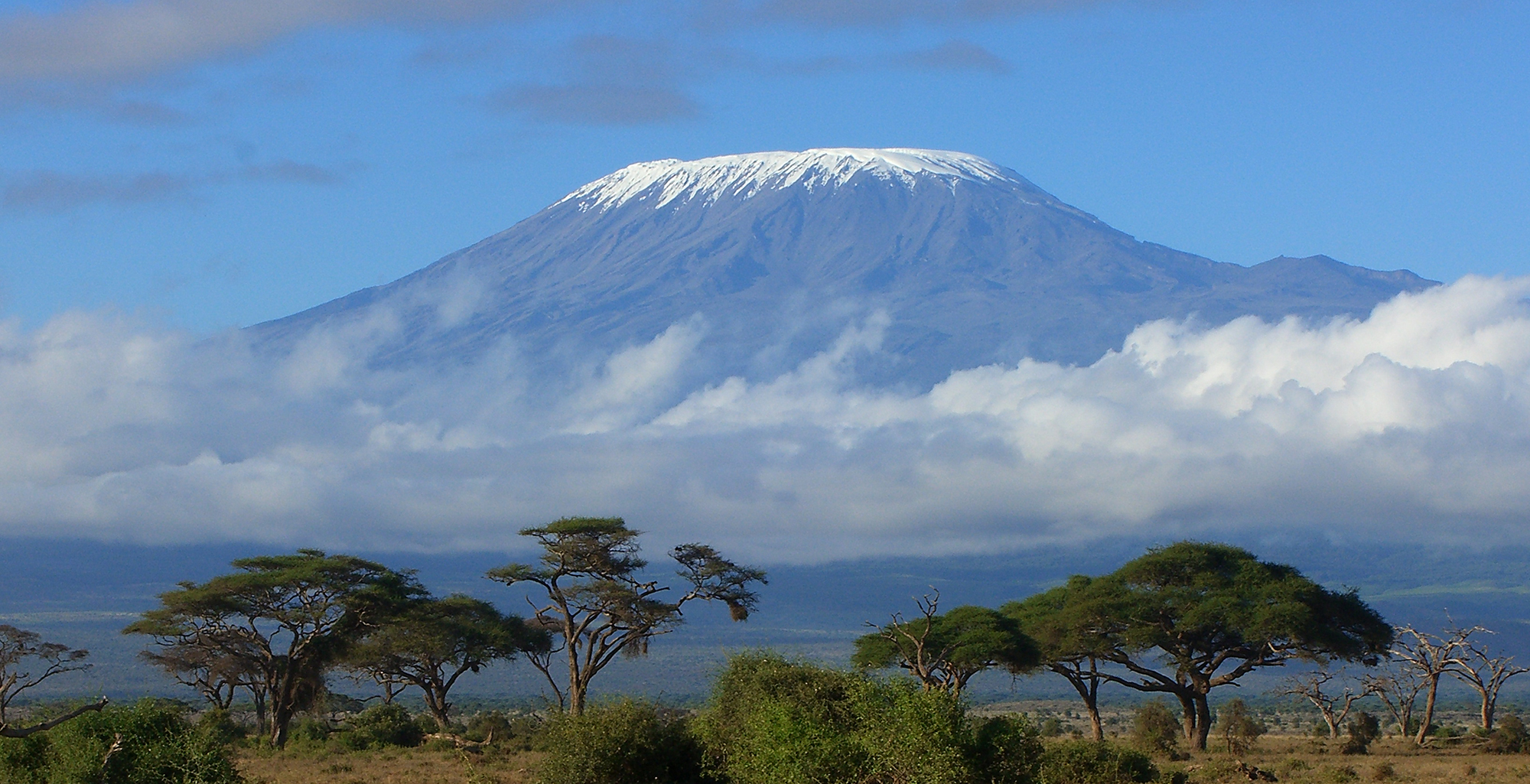
The best routes are the Lemosho Route and the Machame Route because they give you more time to adjust to the altitude and increase your chances of reaching the summit. Climbing Mount Kilimanjaro as a beginner is absolutely possible. The key is choosing the right route and taking enough time to adjust to the altitude.
If you want the easiest and most beginner-friendly experience, go for the Lemosho Route or the Machame Route (7 days). These routes give you the best chance to enjoy the journey and reach the summit successfully. Remember, Kilimanjaro is not a race, it’s a personal journey. Take it slow, enjoy every step, and you’ll have an unforgettable adventure.
1. Machame Route
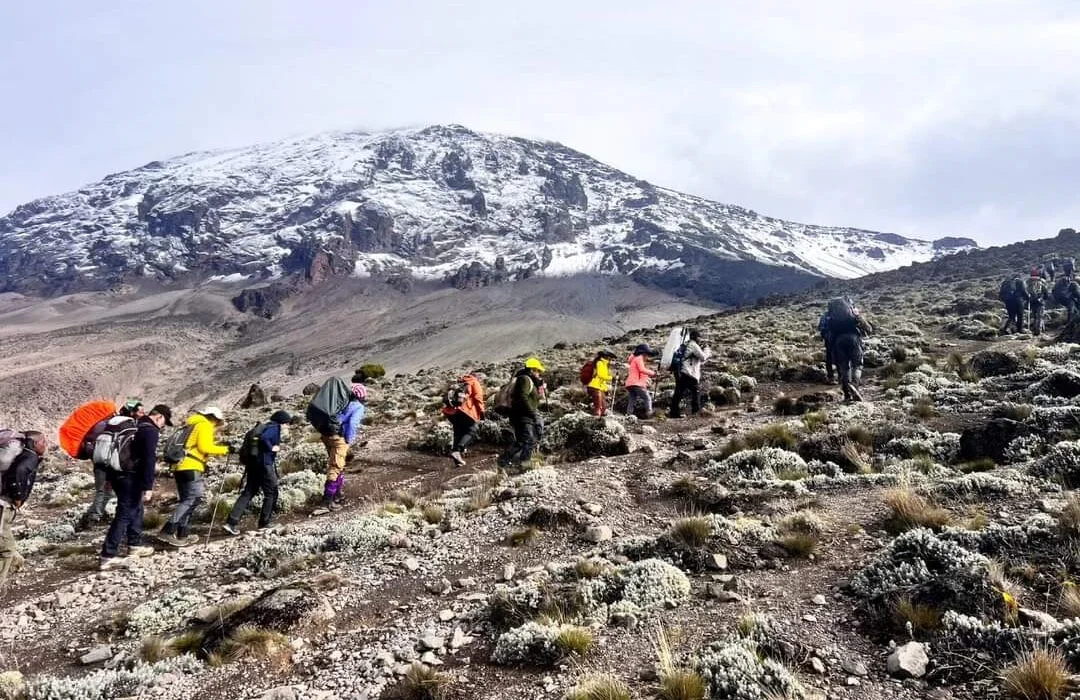
The Machame Route is one of the most popular routes on Kilimanjaro, and for good reason. It offers a perfect balance between challenge and acclimatization, making it a great choice for beginners who are reasonably fit and ready for an adventure. It is often called the “Whiskey Route,” which means it is a bit more challenging than the easier routes, but still very achievable.
Why It’s Good for Beginners:
The Machame Route typically takes 6 to 7 days, which gives your body enough time to adjust to the altitude. One of its biggest advantages is the “climb high, sleep low” strategy, where you hike to a higher altitude during the day and then descend slightly to sleep. This method is very effective for acclimatization. The route also offers incredible scenery, starting with lush rainforest, then moving to moorland, and finally to alpine desert and rocky landscapes near the summit. Each day feels different and exciting.
Difficulty Level:
The difficulty level is moderate, meaning it is suitable for beginners with basic fitness. There are some steeper sections and longer trekking days, but they are manageable if you keep a slow pace. The key is to listen to your guide and not rush.
Success Rate:
The success rate is high, especially on the 7-day itinerary. The extra day allows for better acclimatization, which greatly improves your chances of reaching the summit successfully.
Things to Consider:
The Machame Route is very popular, so it can be crowded, especially during peak seasons. You may share campsites with many other climbers. It is also slightly steeper than routes like Lemosho, so you should be prepared for a bit of a challenge. However, the reward is a very scenic and rewarding climb.
2. Lemosho Route
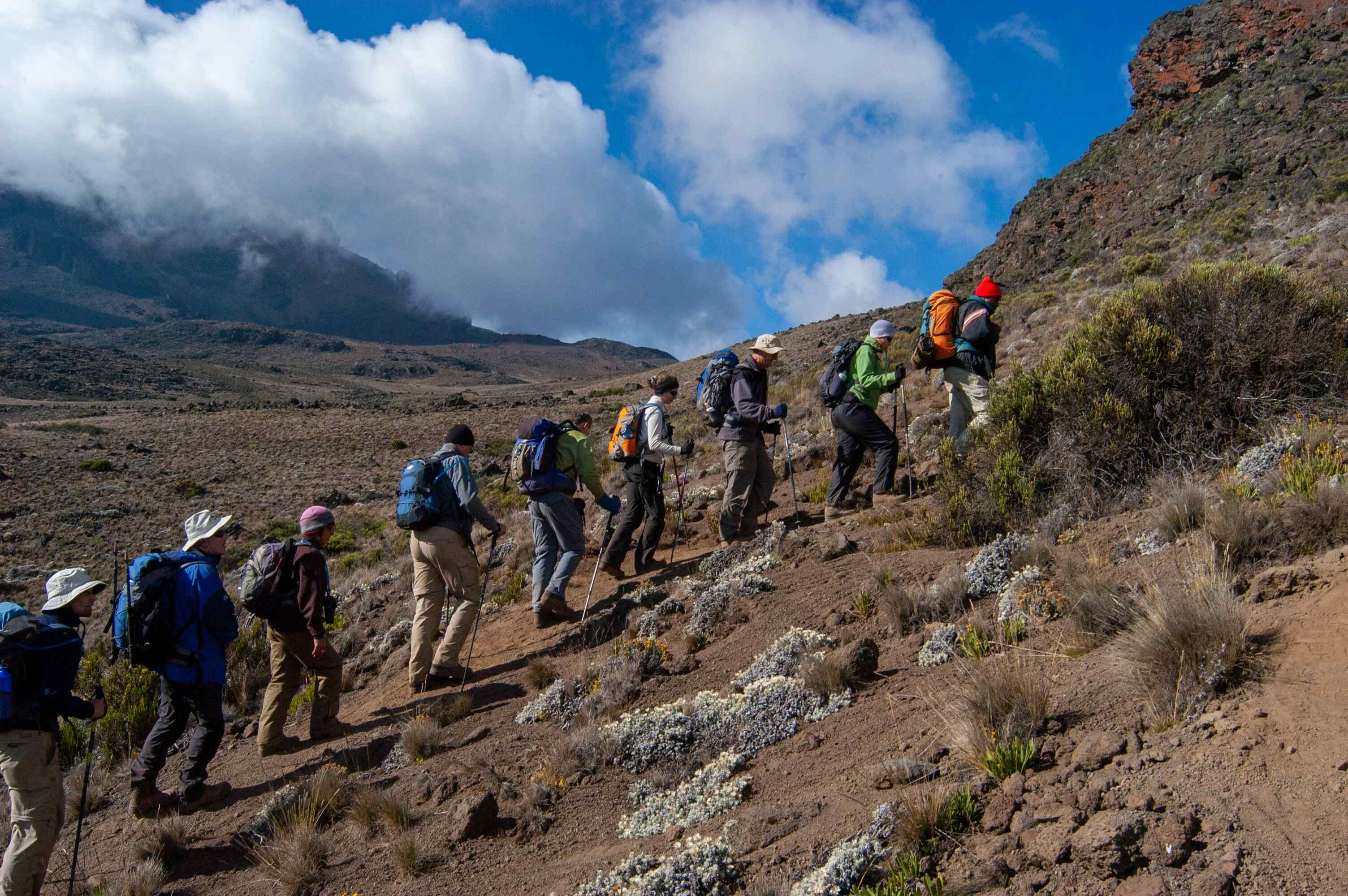
The Lemosho Route is widely considered the best route for beginners because it offers the highest success rate and one of the most beautiful experiences on the mountain. It is a longer route, which makes it easier for your body to adjust to the altitude.
Why It’s Great:
The Lemosho Route usually takes 7 to 8 days, giving you plenty of time to acclimatize properly. The slow pace makes the climb feel easier and more relaxed. The route starts on the western side of the mountain, where there are fewer climbers, allowing you to enjoy a quiet and peaceful beginning. As you progress, you join the Machame Route, combining great acclimatization with stunning scenery. You will experience a wide variety of landscapes, from forests to open plains and rocky high-altitude areas.
Difficulty Level:
The difficulty level is moderate, but many climbers feel it is easier because of the longer duration and gradual ascent. The extra days give your body more time to rest and adjust, making the climb more comfortable.
Success Rate:
The success rate is very high, especially on the 8-day version. This makes it one of the safest and most reliable choices for beginners who want to reach the summit.
Things to Consider:
The main disadvantage is the higher cost due to the longer duration. However, the improved comfort, better acclimatization, and higher success rate make it a worthwhile investment for many climbers.
What Makes a Route Good for Beginners?
Not all Kilimanjaro routes are the same, and choosing the right one is one of the most important decisions you will make. Some routes are short and steep, which makes them more physically demanding and increases the risk of altitude sickness. Other routes are longer and more gradual, allowing your body to adjust slowly and making the experience more comfortable. For beginners, the goal is not just to reach the summit, but to enjoy the journey and stay safe along the way.
1. Good Acclimatization
Good acclimatization is the most important factor for success on Kilimanjaro. As you climb higher, the oxygen level in the air decreases, and your body needs time to adapt. Routes that include more days give your body the chance to adjust step by step. This reduces symptoms like headaches, nausea, and fatigue. Proper acclimatization not only increases your chances of reaching the summit but also makes the entire experience more enjoyable and less stressful.
2. Gradual Climb
A gradual climb allows you to move at a steady and comfortable pace without overexerting yourself. Instead of rushing uphill, you follow a slow rhythm that helps conserve energy. This is especially important on summit day, which is the most challenging part of the climb. A gentle slope also reduces strain on your muscles and joints, making the trek easier for beginners.
3. Higher Success Rate
Routes with higher success rates are usually those that allow better acclimatization and pacing. These routes are designed to give climbers enough time to adapt and rest properly. As a beginner, choosing a route with a high success rate gives you confidence and increases your chances of achieving your goal. It also reduces the risk of turning back before reaching the summit.
4. Comfortable Experience
Comfort plays a big role in your overall experience on the mountain. Some routes are less crowded, giving you more space and a peaceful environment. Others offer better camping conditions or hut accommodations. Being comfortable means you can sleep better, recover faster, and enjoy the stunning landscapes around you. A comfortable climb is often a more successful climb.
Routes Beginners Should Avoid
Some Kilimanjaro routes are not suitable for beginners because they are too steep, too fast, or too physically demanding. Choosing these routes without experience can increase the risk of altitude sickness and reduce your chances of reaching the summit.
The Umbwe Route is known for its steep and direct ascent, which makes it one of the most difficult routes on the mountain. It offers very little time for acclimatization, making it risky for beginners. The Northern Circuit, while beautiful, can be very long and demanding, especially for those who are not prepared for extended trekking days. Short 5-day itineraries on any route should also be avoided because they do not allow enough time for your body to adjust to the altitude.
How to Choose the Right Route?
Choosing the right route depends on your goals, budget, fitness level, and the type of experience you want. Taking time to think about these factors will help you make the best decision and enjoy your climb.
•Choose Lemosho if:
You should choose the Lemosho Route if your main goal is to reach the summit successfully while enjoying a comfortable and scenic journey. It is ideal for those who prefer a slower pace and higher success rates.
•Choose Machame if:
The Machame Route is perfect if you want a more adventurous experience with stunning scenery. It is a great option for beginners who are ready for a moderate challenge.
Tips for Beginners Climbing Kilimanjaro
Climbing Kilimanjaro is a life-changing experience, but preparation is key. With the right approach, beginners can enjoy a safe and successful journey.
1. Take More Days
Taking more days on the mountain allows your body to adjust to the altitude properly. A longer itinerary improves your chances of reaching the summit and makes the climb more comfortable.
2. Go Slowly
Moving slowly helps conserve energy and allows your body to adapt. Following the “pole pole” pace set by your guide is one of the most important factors for success.
3. Stay Hydrated
Drinking enough water helps your body function properly and reduces the effects of altitude. Proper hydration is essential for maintaining energy and avoiding sickness.
4. Choose a Good Tour Operator
A professional tour operator provides experienced guides, proper equipment, and safety support. This greatly improves your overall experience and success rate.
5. Train Before You Go
Basic fitness training helps prepare your body for the climb. Activities like walking, hiking, and cardio exercises improve endurance and confidence.
Best Time for Beginners to Climb
January to March
These months are quieter and slightly cooler, making them a great choice for beginners who prefer a more peaceful and less crowded experience. The cooler temperatures can also make trekking more comfortable, especially during the day.
June to October
This is the most popular climbing season because of the dry weather and clear skies. The trails are in better condition, and visibility is excellent, which makes the experience more enjoyable and safer for beginners.
Altitude Sickness on Kilimanjaro
Altitude sickness is one of the biggest challenges when climbing Mount Kilimanjaro. It happens when your body does not get enough oxygen at high altitude.
Common symptoms include headache, nausea, dizziness, and tiredness. This is why choosing longer routes like Lemosho or Machame is very important.
How to reduce risk:
- Walk slowly and follow “pole pole” (slowly)
- Drink plenty of water every day
- Do not rush the climb
- Take rest days seriously
- Listen to your guide
Packing List for Beginners
Packing the right gear makes your climb safer and more comfortable.
Essential items:
- Warm sleeping bag (very important)
- Waterproof jacket and pants
- Hiking boots (already broken in)
- Warm layers (fleece, thermal wear)
- Gloves, hat, and scarf
- Headlamp for summit night
- Sunscreen and sunglasses
- Reusable water bottles or hydration pack
What to Expect Each Day on the Mountain?
Day 1–2: Rainforest

• Warm and humid
On the first two days, you will walk through a warm and humid rainforest. The air feels fresh but slightly wet, and you may sweat easily as your body starts adjusting to the climb. This is your gentle introduction to the mountain, so the pace is slow and comfortable.
• Dense forest and wildlife sounds
You will be surrounded by tall green trees, thick plants, and natural beauty everywhere. You may hear birds singing, insects buzzing, and sometimes monkeys jumping in the trees. It feels like walking inside a living jungle full of energy and life, making your first days very exciting.
Day 3–4: Moorland
.jpg)
• Cooler temperatures
As you climb higher, the air becomes cooler and more refreshing. You will start to feel the altitude more clearly, especially in the morning and evening. This is when your body begins serious adaptation to the mountain.
• Open landscapes with unique plants
The forest slowly disappears, and you will see wide open land with strange and beautiful plants like giant groundsels and lobelias. The views become bigger and more dramatic, giving you amazing photo moments and a real sense of climbing a high mountain.
Day 5–6: Alpine desert

• Very cold at night
At this stage, nights become very cold, and temperatures can drop below freezing. You will feel the difference strongly, so warm clothing becomes very important. The cold air also makes the mornings crisp and sharp.
• Rocky and dry terrain
The landscape becomes dry, rocky, and almost like a desert on a mountain. There are very few plants, and the ground is full of stones and volcanic rocks. Walking here feels more challenging, but the views of the mountain are wide, open, and truly powerful.
Day 7: Summit day
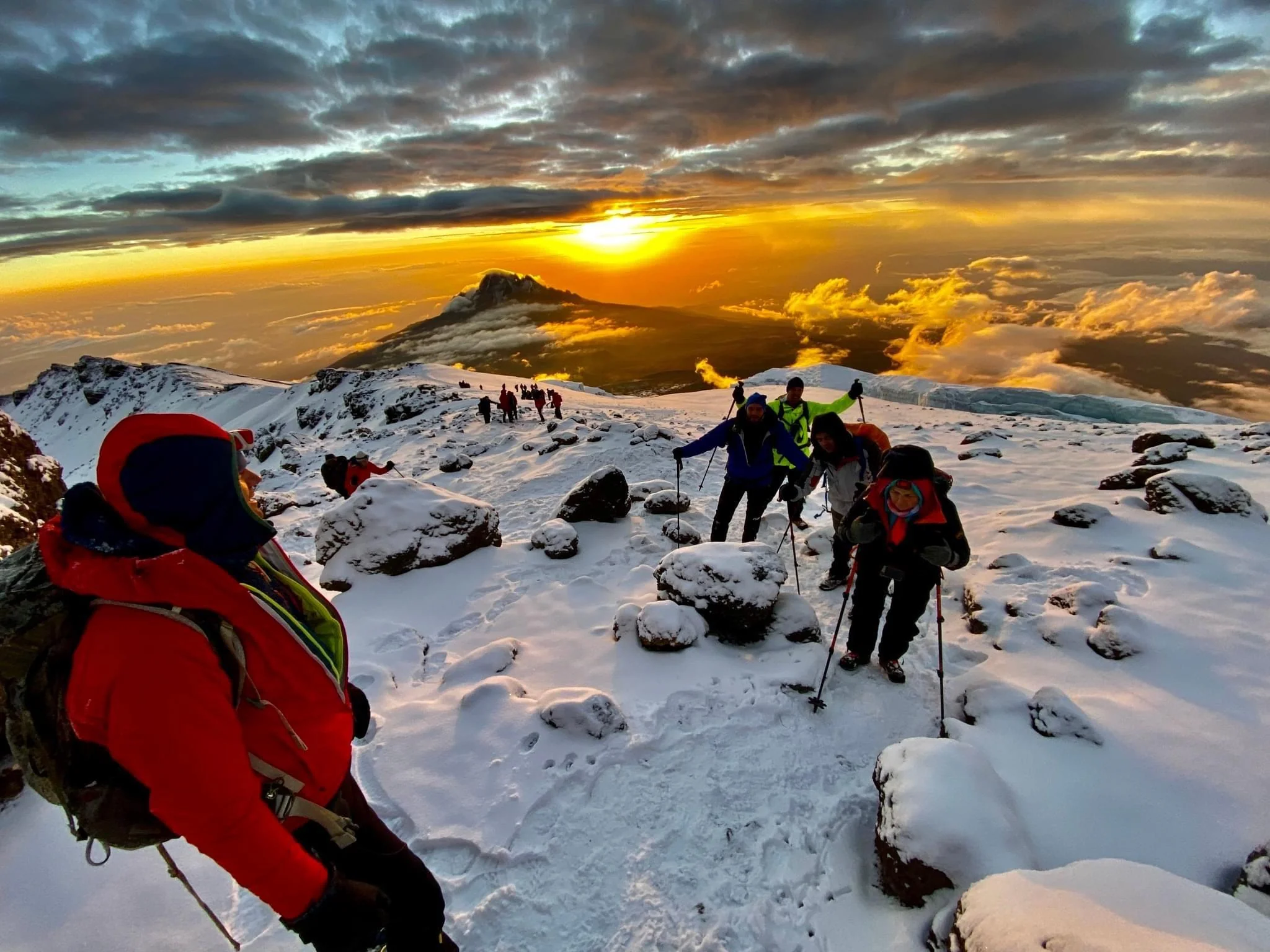
• Starts at midnight
The final push to the summit begins around midnight. You will wake up in the cold and start hiking in complete darkness using your headlamp. It feels quiet, calm, and very focused as everyone moves slowly toward the top.
• Extremely cold and dark
This is the coldest and toughest part of the climb. The wind can be strong, and the temperature is freezing. Every step feels heavy, but your guide will encourage you and keep you moving with short breaks.
• Long and challenging climb to the top
The path to the summit is steep, slow, and mentally demanding. You may feel tired, but every step brings you closer to your dream. When you finally reach the top of Mount Kilimanjaro, you will feel proud, emotional, and completely rewarded for your effort.
Summit Night Experience
Summit night is the hardest part of the climb, but also the most rewarding. You will start hiking around midnight in cold and dark conditions. The goal is to reach the summit early in the morning to see the sunrise. It is slow, steep, and tiring, but your guide will support you step by step. Reaching the top of Kilimanjaro is a powerful and emotional moment that makes all the effort worth it.
Common Mistakes Beginners Should Avoid?
Avoid these:
- Climbing too fast
- Not drinking enough water
- Choosing short 5-day routes
- Underestimating cold weather
- Carrying too much unnecessary gear
- Ignoring guide instructions
Fitness Level Needed
Recommended preparation:
- Regular walking or hiking (2–3 months before)
- Cardio exercises like running or cycling
- Practice climbing stairs or hills
- Carry a light backpack during training
Cost Factors for Beginners
The cost of climbing depends on several things:
- Number of days on the mountain
- Route you choose (Lemosho is usually more expensive)
- Quality of tour operator
- Included services (food, guides, porters, equipment)
FAQ: Kilimanjaro Routes for Beginners
Is Kilimanjaro safe for beginners?
Yes, Kilimanjaro is safe for beginners if you prepare well, choose a suitable route, and climb with experienced guides. The mountain does not require technical climbing skills, but altitude is a serious factor, so following safety guidelines is very important.
What is the easiest route on Kilimanjaro?
The Lemosho Route is considered the easiest because of its longer duration and gradual ascent, which allows better acclimatization and increases success rates.
How many days do beginners need?
Beginners should plan for at least 7 to 8 days to allow proper acclimatization and improve their chances of reaching the summit safely.
Do I need climbing experience?
No, climbing experience is not required. Kilimanjaro is a trekking mountain, so basic fitness, determination, and guidance from experienced professionals are enough to help you succeed.
⇒Climbing Mount Kilimanjaro may seem like a big challenge, but for beginners, it is very possible with the right preparation and the right route. The most important thing is to choose a route that gives you enough time to adjust to the altitude, move at a slow and steady pace, and enjoy the journey step by step.
In the end, reaching the summit is not just about strength, but patience, mindset and good planning. If you take your time, listen to your guide, and stay positive, you can achieve your goal. Your Kilimanjaro climb will not only be an adventure, but also a proud moment you will remember for the rest of your life.