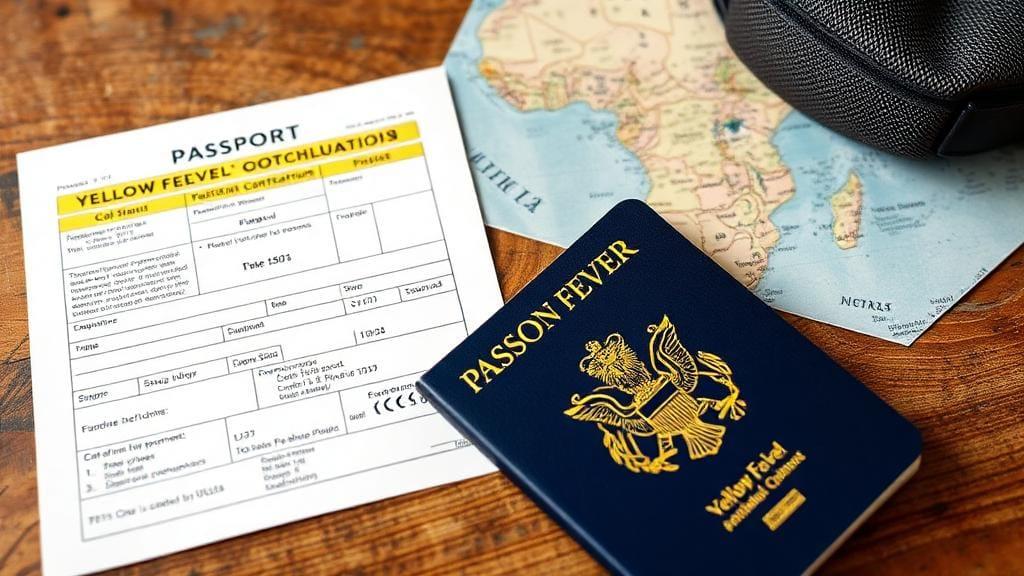
Vaccination Required to Enter Tanzania
Everything you need to know about Tanzania vaccination requirements for 2026–2027
Planning a trip to Tanzania? One of the most common questions travelers ask is, "Do I need vaccinations to enter Tanzania?" The answer depends on where you are traveling from, your recent travel history, and your personal health.
The good news is that most travelers do not need mandatory vaccinations to enter Tanzania. However, some vaccines are strongly recommended to protect your health during your trip, and one vaccine, the Yellow Fever vaccine may be required in certain situations.
This guide explains everything you need to know before traveling to Tanzania, including required vaccines, recommended immunizations, malaria prevention, and health tips to help you enjoy a safe and memorable adventure.
Do You Need Vaccinations to Enter Tanzania?
For most international visitors, no mandatory vaccinations are required to enter Tanzania if they are arriving directly from countries that are not considered at risk for Yellow Fever transmission. This means that many travelers from North America, Europe, Asia, and Oceania can enter Tanzania without presenting proof of vaccination, provided they meet all other immigration requirements.
However, Tanzania requires proof of Yellow Fever vaccination for some travelers. You may need to present a valid Yellow Fever vaccination certificate if you are arriving from a country where Yellow Fever is present, have recently visited a Yellow Fever endemic country before traveling to Tanzania, or have spent more than 12 hours in transit through a Yellow Fever risk country, depending on your travel itinerary and the current health regulations.
If these conditions apply to you, immigration or health officials may ask to see your International Certificate of Vaccination or Prophylaxis (ICVP), commonly known as the Yellow Card. Carrying this document with your passport will help ensure a smooth arrival and avoid unnecessary delays at the airport.
Yellow Fever Vaccination Requirements
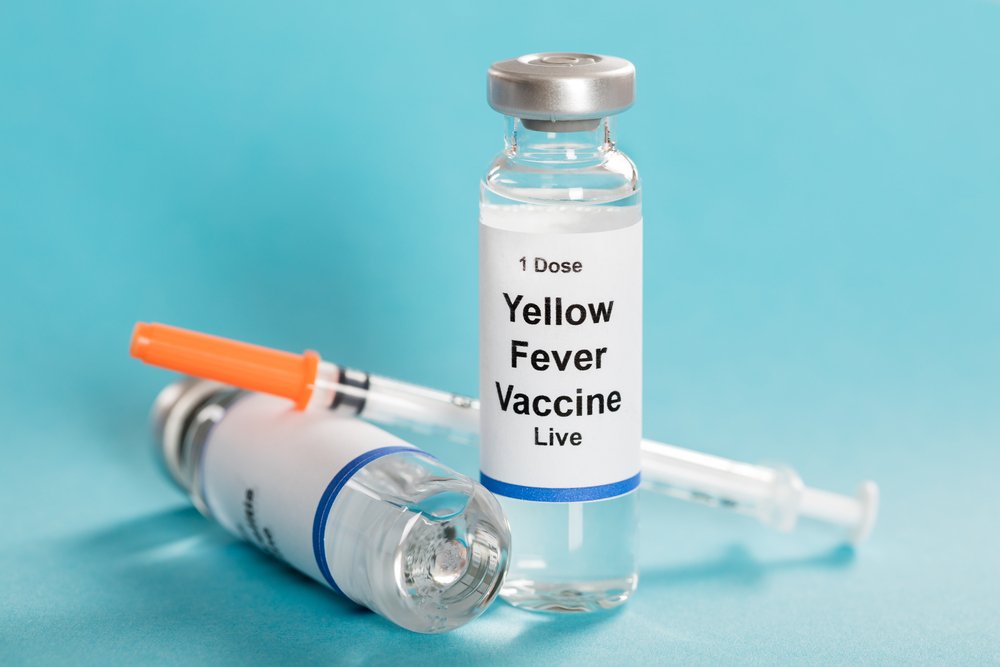
Yellow Fever is the only vaccine that Tanzania may require for entry, and this requirement applies only under specific travel circumstances. The purpose of the regulation is to prevent the introduction and spread of Yellow Fever into the country. If your travel history includes a Yellow Fever risk country, you should receive the vaccine before your trip and carry your valid vaccination certificate with you.
You will usually need proof of Yellow Fever vaccination if you are traveling from countries where Yellow Fever transmission occurs. These include parts of Uganda, Kenya (depending on your travel itinerary), Ethiopia, Ghana, Nigeria, Cameroon, the Democratic Republic of Congo, Angola, Brazil, Colombia, Peru, and several other countries in Africa and South America where the disease is present. If you have recently visited any of these countries before arriving in Tanzania, the vaccination requirement may apply even if your journey began elsewhere.
Travelers Arriving From Non-Risk Countries
If you are flying directly to Tanzania from countries such as the United States, Canada, the United Kingdom, Australia, New Zealand, Germany, France, the Netherlands, India, Japan, or Singapore, you generally do not need a Yellow Fever vaccination certificate. This exemption applies as long as you have not recently traveled through or spent significant time in a country where Yellow Fever transmission is a risk. Before you travel, it is always advisable to check the latest entry requirements, as health regulations may change over time.
Recommended Vaccinations for Tanzania
Although most vaccinations are not required for immigration, several are recommended by travel health professionals to help protect you during your trip. The right vaccines depend on your travel plans, activities, length of stay, and overall health. Before traveling to Tanzania, it is a good idea to discuss the following recommended vaccines with your healthcare provider:
- Hepatitis A
- Hepatitis B
- Typhoid
- Tetanus, Diphtheria and Pertussis (Tdap)
- Measles, Mumps and Rubella (MMR)
- Polio
- Rabies (for travelers at higher risk)
Hepatitis A
The Hepatitis A vaccine is one of the most important and widely recommended vaccinations for anyone traveling to Tanzania. Hepatitis A is spread through contaminated food and water, and infection can occur even when eating at reputable restaurants or staying in quality hotels. Because the risk exists throughout the country, healthcare providers generally recommend this vaccine for almost all travelers visiting Tanzania.
Hepatitis B
The Hepatitis B vaccine is recommended for travelers who may have a higher chance of exposure to blood or body fluids during their trip. This includes people planning a long stay, volunteering, working in Tanzania, receiving medical treatment, or spending extended time with local communities. Even if your visit is short, your doctor may recommend this vaccine depending on your travel plans and medical history.
Typhoid
Typhoid vaccination is recommended because the disease can spread through contaminated food and drinking water. It is especially important if you plan to visit rural areas, eat meals from local markets or street food vendors, stay in Tanzania for an extended period, or travel beyond the main tourist destinations. While many hotels and safari lodges maintain high food safety standards, vaccination provides additional protection throughout your journey.
Tetanus, Diphtheria and Pertussis (Tdap)
Before traveling to Tanzania, make sure your routine vaccinations are up to date, including protection against tetanus, diphtheria, and pertussis (whooping cough). Adults are generally advised to receive a tetanus booster every 10 years. Since minor cuts and injuries can happen during outdoor activities such as hiking, safaris, or climbing Mount Kilimanjaro, staying current with this vaccine is an important part of travel preparation.
Measles, Mumps and Rubella (MMR)
Travelers should ensure they have received the recommended Measles, Mumps, and Rubella (MMR) vaccinations before visiting Tanzania. Measles outbreaks still occur in different parts of the world, making it important to have full protection before international travel. If you are unsure about your vaccination history, consult your healthcare provider before your trip.
Polio
Most travelers who completed their routine childhood immunizations are already protected against polio. However, some travelers, particularly those planning to stay in Tanzania for an extended period or who may have increased exposure, may be advised by their healthcare provider to receive a one-time adult polio booster before departure.
Rabies
Rabies vaccination is not necessary for most tourists visiting Tanzania, but it may be recommended for travelers who plan to stay for a long time, work with animals, visit remote villages, go camping for extended periods, or enjoy activities such as cycling or hiking in isolated areas where medical care may not be readily available. For the average safari visitor staying in lodges and traveling with a guided tour, a rabies vaccine is generally not required, although avoiding contact with wild and stray animals is always recommended
Is COVID-19 Vaccination Required?
Currently, a COVID-19 vaccination is generally not required to enter Tanzania. Most travelers can visit without providing proof of COVID-19 vaccination. However, international travel requirements can change, so it is always a good idea to check the latest entry regulations before your departure.
Even if Tanzania does not require a COVID-19 vaccination, your airline may have its own health or travel policies that you must follow. Some airlines may request additional travel documents or health information depending on your route and destination.
If your journey includes a stop in another country before arriving in Tanzania, remember that transit countries may have different entry or transit requirements. Always review the rules for every country on your itinerary to avoid unexpected delays or travel disruptions.
Before you travel, check the latest information from your airline, your country's travel advisory, and Tanzanian immigration authorities to ensure you have the most up-to-date health and entry requirements.
Do You Need a Malaria Vaccination?
There is currently no approved malaria vaccine that is routinely required for international travelers visiting Tanzania. Instead of vaccination, healthcare providers focus on preventing malaria through medication and mosquito bite protection, as malaria remains present in many parts of the country, including popular safari destinations and coastal areas.
Doctors commonly recommend taking prescription antimalarial tablets before, during, and after your trip, depending on the type of medication prescribed. The most suitable option will depend on your health, travel itinerary, and length of stay, so it is important to consult your healthcare provider before departure.
Protecting yourself from mosquito bites is another essential part of malaria prevention. Wearing long-sleeved clothing in the evenings, applying insect repellent containing DEET or picaridin, and staying in accommodations with screened rooms or air conditioning can significantly reduce your risk.
Many safari lodges and hotels in Tanzania also provide mosquito nets over beds, especially in areas where mosquitoes are common. Sleeping under these treated mosquito nets offers additional protection and is strongly recommended throughout your stay.
Malaria Prevention Tips
Malaria is present in many parts of Tanzania, including popular safari destinations such as the Serengeti, Ngorongoro Crater, Tarangire National Park, and the coastal areas, including Zanzibar. Although the risk should not stop you from visiting Tanzania, taking a few simple precautions can greatly reduce your chances of getting sick.
One of the best ways to protect yourself is to take the malaria medication prescribed by your healthcare provider. Different medications are available, and your doctor will recommend the most suitable option based on your health and travel plans. Be sure to take the medication exactly as instructed before, during, and after your trip.
Mosquitoes that carry malaria are most active between sunset and sunrise. Wearing lightweight long-sleeved shirts, long trousers, and socks in the evening can help reduce mosquito bites while still keeping you comfortable in Tanzania's warm climate.
Using an effective insect repellent containing DEET or picaridin is another important step in malaria prevention. Apply the repellent to exposed skin and follow the instructions on the product label, especially if you spend time outdoors during the evening.
Whenever possible, sleep under a mosquito net, particularly in areas where mosquitoes are common. Many safari lodges, tented camps, and hotels in Tanzania provide treated mosquito nets over the beds, offering extra protection while you sleep.
If your room has windows or doors that open, keep them closed during the evening and at night whenever possible. Many safari accommodations also use screened windows or regularly treat rooms against insects, making your stay more comfortable and helping reduce the risk of mosquito bites.
Vaccinations for Children Traveling to Tanzania
Children can safely enjoy a family holiday in Tanzania, provided they are properly prepared before the trip. Parents should ensure that their children are up to date with all routine childhood vaccinations before traveling. These routine immunizations provide important protection against several common diseases.
In addition to routine vaccines, parents should discuss travel-specific vaccinations with their pediatrician. Depending on the child's age, travel itinerary, and activities, vaccines such as Hepatitis A, Typhoid, Yellow Fever (if required based on travel history), and Rabies in special situations may be recommended.
If your family plans to visit remote areas, spend extended time outdoors, or stay in Tanzania for a longer period, your child's doctor may recommend additional precautions. Seeking medical advice several weeks before departure allows enough time for any required vaccinations and helps ensure your child is fully prepared for a healthy and enjoyable trip.
Vaccinations for Pregnant Travelers
Pregnant women planning to visit Tanzania should consult their healthcare provider or travel medicine specialist well before departure. A medical professional can assess your health, stage of pregnancy, and travel plans to determine whether traveling is appropriate and which precautions should be taken.
Your doctor can advise you on which vaccinations are considered safe during pregnancy, recommend suitable malaria prevention medication if needed, discuss the best time to travel, and provide advice on avoiding mosquito bites and other travel-related health risks. This personalized guidance is especially important because some vaccines and medications may not be recommended during pregnancy.
With careful planning and proper medical advice, many pregnant travelers can safely visit Tanzania. However, discussing your travel plans with your healthcare provider well in advance is the best way to protect both you and your baby throughout your journey.
Health Tips Before Visiting Tanzania
Preparing for your trip to Tanzania involves more than simply getting the recommended vaccinations. Taking a few extra health precautions before you travel can help you stay healthy, avoid common travel illnesses, and enjoy your safari, Mount Kilimanjaro climb, or Zanzibar beach holiday with confidence. Most travelers have a safe and trouble-free visit, especially when they plan ahead and follow basic health advice. The following tips are recommended by travel experts and experienced safari guides to help you make the most of your adventure.
• Visit a Travel Clinic Before Departure
Schedule an appointment with a travel clinic or your healthcare provider at least 4 to 8 weeks before your departure. This allows enough time to receive any recommended vaccinations, discuss malaria prevention, review your medical history, and receive personalized health advice based on your itinerary. Even if your trip is approaching soon, it is still worthwhile to seek medical advice, as some vaccines and medications can provide protection even when started shortly before travel.
• Bring Enough Prescription Medication
If you take prescription medication regularly, bring enough to last for your entire trip, plus a few extra days in case of unexpected travel delays. Keep your medicines in their original labeled containers and pack them in your carry-on luggage rather than checked baggage. If necessary, carry a copy of your prescription or a letter from your doctor, especially if you use specialized medications or medical equipment.
• Pack a Small First-Aid Kit
A basic first-aid kit can be very useful while traveling in Tanzania, particularly if you are visiting national parks or remote areas. Consider packing adhesive bandages, antiseptic wipes, pain relievers, anti-diarrheal medication, motion sickness tablets, allergy medicine, insect bite cream, sunscreen, hand sanitizer, and any personal medical supplies you may need. Having these items readily available can help you manage minor health issues without interrupting your trip.
• Stay Hydrated Throughout Your Journey
Tanzania's warm climate, long game drives, and physically demanding activities such as climbing Mount Kilimanjaro can increase the risk of dehydration. Drink plenty of safe water throughout the day, even if you do not feel thirsty. Carry a reusable water bottle whenever possible, and remember that proper hydration can also help reduce fatigue and improve your overall comfort during your travels.
• Wash Your Hands Regularly
Good hand hygiene is one of the simplest ways to prevent illness while traveling. Wash your hands thoroughly with soap and clean water before eating, after using the restroom, and after touching frequently used surfaces. When soap and water are not available, use an alcohol-based hand sanitizer to reduce the risk of infections.
• Drink Safe Water
To avoid waterborne illnesses, drink bottled water with an unbroken seal or water that has been properly filtered, boiled, or treated. Avoid drinking untreated tap water, particularly in areas where you are unsure of the water quality. You should also use safe water when brushing your teeth if recommended by your tour guide or accommodation.
• Eat Freshly Cooked Food
Tanzania offers a wonderful variety of local and international cuisine, and enjoying freshly prepared meals is one of the highlights of visiting the country. Choose food that has been cooked thoroughly and served hot whenever possible. Wash fruits before eating or choose fruits that can be peeled, such as bananas, oranges, and mangoes. If you decide to try street food, select vendors with good hygiene practices and freshly prepared dishes.
• Purchase Comprehensive Travel Insurance
Before leaving home, purchase comprehensive travel insurance that covers medical expenses, emergency medical evacuation, trip cancellations, lost luggage, and other unexpected events. Medical evacuation coverage is particularly important if you plan to visit remote safari areas or climb Mount Kilimanjaro, where specialized transportation may be needed in the event of a medical emergency. Having the right insurance gives you peace of mind and allows you to focus on enjoying your Tanzania adventure.
Are Vaccinations Different for Safari and Zanzibar?

The vaccination recommendations are generally the same regardless of where you plan to travel in Tanzania. Whether your itinerary includes Serengeti National Park, Ngorongoro Crater, Tarangire National Park, Lake Manyara National Park, Mount Kilimanjaro, or the beautiful beaches of Zanzibar, you should follow the same general travel health advice. Your healthcare provider will recommend vaccinations based on your overall travel plans, personal health, and any countries you have visited before arriving in Tanzania.
If you are planning a wildlife safari in Tanzania's national parks, the recommended vaccinations remain the same as for other parts of the country. Most safari travelers spend their time in well-managed lodges and camps, but protecting yourself against mosquito bites and following basic food and water safety practices are still important for staying healthy during your adventure.
Travelers visiting Zanzibar should also follow the standard vaccination recommendations for Tanzania. However, because Zanzibar has a warm, tropical climate with higher humidity, mosquitoes are more common throughout the year. Wearing long sleeves in the evening, using insect repellent, and sleeping under mosquito nets where provided are especially important to reduce the risk of mosquito-borne diseases and make your stay more comfortable.
Vaccinations for Mount Kilimanjaro Climbers
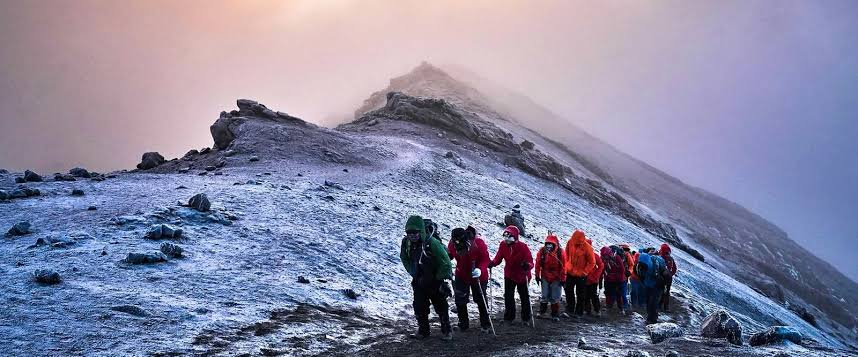
There are no additional vaccination requirements specifically for climbing Mount Kilimanjaro beyond Tanzania's normal entry requirements. The same recommended travel vaccinations apply whether you are climbing Africa's highest mountain or enjoying a wildlife safari elsewhere in the country.
Although no special vaccines are needed, preparing your body for the climb is just as important as your travel health preparations. Building your fitness through regular walking, hiking, and endurance exercises before your trip will help you cope better with the physical demands of climbing Kilimanjaro and increase your chances of reaching the summit successfully.
Staying well hydrated before and during the climb is essential because dehydration can make altitude-related symptoms worse. Drinking plenty of water throughout the trek helps your body adjust to the changing altitude and supports your overall energy levels.
Eating balanced and nutritious meals before and during your climb is also important. A healthy diet provides the energy needed for several days of trekking and helps your body recover after long hiking days. Most Kilimanjaro trekking companies provide nutritious meals designed to support climbers throughout the expedition.
If you have any underlying medical conditions such as heart disease, asthma, or high blood pressure, speak with your healthcare provider before booking your climb. Your doctor can advise whether high-altitude trekking is suitable for you and recommend any additional precautions or medications you may need.
Finally, always carry your personal medications in your daypack rather than in your main duffel bag. This ensures that essential medicines remain easily accessible throughout the climb, even if your luggage is being carried separately by porters.
When Should You Get Vaccinated?
It is best to schedule a travel health appointment 4 to 8 weeks before your departure to Tanzania. This gives your healthcare provider enough time to review your travel plans, recommend any necessary vaccinations or medications, and answer any questions you may have about staying healthy during your trip.
Getting vaccinated several weeks before you travel allows your body enough time to develop immunity. Some vaccines also require more than one dose or need time before they provide maximum protection, so planning ahead helps ensure you are fully protected before you arrive in Tanzania.
If your departure date is approaching quickly, do not assume it is too late to seek medical advice. Many travel vaccines can still provide valuable protection even when administered shortly before travel, and your healthcare provider can recommend the best options based on your remaining time before departure. Even a last-minute consultation can help you prepare for a safer and healthier journey.
Can You Enter Tanzania Without Vaccinations?
Yes. Most travelers can enter Tanzania without mandatory vaccinations as long as they meet the country's entry requirements. There is no general requirement for visitors to be vaccinated against diseases such as Hepatitis A, Typhoid, or COVID-19 before entering the country. However, travel health experts strongly recommend several vaccinations to protect you from illnesses that may be encountered during your visit. Speaking with your healthcare provider before your trip will help you determine which vaccines are appropriate based on your health, travel itinerary, and planned activities.
Which Vaccine Is Most Important for Tanzania?
If your travel route requires it, the Yellow Fever vaccine is the most important vaccination because it may be needed for entry into Tanzania. However, for your personal health, the Hepatitis A vaccine is one of the most commonly recommended immunizations for travelers since the disease can spread through contaminated food and water. Depending on your travel plans, your healthcare provider may also recommend vaccines such as Typhoid, Hepatitis B, Tetanus, or Rabies. The best vaccination plan depends on your itinerary and individual health needs.
⇒For most travelers, entering Tanzania is straightforward and does not require mandatory vaccinations. The main exception is the Yellow Fever vaccine, which may be required depending on your recent travel history or the country you are arriving from.
Even when vaccines are not required, staying up to date with recommended immunizations, taking malaria precautions, and following basic health advice can help you enjoy your trip with confidence. Before you travel, check the latest entry requirements and speak with a qualified travel health professional to make sure your preparations match your itinerary.