Top Traditional Foods to Try in Moshi, Tanzania for First-Time Visitors
Set at the foot of Mount Kilimanjaro, the town of Moshi is widely known for trekking, coffee farming, and rich cultural heritage. Yet one of its most rewarding experiences is often overlooked the local food scene.
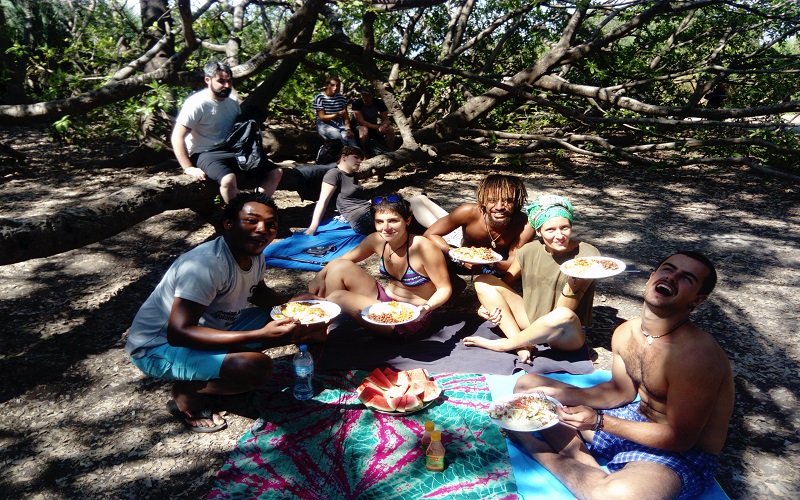
For visitors arriving in Tanzania, Moshi offers an authentic introduction to traditional cuisine shaped by farming, family traditions, and local ingredients grown on the fertile volcanic slopes. Meals here are not just about eating; they reflect hospitality, community life, and the rhythms of everyday Tanzanian living.
.JPG)
Quick Guide to Moshi Food
- Most iconic local dish: Banana stew with meat
- Budget-friendly meals available everywhere
- Strong coffee culture rooted in local farming
- Many vegetarian-friendly options
- Best experiences combine food with village visits
1. Ugali – The Foundation of Tanzanian Cuisine
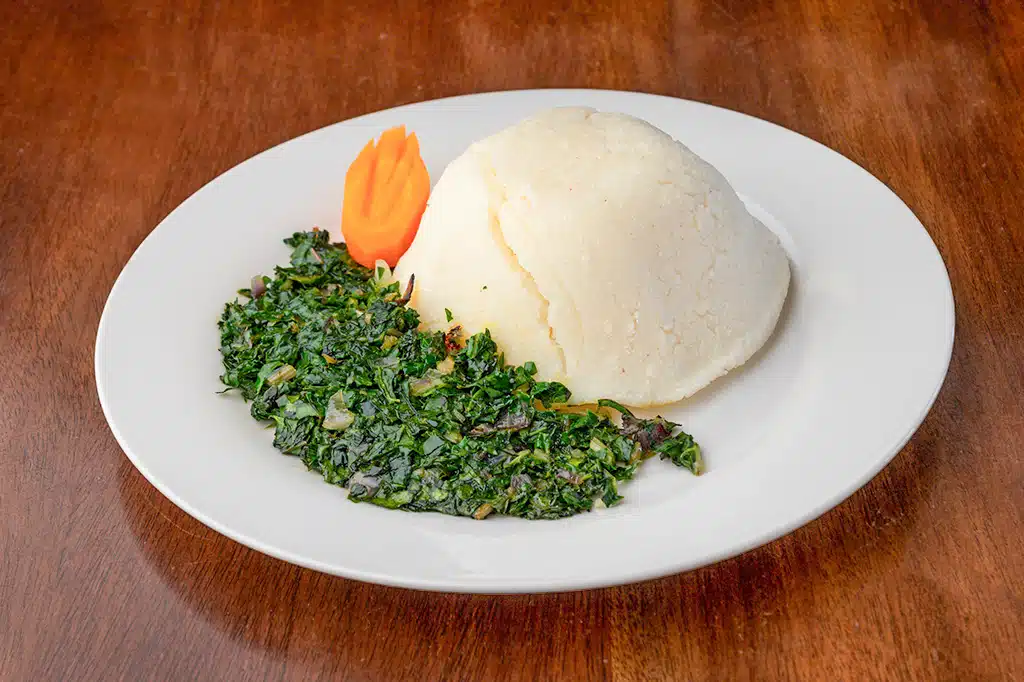
Ugali is more than just a staple it is the backbone of daily meals across the country. Made by stirring maize flour into boiling water until it becomes firm and dense, ugali is designed to be eaten with other foods rather than alone.
Its neutral taste allows it to absorb sauces from vegetables, beans, or meat stews, making it highly versatile. For locals, ugali represents comfort, strength, and nourishment. It is eaten at home, in restaurants, and during community gatherings.
Visitors often remember not only the taste but also the experience of learning how to eat it properly by hand, which reflects the social and communal nature of Tanzanian meals.
2. Ndizi Nyama – A Signature Dish of the Kilimanjaro Region
Bananas are a cornerstone of life in the Kilimanjaro region. Unlike dessert bananas, these are firm cooking bananas used in savory dishes. Ndizi nyama combines these bananas with beef simmered slowly in a tomato-based sauce with onions, garlic, and mild spices.
The result is a rich, comforting meal where the bananas absorb the flavors of the meat while adding a subtle sweetness. This dish reflects the agricultural traditions of local communities who have cultivated banana terraces on the mountain slopes for generations.
For many travelers, this is the dish that truly introduces them to the unique flavors of Moshi.
3. Mshikaki – The Social Street Food Experience
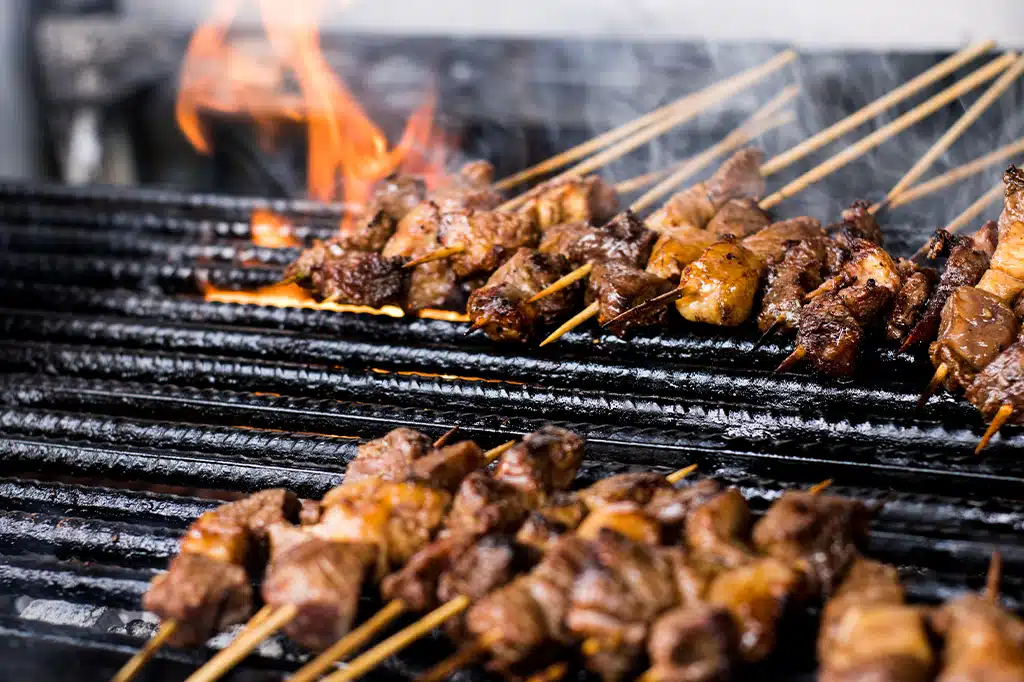
Mshikaki is Tanzania’s beloved grilled meat skewer, marinated in a mixture of spices, garlic, and citrus before being cooked over charcoal. The smoky aroma of grilling meat often fills the evening air in Moshi’s neighborhoods.
More than just food, mshikaki is part of the town’s social life. Locals gather at roadside grills to talk, laugh, and unwind after the day’s work. Eating mshikaki allows visitors to step into this lively atmosphere and experience the rhythm of local evenings.
4. Chipsi Mayai – Everyday Comfort Food
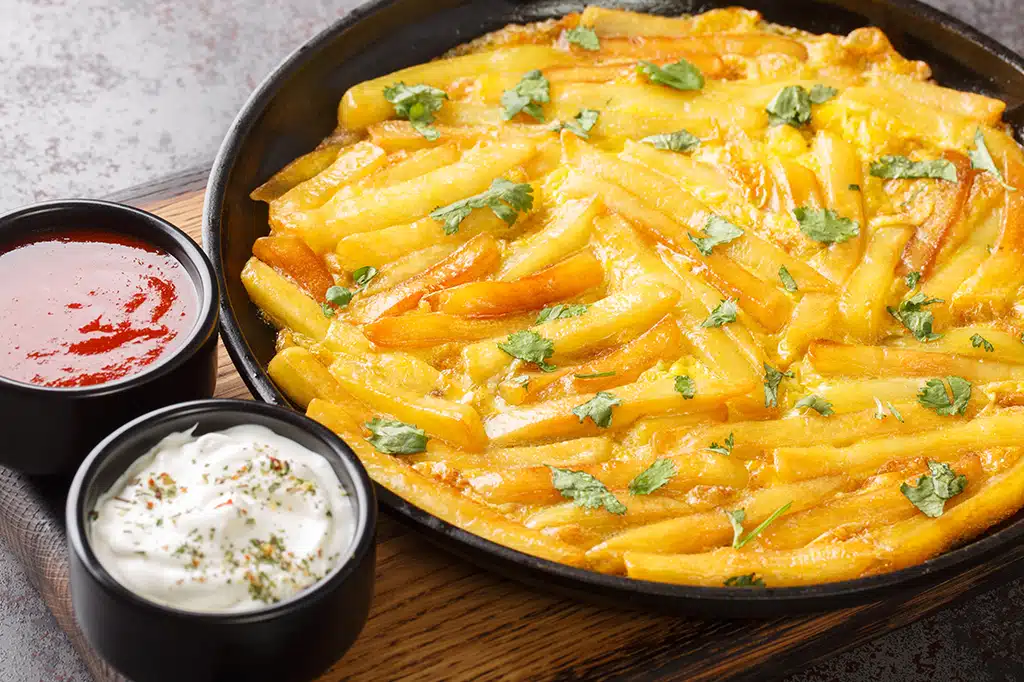
Chipsi mayai is one of the most recognizable dishes in Tanzania’s towns. It combines two simple ingredients fried potatoes and eggs cooked together into a thick omelet.
Despite its simplicity, it is deeply loved because it is filling, affordable, and available almost everywhere. Students, workers, travelers, and families all enjoy it. Often served with fresh tomato salad and chili sauce, it offers a perfect example of how Tanzanian cuisine transforms basic ingredients into satisfying meals.
5. Pilau – Celebratory Spiced Rice
Pilau is a dish often associated with celebrations, gatherings, and special occasions. Rice is cooked together with spices such as cinnamon, cardamom, cloves, and cumin, along with meat or vegetables.
The slow cooking process allows the spices to infuse deeply into the rice, creating a warm, aromatic dish that feels festive and comforting. Pilau reflects the historic trade routes of East Africa, where spices from the coast influenced inland cooking traditions.

6. Makande – Traditional Rural Comfort Food
Makande is a humble but deeply traditional dish made from maize and beans cooked slowly together. It is commonly prepared in rural homes and reflects the agricultural foundation of Tanzanian life.
The long cooking time softens the grains and blends the flavors, resulting in a nutritious meal that provides energy for farming and daily work. For visitors, makande offers insight into how simple, locally grown ingredients sustain communities.
7. Fresh Kilimanjaro Coffee – A Taste of the Mountain
Coffee farming is an essential part of Moshi’s identity. The fertile soil and cool mountain climate produce beans known for their balanced flavor and rich aroma.
Many visitors enjoy coffee not just as a drink but as an experience. Visiting a local farm allows you to see how beans are harvested, dried, roasted, and brewed using traditional methods. Sharing coffee with farmers often becomes one of the most memorable cultural moments of a trip.
.png)
Typical Food Prices in Moshi
One of the advantages of exploring local cuisine in Moshi is affordability. Travelers can enjoy authentic meals without spending much.
Street food is inexpensive and widely available, while small local restaurants offer full meals at modest prices. Even guided coffee experiences remain accessible compared to many other destinations, making Moshi ideal for budget-conscious travelers seeking genuine cultural experiences.
Where to Try Local Food
Traditional dishes can be found throughout town, from small family-run eateries to busy markets and village settings. Often, the most memorable meals are those prepared in simple kitchens where recipes have been passed down through generations.
Joining a cultural visit or coffee tour can also provide opportunities to taste home-cooked dishes in a more personal setting.
Food Safety Tips for Visitors
Most travelers enjoy local food without problems by following common-sense precautions. Drinking bottled or filtered water, eating food that is freshly cooked and served hot, and choosing places with many customers are simple ways to reduce risk.
These steps allow visitors to enjoy the cuisine confidently while focusing on the experience rather than worrying about health concerns.
Cultural Dining Tips
Meals in Tanzania are closely connected to hospitality and social life. Sharing food is common, and guests are often encouraged to eat generously as a sign of welcome.
Eating with hands, especially when enjoying ugali, is part of tradition rather than formality. Visitors who show interest in local customs are usually met with warmth and appreciation, turning meals into opportunities for genuine connection.
Our Sample Moshi Food Experience (Half Day)
Morning
- · Visit local market to see fresh produce
- · Taste seasonal fruits and snacks
Midday
- · Traditional lunch with banana stew or pilau
- · Learn how ugali is prepared
Afternoon
- · Coffee farm visit and tasting session
- · Return to town for street food snacks
This type of experience combines food, culture, and local life in one relaxed day.
Why Join a Local Food Experience
Guided food experiences help visitors move beyond restaurants into real community settings. They often include market visits, home-style cooking, coffee farms, and cultural explanations that deepen understanding of daily life in the region.
This approach transforms meals into cultural exploration rather than just dining.
Top Restaurants for Local Food in Moshi
1. Moshi Delight Restaurant
Moshi Delight is a highly rated eatery offering a mix of African, Tanzanian, and international dishes. Guests can enjoy Swahili-inspired meals such as pilau rice, mishkaki (grilled meat skewers), and fresh seafood. The lively atmosphere and friendly service make it perfect for dinner with friends or family.
Tip: Try their banana stew or Swahili curry for a true taste of Tanzania.
2. Remmy’s Restaurant
Remmy’s is ideal for casual lunch or coffee. The menu focuses on fresh, daily-prepared ingredients, offering traditional Tanzanian dishes and light meals. Its cozy and relaxed setting makes it a favorite for both locals and travelers.
Tip: Enjoy a local ugali dish with a side of vegetable or bean stew to experience authentic Tanzanian comfort food.
3. Neneu Restaurant
Neneu offers high-quality local and international cuisine with generous portions. The relaxed environment makes it perfect for a memorable meal after exploring Moshi town or nearby attractions.
Tip: Pair their pilau rice with a freshly brewed cup of local coffee for a full Kilimanjaro dining experience.
4. MAS' Restaurant, Bar & Café
MAS’ Restaurant combines flavorful local dishes with a bar atmosphere. Ideal for all-day meals, it’s a casual spot to enjoy traditional Tanzanian favorites like mishkaki, chipsi mayai (fries omelet), and fresh salads.
Tip: Visit in the evening to experience Moshi’s social dining vibe, as locals often gather for drinks and grilled dishes.
5. Jackfruit Café
Jackfruit Café is known for light meals, breakfast options, and freshly brewed Kilimanjaro coffee. The relaxed atmosphere makes it a favorite spot for travelers seeking a comfortable place to unwind.
Tip: Try their fruit bowls or local coffee with freshly baked bread to start your day with authentic flavors.
6. Blossoms Café & Wine Bar
Blossoms blends local ingredients with café-style dishes, offering a cozy space for breakfast, lunch, or a relaxed dinner. Their menu combines international options with Tanzanian flavors, making it suitable for all tastes.
Tip: Ask for seasonal specials to taste dishes inspired by local produce.
7. Kuonana Africa Restaurant
Kuonana specializes in authentic African cuisine, highlighting regional flavors. Known for generous portions and friendly service, it’s an excellent place to experience traditional Tanzanian meals in a social setting.
Tip: Sample traditional dishes like ndizi nyama (banana and beef stew) or fresh grilled fish for a full cultural experience.
8. Kili Kahawa Lounge
A favorite for coffee lovers, Kili Kahawa Lounge serves Kilimanjaro-grown coffee alongside light meals and snacks. It’s a perfect mid-day stop for travelers exploring town or nearby farms.
Tip: Pair your coffee with a small plate of local pastries or roasted nuts for a unique Kilimanjaro flavor experience.
9. Paji’s Bar & Restaurant
Paji’s offers casual dining with Tanzanian grilled dishes, snacks, and drinks. The lively atmosphere reflects local social culture and makes it a fun spot to try street-food favorites in a restaurant setting.
Tip: Don’t miss their evening barbecue specials, often served with spicy chili sauces and fresh salads.
Frequently Asked Questions
1. Is it safe to eat local food in Moshi?
Yes, local food in Moshi is generally safe for visitors. Most dishes are freshly prepared and cooked thoroughly. To minimize risk, drink bottled or filtered water, choose busy restaurants or street vendors where food turnover is high, and eat meals that are served hot. Following these simple precautions allows travelers to enjoy authentic Tanzanian cuisine without health concerns.
2. Are vegetarian options available?
Absolutely. Many traditional Tanzanian dishes are naturally vegetarian. Popular options include:
- Beans cooked with spices or served with rice or ugali
- Vegetable stews made with seasonal produce like spinach, pumpkin leaves, and carrots
- Makande (slow-cooked maize and beans)
- Fresh tropical fruits such as bananas, mangoes, and papayas
Most local restaurants are also flexible and can prepare vegetarian versions of dishes on request, making it easy for travelers with dietary preferences to explore local flavors.
3. Can food experiences be combined with other activities?
Yes, food experiences in Moshi are often paired with other cultural or nature-based activities. Examples include:
- Coffee farm tours where you learn about cultivation and roasting, followed by a tasting session
- Village visits to see traditional cooking methods while sharing a meal with local families
- Walking tours through local markets to explore ingredients, followed by hands-on cooking demonstrations
Combining food with these activities gives a richer, more immersive experience of Tanzanian culture, making your trip both delicious and educational.
Yes, they are often paired with coffee tours, walking tours, or village visits. 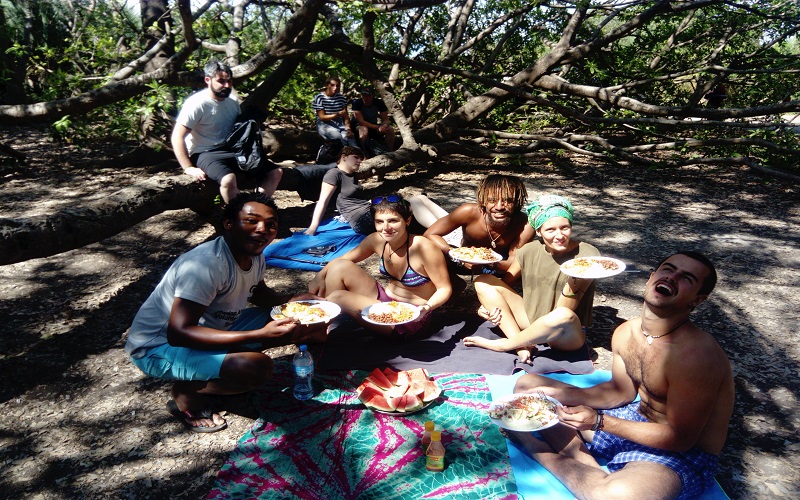
Exploring traditional food in Moshi is more than just savoring unique flavors it is a journey into the heart of northern Tanzania’s culture. Every dish tells a story of fertile farmlands, generational cooking traditions, and the warm hospitality of local families. By tasting local meals, you connect with the daily life of the Chagga people and gain a deeper understanding of the region beyond its natural beauty.
For first-time visitors, combining food experiences with coffee farm tours, village walks, or market visits creates an immersive and personal connection to the Kilimanjaro region. You not only taste the food but also see the hands that grow, prepare, and serve it, making each meal a cultural experience you will remember long after your trip.
Ready to Experience Moshi’s Local Food?
We can help you arrange authentic experiences, including:
- Cultural meals with local families
- Coffee plantation tours with tasting sessions
- Guided Moshi town food experiences
- Combined food, coffee, and cultural walking tours
Book your Moshi food experience today and discover the real Tanzania through its flavor a journey your taste buds and your heart will never forget.