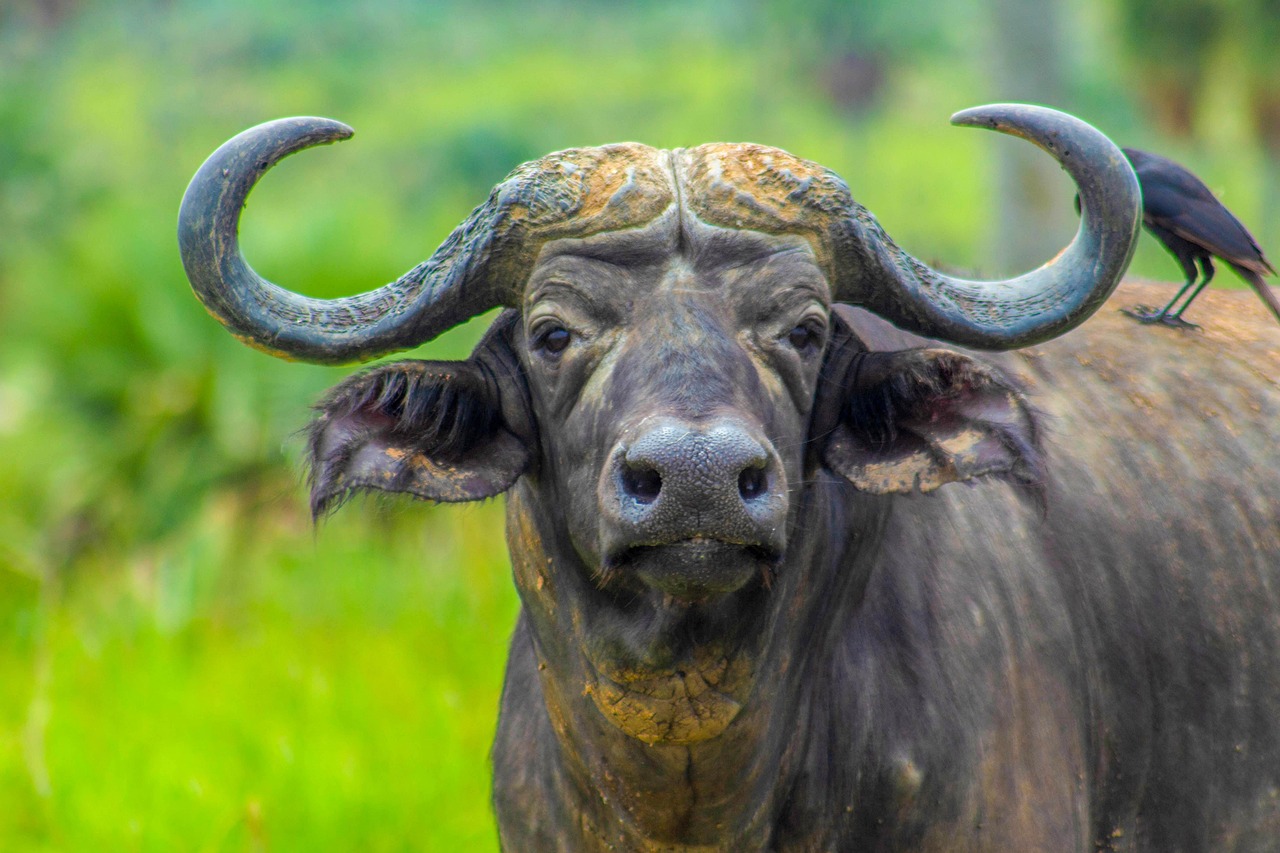
Top Cultural Experiences to Enjoy on a Kenya Safari
A Kenya safari is not only about breathtaking wildlife and dramatic landscapes. It is also a journey into rich and living cultures that have shaped the country for centuries. Alongside famous national parks and game reserves, Kenya is home to diverse communities whose traditions, music, food, and way of life add depth and meaning to every journey.
From colorful tribal customs to authentic village life and coastal heritage, Kenya offers travelers the chance to connect deeply with its people, history, and identity. Adding cultural experiences to your safari makes your trip more meaningful, memorable, and truly African.
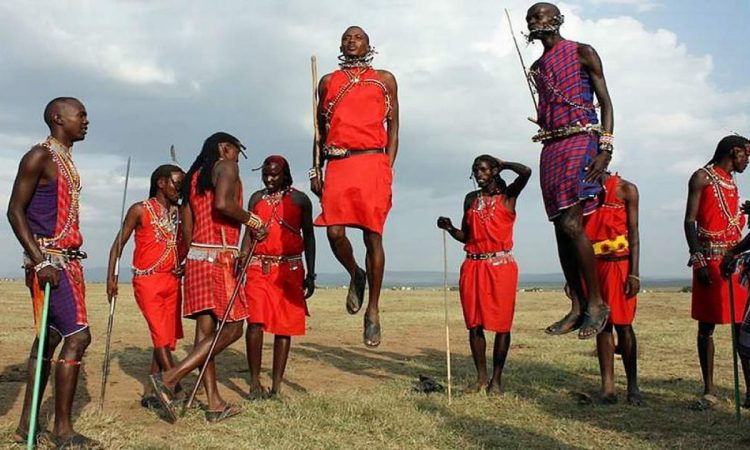
Below are the top cultural experiences you should not miss while on a Kenya safari.
Wildlife and Culture: A Deep Connection
In Kenya, wildlife and culture are closely connected. Many local communities live alongside national parks and have shared the land with wildlife for generations. Traditional knowledge helps protect animals, manage natural resources, and maintain balance with nature.
Visiting community conservancies and cultural villages allows travelers to learn how local people contribute to conservation through eco-tourism, sustainable grazing, and wildlife protection. This connection between people and wildlife adds deeper meaning to every game drive and safari experience.
1. Visit a Maasai Village (Manyatta)
One of the most iconic cultural experiences in Kenya is visiting a Maasai village, known as a manyatta. The Maasai are famous for their red clothing, intricate beadwork, and strong warrior traditions. During a village visit, you are warmly welcomed with singing and dancing that tell stories of bravery, unity, and celebration.
You will learn about traditional homes, family structures, and daily life, including cattle herding, which is central to Maasai culture. Elders often explain age-old customs, marriage traditions, and the importance of livestock. These visits are respectful and community-based, allowing travelers to support local livelihoods while learning directly from the people themselves.
2. Experience Traditional Dance and Music
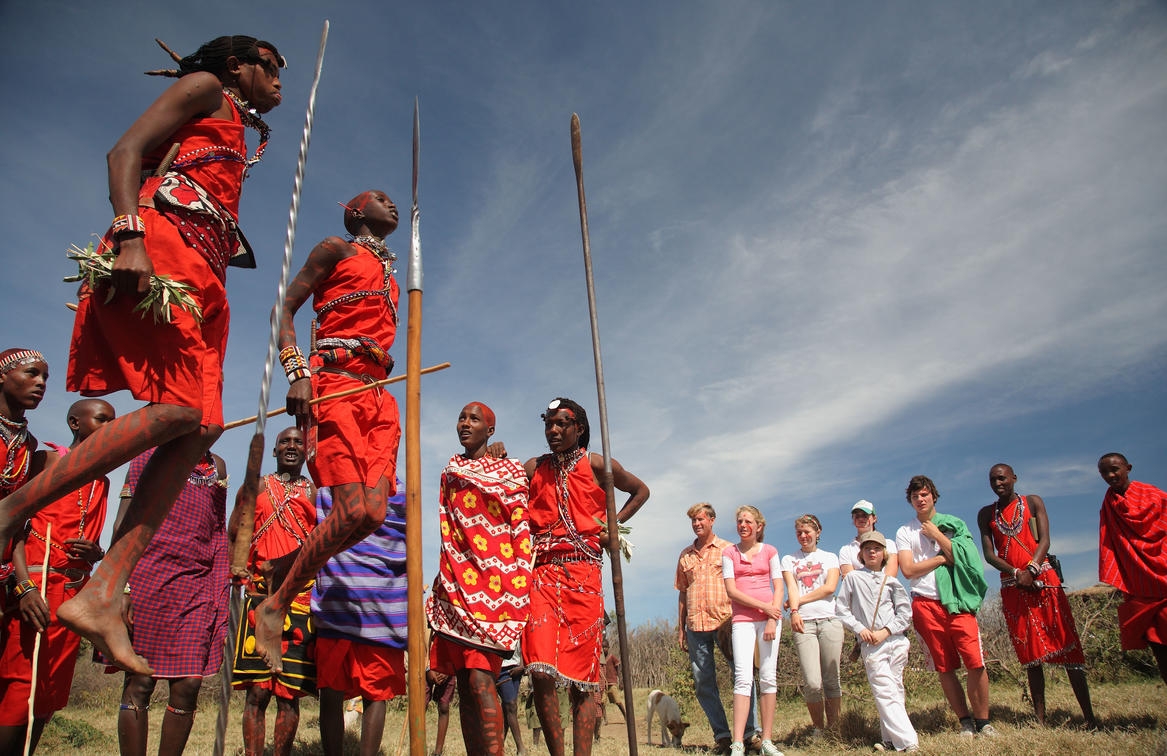
Kenya’s cultural identity is deeply expressed through music and dance, with each ethnic group having its own rhythm, movements, and instruments. You may witness energetic Maasai jumping dances, graceful Kikuyu performances, or powerful drumming traditions from western Kenya.
Traditional dances are performed during village visits, cultural centers, and lodge events. They are not just entertainment they communicate history, values, and celebrations such as births, weddings, and rites of passage. Watching or participating creates a joyful and emotional connection to Kenya’s heritage.
3. Learn About Samburu Culture in Northern Kenya
In the rugged landscapes of northern Kenya live the Samburu people, closely related to the Maasai but with distinct traditions and style. Visiting Samburu communities offers a quieter and more intimate cultural experience.
The Samburu are known for colorful clothing, detailed beadwork, and a deep spiritual connection to nature. Cultural visits include storytelling by elders, demonstrations of traditional medicine, and insights into their nomadic lifestyle. These encounters reveal life in Kenya’s remote regions, where traditions remain strong despite modern influences.
4. Explore Swahili Culture Along the Coast
Kenya’s coast offers a completely different cultural experience shaped by African, Arab, Persian, and Indian influences. In historic towns such as Lamu and Mombasa, Swahili culture is reflected in architecture, language, cuisine, and Islamic heritage.
Walking through narrow streets, visiting ancient mosques, and exploring old forts tells the story of centuries of Indian Ocean trade. You can enjoy spice-rich Swahili dishes, learn about dhow sailing traditions, and experience a relaxed coastal way of life that perfectly complements a safari adventure.
5. Visit Local Markets and Craft Centers
Local markets are lively cultural spaces where daily life unfolds. Visiting a Kenyan market reveals how communities trade, socialize, and express creativity. You will find handmade baskets, beadwork, fabrics, carvings, and souvenirs crafted by skilled artisans.
Craft centers and women’s cooperatives are especially meaningful to visit. They empower communities, preserve traditional skills, and support local families. Buying directly from artisans helps keep cultural traditions alive while creating personal connections with local people.
6. Discover Tribal Cuisine and Food Traditions
Food plays an important role in Kenyan culture. On safari, you may enjoy traditional dishes such as ugali (maize meal), nyama choma (grilled meat), sukuma wiki (greens), and fresh coastal seafood.
Some lodges and cultural tours offer cooking demonstrations or home-hosted meals, where food becomes a shared experience. These moments highlight hospitality, community bonding, and the cultural importance of sharing meals together.
7. Participate in Cultural Conservation Experiences
Many communities near national parks are actively involved in cultural and wildlife conservation. Community-run conservancies show how traditions and conservation work hand in hand.
Travelers can meet local guides, hear conservation stories, and learn how tourism supports education, healthcare, and cultural preservation. These experiences offer insight into how Kenyan communities protect their land, wildlife, and heritage for future generations.
Practical Tips for Cultural Visits on a Kenya Safari
Cultural visits are most rewarding when approached with respect and understanding. Knowing a few basic guidelines helps create positive interactions and ensures meaningful experiences for both travelers and local communities.
- Dress modestly; cover shoulders and knees
- Choose neutral or earth-tone clothing
- Always ask permission before taking photos
- Greet locals politely (Jambo, Asante)
- Listen carefully to guides and community elders
- Respect daily routines and sacred places
- Support locals by purchasing handmade crafts
Seasonal Guidance: Best Time for Cultural Experiences in Kenya
Cultural experiences in Kenya are available throughout the year, but seasons influence accessibility, festivals, and the overall atmosphere. Choosing the right time enhances both comfort and cultural depth.
- June–October: Dry season, best roads, easy village access
- January–February: Warm and dry, excellent for cultural tours
- March–May: Fewer visitors, lush scenery, intimate experiences
- November: Short rains, calm travel pace, good coastal culture
- Some festivals and ceremonies occur only at certain times of the year
Cultural Festivals and Events in Kenya
Festivals bring Kenya’s traditions to life through music, dance, storytelling, and food. Attending cultural events allows travelers to experience authentic celebrations in a lively and memorable setting.
- Lamu Cultural Festival: Swahili heritage, dhow races, poetry, dances
- Lake Turkana cultural gatherings: Tribal unity, crafts, traditions
- Local community ceremonies: Seasonal and cultural celebrations
- Food and music festivals: Showcasing regional flavors and sounds
Responsible and Ethical Cultural Tourism
Responsible cultural tourism ensures that traditions are preserved and communities benefit directly from travel. Ethical experiences create deeper connections while protecting cultural integrity.
- Choose community-led cultural visits
- Avoid staged or exploitative experiences
- Respect sacred customs and private moments
- Follow guidance from local hosts and guides
- Support education, healthcare, and conservation
- Travel with curiosity, respect, and sensitivity
Who These Cultural Experiences Are Best For
Cultural experiences on a Kenya safari are suitable for many types of travelers and can be tailored to individual interests.
- Couples & honeymooners: Meaningful, private, and romantic cultural encounters
- Families: Educational and interactive experiences for children
- Solo travelers: Authentic connections and personal storytelling
- Luxury travelers: Exclusive, guided cultural visits with comfort
- Adventure & budget travelers: Community-based and immersive experiences
These experiences can be added to short safaris or extended journeys, making them flexible for all travel styles.
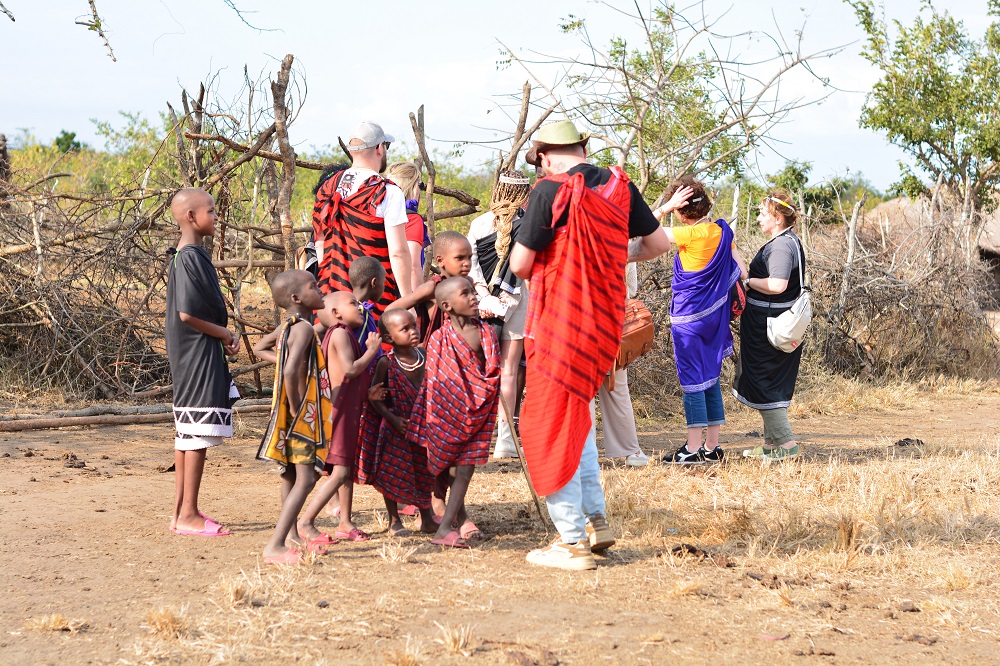
A Kenya safari becomes truly unforgettable when culture is part of the journey. Meeting local communities, learning their traditions, and understanding their relationship with nature transforms your safari into a deeper and more rewarding experience. Cultural encounters add heart, authenticity, and purpose, allowing you to see Kenya not only through its wildlife, but through the lives of the people who call it home.
Ready to experience Kenya beyond wildlife?
Let us create a tailor-made safari that combines incredible game viewing with authentic cultural experiences. Contact us today to design a personalized Kenya safari that connects you with nature, people, and tradition.