Things to Do in Tanzania Other than Safari
Tanzania is most famous for its incredible safaris, home to the iconic Serengeti National Park, the Ngorongoro Crater, and the majestic Mount Kilimanjaro. These world-renowned attractions have long placed the country at the top of many travelers’ bucket lists. However, limiting Tanzania to wildlife safaris alone only reveals part of its story. This vast and culturally rich nation offers an extraordinary variety of experiences that extend far beyond game drives and national parks.
Tanzania is a crossroads of African, Arab, and Indian influences, reflected in its people, architecture, food, and traditions. Ancient trading towns along the Swahili Coast tell stories of centuries-old maritime commerce, while inland communities preserve customs passed down through generations. At the same time, Tanzania’s natural beauty goes beyond savannahs featuring idyllic tropical islands, towering mountains, freshwater lakes, coral reefs, and lush forests.

Whether you are seeking relaxation on powder-white beaches, adventure through hiking and water sports, meaningful cultural exchanges, or historical exploration, Tanzania offers something for every type of traveler. These experiences allow visitors to connect more deeply with the country’s heritage, landscapes, and everyday life. Below is a detailed look at some of the most exciting and rewarding things to do in Tanzania that don’t involve safaris, revealing a side of the country that is just as captivating as its famous wildlife.
1. Explore the Island of Zanzibar
Zanzibar, an archipelago off the coast of Tanzania, is a paradise for beach lovers, history buffs, and culture seekers. The island boasts some of the world’s most beautiful beaches, with white sand and crystal-clear waters perfect for relaxation and water sports.

Key activities:
- Stone Town: A UNESCO World Heritage site, Stone Town is the historic heart of Zanzibar City. Its narrow streets, intricate wooden doors, bustling markets, and vibrant culture provide a window into the island's history as a center of the spice trade and its Islamic influence. Don’t miss the House of Wonders, the spice markets, and the old slave chambers.
- Spice Tour: Zanzibar is often called the "Spice Island," and a guided spice tour is a must-do to learn about the spices that are grown on the island, such as cloves, nutmeg, and cinnamon. You can taste, smell, and touch a variety of spices, while also enjoying the lush, tropical scenery.
- Prison Island (Changuu Island): A short boat ride from Zanzibar City, Prison Island is known for its giant tortoises and beautiful beaches. Historically, the island was used as a prison for rebellious slaves and later a quarantine station for yellow fever. Today, it’s a peaceful retreat where you can enjoy snorkeling, swimming, and sightseeing.
2. Climb Mount Kilimanjaro
If you’re an adventure lover, climbing Mount Kilimanjaro should be on your bucket list. As Africa’s highest peak (5,895 meters or 19,341 feet), Kilimanjaro offers one of the most popular trekking experiences in the world. Unlike other mountains, you don’t need technical climbing skills to ascend Kilimanjaro. The trek is more about stamina and perseverance.

Trekking Routes:
- Marangu Route: Often referred to as the "Coca-Cola Route," Marangu is the easiest and most popular trail, with huts to sleep in along the way.
- Machame Route: Known for its scenic beauty, this route is slightly more difficult, with camping along the way, but offers a more immersive experience.
- Lemosho Route: This is one of the longest routes and is best for those who want a less crowded climb with great views.
Reaching the summit of Kilimanjaro is a monumental achievement, with breathtaking views of the surrounding landscape and the chance to see the glaciers and the summit’s famed "Uhuru Peak."
3. Relax on the Beaches of Pemba Island
If you love tropical beaches, Pemba Island is a hidden gem. Located just north of Zanzibar, Pemba is quieter, less developed, and less touristy than its more famous neighbor. The island is home to some of the most beautiful beaches, clear waters, and vibrant marine life, making it perfect for snorkeling, diving, and swimming.

Things to do on Pemba Island:
- Scuba Diving and Snorkeling: The coral reefs surrounding Pemba are rich in marine life, with opportunities to see turtles, rays, and various species of fish. The island is also known for the famous Pemba Channel, which offers some of the best diving spots in East Africa.
- Rupe Island: A tiny island near Pemba that is great for a peaceful retreat, Rupe offers unspoiled beaches and crystal-clear waters.
4. Cultural Experiences in the Maasai Village
Tanzania is home to many indigenous tribes, and visiting a Maasai village offers an opportunity to experience the rich cultural traditions of one of Africa’s most famous groups. The Maasai are semi-nomadic pastoralists who have managed to retain their traditions despite the encroachment of modernity.

Activities:
- Maasai Village Tour: Visitors can take guided tours through Maasai villages, learning about their customs, ceremonies, and daily life. You'll have the opportunity to participate in a traditional dance, try local foods, and learn about their unique way of life, including their famous beadwork and attire.
- Learn About Maasai Crafts: The Maasai are skilled artisans, and their beadwork, jewelry, and intricate crafts are highly regarded. You can purchase these items as souvenirs to support the local community.
5. Visit the Selous Game Reserve
While not a safari in the traditional sense, the Selous Game Reserve (now part of the Nyerere National Park) is one of Tanzania's largest and most remote protected areas. The park is not as commercialized as the Serengeti, providing a more peaceful and off-the-beaten-path experience for nature lovers.

Things to do:
- Boat Safaris: One of the best ways to explore Selous is by boat, where you can observe hippos, crocodiles, and birds along the Rufiji River.
- Walking Safaris: The park also offers walking safaris, which allow visitors to explore the wilderness on foot, under the guidance of trained rangers.
- Cultural Tours: Visit local villages around the reserve to learn about the people who live alongside the wild spaces and have developed unique ways to coexist with nature.
6. Visit the Ngorongoro Crater Rim
While the Ngorongoro Crater is often associated with safaris, the surrounding area also offers plenty of other attractions. The highlands surrounding the crater are stunning and provide opportunities for hiking, bird watching, and cultural encounters.
Activities:
- Hiking and Nature Walks: There are several walking and hiking trails around the crater’s rim that provide breathtaking views of the caldera, which is the largest intact volcanic caldera in the world.
- Cultural Visits: The area is also home to the Maasai people, and visiting a Maasai village in this region gives you a deeper understanding of their connection to the land.
7. Visit Lake Tanganyika
Lake Tanganyika, the world’s second-deepest lake, is located in the western part of Tanzania. It’s a perfect destination for those looking to explore remote parts of the country while enjoying a relaxing environment. The lake is surrounded by lush mountains and forests, providing a stunning backdrop for outdoor adventures.

Things to do:
- Beach Resorts: Relax at one of the lakeside resorts where you can swim, enjoy water sports, or simply relax on the beach.
- Kayaking and Snorkeling: The clear waters of Lake Tanganyika are perfect for kayaking and snorkeling, and the lake is home to unique freshwater fish species.
8. Explore the Ruins of Kilwa Kisiwani
The island of Kilwa Kisiwani, located off the southern coast of Tanzania, is home to some of the most important Swahili ruins in East Africa. Kilwa was once a thriving trade city and one of the most powerful in the Indian Ocean.
Highlights:
- Kilwa Mosque and Palace Ruins: These ruins date back to the 9th century and provide insight into the Islamic and Swahili heritage of the region.
- Historic Forts: Explore the ruins of forts and watchtowers built by the Portuguese during the colonial era.
Mount Meru - A Lesser-Known Trekking Option
While Mount Kilimanjaro is the most famous and tallest mountain in Africa, Mount Meru offers a captivating alternative for trekkers looking for a less crowded yet equally awe-inspiring adventure. Standing at 4,566 meters (14,980 feet), Mount Meru is Tanzania’s second-highest peak and provides a challenging trek that takes you through a variety of ecosystems, from tropical rainforests to alpine meadows, and even barren volcanic slopes.

Why Choose Mount Meru?
- Stunning Views: During your trek, you’ll be rewarded with spectacular views of Mount Kilimanjaro in the distance, framed by dense forests and rugged terrain. The summit, Fig Tree Arch, offers breathtaking vistas, making it a perfect spot for sunrise or sunset.
- Rich Biodiversity: Unlike Kilimanjaro, which is mostly barren above the tree line, Meru's lower slopes are home to a wealth of wildlife and lush vegetation. Along the way, you may spot giraffes, buffaloes, monkeys, and a variety of birds. The trek also offers a unique chance to experience Tanzania’s biodiversity firsthand.
- Less Crowded: One of the biggest draws of Mount Meru is that it doesn’t have the crowds associated with Kilimanjaro. This makes it an ideal option for travelers seeking a more peaceful, off-the-beaten-path experience. Additionally, the lower number of trekkers allows you to immerse more deeply in the wilderness without the noise of large groups.
- Trekking Routes and Experience: The trek to the summit usually takes 4-5 days, and while it is a challenging hike, it doesn’t require technical climbing skills, making it suitable for fit and adventurous trekkers. The journey typically includes overnight stays in huts along the route, adding an element of comfort compared to traditional camping.
Highlights of the Trek:
- Momella Gate to Saddle Hut: As you leave the gate, you’ll ascend through dense forest, where you’ll encounter diverse wildlife and a wide variety of plants. The hike gets steeper as you approach the Saddle Hut, where you’ll rest before the final ascent.
- The Final Ascent: The last stretch of the climb is steep and demanding but well worth the effort. As you approach the summit, you’ll pass through volcanic terrain and rocky paths before reaching Lenana Point or Fig Tree Arch, where you’re treated to magnificent panoramic views of the surrounding area.
Cultural Festivals and Food Tours
Tanzania’s cultural scene is just as vibrant and diverse as its landscapes, and the country hosts a variety of festivals and food experiences that offer visitors a deeper connection to its people and traditions. Whether through music, art, dance, or cuisine, there are plenty of ways to celebrate and learn about Tanzania’s rich cultural heritage.
Cultural Festivals
Tanzania is home to numerous festivals that celebrate everything from traditional music and dance to religious practices and historical milestones. Many of these festivals are lively, colorful, and filled with music, art, and performances that engage visitors with the spirit of Tanzania.
- Sauti za Busara (Zanzibar): This is one of East Africa's largest and most popular music festivals, held every year in Zanzibar. The festival, which usually takes place in February, brings together musicians from across Africa and the Indian Ocean region. Expect a fusion of genres, including traditional taarab, reggae, hip-hop, jazz, and contemporary African music. Sauti za Busara not only offers a chance to enjoy fantastic live performances but also to connect with the cultural energy of Zanzibar.
- Mwaka Kogwa (Zanzibar): Celebrating the Swahili New Year, Mwaka Kogwa is a lively festival in Zanzibar that marks the end of the dry season and the beginning of the rainy season. Held in July, the festival includes traditional rituals, including dance, songs, and symbolic acts such as mock fights between men to cleanse the community of bad luck. It’s a fun, engaging festival that offers insight into Swahili customs and provides a unique opportunity to join in the celebration.
- Bagamoyo Festival (Tanzania Mainland): Held in the coastal town of Bagamoyo, this festival celebrates Tanzanian culture through performances, storytelling, art exhibitions, and traditional dances. Bagamoyo was historically a major port town and a center of trade and the slave trade, so the festival also honors its past and the community’s resilience.
These festivals provide an immersive experience, showcasing not just Tanzania’s music and dance, but also its deep-rooted traditions and historical legacy.
Food Tours in Tanzania
Tanzania’s cuisine is as diverse as its people. A food tour is one of the best ways to experience the country’s vibrant culinary scene and dive deep into the flavors, ingredients, and cooking techniques that shape Tanzanian dishes. Tanzania’s food is heavily influenced by the Swahili Coast, Indian, and Arab traditions, making for a rich, varied food experience. Here are some highlights:
- Zanzibar’s Spices and Street Food: Zanzibar’s reputation as the "Spice Island" is well-earned, and a spice tour here is a must-do for food lovers. On a guided tour, you can visit spice farms and learn about the cultivation and history of cloves, cinnamon, nutmeg, and more. Afterward, head to the bustling Stone Town markets to sample spiced rice, fresh coconut drinks, and Zanzibar pizza, a local delicacy that blends crispy dough with savory fillings like chicken, beef, and vegetables.
- Traditional Dishes: Some key dishes you’ll encounter across Tanzania include ugali (a firm, cornmeal-based dish similar to polenta, served as a side), nyama choma (grilled meat, often served with fresh salads and sauces), and samosas (crispy pastry filled with meat or vegetables). Each region has its variations, and many food tours include visits to local restaurants and eateries where these dishes are served.
- Dar es Salaam’s Coastal Cuisine: As Tanzania’s largest city, Dar es Salaam offers excellent seafood, with dishes like fried fish, prawn curry, and octopus being common. A walking tour through the city’s markets or along the coast is a great way to sample freshly prepared meals and get a feel for the bustling coastal lifestyle.
- Coffee Tours in the Highlands: Tanzania is one of Africa’s top coffee producers, and the Usambara and Arusha Highlands are known for their high-quality Arabica coffee beans. A coffee farm tour offers an opportunity to walk through lush plantations, learn how coffee is grown, harvested, and processed, and taste fresh coffee brewed right from the source.
Food tours not only allow you to sample delicious dishes but also give your insight into the everyday life of Tanzanians. They help highlight the country’s agriculture, local markets, and cooking traditions, all of which are integral parts of the Tanzanian experience.

Tanzania is often thought of purely as a safari destination, yet the country offers a far richer and more diverse travel experience than many first-time visitors expect. Beyond the iconic wildlife parks, Tanzania invites travelers into a world of dramatic landscapes, vibrant cultures, and unforgettable adventures. From the challenge and triumph of climbing Mount Kilimanjaro the highest peak in Africa to the calm, turquoise waters of Zanzibar and Pemba, where white-sand beaches meet centuries of history, every journey reveals a new side of the country. Cultural encounters with communities such as the Maasai, Chagga, and Hadzabe provide meaningful insight into traditions that have endured for generations, adding depth and authenticity to your travels.
Exploring these lesser-known experiences allows you to truly connect with Tanzania beyond game drives. You can hike through lush forests, visit coffee farms on Mount Kilimanjaro’s slopes, snorkel or dive along coral reefs, wander through historic Stone Town, or enjoy peaceful moments in remote coastal villages. Each experience complements a safari perfectly, creating a balanced journey that blends adventure, relaxation, and cultural discovery.
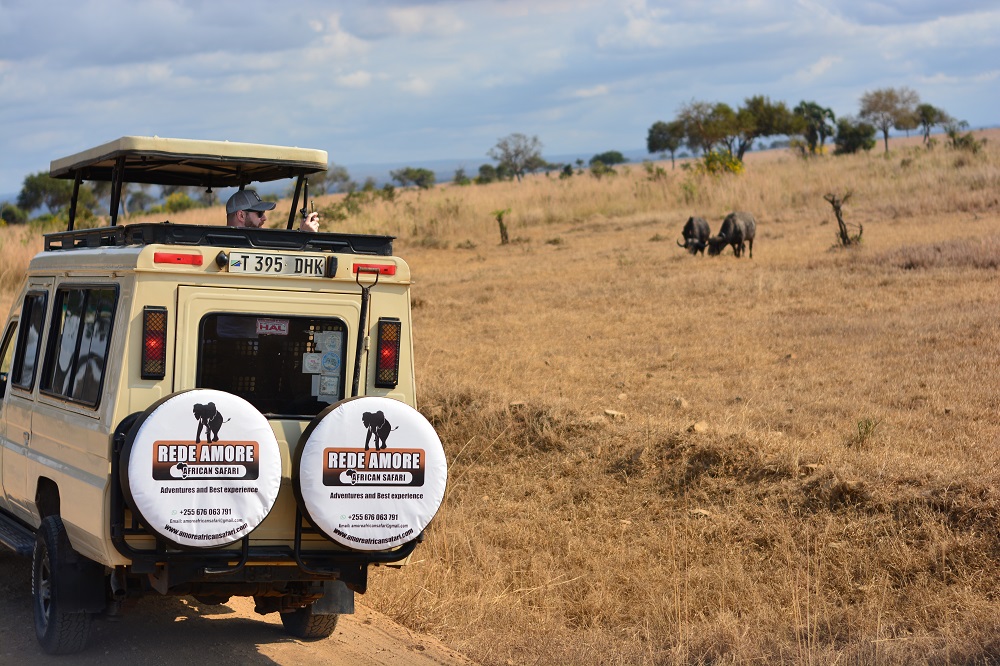
To experience the full spectrum of Tanzania in a seamless and unforgettable way, travel with experts who understand the land and its people. Rede Tours & Safaris designs personalized itineraries that go beyond the ordinary, combining wildlife adventures with mountains, beaches, and cultural experiences tailored to your interests. Book your Tanzania journey with Rede Tours & Safaris today and let us guide you through the hidden gems, iconic landmarks, and life-changing moments that make Tanzania truly extraordinary.