The Cheapest Way to Do a Safari in Tanzania
A safari in Tanzania is one of the most powerful travel experiences in the world. Seeing wild animals moving freely across open land, watching sunrise over the savannah, and hearing nature at night leaves a lasting impression. Many people believe this experience is only for wealthy travelers, but that belief is incorrect.
A safari does not need luxury lodges, private flights, or expensive extras to be meaningful. With careful planning, realistic expectations, and smart choices, Tanzania can be explored on a limited budget while still offering incredible wildlife encounters.
This guide is written for budget travelers, backpackers, students, solo travelers, and independent explorers who want to experience Tanzania’s wildlife in an affordable and responsible way.
Understanding the Basics Before You Go
Before planning a budget safari, it is important to understand how safaris work in Tanzania. National parks and conservation areas are protected by law, and all visitors must follow official procedures.
You will need:
- A valid passport and entry visa
- Awareness of park rules and conservation guidelines
- An understanding that wildlife areas are natural environments, not zoos
Knowing these basics helps you plan realistically and prevents costly mistakes. Budget travelers who understand the system can move confidently and avoid unnecessary expenses or confusion during their trip.
Travel at the Right Time of Year
The time of year you travel has a major impact on affordability and experience. During peak seasons, parks are busy, accommodation fills quickly, and transport options become limited.
Traveling during quieter months offers several advantages:
- Less competition for accommodation and transport
- More peaceful wildlife viewing with fewer vehicles
- Lush green landscapes and dramatic skies
Although some days may include rain, wildlife remains active throughout the year. In fact, many animals are easier to spot during quieter seasons because there is less traffic and disturbance.
Choose Simple Accommodation and Camping
Accommodation is usually the biggest expense on safari. Luxury lodges offer comfort, but they are not necessary to enjoy wildlife.
Budget travelers often choose:
- Public campsites inside or near parks
- Basic camps with shared bathrooms
- Simple guesthouses in nearby towns
Camping provides a deeper connection with nature. Falling asleep to animal sounds and waking up close to wildlife creates an authentic safari feeling. For many travelers, this becomes the most memorable part of the journey.

Limit the Number of Parks You Visit
Trying to see many parks in a short time increases travel distance, fuel use, and logistical complexity. A budget safari works best when you focus on fewer locations.
By choosing one or two nearby parks, you:
- Spend more time observing wildlife instead of traveling
- Reduce transportation strain and fatigue
- Gain a deeper understanding of one ecosystem
Some smaller or less famous parks offer excellent wildlife viewing with fewer visitors, which often results in a more relaxed and enjoyable experience.
Use Overland Travel Instead of Flights
Flying between parks saves time, but it significantly increases costs. Road travel is a more affordable and immersive option.
Traveling overland allows you to:
- See everyday life in towns and villages
- Experience changing landscapes and climates
- Feel the true scale of the country
Long drives may require patience, but they add depth to the journey and often become part of the adventure itself.
Self-Drive or Share Travel When Possible
For travelers with experience and confidence, self-driving offers freedom and flexibility. It allows you to choose your own pace, routes, and stops.
Self-drive requires:
- Comfort with rough roads
- Navigation skills
- Understanding Park driving rules
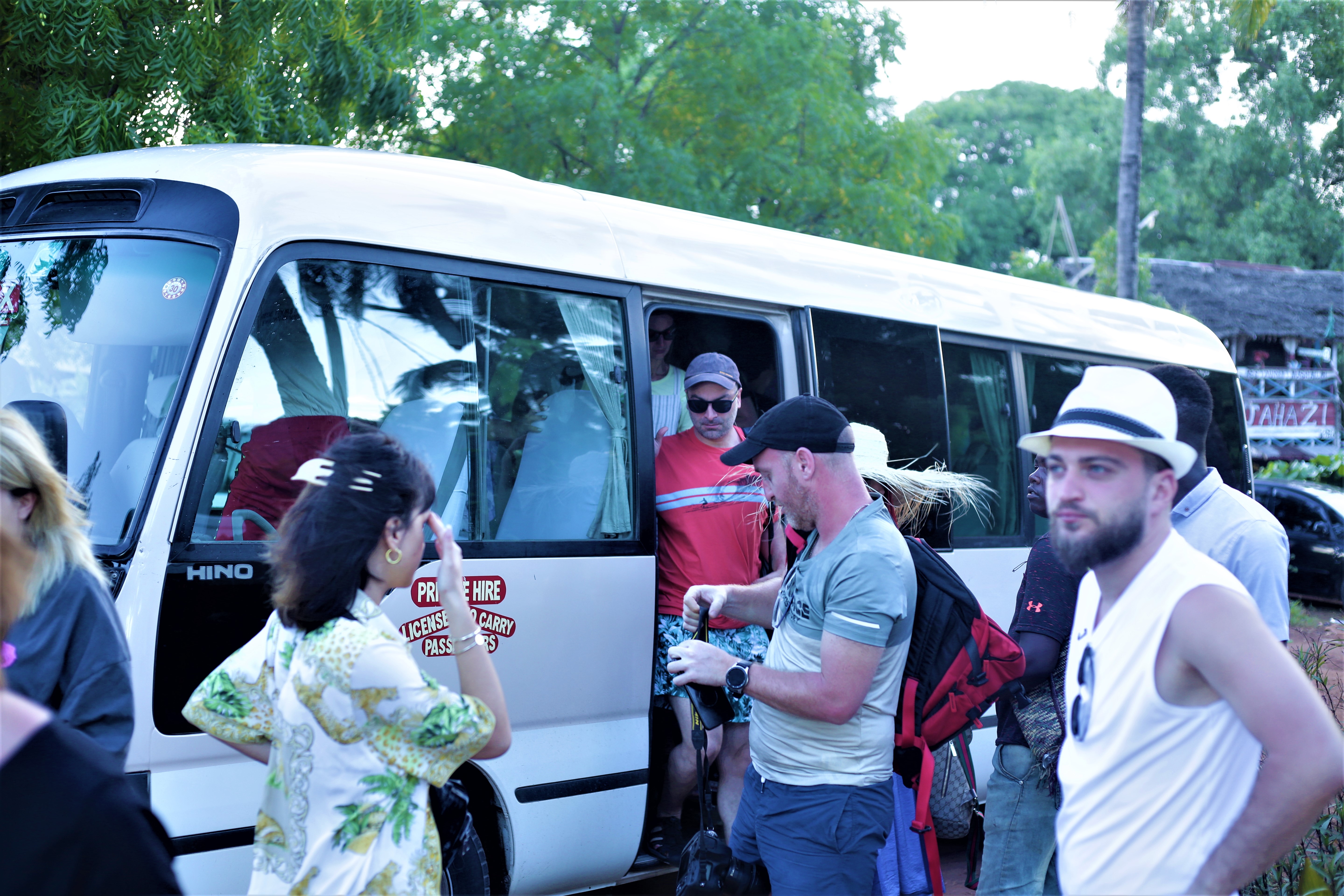
If self-driving is not suitable, sharing travel with other independent travelers is another excellent option. Shared travel reduces individual costs and adds a social element to the safari, which many budget travelers enjoy.
Stay Outside Park Gates
Accommodation inside national parks is convenient but usually more expensive. Staying just outside park gates is a popular budget strategy.
These areas offer:
- Easier access to affordable lodging
- Local food options and supplies
- Early entry to parks without long travel
This approach provides a good balance between cost, comfort, and access to wildlife areas.
Eat Local and Keep Meals Simple
Food expenses can quietly increase travel costs. Budget travelers often choose simple meals and local restaurants.
Local food is:
- Affordable and widely available
- Nutritious and filling
- A cultural experience in itself
Eating where locals eat helps reduce costs and creates meaningful interactions with the community.
Safety on a Budget Safari
A safari is safe when common sense and basic rules are followed. Budget travel does not mean unsafe travel.
Important safety practices include:
- Keeping distance from wild animals
- Following speed limits and park rules
- Staying inside vehicles during wildlife encounters
- Being cautious when walking at night
Understanding that wildlife areas are unpredictable helps travelers stay alert and respectful.
What to Expect on a Budget Safari Day
Budget safaris are often physically demanding but deeply rewarding.
A typical day includes:
- Very early mornings to see active animals
- Long game drives with breaks for rest
- Simple packed meals
- Quiet evenings for rest and reflection
Comfort may be basic, but the experience is raw, real, and unforgettable.
Some of Our Selling Budget Safari in Tanzania
This itinerary show how a budget safari can be structured. They focus on fewer parks, overland travel, simple accommodation, and realistic pacing. The plans can be adjusted depending on time, interests, and travel style.
1. 3-Day Budget Safari
This short itinerary is ideal for travelers with limited time who want an affordable safari experience. The journey begins in Arusha or Moshi, where travelers prepare supplies and travel by road to a nearby national park area. The first day focuses on reaching the safari region and staying overnight in a simple guesthouse or campsite close to the park gate. On the second day, the safari begins early in the morning when wildlife is most active. Travelers enjoy a full day of game driving, exploring different habitats and watching animals such as elephants, zebras, giraffes, and various bird species. Lunch is taken inside the park, followed by more wildlife viewing in the afternoon. After exiting the park, the night is spent near the park. On the final day, a short morning game drive allows for last wildlife sightings before returning to town. This itinerary keeps travel simple and costs low while still offering a true safari experience.
2. 4–5 Day Budget Safari
This itinerary offers a balanced safari experience with more time for wildlife viewing and less rushing. The trip begins with arrival in Arusha or Moshi, where travelers rest and organize supplies. On the second day, travel by road leads to the first national park, with an afternoon game drive introducing the landscape and wildlife. The third day is dedicated to a full-day safari, starting early in the morning and covering multiple areas of the park. Travelers enjoy slow game drives, packed meals, and quiet moments observing animals in their natural environment. On the fourth day, the journey continues to a second nearby park, offering a change in scenery and wildlife behavior. An afternoon or evening safari adds variety to the experience. The final day includes a short morning game drive before returning to town. This itinerary is ideal for travelers who want depth and flexibility while keeping the safari affordable.
3. 6–7 Day Budget Safari
This longer itinerary is designed for travelers who prefer a slow and immersive safari experience. After arriving in Arusha or Moshi, the first day is spent resting and preparing for the journey ahead. The second day involves traveling by road to the safari region and settling into a campsite or simple lodge near a national park. The next two days are dedicated to full-day game drives, allowing time to explore different habitats, follow animal movements, and enjoy nature without rushing. A slower pace increases the chances of seeing a wide range of wildlife and observing natural behavior. One day is set aside for either changing location to another park or taking a rest day, which may include cultural visits or nature walks. The final safari day includes a morning game drive before beginning the return journey. This itinerary offers strong wildlife exposure while maintaining a low-cost travel style.
Cultural Awareness and Respect
Budget travel often brings you closer to local communities. Respectful behavior is essential.
Good cultural practices include:
- Dressing modestly outside tourist areas
- Greeting people politely
- Asking before taking photos
Respect builds trust and leads to warmer, more genuine interactions.
Responsible and Eco-Friendly Travel
Safari exists because wildlife and ecosystems are protected. Budget travelers still play a role in conservation.
Responsible actions include:
- Reducing plastic use
- Staying on designated roads
- Avoiding disturbance to animals
- Supporting local communities
Protecting nature ensures future travelers can enjoy the same experiences.
Frequently Asked Questions
Is a budget safari less enjoyable than a luxury safari?
No. Wildlife and landscapes are the same. The difference is comfort, not experience.
Is camping difficult?
Camping is simple and manageable with basic preparation and awareness.
Is a guide necessary?
Not always, but beginners may feel more confident with some local support or shared travel.
.jpg)
A safari in Tanzania is not defined by luxury, but by connection connection to wildlife moving freely across vast landscapes, to the land shaped by nature and seasons, and to the culture of the people who call it home. True safari moments come from watching animals behave naturally, feeling the rhythm of the wild, and experiencing Tanzania in a genuine and meaningful way.
Budget travel encourages patience, curiosity, and appreciation of simple moments. It allows you to slow down, observe more closely, and feel truly present whether it is a quiet sunrise on the savannah, the sound of animals at night, or shared stories around a campfire. These moments often leave a deeper impression than comfort alone ever could.
With thoughtful planning, flexibility, and respect for nature, a budget safari can become one of the most meaningful adventures of your life.
Ready to experience Tanzania in an authentic and affordable way? Book with us and let us help you plan a safari that focuses on real wildlife experiences, responsible travel, and unforgettable memories in the heart of Africa.