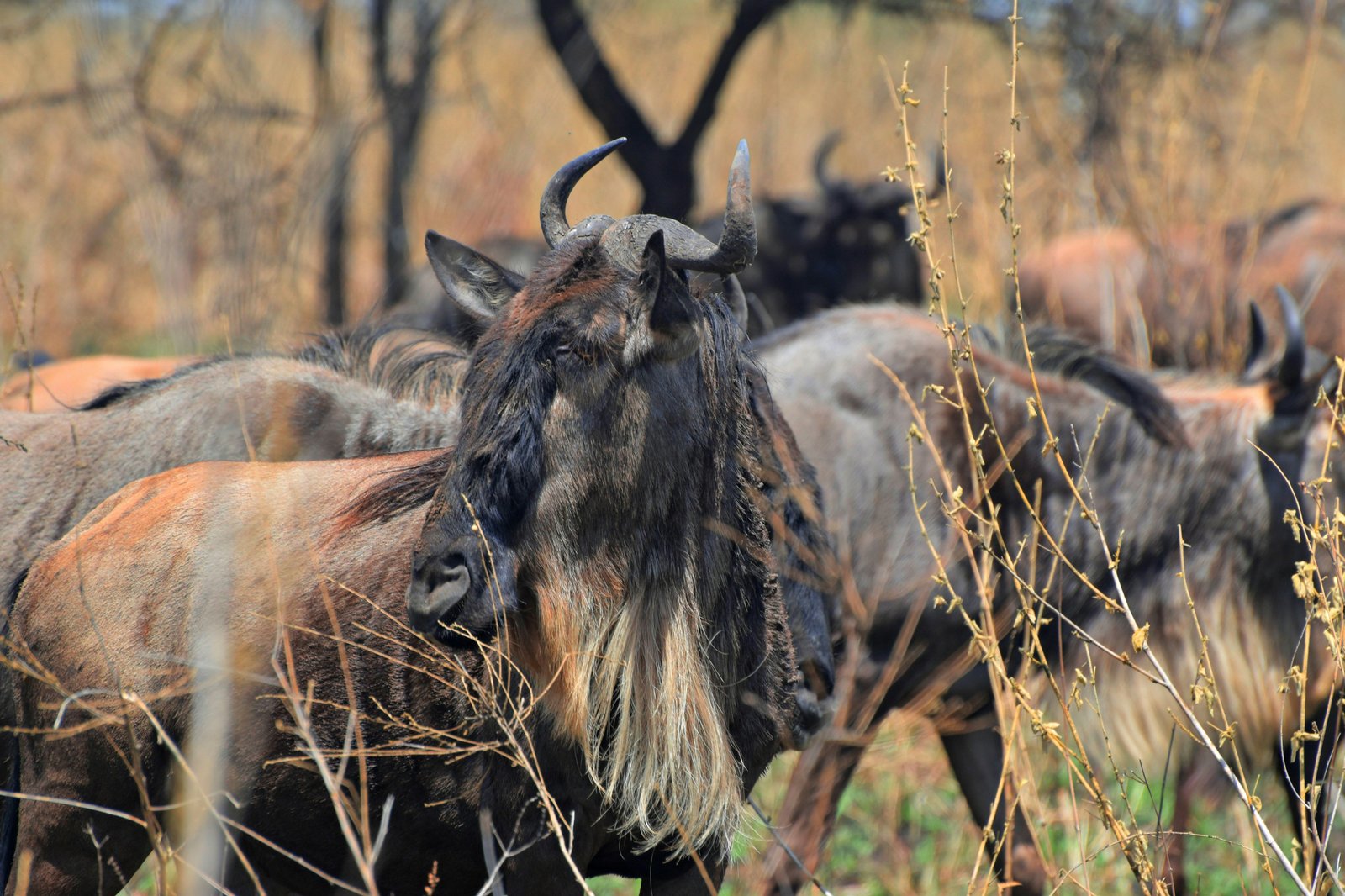
Serengeti Migration in Ndutu January 2027: Tanzania Safari Packages
Experience the Great Wildebeest Migration in Ndutu, Tanzania, in January and February 2027 with Rede Tours and Safaris.Discover the southern Serengeti plains during the calving season, when vast herds of wildebeest gather across the grasslands, newborn calves take their first steps, and predators remain active in search of opportunities to hunt. With carefully planned safari itineraries, knowledgeable local guides, comfortable safari vehicles, and suitable accommodation, Rede Tours and Safaris helps you experience one of Tanzania's most remarkable wildlife spectacles.
What Happens Every Year to Make It the Great Serengeti Migration?
The Great Serengeti Migration is one of the world's most extraordinary wildlife spectacles, bringing together enormous herds of wildebeest, zebras, and gazelles as they move across the Serengeti ecosystem in Tanzania and the Maasai Mara in Kenya. It is called theGreat Migration becauseof the remarkable number of animals involved, the vast distances they travel, and the continuous movement of the herds in response to changing environmental conditions.
The Great Serengeti Migration is one of the most remarkable wildlife events in the world that takes place throughout the year. This takes place in the Southern, Western, Central and Northern parts of Serengeti National Park. More than 1.5 million wildebeest, 200,000 zebras, and numerous gazelles move across the Serengeti (Tanzania) and the Maasai Mara (Kenya) ecosystems. Their movements are largely influenced by rainfall, the availability of fresh grass, and access to water. Rather than following a fixed route, the animals respond to changing conditions across the ecosystem.
The migration is not a single event that happens on one particular day. It is a continuous natural cycle that unfolds throughout the year, with different regions becoming important at different times..jpg)
Why Is the Great Migration So Special?
The Great Migration is remarkable for several reasons:
Its enormous scale:Millions of grazing animals participate in this seasonal movement across the wider Serengeti–Mara ecosystem.
Its continuous cycle:The migration unfolds throughout the year rather than occurring as a single event.
Its connection to rainfall:The herds respond to changing grass and water availability, demonstrating how closely wildlife depends on the environment.
The calving season:Ndutu and the southern Serengeti offer opportunities to witness newborn wildebeest and the challenges of survival.
Predator-prey interactions:Lions, cheetahs, hyenas, crocodiles, and other predators take advantage of opportunities presented by the migrating herds.
The river crossings:The Grumeti and Mara rivers can create challenging obstacles along parts of the migration route.
Experience the Great Migration with Rede Tours and Safaris
At Rede Tours and Safaris, we help travellers understand that the Great Migration is much more than a river crossing. It is a year-round wildlife journey shaped by nature, rainfall, grazing conditions, and the survival needs of millions of animals.
For January and February 2027, Ndutu is an excellent area to consider if your main interest is the calving season. Travellers visiting later in the year may prefer the central, western, or northern Serengeti, depending on seasonal conditions and the expected location of the herds.
Our team can help you select a suitable itinerary based on your travel dates, accommodation preferences, and wildlife interests.
If you are planning a Tanzania safari in January 2027, Ndutu is one of the best areas to consider for witnessing the Great Migration during the early months of the year..jpg)
What Is the Serengeti Migration in Ndutu?
The Serengeti Migration is the annual movement of millions of wildebeest, accompanied by large numbers of zebras and other grazing animals, across the Serengeti ecosystem in search of fresh grass and water. Rather than following a fixed route, the herds move in response to rainfall and the availability of nutritious pasture.
The migration continues throughout the year, connecting different areas of Tanzania's Serengeti ecosystem with Kenya's Maasai Mara. The timing and location of the herds change with the seasons, creating different wildlife-viewing opportunities throughout the year.
In January and February, attention turns toNdutu and the southern Serengeti plains, where seasonal rainfall often brings fresh grass and attracts large concentrations of wildebeest. This period is widely associated with the Great Migration's calving season, making it an excellent time for travellers interested in wildlife behaviour, young animals, and predator-prey interactions.
Ndutu lies within the broader Serengeti ecosystem, close to the Ngorongoro Conservation Area. Its open grasslands, seasonal lakes, woodland areas, and surrounding plains create a varied landscape for wildlife viewing.
Why Visit Ndutu in January 2027?
January is an exciting month to plan a Serengeti Migration safari because the southern plains often become a major gathering area for migrating wildebeest. For travellers who want more than simply seeing large herds, this season offers opportunities to observe wildlife interactions and the natural rhythms of life on the African savannah.
1. Witness the Wildebeest Calving Season
One of the main reasons to visit Ndutu in January is the possibility of witnessing the wildebeest calving season. Many wildebeest give birth during the broader calving period, which generally extends through January and February and can continue into March.
Newborn calves attract attention because they must quickly stand and begin moving alongside their mothers. Watching these young animals develop in the wild can be a memorable part of a Tanzania safari.
The exact timing and concentration of births vary with seasonal conditions, so wildlife sightings cannot be guaranteed. However, January is an excellent month to plan around this natural event.
2. Observe Predators in Their Natural Habitat
Where large numbers of grazing animals gather, predators also find opportunities to hunt. Ndutu can offer sightings of lions, cheetahs, spotted hyenas, and other carnivores during the calving season.
The presence of newborn wildebeest can create opportunities to observe hunting strategies, territorial behaviour, and interactions between predators and their surroundings. These moments are unpredictable, which is part of what makes a wildlife safari so fascinating.
Our guides at Rede Tours and Safaris help guests understand animal behaviour while maintaining respectful wildlife-viewing practices. We do not promise specific hunts or sightings, as wildlife moves freely and every game drive is different.
3. Enjoy the Open Southern Plains
Ndutu's grasslands provide an impressive setting for photography and wildlife observation. During the green season, the landscape can become lush, with fresh vegetation, dramatic skies, and excellent opportunities to photograph wildlife against the open plains.
The changing scenery also makes this period attractive to travellers interested in landscape photography, wildlife documentaries, and a more detailed understanding of the Serengeti ecosystem.
4. Experience More Than the Big Five
The Great Migration is a major attraction, but Ndutu offers much more than wildebeest alone. Depending on the season and location, visitors may encounter zebras, giraffes, elephants, buffaloes, antelopes, lions, cheetahs, leopards, hyenas, and numerous bird species.
Although the wider Serengeti ecosystem supports the Big Five—lion, leopard, elephant, buffalo, and rhinoceros—seeing all five during a short safari is never guaranteed. The best experience comes from appreciating the diversity of wildlife and the natural environment as a whole.
Serengeti Migration Safari Packages in Ndutu: January–February 2027
Rede Tours and Safaris offers safari planning for travellers who want to experience the migration in Ndutu during January and February 2027. Whether you have a few days available or want to spend more time exploring the southern Serengeti, we can help tailor your itinerary to your travel dates, accommodation preferences, and budget.
Meet Nalisis: Your Tanzania Safari Experience Begins Here
For travellers planning a Serengeti Migration safari in January or February 2027, meeting Nalisis may be one of the first memorable moments of their journey with Rede Tours and Safaris.
With more than six years of experience in safari guiding and tourism across Tanzania and Zanzibar, Nalisis has developed a strong connection with the country's wildlife, landscapes, and travel experiences. His passion for nature has taken him to different parts of the Serengeti ecosystem, where he has observed the Great Wildebeest Migration more than 30 times.
His experience includes witnessing migration activity inNdutu in the southern Serengeti ecosystem, Seronera in central Serengeti, the Kogatende area in the western part of the northern Serengeti region, and around the Mara River in the north. Each area offers a different landscape, wildlife experience, and opportunity to understand the movement of the herds throughout the year.
For Nalisis, a safari is more than a journey to see wild animals. It is an opportunity to connect travellers with nature, share knowledge about wildlife, and create meaningful memories in some of Africa's most remarkable landscapes. This passion inspired him to invite travellers from around the world to discover Tanzania through carefully planned safari experiences with Rede Tours and Safaris.
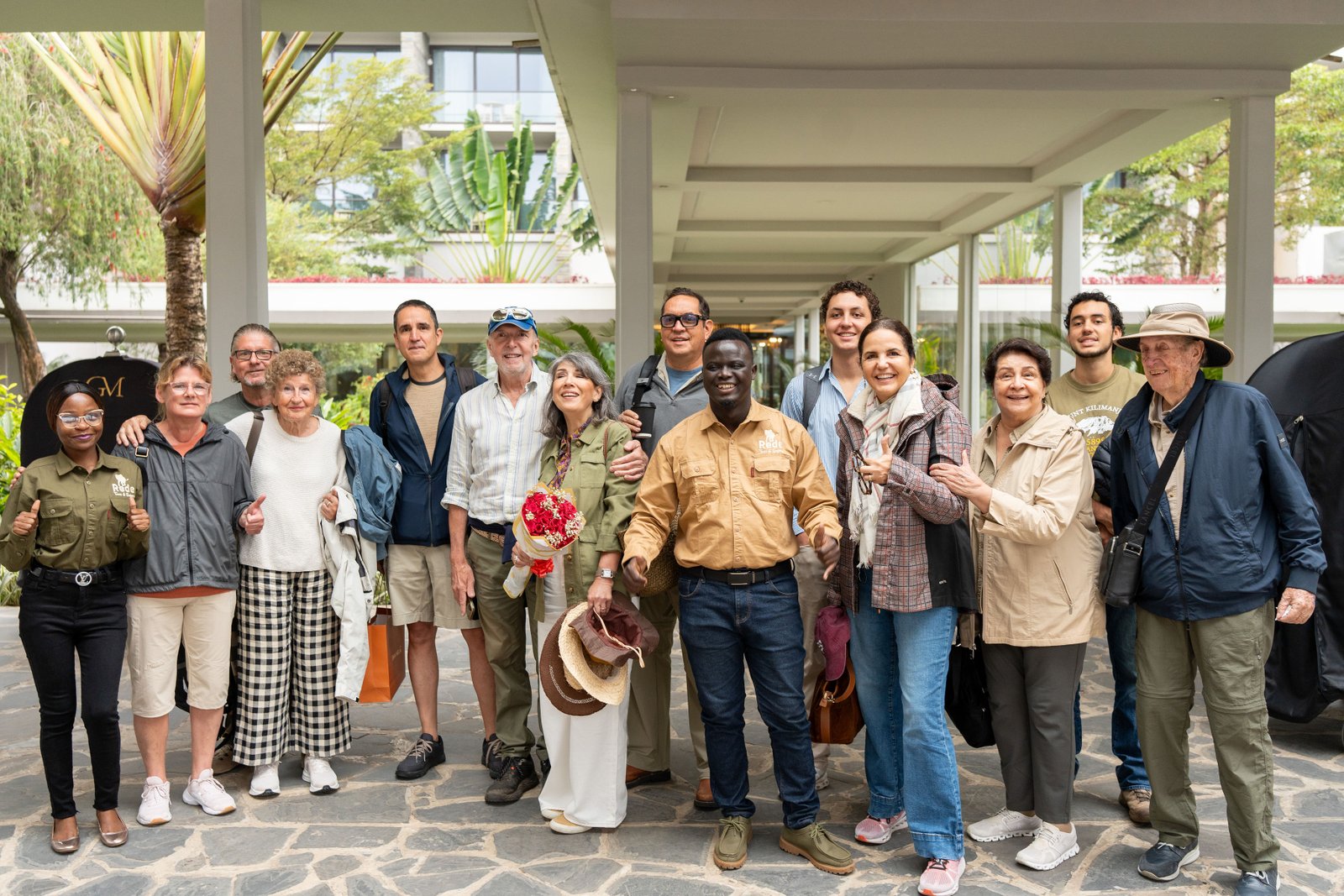
A Warm Welcome at Kilimanjaro International Airport
Your safari experience can begin with a personal welcome at Kilimanjaro International Airport (JRO), where Nalisis may meet you on arrival, depending on the agreed arrangements.
After the greetings, you will be transferred to your hotel, where you can relax after your flight. Nalisis will then provide a safari briefing covering the journey ahead, from the first day to the final day of your itinerary.
During the briefing, you will learn about the planned route, accommodation arrangements, daily departure times, game drives, wildlife-viewing expectations, and important guidelines for enjoying the safari responsibly. You will also have an opportunity to ask questions and clarify any details before the adventure begins.
The goal is to help you feel informed, comfortable, and ready to experience Tanzania's wildlife with confidence.
What to Expect During Your Ndutu Migration Safari
A safari in Ndutu during January and February is an opportunity to experience one of the most fascinating periods in the Great Wildebeest Migration. While every day in the wild is different, your journey may include the following experiences.
1. Large herds of wildebeest and zebras
Depending on seasonal conditions, you may encounter large concentrations of wildebeest and zebras moving across the southern plains in search of fresh grazing. The size and location of the herds can change with rainfall and pasture availability.
2. The wildebeest calving season
January and February are associated with the annual calving season. With good timing and favourable conditions, you may see newborn wildebeest, mothers caring for their young, and calves learning to stand and move across the grasslands.
3. Predators in their natural habitat
Ndutu can offer opportunities to observe lions, cheetahs, spotted hyenas, and other predators. Their activity often reflects the availability of prey, but hunting scenes and particular animal sightings cannot be guaranteed.
4. Game drives with knowledgeable local guides
Your guide will help you identify wildlife, interpret animal behaviour, and understand the relationships between the animals and their environment. Game drives are planned around the itinerary, current conditions, and available wildlife-viewing opportunities.
5. Beautiful landscapes and photography opportunities
From open grasslands and seasonal lakes to scattered trees and expansive skies, Ndutu provides a rewarding setting for wildlife and landscape photography. Guests should bring cameras, binoculars, sun protection, and suitable clothing for changing weather conditions.
6. Comfortable accommodation and time to relax
Depending on your selected package, you may stay in a seasonal tented camp, permanent tented camp, or lodge in or around the Ndutu and southern Serengeti areas. Accommodation, meals, and other services will be confirmed in your safari quotation.
7. A deeper understanding of Tanzania's wildlife
Beyond the excitement of spotting animals, Nalisis and the safari team aim to help travellers appreciate the importance of wildlife conservation, natural habitats, and responsible tourism.
Travel with Experience, Explore with Purpose
At Rede Tours and Safaris, we believe that a memorable safari begins with thoughtful planning and a genuine appreciation of nature. Nalisis's experience observing the Great Migration across different parts of the Serengeti ecosystem helps bring a personal perspective to the journey.
Join Rede Tours and Safaris for theSerengeti Migration in Ndutu, January–February 2027, and experience Tanzania through a team dedicated to wildlife, hospitality, and meaningful travel.
Contact our team to plan your safari and discuss the best itinerary for your travel dates.
Our recommended safari durations include the following options.
3-Day to 4-Day Ndutu Migration Safari
A three- or four-day safari is a practical option for travellers with limited time who want to focus on Ndutu and the southern Serengeti.
Depending on your arrival point and chosen itinerary, the programme can include transfers, accommodation, and game drives in the migration area. A four-day option may allow additional time for wildlife viewing and flexibility when searching for the herds.
This package is particularly suitable for couples, photographers, and travellers adding a short wildlife experience to a longer Tanzania holiday.
5-Day Southern Serengeti and Ndutu Safari
A five-day safari gives you more time to explore the Ndutu plains and surrounding wildlife areas. Spending several days in the region allows your guide to adapt game drives to recent sightings, weather conditions, and the movement of the herds.
This option is ideal for travellers who want to spend more time observing the calving season, photographing wildlife, and enjoying the southern Serengeti landscape without rushing between destinations.
6-Day Serengeti Migration Safari
A six-day itinerary offers a more extended wildlife experience, with additional time to explore different parts of the Serengeti ecosystem.
Depending on your preferences, the programme can focus on Ndutu or combine the southern plains with other Serengeti areas. Route planning will depend on your arrival and departure arrangements, accommodation availability, and the expected location of the herds.
This option suits travellers who value longer game drives and a broader wildlife experience.
7-Day Extended Serengeti and Ndutu Safari
For travellers who want to dedicate more time to Tanzania's wildlife, a seven-day safari provides greater flexibility. It can be designed around Ndutu's calving season and may include additional areas of the Serengeti or other northern Tanzania destinations.
A longer safari can also provide more opportunities to explore different landscapes, follow changing wildlife activity, and enjoy time in camp between game drives.
Rede Tours and Safaris can help you select the most suitable route and accommodation based on your travel dates and expectations.
How Much Does a Ndutu Migration Safari Cost in January 2027?
The cost of a Serengeti Migration safari in Ndutu depends on the number of days, accommodation category, number of travellers, transport arrangements, and itinerary.
Safari packages with Rede Tours and Safaris start from approximately US$2,500 per person, subject to confirmation of the itinerary and travel arrangements.
Depending on the specific package, the price may cover:
- Serengeti and other applicable conservation or park fees.
- A private 4x4 safari vehicle suitable for game drives.
- Services of a professional local safari guide.
- Accommodation during the safari.
- Meals and other services specified in the quotation.
- Safari transfers and logistical arrangements included in the agreed itinerary.
Not Included items; International flights, visas, travel insurance, personal expenses, tips, and other services should be confirmed in writing before booking.
The starting price is an indication rather than a fixed rate for every itinerary. A three-day safari and a seven-day safari will have different costs, and accommodation choices can significantly affect the final price. Contact Rede Tours and Safaris for a quotation based on your preferred dates, group size, and travel style.
Where to Stay During the Ndutu Migration Safari
Choosing suitable accommodation is an important part of planning a successful migration safari. During January and February, staying close to the areas where the herds are gathering can help reduce unnecessary driving and provide more time for game viewing.
Depending on availability, budget, and itinerary, travellers can consider seasonal mobile tented camps, permanent tented camps, and lodges serving the Ndutu and southern Serengeti areas.
When arranging accommodation, Rede Tours and Safaris considers:
- The location of the camp in relation to the expected wildlife activity.
- Comfort, facilities, and the preferred accommodation category.
- Access to suitable game-drive areas.
- The route and travel time between destinations.
- Availability for the requested dates.
The best camp is not necessarily the most expensive one. The right choice depends on your priorities, whether you prefer a luxury tented experience, a comfortable mid-range stay, or a more budget-conscious safari.
Because January and February are popular months for the calving season, early planning is recommended, especially for travellers seeking specific camps or luxury accommodation.
Why Book Your Ndutu Safari with Rede Tours and Safaris?
Planning a migration safari involves more than choosing a national park. The timing of your visit, accommodation location, daily driving arrangements, and the experience of your guide can all influence the quality of your trip.
Rede Tours and Safaris is a Tanzania-based safari operator offering safari planning and travel arrangements for visitors exploring Tanzania. Our aim is to help guests choose practical itineraries that balance wildlife viewing, comfort, travel time, and value.
Local Safari Planning
Our team helps you plan your Ndutu safari around your arrival point, available travel dates, accommodation preferences, and overall budget. We can advise on how many days to allocate to the southern plains and whether to include other destinations.
Experienced Safari Guides
A knowledgeable guide helps you understand wildlife behaviour, identify different species, and appreciate the wider ecosystem. Our safari arrangements prioritise professional guiding and responsible wildlife viewing.
Suitable Safari Vehicles
Game drives are arranged using suitable 4x4 safari vehicles. Vehicle specifications and facilities, such as pop-up roofs, depend on the vehicle assigned to your package.
Accommodation and Travel Arrangements
From accommodation selection to park-entry arrangements and safari logistics, our team helps coordinate the main elements of your trip. The aim is to make the planning process clear and straightforward, with agreed inclusions confirmed before travel.
Safari Packages Tailored to Your Needs
Some travellers want a short safari focused on the calving season, while others prefer a longer journey through the Serengeti and northern Tanzania. We can help develop a programme that reflects your interests rather than forcing every traveller into the same itinerary.
Best Time to Book the Ndutu Migration Safari for 2027
January and February 2027 are excellent months to consider for a Ndutu safari focused on the calving season. However, the Great Migration is a natural event influenced by rainfall, pasture conditions, and animal movements. The exact location of the herds can change from one week to another.
For this reason, we recommend planning early and sharing your intended travel dates with our team. This gives us time to check accommodation availability, discuss the most suitable route, and prepare an itinerary that reflects your expectations.
If your priority is witnessing the calving season, we can help you plan around the usual seasonal pattern while explaining the uncertainties involved in wildlife viewing.
Frequently Asked Questions About the Ndutu Migration Safari
Is January a good time to see the Great Migration in Ndutu?
Yes. January is generally an excellent time to visit Ndutu because large herds of wildebeest often gather in the southern Serengeti ecosystem during the calving season. The precise location and size of the herds depend on seasonal conditions.
Can I see wildebeest giving birth in Ndutu in January 2027?
It is possible. Wildebeest births occur across the calving season, generally spanning January and February and sometimes extending into March. Sightings depend on timing, weather, and the movement of the herds.
How many days do I need for a Ndutu safari?
Three to four days can suit travellers with limited time. Five to seven days provide more flexibility for wildlife viewing and the option to explore additional areas. The best duration depends on your arrival point and overall travel plan.
How much does a Ndutu safari cost in 2027?
Rede Tours and Safaris offers indicative packages starting from approximately US$2,500 per person. The final price depends on the duration, accommodation, group size, route, and confirmed inclusions.
Can I combine Ndutu with other Tanzania safari destinations?
Yes. Depending on your schedule, budget, and accommodation availability, you may combine Ndutu with other parts of the Serengeti, Ngorongoro, Tarangire, or other suitable destinations. Your route should be planned carefully to avoid spending too much of your holiday travelling between parks.
Is accommodation inside or near Ndutu available in January and February?
Accommodation options vary by property and travel dates. Seasonal camps, tented camps, and lodges may be available in the wider area. Early booking is advisable, and availability should be confirmed before your safari is finalised.
Book Your Serengeti Migration Safari in Ndutu for January–February 2027
The calving season offers a special opportunity to experience the Great Migration in the southern Serengeti ecosystem. From vast herds crossing the open plains to the arrival of newborn wildebeest and the presence of predators, Ndutu offers a remarkable setting for a Tanzania wildlife safari.
With Rede Tours and Safaris, you can plan a three-day, four-day, five-day, six-day, or seven-day safari around your preferred dates, accommodation category, and travel budget.
Let our team help you plan yourSerengeti Migration in Ndutu for January or February 2027, with clear pricing, suitable accommodation, professional guiding arrangements, and an itinerary tailored to your journey.
Contact Rede Tours and Safaris to request your 2027 Ndutu safari quotation.Share your travel dates, number of travellers, preferred accommodation category, and safari duration so we can help you plan your Tanzania safari.
Contact Rede Tours and Safaris – Book Your Ndutu Safari 2027
Are you planning to witness the Great Wildebeest Migration in Ndutu during January or February 2027? Let Rede Tours and Safaris help you plan your Tanzania safari, from choosing suitable accommodation to arranging your safari vehicle, professional guide, park fees, and other agreed services.
Contact our team today to request a personalised quotation for your preferred safari duration, travel dates, and accommodation category.
Rede Tours and Safaris
·WhatsApp / Phone:+255 676 063 791
·Email:info@redetoursandsafaris.com
·Website:https://www.redetoursandsafaris.com/
·Office:Moshi and Arusha, Tanzania
·Postal Address:P.O. Box 11435, Arusha, Tanzania
Plan your Ndutu Migration Safari for 2027 with Rede Tours and Safaris.Contact us today and let us help you create a memorable Tanzania wildlife experience.
Rede Tours and Safaris — Your journey into Tanzania's wild landscapes, planned around the experiences that matter to you.