Recommended 8-Week Training Program for Hiking Kilimanjaro
Climbing Mount Kilimanjaro is often described as one of the most achievable high-altitude adventures in the world but that does not mean it is easy. What makes it accessible is not the absence of challenge, but the fact that with the right preparation, almost anyone with determination can reach the summit.
This is not a technical climb. You don’t need ropes, advanced mountaineering skills, or prior climbing experience. What Kilimanjaro demands instead is something more subtle but equally powerful: endurance to keep moving for hours, patience to accept a slow pace, and the mental strength to continue step by step, even when your body begins to feel the strain.
The mountain tests consistency more than intensity. Each day builds on the last, and success comes from your ability to maintain steady effort over time rather than pushing beyond your limits too quickly.
That is why preparation matters. Not just physical training, but learning how to manage your energy, understand your body, and approach the climb with the right mindset.
This 8-week training program is designed to prepare you on all levels physically, mentally, and strategically so that when you begin your journey, you are not just hoping to reach the summit, but truly ready for it.
Why Training for Kilimanjaro Matters
Climbing Mount Kilimanjaro challenges your body in a very specific and often underestimated way. It is not about moving fast or being extremely strong it is about your ability to sustain effort over long periods while your body is gradually adjusting to altitude.
Each day on the mountain builds on the previous one. You will hike for 5–9 days, often walking 6–8 hours daily, sometimes more. At lower elevations, this may feel manageable. But as you climb higher, the air becomes thinner, oxygen levels drop, and even simple movements begin to require more effort.
This is where preparation becomes essential. Training does not just make you fitter it teaches your body how to handle effort under pressure and recover efficiently for the next day.
Through consistent training, you develop the ability to:
- Manage long hours of walking without your energy collapsing too quickly
- Maintain a steady level of energy, even when fatigue begins to build
- Stay mentally calm and focused during moments that feel physically demanding
These are not just physical benefits they are what allow you to move with confidence instead of struggle.
With proper training, Kilimanjaro stops feeling like a test you must endure. Instead, it becomes a journey you can experience, appreciate, and enjoy, step by step, all the way to the summit.
Weekly Training Structure (How to Train Smart)
Preparing for Mount Kilimanjaro is not about training as hard as possible it is about training consistently and intelligently. The body does not improve from intensity alone. It improves through a balance of effort and recovery, repeated over time.
When you train regularly, your heart becomes more efficient, your muscles adapt to repeated movement, and your energy systems become more stable. But without proper recovery, this progress cannot happen. That is why structure matters.
During the week, each type of training plays a specific role in preparing you for the mountain:
- Cardio builds stamina
It strengthens your heart and lungs, allowing you to move for long periods without becoming breathless too quickly. This is essential for maintaining a steady pace on the mountain. - Strength training supports joints and muscles
Strong legs and a stable core reduce strain on your knees and back, especially when walking uphill or descending. This helps prevent fatigue and injury over multiple days. - Long hikes prepare you for real conditions
This is the most important part of your training. It teaches your body how to stay active for hours, how to pace yourself, and how to manage energy over time just like you will on Kilimanjaro. - Rest allows adaptation
Recovery is where improvement actually happens. Your muscles repair, your energy returns, and your body becomes stronger. Without rest, training leads to exhaustion instead of progress.
This structure closely mirrors the rhythm of Kilimanjaro itself steady, repeated effort followed by rest and recovery. Learning this rhythm before the climb allows you to move more naturally on the mountain, conserving energy and maintaining consistency all the way to the summit.
Week 1–2: Foundation and Body Awareness
The first two weeks are all about laying the groundwork. At this stage, intensity is not the goal. What matters most is consistency, body awareness, and gentle adaptation.
Your body is learning to move regularly again. Cardiovascular exercises like brisk walking, cycling, or light jogging improve breathing efficiency and stamina, helping your lungs and heart adjust to sustained effort. Meanwhile, basic strength training activates key muscles, including your legs, glutes, and core, preparing your joints and posture for long hours of hiking.
Short hikes are introduced during this phase to help you reconnect movement with purpose. Even a simple 1–2 hour walk on uneven terrain begins to teach your body how to stabilize itself, adjust balance, and coordinate steps over natural surfaces.
You may notice minor discomforts such as tight calves, achy knees, or general leg fatigue. These are not signs of failure they are signals that your muscles are adapting to new demands. Learning to listen to these signals is a crucial skill that will serve you throughout the climb.
By the end of these two weeks, you have built a solid foundation. Your body understands movement, your muscles are activated, and your mind starts recognizing the rhythm of daily effort. Everything from this point forward depends on this base you cannot skip it without compromising your preparation.

Week 3–4: Strength, Balance, and Efficiency
By weeks 3 and 4, your training shifts from general preparation to specific, trek-focused conditioning. This is where your body begins to adapt in ways that mimic the actual demands of climbing Mount Kilimanjaro.
You start incorporating hills, longer training sessions, and carrying light backpack weight. Walking uphill forces your muscles especially your calves, quads, and glutes to work harder, improving strength and endurance. The addition of a backpack trains your posture and stability, teaching your body to move efficiently while supporting extra load, just like you will on the mountain.
During this phase, you also begin learning pacing. You realize that energy is a resource to manage carefully: sprinting too early leads to fatigue, while moving steadily ensures you can keep going over many hours. Understanding how to distribute effort becomes a key skill for long days on Kilimanjaro.
This is also when the training starts to feel like real trekking. Your movements become smoother and more efficient, your breathing is better controlled, and your confidence grows. You are no longer just exercising you are becoming a capable, self-aware trekker, ready to handle uneven terrain, steep inclines, and the mental challenges of sustained hiking.
By the end of week 4, your body is stronger, your balance is sharper, and your mind is beginning to understand the rhythm of consistent effort the very rhythm that Kilimanjaro itself demands.

Week 5–6: Peak Endurance and Real Simulation
Weeks 5 and 6 mark the most critical phase of your Kilimanjaro preparation. At this stage, training shifts from building strength and efficiency to simulating the actual conditions you will face on the mountain. This is where your body and mind experience fatigue in a controlled way, teaching you how to manage it without panic or frustration.
Long hikes now become the centerpiece of your program. They mimic real trekking days, lasting 2–4 hours or more, often on uneven or steep terrain. You may carry a backpack that closely resembles the weight you will carry on the climb, giving your body practice in posture, balance, and energy management.
During these hikes, fatigue is no longer an obstacle to avoid it becomes a teacher. You learn how to pace yourself, maintain focus, and continue moving even when your legs feel heavy and your breathing is labored. This experience is invaluable because Kilimanjaro will test both your body and your patience.
At this stage, training also emphasizes mental endurance. Physical effort is no longer the limiting factor; the ability to stay calm, consistent, and determined becomes what distinguishes a successful climber from one who struggles.
Key training activities during this phase include:
- Longer hikes (2–4+ hours) – building stamina and simulating multi-hour trekking days
- Steeper terrain or stair climbs – strengthening muscles used on inclines and descents
- Backpack weight close to real conditions – improving posture, balance, and endurance
By the end of week 6, your body has adapted to prolonged effort, your muscles are conditioned for repeated stress, and your mind has begun learning the discipline of persistence the very skill that will carry you all the way to the summit.
Week 7: Recovery and Strength Consolidation
After the intense training of weeks 5 and 6, your body enters a crucial phase: recovery and consolidation. This is not a break it is an active step in building strength. During this week, reducing intensity allows your muscles to repair fully, your joints to recover, and your energy reserves to replenish.
Recovery is where the body absorbs all the previous training. Fatigue fades, but the benefits remain your legs feel lighter, your core stronger, and your overall movement more efficient. Mentally, this is also a confidence-building period: you notice how your body responds positively to consistent effort, giving you reassurance that you are ready for the climb.
This phase also emphasizes maintaining fitness without overexertion. Short hikes, light cardio, and gentle strength exercises keep your body active while avoiding strain. The goal is to arrive at Kilimanjaro fresh, strong, and fully prepared, rather than fatigued from overtraining.
By the end of Week 7, your body feels resilient, your mind is calm, and your muscles are primed for the final phase of preparation: mental focus and summit readiness.
Week 8: Final Preparation and Confidence
By Week 8, your physical fitness is largely established. Your muscles are strong, your endurance is solid, and your body has adapted to repeated effort. Now, the focus shifts from building strength to refining readiness and mental confidence.
This phase is about ensuring that everything from your gear to your mindset is aligned for the climb. You test your backpack, boots, and clothing on a final hike, confirming that all equipment is comfortable and functional. You review your route, pace strategy, and daily goals, mentally rehearsing the journey step by step.
This week also emphasizes mental preparation. You reflect on the training you’ve completed and recognize that your body is ready for the challenge. You build trust in your own abilities the calm, steady confidence that will carry you through long hours on the mountain.
By the end of this week, you should feel:
- Calm – knowing that preparation is complete
- Prepared – equipment, route, and strategy are all in place
- Confident – ready to face Kilimanjaro step by step
Week 8 is not about pushing harder it is about solidifying the results of the previous seven weeks and stepping into the climb with a clear mind and steady heart. This is the mental and strategic foundation that transforms months of training into summit success.
Choosing the Right Route (Very Important)
Success on Mount Kilimanjaro is not determined by fitness alone it is equally about choosing a route that matches your experience, stamina, and goals. The path you take can make the difference between reaching the summit comfortably or struggling with altitude and exhaustion.
Shorter routes may seem appealing because they promise a quicker ascent. However, these routes are more demanding on your body:
- Less time to acclimatize – increases risk of fatigue, headaches, and altitude sickness
- Higher daily effort – longer hours and steeper climbs in fewer days
.webp)
Longer routes provide your body with the time it needs to adapt, giving you a safer and more enjoyable experience:
- Gradual acclimatization – extra days at higher elevations allow your lungs and body to adjust
- Energy management – pacing yourself over several days reduces overall strain
- Better overall experience – each day of trekking feels more manageable and rewarding
If your primary goal is to reach the summit safely and successfully, longer routes are almost always the better choice.
Choosing the right route is not just a logistical decision it is a strategic choice that protects your health, maximizes enjoyment, and ensures that your months of training pay off.
Summit Night: The Real Challenge
The hardest part of climbing Mount Kilimanjaro is undeniably summit night. You begin in the dark, often around midnight, when the world feels still and silent. Temperatures drop well below freezing, and each step becomes heavy and deliberate. The thin air makes breathing laborious, and progress slows to a rhythm measured more by patience than by effort.
This is the moment when all your training comes together. Your body may already feel fatigued from days of trekking, but your mind carries you forward. You rely on the habits cultivated over weeks of preparation: maintaining a steady pace, controlling your breathing, and practicing patience with every step. Every small forward movement is a triumph of consistency and discipline rather than raw strength.
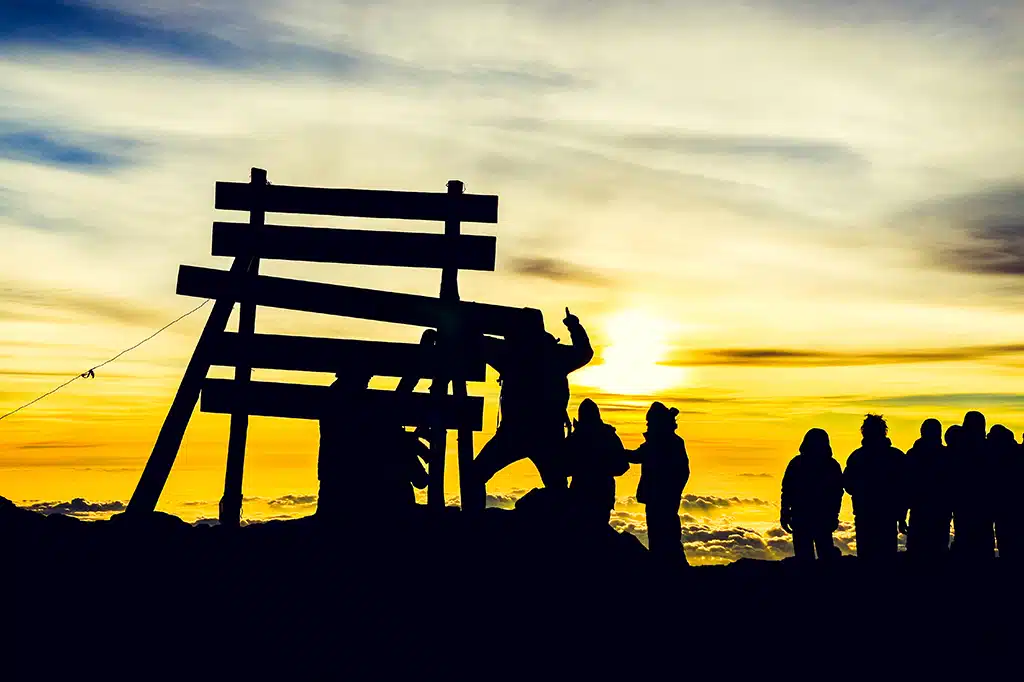
Reaching the summit is less about being the strongest and more about being the most consistent, determined, and mentally prepared climber. It is a test of endurance, resilience, and focus, where the journey itself becomes as significant as the achievement at the top.
By the time you see the first light of dawn over the crater rim, the struggle of the night makes the view feel earned, profound, and unforgettable a reward that no physical training alone could provide.
Acclimatization: The Key to Success
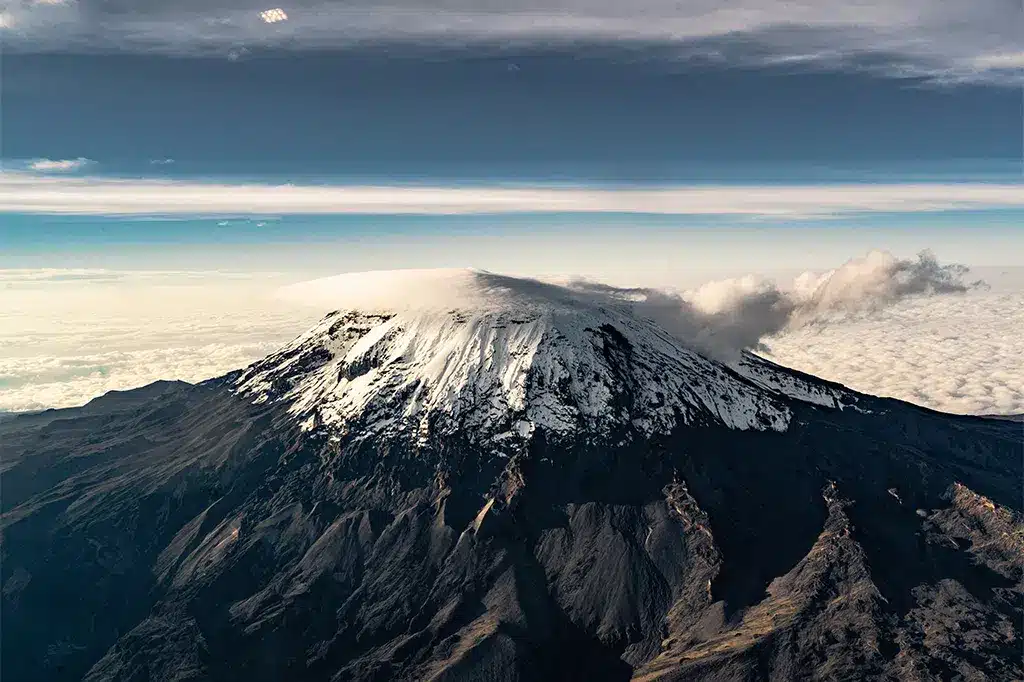
Altitude is the single biggest challenge on Mount Kilimanjaro. As you climb higher, the air becomes thinner and oxygen levels drop, placing stress on your heart, lungs, and muscles. How your body adapts to these changes often determines whether you reach the summit comfortably or struggle.
The most important principle is simple but powerful: go slowly. Every step should be measured, every hour paced. Climbers who rush risk altitude sickness, headaches, nausea, or exhaustion. Those who take their time allow their bodies to adjust naturally, improving oxygen efficiency, stabilizing heart rate, and conserving energy for the next day.
Many successful climbers follow strategies like gradual ascent, frequent breaks, and careful monitoring of how their bodies respond. Acclimatization is not just physical it is mental. It changes your mindset from one of urgency and competition to one of observation and adaptation. You begin to listen to your body, honor its signals, and respond with patience.
By embracing acclimatization, the climb becomes more than a test of endurance; it becomes a rhythm of adaptation, where every day of hiking builds your readiness for the summit. Understanding this principle increases your chances of success while making the journey safer, more enjoyable, and deeply rewarding.
Injury Prevention and Body Care
Training for Mount Kilimanjaro is not about pushing yourself to the limit it is about training smart and keeping your body healthy. Every step you take in preparation should support your long-term strength and resilience, not create setbacks.
Pay close attention to your body. Stretching regularly, especially your legs, hips, and lower back, keeps muscles flexible and joints mobile, reducing the risk of strains and soreness. Strong knees are particularly crucial, as descents on uneven terrain place extra pressure on them, and small injuries here can quickly derail progress.
Recovery is as vital as exercise itself. Rest days, proper hydration, and sufficient sleep allow your muscles to repair, energy stores to refill, and your body to adapt to training stress. Skipping recovery may feel productive in the moment, but it often leads to fatigue, overuse injuries, or burnout problems that can jeopardize your climb.
Injury prevention is more than avoiding setbacks; it is a strategic part of training. By caring for your body now, you ensure that when summit day arrives, you are strong, confident, and capable of tackling the challenges ahead without unnecessary pain or strain.
Gear and Packing Strategy
Your gear is more than equipment it is your lifeline on Mount Kilimanjaro, and proper preparation can make the difference between an exhausting climb and an unforgettable adventure. Familiarity with your gear before you arrive ensures that everything feels natural, eliminating uncertainty and allowing you to focus on the mountain itself.
Key points to focus on:
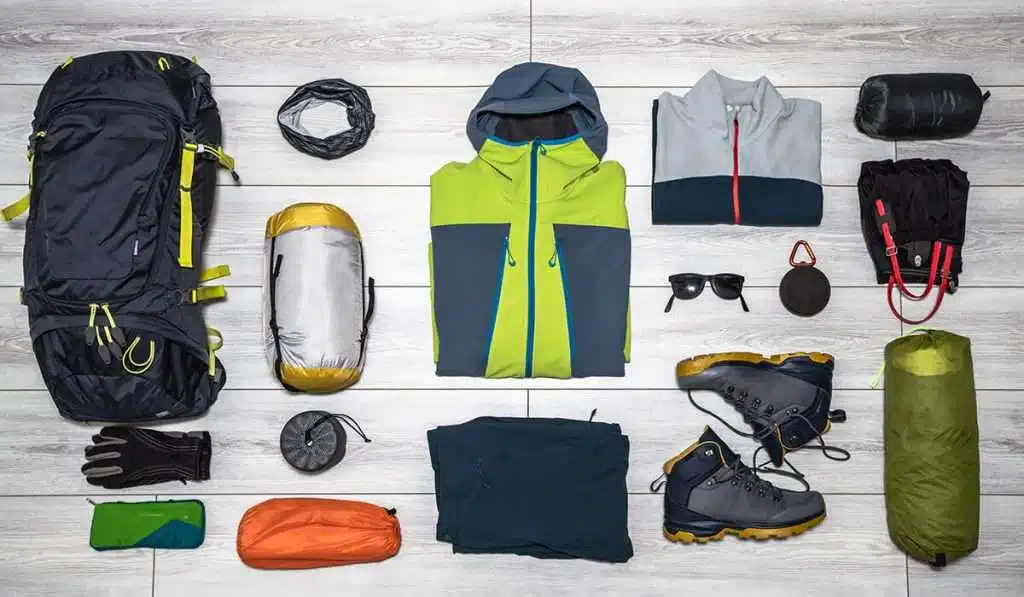
- Layering for variable temperatures – Kilimanjaro’s climate shifts dramatically from warm, sunlit mornings to freezing summit nights. Proper layering allows you to regulate your body temperature efficiently, preventing overheating during the day while staying warm during early morning or high-altitude trekking.
- Broken-in boots – Your boots should feel like an extension of your feet. Training in them before the trek helps avoid blisters, discomfort, or missteps, especially during long days over rocky or uneven terrain.
- Backpack practice – Carrying your pack with the same weight you plan for the climb trains your muscles, improves posture, and helps your body adapt to the demands of long, multi-hour hikes. Practicing with your backpack ensures it sits comfortably on your shoulders and back, reducing strain and improving endurance.
- Confidence through preparation – Using your gear in advance builds familiarity and confidence. When every item from clothing layers to trekking poles is tested, you can move through each day of the climb with focus, knowing that nothing will slow you down or distract from the experience.
A thoughtful gear and packing strategy don’t just protect your body it enhances your mental readiness, allowing you to focus fully on the climb, enjoy every step, and face challenges with calm, steady determination. Being well-prepared means, you can embrace the mountain, rather than worry about discomfort or surprises.
Nutrition and Hydration
Climbing Mount Kilimanjaro is as much about properly fueling your body as it is about physical fitness. Your muscles and mind rely on consistent energy and proper hydration to perform well at high altitude, and the way you eat and drink can have a profound impact on both endurance and focus.
Instead of relying on large meals, it’s better to eat smaller, frequent snacks throughout the day. This approach keeps energy levels stable, prevents fatigue caused by heavy digestion, and ensures your body can sustain long hours of walking without hitting sudden energy lows. Hydration is equally critical: even mild dehydration reduces stamina, slows mental clarity, and increases susceptibility to altitude-related issues. Drinking water consistently, before, during, and after both training and trekking, is essential for peak performance.
Training also gives you the opportunity to understand what works best for your body. You can test foods, snacks, and drinks to see which provide steady energy, which digest easily, and which help you maintain strength over time. By the time you reach Kilimanjaro, these habits become second nature, and you can rely on them confidently without worrying about surprises.
Balancing carbohydrates for energy, protein for muscle repair, and electrolytes to replace minerals lost through sweat ensures that your body remains resilient and ready for every step. Proper nutrition and hydration transform training into real confidence on the mountain, giving you the endurance, focus, and strength you need to make the climb not just possible, but enjoyable and rewarding.

Mental Strength: The Deciding Factor
Many climbers arrive at Mount Kilimanjaro fully prepared physically but not all reach the summit. The difference often lies in mental strength. While your body carries you up the mountain, it is your mind that determines whether you keep moving when fatigue, altitude, and discomfort push you to your limits.
Kilimanjaro requires patience, resilience, and the ability to remain calm under stress. There will be moments when each step feels heavy, when your energy wanes, and when the summit still feels impossibly far away. It is in these moments that training pays off. Every long hike, every uphill step during preparation, and every time you’ve pushed through discomfort teaches discipline, focus, and the ability to stay present.
Success on the mountain comes not from speed, but from consistency and persistence. Climbers who reach the summit pace themselves carefully, manage their energy, and rely on the habits and confidence they built during training. Mental strength is what transforms effort into achievement, allowing you to embrace the challenge, overcome doubt, and experience the profound reward of standing on the roof of Africa.
Frequently Asked Questions (FAQ)
How fit do I need to be?
You don’t need to be a professional athlete to climb Mount Kilimanjaro, but a good level of endurance and stamina is essential. You should be comfortable hiking for several hours at a time, navigating uneven terrain, and carrying a daypack. Training helps your body adapt to sustained effort, making each day on the mountain manageable and enjoyable.
Can beginners climb Kilimanjaro?
Absolutely. Many first-time climbers reach the summit every year. Success depends on proper preparation, selecting a suitable route, and pacing yourself carefully. With consistent training, mental readiness, and the right support, beginners can experience the same sense of achievement as seasoned hikers.
What is the hardest part?
Summit night is widely considered the most challenging segment of the climb. Starting in the dark, often around midnight, you face freezing temperatures, thin air, and long hours of hiking while fatigued. Physical strength alone is not enough mental endurance, patience, and steady pacing are what carry you to the top.
How long should I train?
At minimum, 6–8 weeks of consistent training is recommended to build the endurance, strength, and mental resilience needed for Kilimanjaro. During this period, focus on long hikes, strength and core exercises, cardiovascular training, and acclimatization preparation to give yourself the best chance of summit success.
Additional Tip: Training is not only physical it’s also about learning your body, practicing with your gear, and developing the confidence to face the altitude and long days ahead.
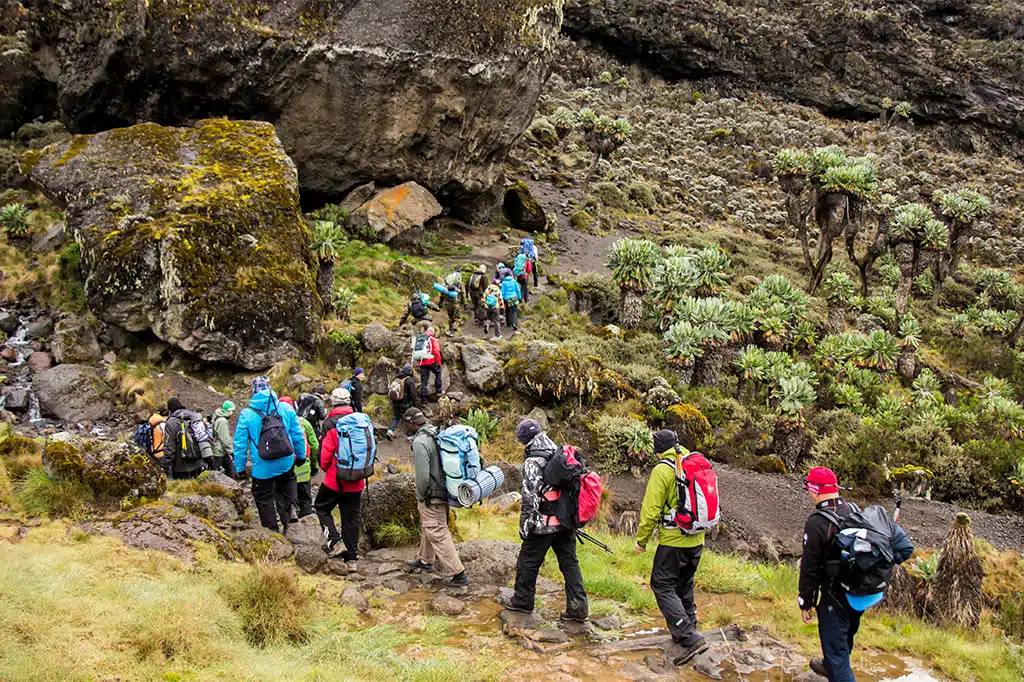
Climbing Mount Kilimanjaro is one of the most rewarding adventures you can undertake, but it is also a journey that demands preparation, patience, and persistence. Every aspect of your training endurance hikes, strength exercises, gear familiarization, nutrition, hydration, and mental conditioning works together to ensure that you are ready to face the mountain’s challenges with confidence.
Success is not measured by speed or raw strength; it is built through consistency, resilience, and thoughtful preparation. From the first training session to the final step on the summit, every choice you make how you train, what you pack, how you pace yourself directly affects your experience and your ability to reach the top safely and enjoyably.
Now is the time to take action. Don’t leave your Kilimanjaro adventure to chance. Book your guided climb with us today and gain access to expert planning, tailored training advice, and support every step of the way. With the right preparation, you will not only reach the summit you will do so with confidence, clarity, and the unforgettable feeling of achievement that comes from standing on the roof of Africa.
Your journey starts now. Train smart, prepare fully, and join us for an adventure you will remember for the rest of your life.