Rau Forest Reserve Day Trip
A Rau Forest day trip is a perfect short adventure for nature lovers visiting Moshi. Located near the town center, Rau Forest is a quiet and green place where you can enjoy walking, bird watching, and relaxing in natural hot springs. It is a great activity for travelers who want something easy, peaceful, and close to town.
If you are staying in Moshi and do not have much time, this forest is a wonderful place to visit for a few hours or a full day. The environment is calm and natural, making it different from busy town life. It is also a good place to learn about local plants, animals, and the importance of protecting nature.
Where Is Rau Forest?
Rau Forest Reserve is located just a few kilometers from Moshi town in the Kilimanjaro Region of northern Tanzania. It is found on the lower slopes of Mount Kilimanjaro and covers a large green area near local villages.
It is easy to reach by car, taxi, or even bicycle. From Moshi town center, it takes about 10 to 15 minutes to arrive at the forest entrance. Many local tour companies also arrange short trips to the forest with transport included.
Because it is so close to town, Rau Forest is a popular day trip for visitors who are preparing to climb Mount Kilimanjaro, resting after a safari, or simply looking for a quiet nature experience. You do not need to travel far or spend a lot of money to enjoy this natural place.
What Is Special About Rau Forest?
Here are some special things about Rau Forest:
- Tall, beautiful trees that create cool shade
- Natural walking trails that are easy to follow
- Small rivers and water channels flowing quietly
- A peaceful environment away from town noise
- Natural hot springs inside the forest
Things to Do During a Rau Forest Day Trip
Guided Nature Walk
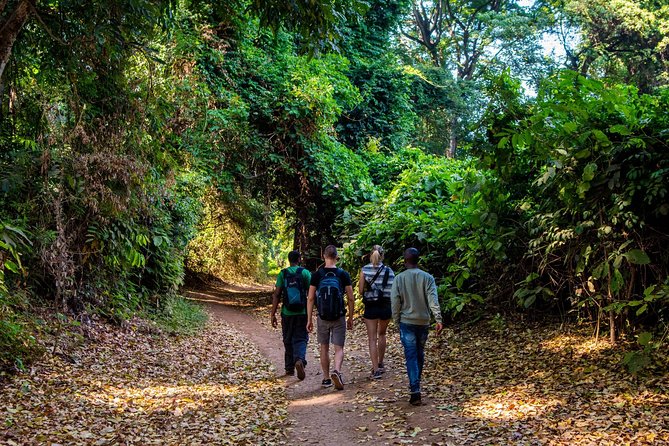
The most popular activity in Rau Forest is a guided walking tour. A local guide will walk with you through the forest and explain the different trees, plants, and animals you see along the way. The guides are knowledgeable and friendly, and they help you understand the history and importance of the forest.
The walk is easy and not steep, so it is suitable for all ages. Children, adults, and older visitors can enjoy the walk comfortably. The paths are mostly flat, with some natural tree roots and soft soil.
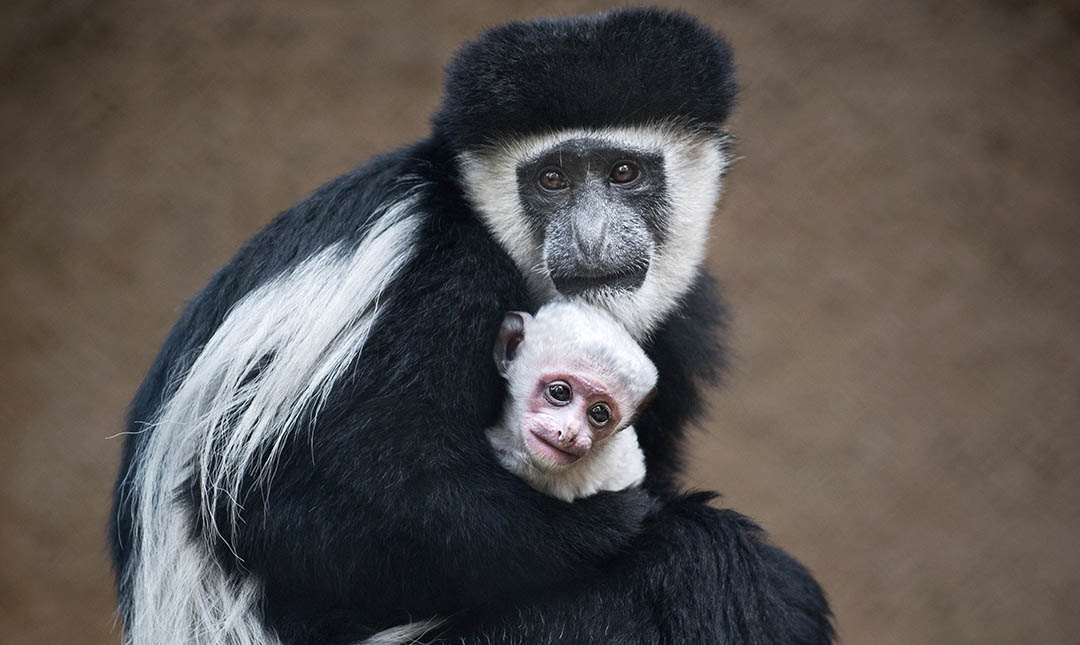
During the walk, you may see black and white colobus monkeys jumping high in the trees and moving from branch to branch with long tails hanging below them. You might also spot blue monkeys moving quickly and quietly between the branches as they search for food. On the forest floor, small antelopes sometimes hide in the bushes, especially in quiet areas away from the paths. As you continue walking, you will notice different types of birds with colorful feathers sitting on tree branches or flying above the forest canopy. You may also see beautiful butterflies flying gently around flowers and green plants, adding more color and life to the peaceful forest environment.
Visit the Natural Hot Springs
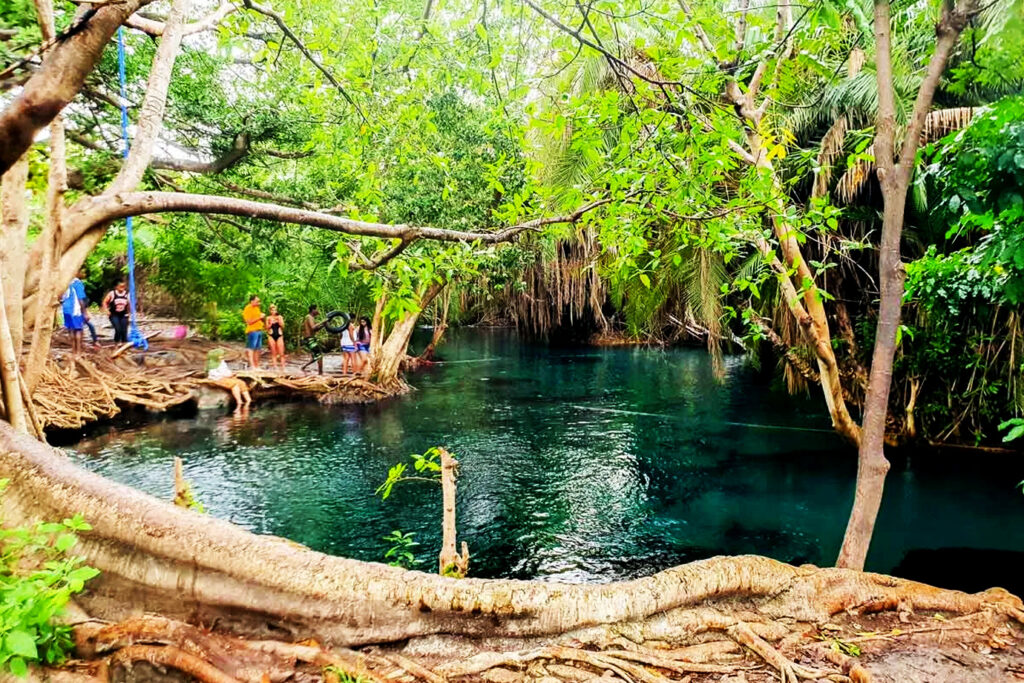
One of the highlights of the trip is visiting the natural hot springs inside the forest. The water is clear and warm, coming from underground volcanic sources connected to Mount Kilimanjaro.
The spring forms a small natural pool surrounded by trees and plants. The water is clean and refreshing. Some visitors like to sit at the edge and put their feet in the water. Others may choose to swim if conditions are safe.
The hot springs area is very quiet. You can relax, listen to birds, and enjoy the natural sounds of flowing water. It is also a good place to take photos and rest during your walk. Spending time at the spring helps you feel calm and refreshed.
Bird Watching
Rau Forest is home to many bird species. Bird lovers enjoy visiting because the forest provides shelter and food for different birds throughout the year.
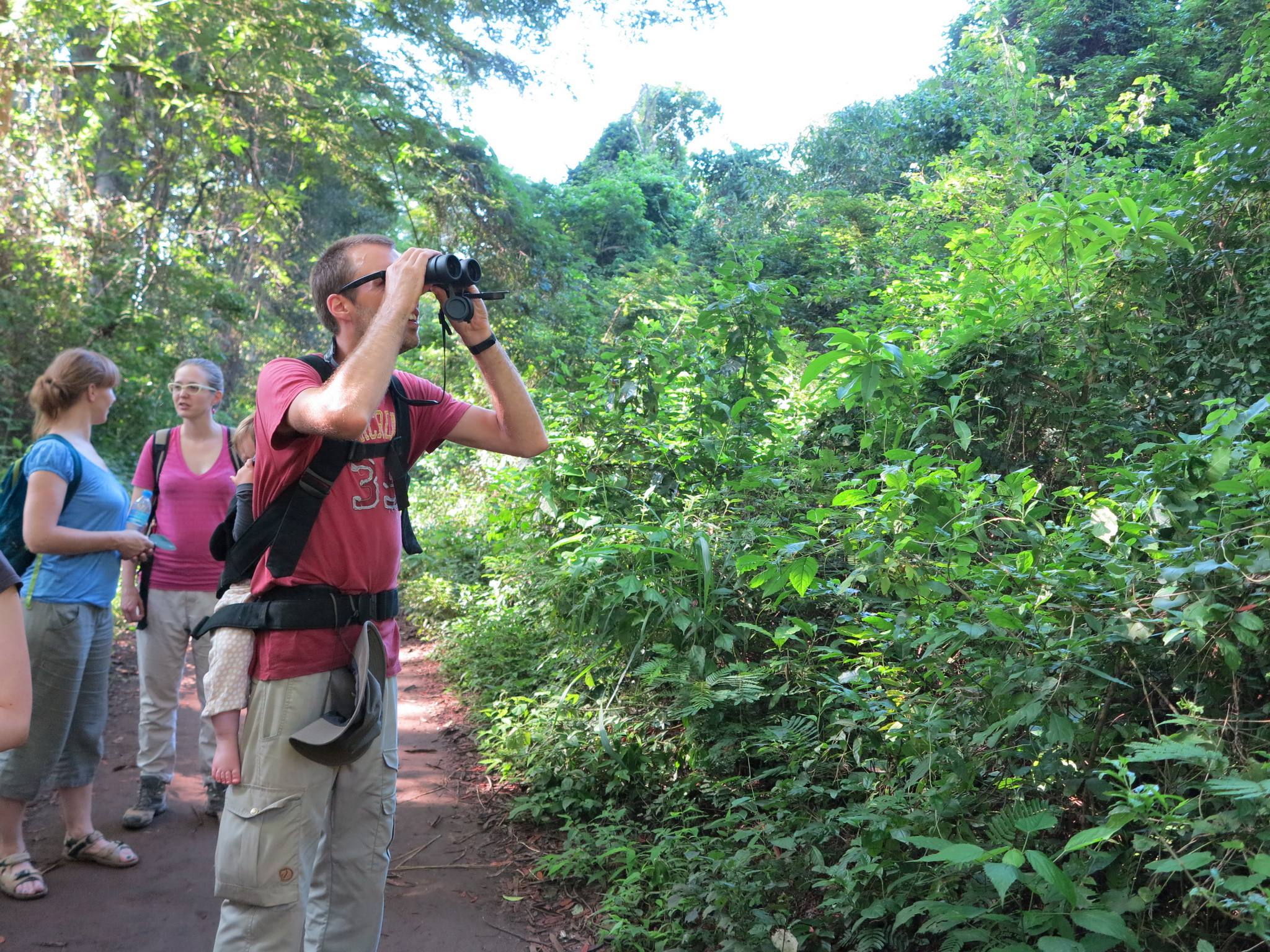
Early morning is the best time to see birds because they are active and singing. You may hear different bird sounds as you walk through the forest. Some birds sit quietly on tree branches, while others fly quickly above the trees.
If you enjoy bird watching, bring binoculars and a camera. Your guide can help you identify some of the common bird species found in the forest.

Photography and Relaxation
The forest is a beautiful place for photography. The tall trees, green leaves, sunlight passing through branches, and small water streams create lovely natural scenes. You can take photos of landscapes, animals, plants, and even close-up pictures of insects and flowers.
It is also a perfect place to relax. You can sit under a tree, breathe fresh air, and enjoy the peaceful environment. Many visitors say they feel less stressed after spending time in Rau Forest. It is a good place for quiet thinking, reading, or simply enjoying nature.
Who Can Visit Rau Forest?
The walk is not difficult, so you do not need special fitness or hiking experience. Even people who do not normally hike can enjoy the forest comfortably. A Rau Forest day trip is suitable for:
- Families with children
- Couples looking for a peaceful walk
- Solo travelers
- Students on educational trips
- Nature lovers
- Visitors with limited time
Best Time to Visit Rau Forest
You can visit Rau Forest Reserve at any time of the year because it stays green in all seasons. The forest receives underground water from Mount Kilimanjaro, so the trees and plants do not dry out easily. No matter when you visit, you will still see green trees and fresh air.
What to Bring?
- Comfortable walking shoes
- Light and breathable clothing
- A hat and sunscreen
- Drinking water
- Camera or phone for photos
- Small backpack
Entrance Fees and Guide
There is a small entrance fee to enter Rau Forest. The money helps with conservation and supports the local community. Visitors are usually required to have a local guide. This ensures safety and gives you more information about the forest.
Hiring a guide also supports local employment. The guide will make your visit more interesting by sharing stories, history, and facts about the forest ecosystem.
How Long Does the Trip Take?
A day trip to Rau Forest Reserve is flexible and can fit into your travel schedule. Most visitors spend about 2 to 3 hours if they want a short and simple visit. This is enough time to enjoy a guided walk through the forest, see some monkeys and birds, and visit the natural hot spring before returning to town.
If you prefer a slower and more relaxed experience, you can spend 4 to 5 hours in the forest. This allows you to walk at an easy pace, take many photos, rest under the trees, and spend more time near the hot spring. Some visitors enjoy sitting quietly and listening to nature, which can make the visit longer but more peaceful.
If you want to take many photos, swim at the hot spring, and walk slowly while learning from your guide, you may spend even more time. Because the forest is very close to Moshi town, you can easily combine the trip with other activities on the same day, such as visiting local markets, exploring coffee farms, or joining a cultural tour in nearby villages.
Why Choose a Rau Forest Day Trip?
A Rau Forest day trip is a great choice for travelers who want a simple and relaxing nature experience without traveling far. The forest is close to town, easy to access, and suitable for all ages. You do not need special hiking skills or expensive equipment.
It is also a good option if you are preparing to climb Mount Kilimanjaro or resting after a safari. The calm environment, fresh air, and natural shade help your body relax. You can enjoy wildlife, beautiful scenery, and natural hot springs in just a few hours.
Most importantly, visiting Rau Forest supports local guides and helps protect the environment. It is an affordable, peaceful, and meaningful activity that adds value to your time in Moshi.