Perfect Time to Witness Snow on the Kilimanjaro Summit
Mount Kilimanjaro, Africa’s highest peak, is famous for its towering glaciers and snow-capped summit a remarkable sight considering the mountain rises from the warm plains of East Africa, just south of the equator. For many climbers and photographers, witnessing fresh snow at the top is one of the most magical and unforgettable moments of the journey.
But snow on Kilimanjaro isn’t guaranteed throughout the year. Its presence depends on seasonal climate patterns, temperature swings, and sudden bursts of moisture that can transform the summit overnight. Understanding these patterns will help you choose the perfect time to experience the mountain’s iconic white peak.

Why Snow Falls on Kilimanjaro
Although Kilimanjaro sits in tropical East Africa, its summit reaches an altitude (5,895 meters / 19,341 ft) where temperatures regularly drop far below freezing. As moist air rises and cools, it condenses and falls as rain on the lower slopes, but as snow above 5,000 meters.
Snowfall at the summit is influenced by:
- Moisture carried inland from the Indian Ocean
- Shifting seasonal winds (monsoon patterns)
- Sudden temperature drops at extreme altitude
Even a short storm can create a fresh white blanket at the top, especially during the wetter seasons.
When Is the Perfect Time to Witness Snow?
Snow can fall at any time of the year, but not all seasons provide the same visibility, stability, or depth of snow. Choosing the best time depends on what you want to experience.
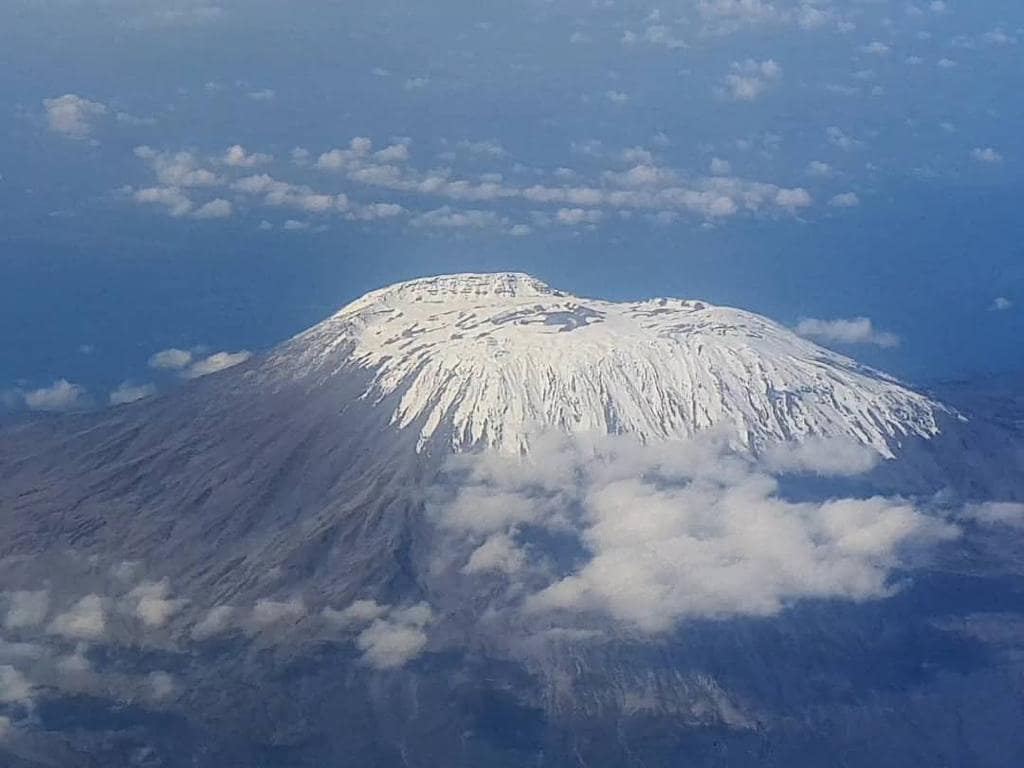
1. January – Mid-March (Best Overall for Snow + Visibility)
These months offer one of the best chances to see Kilimanjaro covered in fresh snow. The weather is relatively stable, mornings are often clear, and the mountain receives light to moderate snowfall from passing moisture systems.
You’re likely to experience:
- Clear summit views
- Occasional fresh snow dustings
- Excellent photography conditions
A perfect balance between beauty and visibility.
2. June – October (Driest, Clearest Views of Existing Snow)
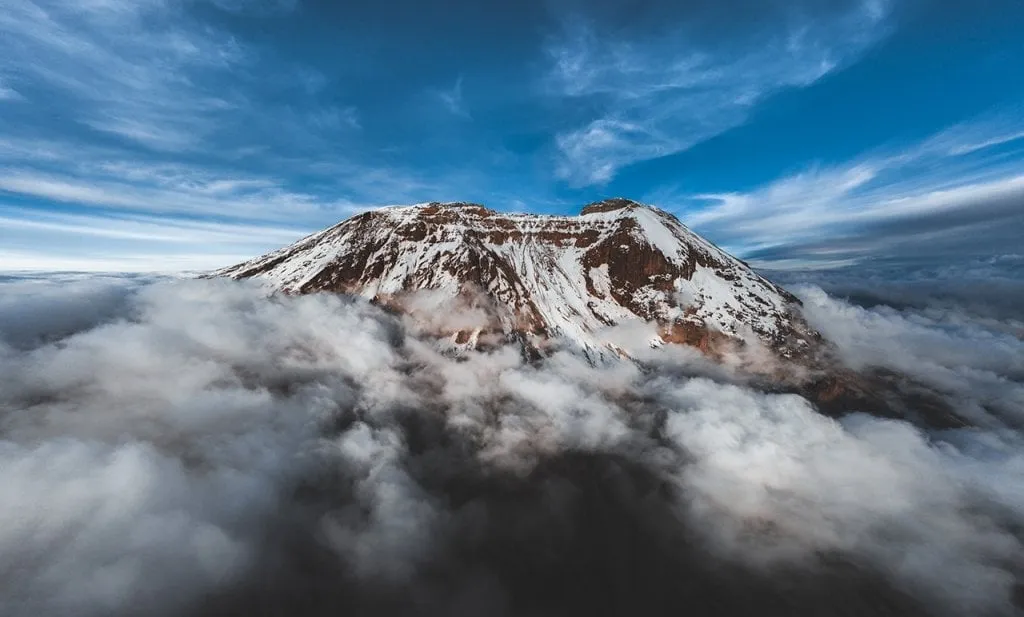
This is Kilimanjaro’s long dry season and the best period for cloud-free panoramas. Although snowfall is lighter, the snow that already exists tends to stay in place due to consistently cold summit temperatures.
Expect:
- Crisp, long-lasting snow patches
- Bright morning visibility
- Stunning glacier and crater views
Ideal for climbers seeking the cleanest, clearest summit experience.
3. Late March – May (Heavy Snowfall but Poor Views)
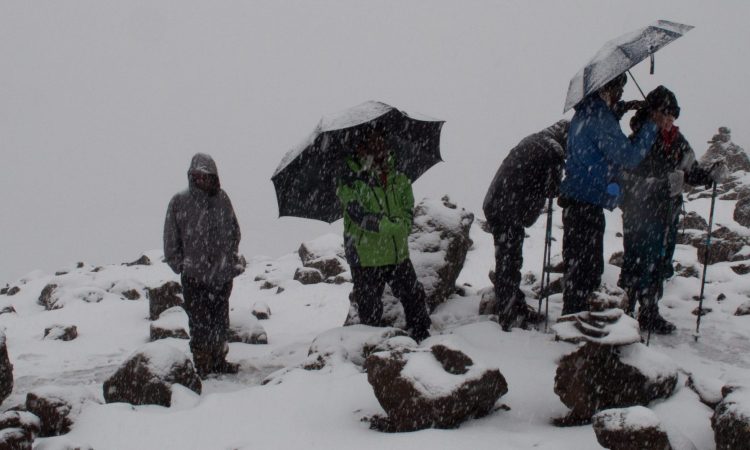
This is the wettest period of the year but also the snowiest at the summit. If you want to walk through deep snow and witness Kilimanjaro’s wilder side, this season offers dramatic conditions.
However, you may encounter:
- Thick cloud cover
- Heavy snowstorms
- Slippery, unpredictable summit nights
This window suits adventurers who value snowy landscapes over visibility.

4. November (Short Rains + Fresh Snow Opportunities)
November is a shoulder season known for short, unpredictable bursts of rain and snow. The summit often turns beautifully white after these light storms.
Climbers may experience:
- Fresh snowfalls
- Light to moderate storms
- Clear breaks between rain showers
It’s less crowded and sometimes breathtakingly white at the top.
Where on the Summit You See the Most Snow
Snow tends to accumulate more heavily in specific high-altitude zones of Kilimanjaro:
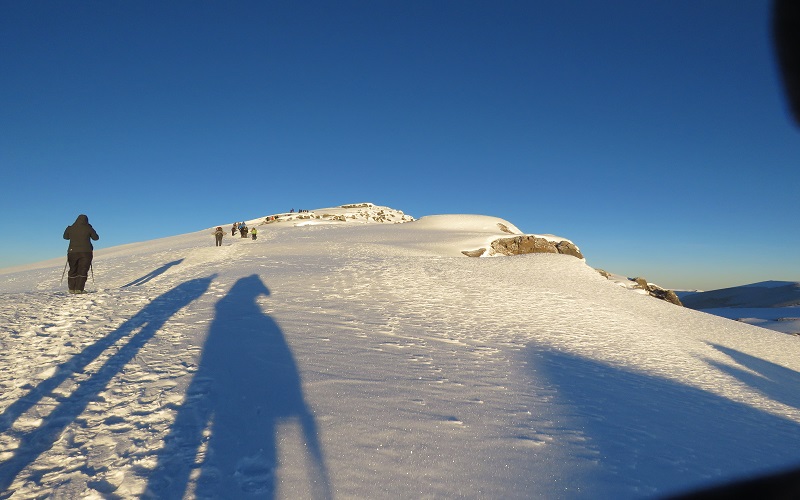
- Uhuru Peak – The highest point and usually the whitest
- Stella Point & Gilman’s Point – Often frosty at dawn
- Crater floor and ash pit – Deep snow after storms
- Northern & Southern Icefields – Remaining ancient glaciers
These areas are particularly stunning when illuminated by the soft golden light of sunrise.
How Weather Changes Your Chances
Kilimanjaro’s summit weather changes fast. Even during the “right” season, conditions vary daily.
General patterns you can rely on:
- Dry weather slows snowmelt
- Cold nights preserve snow
- Moist winds and storms create fresh snowfall
Experienced mountain guides often predict summit snow appearance by monitoring temperature drops, humidity spikes, and wind direction.
Best Routes for Witnessing Snow on Kilimanjaro
While snow at the summit depends on seasonal weather patterns, the climbing route you choose can significantly influence how often and how beautifully you see Kilimanjaro’s snow-capped peak along the way. Each route offers unique vantage points, different climate zones, and varying chances of encountering snow before you even reach the top. Some routes provide broad panoramic views of the upper slopes, while others approach the summit from colder, more sheltered angles where snow tends to linger longer.
Lemosho Route – Best Panoramic Snow Views
The Lemosho Route is often considered the most scenic trail on Kilimanjaro and one of the best for those wanting to witness snow throughout the climb. Beginning on the western side of the mountain, it offers sweeping, unobstructed views of the upper slopes from the Shira Plateau. As you travel across wide alpine zones, you can clearly see snow accumulations on the Western Breach, the glaciers, and the upper ridges. Because the route is longer, you also have more days to catch moments of fresh snowfall or dramatic snowy sunrises.
Machame Route – Dramatic Snow Sightings on the Shira Plateau
Known as the “Whiskey Route,” Machame is famed for its rugged beauty and dramatic mountain scenery. From early stages of the climb, especially around the Shira Plateau and Lava Tower, you get excellent, close-up views of the snowy upper slopes. The route approaches the summit from the south, where morning snow and frost often cling to the crater rim. The final ascent via Stella Point also gives trekkers the breathtaking sight of the sun rising over frost-covered rocks and glaciers.
Rongai Route – Excellent for Early Snow Encounters
Rongai approaches Kilimanjaro from the northern side, which is colder, drier, and less affected by the seasonal rains that soak the southern routes. Because of this, snow tends to remain longer on the northern upper slopes. Trekkers on Rongai often spot thin snow layers or frost early in the mornings, even before reaching high-altitude camps. Clear views of the summit are common, especially at Mawenzi Tarn, where the snow-covered peak of Kibo appears especially sharp against the sky.
Northern Circuit – Unmatched Glacier and Snow Landscapes
The Northern Circuit is the longest and most scenic route around Kilimanjaro, circling almost the entire mountain before approaching the summit from the east. This wide sweep around the mountain gives trekkers the rare chance to see the glaciers and snowfields from nearly every angle. The high northern traverse exposes you to colder, wind-swept slopes where snow lingers, especially around the Northern Icefields. Because the route takes more days, you significantly increase your chances of witnessing fresh snowfalls, glowing glacier walls, or soft morning frost on the higher ridges.
Which Route is Best for You?
- Choose Lemosho if you want the most scenic snow views and great acclimatization.
- Choose Machame for dramatic landscapes and classic snow sightings near the summit.
- Choose Rongai if you want colder, clearer early-morning snow and fewer crowds.
- Choose Northern Circuit for maximum snow visibility, glacier views, and the highest success rate.
No matter which route you take, the moment you see Kilimanjaro’s icy crown shimmering above the clouds is unforgettable one of the most powerful and awe-inspiring scenes the mountain has to offer.
Safety Considerations in Snowy Conditions
Snowy conditions create a unique set of challenges for outdoor activities, travel, and daily routines. Understanding these hazards and preparing adequately can prevent accidents, injuries, and emergencies. Here are key considerations:
· Always check the weather forecast before heading out.
· Dress in layers and wear waterproof, insulated clothing.
· Wear boots with good traction and use ice cleats if needed.
· Protect extremities with gloves, hats, and scarves.
· Wear sunglasses or goggles to prevent snow blindness.
· Drive carefully; use winter tires or chains and carry an emergency kit.
· Walk carefully on icy surfaces; use handrails where available.
· Be aware of frostbite and hypothermia symptoms.
· Avoid avalanche-prone areas and carry safety gear in the backcountry.
· Travel with a companion and inform someone of your route
Here’s an even snappier 5-point Snow Safety Guide for quick reference:
· Check Weather & Plan Ahead – Know forecasts and routes before heading out.
· Dress & Gear Properly – Layers, waterproof clothing, boots with traction, gloves, and goggles.
· Move Carefully – Walk cautiously on ice, avoid risky slopes, use handrails or cleats.
· Watch for Cold Injuries – Recognize frostbite and hypothermia; stay warm and dry.
· Travel Safely – Drive cautiously, carry emergency supplies, and never go alone in remote areas.
Emergency Preparedness in Snowy Conditions
· Carry Essentials: Water, food, first-aid kit, flashlight, extra batteries, and blankets.
· Communication: Keep a fully charged phone or GPS device; consider a backup power source.
· Know Shelter Locations: Identify nearby safe spots, lodges, or warming stations.
· Travel in Pairs or Groups: Reduces risk and ensures help is available if needed.
· Signal for Help: Use whistles, flares, or reflective gear to attract attention.
· Vehicle Safety: Keep snow shovel, ice scraper, tow rope, and sand or cat litter for traction in your car.
· Stay Calm in Emergencies: Avoid panic, conserve energy, and stay as warm and dry as possible.
· Follow Local Guidance: Adhere to warnings, road closures, or evacuation notices.
Health and Physical Considerations in Snowy Conditions
· Stay Hydrated: Cold weather can mask dehydration; drink water regularly.
· Eat Properly: Maintain energy with high-calorie snacks during outdoor activities.
· Warm-Up Before Activity: Stretch and prepare muscles to prevent strains in cold conditions.
· Monitor Physical Limits: Avoid overexertion while shoveling, skiing, or hiking in snow.
· Protect Skin: Apply sunscreen to exposed skin; snow reflects UV rays.
· Recognize Cold-Related Illness: Know signs of hypothermia (shivering, confusion) and frostbite (numbness, pale skin).
· Rest and Recover: Take breaks to warm up and prevent fatigue-related accidents.
Environmental Awareness & Snow Hazards
· Watch for Ice: Hidden ice under snow increases the risk of slips and falls.
· Be Aware of Snowdrifts: Deep snow can hide obstacles like rocks, holes, or uneven terrain.
· Avoid Overhanging Snow: Stay clear of roofs, tree branches, or slopes where snow may fall.
· Recognize Avalanche Risk: Learn to identify unstable snowpacks and avoid steep slopes.
· Mind Snowmelt: Melting snow can create slippery surfaces or flooding hazards.
· Respect Wildlife: Animals may be stressed in snowy conditions; maintain distance.
· Follow Trail Signs and Warnings: Stick to marked paths and heed local advisories.
· Minimize Environmental Impact: Avoid damaging vegetation or compacting fragile snow-covered areas.
This section ensures safety by understanding the natural hazards that snow and winter conditions can create.
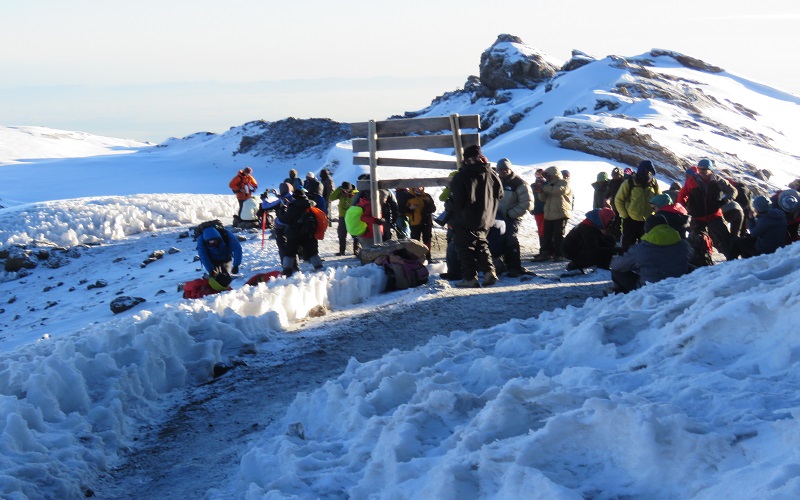
The perfect time to witness snow on Kilimanjaro’s summit depends on what experience you’re seeking:
· January–March: Enjoy fresh snow and excellent visibility, making for stunning summit views.
· June–October: Experience incredibly clear skies and crisp, glistening summit snow, ideal for photography.
· November: Benefit from lighter crowds while still having a chance to witness fresh snow on the peak.
· April–May: Encounter heavier snowfall, creating a dramatic winter landscape, though views may be more challenging.
No matter when you choose to climb, standing on the Roof of Africa with snow beneath your boots, the crisp mountain air around you, and the breathtaking panorama stretching endlessly below is an unforgettable memory that will stay with you forever.