Mount Meru vs Kilimanjaro: Which Trek Is Best for Beginners?
For anyone dreaming of trekking in Tanzania, the choice between Mount Meru and Mount Kilimanjaro is a pivotal one. Both mountains promise breathtaking views, diverse ecosystems, and unforgettable memories. However, they differ greatly in difficulty, altitude, duration, costs, and the type of adventure they offer. For beginners, understanding these differences can make the trek safer, more enjoyable, and ultimately more successful.
A Closer Look at Mount Meru and Kilimanjaro
Mount Meru, Tanzania’s second-highest peak at 4,562 meters, is often considered a perfect introduction to high-altitude trekking. It lies within Arusha National Park, providing trekkers with lush rainforests, abundant wildlife, and dramatic volcanic landscapes. The climb is structured, short, and supported by armed rangers, making it beginner-friendly. Its summit, Socialist Peak, offers panoramic views of Mount Kilimanjaro and the surrounding plains, providing a rewarding yet manageable experience.
Mount Kilimanjaro, standing at 5,895 meters, is Africa’s tallest peak and one of the most famous mountains in the world. The trek is non-technical but challenging due to altitude, long climbing days, and extreme weather conditions. Climbers pass through multiple ecosystems rainforest, heath, moorland, alpine desert, and arctic summit zone making it a truly diverse experience. Kilimanjaro is longer, costlier, and requires more preparation but provides an iconic sense of achievement.

Difficulty: Which Mountain Is More Beginner-Friendly?
Mount Meru is generally considered easier for beginners. Its moderate altitude, gradual ascent, and shorter trekking days reduce physical strain and the risk of altitude sickness. The path is well-marked, and the presence of an armed ranger ensures safety throughout the trek. Beginners can focus on enjoying the scenery and wildlife while gradually building stamina for higher climbs.
Kilimanjaro, while not technical, is significantly more demanding. Summit night requires trekking through subzero temperatures, high winds, and thin air, often starting at midnight and lasting 6–8 hours. Even experienced climbers can feel exhausted, so preparation both physical and mental are essential. Beginners can still succeed, but Kilimanjaro is a test of endurance, resilience, and careful pacing.
Altitude: The Big Factor for Beginners
One of the main differences between the two mountains is altitude.
- Mount Meru (4,562 m): The moderate elevation allows climbers to adapt more easily. Altitude sickness is less likely but still possible, providing beginners a safe introduction to high-altitude trekking. Many trekkers even use Meru as a warm-up for Kilimanjaro.
- Kilimanjaro (5,895 m): The higher elevation means climbers encounter thinner air and lower oxygen levels. Headaches, fatigue, nausea, and dizziness are common without proper acclimatization. Choosing a longer route like the Northern Circuit or Lemosho increases the chance of success by allowing the body more time to adjust.
Trekking Duration and Pace
- Mount Meru: Typically takes 3–4 days. The pace is steady, with shorter daily walks and well-spaced rest stops. Nights are spent in huts or lodges, which are more comfortable for beginners than camping.
- Kilimanjaro: Most routes take 6–9 days. Longer days, steeper climbs, and summit night can be exhausting. The key to success on Kilimanjaro is “slow and steady,” pacing yourself and allowing your body to acclimatize at higher elevations
Scenery, Wildlife, and Experience
Both mountains are beautiful, but the type of scenery differs:
- Mount Meru: Offers dense rainforest, volcanic crater rims, and abundant wildlife including buffalo, giraffes, zebras, and monkeys. The trek is quieter and less crowded, allowing for a more intimate connection with nature. The crater rim provides panoramic sunrise views over the surrounding plains and Kilimanjaro in the distance.
- Kilimanjaro: Climbers experience several distinct ecosystems: tropical rainforest, moorland, alpine desert, and icy summit. While wildlife is less visible at higher altitudes, the changing landscapes provide a dramatic trekking experience. Summit views from Uhuru Peak are breathtaking, giving climbers a sense of reaching the “Roof of Africa.” However, the route is more crowded, especially on popular paths like Machame and Marangu.
Summit Night Comparison
Mount Meru: Summit night is challenging but manageable. The early morning hike to Socialist Peak typically takes 3–4 hours. Temperatures are cold but not extreme, and the moderate altitude means fatigue is manageable. Sunrise from the crater rim is a highlight of the trek.
Kilimanjaro: Summit night is the most demanding part of the climb. Most routes start around midnight. Climbers face temperatures as low as -20°C, high winds, and thin air. The final ascent can take 6–8 hours, and mental determination is as important as physical fitness. Proper layering, trekking poles, and steady pacing are essential.

Cost Differences
Mount Meru is more affordable for beginners. Lower Park fees, shorter itineraries, and a smaller support crew reduce overall costs. This makes it ideal for first-time trekkers or those unsure about high-altitude trekking.
Kilimanjaro is significantly more expensive. Park fees, camping equipment, larger crews (guides, cooks, porters), and longer durations increase costs. While expensive, the climb is worth it for those seeking the ultimate Tanzanian adventure.
Best Routes for Beginners
Mount Meru:
- Standard 3-day route via Miria Kamba Hut to Saddle Hut and Socialist Peak.
- Offers gentle acclimatization, wildlife sightings, and scenic crater rim views.
Kilimanjaro:
- Rongai Route: Northern approach, gradual ascent, fewer crowds, suitable for beginners.
- Lemosho Route: Longer, gradual climb with excellent acclimatization and scenic diversity.
- Machame Route: Popular and scenic, follows “climb high, sleep low” for acclimatization but more challenging.
Practical Tips for Beginners
- Training: Prepare at least 6–8 weeks in advance. Include hiking with a loaded backpack, cardio, and leg/core strengthening.
- Mental Preparation: Climbing is as mental as physical. Keep a positive attitude, walk slowly, and trust your guides.
- Clothing: Layered clothing, waterproof jacket, hiking boots, and warm gear for summit night are essential.
- Hydration & Nutrition: Drink plenty of water and eat high-energy snacks during the trek.
- Pacing: Slow and steady wins the summit, especially on Kilimanjaro.
Comparison Table: Quick Overview
Feature | Mount Meru | Mount Kilimanjaro |
Height | 4,562 m | 5,895 m |
Trek Duration | 3–4 days | 6–9 days |
Difficulty | Beginner-friendly | Moderate to hard |
Summit Night | Manageable | Extremely challenging |
Wildlife | Abundant | Sparse at higher altitude |
Crowds | Few | Busy on popular routes |
Cost | Lower | Higher |
Ideal for | Beginners, first-time trekkers | Prepared beginners seeking iconic summit |
Who Should Climb Which Mountain?
Mount Meru is perfect for beginners looking for a safe, scenic, and manageable introduction to high-altitude trekking. It builds confidence, teaches acclimatization, and allows you to enjoy the mountain without extreme strain.
Kilimanjaro suits beginners who are committed to proper preparation, willing to endure longer, more strenuous days, and eager to achieve the iconic summit. Many climbers succeed on Kilimanjaro after first climbing Mount Meru.
Ideal progression: Climb Mount Meru first to gain confidence and acclimatize, then attempt Kilimanjaro for a life-changing adventure.
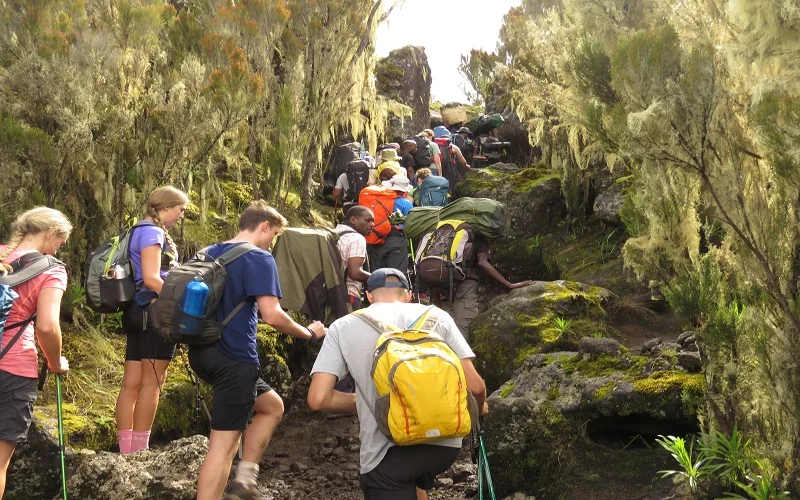
For beginners, Mount Meru is the ideal first mountain. It is shorter, safer, less costly, and still incredibly rewarding. Kilimanjaro remains the ultimate challenge, achievable with preparation and patience. Starting with Meru maximizes your success, ensures a positive trekking experience, and provides the confidence to tackle Africa’s tallest peak.