Mount Kilimanjaro Is in Which Country?
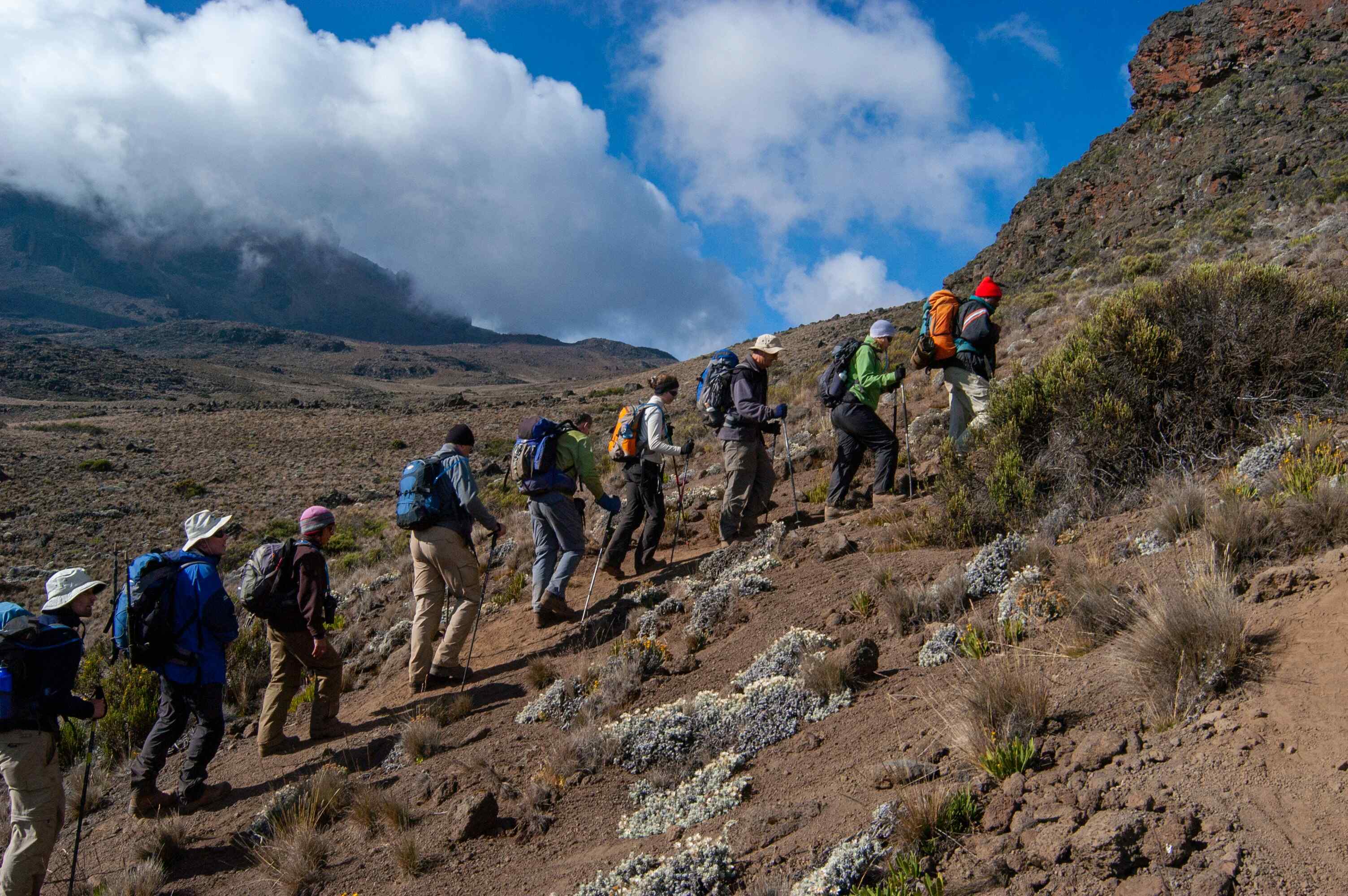
Mount Kilimanjaro stands in the Kilimanjaro Region of northern Tanzania, close to the border with Kenya. The entire mountain is located within Tanzanian territory and is protected as part of Kilimanjaro National Park, a UNESCO World Heritage Site. Rising to 5,895 meters (19,341 feet) above sea level, Mount Kilimanjaro is the highest mountain in Africa, the highest free-standing mountain in the world, and one of the famous Seven Summits, which are the highest mountains on each continent.
The highest point of Mount Kilimanjaro is known as Uhuru Peak, located on the Kibo volcanic cone. Every year, thousands of travelers from around the world visit Tanzania to climb this iconic mountain, explore its breathtaking landscapes, and experience the unforgettable achievement of standing on the Roof of Africa. Reaching Uhuru Peak is a dream for many hikers because it represents not only the highest point in Africa but also one of the world's most rewarding trekking experiences.
Where Exactly Is Mount Kilimanjaro Located?
The mountain is approximately:
- 40 kilometers (25 miles) from Moshi town
- 85 kilometers (53 miles) from Arusha city
- 70 kilometers (43 miles) south of the Kenya border
- 300 kilometers (186 miles) from Nairobi, Kenya
Because of its impressive height, Mount Kilimanjaro dominates the surrounding landscape and can be seen from many areas of northern Tanzania and southern Kenya on clear days.
The closest major town is Moshi, which is the main gateway for most Kilimanjaro climbs.
Why Do People Think Mount Kilimanjaro Is in Kenya?
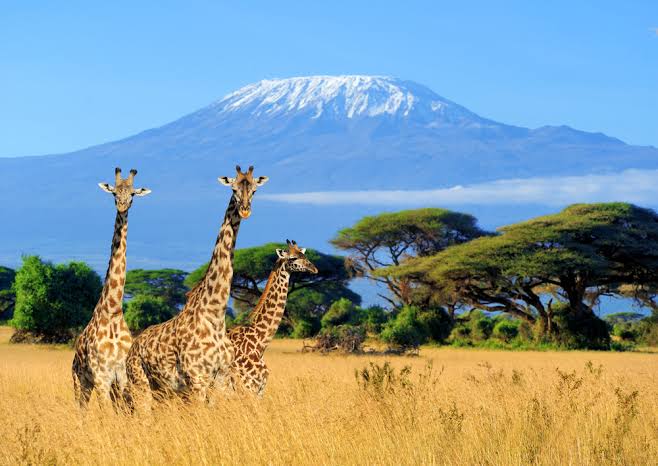
Many travelers mistakenly believe Mount Kilimanjaro is located in Kenya because some of the most famous photographs of the mountain are taken from Kenya.
The best-known views come from Amboseli National Park in southern Kenya, where visitors can see elephants, wildlife, and Mount Kilimanjaro rising dramatically in the background.
However, although the mountain appears close to Kenya, the border between the two countries runs between Kenya and Kilimanjaro.
The mountain belongs to Tanzania, and all official climbing routes start on the Tanzanian side.
Which City Is Closest to Mount Kilimanjaro?
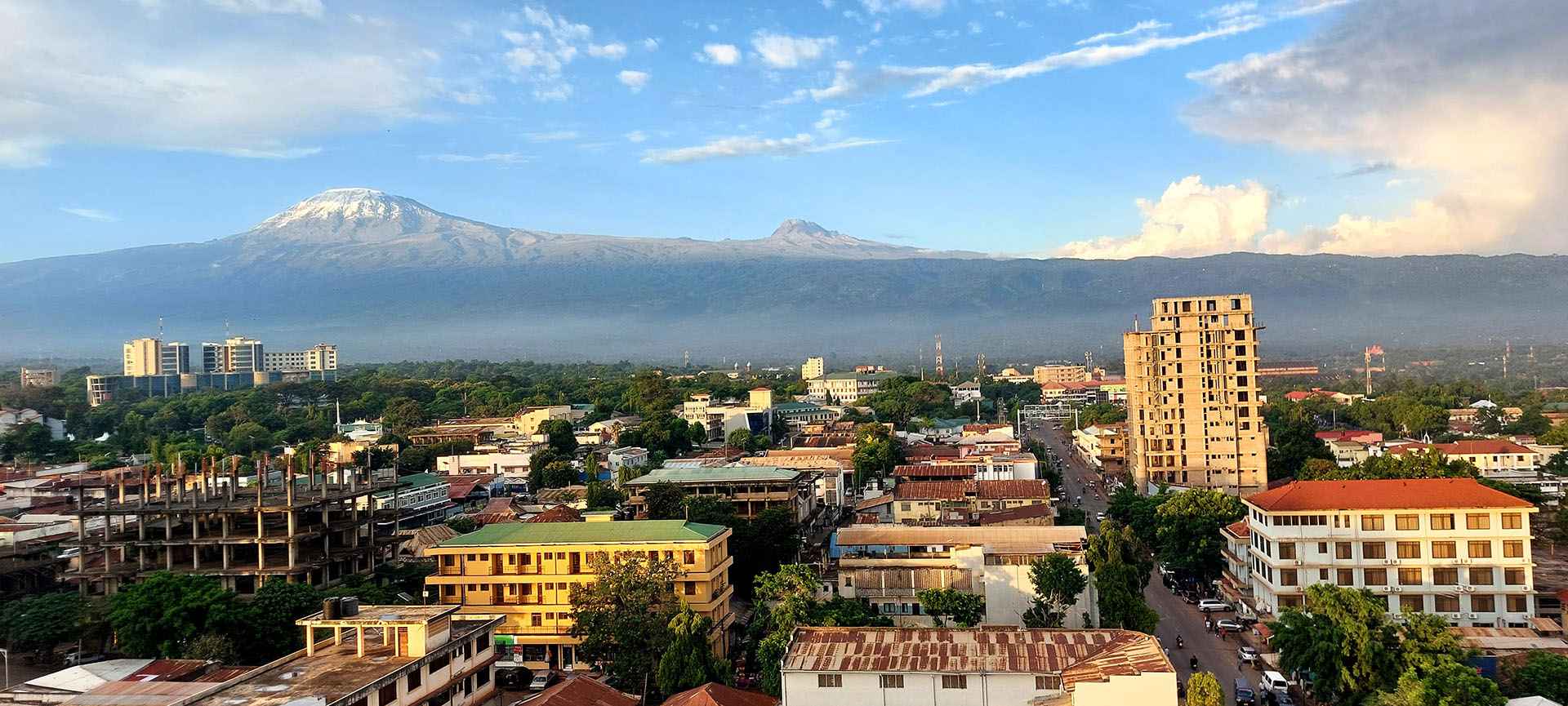
Moshi is the closest town to Mount Kilimanjaro and the main gateway for most climbers. Located at the foot of the mountain in northern Tanzania, Moshi has developed into a popular tourism hub because of its easy access to Kilimanjaro National Park and the official climbing routes.
The town offers everything travelers need before and after their climb, including comfortable hotels and lodges, restaurants and cafes, mountain equipment rental shops, trekking companies, banks, ATMs, supermarkets, and local markets. Most climbers arrive in Moshi one or two days before starting their Kilimanjaro adventure. This extra time allows them to rest, complete final preparations, check their hiking equipment, meet their mountain guides and porters, and prepare for the journey to the summit of Africa’s highest mountain.
Why Do Climbers Stay in Moshi Before Their Trek?
Most climbers arrive in Moshi one or two days before their Kilimanjaro climb begins. This allows enough time to rest after their international journey, complete equipment checks, meet their guides and porters, attend a trek briefing, and make final preparations before heading to the mountain gates.
Starting your Kilimanjaro adventure from Moshi provides convenience, comfort, and easy access to the trails, making it the best base for travelers planning to conquer the Roof of Africa.
Which National Park Is Mount Kilimanjaro In?
Mount Kilimanjaro is located inside Kilimanjaro National Park in Tanzania. The park was established to protect the mountain’s unique environment, including its tropical forests, wildlife, and diverse ecosystems that change as you move from the lower slopes to the summit. Covering a large area around the mountain, Kilimanjaro National Park plays an important role in conserving the natural beauty and ecological importance of Africa’s highest peak.
In 1987, Kilimanjaro National Park was declared a UNESCO World Heritage Site because of its outstanding natural beauty and global significance. The park is home to different habitats, ranging from lush rainforest areas filled with plant and animal species to the alpine desert and icy summit zones near Uhuru Peak. Every year, thousands of climbers, photographers, and nature lovers visit the park to experience the breathtaking landscapes, explore its unique environment, and take on the challenge of reaching the summit of Mount Kilimanjaro.
Can You See Mount Kilimanjaro From Kenya?
Yes, you can see Mount Kilimanjaro from Kenya, but the mountain is not located in Kenya. Although Kilimanjaro is close to the Kenya–Tanzania border, the entire mountain is inside Tanzania. Some of the most famous photographs of Mount Kilimanjaro are actually taken from Kenya, which is why many people mistakenly believe the mountain belongs to Kenya.
Popular viewing locations in Kenya include Amboseli National Park, Namanga town, and the Loitokitok area. These places offer some of the most spectacular views of Mount Kilimanjaro, especially during sunrise and sunset when the snow-capped summit appears above the surrounding plains. Visitors to Amboseli National Park can often enjoy incredible scenes of elephants and other wildlife with Mount Kilimanjaro rising in the background.
However, if you want to climb Mount Kilimanjaro, you must travel to Tanzania because all official trekking routes, park entrances, and climbing permits are managed from the Tanzanian side. Climbers begin their journey from towns such as Moshi or Arusha before entering Kilimanjaro National Park and starting their adventure to the summit.
How Do You Climb Mount Kilimanjaro?
To climb Mount Kilimanjaro, travelers must enter through one of the official park gates inside Kilimanjaro National Park in Tanzania. Before starting the climb, visitors usually arrive in Moshi or Arusha, where they meet their mountain guides, prepare their equipment, and receive a trek briefing. Climbers can choose from several official routes, each offering different landscapes, difficulty levels, climbing durations, and summit success rates. The most popular routes include the Machame Route, Lemosho Route, Marangu Route, Rongai Route, and Northern Circuit Route.
Machame Route
The Machame Route is one of the most popular climbing routes on Mount Kilimanjaro because of its stunning scenery and rewarding hiking experience. Often called the “Whiskey Route,” it attracts many climbers because it offers a more scenic and challenging adventure compared to shorter routes.
During the trek, climbers pass through several breathtaking landscapes, including the lush rainforest, the open Shira Plateau, the dramatic Lava Tower, the beautiful Barranco Valley, and the high-altitude areas near the summit glaciers. The changing scenery makes this route one of the most memorable ways to experience Kilimanjaro.
The Machame Route is suitable for first-time climbers with good preparation as well as experienced hikers who want a scenic challenge. It provides a good acclimatization profile because the route follows the principle of “climb high, sleep low,” helping the body adjust gradually to altitude.
The recommended climbing duration is usually 6–7 days, with longer itineraries offering better acclimatization and higher chances of reaching Uhuru Peak.
Lemosho Route
The Lemosho Route is considered one of the best routes on Mount Kilimanjaro because it combines beautiful scenery, fewer crowds, and excellent acclimatization opportunities. It begins on the western side of the mountain and offers some of the most spectacular views during the early stages of the climb.
One of the main advantages of the Lemosho Route is that it is quieter during the first few days compared to busier routes. Climbers enjoy peaceful trails, stunning views of the surrounding landscapes, and a gradual approach that allows the body more time to adapt to the altitude.
The route offers several benefits, including fewer crowds, a higher summit success rate, and incredible views of Kilimanjaro’s different ecosystems. It is especially recommended for beginners, photographers, and travelers who prefer a quieter and more scenic climbing experience.
The recommended duration for the Lemosho Route is 7–8 days, giving climbers enough time to acclimatize and improve their chances of reaching Uhuru Peak.
Marangu Route
The Marangu Route is one of the oldest and most famous climbing routes on Mount Kilimanjaro. It is commonly known as the “Coca-Cola Route” because of its popularity and reputation as one of the easier routes.
Unlike most other Kilimanjaro routes where climbers sleep in tents, the Marangu Route is unique because it provides accommodation in mountain huts along the trail. These huts offer shared sleeping areas, making it a popular option for travelers who prefer more sheltered accommodation during the climb.
The route is suitable for travelers who prefer hut accommodation and climbers looking for a shorter trekking schedule. However, because it is a shorter route, the body has less time to adjust to the altitude compared to longer routes, which can affect summit success.
The Marangu Route usually takes 5–6 days, although choosing the longer option is recommended for better acclimatization.
Rongai Route
The Rongai Route approaches Mount Kilimanjaro from the northern side near the Kenya border. It is the only official route that starts from this side of the mountain, offering climbers a different perspective compared to routes on the southern and western slopes.
One of the biggest advantages of the Rongai Route is that it is generally less crowded, allowing travelers to enjoy a more peaceful trekking experience. The route passes through beautiful wilderness areas and provides unique views of Kilimanjaro that cannot be seen from other trails.
The Rongai Route is suitable for climbers looking for a quieter adventure and those who want to experience a less busy side of the mountain. It is also a good option during the rainy season because the northern side of Kilimanjaro often receives less rainfall.
The recommended climbing duration is 6–7 days, allowing enough time for acclimatization and preparation for the summit attempt.
Northern Circuit Route
The Northern Circuit Route is the longest and one of the most successful routes on Mount Kilimanjaro. It was designed to provide climbers with maximum time to adjust to the altitude, making it one of the routes with the highest summit success rates.
The route circles around the northern side of the mountain, offering incredible panoramic views and a quieter trekking experience. Because fewer climbers choose this route, it provides a more remote and peaceful adventure compared to the popular Machame and Marangu routes.
The main benefits of the Northern Circuit include excellent acclimatization, breathtaking views, and less crowded trails. The longer itinerary allows climbers to gradually gain altitude, reducing the risk of altitude-related problems and increasing the chance of reaching Uhuru Peak.
The Northern Circuit usually takes 8–9 days, making it ideal for travelers who want the best possible chance of successfully summiting Mount Kilimanjaro while enjoying a complete mountain experience.
Why Is Mount Kilimanjaro Famous?
Mount Kilimanjaro is famous because it offers one of the world’s most unique trekking experiences. Located in Tanzania, this iconic mountain attracts thousands of travelers every year who want to challenge themselves, explore breathtaking landscapes, and experience the achievement of standing on the highest point in Africa. Its combination of natural beauty, accessibility, and adventure makes it one of the most popular mountains in the world.
Africa’s Highest Mountain
At 5,895 meters (19,341 feet) above sea level, Mount Kilimanjaro is the highest mountain in Africa and one of Tanzania’s most important natural landmarks. Reaching the summit of Uhuru Peak gives climbers the opportunity to stand on the highest point of the African continent, making it a dream adventure for hikers from around the world.
Unlike many famous mountains, Kilimanjaro rises dramatically from the surrounding plains, creating a breathtaking view that has become a symbol of Tanzania’s natural beauty and adventure tourism.
One of the Seven Summits
Mount Kilimanjaro is famous because it is one of the Seven Summits, which are the highest mountains on each continent. Many climbers who want to complete the Seven Summits challenge choose Kilimanjaro as one of their first major achievements because it is the most accessible of the world’s highest continental peaks.
Being part of the Seven Summits has increased Kilimanjaro’s global popularity, attracting adventure travelers, experienced hikers, and people looking for a once-in-a-lifetime achievement.
No Technical Climbing Required
One of the reasons Mount Kilimanjaro is so popular is that it does not require advanced mountaineering skills. Unlike many high-altitude mountains, climbers do not need ropes, technical climbing equipment, or previous mountaineering experience to reach the summit.
Most people reach Uhuru Peak by hiking with the support of professional mountain guides and porters. However, although technical climbing skills are not required, the trek is still physically demanding because of the high altitude, long walking days, and changing weather conditions. Proper preparation, a suitable route, and a slow climbing pace are important for a successful summit attempt.
Five Different Climate Zones
Another reason Mount Kilimanjaro is famous is because climbers experience several different climate zones during a single trek. As hikers move higher up the mountain, the landscape changes dramatically, creating a unique journey from tropical environments to icy summit conditions.
The Five Main Climate Zones of Mount Kilimanjaro
One of the most unique features of climbing Mount Kilimanjaro is the chance to pass through five different climate zones during a single trek. As climbers move from the base of the mountain to the summit, the environment changes from a warm tropical forest to a cold Arctic landscape, creating an unforgettable journey through different ecosystems.
Tropical Rainforest Zone
The tropical rainforest zone is the first area climbers experience when they begin their Kilimanjaro adventure. Located on the lower slopes of the mountain, this area is covered with thick green forests, tall trees, and rich vegetation due to regular rainfall.
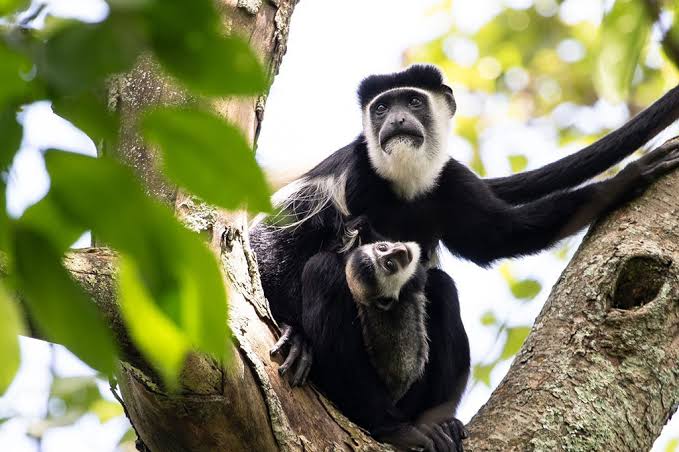
The rainforest provides a home for various wildlife species, including blue monkeys, colobus monkeys, bushbucks, and many bird species. Climbers enjoy walking through peaceful forest trails surrounded by fresh air, beautiful plants, and the sounds of nature. This zone is also important because it protects the mountain’s water sources and supports the ecosystem around Kilimanjaro.
Heath and Moorland Zone
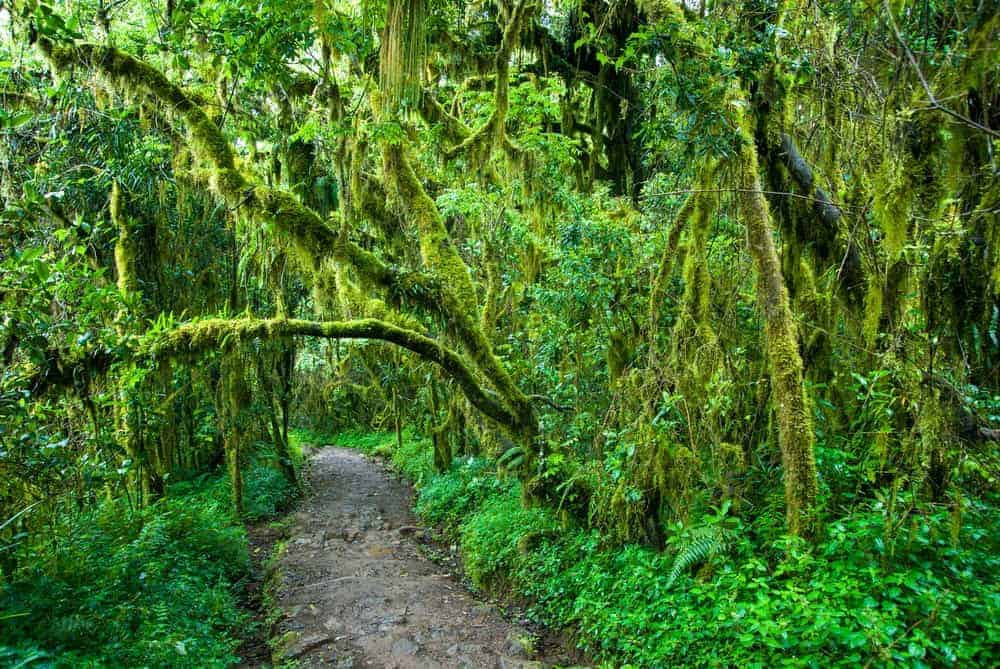
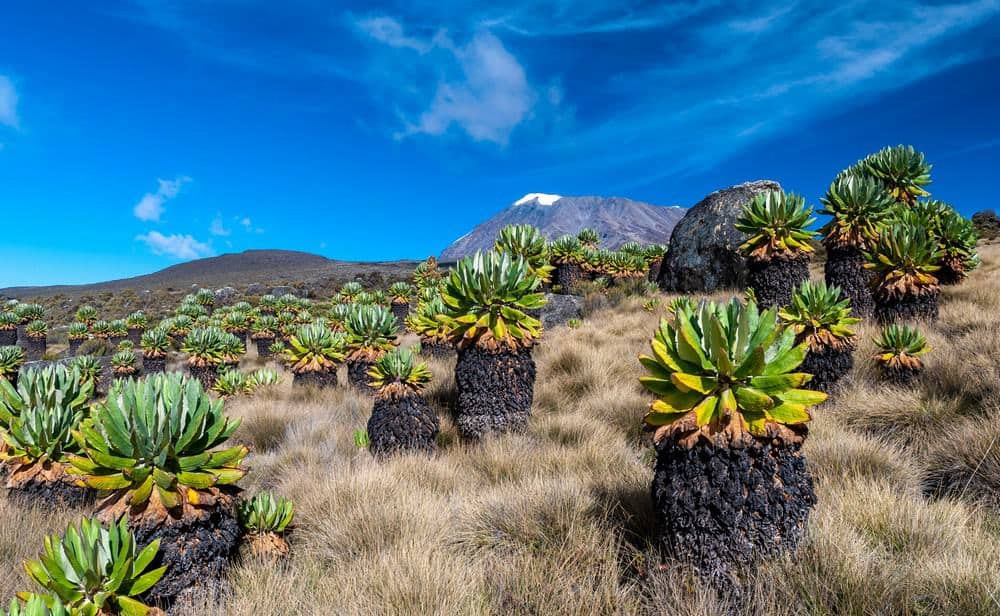
The heath and moorland zone begins as climbers gain altitude and leave the dense rainforest behind. The temperature becomes cooler, and the landscape changes into open areas with unique high-altitude plants.
This zone is famous for plants such as giant heathers, giant groundsels, and lobelias, which have adapted to survive in the mountain environment. Climbers can enjoy wide views of valleys, volcanic landscapes, and the impressive peaks of Kilimanjaro. The area provides a gradual transition between the forest and the higher, drier parts of the mountain.
Alpine Desert Zone
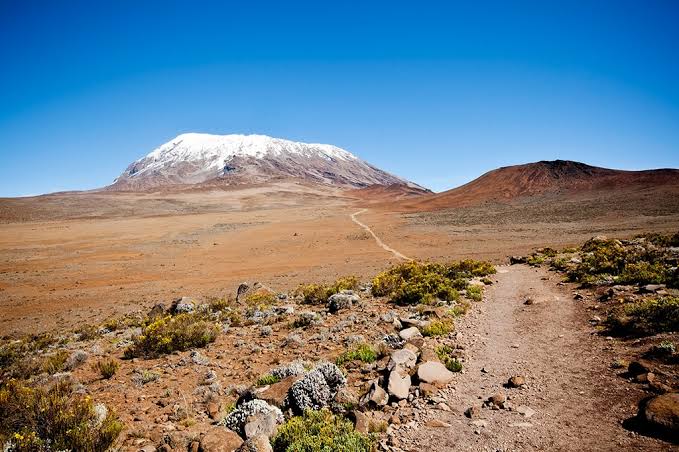
The alpine desert zone is a dry and rocky environment found at higher elevations. Because of the cold temperatures, strong winds, and limited rainfall, very few plants can survive in this area.
The landscape is mainly made up of volcanic rocks, gravel, and open spaces, creating a dramatic and almost desert-like appearance. Despite having little vegetation, this zone offers some of the best views of Kilimanjaro’s volcanic features, including Lava Tower, Kibo Peak, and the surrounding mountain scenery.
Rocky Highlands Zone
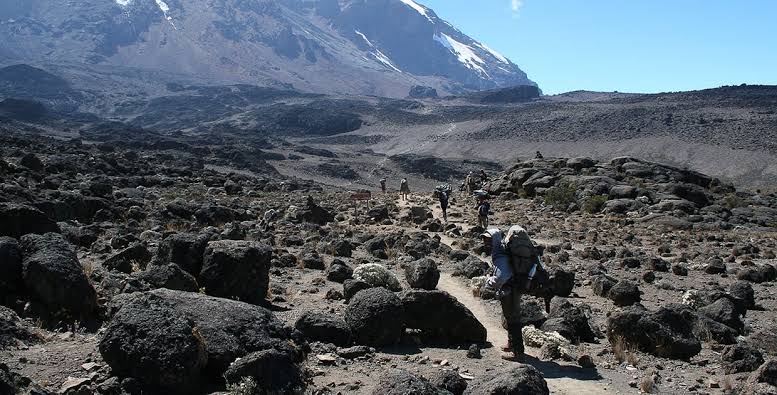
The rocky highlands zone is located closer to the summit, where the terrain becomes more challenging and rugged. Climbers pass through steep rocky paths, volcanic formations, and exposed landscapes as they prepare for the final ascent.
This area has very little plant life because of the extreme conditions, but it provides incredible panoramic views of the mountain and the surrounding areas. Many climbers experience this zone during the final days of their trek before attempting to reach Uhuru Peak.
Arctic Summit Zone
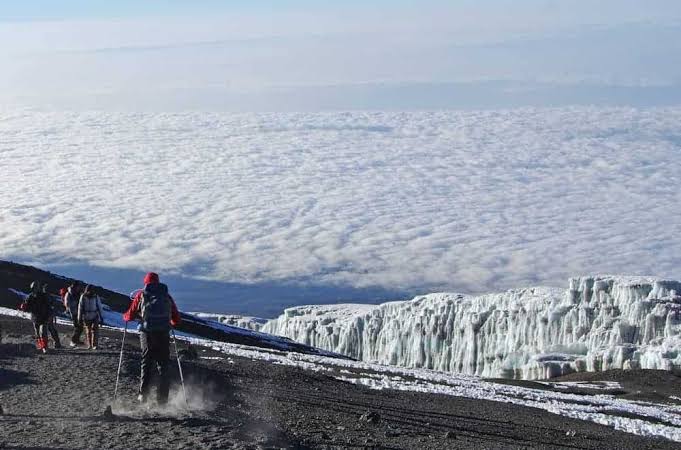
The Arctic summit zone is the highest and coldest area of Mount Kilimanjaro, located near Uhuru Peak. At this altitude, temperatures can drop below freezing, and the landscape changes into a world of rocks, ice, snow, and glaciers.
Climbers usually reach this zone during the final summit attempt, often starting their hike around midnight to arrive at Uhuru Peak during sunrise. Standing at the summit offers breathtaking views and the unforgettable experience of reaching the highest point in Africa.
Wildlife Around Mount Kilimanjaro
Although most visitors come to climb Mount Kilimanjaro, the surrounding areas are also rich in wildlife and natural beauty. The lower slopes of the mountain are covered with forests that provide a habitat for different animal and bird species.
Wildlife that can be found around the lower areas of Kilimanjaro includes blue monkeys, colobus monkeys, bushbucks, duikers, buffaloes, and many bird species. The mountain ecosystem supports a variety of plants and animals that make the climbing experience even more interesting.
Many travelers combine their Kilimanjaro climb with a Tanzania safari to explore some of the country’s most famous wildlife destinations. Popular safari locations include Serengeti National Park, Ngorongoro Crater, Tarangire National Park, and Lake Manyara National Park, where visitors can see lions, elephants, giraffes, zebras, and many other African animals.
Combining a Kilimanjaro trek with a safari allows travelers to experience both Tanzania’s incredible mountains and world-famous wildlife in one unforgettable journey.
Best Time to Visit Mount Kilimanjaro
The best time to climb Mount Kilimanjaro is during the dry seasons, when the weather is more stable, trails are easier to walk, and climbers have better chances of enjoying clear views and reaching the summit safely. The two main climbing seasons are January to March and June to October, although Kilimanjaro can be climbed throughout the year with proper preparation.
January to March
The period from January to March is one of the best times to climb Mount Kilimanjaro, especially for travelers who prefer cooler temperatures and fewer crowds. During these months, the mountain often experiences good trekking conditions, with clear mornings and excellent opportunities for enjoying the surrounding scenery.
This season is ideal for climbers who want a quieter experience because the trails and campsites are generally less crowded compared to the peak season. The cooler temperatures can make hiking more comfortable, and the stable weather conditions provide good opportunities for a successful summit attempt. Climbers can also enjoy beautiful views of the mountain, surrounding landscapes, and sunrise from Uhuru Peak.
June to October
The months between June and October are the most popular time to climb Mount Kilimanjaro because they offer some of the best weather conditions of the year. This period falls during Tanzania’s dry season, with less rainfall, clearer skies, and better trail conditions.
These months are especially recommended for first-time climbers because the paths are generally easier to navigate and visibility is often excellent. The dry weather allows hikers to enjoy breathtaking views of Kilimanjaro’s glaciers, valleys, and surrounding landscapes. However, because this is the busiest climbing season, popular routes such as Machame and Marangu can become crowded.
Rainy Season (April and May)
The rainy months of April and May are less popular for climbing Mount Kilimanjaro because the mountain receives heavier rainfall during this period. Trails can become wet, muddy, and slippery, making the climb more challenging, especially on the lower forest sections.
Cloudy weather can also reduce visibility and make it harder to enjoy the mountain views. However, experienced hikers who prefer fewer crowds and are prepared for changing weather conditions can still climb during this season with the right equipment and an experienced guide.
Overall, choosing the right season, preparing properly, and selecting a suitable route can greatly improve your chances of enjoying a safe and memorable Kilimanjaro climbing experience.
Interesting Facts About Mount Kilimanjaro
Mount Kilimanjaro is one of the most remarkable mountains in the world, known for its incredible height, unique landscapes, and unforgettable climbing experience. Here are some interesting facts that make this African mountain so special.
Mount Kilimanjaro Is Located Entirely in Tanzania
Mount Kilimanjaro is located completely inside Tanzania, in the northern part of the country near the Kenya border. Although the mountain can be seen from some areas of Kenya, especially Amboseli National Park, it belongs to Tanzania.
The mountain is protected within Kilimanjaro National Park, which was established to conserve its natural environment, forests, wildlife, and unique ecosystems. Every year, thousands of visitors travel to Tanzania to explore the mountain and experience the challenge of climbing Africa’s highest peak.
It Is Africa’s Highest Mountain
Mount Kilimanjaro is the highest mountain in Africa, reaching an elevation of 5,895 meters (19,341 feet) above sea level. Its highest point, Uhuru Peak, is the ultimate goal for climbers who travel from around the world to stand on the Roof of Africa.
Unlike many other high mountains, Kilimanjaro rises dramatically from the surrounding plains, creating a breathtaking sight that has become one of Tanzania’s most famous natural symbols.
It Is the Tallest Free-Standing Mountain in the World
Mount Kilimanjaro is the tallest free-standing mountain in the world, meaning it is not part of a mountain range. It rises independently from the surrounding landscape, making its size and appearance even more impressive.
The mountain’s isolated position allows visitors to enjoy spectacular views from far away, with its snow-capped summit visible above the African plains on clear days.
It Has Three Volcanic Cones: Kibo, Mawenzi, and Shira
Mount Kilimanjaro was formed by volcanic activity and has three main volcanic cones: Kibo, Mawenzi, and Shira.
Kibo is the largest and highest volcanic cone, and it is where climbers find Uhuru Peak, the highest point on the mountain. Kibo is considered dormant but not extinct.
Mawenzi is the second-highest peak and is known for its sharp, rugged cliffs and dramatic appearance. Unlike Kibo, Mawenzi is more challenging to climb and requires technical climbing skills.
Shira is the oldest volcanic cone and collapsed millions of years ago, creating a large plateau area that is now part of the scenic western side of Kilimanjaro.
Together, these three volcanic cones create the unique shape and geological history of Mount Kilimanjaro.
Uhuru Peak Is the Highest Point
Uhuru Peak is the highest point on Mount Kilimanjaro and the highest point in Africa, standing at 5,895 meters (19,341 feet) above sea level.
The word “Uhuru” means “freedom” in Swahili, and reaching this summit is considered one of the greatest achievements for many climbers. From the summit, hikers can enjoy incredible sunrise views, glaciers, volcanic landscapes, and a feeling of accomplishment after completing their journey.
Thousands of climbers attempt to reach Uhuru Peak every year, making it one of the world’s most famous trekking achievements.
It Is Near the Equator but Has Snow and Glaciers
One of the most surprising facts about Mount Kilimanjaro is that it is located relatively close to the Equator but still has snow and glaciers near the summit.
The mountain’s extreme height creates very cold conditions at the top, allowing ice and glaciers to exist despite the warm tropical climate at its base. As climbers move upward, they experience dramatic temperature changes, traveling from rainforest environments to icy summit landscapes.
Although Kilimanjaro’s glaciers have reduced significantly over the years due to climate change, the remaining ice formations continue to make the summit scenery unique and spectacular.
Thousands of Climbers Attempt the Mountain Every Year
Every year, thousands of people from around the world travel to Tanzania to climb Mount Kilimanjaro. The mountain attracts beginners, experienced hikers, adventure travelers, charity groups, and those looking for a once-in-a-lifetime challenge.
Approximately 35,000 to 50,000 people attempt to climb Kilimanjaro annually, with many successfully reaching Uhuru Peak. The number of successful climbers depends on factors such as the chosen route, climbing duration, weather conditions, physical preparation, and altitude adaptation.
The popularity of Kilimanjaro continues to grow because it offers a unique opportunity to climb one of the world’s highest mountains without requiring advanced technical climbing skills.
How to Get to Mount Kilimanjaro
Most international travelers reach Kilimanjaro through these steps:
- Fly to Kilimanjaro International Airport (JRO).
- Transfer to Moshi or Arusha.
- Meet your mountain guide and trekking team.
- Travel to your selected park gate.
- Begin your Kilimanjaro climb.
A professional trekking company can arrange:
- Airport transfers
- Accommodation
- Park permits
- Mountain guides
- Porters
- Meals
- Camping equipment
Book Your Mount Kilimanjaro Adventure with Rede Tours and Safaris
Ready to experience the Roof of Africa? Rede Tours and Safaris offers professionally organized Mount Kilimanjaro climbing packages designed to give you a safe, comfortable, and unforgettable trekking experience.
Our Kilimanjaro adventures include experienced local mountain guides, professional porters, park permit arrangements, airport transfers, accommodation, meals, camping equipment, and personalized support from the beginning of your journey until you successfully reach the summit.
Whether you choose the Machame Route, Lemosho Route, Marangu Route, Rongai Route, or Northern Circuit Route, our team will help you select the best option based on your fitness level, travel plans, and summit goals.
In addition to Kilimanjaro climbs, Rede Tours and Safaris also organizes Tanzania wildlife safaris, Zanzibar beach holidays, cultural tours, and customized travel experiences across Tanzania.
Start planning your Mount Kilimanjaro adventure today with Rede Tours and Safaris and take the first step toward standing on the Roof of Africa.
For Booking and Inquaries
📧 Email: redetours2005redetours2005@gmail.com
📱 WhatsApp: +255 676 063 791
🌐 Website: Rede Tours and Safaris