Kilimanjaro Training Program
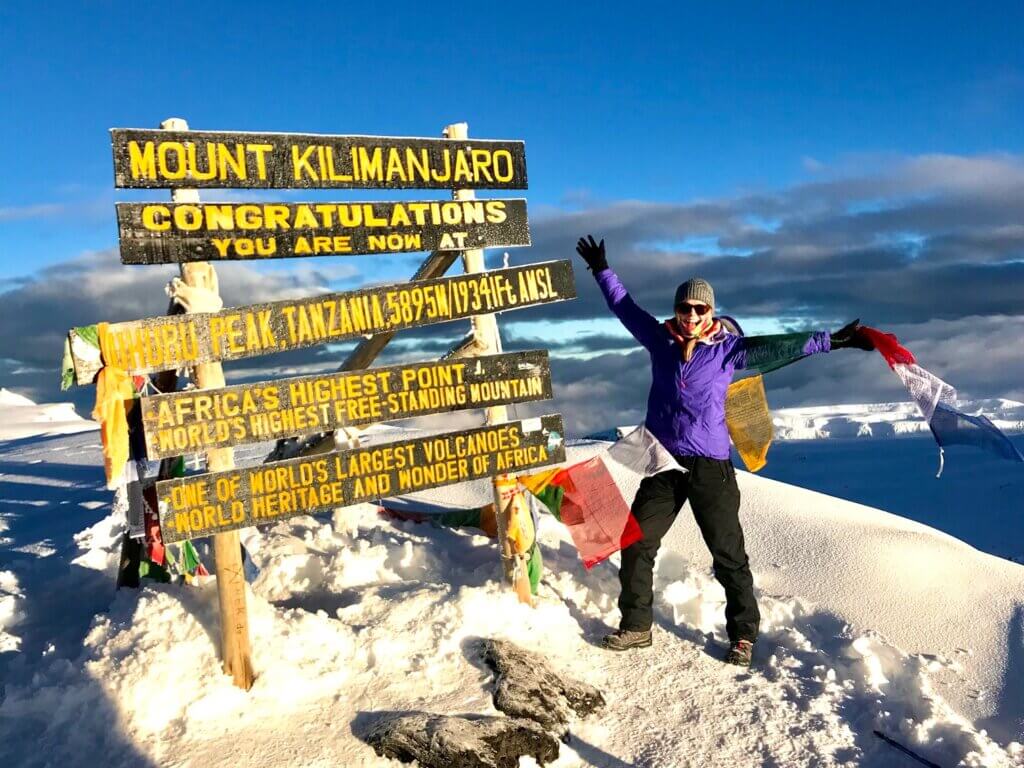
One of the best things you can do before your adventure is follow a proper Kilimanjaro training program. While Kilimanjaro does not require technical climbing skills, it is a physically demanding trek that takes you to 5,895 meters (19,341 feet) above sea level. The better prepared you are, the higher your chances of reaching the summit successfully.
A good training plan improves your fitness, strengthens your muscles, increases your endurance, and helps your body handle long days of hiking. It also reduces the risk of injuries and makes your climb much more enjoyable.
Why Do You Need a Kilimanjaro Training Program?
Many people think Kilimanjaro is easy because it does not require ropes or rock climbing. In reality, it is a long mountain trek that involves walking for 5 to 9 consecutive days, often for 6 to 10 hours each day.
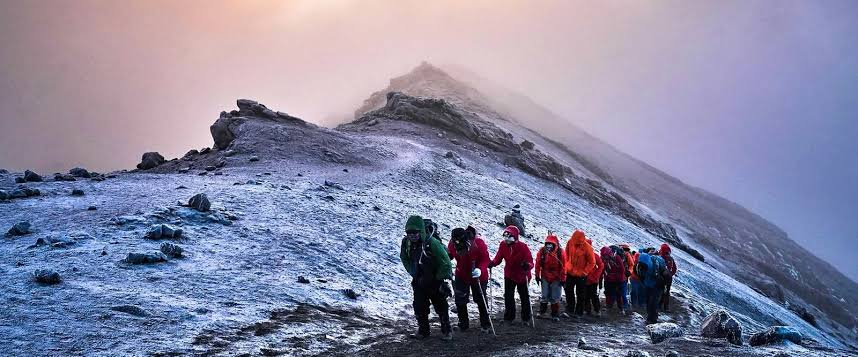
You will hike through forests, moorlands, alpine deserts, and finally to the icy summit. As you climb higher, the air becomes thinner, making every step more difficult.
A proper training program helps you:
- Build hiking endurance
- Strengthen your legs and core
- Improve your heart and lung fitness
- Carry your daypack comfortably
- Recover faster after each hiking day
- Reduce muscle soreness
- Increase your summit success chances
- Feel more confident before your trip
How Fit Do You Need to Be?
You do not need to be a marathon runner or professional athlete to climb Kilimanjaro, Thousands of ordinary people reach the summit every year. If you can comfortably complete a full-day hike before your trip, you are on the right track
You should be able to:
- Walk for 6–8 hours comfortably
- Hike uphill without becoming exhausted
- Recover overnight for another hiking day
- Carry a small daypack weighing 5–8 kg
- Maintain a steady walking pace
When Should You Start Training?
The best time to begin your Kilimanjaro training program is 8 to 12 weeks before your climb. This gives you enough time to gradually improve your fitness, build endurance, and strengthen the muscles you will use during long days of hiking. If you already exercise regularly or enjoy hiking, an 8-week training plan is usually enough to prepare you. However, if you are new to fitness or rarely exercise, it is better to start at least three months in advance so your body can adapt safely without rushing. Beginning your training early also helps reduce the risk of injury, prevents overtraining, and gives you plenty of time to break in your hiking boots and test your gear before your Kilimanjaro adventure.
What Should a Kilimanjaro Training Program Include?
A successful Kilimanjaro training program should focus on four key areas: cardiovascular fitness, hiking practice, strength training, and flexibility. Each of these plays an important role in preparing your body for long days of trekking, steep climbs, and the high altitude you will experience on the mountain. Combining all four will help improve your endurance, reduce the risk of injury, and make your climb more comfortable and enjoyable.
1. Cardiovascular Fitness
Cardiovascular fitness is one of the most important parts of your Kilimanjaro preparation because it strengthens your heart and lungs, allowing your body to use oxygen more efficiently during long hikes. Good cardio exercises include hiking, brisk walking, running, cycling, swimming, stair climbing, using a rowing machine, or an elliptical trainer. Aim to complete three to five cardio workouts each week, with each session lasting 30 to 60 minutes. As your fitness improves, gradually increase the length or intensity of your workouts. Building strong cardiovascular endurance will help you maintain a steady pace on the mountain and recover more quickly after each day of trekking.
2. Hiking Practice
The best way to prepare for climbing Kilimanjaro is by spending time on hiking trails. Regular hiking helps your body get used to walking for several hours over uneven terrain while carrying a backpack. Try to go on a hike every weekend, choosing routes that include hills or steady climbs whenever possible. Wear the same hiking boots and backpack that you plan to use on Kilimanjaro so you can break them in and ensure they fit comfortably. Gradually increase the distance and difficulty of your hikes as your fitness improves. This type of training strengthens the muscles used during mountain trekking, improves your balance, and helps prevent blisters and discomfort during your climb.
3. Strength Training
Strong muscles make climbing uphill easier and help reduce fatigue during long trekking days. Your strength training should focus on your legs, core, and upper body. Exercises such as squats, lunges, step-ups, calf raises, and leg presses build the leg strength needed for steep trails. Core exercises like planks, side planks, Russian twists, and mountain climbers improve your balance and stability, which are important on uneven terrain. Although porters carry your main duffel bag, you will still carry a daypack, so include upper-body exercises such as push-ups, dumbbell rows, shoulder presses, and resistance band workouts. Aim for two to three strength training sessions each week to build the muscle endurance needed for a successful Kilimanjaro climb.
4. Flexibility and Mobility
Flexibility and mobility are often overlooked, but they are essential for preventing injuries and helping your body recover after training sessions and long hikes. Spend 10 to 15 minutes stretching after every workout, paying special attention to your hamstrings, hip flexors, calves, lower back, and shoulders. Regular stretching reduces muscle tightness, improves your range of motion, and makes hiking more comfortable. Adding yoga to your weekly routine is also an excellent way to improve flexibility, balance, posture, and breathing, all of which can benefit you during your Kilimanjaro adventure.
12-Week Kilimanjaro Training Program
Following a structured 12-week training program is one of the best ways to prepare for your Kilimanjaro climb. The goal is to gradually build your fitness, improve your endurance, strengthen your muscles, and allow your body enough time to recover before your adventure. Below is a simple week-by-week guide that works well for most climbers, whether you are a beginner or already have an active lifestyle.
Weeks 1–4: Build Your Base
During the first four weeks, focus on creating a consistent exercise routine rather than pushing yourself too hard. This phase helps build your basic fitness and prepares your body for more challenging workouts later. A good weekly schedule includes a 30 to 40-minute brisk walk on Monday, strength training on Tuesday, a 45-minute cardio workout on Wednesday, stretching or yoga on Thursday, another strength training session on Friday, and a 2 to 4-hour hike on Saturday. Finish the week with a recovery walk or complete rest on Sunday to give your muscles time to recover. Consistency during these first weeks is more important than intensity.
Weeks 5–8: Increase Your Endurance
Once you have built a solid fitness base, the next four weeks should focus on improving your endurance. Increase both the duration and intensity of your workouts while continuing your weekly routine. Your weekend hikes should become longer and include more hills to better simulate mountain trekking. Add stair climbing to your training, extend your cardio sessions, and begin carrying a slightly heavier backpack during hikes to prepare for the daypack you will carry on Kilimanjaro. By the end of this phase, your weekend hikes should last 4 to 6 hours, helping your body adjust to spending long periods on your feet.
Weeks 9–10: Simulate Kilimanjaro
These two weeks should closely resemble the conditions you will experience during your Kilimanjaro climb. Practice hiking on two consecutive days to prepare your body for trekking several days in a row without long recovery periods. Carry your daypack during every hike, choose trails with plenty of uphill sections, and wear all the clothing and equipment you plan to use on the mountain. This is also the ideal time to test your hiking boots, backpack, trekking poles, and rain gear. Try to complete at least one long hike lasting 6 to 8 hours, as this will build both your physical endurance and mental confidence before your trip.
Weeks 11–12: Taper Before Your Trip
During the final two weeks before departure, reduce the intensity of your training so your body can recover fully. This is known as tapering, and it helps you arrive in Tanzania feeling strong and refreshed instead of tired from heavy workouts. Continue doing light cardio exercises, gentle stretching, and short hikes to stay active without overworking your muscles. Focus on getting plenty of sleep, eating healthy meals, and staying well hydrated. Avoid trying new or intense workouts during this period. The goal is to maintain your fitness while giving your body the rest it needs so you are ready to enjoy every step of your Kilimanjaro adventure.
Best Exercises for Kilimanjaro
The following exercises provide the greatest benefit for mountain trekking.
Exercise | Why It Helps |
Squats | Build leg strength |
Lunges | Improve climbing power |
Step-ups | Simulate uphill hiking |
Stair climbing | Excellent mountain preparation |
Planks | Improve balance and posture |
Walking lunges | Increase endurance |
Hiking | Best overall preparation |
Cycling | Builds endurance with low joint impact |
Should You Train with a Backpack?
Yes, training with a backpack is highly recommended when preparing for Kilimanjaro. During your climb, you will carry a small daypack containing essential items such as water, a rain jacket, snacks, a camera, extra clothing, and personal items. Although your main luggage will be carried by porters, your daypack will stay with you throughout each day's hike. Practice hiking with a backpack weighing 5 to 8 kilograms (11 to 18 pounds) so your shoulders, back, and core become comfortable carrying the weight. This will also help you adjust the fit of your backpack and identify any issues before your trip.
Can You Train on Stairs?
Absolutely. If you live in an area without mountains or hiking trails, stair climbing is one of the best ways to prepare for Kilimanjaro. Walking up and down stairs helps strengthen the same muscles used during mountain trekking while improving your cardiovascular fitness. For the best results, climb stairs for 30 to 60 minutes while wearing your hiking boots and carrying your training backpack. This closely simulates the continuous uphill climbing you will experience on Kilimanjaro and is an excellent way to build endurance when outdoor hiking is not possible.
Mental Preparation Is Just as Important
Climbing Kilimanjaro is as much a mental challenge as it is a physical one. While your body needs to be fit, your mindset can make the difference between reaching the summit and giving up. Some trekking days are long and demanding, especially summit night, when you begin hiking around midnight in freezing temperatures and thin air. Preparing yourself mentally means staying patient, keeping a positive attitude, taking one step at a time, listening carefully to your guide, and trusting the training you have completed. Experienced Kilimanjaro guides often remind climbers to follow the famous Swahili phrase "Pole Pole," which means "Slowly, Slowly." Walking at a slow, steady pace helps conserve energy and gives your body more time to adjust to the altitude, greatly increasing your chances of reaching Uhuru Peak.
Nutrition During Training
Eating a healthy, balanced diet is an important part of your Kilimanjaro training program. Proper nutrition provides the energy you need for workouts, supports muscle recovery, and helps your body adapt to increased physical activity. Include plenty of lean protein, whole grains, fresh fruits, vegetables, and healthy fats in your daily meals. Drink enough water throughout the day to stay hydrated, especially after long hikes or cardio sessions. After demanding workouts, eat a meal or snack that combines carbohydrates and protein, as this helps replenish your energy stores and repair your muscles more quickly. Good nutrition during training will leave you feeling stronger and better prepared for the climb.
How Important Is Altitude Training?
Most people preparing for Kilimanjaro do not have access to high mountains where they can train at altitude, and that is perfectly normal. The good news is that altitude training is not essential for most climbers. Instead of worrying about finding high-altitude locations, focus on building your overall fitness, choosing a longer Kilimanjaro route that allows more time for acclimatization, walking at a slow pace, drinking plenty of water, and following your guide's instructions. These factors have a much greater impact on your success than altitude training alone. Routes that take seven or more days give your body more time to adjust to the thinner air, reducing the risk of altitude sickness and improving your chances of reaching the summit.
Common Training Mistakes
Many climbers make simple mistakes during their preparation that can affect their performance on Kilimanjaro. One of the most common mistakes is starting training too late, leaving little time to build endurance. Others skip long practice hikes, ignore strength training, wear brand-new hiking boots on the mountain, or train so hard just before departure that they arrive tired instead of rested. Not drinking enough water during training, carrying too much weight in your backpack, and forgetting to stretch regularly can also increase the risk of injuries. Remember that consistent training over several weeks is far more effective than doing a few extremely hard workouts.
Training Checklist Before You Leave
Before traveling to Tanzania, make sure you feel confident completing the activities you will experience on Kilimanjaro. You should be able to hike comfortably for 6 to 8 hours, climb hills without needing frequent breaks, carry your daypack without discomfort, and walk for several consecutive days while recovering well each night. Your hiking boots should already be broken in and feel comfortable, and you should have developed the habit of staying hydrated during exercise. If you can complete these tasks with confidence, you are physically well prepared for your Kilimanjaro adventure.
Tips from Experienced Kilimanjaro Guides
Experienced Kilimanjaro guides have helped thousands of climbers reach the summit, and they know that success depends more on preparation and pacing than on natural athletic ability. Many strong athletes struggle because they climb too quickly, while slower, well-prepared hikers often reach the top. The best advice from local guides is to focus on building endurance instead of speed, train consistently throughout your preparation, and practice hiking in different weather conditions so you feel comfortable in changing environments. Break in your hiking boots long before your trip, test all of your equipment—including your backpack, clothing, and trekking poles, during training hikes, and make sure you get enough sleep in the weeks before departure. Most importantly, arrive in Tanzania healthy, well rested, and ready to enjoy every moment of your Kilimanjaro experience.
Can Beginners Climb Kilimanjaro?
Yes. Many beginners successfully climb Kilimanjaro every year, and you do not need any previous mountain climbing experience to reach the summit. Kilimanjaro is a trekking mountain, which means no technical climbing skills or ropes are required on the standard routes. With a well-structured 8 to 12-week training program, the right hiking gear, and a longer route that allows proper acclimatization, most healthy people can prepare for the challenge. Choosing routes such as the Lemosho, Machame, or Northern Circuit gives your body more time to adjust to the altitude, increasing your chances of a safe and successful summit. Staying positive, walking at a steady pace, and listening to your guide are just as important as your physical fitness.
How Many Days Should You Train Each Week?
For the best results, aim to train 4 to 6 days each week. Your weekly schedule should include a combination of cardiovascular exercises, strength training, stretching, and at least one long hike on the weekend. You do not need to do intense workouts every day. In fact, allowing your body time to recover is an important part of your training. A balanced routine might include cardio three times a week, strength training two or three times a week, regular stretching, and one full rest day. Consistent training over several weeks will prepare you much better than trying to fit in a few difficult workouts just before your trip.
Is Running Enough to Prepare?
Running is an excellent way to improve your cardiovascular fitness and endurance, but it is not enough on its own to prepare for Kilimanjaro. While running strengthens your heart and lungs, it does not fully prepare your body for carrying a backpack, walking on uneven trails, or climbing uphill for several hours each day. To build complete fitness for the mountain, combine running with hiking, stair climbing, strength training, and flexibility exercises. Weekend hikes on hills or mountain trails are especially valuable because they closely simulate the conditions you will experience during your Kilimanjaro trek.
Should You Train with a Backpack?
Yes. Training with a backpack is an important part of your Kilimanjaro preparation because you will carry a daypack throughout the climb. Your daypack will normally contain water, snacks, a rain jacket, warm clothing, sunscreen, personal items, and a camera. Practicing with a backpack weighing 5 to 8 kilograms (11 to 18 pounds) helps strengthen your shoulders, back, and core while allowing you to become comfortable with the extra weight. It is also the perfect opportunity to adjust the backpack straps, improve your packing technique, and make sure everything fits comfortably before you arrive in Tanzania.
What Is the Hardest Part of Climbing Kilimanjaro?
For most climbers, summit night is the most difficult part of the Kilimanjaro adventure. The final ascent usually begins around midnight, when temperatures are below freezing and the air contains much less oxygen than at sea level. You will hike in darkness for several hours before sunrise, making the climb both physically and mentally demanding. However, reaching the summit is not about speed. Walking slowly, staying hydrated, eating enough food, dressing warmly, and following your guide's pace are the keys to success. Most experienced guides encourage climbers to remember the Swahili phrase "Pole Pole," meaning "Slowly, Slowly," because a steady pace gives your body more time to adjust to the altitude and greatly improves your chances of reaching Uhuru Peak.
Can Regular Gym Workouts Prepare You for Kilimanjaro?
Yes. Regular gym workouts provide an excellent foundation for climbing Kilimanjaro, especially if they include cardiovascular exercise and strength training. Activities such as treadmill walking on an incline, stair climbing, cycling, rowing, and weight training help build the endurance and muscle strength needed for the trek. However, gym workouts should be combined with outdoor hiking whenever possible. Hiking teaches your body how to walk on uneven terrain, manage different weather conditions, and carry a backpack for several hours at a time. If you do not have access to hiking trails, climbing stairs while carrying your backpack is one of the best alternatives. Combining gym training with hiking practice will give you the best preparation for a successful Kilimanjaro climb.
Start Your Kilimanjaro Journey with Confidence
A successful Kilimanjaro climb begins long before you arrive in Tanzania. By following a structured training program, building your endurance, strengthening your muscles, and practicing regular hikes, you will be better prepared for the physical demands of Africa's highest mountain.
Remember that Kilimanjaro is not a race. The climbers who succeed are usually those who train consistently, walk at a steady pace, stay positive, and listen to their guides. With the right preparation and mindset, you can enjoy every stage of the journey and stand proudly on the summit of Uhuru Peak, one of the world's greatest trekking achievements.
Book Your Kilimanjaro Climb with Rede Tours and Safaris
Once you have completed your Kilimanjaro training program, the next step is choosing a trusted local operator to guide you to the summit. Rede Tours and Safaris specializes in professionally guided Kilimanjaro climbs for beginners, families, solo travelers, couples, and private groups. With experienced mountain guides, certified climbing crews, quality camping equipment, and carefully planned itineraries, every climb is designed to maximize your safety, comfort, and summit success.
Every Kilimanjaro package includes professional mountain guides, experienced porters, nutritious meals prepared on the mountain, quality camping or hut accommodations depending on your chosen route, park fees, safety equipment, and airport transfers. Before your climb begins, Our team also provides a detailed pre-climb briefing, equipment checklist, and helpful advice to ensure you arrive fully prepared for your adventure.
From your first training hike at home to the unforgettable moment you stand on Uhuru Peak, Rede Tours and Safaris is committed to making your Kilimanjaro experience safe, enjoyable, and memorable. If you are ready to climb Africa's highest mountain, contact Rede Tours and Safaris today to receive expert advice, a personalized itinerary, and a free quotation for your 2026–2027 Kilimanjaro adventure.
For Booking and Inquaries
📧 Email: redetours2005redetours2005@gmail.com
📱 WhatsApp: +255 676 063 791
🌐 Website: Rede Tours and Safaris