Kilimanjaro Routes with the Highest Success Rate: Which One Should You Choose?
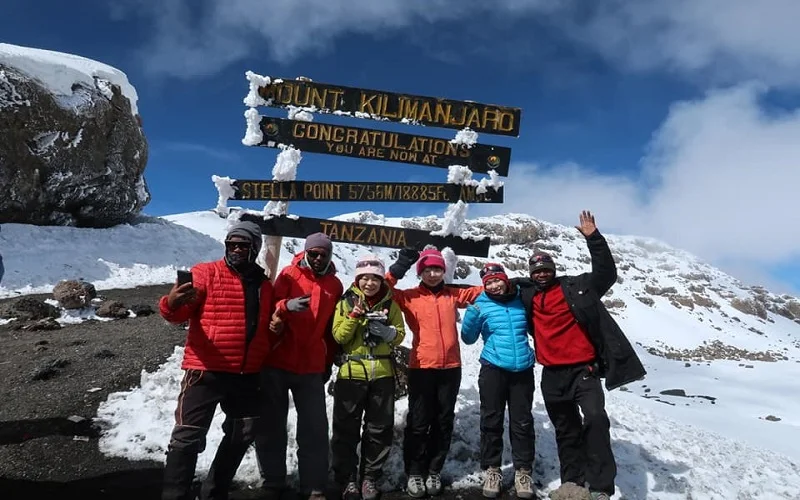
Climbing Mount Kilimanjaro is a monumental achievement, attracting adventurers from all corners of the globe. With its majestic views, diverse ecosystems, and the challenge of summiting the highest peak in Africa at 5,895 meters (19,341 feet), it’s no wonder that thousands of trekkers dream of standing at Uhuru Peak. However, choosing the right route is critical to your chances of success.
Some routes on Kilimanjaro provide a higher chance of summit success than others. The right route can make all the difference between standing on the peak or turning back due to altitude sickness or exhaustion. In this guide, we will explore the best routes for climbing Kilimanjaro, focusing on their success rates, acclimatization opportunities, and the experience they offer to help you choose the one that best aligns with your needs.
What Affects Success Rates on Kilimanjaro?
Before we dive into each route, it’s essential to understand the factors that contribute to summit success on Kilimanjaro. Success rate refers to the percentage of climbers who reach Uhuru Peak, the mountain's summit. Several factors influence these rates:
1. Acclimatization
The higher you climb, the thinner the air becomes. Acclimatization is the process of allowing your body to adjust to lower levels of oxygen, and it is arguably the most important factor for success. If you ascend too quickly, your body may not have time to adapt, leading to altitude sickness. Routes that provide a gradual ascent with adequate acclimatization days have significantly higher success rates.
- Climb High, Sleep Low: This principle is central to proper acclimatization. It involves climbing to a higher altitude during the day and descending to sleep at a lower altitude. This process encourages the body to adapt without overstressing it. Routes like the Northern Circuit and Lemosho are designed to allow this type of acclimatization, which is why they have higher success rates.
2. Duration of the Trek
The longer you spend on the mountain, the more time your body has to adapt to the altitude. Shorter treks (like the Marangu Route) may seem appealing, but they often don’t provide enough time for proper acclimatization, leading to lower success rates. Longer routes, such as the Northern Circuit and Lemosho, give climbers more time to rest and adjust, which boosts their chances of success.
- More time on the mountain = more time to acclimatize. This extra time helps your body adjust to the thinner air, reducing the likelihood of altitude-related illness.
3. Route Profile
The profile of the route whether it’s a gradual or steep climb affects both how well you acclimatize and how physically demanding the trek will be. Steep, quick ascents increase the likelihood of altitude sickness. Routes with a gradual ascent, like the Northern Circuit, allow for better acclimatization and therefore higher success rates.
- Routes with longer, gentler climbs give your body a better chance to acclimatize and allow your muscles to handle the increasing exertion.
4. Crowds
Although not directly related to physical factors, the mental aspect of a climb is also important. Routes that are less crowded, such as the Northern Circuit or Rongai, tend to offer a more peaceful experience, which can reduce stress and fatigue. Crowded routes can increase pressure, especially near the summit, making it more difficult to maintain a steady pace or motivation.
- Fewer climbers = less stress on the mind and body, allowing you to focus more on the task at hand without distractions.
Top Kilimanjaro Routes with the Highest Success Rates
Based on these factors, the following routes stand out as the best choices for reaching the summit of Kilimanjaro.
1. Northern Circuit: The Highest Success Rate
Success Rate: 90% to 95%
If you're looking for the highest success rate, the Northern Circuit is your best bet. It is the longest route on Kilimanjaro, taking about 8 to 9 days to complete. While it requires more time, this extended trek provides ample opportunity for proper acclimatization.
Why the Northern Circuit Has the Highest Success Rate
- Gradual Ascent: One of the key reasons for its high success rate is its gradual ascent. Climbers spend more time on the mountain, which allows their bodies to adjust to the decreasing oxygen levels in the atmosphere. The route follows a "climb high, sleep low" approach, where climbers ascend to a higher altitude during the day, but descend to a slightly lower altitude to sleep, optimizing acclimatization.
- Quiet and Peaceful: The Northern Circuit is the least traveled route, making it one of the most peaceful treks on Kilimanjaro. Fewer climbers mean a quieter environment, allowing you to focus on the climb without the added stress of large groups.
- Scenic Variety: The Northern Circuit offers some of the most diverse landscapes on Kilimanjaro, including rainforests, alpine meadows, and alpine desert. The varying ecosystems keep the trek visually exciting, and the longer duration lets you truly immerse yourself in the experience.
- Fewer Crowds: Since it’s less popular than routes like Machame and Marangu, the Northern Circuit provides a more intimate and peaceful climbing experience. This lower stress can help climbers conserve energy and focus on their ascent.
2. Lemosho Route: Scenic and Successful
Success Rate: 85% to 90%
The Lemosho Route is another highly recommended option for climbers, with a success rate of 85% to 90%. It takes about 7 to 8 days to complete and offers an excellent balance of scenic beauty, acclimatization time, and gradual ascent.
Why Lemosho Works Well for Success
- Longer Duration: Like the Northern Circuit, Lemosho provides adequate time for acclimatization. The route’s 7–8-day duration ensures that climbers have enough time to adjust before reaching the summit.
- Breathtaking Views: Lemosho starts from the western side of Kilimanjaro and offers breathtaking views of the mountain. It takes you through various ecosystems, from lush rainforests to high-altitude desert terrain, making it one of the most scenic routes.
- Less Crowded: While not as quiet as the Northern Circuit, Lemosho still sees fewer climbers compared to the more popular Machame route. This makes it an excellent choice if you want a relatively peaceful trek.
- Comfortable Climb: Lemosho is ideal for climbers who want a steady, moderate challenge. It offers stunning views and great opportunities for acclimatization, but it’s not as physically demanding as Umbwe or Machame.
3. Machame Route: Popular with Good Acclimatization
Success Rate: 75% to 85%
The Machame Route, often called the “Whiskey Route,” is one of the most popular choices among Kilimanjaro climbers, with a success rate of 75% to 85%. It takes 6 to 7 days to complete and is known for its challenging terrain and scenic vistas.
Why Machame Works Well for Success
- Climb High, Sleep Low: The Machame Route follows the "climb high, sleep low" principle, helping climbers acclimatize more effectively as they ascend. This method improves the chances of success, even though the route is steeper than the Northern Circuit and Lemosho.
- Stunning Views: The route provides some of the most spectacular views of Kilimanjaro, passing through lush rainforests, moorlands, and the alpine desert. The variety of landscapes adds excitement to the trek and helps distract from the physical challenge.
- Busy but Rewarding: While Machame is one of the more crowded routes, its popularity also means more experienced guides, well-established camps, and easier logistics. The social atmosphere on this route is vibrant, and it’s ideal for those who enjoy meeting new people.
- Challenging but Manageable: Although Machame is more demanding than Lemosho or Northern Circuit, its challenging terrain is manageable with proper preparation, making it a great option for climbers who want an active and rewarding climb.
4. Rongai Route: Quiet and Steady
Success Rate: 70% to 80%
The Rongai Route is one of the quieter routes on Kilimanjaro, offering a steady ascent and a peaceful trekking experience. It starts on the northern side of the mountain and is often chosen by climbers who want to avoid the crowds found on other routes.
Why Rongai Works Well for Success
- Gradual Ascent: The Rongai Route is known for its steady, gradual ascent, which provides ample time for acclimatization. It’s a relatively easy climb compared to routes like Umbwe, making it a good choice for those who are new to high-altitude trekking.
- Peaceful Experience: Since it’s one of the less trafficked routes, Rongai offers a solitary, quieter experience compared to more popular routes like Machame. This reduces the mental and emotional stress of the climb, helping climbers maintain their focus.
- Ideal for Rainy Season: Rongai is considered one of the driest routes on Kilimanjaro, making it a good choice if you’re trekking during the rainy season (March to May).
Choosing the Right Route for Your Kilimanjaro Adventure
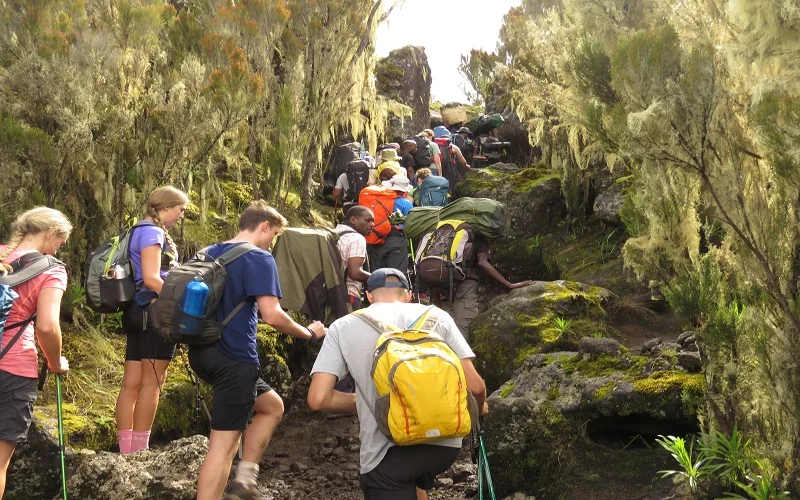
When selecting a route, keep these factors in mind:
- Acclimatization Time: Longer routes, such as the Northern Circuit or Lemosho, provide more time for acclimatization, which is crucial for summit success.
- Duration: If you're limited on time, the Marangu and Machame routes may be better options. However, if you have more time to spare, a longer trek like the Northern Circuit or Lemosho will give you a higher chance of success.
- Difficulty Level: Choose a route that aligns with your physical fitness. If you’re a beginner, routes like Rongai or Lemosho are gentler, while more experienced climbers may prefer the challenge of Machame or Umbwe.
Kilimanjaro Route Comparison Table
Route | Duration | Difficulty | Success Rate | Best For | Crowds |
Northern Circuit | 8–9 days | Moderate | 90–95% | Best acclimatization, best success | Very low traffic |
Lemosho Route | 7–8 days | Moderate | 85–90% | Scenic views & balanced challenge | Low to moderate |
Machame Route | 6–7 days | Challenging | 75–85% | Adventurous climbers | High (popular) |
Rongai Route | 6–7 days | Easy–Moderate | 70–80% | Beginners, less crowds | Very low |
Marangu Route | 5–6 days | Moderate | 50–65% | Short time, hut accommodation | High |
Umbwe Route | 6 days | Very Hard | 45–55% | Experienced, fit climbers only | Very low |
Shira Route | 6–7 days | Hard | Low | Only for high-altitude experienced | Low |
Best Time to Climb Mount Kilimanjaro
Kilimanjaro can be climbed year-round, but some months offer better weather, clearer skies, and higher success rates. Choosing the right season can greatly improve your experience.
Ideal Months (Best Weather & Visibility)
June to October
- This is the main dry season, with sunny days and clear mountain views.
- Trails are firm and not slippery.
- Nights are colder, but overall, the safest and most popular time to climb.
December to Early March
- Short dry season with warmer conditions.
- Slightly more clouds than June–October, but still great visibility.
- Excellent time for climbers who prefer fewer crowds than the mid-year peak season.
Avoid Rainy Season
March–May (long rains)
- Trails become muddy and very slippery.
- Clouds and heavy rainfall reduce visibility.
- Higher risk of altitude-related cold due to wet gear.
- Exception:Rongai Route is still climbable because it lies on the dry northern side.
November (short rains)
- Rainfall is lighter but unpredictable.
- Trails get wet and foggy, making the climb more uncomfortable.
Fitness & Preparation Tips
Good fitness improves your comfort, but proper acclimatization is what determines success. This section helps you prepare physically and mentally.
Training Recommendations
Start training 6–8 weeks before your climb to build endurance and strength.
Hiking Practice
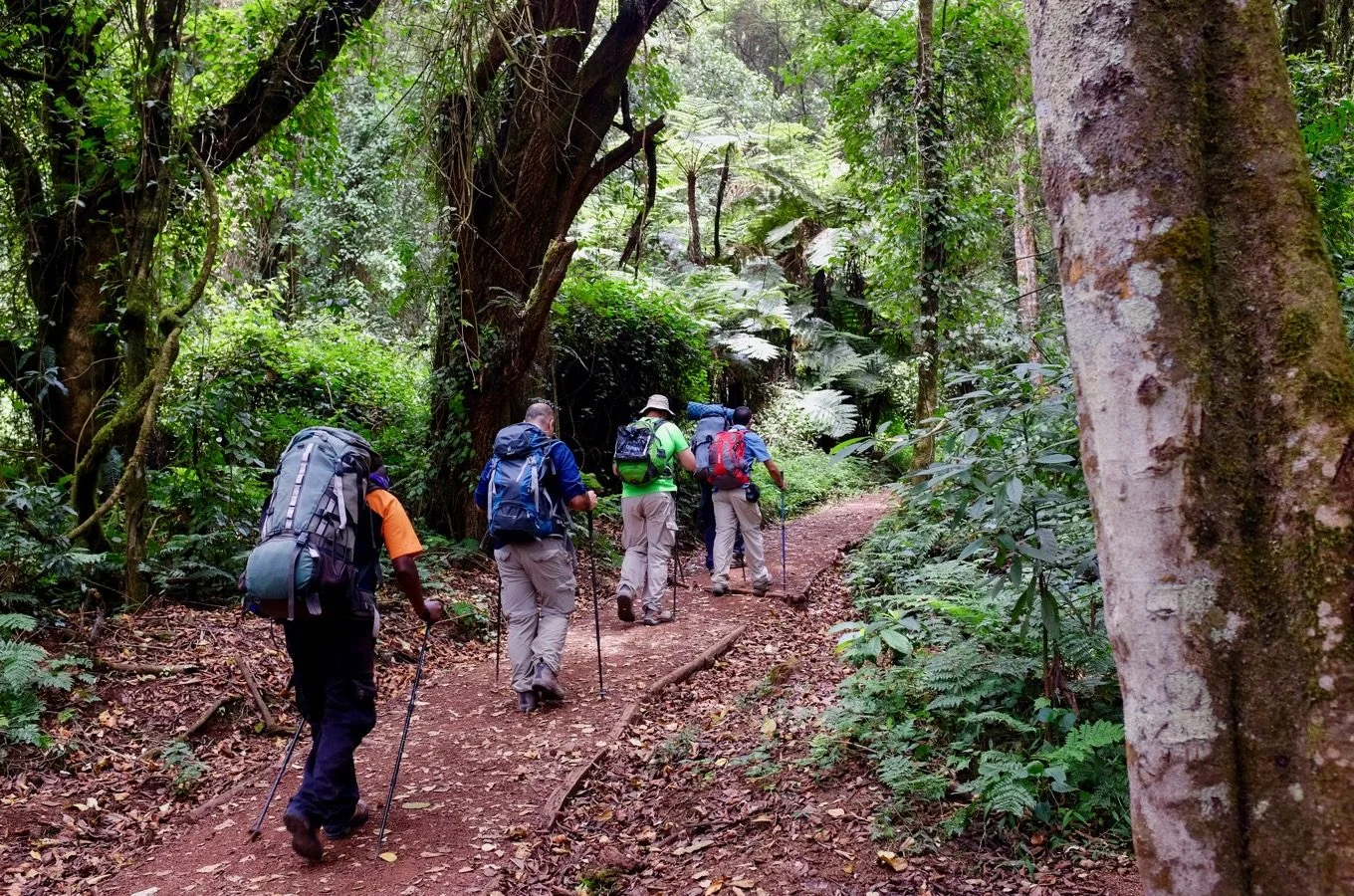
- Do 6–10 km hikes at least 3 times a week.
- Practice on hills or uneven terrain.
- Carry a backpack with 5–8 kg to simulate real conditions.
Cardio Exercise
- Running, stair climbing, cycling, or swimming.
- Helps strengthen your lungs and improve stamina.
- Aim for 30–45 minutes, 3–4 days per week.
Strength Training
- Focus on legs: squats, lunges, step-ups.
- Core exercises: planks, crunches, lower back strengthening.
- Helps you remain stable and balanced on steep terrain
Mental Preparation
Climbing Kilimanjaro is more mental than physical.
- Adopt the “pole pole” (slowly, slowly) approach throughout the climb.
- Expect discomfort cold, fatigue, and altitude but stay positive.
- Rest when needed and trust your guides’ pace and instructions.
- Hydrate constantly to reduce altitude symptoms.
- Visualize reaching the summit to stay motivated.
Summit Night: What to Expect
Summit night is the toughest part of the entire climb. Here’s what climbers usually experience:
Extreme Cold & Harsh Winds
- Temperatures drop to –10°C to –20°C.
- Wind chill can make it feel even colder.
- A good layering system is essential.
Long, Slow Ascent
- Starts around midnight.
- Takes 6–8 hours to reach Uhuru Peak.
- Thin air makes each step feel heavy.
- Slow breathing and tiny steps are crucial.
Altitude Effects
- Headaches, dizziness, and nausea can appear.
- Guides monitor you closely for safety.
- Proper acclimatization on previous days is key to reaching the summit safely.
Cost Differences Between Kilimanjaro Routes
Kilimanjaro prices vary widely depending on the route and services included.
Factors That Affect Cost
1. Number of Days
- Longer routes (Northern Circuit, Lemosho) cost more due to extra park fees and accommodation nights.
- Longer routes also offer higher success rates.
2. Park Fees
- Charged per person, per day.
- Includes conservation fees, camping fees, rescue fees, and VAT.
3. Route Logistics
- Some routes require more staff, more equipment, or longer transport times.
- Example: Machame is cheaper; Northern Circuit is more expensive.
4. Group vs. Private Climb
- Group climbs reduce costs.
- Private climbs offer flexibility but cost more.
5. Accommodation Style
- Marangu uses huts (slightly cheaper).
- All others use tents with support crews.
Essential Packing List for Kilimanjaro
Carrying the right gear ensures comfort, safety, and warmth at high altitudes.
Clothing
Thermal Base Layers
- Keeps your body warm by trapping heat.
- Needed for summit night.
Fleece or Insulated Jacket
- Provides mid-layer warmth.
- Down jackets are ideal for cold nights.
Waterproof Jacket & Trousers
- Protects you from rain, snow, and wind.
- Essential throughout the climb.
Hiking Boots (Broken In)
- Waterproof with good ankle support.
- Do not bring brand-new boots.
Equipment
Sleeping Bag (–15°C rated)
- Must handle freezing temperatures.
- Down sleeping bags offer the best warmth-to-weight ratio.
Headlamp
- Needed for summit night and nighttime camp movements.
- Carry extra batteries.
Trekking Poles
- Reduce knee pressure on steep descents.
- Help with balance on rocky paths.
Hydration Bladder & Bottles
- Allows you to drink without stopping.
- Stay hydrated to reduce altitude symptoms
Personal Items
Sunscreen
- High UV exposure on the mountain requires SPF 40–50+.
Snacks
- Energy bars, nuts, chocolates for extra calories.
- Helps maintain energy on long days.
First-Aid Kit
- Include painkillers, blister plasters, rehydration salts, and any personal medication.
Lip Balm
- Prevents dry or cracked lips from cold winds and sun.
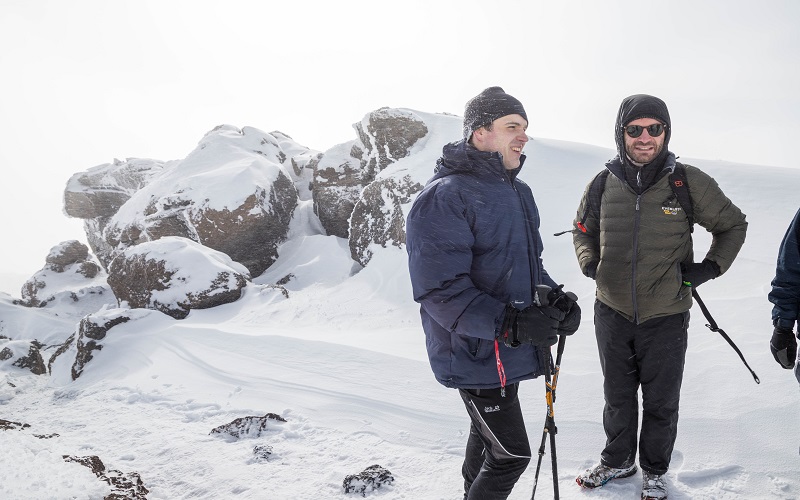
Climbing Kilimanjaro is a rewarding challenge that requires careful preparation. While the Northern Circuit boasts the highest success rate due to its long duration and gradual ascent, routes like Lemosho and Machame also offer excellent opportunities for summit success. The key is to choose a route that fits your fitness level, time constraints, and personal preferences.
With the right preparation, a clear understanding of the route you choose, and a focus on acclimatization, you’ll greatly improve your chances of summiting Kilimanjaro and making your dream a reality.