Kilimanjaro Climbing Group Tours from Moshi: A Guide
Mount Kilimanjaro is one of the most famous mountains in the world, and it attracts thousands of climbers every year. It’s the tallest mountain in Africa, standing at 5,895 meters (19,341 feet) above sea level, and it’s a bucket-list destination for many adventurers. One of the best ways to experience the mountain is by joining a Kilimanjaro climbing group tour that starts from Moshi, a town located just at the base of the mountain. In this guide, we will explain everything you need to know about Kilimanjaro group tours and why Moshi is the best starting point.
Why Choose Moshi for Kilimanjaro Tours?
Moshi is a small town in Tanzania, located at the foot of Mount Kilimanjaro. It is considered the main gateway to the mountain, making it a convenient and popular starting point for climbers. Here’s why Moshi is so great for your Kilimanjaro adventure:
- Proximity to Kilimanjaro: Moshi is only about an hour’s drive from Kilimanjaro National Park, where all the climbing routes begin.
- Affordable and Accessible: The town has a range of accommodations, restaurants, and services for tourists. It’s also well-connected by road and air, with Kilimanjaro International Airport (JRO) located just 45 minutes away.
- Experienced Guides and Operators: Many climbing tour companies are based in Moshi, which means you have access to a variety of options when choosing a guide or tour company.
What Is a Kilimanjaro Group Tour?
A Kilimanjaro group tour is a guided tour that takes you and a group of fellow climbers to the summit of Mount Kilimanjaro. The tour usually includes a team of experienced guides, porters, and cooks who help you along the way. Group tours are a great way to climb Kilimanjaro because they provide both social support and a sense of security. It’s also a more affordable option compared to private climbs, as the cost is shared among everyone in the group.
Most group tours are scheduled on a set date, and climbers from different parts of the world join the same team. The group will travel together on the same route, typically taking around 5 to 9 days to reach the summit, depending on the route and the pace.

What Is Included in a Group Climb?
When you book a Kilimanjaro climbing group tour from Moshi, the package typically includes several key services to ensure you have a safe and enjoyable experience. Here's what you can expect:
- Park Fees: This includes the cost of entry into Kilimanjaro National Park, as well as fees for your guides, porters, and cooks.
- Guides and Porters: Experienced Mountain guides who are knowledgeable about the routes, weather, and terrain will lead the group. Porters will carry most of the luggage, including tents, food, and supplies, leaving you with just a small daypack to carry.
- Meals: All meals on the mountain are usually provided. These meals are designed to fuel you during your climb, offering a mix of carbohydrates, protein, and vegetables.
- Camping Equipment: Tents, sleeping mats, and other necessary camping equipment are often included. However, you may need to bring your own sleeping bag and other personal items.
- Transportation: Most tours provide transport from Moshi to the trailhead of your chosen route and back.
Popular Kilimanjaro Routes for Group Tours
There are several routes to climb Mount Kilimanjaro, each with its own unique experience. Here are the most popular routes for group climbs:
1. Machame Route (7-8 Days)
- Difficulty: Moderate to challenging.
- Best for: Adventurers with some prior hiking experience.
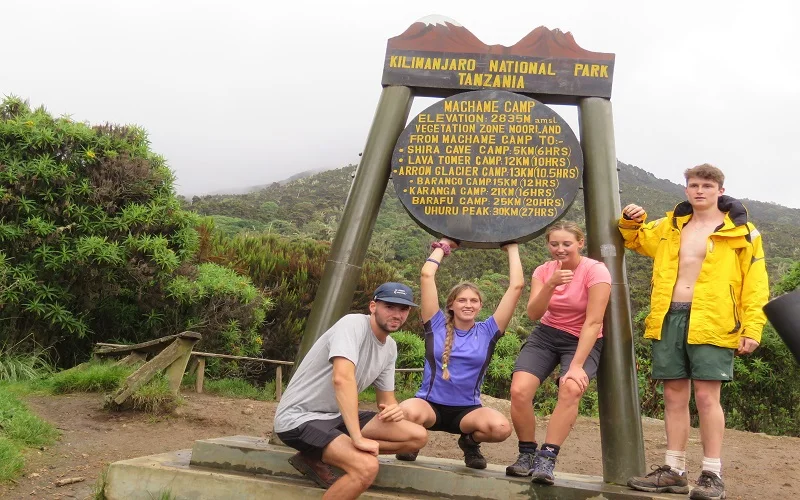
- Description: This is one of the most popular and scenic routes. It’s a longer route, which gives climbers more time to acclimatize to the altitude. The route takes you through diverse ecosystems, from rainforests to alpine deserts. The summit is reached from the Barafu Camp.
2. Marangu Route (5-6 Days)
- Difficulty: Moderate.
- Best for: First-time climbers who want a shorter, easier route.
- Description: Known as the "Coca-Cola" route, this is the easiest and shortest route to the summit. It is the only route that offers hut accommodation instead of camping. However, the climb is more rapid, which means there’s less time for acclimatization.
3. Lemosho Route (7-8 Days)
- Difficulty: Moderate to challenging.
- Best for: Climbers who want a less crowded route with beautiful views.
- Description: This route is less crowded than Machame and has a higher success rate because of its longer duration, allowing more time to acclimatize. It starts on the western side of Kilimanjaro and takes you through stunning forests and alpine meadows.
4. Rongai Route (6-7 Days)
- Difficulty: Moderate.
- Best for: Climbers looking for a quieter route.
- Description: This is the only route that approaches the summit from the north. It is less popular, which means you will encounter fewer climbers along the way. The route offers great views of the wilderness, but it is considered a bit easier than others due to its gradual ascent.
5. Umbwe Route (6-7 Days)
- Difficulty: Challenging.
- Best for: Experienced climbers.
- Description: This is one of the most difficult and steepest routes on Kilimanjaro. It is less popular, so it’s a good option for those seeking more isolation. The route is short but demanding, and it is essential to be in top physical condition.
The Group Tour Experience
When you join a group tour from Moshi, you’ll typically meet your fellow climbers the day before the trek. This is when you will have your briefing with the guides, get your gear checked, and make final preparations.
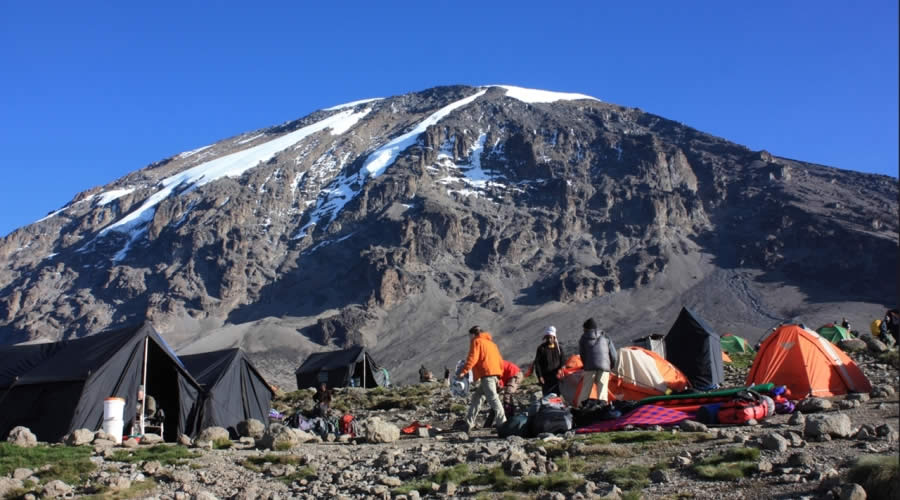
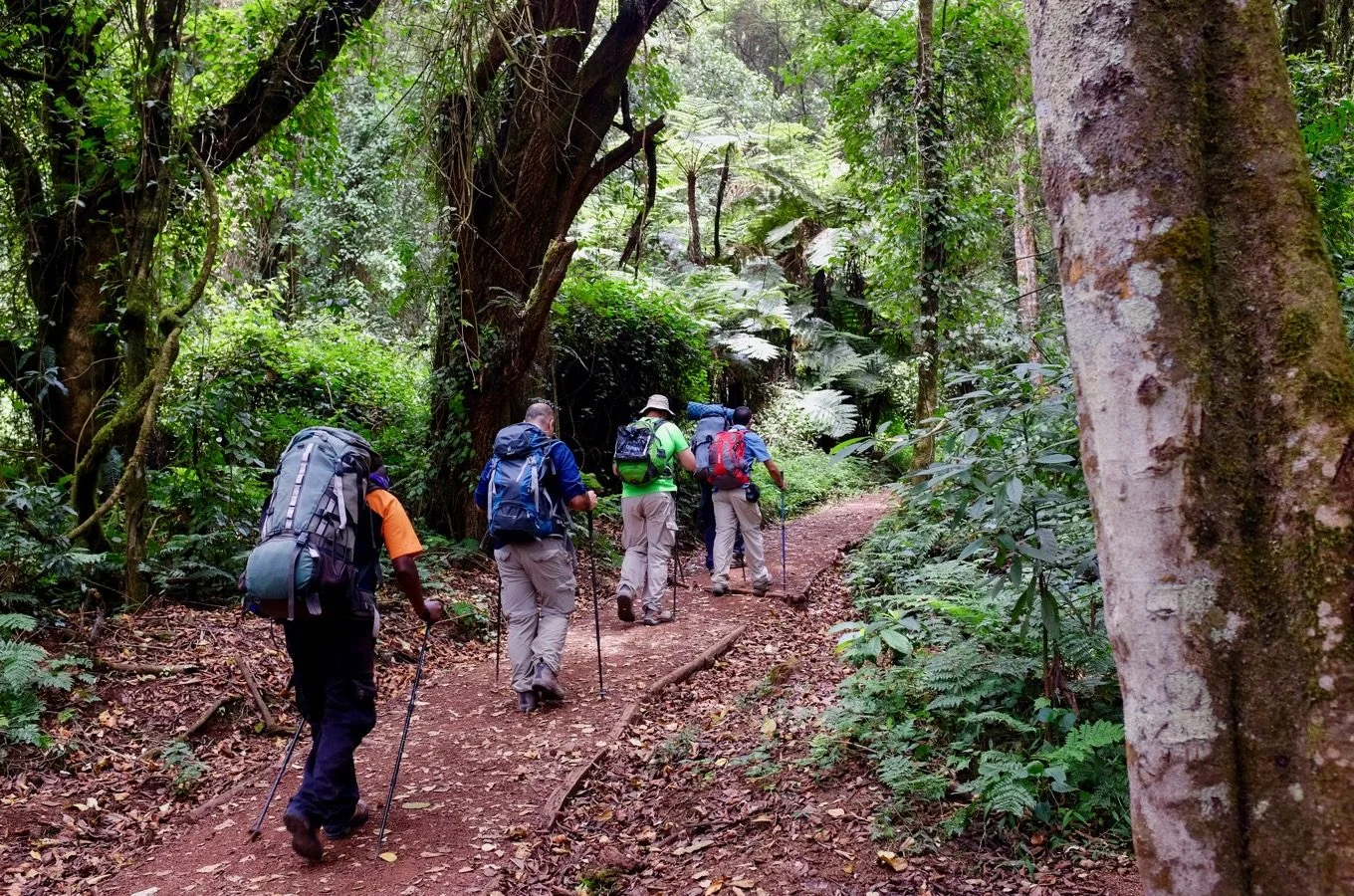
The climb itself usually involves daily hikes, with stops at various camps for meals and rest. You’ll hike for several hours each day, typically starting early in the morning to avoid the afternoon heat. As you ascend, you’ll experience changing landscapes, from lush forests to barren rocky terrain. The nights get colder as you go higher, and the altitude can make the air feel thinner, which is why it's important to take your time and acclimatize properly.
Tips for a Successful Kilimanjaro Group Tour
- Acclimatization: It's essential to adjust to the altitude to reduce the risk of altitude sickness. Be sure to follow the itinerary and take rest days when needed.
- Training: While no technical climbing skills are required, it’s helpful to train before your trip. Try to increase your endurance with long hikes or walks with a backpack.
- Packing: Make sure you have the right gear, including warm clothing, sunscreen, a good pair of hiking boots, and a water bottle. Your tour operator will often provide a gear list.
- Hydration and Nutrition: Stay hydrated and eat well to keep your energy up during the climb.
Safety Measures
Climbing Mount Kilimanjaro is a rewarding adventure, but it’s important to keep in mind that safety is the top priority. One of the biggest challenges climbers face is altitude sickness. The higher you climb, the thinner the air becomes, and your body must adjust to the reduced oxygen levels. Altitude sickness can affect anyone, even fit climbers, so it’s important to watch for symptoms like headaches, dizziness, nausea, and fatigue.
To prevent altitude sickness, it’s crucial to take it slow, especially during the first few days when you’re gaining elevation. Your guides will ensure you have rest days for proper acclimatization. Staying hydrated is also key, as dehydration can worsen the effects of altitude sickness. Guides will monitor your health daily, and if any symptoms arise, they’ll make sure you get the attention you need.
Despite Kilimanjaro being a non-technical climb, it’s still a physical challenge, and tour companies are trained to handle emergencies. Climbers are always escorted by experienced guides who are familiar with the mountain, its dangers, and how to respond in an emergency. While the trek is safe, it’s important to remember that precautions should always be taken to ensure the climb is successful and enjoyable.
Cost Breakdown
The cost of a Kilimanjaro climbing group tour varies depending on several factors, such as the route chosen, the duration of the tour, and the services included. On average, a group tour can range from $200 per day. This price typically covers:
- Park fees for entry to Kilimanjaro National Park.
- Guide fees for experienced mountain guides.
- Porters to carry the gear and food.
- Meals on the mountain.
- Camping equipment such as tents, sleeping mats, and cooking gear.
- Transportation from Moshi to the trailhead and back.
In addition to the basic tour cost, climbers are expected to tip the guides and porters, which is an essential part of their income. The recommended tipping amount is around $200 to $300 per climber for a successful climb. If you need to rent gear (such as sleeping bags, boots, or jackets), expect to pay extra.
The route you choose also affects the cost. Longer and more scenic routes, like the Lemosho or Machame routes, can be more expensive due to the longer duration and better acclimatization opportunities. However, some routes like the Marangu route may offer more budget-friendly options, as they are shorter and use huts instead of tents.
Physical Preparation and Fitness Tips
While climbing Kilimanjaro doesn’t require technical mountaineering skills, being in good physical shape is essential for a successful summit. The climb involves long days of hiking, sometimes in challenging conditions. To prepare, focus on building stamina and endurance with activities like walking, hiking, or cycling.
Start by training with a backpack to simulate the conditions of carrying a small daypack. A good cardio routine will help, but don’t forget to include strength training for your legs and core. Aim to hike regularly, especially on uneven or hilly terrain. Endurance is key take your time and avoid rushing the climb to allow your body to acclimate to the altitude.
Remember, the goal is not to be the fastest but to be steady and strong throughout the trek. Your guides will help set the pace and ensure you are comfortable.
Cultural and Local Experiences in Moshi
Moshi is a vibrant town and a great place to explore before or after your climb. The town has a lot of local culture to offer, including visiting markets, where you can shop for souvenirs like handmade jewelry, clothes, and spices. You can also try local dishes such as ugali (cornmeal) and nyama choma (grilled meat).
If you have extra time, a trip to the Materuni Waterfalls or a coffee tour is highly recommended. Moshi is located in a coffee-growing region, so visiting a farm and learning about the coffee-making process is a unique experience. These tours also give you a deeper connection to the local Chagga community, many of whom are employed as guides, porters, and cooks on Kilimanjaro.
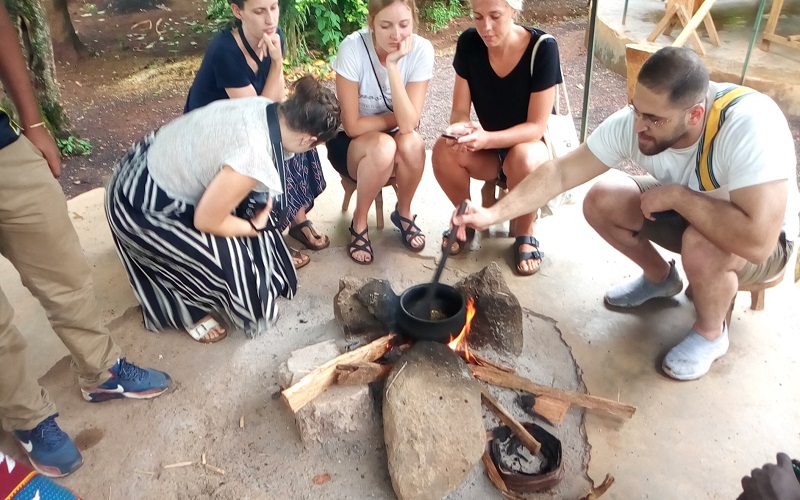
Climbing Kilimanjaro also supports the livelihoods of the local people, and many of the guides and porters come from the surrounding areas. By choosing a local tour operator, you help support the local economy and sustainable tourism
Accommodation Options in Moshi
Before your climb, you’ll need a place to stay in Moshi. There are a range of accommodations to suit different budgets:
- Budget: Hostels and guesthouses are perfect for backpackers or solo travelers. You’ll find friendly atmospheres where you can meet other climbers.
- Mid-range: Small hotels and lodges offer more comfort, including hot showers and Wi-Fi.
- Luxury: For those wanting a more comfortable stay, upscale hotels with pools, spas, and restaurant services are available.
Many accommodations in Moshi offer pre-trek services like gear rental, briefings, and transportation to the mountain gates. Staying in Moshi for a day or two before the climb allows you to adjust to the altitude and get ready for the journey ahead.
Important Gear & Packing List
Packing the right gear is essential for a successful climb. The weather on Kilimanjaro can vary from warm at the base to freezing at the summit, so you'll need to bring layered clothing to stay comfortable. Key items include:
- Clothing: Moisture-wicking base layers, a warm jacket for the summit, and a good rain jacket.
- Footwear: A sturdy pair of hiking boots with ankle support.
- Hydration: A water bottle or hydration system to stay hydrated, and energy snacks like granola bars or nuts.
- Headlamp: A headlamp for early morning and night hikes.
- Sunglasses and sunscreen: Protect your skin and eyes from the high-altitude sun.

Don’t forget a camera to capture the stunning views and moments on your climb. Your tour company will usually provide a detailed packing list to ensure you don’t miss anything important.
Sustainability and Eco-Friendly Practices
Kilimanjaro is a UNESCO World Heritage site, and it's important to protect the environment while climbing. Many tour companies now promote eco-friendly practices. This can include minimizing waste, such as avoiding plastic bottles by using refillable water containers, and sticking to marked trails to protect local wildlife.
Climbers are encouraged to leave no trace, respect the local culture, and be mindful of their environmental impact. By choosing a responsible operator, you help preserve Kilimanjaro’s beauty for future generations.
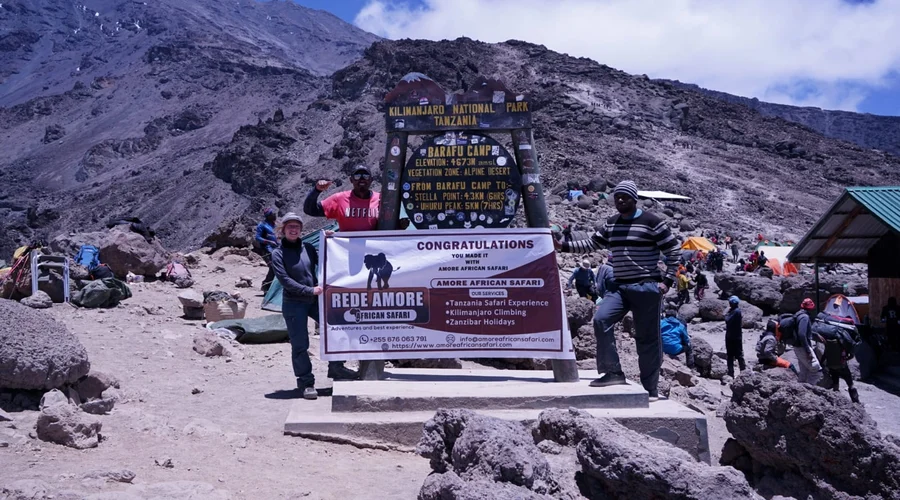
Climbing Kilimanjaro is a challenging but achievable goal. The success rate for reaching the summit varies, but climbers who follow the itinerary, stay hydrated, and acclimatize properly are more likely to succeed. Group tours usually have higher success rates because of the team support and expert guidance.
Remember, climbing Kilimanjaro is more than just a physical challenge it’s a journey of self-discovery, a test of resilience, and a once-in-a-lifetime adventure. Standing on the summit, with the entire African continent stretching below, is an unforgettable moment.
If you’re ready to take on the climb of a lifetime, a Kilimanjaro climbing group tour from Moshi could be exactly what you’re looking for. With the right preparation, an experienced guide, and the support of your fellow climbers, you’ll be well on your way to achieving your dream of summiting Mount Kilimanjaro