Kilimanjaro Climbing Gear: Everything You Need for a Safe and Comfortable Climb
Climbing Mount Kilimanjaro is a multi-day trek that takes you through different climate zones. You start in a warm rainforest, pass through heath and alpine desert, and finally reach the cold summit. Because the weather changes so much, having the right climbing gear is very important. Many people think they need expensive equipment, but that is not always true. What matters most is choosing gear that keeps you warm, dry, comfortable, and safe. Good clothing, suitable footwear, and the right accessories can make the climb much easier and help prevent common problems such as cold, blisters, or getting wet. This guide explains the essential Kilimanjaro climbing gear in simple language so you know what to bring and why each item is important.
Why the Right Gear Matters
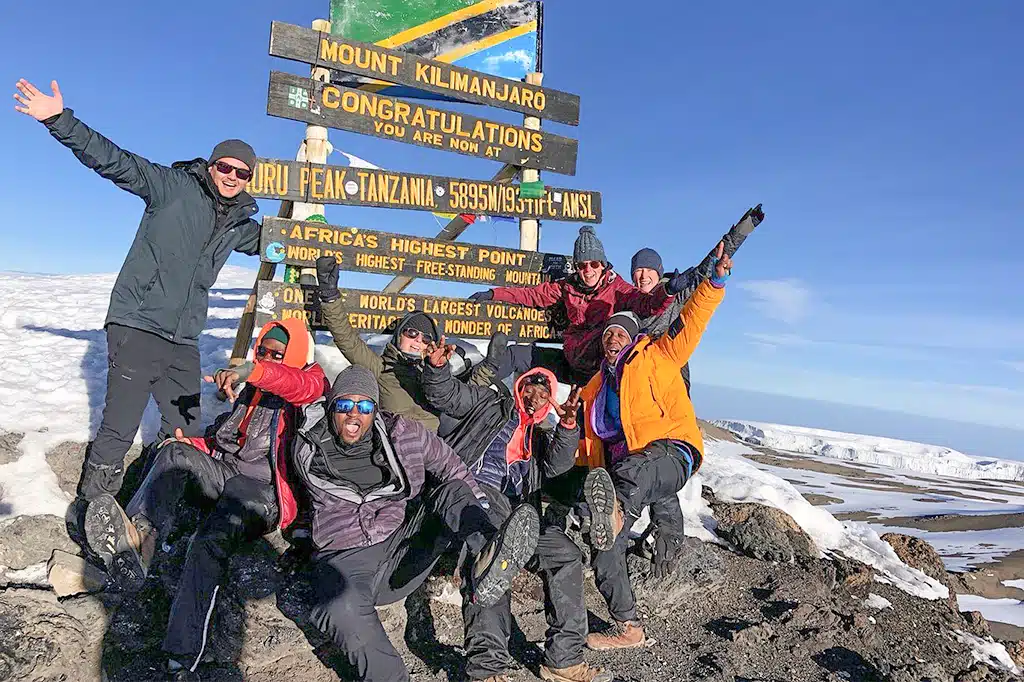
Mount Kilimanjaro is 5,895 meters (19,341 feet) above sea level. During the climb, temperatures can change from over 25°C (77°F) during the day to below -15°C (5°F) near the summit. Strong winds, rain, and snow are also possible depending on the season. The right gear helps you stay warm during cold nights, keeps you dry when it rains, protects you from strong sunlight, and allows you to walk comfortably for several hours each day. Wearing the wrong clothing or shoes can make the climb much harder than it needs to be.
it safely.
Complete Kilimanjaro Climbing Gear List
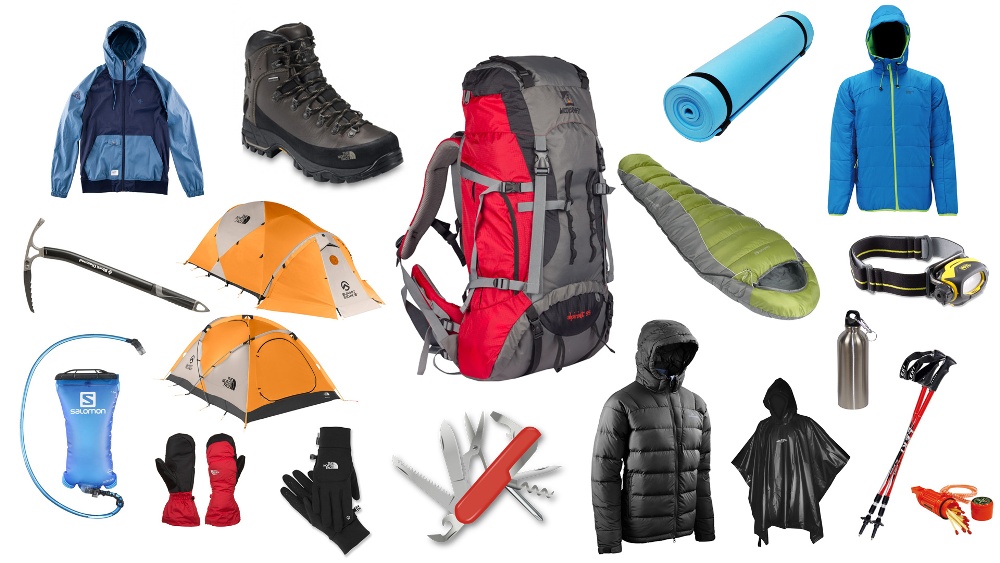
Packing the right gear is one of the most important parts of preparing for a Kilimanjaro climb. The mountain has different climate zones, from warm rainforest to freezing temperatures near the summit. Because of these changing conditions, every piece of equipment has a purpose. The checklist below covers the essential gear most climbers need for a safe and comfortable trek.
1. Clothing
Layering your clothing helps you stay comfortable as temperatures change throughout the climb.
Base Layers
- 2 thermal tops
- 2 thermal leggings
- Moisture-wicking underwear
- Sports bras (if needed)
Mid Layers
- 1 or 2 fleece jackets
- Lightweight insulated jacket (optional)
Outer Layers
- Waterproof jacket with hood
- Waterproof trousers
Insulation
- Down or synthetic insulated jacket for summit night
Hiking Trousers
- 2 pairs of trekking trousers
- 1 thermal bottom for cold weather
2. Footwear
Your feet will carry you to the summit, so comfortable footwear is essential.
- Waterproof hiking boots
- Camp shoes or sandals
- 4–6 pairs of hiking socks
- 1–2 pairs of thick thermal socks
- Gaiters (optional for rainy seasons)
3. Hand, Head and Neck Protection
These items protect you from cold temperatures, wind, dust, and strong sunlight.
- Warm beanie
- Sun hat or cap
- Neck gaiter or Buff
- Lightweight gloves
- Insulated waterproof gloves
4. Backpacks and Bags
You will normally carry a small daypack while porters carry your larger duffel bag.
- 30–40 litre daypack
- Waterproof duffel bag
- Rain cover for backpack
- Dry bags or packing cubes
5. Sleeping Gear
Good sleep helps your body recover after each day of trekking.
- Four-season sleeping bag (-10°C to -20°C)
- Sleeping bag liner (optional)
- Small travel pillow (optional)
6. Trekking Equipment
These items make hiking easier and safer.
- Trekking poles
- Headlamp
- Spare batteries
- Water bottles or hydration bladder (3 litres)
- Whistle (optional)
7. Personal Care Items
Simple hygiene products will help you stay comfortable during the trek.
- Toothbrush and toothpaste
- Wet wipes
- Hand sanitizer
- Small quick-dry towel
- Toilet paper
- Biodegradable soap
- Lip balm
- Moisturizer (optional)
8. Sun Protection
The sun becomes much stronger as you gain altitude.
- UV-protection sunglasses
- High SPF sunscreen (SPF 30–50+)
- Lip balm with SPF
9. First Aid Kit
Carry a small personal first aid kit for minor health issues.
- Blister plasters
- Adhesive bandages
- Pain relief medicine
- Antiseptic wipes
- Personal prescription medication
- Altitude medication (only if prescribed by your doctor)
10. Food and Snacks
Although meals are provided on most Kilimanjaro climbs, carrying extra snacks is recommended.
- Energy bars
- Chocolate
- Nuts
- Dried fruit
- Biscuits
- Electrolyte tablets or drink powder
11. Electronics
Keep electronics protected from cold and moisture.
- Smartphone
- Camera (optional)
- Power bank
- Charging cables
- Extra memory cards
- Universal travel adapter
- Smartwatch (optional)
12. Travel Documents and Money
Keep these items in a waterproof pouch.
- Passport
- Travel insurance
- Flight tickets
- Cash for tips and personal expenses
- Emergency contact information
Optional Gear
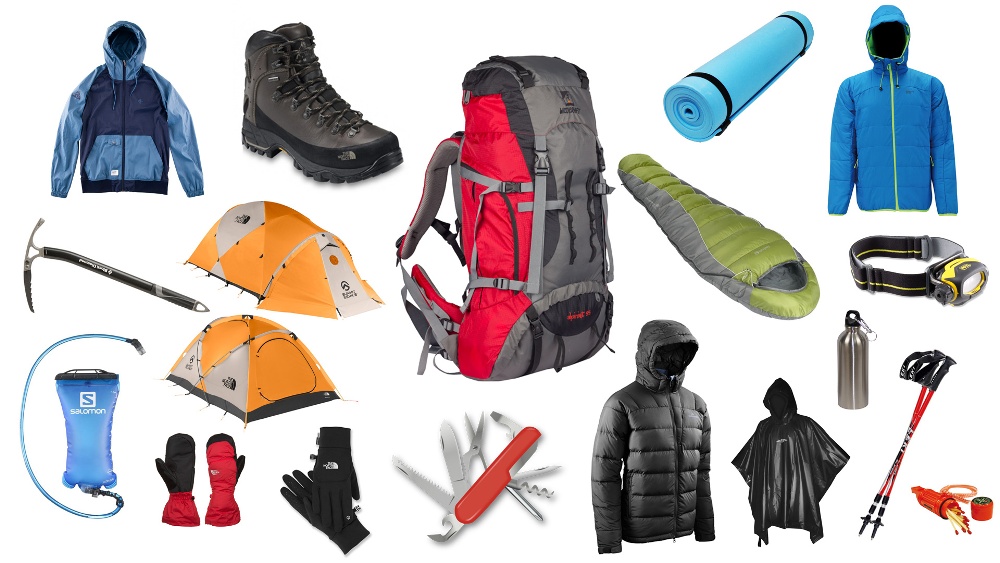
These items are not essential but many climbers find them useful.
- Binoculars
- Journal and pen
- Book or Kindle
- Earplugs
- Eye mask
- Lightweight camp pillow
- Compression bags
- Small lock for duffel bag
Final Kilimanjaro Gear Checklist
Before leaving for Tanzania, make sure you have:
- Clothing for warm and freezing temperatures
- Waterproof hiking boots
- Warm gloves and hat
- Sleeping bag
- Daypack and duffel bag
- Trekking poles
- Headlamp
- Water bottles or hydration system
- Sunglasses and sunscreen
- Personal first aid kit
- Toiletries
- Snacks
- Electronics and power bank
- Passport and travel documents
Packing carefully before your Kilimanjaro climb helps you stay comfortable throughout the trek. You do not need the most expensive equipment, but every item should be suitable for mountain conditions. A well-prepared gear list allows you to focus on the experience, enjoy the changing landscapes, and climb safely from the rainforest to Uhuru Peak.
Should You Buy or Rent Gear?
If you do not climb mountains often, renting some equipment can be a practical option. In towns like Moshi, many trekking companies and outdoor shops rent items such as sleeping bags, trekking poles, insulated jackets, and waterproof clothing. However, hiking boots should usually be your own because properly fitted boots are important for comfort and reducing the risk of blisters.
Common Kilimanjaro Gear Mistakes
Avoid these common packing mistakes when preparing for your Kilimanjaro climb:
- Packing cotton clothing instead of moisture-wicking or thermal layers.
- Wearing brand-new hiking boots without breaking them in before the trek.
- Bringing too many unnecessary items, making your luggage heavier than needed.
- Forgetting insulated gloves for the freezing temperatures on summit night.
- Packing too few warm clothing layers for high-altitude conditions.
- Choosing clothing based only on daytime temperatures and not preparing for freezing nights.
- Bringing a sleeping bag that is not warm enough for sub-zero temperatures.
- Forgetting a waterproof jacket or waterproof trousers.
- Packing too few hiking socks or not bringing thermal socks for the summit.
- Carrying a backpack that is too large or too heavy for daily hiking.
- Not bringing a headlamp with spare batteries for the midnight summit climb.
- Packing too little water capacity or forgetting a hydration system.
- Leaving out sunglasses or sunscreen, even though UV rays are much stronger at high altitude.
- Forgetting essential personal medication or a basic first aid kit.
- Failing to test and organize all gear before travelling to Tanzania.
