Kilimanjaro Climatic Zones: From Rainforest to Giant Glaciers
Mount Kilimanjaro, Africa’s highest peak, is renowned not only for its towering height but also for its incredible ecological diversity. Rising dramatically from the surrounding plains, Kilimanjaro offers a vertical journey through multiple climate zones, each with unique weather, vegetation, and wildlife. Climbers experience a remarkable transition from the warm, humid rainforests at the base, full of vibrant plants and animals, to cooler heath and moorlands, then to the dry, rocky alpine desert, and finally to the icy glaciers and snowfields near the summit. Each zone presents distinct challenges, breathtaking scenery, and opportunities to observe wildlife, appreciate unusual plant life, and connect with the mountain’s natural and cultural landscape. Understanding these climatic zones is essential for preparation, safe climbing, and a deeper appreciation of Kilimanjaro as a living, dynamic ecosystem.
1. Rainforest Zone (1,000–2,800 meters)
The base of Kilimanjaro is blanketed in dense tropical rainforest, one of the most biologically rich and vibrant areas of the mountain. Temperatures range from 18°C to 25°C, with high humidity and frequent rainfall, creating lush, green surroundings. The air is fragrant with wet earth, flowering plants, and moss-covered trees.
This zone is teeming with wildlife. Playful blue monkeys and elegant colobus monkeys move gracefully through the forest canopy, while Jackson’s chameleons navigate branches, blending perfectly with the foliage. Nocturnal bush babies hide in tree hollows during the day, peeking out at night, and a symphony of birds, including hornbills, turacos, and sunbirds, fills the forest with vibrant calls. Hikers may also spot duikers quietly moving through undergrowth or marsh mongooses hunting near small streams.
In addition to wildlife, this zone includes Chagga farmlands and villages, where locals cultivate bananas, coffee, and vegetables. This cultural presence connects the human and natural ecosystem, allowing wildlife to move between forest areas. Trails are often muddy and shaded, offering a magical, jungle-like hiking experience.

Hiking tips: Wear waterproof shoes, carry a light rain jacket, and start early to spot wildlife at their most active.
2. Heath and Moorland Zone (2,800–4,000 meters)
Above the rainforest, the landscape opens into heath and moorland. Temperatures drop to around 10°C–15°C during the day and 0°C–5°C at night. The dense forest gives way to sprawling shrublands dotted with giant heathers, towering lobelias, and unique groundsels, creating a dramatic and otherworldly terrain.
Wildlife becomes less abundant but remains fascinating. Small mammals such as mice and shrews hide among rocks, while birds dominate the skies. White-necked ravens, majestic lammergeiers (bearded vultures), and agile kestrels soar above the open landscape, scanning for prey. Occasionally, hikers may glimpse the elusive serval cat hunting quietly in the moorland, though these predators are mostly nocturnal.
This zone offers breathtaking panoramic views and a sense of vast openness, contrasting sharply with the dense rainforest below. The thinner air begins to challenge climbers, and the dramatic plant formations make this a visually stunning section of the mountain.

Hiking tips: Layer you’re clothing to stay warm, take short breaks to acclimatize, and watch carefully for small animals and bird activity.
3. Alpine Desert Zone (4,000–5,000 meters)
The heath and moorland gradually give way to the alpine desert, a harsh, dry, and rocky environment. Temperatures drop to around 0°C–10°C during the day and below freezing at night. Fierce winds sweep across the barren slopes, and vegetation is extremely sparse, with only hardy plants surviving in cracks of rock.
Wildlife here is rare but fascinating. Small insects and birds, especially ravens, have adapted to survive in this extreme environment. The barren landscape of scree, loose stones, and dramatic ridges feels almost otherworldly, giving climbers the sense of walking on another planet.

Hiking tips: Move slowly over loose scree, stay hydrated, protect skin from wind and sun, and be mindful of altitude sickness. Wildlife is rare, but tracks and droppings may hint at the creatures that endure these harsh conditions.
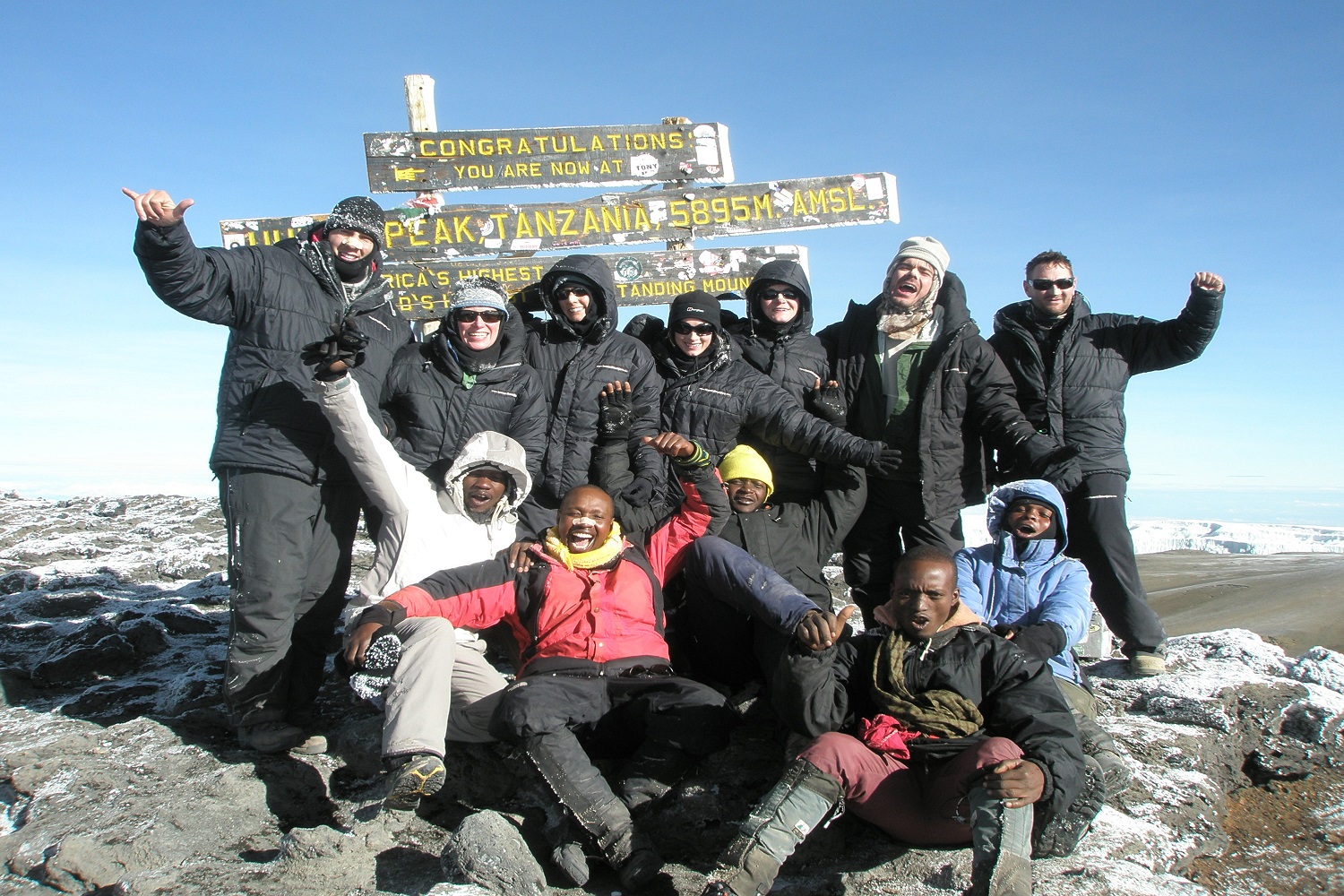
4. Summit Zone and Glaciers (5,000–5,895 meters)
The final zone, the summit, is dominated by ice, snow, and volcanic rock. Temperatures can plunge to –7°C to –15°C, oxygen levels are extremely low, and strong winds can be relentless. This extreme environment is inhospitable to most life, and no large animals can survive here. Only occasional ravens and tiny, hardy insects manage to exist at this altitude.
The summit is visually spectacular, with massive glaciers, shimmering snowfields, and jagged volcanic rock formations. Reaching Uhuru Peak, the “Roof of Africa,” provides climbers with a profound sense of achievement and the chance to witness the raw, untouched beauty of Kilimanjaro’s uppermost reaches.

Hiking tips: Wear insulated layers, use trekking poles for balance, and pace yourself carefully. The summit demands respect for its harsh conditions.
Experiencing Kilimanjaro’s Zones
Climbing Kilimanjaro is not only a physical challenge but also an immersive journey through multiple ecosystems. Key points to remember:
- Wildlife diversity: From monkeys, chameleons, and duikers in the rainforest to ravens and rare servals in higher zones, each step offers unique animal encounters.
- Plant life: Tropical flowers, giant lobelias, heathers, and sparse alpine plants make every zone visually unique.
- Cultural connection: At the base, Chagga communities and farmland coexist with nature, offering insight into human-environment interaction.
- Hiking preparation: Layered clothing, water, acclimatization, and proper footwear are essential as temperatures, oxygen, and terrain vary dramatically.
- Conservation: Respect wildlife and plants, stay on trails, avoid feeding animals, and leave no trace.
By observing animals, listening to birds, and noticing plant life and tracks, climbers can experience Kilimanjaro as a vibrant, living ecosystem. From lush green forests to windswept glaciers, the mountain offers a journey that combines adventure, natural beauty, wildlife encounters, and cultural insight.
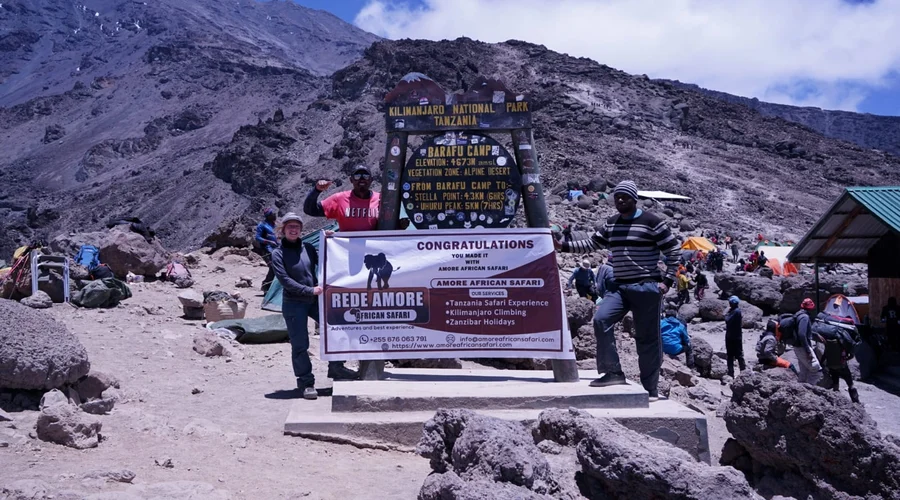
Mount Kilimanjaro is far more than just a climb it is a breathtaking journey through diverse climates, unique wildlife, and fascinating plant life, from lush rainforests to windswept alpine deserts and icy glaciers. Each zone offers unforgettable experiences, from observing playful monkeys and colorful chameleons in the rainforest to spotting ravens and rare alpine creatures near the summit. Respecting the mountain, its wildlife, and local communities enhances the adventure and ensures that these ecosystems remain protected for future generations.
Make your Kilimanjaro experience truly extraordinary by choosing Rede Tours and Safaris. Our expert guides provide safe, environmentally responsible, and unforgettable climbs, helping you enjoy every moment while connecting deeply with the mountain’s natural beauty. Book your adventure today and let us turn your dream of standing on the “Roof of Africa” into a reality.