Is Mikumi Safari Worth It?
Yes, Mikumi Safari is absolutely worth it, especially for travelers seeking an authentic, affordable, and less crowded safari experience.
Mikumi may not have the global fame of the Serengeti National Park or the massive migrations, but that’s precisely its charm. The park offers wide open savannahs, easy wildlife spotting, and a sense of freedom and calm that is hard to find in more tourist-heavy parks.
The real value of a Mikumi safari is in the experience itself watching elephants slowly cross golden plains, giraffes nibble on acacia trees, and lions lounge majestically under the shade, all without the rush and crowds of northern parks.
What Makes Mikumi National Park Special?
Mikumi is often called the “mini-Serengeti” because of its open plains, yet it has a distinct, quieter character.
Landscape & Scenery
Mikumi National Park is a masterpiece of natural beauty, where every corner tells a story of Africa’s wild heart. The park is dominated by the Mkata Floodplain, an immense golden savannah that seems to stretch endlessly beneath the vast, open sky. From the moment you enter, the sheer scale of the plains is breathtaking the horizon blending seamlessly with the earth, creating a feeling of infinite space and freedom.
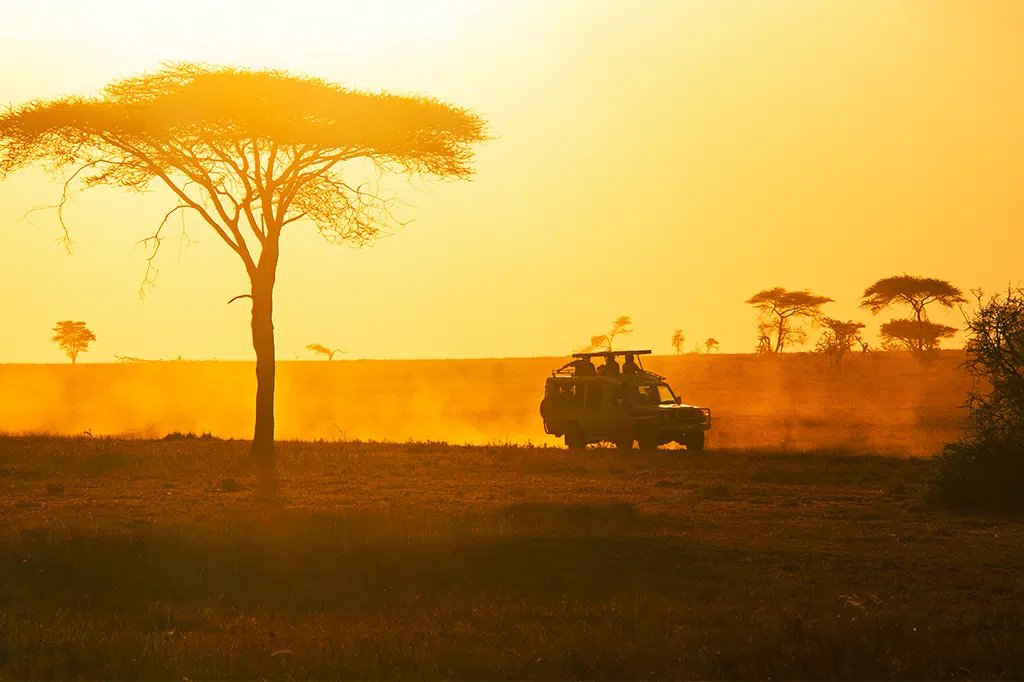
Scattered throughout the floodplain are iconic acacia trees, their flat-topped silhouettes framing the landscape like living sculptures. These trees provide shade for resting wildlife and add a painterly contrast to the golden grass beneath. Seasonal waterholes sparkle in the sunlight, acting as natural gathering points where elephants, zebras, and hippos converge, making wildlife spotting both easy and mesmerizing.
The park’s scenery is further enhanced by the distant Uluguru Mountains, whose rugged, green slopes rise dramatically against the otherwise flat terrain. During sunrise and sunset, the mountains catch the light, creating a palette of gold, orange, and deep purple that paints the entire horizon a photographer’s dream and a moment that stays etched in memory.
.jpg)
Seasonal changes add another layer of magic. In the rainy season (November–May), the plains turn lush and green, dotted with wildflowers and attracting flocks of colorful birds, from lilac-breasted rollers to African pygmy kingfishers. The air is fresh, and the park feels alive with the sounds of nature babbling streams, birdcalls, and the distant rumble of elephants moving through the grass.
During the dry season (June–October), the landscape takes on a golden, sunbaked tone. Waterholes shrink, concentrating wildlife around them, making predator and prey encounters more visible and easier to photograph. Dust rises in soft clouds as zebras and wildebeest move across the plains, and the long shadows of acacia trees create dramatic patterns on the earth. It’s during this season that Mikumi truly earns its reputation as a “mini-Serengeti,” offering unforgettable scenes of African wildlife in its natural, unhurried rhythm.
Whether lush and green or golden and dry, Mikumi’s landscape is both majestic and intimate, providing endless opportunities to observe, photograph, and simply marvel at the raw beauty of Tanzania’s wilderness.
Wildlife Highlights
Mikumi National Park is not just a park it is a living theater where every moment brings a new encounter with Africa’s magnificent wildlife. The diversity here may not rival the Serengeti’s endless herds, but it offers something equally valuable: a sense of intimacy and accessibility that allows visitors to connect with the wild in a personal, unhurried way.
Majestic Elephants
One of the park’s most captivating sights is the sight of elephant herds moving gracefully across the plains. From newborn calves walking close to their mothers to towering bulls displaying their might, elephants in Mikumi command both respect and awe. During the dry season, they gather around shrinking waterholes, creating a natural spectacle that is both serene and powerful. Observing these gentle giants bathe, drink, and interact offers visitors a chance to witness complex social behaviors up close.
Regal Lions
Lions in Mikumi are often seen resting under the shade of acacia trees, their golden manes blending seamlessly with the sunbaked savannah. Early morning and late afternoon are the best times to see them in action hunting, playing, or simply patrolling their territory. Unlike in busier parks, you have the rare opportunity to watch these predators without the distraction of dozens of safari vehicles, making the moment feel private and extraordinary.
Elegant Giraffes
Giraffes drift across the plains with an effortless grace, their long necks reaching for tender leaves at the top of acacia trees. They often move slowly in small groups, their patterns creating natural art against the golden grass. Photographing a giraffe silhouetted against a Mikumi sunset is an experience many visitors describe as unforgettable.
Herds of Zebras and Wildebeest
The plains come alive with zebras and wildebeest, forming intricate, moving patterns as they graze or migrate short distances in search of water. Dust rises in delicate clouds beneath their hooves, and their coordinated movement creates a sense of rhythm across the landscape. Observing these herds teaches visitors about the subtle balance of predator-prey relationships and the cycles of life in the savannah.
Hippos, Crocodiles, and Birds
Waterholes and rivers are alive with hippos wallowing and splashing, while crocodiles wait patiently along the banks, blending into the reeds. Birdlife in Mikumi is equally impressive from lilac-breasted rollers and hornbills to rare species that thrive in the lush green season. For birdwatchers and photographers, these moments are magical, offering a rich palette of color and movement in the midst of the African wilderness.
.png)
Quiet, Intimate Moments
What truly sets Mikumi apart is the intimacy of each encounter. With fewer vehicles and smaller crowds, visitors often find themselves alone with the wildlife, watching a lioness stalk her prey, a baby elephant learning to use its trunk, or a giraffe bending delicately to drink from a pond. These moments are quiet yet alive with energy a stark contrast to the sometimes-hectic safari experiences in more popular northern parks.
Whether it’s observing a family of elephants interact, catching the first glimpse of a lion at dawn, or listening to the rhythmic movements of zebras across the plains, Mikumi offers authentic, unfiltered wildlife experiences. It’s a place where the animals are not performing for tourists they are living their lives, and you are privileged to witness it.
Pros and Cons of a Mikumi Safari
Pros
- Fewer crowds compared to Serengeti or Tarangire, giving a more personal experience.
- Open plains make wildlife easy to spot.
- Affordable compared to northern parks.
- Less tourist-driven, offering a more authentic African safari feel.
Cons
- Fewer big predators compared to larger parks.
- No Great Migration spectacle like Serengeti.
- Limited luxury accommodation options.
How to Get to Mikumi National Park
Reaching Mikumi National Park is easier than many travelers imagine, but the route you choose can shape the entire safari experience. Whether you prefer a scenic road trip or a quick flight, Mikumi is accessible for all types of visitors.
By Road
Traveling by road is the most popular option, and it’s an adventure in itself.
- From Dar es Salaam: The journey takes about 5–7 hours, depending on traffic and stops. The route winds through rolling hills, farmlands, and quaint villages, offering glimpses of rural Tanzanian life. Keep an eye out for baobab trees lining the road these ancient giants are iconic to the region and create perfect photo opportunities along the way.
- From Morogoro: Approximately 4–5 hours, passing through lush landscapes, small towns, and occasional wildlife along the roadside.
The drive allows travelers to experience the transition from city life to the wilderness of Mikumi. You might spot local farmers tending their fields, cattle herds grazing, or children playing near small streams. For those who love photography or want to capture authentic cultural moments, the road trip can be just as rewarding as the safari itself.
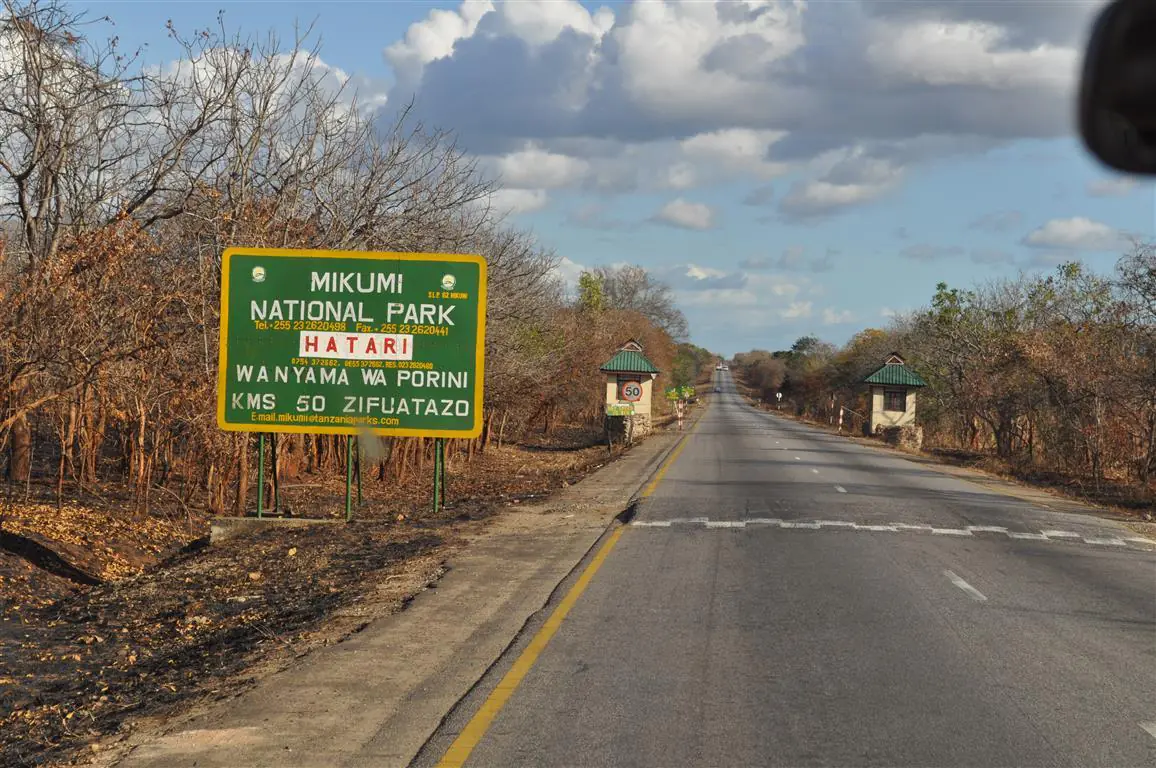
Tip: For comfort, consider hiring a 4x4 vehicle or joining an organized tour. Roads are generally well-maintained, but some sections can be bumpy, especially after the rainy season.
By Air
For travelers who want to save time or enjoy a more comfortable journey, flying to Mikumi is an excellent option. Domestic flights are available from Dar es Salaam, Zanzibar, and other major hubs in Tanzania.
- From Dar es Salaam: Flights to nearby airstrips such as Kidatu Airstrip take about 1 hour, followed by a short scenic drive to the park entrance.
- From Zanzibar: You can catch a connecting domestic flight via Dar es Salaam to Kidatu Airstrip or other nearby airstrips. This makes Mikumi accessible even for visitors arriving from the islands, offering a fast and stress-free transfer compared to the longer road journey.
Once you land, a park-approved driver or lodge guide will take you directly to your accommodation or first safari vehicle, allowing you to start your adventure almost immediately. From the air, you’ll enjoy a bird’s-eye view of Tanzania’s stunning landscapes patchworks of farmland, winding rivers, forests, and golden savannahs giving a preview of the wildlife and scenery that await inside the park.
Insider Tip: Flying from Zanzibar is ideal for travelers who want to combine Mikumi with a beach holiday or other northern safari destinations. It’s also a great option for those who prefer avoiding the long road journey, especially if you want to arrive rested and ready for an afternoon game drive at sunset.
.webp)
Best Time to Visit Mikumi National Park
Mikumi National Park is a year-round safari destination, but the experience can change dramatically depending on when you visit. Understanding the seasons will help you choose the best time for wildlife spotting, photography, and overall enjoyment.
Dry Season (June – October)
The dry season is widely considered the best time for wildlife viewing in Mikumi. During this period, water becomes scarce, and animals naturally gather around the remaining waterholes. This concentration of wildlife makes it easier to spot elephants, lions, zebras, and giraffes without venturing deep into the park.
- Wildlife Highlights: Lions are often seen hunting in the early morning and late afternoon. Elephants, buffalo, and hippos congregate at waterholes. Zebras and wildebeest move in large, picturesque herds.
- Weather: The days are sunny and warm (25–30°C / 77–86°F), with cool mornings and evenings perfect for game drives.
- Photography: Clear skies and golden light during sunrise and sunset create ideal conditions for stunning wildlife photography.
- Crowds: This is the park’s busiest season, but Mikumi remains quieter than northern parks like Serengeti or Tarangire.
Tip: Plan your safari drives for early morning and late afternoon when animals are most active and the lighting is magical.

Green / Wet Season (November – May)
The green season, which includes both short and long rains, transforms Mikumi into a lush, vibrant landscape. Rolling plains become bright green, waterholes fill up, and the park is alive with the songs of countless birds.
- Wildlife Highlights: While animals are more dispersed due to abundant water, the green season is ideal for birdwatching. You may spot rare species like the African pygmy kingfisher, lilac-breasted roller, and hornbills. Elephants and giraffes are still visible, often with calves. Predators are harder to spot, but occasional sightings of lions and leopards reward patient observers.
- Weather: Temperatures remain warm (25–28°C / 77–82°F), but afternoon showers are common. The rain brings a refreshing change and creates spectacular, vivid scenery.
- Photography: The vibrant greens, colorful birds, and reflections in full waterholes make this season perfect for nature and landscape photography.
- Crowds: Very low, making it ideal for travelers seeking peace and solitude.
Tip: Roads may be muddy during heavy rains, so 4x4 vehicles are recommended. Traveling with a local guide ensures a smooth and safe experience.
.webp)
Month-by-Month Breakdown
Month | Highlights | Wildlife & Activities |
June–October | Dry season; best for game viewing | Lions hunting, elephants at waterholes, clear skies |
November–December | Start of rains; greener scenery | Birdwatching, fewer crowds, dispersed wildlife |
January–February | Short dry season; pleasant weather | Easy travel, good visibility, some young wildlife |
March–May | Long rainy season; lush landscapes | Birdwatching paradise, fewer predators visible |
Insider Tips
- Combine Seasons: Visiting at the very start or end of the rainy season (November or May) offers a mix of green landscapes and easier wildlife spotting.
- Plan Around Wildlife Behavior: Dry season waterholes are excellent for photography and predator observation.
- Consider Travel Logistics: Roads are easier during the dry season; during the green season, expect slower drives and occasional detours.
Summary:
- Best for Wildlife & Photography: June – October (Dry Season)
- Best for Lush Scenery & Birdwatching: November – May (Green Season)
- Best for Solitude & Off-Peak Travel: Green Season
No matter the season, Mikumi offers authentic wildlife experiences, breathtaking landscapes, and a sense of Africa’s untamed beauty that stays with every visitor long after the safari ends.
Some of Our Mikumi Safari Selling Packages
1. Day Trip Mikumi Safari from Zanzibar
Take an early morning flight from Zanzibar to Dar es Salaam, then transfer to Mikumi National Park. Spend the day exploring the Mkata Floodplain, spotting elephants, lions, giraffes, and zebras at waterholes. Enjoy a picnic lunch surrounded by wildlife and take an afternoon game drive as the sun sets over the golden plains. Return to Dar es Salaam in the evening and catch a flight back to Zanzibar, bringing home unforgettable memories of Tanzania’s wild heart in just one day.
2. Day Trip Mikumi Safari from Dar es Salaam
Depart early from Dar es Salaam and enjoy a scenic 5–7-hour drive through rural landscapes, small villages, and baobab-lined roads. Arrive at Mikumi National Park and embark on morning and afternoon game drives, spotting elephants, lions, zebras, giraffes, and hippos. Pause for a bush-style lunch while taking in the vast savannah scenery. Conclude your safari with a sunset drive before returning to Dar es Salaam, making it a full-day adventure packed with wildlife, photography opportunities, and a taste of Tanzania’s authentic wilderness.
3. 2-Day Mikumi Safari with Uluguru Hiking
Combine wildlife and adventure on a two-day itinerary. Day 1 begins with a scenic drive to Mikumi for an afternoon game drive, spotting elephants, lions, and giraffes across the golden floodplains, followed by overnight at a lodge or camp inside the park. Day 2 features a morning hike into the nearby Uluguru Mountains, offering breathtaking panoramic views of the park and surrounding countryside, followed by a final game drive. Return to Dar es Salaam or Morogoro in the evening with a full experience of Tanzania’s savannah and highland landscapes.
Sample Mikumi Safari Itinerary
Here’s a practical example for a 3-day safari:
Day 1: Arrival & Afternoon Game Drive
- Enter the park in the afternoon.
- Short game drive to spot zebras, giraffes, and elephants.
- Sunset photography along the floodplain.
Day 2: Full-Day Safari
- Early morning game drive to catch lions hunting or moving.
- Picnic lunch inside the park.
- Afternoon drive to explore waterholes for hippos and crocodiles.
Day 3: Sunrise Game Drive & Departure
- Early drive to see morning wildlife activity.
- Optional walking safari with a guide.
- Depart with unforgettable memories.
Tip: Even a 1–2-day safari can be rewarding if time is limited.
Mikumi Safari Costs (Budget Guide)
Planning a safari to Mikumi National Park can fit a wide range of travel styles from simple and adventurous to comfortable and luxurious. Instead of focusing on exact prices, it’s more helpful to understand what each safari style offers and what influences the overall cost.
Budget Safari
A budget safari is ideal for travelers who want to experience wildlife without spending too much. This option usually includes basic camping or simple lodges, shared safari vehicles, and group tours.
Accommodation is often in public campsites or budget lodges with essential facilities. Meals are simple but filling, and game drives are shared with other travelers, which helps keep costs lower. Transportation may involve group transfers or joining a scheduled safari departure.
This style is perfect for backpackers, students, or anyone who values the experience over comfort. While it may lack luxury, it still offers incredible wildlife viewing and adventure.
Mid-Range Safari
Mid-range safaris strike a balance between comfort and value. Travelers stay in comfortable lodges or tented camps with private rooms, proper beds, and good amenities such as hot showers and dining areas.
Game drives are often done in smaller groups or private vehicles, giving you more flexibility and a better viewing experience. Meals are usually included and are more varied and high quality compared to budget options.
This is the most popular choice for many travelers because it offers a relaxed and enjoyable safari experience without going into high-end luxury pricing.
Luxury Safari
Luxury safaris provide a premium experience with top-level comfort and personalized service. Accommodation includes high-end lodges or exclusive tented camps, often located in prime wildlife areas.
Expect spacious rooms, stylish interiors, gourmet meals, and exceptional service. Game drives are usually private, guided by experienced professionals, and tailored to your interests. Some lodges even offer extras like sundowners, bush dinners, and guided walking safaris.
This option is ideal for honeymooners, special occasions, or travelers who want a seamless and exclusive safari experience.
Key Cost Factors
Several elements influence the overall safari cost, regardless of your chosen style:
- Transportation: Private safaris cost more but offer flexibility and comfort, while group safaris are more affordable and social.
- Park Fees: Conservation and entry fees are fixed and apply to all visitors.
- Accommodation Quality: The type of lodge or camp significantly impacts the price.
- Season: Peak seasons (dry season and holidays) are more expensive, while low seasons can offer better deals.
Helpful Tip
Joining a group safari is one of the best ways to reduce costs, especially for solo travelers. Sharing transport, guides, and sometimes accommodation can make the experience much more affordable without missing out on the adventure.
What’s Included in a Safari Package
- Park entry fees
- Accommodation (based on chosen style)
- Meals (usually full board)
- Safari vehicle and game drives
- Professional driver-guide
- Drinking water during game drives
What’s Excluded
- International and domestic flights
- Visa fees
- Travel insurance
- Tips for guides and staff
- Alcoholic and soft drinks (in most cases)
- Personal expenses (souvenirs, extra activities)
Where to Stay in Mikumi National Park
Accommodation in Mikumi ranges from simple, nature-focused camps to comfortable lodges and a few exclusive luxury retreats. Where you stay will shape your entire safari experience from how close you are to wildlife to the level of comfort you enjoy after a day of game drives.
Budget Accommodation
Budget options are perfect for travelers who want an authentic safari feel without extra frills. These are usually simple camps or basic lodges located just outside or near the park boundaries.
Rooms or tents often include essential amenities like beds, mosquito nets, and shared or private bathrooms. The atmosphere is relaxed and close to nature you may hear wildlife sounds at night, adding to the adventure.
This option suits backpackers and adventurous travelers who prioritize experience over comfort while still enjoying access to the park.
Mid-Range Lodges
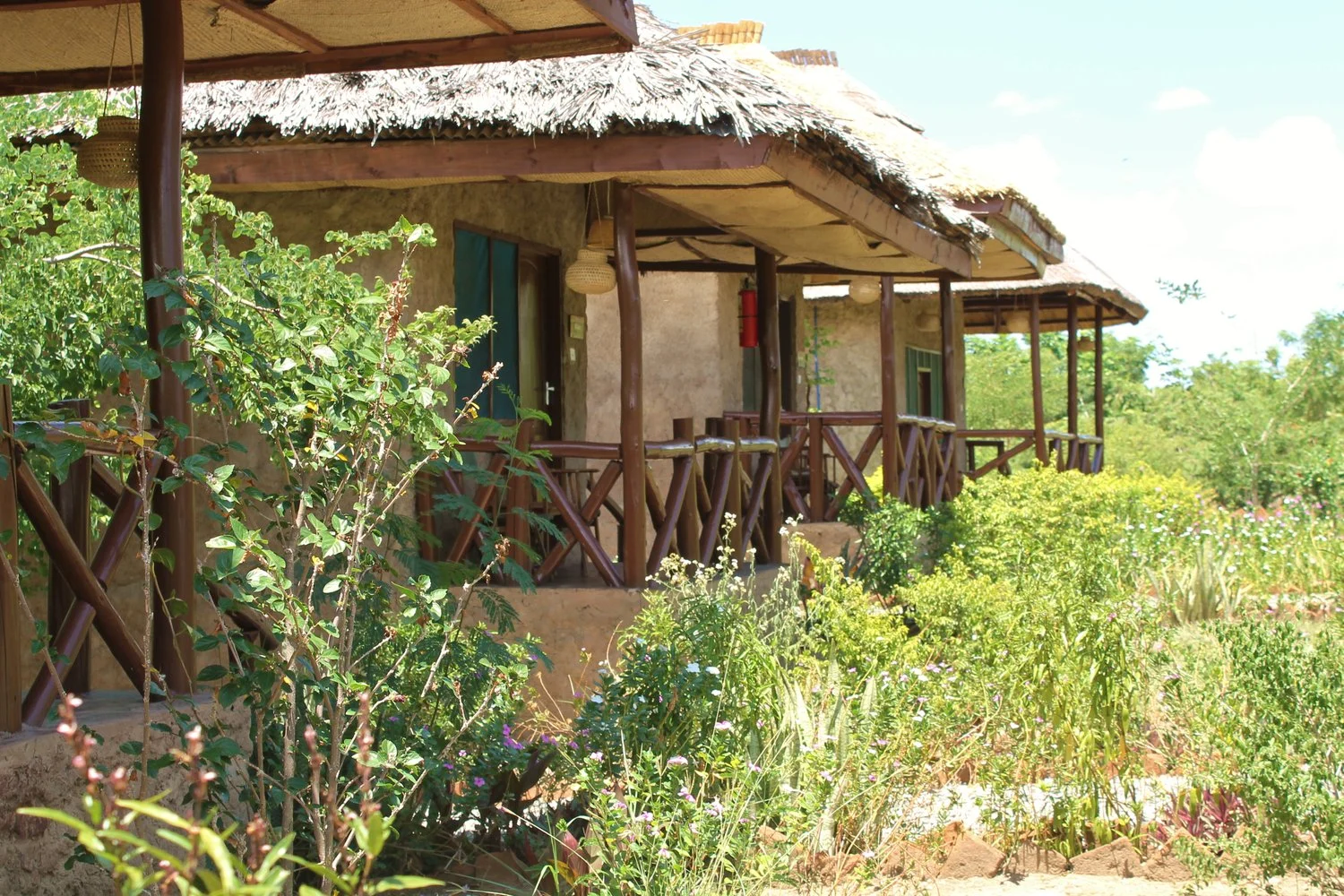
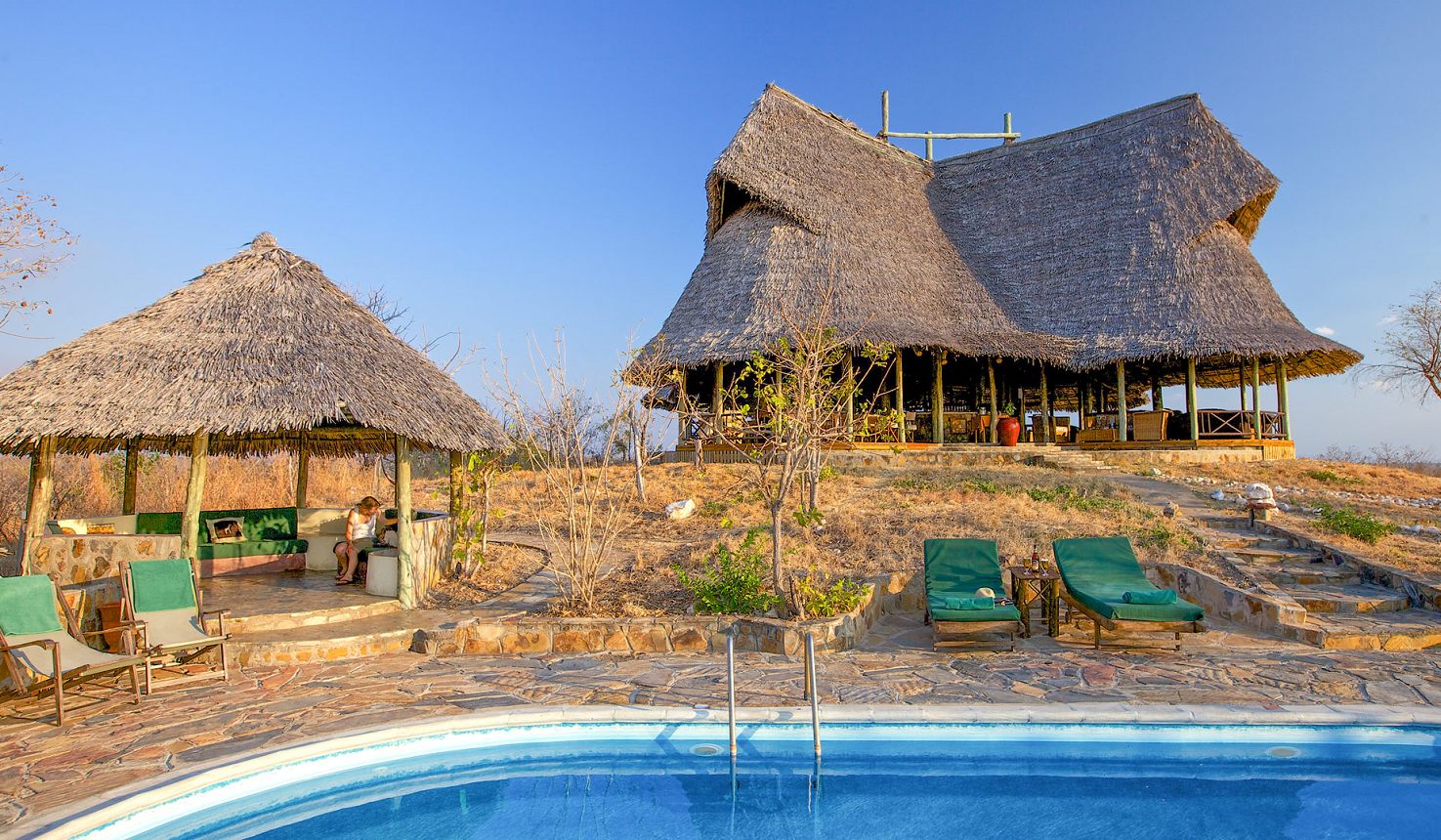
Mid-range accommodation offers a comfortable and balanced safari experience. These lodges are often set in scenic locations overlooking the famous floodplains of Mikumi, where animals frequently gather.
Expect private rooms with en-suite bathrooms, good meals, and welcoming service. Many lodges have open dining areas, lounges, or even small pools where you can relax between game drives.
This is the most popular choice for travelers, as it combines comfort, great views, and good value.
Luxury Lodges
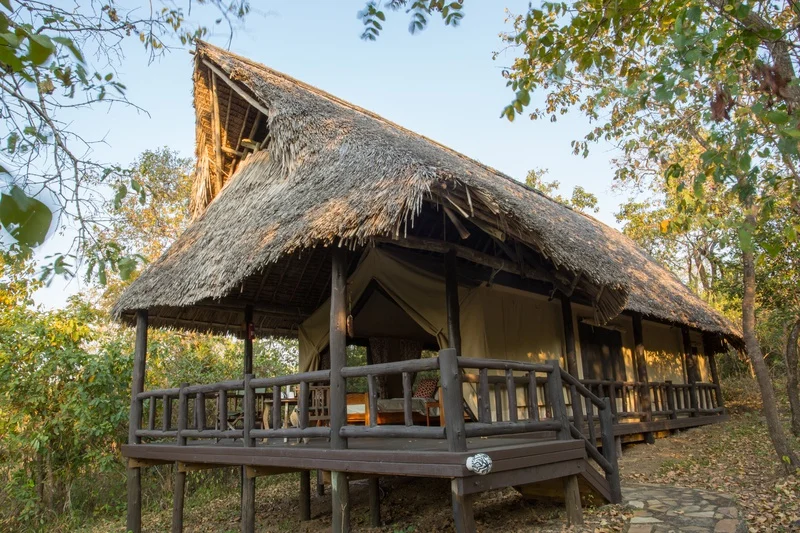
Luxury stays in Mikumi focus on exclusivity, privacy, and personalized service. These lodges or tented camps are usually located in prime areas, offering stunning views and close proximity to wildlife.
Guests enjoy spacious rooms, elegant interiors, gourmet dining, and highly attentive staff. Experiences often include private game drives, tailored safari schedules, and special touches like sundowners in the bush.
This option is ideal for honeymooners or travelers looking for a more refined and intimate safari experience.
Helpful Tip
Staying inside or just outside Mikumi National Park gives you the best chance to see wildlife early in the morning and late in the afternoon when animals are most active. It also reduces travel time to the park gates, allowing you to maximize your safari experience.
Mikumi vs Tarangire National Park
Feature | Mikumi | Tarangire |
Landscape | Open plains, Mkata Floodplain | Varied: rivers, forests, swamps |
Wildlife | Lions, elephants, giraffes, zebras | Massive elephant herds, baobab trees |
Crowds | Fewer | Moderate to high |
Best For | Peaceful, quiet safari | Scenic variety, elephant spotting |
Tip: Choose Mikumi for a calm, private safari; Tarangire for iconic landscapes and elephant encounters.
Mikumi vs Nyerere National Park
Feature | Mikumi | Nyerere |
Safari Style | Classic game drives | Adventure: walking + boat safaris |
Size | Smaller, accessible | Huge, remote |
Wildlife | Lions, elephants, zebras | Rare species, crocodiles, hippos |
Accessibility | Easy by road | More remote, requires planning |
Tip: Mikumi is perfect for first-timers or short trips. Nyerere is for experienced safari travelers seeking adventure.
Who Should Choose Mikumi Safari?
- First-time safari travelers
- Budget-conscious tourists
- Families looking for safe, easy wildlife viewing
- Travelers who prefer a calm and authentic safari experience
- Photographers wanting open plains and easy visibility
Mikumi is not about luxury; it’s about connection, nature, and simplicity.
Final Verdict — Is a Safari in Mikumi National Park Worth It?
Absolutely.
While Serengeti National Park and Tarangire National Park often take the spotlight, Mikumi offers something just as powerful space, silence, and a more personal connection to the wild.
Here, the experience feels unhurried. You’re not just ticking off wildlife sightings; you’re truly present in the moment. Watching elephants move slowly across the golden floodplains at sunset, spotting lions resting under acacia trees, or simply listening to the stillness of the savannah at dawn these are the kinds of moments that stay with you.
Mikumi is less crowded, more intimate, and surprisingly rich in wildlife. It allows you to experience the rhythm of nature without distraction, making every sighting feel more meaningful.
Sometimes, the best safari isn’t the most famous one it’s the one that makes you feel something real. And in that sense, Mikumi delivers an experience that is not only worth it, but unforgettable.
.png)
FAQs About Safari in Mikumi National Park
Q: Is Mikumi good for a first-time safari?
A: Absolutely and here’s why.
Mikumi is one of the easiest parks in Tanzania to understand and enjoy, especially for beginners. Its wide, open landscapes especially the Mkata floodplain make it simple to spot animals without needing expert tracking skills.
Unlike busier parks such as Serengeti National Park, Mikumi has fewer vehicles. This means less crowding around animals and a more relaxed experience. You won’t feel rushed, and you’ll have time to truly observe wildlife behavior.
Also, the park is easily accessible by road, making it less logistically complicated for first-time travelers.
Q: Can you see the Big Five in Mikumi?
A: Partially but still very rewarding.
Mikumi is home to lions, elephants, and buffalo, which are commonly seen during game drives. Lions are often spotted resting under acacia trees or hunting across the plains.
Leopards are present but very shy, so sightings are rare and require patience (and a bit of luck). Rhinos, however, are almost never seen in Mikumi.
Even without the full Big Five, the park offers incredible wildlife experiences giraffes, zebras, wildebeest, hippos, and many bird species are frequently seen.
Q: Is Mikumi safe for tourists?
A: Yes, very safe when done properly.
Mikumi is a well-managed national park, and safaris are conducted under strict safety guidelines. When you travel with a professional guide or tour operator, you are in very safe hands.
Guides are trained to understand animal behavior and know how to approach wildlife responsibly. As a visitor, your role is simply to follow instructions such as staying inside the vehicle during game drives.
The surrounding regions are also generally safe for tourism, especially when travel is organized.
Q: How many days are enough for Mikumi?
A: Ideally 2 to 3 days.
A single day can give you a quick glimpse, but it may feel rushed. Spending at least two nights allows you to experience:
- Early morning game drives (best time for predators)
- Sunset drives (beautiful light and active animals)
- A relaxed pace without rushing sightings
Three days is perfect if you want a deeper experience, better photography opportunities, and more chances to see a variety of animals.
Q: Is Mikumi better than Tarangire National Park?
A: It depends on your travel style and expectations.
- Mikumi offers a quieter, more peaceful safari with fewer crowds and open plains similar to the Serengeti. It’s great for relaxation and first-time visitors.
- Tarangire is more diverse in landscape, famous for its massive elephant herds and iconic baobab trees. It can feel more dramatic and varied.
If you prefer solitude and simplicity, choose Mikumi. If you want dramatic scenery and dense wildlife concentrations, Tarangire might be better.
Q: Can I combine Mikumi with other parks?
A: Yes, and it’s highly recommended for a richer safari.
Mikumi is often part of a southern Tanzania safari circuit. You can combine it with:
- Ruaha National Park - wild, remote, and excellent for predators
- Nyerere National Park - known for boat safaris and diverse ecosystems
- Tarangire National Park - if connecting to northern Tanzania
Combining parks gives you different landscapes, wildlife behaviors, and safari styles from classic game drives to walking or boat safaris.
Extra Tip for Travelers
If you’re starting your journey from Moshi or Arusha, consider combining Mikumi with a flight or extended road trip. While it’s farther than northern parks, the reward is a quieter, less commercial safari experience that feels more authentic.
Plan Your Safari to Mikumi National Park
Ready to experience the wild?
Whether you're planning a short escape or a full safari journey, Mikumi offers breathtaking landscapes, incredible wildlife encounters, and a peaceful connection to nature that’s hard to find elsewhere.
From the moment you arrive, every game drive becomes a story elephant crossing open plains, lions resting in the shade, and sunsets that stretch endlessly across the horizon.
Start Your Adventure with Us
Let us take care of every detail so you can focus on the experience.
We help you plan a seamless Mikumi safari tailored to your travel style whether you prefer budget-friendly adventures, comfortable mid-range lodges, or luxury escapes. From selecting the right accommodation to organizing professional guides and unforgettable game drives, everything is handled for you.
.png)
Why Book with Us?
- Expert local knowledge and personalized planning
- Carefully selected lodges and camps
- Professional and experienced safari guides
- Flexible itineraries to match your schedule
- Reliable support from start to finish
Your Safari Starts Here
Don’t wait until the best options are fully booked. Secure your spot now and turn your travel dreams into reality.
Contact us today to plan your Mikumi safari and experience Africa the way it’s meant to be wild, real, and unforgettable.