Is Masai Mara Better than Serengeti?
When planning an East African safari, a common question is whether to explore Masai Mara in Kenya or Serengeti National Park in Tanzania. Both are globally acclaimed for their abundant wildlife, dramatic landscapes, and the legendary Big Five—lions, elephants, leopards, buffaloes, and rhinos. Each park also plays a central role in the Great Wildebeest Migration, offering awe-inspiring natural spectacles. Choosing the “better” safari destination depends on your priorities: whether you want high predator density, epic migration moments, accessible luxury lodges, cultural interactions, or a deeply immersive wilderness adventure. Understanding the unique features of each park helps travelers make the most of their safari experience.
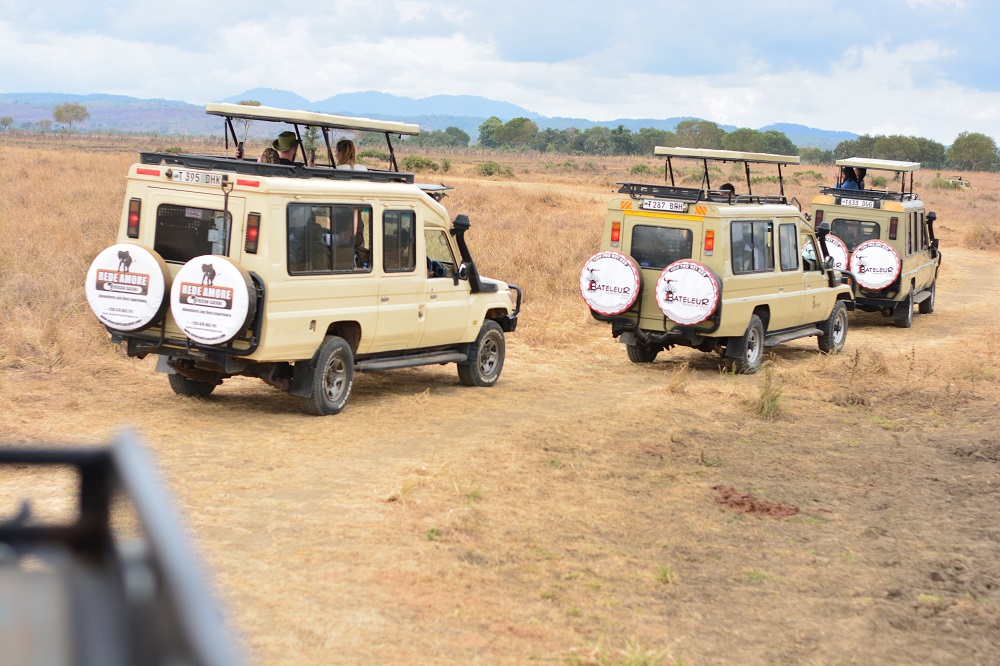
Size, Landscape, and Ecosystems
Serengeti National Park covers approximately 14,750 square kilometers, making it the largest protected area in Tanzania. Its massive size allows for multiple ecosystems to coexist naturally: endless grasslands, kopjes (rocky outcrops), riverine forests, acacia woodlands, and seasonal wetlands. This ecological diversity creates dramatic, unscripted wildlife encounters, where predators, prey, and birds interact naturally across vast landscapes. Visitors often feel as if they are stepping into a living documentary, with wildlife roaming freely across plains that seem to stretch endlessly.
The Masai Mara, though smaller at 1,510 square kilometers, offers a quintessential African safari landscape. Rolling plains dotted with acacia trees, gently undulating hills, and riverine forests create picture-perfect scenery. Its compact size ensures that wildlife is concentrated and easy to spot, making it ideal for short, action-packed safaris. The Mara’s landscape also allows for exceptional photography, with golden grasses, dramatic skies, and clear visibility across open savannahs.
Wildlife Abundance and Migration
Both parks feature abundant wildlife, but the experience differs.
In the Serengeti, herds are spread over vast distances, giving the impression of untouched wilderness. Rare species such as black rhinos, wild dogs, cheetahs, and large elephant herds can be spotted naturally, often without the crowds that appear in smaller parks. Visitors can observe predator-prey dynamics across long stretches of land, making every sighting feel spontaneous and authentic.
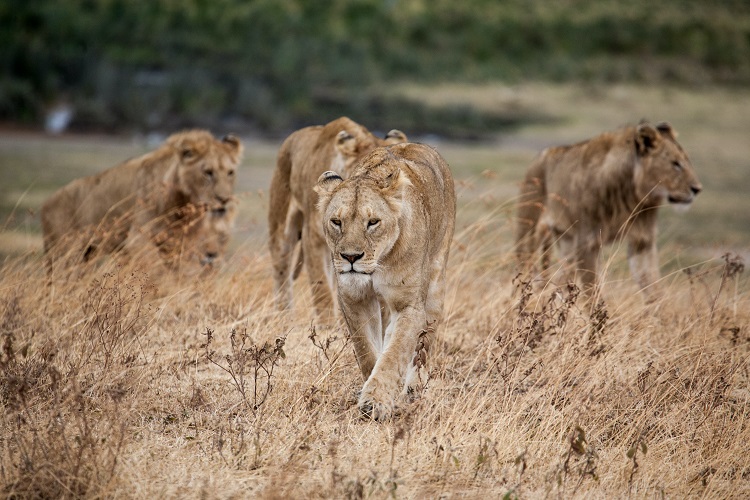
The Masai Mara, conversely, is famous for its high predator density. Lions, leopards, and cheetahs are concentrated in smaller areas, resulting in predictable, action-packed sightings. Wildebeest, zebras, and gazelles arrive from the Serengeti during the migration season (July–October), creating dramatic river crossings with crocodiles and intense predator activity. This makes the Mara a top choice for photographers and travelers seeking adrenaline-filled wildlife encounters.

Accessibility and Safari Experience
Masai Mara is just a 3–5-hour drive from Nairobi, or a short domestic flight, making it perfect for travelers with limited time or those on short safaris. The park offers well-maintained roads, luxury lodges, tented camps, and excellent services, ensuring game drives are smooth, comfortable, and productive. Its proximity allows for half-day or full-day excursions, ideal for weekend or short-stay travelers.
Serengeti National Park requires more planning. Access usually involves flights from Arusha or Kilimanjaro, or longer drives into the park. While this may seem logistically challenging, it enhances the sense of adventure. Multi-day safaris in the Serengeti immerse visitors in vast, remote landscapes with fewer tourists, offering a more personal and intimate wildlife experience. Safari vehicles often traverse grasslands, kopjes, rivers, and forests, creating opportunities to witness diverse species and ecosystems.
Cultural Experiences
While wildlife dominates both parks, cultural experiences differ. The Masai Mara lies near Maasai villages, where visitors can learn about Maasai traditions, herding practices, beadwork, and daily life. This proximity allows travelers to combine wildlife encounters with meaningful cultural immersion, providing a richer understanding of the land and its people.
The Serengeti, although more remote, still offers cultural insights. Some safaris include visits to rural Tanzanian communities, conservation projects, or local schools, allowing visitors to engage with projects that benefit both wildlife and people. This aspect of the Serengeti safari appeals to those interested in sustainable tourism and conservation.

Types of Safaris in Masai Mara and Serengeti
Both Masai Mara and Serengeti National Park offer a variety of safari experiences, catering to different interests, budgets, and adventure levels. Choosing the right type of safari enhances your wildlife viewing and overall experience.
1. Classic Game Drive Safaris
The most popular and traditional option, game drives allow visitors to explore the parks in 4x4 safari vehicles with professional guides. In the Masai Mara, game drives are perfect for spotting predators like lions, cheetahs, and leopards, while Serengeti drives provide vast, open plains for observing migrating wildebeest, zebras, and herds of elephants. Both parks offer morning and evening drives, which are ideal times for wildlife activity and photography.
2. Walking Safaris
For travelers seeking a more immersive experience, walking safaris in designated areas allow you to observe smaller wildlife, tracks, and bird species up close. Guides teach about animal behavior, plants, and local ecosystems. The Masai Mara sometimes offers guided bush walks near reserve boundaries, while Serengeti walking safaris are often part of mobile tented camp experiences, bringing you closer to the wilderness.
3. Hot Air Balloon Safaris
For a once-in-a-lifetime perspective, hot air balloon safaris over the Masai Mara or Serengeti provide breathtaking aerial views of the landscape and wildlife. Watching the sunrise over rolling plains, herds moving below, and predators in action is a spectacular experience that combines adventure and luxury. Many balloon safaris include a champagne breakfast in the bush.
4. Luxury Lodge and Camp Safaris
For comfort-focused travelers, staying in luxury lodges or tented camps offers elegant accommodations, fine dining, and personalized services while still being close to wildlife. Masai Mara lodges often provide views of watering holes and predator activity, while Serengeti lodges and mobile camps allow following the Great Migration routes, ensuring front-row seats to nature’s greatest show.
5. Mobile and Photographic Safaris
Adventure enthusiasts, photographers, and wildlife enthusiasts often opt for mobile safaris, where you move from location to location to track wildlife or follow the migration. This is especially popular in Serengeti, as it allows deep exploration of remote areas, higher chances of rare sightings, and unique photography opportunities.
By choosing the type of safari that suits your style, you can tailor your Masai Mara or Serengeti experience from luxury relaxation to active, immersive adventures ensuring an unforgettable encounter with East Africa’s iconic wildlife.

Which Safari Fits Your Needs: Masai Mara vs Serengeti
Choosing between the Masai Mara and the Serengeti often comes down to your preferred safari style, time availability, and wildlife priorities. Each park offers unique advantages for different types of travelers.
1. Short & Accessible Safaris – Masai Mara
If you have limited time or prefer convenience, the Masai Mara is ideal. Its proximity to Nairobi (3–5 hours drive or short flight) makes it perfect for 2–3 day safaris. Classic game drives here are highly rewarding, with high predator density and concentrated wildlife, ensuring frequent sightings of lions, cheetahs, and elephants. Luxury lodges and tented camps are easily accessible, and cultural interactions with nearby Maasai communities can be included for a richer experience.
2. Immersive & Extended Safaris – Serengeti
For travelers seeking longer, deeper wildlife adventures, the Serengeti is unparalleled. Its vast expanse allows for multi-day safaris and mobile tented camps that follow the Great Migration, giving front-row seats to dramatic river crossings and vast herds. Safari experiences here are more remote and adventurous, appealing to wildlife enthusiasts, photographers, and those wanting true wilderness immersion. Hot air balloon safaris and walking safaris enhance the Serengeti experience for those seeking unique perspectives.
3. Luxury & Adventure Options
Both parks offer luxury safaris, but Serengeti allows more adventurous, customized itineraries that can combine mobile camps, balloon rides, and private guided photography tours. Masai Mara luxury safaris are ideal for short, action-packed stays with comfort, while Serengeti suits travelers aiming for extended exploration and migration-focused adventures.
4. Family and Group Safaris
Families and groups with young children often prefer the Masai Mara due to easier travel logistics, shorter drives, and accessible lodges. Serengeti safaris, though suitable for families, may require longer travel between camps and extended drives, making it better suited for adults or seasoned safari-goers.
When to Visit
Both parks are year-round safari destinations, but timing affects what you experience:
- Masai Mara: Best between July and October, when the migration arrives and predator sightings are at their peak. Dry seasons ensure easy driving and clear photography.
- Serengeti: Offers migration experiences throughout the year:
- January–March: Calving season in the south; high predator activity.
- April–June: Herds move through central and western Serengeti; lush landscapes.
- July–October: Northern Serengeti River crossings; dramatic scenes with predators.
- November–December: Herds move south as rains return.
Conservation and Responsible Tourism
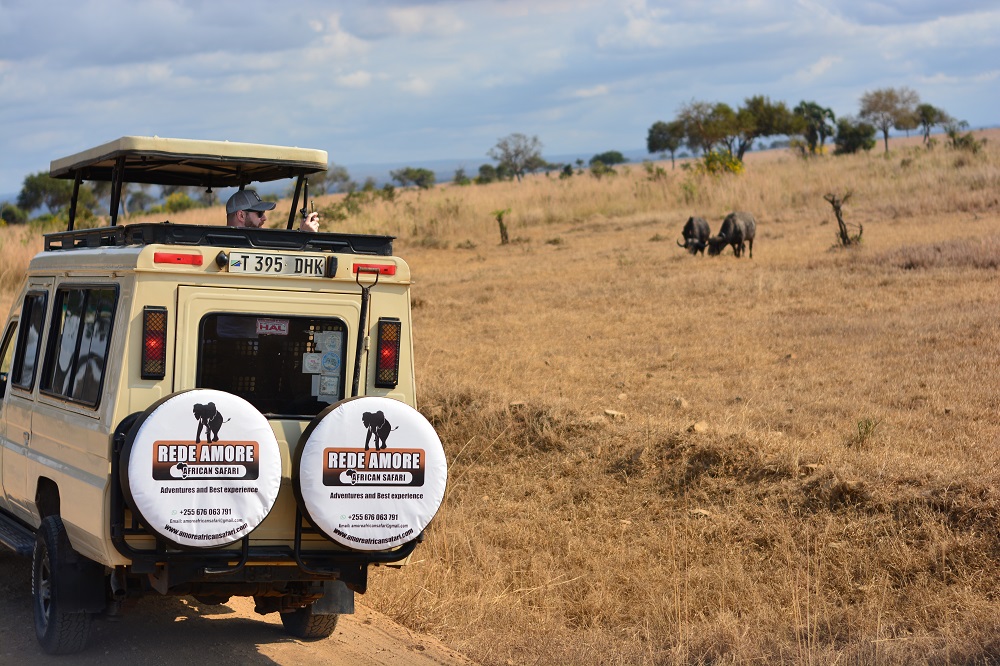
Both parks are integral to wildlife conservation. The Serengeti is a UNESCO World Heritage Site, and the Masai Mara is a key protected area under Kenyan law. Visiting these parks supports anti-poaching initiatives, habitat preservation, and community development. Choosing responsible safari operators like Rede Tours & Safaris ensures that your visit contributes to conservation while providing a safe, ethical, and memorable safari experience.
There is no absolute “better” park both are extraordinary:
- Masai Mara: Ideal for short, action-packed safaris with concentrated predator activity, luxury lodges, and Maasai cultural experiences.
- Serengeti: Perfect for immersive multi-day safaris, vast wilderness, rare species, and epic migration viewing.
For 2026, combining both Masai Mara and Serengeti gives the ultimate East African safari: start in the Mara for high wildlife density and finish in the Serengeti for dramatic migration experiences and endless landscapes. Your choice depends on your priorities. opt for Masai Mara for short, convenient, predator-rich safaris with cultural experiences. Choose Serengeti for extended, immersive adventures with migration viewing, vast landscapes, and remote wilderness encounters. Many travelers combine both for the ultimate East African safari, starting in the Masai Mara and crossing into Serengeti to witness the full migration spectacle.
Book Your Safari with Rede Tours & Safaris to secure expert guides, comfortable accommodations, and unforgettable wildlife adventures in both iconic destinations. Witness Africa’s most magnificent landscapes, encounter the Big Five, and create memories that will last a lifetime.