Is It Worth It to Hike Mount Kilimanjaro?
Yes, hiking Mount Kilimanjaro is absolutely worth it for most people. It is more than just a hike, it is a journey of personal growth, adventure and unforgettable memories. The experience stays with you long after you return home.
Hiking Mount Kilimanjaro is one of the most famous adventures in the world. Many travelers dream of standing on the “Roof of Africa,” but they also wonder if the climb is really worth the time, money, and effort. It is a big decision that requires planning, commitment, and the right mindset.
However, it is not easy. It requires preparation, patience, and determination. If you are ready for the challenge, the reward of standing at the top of Africa is something you will never forget.
What Makes Mount Kilimanjaro Special?
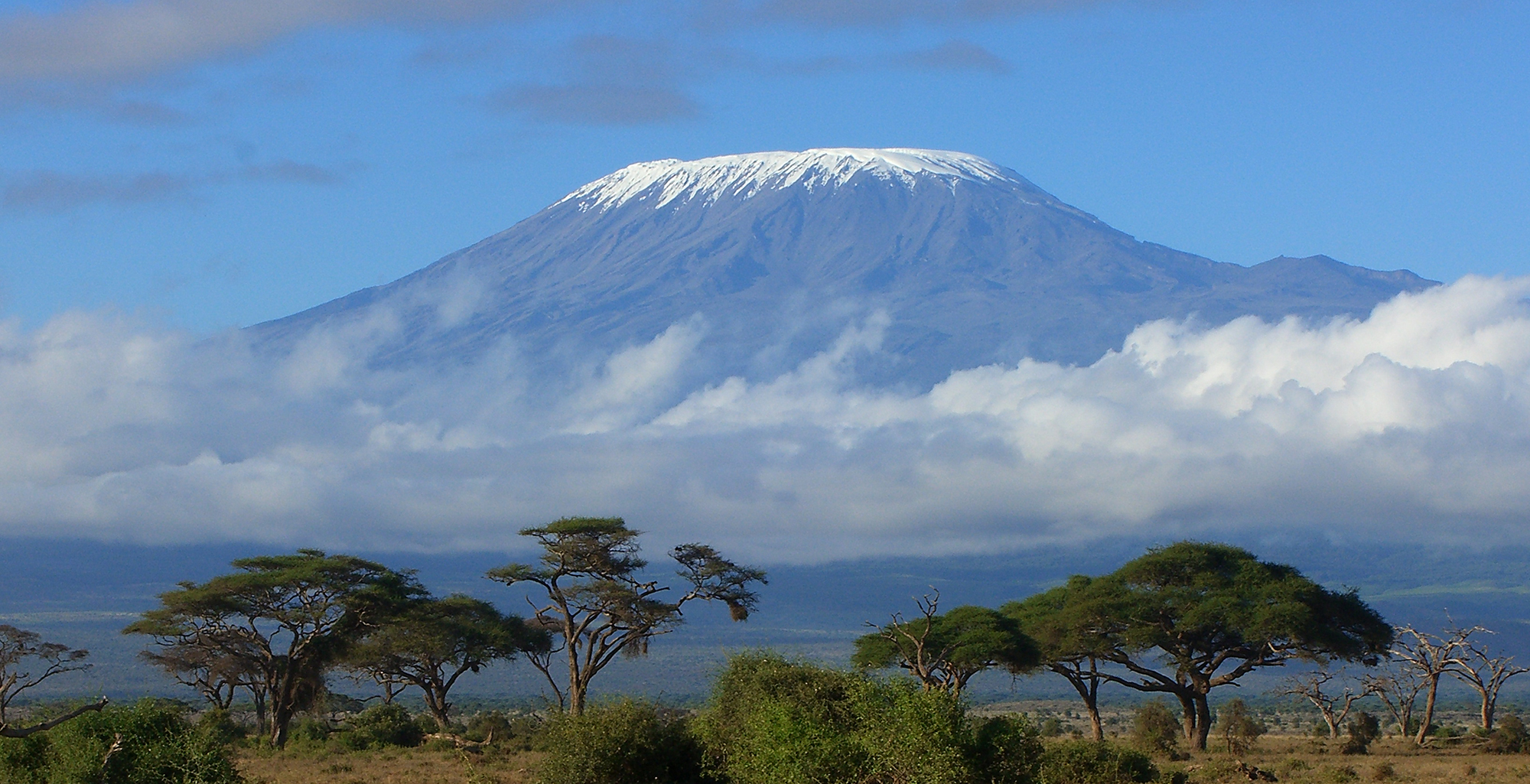
Mount Kilimanjaro is the highest mountain in Africa at 5,895 meters (19,341 feet). This makes it one of the most famous peaks in the world and a dream destination for many travelers. Standing at the top gives you a feeling of being above the clouds, with incredible views all around.
What makes it unique is that you don’t need technical climbing skills to reach the top. It is a trekking mountain, which means you walk to the summit. This makes it possible for beginners to try, as long as they prepare well and take their time.
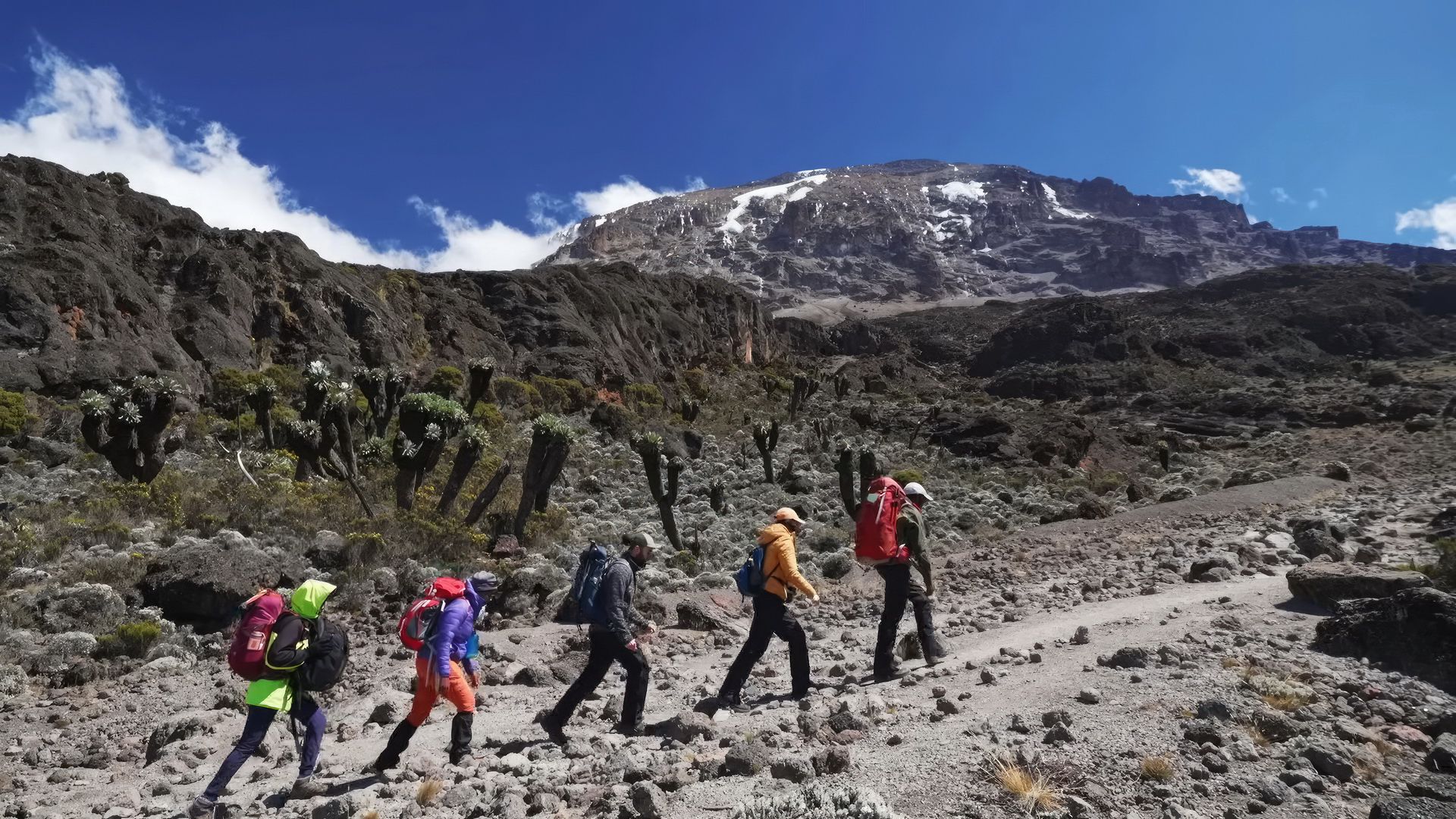
Another special thing is the changing landscapes. During the hike, you pass through:
• Rainforest
This is the first zone you enter at the lower slopes of the mountain. It is warm, humid, and full of life. You will see tall trees, thick green plants, and hear sounds of birds and monkeys. The trails can sometimes be muddy because of frequent rain, but the environment feels fresh and alive. It is a beautiful and energetic start to your journey.
• Moorland
As you climb higher, the forest slowly disappears and turns into open moorland. The weather becomes cooler, and the landscape changes to rolling hills with unique plants like giant lobelias and groundsels. The views start to open up, and you can see far across the mountain. This zone feels quieter and more peaceful compared to the rainforest.
• Alpine Desert
In this zone, the environment becomes dry and rocky. There are very few plants because the conditions are harsh, with strong sun during the day and very cold temperatures at night. The air is thinner here, so you may start to feel the effects of altitude. The landscape looks almost like another planet, with wide open spaces and dramatic views of the mountain.
• Arctic Summit Zone
This is the final zone near the top of the mountain. It is extremely cold, windy, and covered with ice and glaciers. There is no plant life here. The ground is rocky and sometimes snowy, and the oxygen level is very low. Reaching this zone feels like entering a completely different world. When you finally reach the summit, you are rewarded with breathtaking views above the clouds.
Why Hiking Kilimanjaro Is Worth It
1. A Life-Changing Achievement
Reaching the summit, known as Uhuru Peak, gives you a strong sense of pride. It is not easy, and finishing it shows determination and mental strength. Many people say it is one of the greatest achievements of their lives because they pushed beyond their limits and succeeded.
2. No Technical Skills Required
Unlike many high mountains, Kilimanjaro does not require ropes or climbing experience. With proper preparation, beginners can successfully reach the summit. This makes it one of the best high mountains in the world for people who want a big adventure without technical climbing.
3. Stunning Natural Beauty
Every day offers new views, thick forests, open plains, and glaciers at the top. You will see unique plants, beautiful sunsets, and clear skies full of stars at night. The sunrise at the summit is one of the most beautiful sights you will ever see, making all the effort feel worth it.
4. Cultural Experience
You will hike with local guides and porters who are experienced and supportive. They help carry equipment, cook meals, and guide you safely. Along the way, you can learn about Tanzanian culture, local traditions, and even some Swahili words, making the experience more meaningful.
5. Personal Growth
The climb challenges your body and mind. There are moments when you feel tired or want to give up, but continuing step by step builds confidence. You learn patience, resilience, and how strong you really are, which can stay with you long after the climb.
Challenges You Should Know
1. Altitude Sickness
The biggest challenge is the high altitude. As you go higher, the air gets thinner, and your body gets less oxygen. Some people feel headaches, nausea, dizziness, or loss of appetite. Going slowly and choosing a longer route helps your body adjust better.
2. Physical Demand
You don’t need to be an athlete, but you must be fit enough to walk for several hours each day for about 6 to 9 days. Some days are long and tiring, especially summit day, which can take many hours of walking in cold conditions.
3. Cold Weather
Temperatures at the summit can drop below freezing, especially at night. You will also experience strong winds and changing weather. Wearing proper warm clothing in layers is very important to stay comfortable and safe.
4. Cost
Climbing Kilimanjaro is not cheap. The cost includes park fees, guides, porters, food, camping equipment, and safety measures. However, the price also supports local workers and ensures you have a safe and organized climb.
Best Time to Climb
• January to March
This is a great time to climb Mount Kilimanjaro, especially if you prefer a quieter experience. There are usually fewer climbers on the mountain, so the routes feel less crowded and more peaceful.
The weather during these months is generally clear, but it can be colder, especially at higher altitudes. You may also see some snow near the summit, which makes the mountain look even more beautiful. This period is perfect for those who enjoy calm surroundings and do not mind slightly colder conditions.
• June to October
This is the most popular time to climb Mount Kilimanjaro because the weather is usually dry, sunny, and more predictable. The skies are often clear, giving you amazing views throughout the trek and at the summit.
The trails are in good condition, making walking easier and safer. However, because this is the peak season, the routes can be more crowded, especially on popular paths like Machame and Marangu. Even so, it is one of the best times for beginners because the weather conditions are more comfortable and reliable.
How Long Does It Take?
Most climbs of Mount Kilimanjaro take between 6 to 9 days, depending on the route you choose. Longer routes are usually better because they give your body more time to slowly adjust to the high altitude. This process, called acclimatization, is very important because it increases your chances of reaching the summit successfully and helps reduce the risk of altitude sickness. On the other hand, shorter routes may seem easier and faster, but they are actually more challenging since your body does not have enough time to adapt to the thin air. Taking your time and choosing a longer itinerary is one of the smartest ways to enjoy the climb and safely reach the top.
Who Should Climb Kilimanjaro?
- Beginners with good fitness
- Adventure lovers
- Travelers looking for a challenge
- People celebrating milestones (birthdays, achievements, etc.)
Who Might Find It Not Worth It?
Kilimanjaro is not a luxury or relaxing trip. It is a physically and mentally demanding adventure, so it is important to know what to expect before you decide. It may not be the best choice if:
- You dislike cold weather
- You are not comfortable with long hikes
- You are not prepared for altitude challenges
- You are looking for a relaxing holiday
Tips to Make It Worth It
- Choose a longer route for better acclimatization so your body can adjust slowly
- Train before your trip (walking, hiking, cardio) to build strength and endurance
- Pack proper gear, especially warm clothing, to stay comfortable in cold conditions
- Stay hydrated and eat well during the climb to keep your energy levels up
- Listen to your guide at all times because they are experienced and know how to keep you safe
Success Rate of Climbing Mount Kilimanjaro
Many people wonder if they can really reach the summit of Mount Kilimanjaro. The truth is, your success depends a lot on the route you choose and how many days you spend on the mountain.
Short routes that take about 5 to 6 days have a success rate of around 50% to 60%. This is because the climb is faster, and your body does not get enough time to adjust to the high altitude. As a result, many climbers experience altitude sickness, which makes it harder to continue to the top.
Longer routes that take 7 to 9 days have a much higher success rate of about 70% to 90%. These routes allow you to climb slowly and give your body more time to adapt to the thin air. This makes the journey safer, more comfortable, and increases your chances of reaching Uhuru Peak successfully.
This clearly shows that taking more days greatly improves your chances. Going slowly is one of the most important factors for success, as it helps your body adjust properly and makes it easier to reach the summit.
Best Routes to Climb Mount Kilimanjaro
• Lemosho Route
The Lemosho Route is one of the most beautiful routes on Mount Kilimanjaro. It starts on the western side of the mountain and takes you through thick rainforest, open moorland, and high alpine desert. Along the way, you will enjoy amazing views, including wide landscapes and clear sights of the peak.
This route is less crowded compared to others, so it feels more peaceful and relaxing. It usually takes 7 to 8 days to complete, which gives your body enough time to slowly adjust to the altitude. This slow pace helps reduce the risk of altitude sickness and increases your chances of reaching the summit successfully. It is a great choice for beginners and anyone who wants a more comfortable and enjoyable climb.
• Machame Route
The Machame Route is one of the most popular routes on Mount Kilimanjaro. It is often called the “Whiskey Route” because it is more challenging than the Marangu Route. This route offers very beautiful scenery, including forests, valleys, and rocky landscapes.
It usually takes about 6 to 7 days to complete. The route follows a “climb high, sleep low” pattern, which helps your body adjust better to the altitude. Because of this, many climbers have a high success rate when using this route. However, it is a bit more physically demanding, with some steep and longer trekking days. It is a good option for people who are fit and ready for a moderate challenge.
• Marangu Route
The Marangu Route is one of the oldest and most well-known routes on Mount Kilimanjaro. It is often called the “Coca-Cola Route” because it is considered the easiest path and has more basic comforts along the way.
Unlike other routes, climbers sleep in huts instead of tents. These huts provide beds, shared dining areas, and some basic facilities, which makes the experience more comfortable, especially for those who do not want to camp.
This route usually takes about 5 to 6 days to complete, which is shorter than other routes. However, because it is faster, your body has less time to adjust to the altitude. This can lower your chances of reaching the summit if you are not well prepared. It is suitable for beginners, but adding an extra day is highly recommended for better acclimatization.
• Rongai Route
The Rongai Route is the only route that approaches Mount Kilimanjaro from the northern side, near the border with Kenya. It is one of the quietest routes, with fewer climbers, making it perfect for those who prefer a more private and peaceful experience.
This route is considered easier because it has a more gradual slope and is less steep compared to others. It also receives less rainfall, so the trails are usually drier and easier to walk on, especially during the rainy season.
The Rongai Route typically takes about 6 to 7 days to complete. While it is not as scenic as the Lemosho or Machame routes, it still offers beautiful views and a unique perspective of the mountain. It is a good option for beginners or those looking for a quieter climb with a steady pace.
What to Pack for Kilimanjaro
Packing the right gear is very important for a successful climb. Weather changes quickly, so you need to be prepared.
Essential items include:
- Warm jacket (for summit night)
- Waterproof clothing
- Hiking boots
- Gloves, hat, and thermal wear
- Sleeping bag
- Headlamp or flashlight
Having proper gear helps you stay comfortable and safe throughout the journey.
Safety and Guides on Kilimanjaro
Climbing Mount Kilimanjaro is only allowed with a licensed guide. This ensures safety and proper support during your journey. Your team usually includes:
- Lead guide
- Assistant guides
- Porters
- Cook
How to Prepare for the Climb
- Go on regular walks or hikes before your trip
- Do cardio exercises like running or cycling
- Practice walking long distances
- Break in your hiking boots early
Travel Requirements for Tanzania
- A valid passport
- Tanzania visa (can often be obtained on arrival or online)
- Travel insurance (highly recommended)
- Vaccinations (such as yellow fever, depending on your country)
Common Mistakes to Avoid
- Choosing a route that is too short
- Not training before the climb
- Packing the wrong gear
- Ignoring altitude symptoms
- Not drinking enough water
Frequently Asked Questions (FAQs)
Is Mount Kilimanjaro safe for beginners?
Yes, Mount Kilimanjaro is generally safe for beginners if you prepare well and climb with a trusted, licensed guide. You do not need technical climbing skills, but you should be in good physical condition and ready for several days of hiking. Guides are trained to monitor your health, pace the climb properly, and help you adjust to the altitude. Choosing a longer route also makes the climb safer because it gives your body more time to adapt.
How cold does it get at the summit?
At the summit of Mount Kilimanjaro, temperatures can drop below -10°C, especially during the night and early morning when most people attempt the final climb. Strong winds can make it feel even colder. This is why wearing proper warm clothing in layers is very important. Items like a thick jacket, gloves, hat, and thermal wear will help you stay warm and comfortable during the summit push.
Do I need oxygen to climb?
Most climbers do not need extra oxygen to reach the summit of Mount Kilimanjaro. However, the high altitude means the air has less oxygen, which can make breathing feel harder. Some people may experience symptoms like headaches, dizziness, or tiredness. Going slowly, drinking enough water, and choosing a longer route helps your body adjust naturally. Guides also carry emergency oxygen for safety, just in case it is needed.
Can I climb Kilimanjaro alone?
No, you cannot climb Mount Kilimanjaro alone. The government of Tanzania requires all climbers to be accompanied by a licensed guide. This rule is in place to ensure your safety and protect the environment. Your climbing team usually includes guides, porters, and a cook who support you throughout the journey, making the experience safer, easier, and more enjoyable.
Plan Your Kilimanjaro Adventure!
If you want a safe, well-organized, and enjoyable experience, it is best to travel with Rede Tours and Safaris. With experienced guides, good support, and proper planning, your journey becomes easier, safer, and more enjoyable.
Contact us today to start planning your Mount Kilimanjaro adventure and turn your dream into reality.