Is it Safe to Climb Kilimanjaro? A Complete Guide to Safety, Preparation, and Adventure with Rede Toursand Safaris
Mount Kilimanjaro, Africa’s tallest mountain, rises majestically to 5,895 meters (19,341 feet) above sea level. It is a bucket-list destination for adventurers from all over the world, offering a once-in-a-lifetime journey through multiple climatic zones, from tropical rainforests at its base to icy alpine deserts and snow-covered glaciers at the summit.
While many dream of standing atop Africa’s highest peak, safety is a common concern. Is it safe to climb Kilimanjaro? The answer is yes, especially when you prepare properly and climb with experienced professionals like Rede Tours and Safaris, who prioritize your safety, comfort, and success.
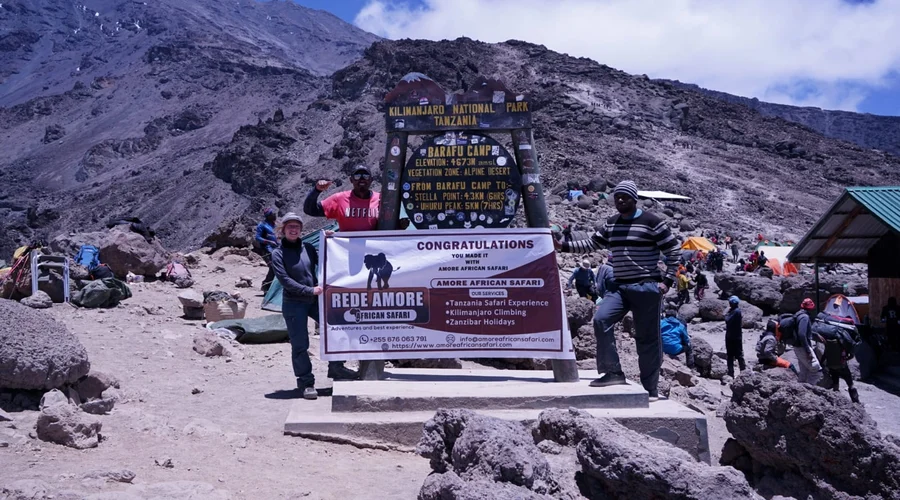
Understanding the Major Challenges
Climbing Kilimanjaro is non-technical, meaning it doesn’t require ropes, ice axes, or technical mountaineering skills. However, it is physically demanding, mentally challenging, and environmentally extreme. The main challenges involve altitude, weather, and physical endurance, and understanding them is critical to having a safe and enjoyable trek.
1. Altitude Sickness (Acute Mountain Sickness – AMS)
Altitude sickness is the most serious risk on Kilimanjaro. Symptoms may include headaches, nausea, dizziness, fatigue, shortness of breath, and sleep disturbances. Severe conditions include:
- High Altitude Pulmonary Edema (HAPE): Fluid in the lungs causing severe breathlessness.
- High Altitude Cerebral Edema (HACE): Swelling of the brain, causing confusion or loss of consciousness.
Why it happens: At high altitudes, the air contains less oxygen, forcing your body to work harder to supply vital organs. Even fit individuals can be affected.
How Adventure Africa Tours ensures your safety:
- Guides monitor your health continuously and adjust pace for proper acclimatization.
- Longer routes are recommended, allowing your body time to adapt gradually.
- Experienced guides know early warning signs and ensure immediate intervention if needed.
Choosing Rede Tours and Safaris means you benefit from our proven safety record and personalized guidance, reducing risks and maximizing your summit success.
2. Weather and Climatic Extremes
Kilimanjaro spans four distinct ecological zones, each with unique weather conditions:
- Rainforest Zone: Hot, humid, often wet, with muddy trails.
- Heath and Moorland Zone: Cooler, drier, windy at times.
- Alpine Desert Zone: Cold, dry, with drastic day/night temperature swings.
- Summit Zone: Freezing temperatures, strong winds, snow, and glaciers.
Safety Recommendations:
- Dress in layers to adapt to changing conditions.
- Carry waterproof jackets, gloves, hats, and thermal gear.
- Use sunscreen and sunglasses in the lower zones.
- Follow your guides’ instructions closely our guides at Adventure Africa Tours constantly monitor weather and adjust plans accordingly.
Rede Tours and Safaris provide high-quality gear and support to ensure climbers are prepared for all weather conditions.
3. Physical Endurance and Preparation
Even without technical climbing, Kilimanjaro requires stamina and preparation. Daily treks often last 6–12 hours over uneven, rocky terrain. Without training, fatigue increases the risk of injury or altitude complications.
Preparation Tips:
- Cardio training such as running, cycling, or swimming.
- Practice hikes with backpacks to simulate trekking conditions.
- Strength training for legs, core, and back.
- Use trekking poles to reduce stress on joints and improve stability.
Adventure Africa Tours Advantage: Our team provides pre-climb guidance and training tips, helping climbers prepare physically and mentally for the mountain.
4. Gear, Nutrition, and Hydration
Climbing Kilimanjaro is not just about endurance it’s also about being fully prepared for the mountain’s diverse conditions. Proper gear, nutrition, and hydration are essential to staying safe, comfortable, and energized throughout the trek.
Essential Gear:
· Footwear: Waterproof trekking boots with good ankle support to handle rocky, muddy, and slippery trails.
· Clothing: Thermal base layers, insulating mid-layers, and waterproof outer layers to adapt to rapidly changing temperatures from rainforest to alpine zones.
· Accessories: Gloves, hats, and trekking poles to maintain warmth, balance, and reduce strain on joints.
· Lighting: Headlamps for summit night hikes, ensuring safe navigation in the dark and helping maintain pace during early morning climbs.
Nutrition and Hydration:
· Carry high-energy snacks such as nuts, chocolate, and energy bars to maintain energy during long trekking hours.
· Eat well-balanced meals to provide sufficient calories for stamina and recovery.
· Drink at least 3–4 liters of water daily, as dehydration can worsen fatigue, headaches, and altitude sickness.
With Rede Tours and Safaris:
We go beyond simply guiding your climb we provide professional guidance on packing, meal planning, and hydration strategies, ensuring every climber is prepared for every stage of the journey. Our team advises on:
· How to pack efficiently without overloading your backpack
· Recommended daily nutrition to maintain energy at high altitude
· Hydration techniques to prevent altitude sickness and fatigue
By preparing properly, you not only enhance your safety but also maximize your chances of reaching the summit comfortably and confidently.
5. Choosing the Right Route and Operator
The route you choose affects both safety and enjoyment:
- Marangu: Short, hut accommodations, limited acclimatization.
- Machame: Scenic, moderate difficulty, better acclimatization.
- Lemosho: Longest route, highest summit success rate.
- Rongai: Northern approach, less crowded, gradual ascent.
Why choose Adventure Africa Tours:
- Our experienced guides monitor your health and pace daily.
- Porters carry heavy loads, conserving your energy.
- We provide emergency equipment, oxygen, and satellite communication.
- Our team ensures a balance of safety, comfort, and adventure.
6. Health and Emergency Readiness
- Pre-existing conditions? Our guides can advise on safe participation.
- We provide a medical kit, including altitude sickness medication and first aid.
- Guides are trained in emergency evacuation procedures, ensuring rapid response if needed.
Rede Tours and Safaris commitment: Safety is our top priority. Our team is fully trained to manage altitude-related issues, injuries, and unexpected emergencies.
7. Best Time to Climb
Choosing the right time to climb Kilimanjaro can make a significant difference in both safety and overall experience. The mountain’s weather varies dramatically between dry and wet seasons, affecting trail conditions, visibility, and summit success.
Dry Seasons:
· January–March and June–October
· These months offer the safest and clearest conditions with minimal rainfall. Trails are more stable, reducing the risk of slips or injuries. Clear skies also provide the best opportunities for breathtaking summit views and photography.
Wet Seasons:
· April–May and November
· During these months, trails can be slippery and muddy, which increases the risk of falls and makes trekking more physically demanding. Visibility may be reduced due to clouds or rain, and some sections of the mountain can be more challenging to navigate safely.
With Rede Tours and Safaris:
Our experienced guides provide personalized advice on the best routes and timing based on your fitness level, experience, and preferred trekking conditions. We help climbers plan their journey to maximize both safety and enjoyment, ensuring that every step on Kilimanjaro is carefully guided and supported.
Even during wet seasons, proper preparation, waterproof gear, and expert guidance can allow for a safe and enjoyable climb but selecting the dry months remains ideal for first-time climbers or those seeking optimal conditions.
8. Mental Preparation
Climbing Kilimanjaro is as much a mental challenge as a physical one. The trek tests endurance, patience, and resilience as climbers face long days, steep ascents, altitude, and changing weather conditions. Preparing mentally is just as important as physical training, because a strong mindset helps you pace yourself, adapt to challenges, and maintain motivation through difficult moments.
Effective Strategies for Mental Preparation:
· Stay positive and patient: Focus on the journey rather than rushing to the summit. Celebrate small milestones along the way.
· Accept a slower pace: Allowing time for proper acclimatization is crucial for safety and increases your chances of reaching the summit successfully.
· Remain flexible and follow guide instructions: Weather, altitude, or trail conditions may require adjustments. Trusting experienced guides ensures your safety.
· Prioritize safety over ambition: It can be tempting to push too hard to reach the summit, but listening to your body and making smart decisions is essential for a successful climb.
With Rede Tours and Safaris:
Our team provides motivational support, encouragement, and expert guidance throughout your trek. From helping climbers stay focused during summit night to offering practical strategies for coping with fatigue or altitude discomfort, we ensure your mental strength matches your physical preparation. Visualization, mindfulness, and setting realistic daily goals can also enhance mental endurance, making the climb not only safer but also more enjoyable.
9. Environmental and Cultural Awareness
Mount Kilimanjaro is not only a world-famous trekking destination but also a fragile natural environment and an important cultural landscape for local communities. Practicing environmental and cultural awareness is essential to preserving the mountain for future generations and ensuring respectful interactions with the people who live and work on its slopes.
Key Responsible Practices:
· Carry out all trash: Every climber is responsible for removing their waste from the mountain. Staying on designated trails helps prevent soil erosion and protects delicate plant life.
· Respect local customs and porters: Kilimanjaro climbs rely heavily on the dedication of local guides and porters. Treating them with respect, following cultural norms, and offering fair and customary tips are important aspects of ethical trekking.
· Avoid disturbing wildlife and vegetation: Kilimanjaro is home to unique ecosystems. Do not pick plants, feed animals, or stray off established paths, as even small actions can damage the environment.
With Rede Tours and Safaris:
We strongly emphasize responsible and sustainable tourism. Our guides educate climbers on Leave No Trace principles, ensure proper waste management, and promote respectful engagement with local communities. By climbing with Rede Tours and Safaris, you actively contribute to conservation efforts while enjoying a meaningful and environmentally responsible adventure on Mount Kilimanjaro.
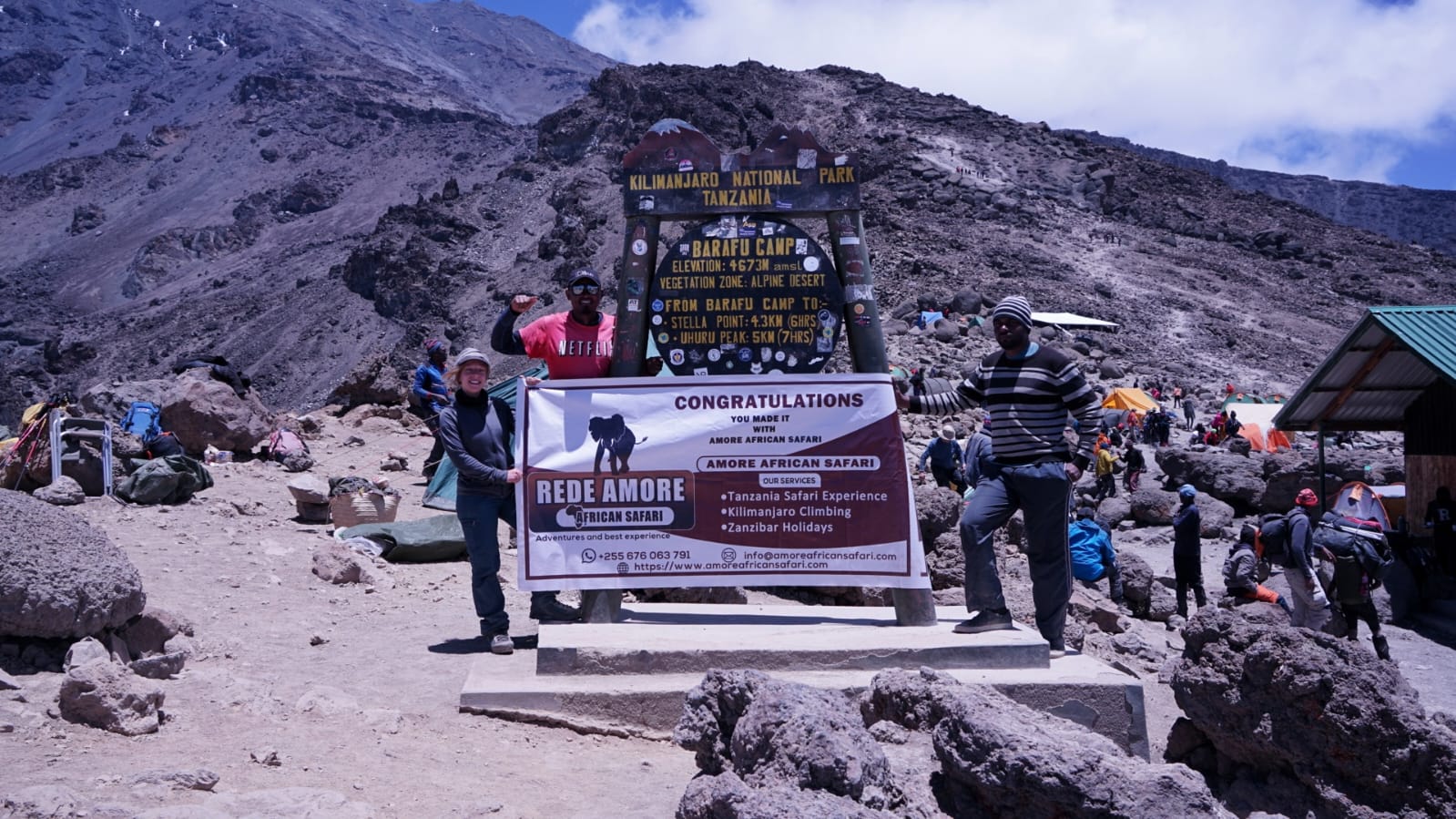
Climbing Mount Kilimanjaro can be a safe, rewarding, and truly life-changing adventure, especially when guided by the experienced team at Rede Tours and Safaris. Success on Africa’s highest peak is not about speed or strength alone, but about making the right choices before and during your climb.
By choosing gradual routes that allow proper acclimatization, traveling with skilled and certified guides, and preparing physically, mentally, and logistically, you significantly reduce risks and increase your chances of reaching the summit safely. Careful management of altitude, weather, hydration, nutrition, and pacing, combined with strict adherence to emergency procedures and responsible tourism practices, ensures a smoother, safer, and more enjoyable journey.
At Rede Tours and Safaris, safety, professionalism, and client care are at the heart of every climb. Our experienced guides, well-planned itineraries, and strong commitment to environmental and cultural responsibility ensure that every step you take on Kilimanjaro is well supported.
Take Action Now: Book your Kilimanjaro climb with Rede Tours and Safaris, prepare with confidence, and step boldly onto the Roof of Africa. Your safe, expertly guided, and unforgettable Kilimanjaro adventure starts here