Is Climbing Mount Kilimanjaro Safe?
Yes, climbing Mount Kilimanjaro is safe when it is done responsibly. With proper planning and preparation, most climbers reach the summit and return without serious issues. Kilimanjaro is one of the safest and most achievable high-altitude climbs in the world. With the right approach: good planning, preparation, and guidance, it offers a safe, rewarding, and unforgettable adventure that many climbers remember for a lifetime.
· A reputable tour operator
Choosing a trusted operator ensures experienced guides, trained porters, proper equipment, and emergency plans. Good operators follow park rules, limit group sizes, and provide quality food and tents, all of which greatly increase safety.
· Proper preparation and fitness
Physical preparation before the climb helps your body handle long walking hours, steep paths, and high altitudes. Even moderate fitness, combined with training walks, strengthens muscles and improves endurance, making the climb more comfortable and reducing fatigue.
· Enough time for altitude adjustment
Taking a longer route with more days allows your body to gradually adapt to decreasing oxygen levels. This reduces the risk of altitude sickness, improves energy, and increases your chances of reaching the summit safely.
· Listening carefully to your guides
Guides know the mountain, weather, and how climbers respond to altitude. Following their instructions, reporting any symptoms early, and adjusting pace when advised ensures that safety comes first and prevents serious problems.
Why Kilimanjaro Is Considered Safe?
Mount Kilimanjaro is one of the safest high mountains in the world because:
· No technical climbing skills are required
You can climb the mountain by walking on trails without needing special climbing techniques.
· No ropes, ice axes, or mountaineering experience are needed
The climb does not involve dangerous technical sections, so beginners can attempt it safely.
· Well-marked routes and established camps are available
Trails are clearly marked, and camps provide a safe place to rest each night.
· Professional guides and porters assist climbers at all times
Guides monitor your health, manage the pace, and help with any challenges along the way.
This means you do not need previous mountain climbing experience. You walk on clear trails, sleep in set camps, and are supported every day. The mountain has been climbed for many years, so guides understand the terrain, weather, and common challenges very well.
Many beginners, older travelers, and first-time hikers climb Kilimanjaro safely every year by following proper procedures.
Main Safety Risks on Kilimanjaro
While Kilimanjaro is generally safe, it still has risks that climbers need to understand. Being aware of these risks helps you prepare properly and reduces the chance of serious problems.
Altitude Sickness
Altitude sickness is the biggest risk on Kilimanjaro. The mountain is very high, and oxygen levels decrease as you go higher, making it harder for your body to function normally. Symptoms may include headache, nausea, dizziness, loss of appetite, and tiredness, and they can appear even in very fit and healthy people. Serious altitude sickness can be dangerous if ignored and may require immediate descent. Altitude sickness does not depend on age or fitness; it is simply your body adjusting to thinner air. Going slowly, drinking enough water, and choosing the right route greatly reduce the risk. Guides check your health daily and respond quickly if symptoms worsen.
Weather Conditions
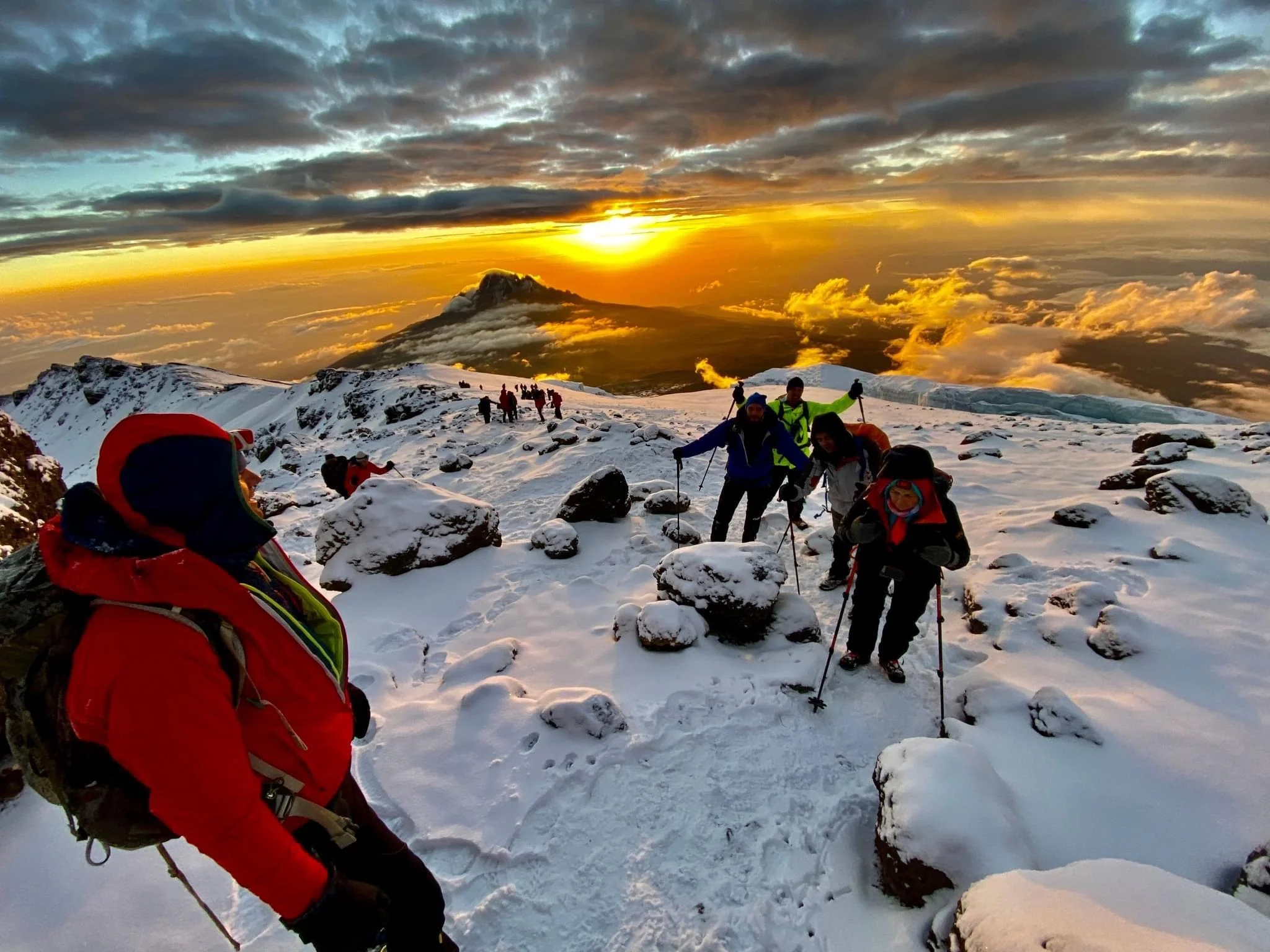
Kilimanjaro’s weather changes quickly and varies depending on the altitude. Temperatures at the base of the mountain can be hot and humid, while the summit is often freezing. Rain, wind, and cold are common, especially on higher slopes, and snow or ice may appear near the summit. These conditions can make climbing uncomfortable, but they are manageable with proper clothing. Wearing layers, a warm jacket, gloves, and waterproof gear helps protect you from cold and wet conditions. Listening carefully to your guide’s advice is very important, as they understand how to keep you safe in changing weather.
Physical Exhaustion
Climbing Kilimanjaro for several days in a row can be physically demanding. Climbers often walk 5–8 hours each day, sometimes on steep or rocky paths, especially near the summit. Cold temperatures and thin air at higher altitudes reduce energy levels, making even slow walking feel harder. Physical exhaustion can affect your pace, mood, and safety on the mountain. Rest days, good food, and enough sleep are essential for recovery. Being reasonably fit and preparing before the climb greatly reduces exhaustion and increases your chances of reaching the summit safely.
Is Kilimanjaro Safe for Beginners?
Yes, Kilimanjaro is safe for beginners if they prepare properly. With the right planning, equipment, and guidance, even people with little or no mountain climbing experience can successfully reach the summit.
It is suitable for first-time mountain climbers, who want to challenge themselves but do not have prior climbing experience. It is also a good option for people with general hiking or walking experience, as long as they are in reasonable physical condition. Additionally, older travelers in good health can safely attempt the climb, provided they follow proper advice and pacing.
Many climbers choose Kilimanjaro as their first big mountain because it is challenging yet achievable. For beginners, the most important aspects are patience and listening carefully to their guides, rather than rushing to reach the top. Choosing a longer route with more days allows the body to acclimatize better to altitude, making the climb much safer and more enjoyable for first-time climbers.
Best Routes for Safety
Some routes on Kilimanjaro are safer than others because they allow better altitude adjustment, which is essential to reduce the risk of altitude sickness.
Safer Routes Include: The Machame Route, Lemosho Route, and Northern Circuit Route are considered safer options. These routes take more days to reach the summit, giving your body time to slowly adapt to the higher altitude. They also provide better campsites for rest and fewer crowds at higher elevations, which creates a more comfortable and manageable climb.
Shorter routes with fewer days do not allow as much time for acclimatization. This increases the risk of altitude sickness and makes the climb less safe for many climbers. Choosing a longer route is therefore recommended, especially for beginners or those concerned about health and safety.
Importance of Choosing a Good Operator
Your safety on Mount Kilimanjaro depends greatly on the company you climb with. A professional and reputable tour operator provides essential support and reduces risks throughout the climb, ensuring a safer and more enjoyable experience.
Experienced and licensed mountain guides are a key part of a good operator. These guides know the mountain, trails, weather patterns, and signs of altitude sickness. Their expertise ensures that decisions about walking pace, rest stops, and safety are reliable and tailored to each climber’s needs.
Good operators also perform daily health checks using oxygen meters to monitor climbers’ oxygen levels and pulse. This helps detect early signs of altitude sickness and allows guides to take quick action if any symptoms appear, reducing the risk of serious complications.
Professional companies have emergency plans and clear evacuation procedures in place. In case of illness, injury, or bad weather, climbers can be safely evacuated using stretchers or helicopters when necessary. This level of preparedness adds an extra layer of safety that is essential on a high-altitude climb.
Proper food, clean water, tents, and equipment are also provided by reputable operators. High-quality meals, safe drinking water, sturdy tents, and reliable climbing gear keep climbers healthy, comfortable, and protected from harsh mountain conditions.
Good operators limit group sizes, ensure porters are treated fairly, and follow strict park safety rules. This creates a well-organized climb where everyone’s safety is prioritized. On the other hand, very cheap operators may rush the climb, skip safety checks, or provide poor equipment, increasing the risk of problems. Choosing a reliable operator is one of the most important steps for a safe and successful Kilimanjaro adventure.
Role of Guides and Porters in Safety
Guides and porters play a major role in keeping climbers safe on Mount Kilimanjaro.
Guides monitor your health every day, checking for symptoms of altitude sickness or fatigue. They set a slow and steady walking pace to help your body adjust to the altitude and reduce the risk of exhaustion. Guides are trained to recognize early signs of altitude sickness and respond quickly if symptoms appear. They also decide when to rest, descend, or stop the climb if necessary, prioritizing safety over reaching the summit.
Porters assist by carrying equipment, which allows you to conserve energy for the hike. Their support makes daily walking easier and safer. It is important to always be honest with your guide about how you feel, as this helps them make the best decisions for your safety and ensures a successful climb.
Medical Support and Rescue on Kilimanjaro
Safety systems are well established on Mount Kilimanjaro to handle emergencies.
Rescue teams are available through park authorities, ready to respond if a climber needs help. Evacuation can be carried out on foot, by stretcher, or by helicopter if necessary, though helicopter evacuation usually requires travel insurance that covers high-altitude trekking.
Guides also carry first aid kits and emergency oxygen to manage health issues on the spot. Most emergencies are handled quickly because guides are trained to act early and make decisions that prioritize safety. Having travel insurance that covers altitude sickness, medical emergencies, and evacuation is very important for a safe and worry-free climb.
How to Stay Safe While Climbing Kilimanjaro
· Choose a longer route with enough days
Opting for a longer route, such as Machame or Lemosho, gives your body more time to adjust to high altitudes. Routes that take 7–9 days are safer because gradual acclimatization reduces the risk of altitude sickness. Shorter routes may feel faster, but they increase the chances of headaches, nausea, or more serious health problems.
· Walk slowly and take acclimatization seriously
Walking at a steady, slow pace allows your body to adapt to the decreasing oxygen levels as you ascend. “Pole pole,” which means slowly in Swahili, is the key mantra on Kilimanjaro. Taking rest breaks, not overexerting yourself, and listening to your body ensures safer progress and helps prevent fatigue and altitude-related issues.
· Drink plenty of water throughout the day
Hydration is critical because high altitude and physical exertion cause your body to lose water faster. Drinking 3–4 liters per day helps maintain energy, prevents dehydration, and reduces headaches related to altitude. Carry a reusable water bottle and sip regularly, even if you don’t feel thirsty.
· Eat regularly to maintain energy
Eating balanced meals and snacks keeps your strength up for long hiking days. Carbohydrates, fruits, and proteins give your body the fuel it needs. Skipping meals or not eating enough can make fatigue and altitude sickness worse. Eating small amounts frequently is often better than large meals.
· Tell your guide immediately if you feel unwell
Guides are trained to notice early signs of altitude sickness and other health issues. Reporting symptoms like headache, dizziness, nausea, or shortness of breath early allows them to act quickly, adjust your pace, or recommend resting or descending if needed. Being honest about how you feel is essential for your safety.
Never try to hide symptoms or push yourself too hard. Early action and careful attention to your body prevent serious problems and greatly increase your chances of a safe and successful climb.
Best Time to Climb for Safety
During these months, climbing is safer and more comfortable because weather is more stable. Rainy seasons are still possible, but climbing during those periods requires extra preparation, proper gear, and flexibility with timing and expectations.
· January to early March
These months are part of the dry season, with more stable weather and clearer skies. Trails are generally drier, making walking safer and reducing the risk of slips or mud-related accidents. Visibility is better, allowing climbers to enjoy scenic views while staying aware of the terrain.
· June to October
This is another dry season when conditions are ideal for climbing. Temperatures are moderate, trails are firm, and the likelihood of rain is lower. Predictable weather reduces delays, helps maintain energy, and lowers the risk of cold-related problems at higher altitudes.
Is Crime a Concern on Kilimanjaro?
Crime is not a major issue on Mount Kilimanjaro. The Kilimanjaro National Park has strict rules and regulations that help protect climbers and maintain safety on the mountain. Guides and porters stay with you at all times, so you are never alone on the trails or in camps, which greatly reduces the risk of theft or other incidents. Campsites are well-organized and monitored, with staff ensuring order and security for all climbers. Overall, the mountain is a controlled environment, and serious crime is very rare. Simple precautions, such as keeping valuables secure and following park rules, are enough to stay safe.