How to Take Amazing Wildlife Photos on Your 2026 Safari
A safari in 2026 is a once-in-a-lifetime experience. You will see wild animals in their natural home, dramatic landscapes, and unforgettable moments. Taking amazing wildlife photos helps you keep these memories forever and share your adventure with others.
You do not need to be a professional photographer to get great safari photos. With the right preparation, simple camera settings, and good timing, anyone can capture stunning wildlife images.
This guide explains everything you need to know, step by step.
1. Choose the Right Camera for Your Safari
The best camera for your safari is the one you know how to use confidently. Animals can appear and disappear very quickly, so knowing your camera settings and buttons helps you react fast and capture the moment.
Best camera choices:
• DSLR or mirrorless camera
These cameras offer the best image quality and very fast autofocus. They work well in low light during early mornings and evenings. They are ideal for photographing fast-moving animals and give you the option to change lenses for different situations.
• Bridge (super zoom) camera
Bridge cameras are easy to use and have long zoom lenses built in. This means you can photograph animals that are far away without changing lenses. They are lighter than DSLR cameras and perfect for beginners or travelers who want a simple all-in-one camera.
• Smartphone
Smartphones are great for animals that are close, wide landscapes, camps, people, and daily safari moments. Modern phones take very good photos in bright light and are useful as a backup when your main camera is not ready.
Recommended lenses:
• Telephoto lens (200–600mm)
Most wildlife stays far from the vehicle. A telephoto lens helps you capture clear details without getting too close. It is very important for birds, predators, and shy animals. Image stabilization helps reduce camera shake.
• Wide-angle lens (16–35mm)
This lens is perfect for landscapes, sunrises, sunsets, safari vehicles, and animals that come very close. It helps show the environment and tells a better story in your photos.
You do not need many lenses. One good zoom lens can cover most safari situations and makes travel easier.

2. Use the Best Camera Settings for Wildlife
Correct camera settings make a big difference in wildlife photography.
On safari, animals move quickly and the light can change from minute to minute. If your settings are wrong, photos can easily come out blurry or too dark. Using the right settings helps you react fast and capture sharp, clear images.
Recommended settings:
• Shutter speed: 1/1000 or faster (for moving animals)
Wild animals rarely stay still. They run, walk, fight, jump, or fly without warning. A fast shutter speed freezes this movement and prevents motion blur.
For very fast action, such as birds flying or cheetahs running, you may need an even faster speed like 1/1600 or 1/2000.
• Aperture: f/5.6 – f/8 (sharp animals, soft background)
This aperture range keeps the animal sharp from head to body while gently blurring the background. A soft background helps the animal stand out more in the photo.
Using f/5.6 is great for portraits, while f/8 works well when the animal is large or when several animals are in the frame.
• ISO: Auto ISO or 400–1600 depending on light
Light changes a lot during safari, especially early morning and late evening. Higher ISO helps your camera capture more light when it is dark.
Auto ISO is very helpful because the camera adjusts ISO automatically, allowing you to focus on composition and timing instead of changing settings constantly.
• Focus mode: Continuous autofocus (AF-C or AI Servo)
Continuous autofocus tracks the animal as it moves. This is very important because wildlife rarely stays in one place.
As long as you keep the focus point on the animal, the camera keeps adjusting focus, helping you get sharp photos even when the subject is moving.
• Drive mode: Continuous shooting (burst mode)
Burst mode takes many photos in a short time with one press of the shutter. Animals blink, turn their heads, or move suddenly, so not every shot will be perfect.
Taking multiple photos increases your chances of capturing the best moment, which you can choose later.
These settings work together to freeze movement, handle changing light, and keep your wildlife photos sharp and clear.
3. Shoot Early Morning and Late Afternoon
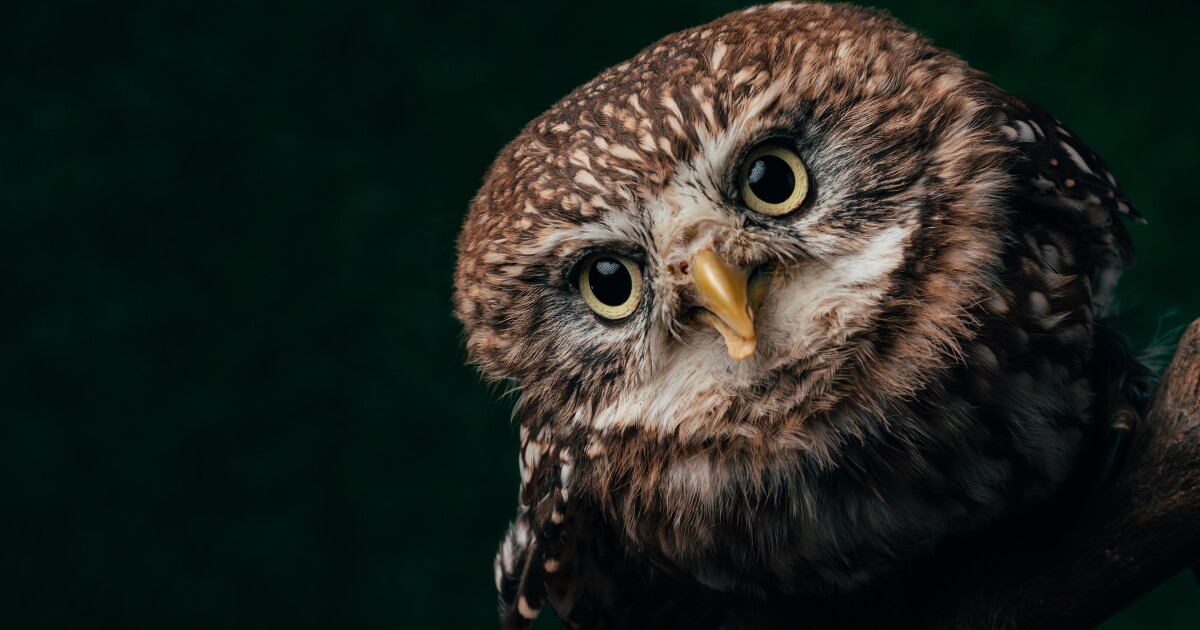
Light is one of the most important elements in photography. Good light can turn an average photo into a great one. On safari, the quality of light changes throughout the day, and animals behave differently depending on the time.
Early morning and late afternoon are the best times for safari photography because the light is softer and animals are more active. This gives you better opportunities to capture natural behavior and beautiful images.
Best times for safari photos:
• Early morning: Soft light, active animals
In the early morning, the sun is low in the sky. This creates soft, gentle light that shows natural colors and fine details without harsh shadows.
Animals are usually active at this time because temperatures are cooler. Predators may be hunting, and many animals are moving, feeding, or drinking water. This makes mornings perfect for action shots and natural wildlife behavior.
• Late afternoon: Warm golden light, beautiful shadows
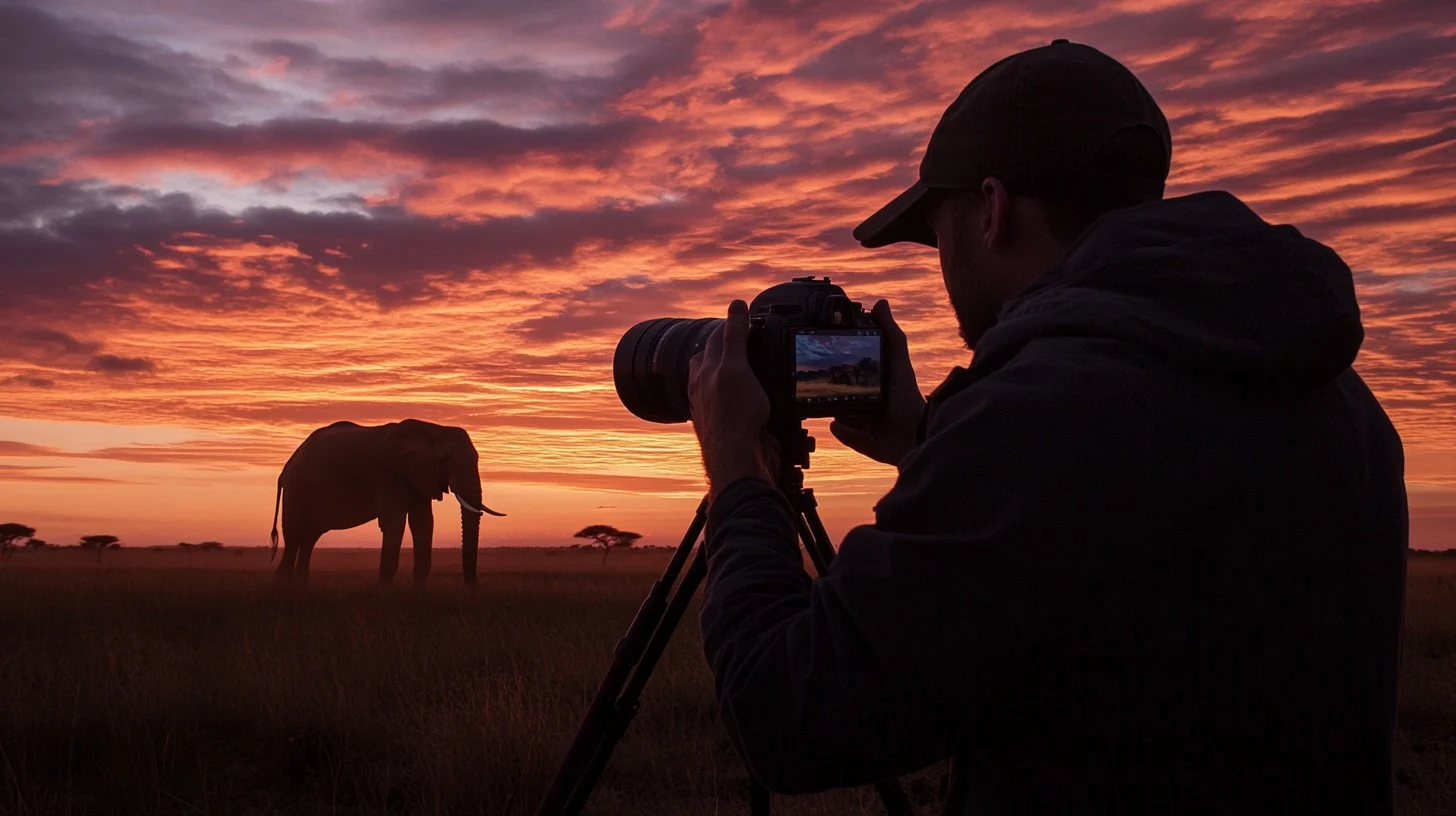
Late afternoon light is warm and golden, often called “golden hour.” This light adds richness, depth, and a warm feeling to your photos.
Long shadows help create a sense of shape and drama, making animals look more three-dimensional. This is a great time for portraits, silhouettes, and scenic shots.
Try to avoid shooting during strong midday sun when possible. At midday, the light is very harsh and comes from directly above. This creates dark shadows under the eyes and bodies of animals and often results in flat, less attractive photos.
If you must shoot at midday, focus on animals in shade or use the time to photograph landscapes, people, or camp life.
4. Focus on the Animal’s Eyes
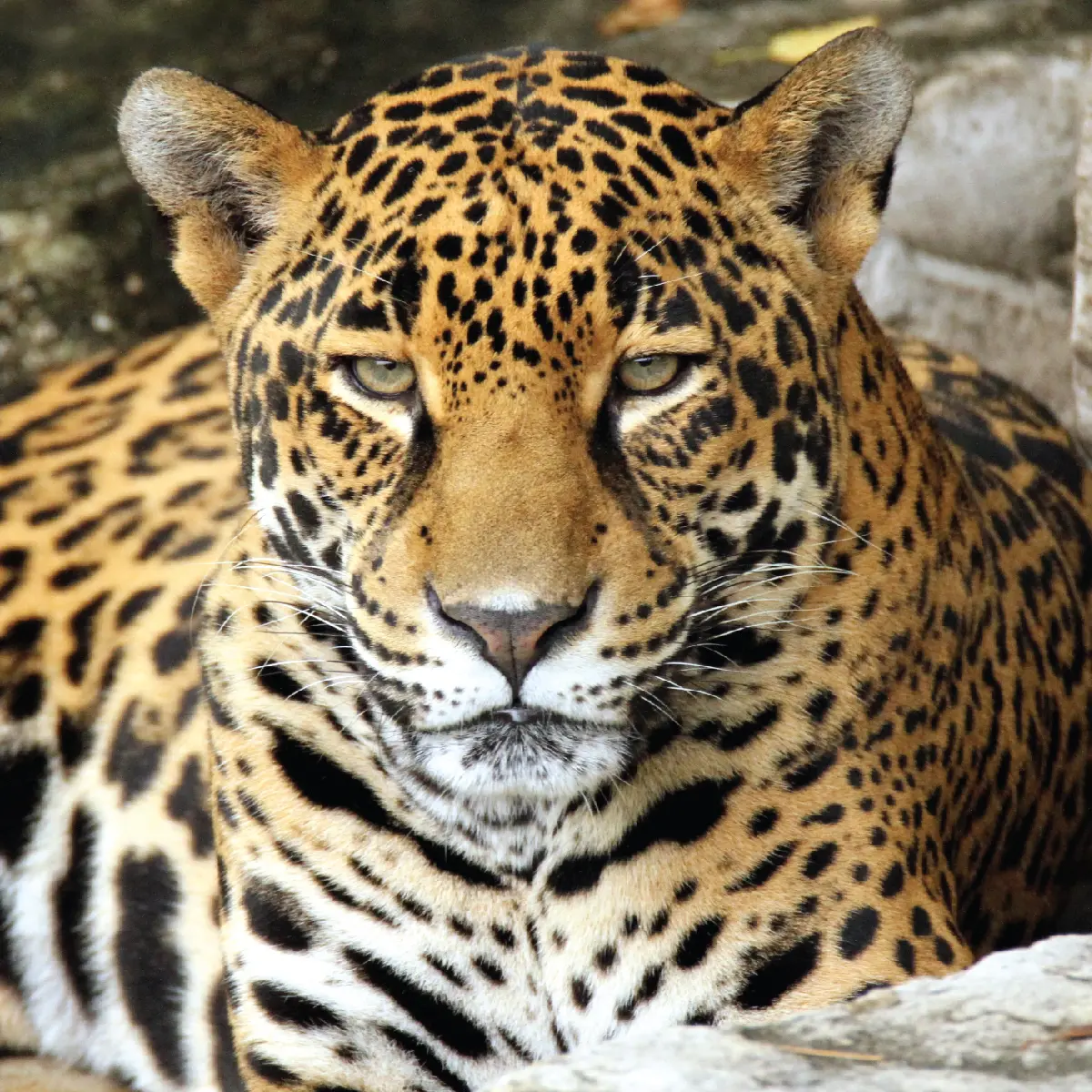
The eyes are the most important part of any wildlife photo. When people look at a photo, their attention naturally goes to the eyes first. If the eyes are sharp and clear, the photo feels alive, emotional, and engaging.
Sharp eyes help create a connection between the animal and the viewer. Even if the rest of the photo is slightly soft, sharp eyes can still make the image look strong and professional.
Tips:
• Always focus on the eyes
When you aim your camera, place the focus point directly on the animal’s eye, especially the eye closest to the camera. This is the best way to make sure the most important part of the photo is sharp.
• Sharp eyes make the photo feel alive
Clear eyes show emotion, alertness, and personality. They help tell a story and make the animal feel present in the moment, rather than distant or lifeless.
• If the eyes are sharp, the photo feels sharp
Viewers often forgive a soft background or body, but they notice immediately if the eyes are blurry. Sharp eyes create the impression that the entire photo is sharp and well taken.
Focusing on the eyes is one of the simplest and fastest ways to improve your wildlife photos instantly, even if you are a beginner.
5. Use a Fast Shutter Speed for Action Shots
Wild animals move very quickly, often without warning. A fast shutter speed is needed to freeze this movement and keep your photos sharp. If the shutter speed is too slow, even small movements like ears flicking, tails swishing, or animals walking can cause blur.
Using the right shutter speed helps you capture sharp action and clear details, especially during exciting moments.
Use fast shutter speed for:
• Running animals
Animals like cheetahs, zebras, or wildebeest move fast. A slow shutter speed will blur their legs and bodies. A fast shutter speed freezes the motion and shows details clearly.
• Birds flying
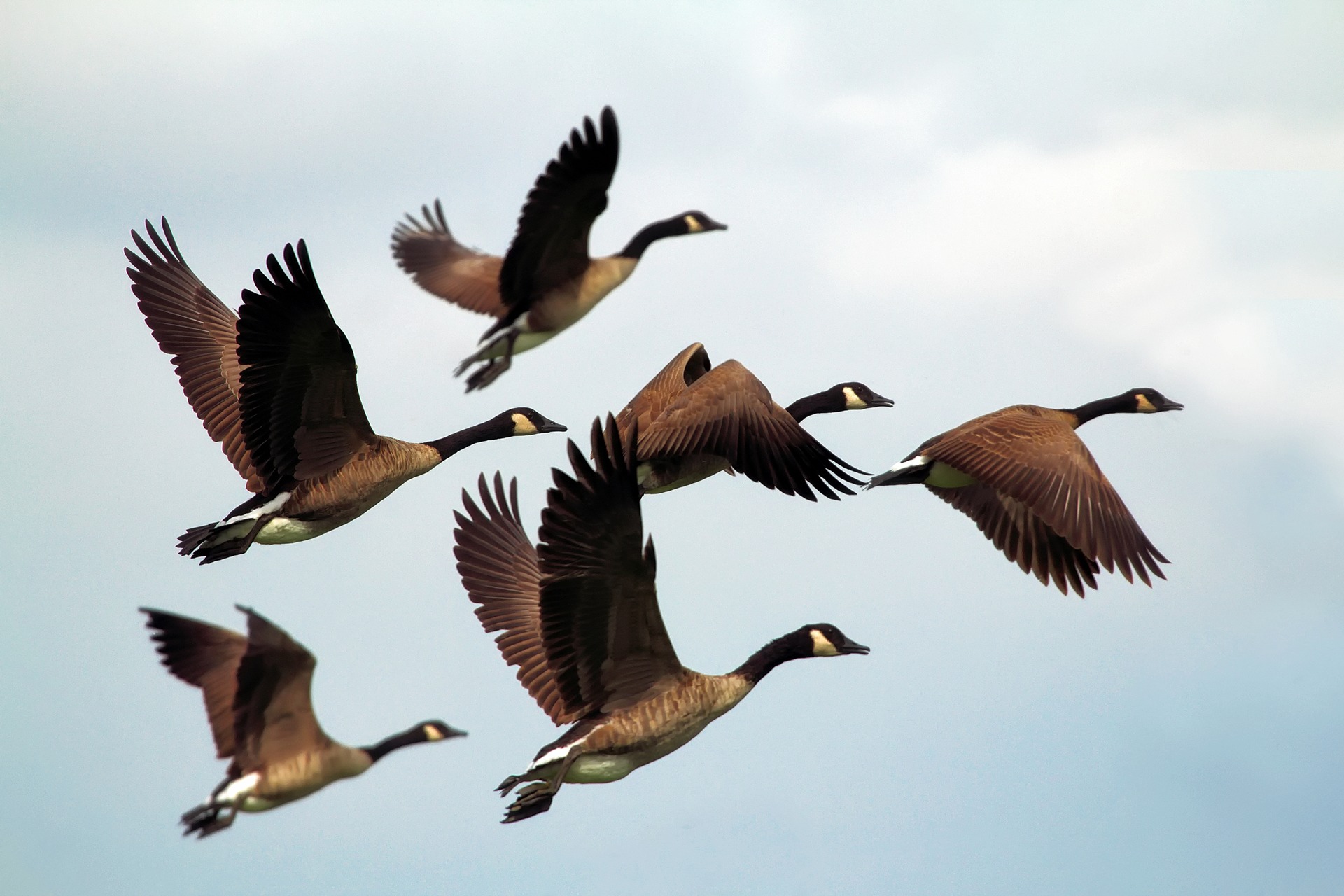
Birds move extremely fast, especially their wings. To capture sharp flying birds, you need a very fast shutter speed to stop wing movement and keep the bird in focus.
• Hunting scenes
Hunting moments happen very quickly and last only seconds. A fast shutter speed helps you capture dramatic action without blur, even when animals suddenly change direction.
• Playful moments
Young animals often jump, chase, and play. These movements are quick and unpredictable, so a fast shutter speed increases your chances of getting sharp photos.
Recommended shutter speeds:
· 1/1000 – 1/2500 for action
Use this range for fast movement such as running, flying, or fighting. Faster speeds are better for birds and high-speed action.
· 1/500 for calm animals
This speed works well for animals that are standing, resting, or moving slowly. It helps keep photos sharp while allowing more light into the camera.
If your photos look blurry, increase the shutter speed. You can do this by raising ISO or opening the aperture slightly to maintain proper exposure.
6. Keep Your Camera Steady in the Safari Vehicle
Safari vehicles often move and shake, even when driving slowly. Small vibrations from the engine or uneven roads can easily cause blurry photos, especially when using long zoom or telephoto lenses.
Keeping your camera steady is very important for sharp wildlife photos.
Tips for sharp photos:
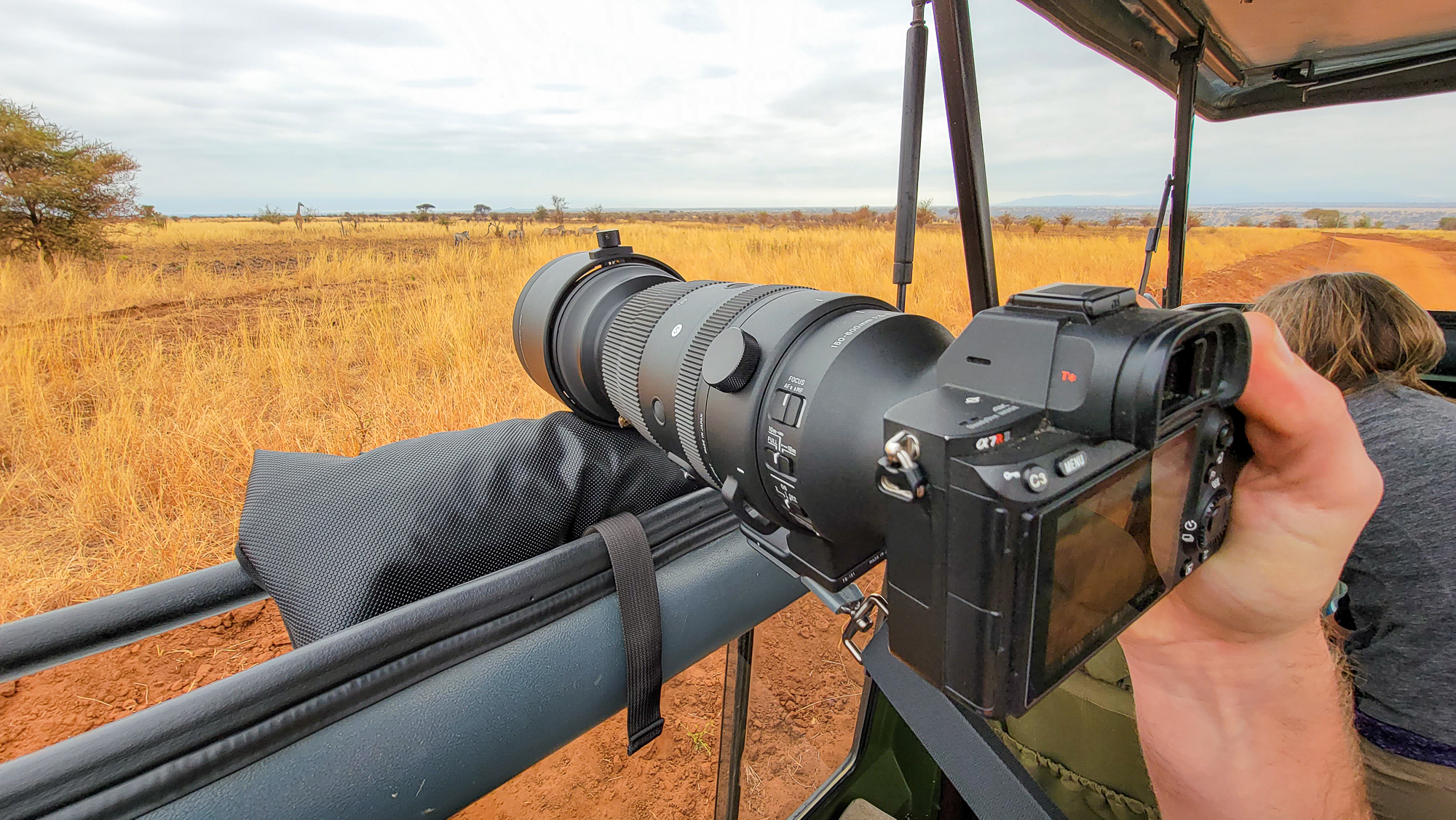
• Use a bean bag on the vehicle window
A bean bag provides strong support for your camera and lens. It absorbs vibrations and helps keep the camera stable.
Place it on the window frame or roof edge and rest your lens on it for steady shooting.
• Rest your arms on the vehicle frame
Supporting your arms reduces hand movement and camera shake. The more stable your body is, the sharper your photos will be.
• Ask the driver to stop the engine if possible
An idling engine creates vibrations that can affect sharpness. When it is safe and allowed, politely ask the driver to turn off the engine for a few moments while you take photos.
• Hold your camera firmly
Use both hands to hold your camera and keep it close to your body. A firm grip helps reduce movement, especially when shooting at long focal lengths.
Never lean too far out of the vehicle to get a better angle. This is dangerous and against safari rules. Always follow safety guidelines, your safety is more important than any photo.
7. Get Close, But Never Disturb Animals
Respecting wildlife is one of the most important rules of safari photography. Animals that feel calm and safe behave naturally, and natural behavior always leads to better, more meaningful photos.
Getting close does not mean disturbing animals. It means using your camera and lenses wisely while keeping a safe and respectful distance.
Important rules:
• Never chase animals for photos
Chasing animals causes stress and fear. It can also be dangerous for both you and the animal. Stressed animals run away or behave unnaturally, which results in poor photos and harmful situations.
• Keep a safe distance
Always allow animals enough space to move freely. A safe distance helps animals stay relaxed and protects you from sudden charges or aggressive behavior.
Use a telephoto lens to get close-up photos without physically getting closer.
• Follow your guide’s instructions
Safari guides understand animal behavior and know how close is safe. Following their instructions keeps everyone safe and increases your chances of seeing natural behavior.
A good guide will position the vehicle correctly for better light and angles.
• Never use flash on animals
Flash can scare animals, disturb their natural behavior, and even damage their eyes, especially at night.
Using natural light creates more realistic and respectful wildlife photos.
Calm animals behave naturally walking, feeding, playing, or interacting with others. These moments create stronger, more beautiful, and more authentic safari photos.
8. Compose Your Photos Carefully
Good composition makes your photos more interesting and enjoyable to look at. Composition is how you arrange the animal, background, and space inside the photo. It helps guide the viewer’s eyes and tells a stronger story.
Even a sharp photo can feel boring if the composition is poor. Taking a moment to think about framing can greatly improve your safari photos.
Simple composition tips:
• Leave space in front of moving animals
When an animal is walking, running, or looking in one direction, leave empty space in front of it. This gives the animal room to “move” in the photo and makes the image feel more natural and balanced.
• Use the rule of thirds
Imagine your photo divided into three equal parts, both horizontally and vertically. Place the animal’s eye or head along these lines instead of in the center. This creates a more natural and pleasing composition.
• Include the environment, not just the animal
Showing some of the landscape helps tell the story of where the animal lives. Trees, grass, mountains, or open plains add context and make the photo more interesting and meaningful.
• Try different angles (eye level is best)
Photos taken at the animal’s eye level feel more personal and engaging. If possible, lower your camera slightly instead of shooting from above.
Changing angles can make your photos look more dynamic and unique.
Do not always zoom in fully. While close-up shots are great, wider photos often tell a better story by showing the animal within its natural environment.
9. Be Patient and Take Many Photos
Wildlife photography requires patience. Animals do not perform on command, and they do not follow human schedules. The most powerful and emotional moments often happen after waiting quietly and observing.
Being patient allows you to capture natural behavior instead of rushed or random shots.
Tips:
• Wait for the right moment
Instead of taking one quick photo and moving on, watch the animal carefully. Wait for eye contact, a change in pose, interaction with other animals, or good light. These small moments often create the best photos.
• Take many photos of the same scene
Animals can blink, turn their heads, or move suddenly. Taking several photos increases your chances of capturing a perfect expression or action. One photo may be average, but the next one could be amazing.
• Small movements can change everything
A slight head turn, raised ears, or a step forward can completely change the feeling of a photo. Continuous shooting helps you capture these tiny but important changes.
Digital cameras allow you to take many photos without extra cost. Use this advantage to experiment, learn, and increase your chances of capturing memorable safari images.
10. Capture Animal Behavior, Not Just Animals
Wildlife photos become much more powerful when they tell a story. Instead of only photographing animals standing still, try to capture moments that show what the animal is doing. Behavior photos help viewers feel the moment, not just see the animal.
These images create emotion, action, and meaning, making them more memorable.
Look for:
• Hunting or feeding
Photos of animals hunting, chasing prey, or feeding show natural survival behavior. These moments are dramatic and exciting, and they reveal how animals live in the wild.
• Mothers with babies
Photos of mothers caring for their young show emotion, protection, and family bonds. These scenes feel gentle and touching and are often favorite photos for many people.
• Animals interacting
Look for animals playing, fighting, grooming, or communicating with each other. Interaction adds life and movement to your photos and tells a stronger story than a single animal alone.
• Unique expressions
Facial expressions, yawns, roars, curious looks, or alert stares make photos feel personal and expressive. These small details help show the animal’s character and mood.
Behavior photos stay in people’s minds longer than simple portraits. They capture real moments and tell stories that make your safari photos truly special.
Safari environments are often very dusty, especially on dry roads. Dust and dirt can easily enter your camera and lenses if you are not careful. Good protection helps your equipment last longer and keeps your photos sharp and clear.
Taking care of your camera is just as important as knowing how to use it.
Protection tips:
• Carry a camera bag
A good camera bag protects your gear from dust, bumps, and sudden weather changes. Keep your camera inside the bag when you are not taking photos, especially while driving between locations.
• Use lens covers
Lens covers protect the front and back of your lens from dust, scratches, and dirt. Always put the cover back on when you finish shooting or when moving to another spot.
• Change lenses inside the vehicle
If you need to change lenses, do it inside the safari vehicle where there is less wind and dust. Try to change lenses quickly and keep the camera opening facing downward to prevent dust from entering.
• Clean your gear every evening
At the end of each day, gently clean your camera and lenses using a soft cloth or blower. Removing dust regularly prevents buildup and keeps your equipment working properly.
Good care and simple habits help protect your camera and ensure it performs well throughout your safari and beyond.
12. Learn Basic Editing After Your Safari
Editing is an important final step in wildlife photography. Good editing improves your photos while keeping them natural and realistic. The goal is to enhance what you captured, not to change the scene or misrepresent the animal.
Even simple editing can make your safari photos look cleaner, sharper, and more professional.
Simple editing steps:
• Adjust brightness and contrast
Sometimes photos look too dark or flat, especially in early morning or evening light. Adjusting brightness helps reveal details, while contrast adds depth and makes the subject stand out.
• Improve sharpness slightly
A small increase in sharpness can make details like fur, feathers, and eyes look clearer. Be careful not to over-sharpen, as this can make photos look unnatural.
• Crop for better composition
Cropping helps remove distractions and improve framing. It can also help place the animal in a stronger position using the rule of thirds. Crop carefully to keep image quality high.
• Do not over-edit
Too much editing can make photos look fake, with unnatural colors or heavy shadows. Keep colors natural and avoid extreme effects.
Light and careful editing helps your photos look polished and professional while staying true to the real safari experience.
13. Practice Before Your 2026 Safari
Practice makes a big difference in safari photography. Wildlife moments happen very fast, and there is often no second chance. Knowing your camera well helps you react quickly and capture the moment when animals appear suddenly.
Practicing before your safari builds confidence and reduces mistakes in the field.
Before your safari:
• Learn your camera buttons
Spend time learning where important buttons are, such as shutter speed, ISO, autofocus, and drive mode. Being able to change settings without looking at the camera saves valuable seconds.
• Practice with birds or pets
Birds, dogs, cats, or animals in parks move unpredictably, just like wildlife on safari. Practicing with them helps you improve focus, tracking, and timing.
• Test your settings
Try different shutter speeds, apertures, and ISO settings to see how they affect your photos. This helps you understand which settings work best for action, low light, and still subjects.
When animals appear suddenly on safari, you will not panic or struggle with settings. You will be ready, confident, and able to capture the moment.
14. Learn to Read Animal Behavior
Understanding animal behavior is a powerful skill in wildlife photography. When you learn how animals behave, you can often predict what they will do next. This gives you time to prepare your camera and be ready for special moments instead of reacting too late.
Animals often show small signs before they move, hunt, or interact. Learning to notice these signs greatly increases your chances of capturing action and emotional shots.
Examples:
• Birds lifting wings before flying
Most birds lift or spread their wings slightly before taking off. When you see this movement, get ready and press the shutter quickly. This helps you capture sharp photos of birds in flight.
• Lions standing before hunting
Before a hunt, lions may stand up, stretch, focus their eyes, or slowly move into position. These actions are signs that something is about to happen. Being ready at this moment helps you capture dramatic hunting scenes.
• Elephants raising trunks before interacting
Elephants often raise their trunks before greeting, touching, smelling, or playing with others. This behavior creates strong and emotional photos showing communication and social interaction.
Learning animal behavior takes time and patience. Watch animals carefully, listen to your guide, and observe their body language. This knowledge helps you prepare early and increases your chances of capturing powerful action shots and meaningful wildlife moments.
15. Use Backgrounds to Improve Your Photos
Backgrounds are just as important as the animal in a photo. A clean and simple background helps the subject stand out and keeps the viewer’s attention on the animal. Even a great animal moment can look messy if the background is distracting.
Thinking about the background before pressing the shutter can greatly improve the quality of your photos.
Tips:
• Avoid busy backgrounds
Try to avoid backgrounds with many branches, bright spots, vehicles, or people. These distractions pull attention away from the animal and make the photo feel cluttered.
• Change position if possible
Sometimes moving the safari vehicle slightly or changing your shooting angle can remove unwanted objects from the background. A small change in position can make a big difference.
• Use wide aperture to blur backgrounds
Using a wide aperture (such as f/5.6 or wider) creates a soft, blurred background. This effect helps separate the animal from the background and gives your photos a professional look.
Simple, clean backgrounds help your wildlife photos look polished, focused, and more visually appealing.
16. Take Landscape and Safari Experience Photos Too
A safari is more than just animals. It is also about the landscapes, the people, and the overall experience. Photographing these moments helps tell the full story of your journey, not just the wildlife you saw.
These photos add variety and emotion to your safari photo collection.
Do not forget to photograph:
• Sunrise and sunset
Sunrise and sunset create beautiful colors and dramatic skies. These moments set the mood of your safari and show the beauty of the African landscape.
• Safari vehicles
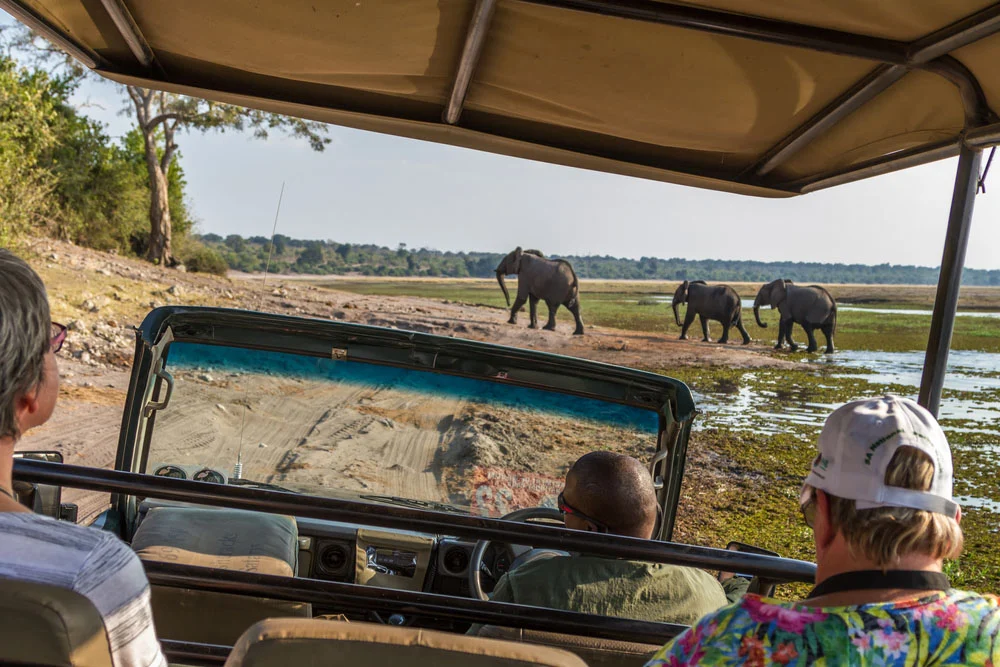
Photos of safari vehicles in the wild help show the adventure and scale of the environment. They also remind you of the journey and the places you explored.
• Lodges and camps
Capture where you stayed, including tents, rooms, dining areas, and campfire scenes. These photos help you remember the comfort and atmosphere of your safari experience.
• People and guides
Photograph your guides, fellow travelers, and camp staff. Guides play an important role in your safari, and photos of people add a human story to your memories.
These experience photos complete your safari story and make your memories richer and more meaningful when you look back later.
⇒Taking amazing wildlife photos on your 2026 safari is about preparation, patience, and respect for nature. You do not need expensive equipment or professional skills. With the tips in this guide, anyone can capture beautiful safari memories.
Enjoy the moment, respect wildlife, and let your photos tell the story of your adventure.