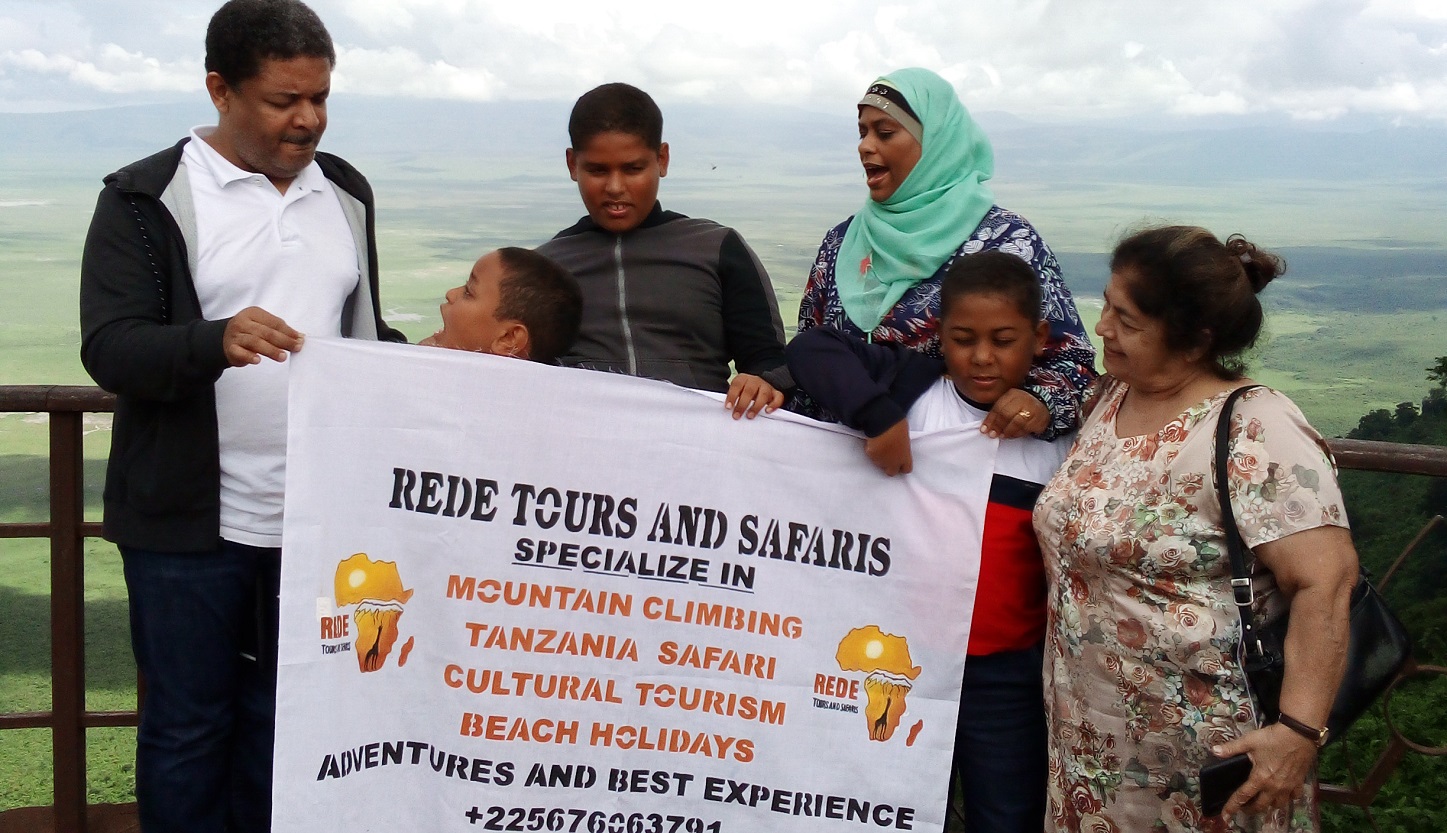
How to Prepare Your Kids for Safari: Complete Family Guide
Going on a safari is one of the most exciting experiences a family can have. Children can see wild animals in their natural habitats, explore breathtaking landscapes, and learn about nature and conservation first-hand. A safari is not just a holiday it is an adventure and an educational experience in one.
However, safaris are very different from regular vacations. They often involve early mornings, long drives on dirt roads, unpredictable wildlife, and varying weather conditions. Without proper preparation, children may become tired, bored, or overwhelmed. Preparing them carefully ensures the trip is safe, enjoyable, educational, and full of unforgettable memories.
This guide provides detailed advice for families visiting Tanzania or Kenya, including local park suggestions, sample itineraries, packing tips, seasonal advice, safety guidance, cultural experiences, and practical FAQs.
.jpg)
1. Talk to Your Kids About Safari
Children need time to understand and get excited about what a safari really is. Many kids imagine animals will appear instantly or that they can touch them, so setting realistic expectations is essential.
- Explain that animals live freely in the wild and may not appear on command.
- Discuss early mornings and quiet times during game drives, and why silence is important to observe animals.
- Show them pictures, books, or wildlife documentaries featuring lions, elephants, giraffes, zebras, and smaller wildlife such as birds and reptiles.
- Teach them that a safari is not just about “seeing big animals” it is about observing, learning, and respecting nature.
When children understand what to expect, they feel confident, curious, and excited rather than anxious or frustrated.
2. Choose Family-Friendly Parks and Lodges
Not all parks and lodges are suitable for children. Some require long drives, rough roads, or very early starts, which can tire children quickly. Choosing child-friendly parks and accommodations makes a big difference in their enjoyment.
Tanzania options:
- Serengeti National Park: Large herds of animals, easy to spot lions, zebras, and elephants, with short drives suitable for kids.
- Ngorongoro Crater: Wildlife concentrated in one area, making sightings easy even for young children.
- Tarangire National Park: Fewer crowds, big elephants, iconic baobab trees, and manageable roads.
Kenya options:
- Maasai Mara: Abundant wildlife, excellent guides, and lodges catering to families.
- Amboseli National Park: Famous for elephants and stunning views of Mount Kilimanjaro, with safe drives for kids.
When selecting lodges, look for:
- Family rooms or connecting tents
- Swimming pools or play areas for downtime
- Kid-friendly meals and flexible schedules
- Guided activities designed for children
These factors make the stay comfortable, safe, and enjoyable for kids of all ages.
3. Age-Specific Safari Tips
Children of different ages experience safaris differently, so tailoring the experience ensures they stay engaged and happy:
- Toddlers (0–5 years): Need short drives, frequent breaks, naps, and comfort items like blankets or toys.
- School-age children (6–12 years): Can handle 3–4-hour drives, enjoy animal spotting, guided activities, and wildlife journaling.
- Teens (13+ years): Enjoy longer drives, photography, tracking animals, and learning from guides.
Planning daily schedules around children’s age helps avoid stress and keeps everyone comfortable.
4. Teach Safari Safety
Safety is the most important part of a safari. Children must understand the rules clearly:
- Stay inside the vehicle unless the guide allows you to leave.
- Follow instructions from guides and parents carefully.
- Avoid shouting, sudden movements, or throwing objects.
- Never feed or touch wildlife.
Knowing the rules beforehand makes children confident and secure, and ensures parents can relax and enjoy the experience too.
5. Sample Family Safari Itinerary
A practical itinerary helps families understand what a safari day looks like. Here is a 5-day example in Tanzania:
- Day 1: Arrival in Arusha or Nairobi. Rest at the lodge and attend a briefing about wildlife and safety.
- Day 2: Tarangire National Park – morning game drive to see elephants, giraffes, and zebras. Afternoon rest at the lodge.
- Day 3: Serengeti National Park – morning game drive; afternoon guided nature walks for children.
- Day 4: Ngorongoro Crater – half-day game drive, visit observation points, evening storytelling about Maasai culture.
- Day 5: Optional visit to a Maasai village, then transfer to the airport.
These itinerary balances wildlife exploration, rest, and cultural learning, keeping children happy and engaged throughout the trip.
6. Packing Smart
A well-packed bag ensures children are comfortable and ready for every part of the safari:
- Clothing: Lightweight, breathable clothes in neutral colors; warm jacket or fleece for early mornings.
- Shoes: Comfortable closed shoes suitable for walking or lodge activities.
- Extras: Hat, sunglasses, sunscreen, binoculars, sketchbook, or camera.
- Comfort items: Snacks, water bottles, favorite toy or blanket.
- Health items: First-aid kit, prescription medicines, child-friendly insect repellent.
Packing thoughtfully reduces boredom, discomfort, and potential health issues.
7. Make Safari Educational and Fun
Children learn best when actively involved. Turn the safari into a learning adventure:
- Wildlife checklist to tick off animals spotted
- Drawing or photographing animals
- Spotting games like “Who can find the zebra first?”
- Teach simple facts about wildlife, such as how lions hunt or how elephants communicate

Engaging children this way ensures they interact with nature and remember their experiences for years.
8. Prepare for Early Mornings
Animals are most active in the early morning, meaning drives often start before sunrise.
- Adjust children’s sleep schedule a few days before the trip.
- Bring snacks, games, or storytelling activities to keep children entertained during drives.
- Explain that sometimes animals take time to appear and that waiting is part of the adventure.
Proper preparation prevents children from feeling tired, bored, or frustrated.
9. Health and Safety
Before traveling:
- Consult a pediatrician for recommended vaccinations and malaria prevention.
- Teach children to drink water frequently and apply sunscreen.
- Follow all guide instructions carefully for safety.
Parents should also ensure they have travel insurance that covers children and know local emergency contacts.
10. Include Cultural Experiences
Cultural exposure makes the safari more meaningful:
- Visit Maasai villages with kid-friendly guides.
- Observe traditional dances, crafts, and daily life.
- Learn how local communities help protect wildlife.
Children gain a deeper understanding of the connection between people, culture, and wildlife.
Seasonal Advice for Safari
- Best months: June–October (dry season) for easy wildlife spotting
- Wet season (November–May): Fewer crowds, lush landscapes, baby animals, but some roads may be muddy
- Trip length: 5–7 days is ideal for families, depending on children’s age and energy
Seasonal knowledge helps plan drives, packing, and daily activities effectively.
FAQ Section
Q: Are toddlers too young for safari?
A: Toddlers can enjoy safaris with short drives and frequent breaks. Family-friendly lodges make this easier.
Q: Will kids get bored during long drives?
A: Bring snacks, games, binoculars, or a wildlife journal to keep them engaged.
Q: What vaccinations do children need?
A: Consult a pediatrician; common recommendations include yellow fever, typhoid, hepatitis A, and malaria prevention.
Quick Family Safari Checklist
- Lightweight clothing and warm jacket
- Comfortable shoes and hat
- Sunscreen and sunglasses
- Binoculars and sketchbook
- Snacks and water bottles
- Favorite toy or comfort item
- First-aid kit and medicines
- Child-friendly insect repellent
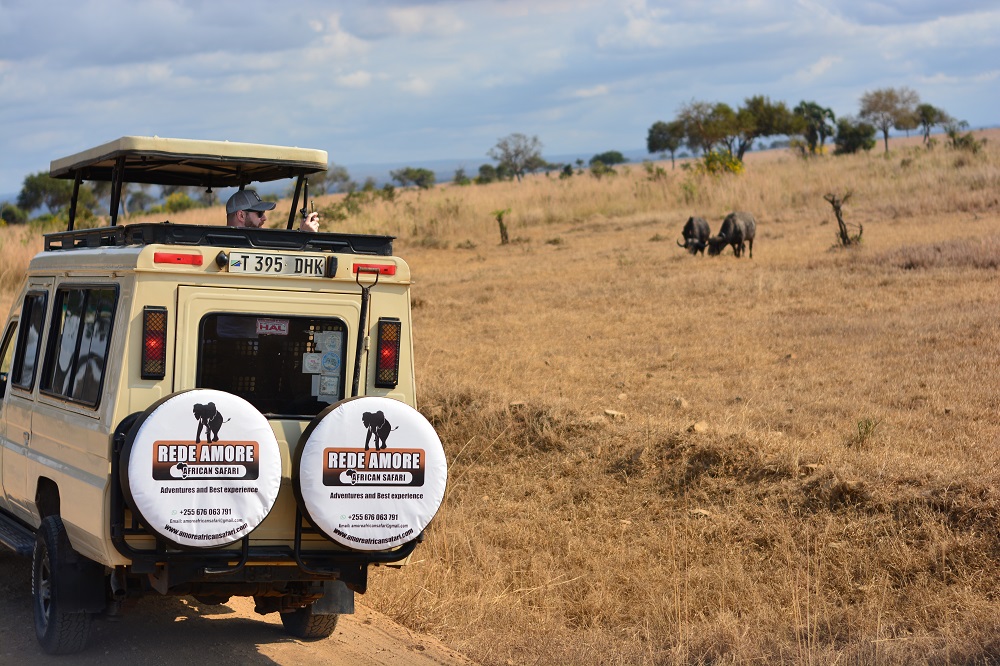
Plan Your Family Safari Today
Give your children the adventure of a lifetime with a safari that is safe, exciting, and full of learning. Let our local safari experts design a custom family-friendly itinerary in Tanzania or Kenya, tailored to your children’s ages and interests. From comfortable lodges and expert guides to educational wildlife activities and immersive cultural experiences, we take care of every detail so your family can focus on making unforgettable memories together.