How to Prepare for Your First Kilimanjaro Climb
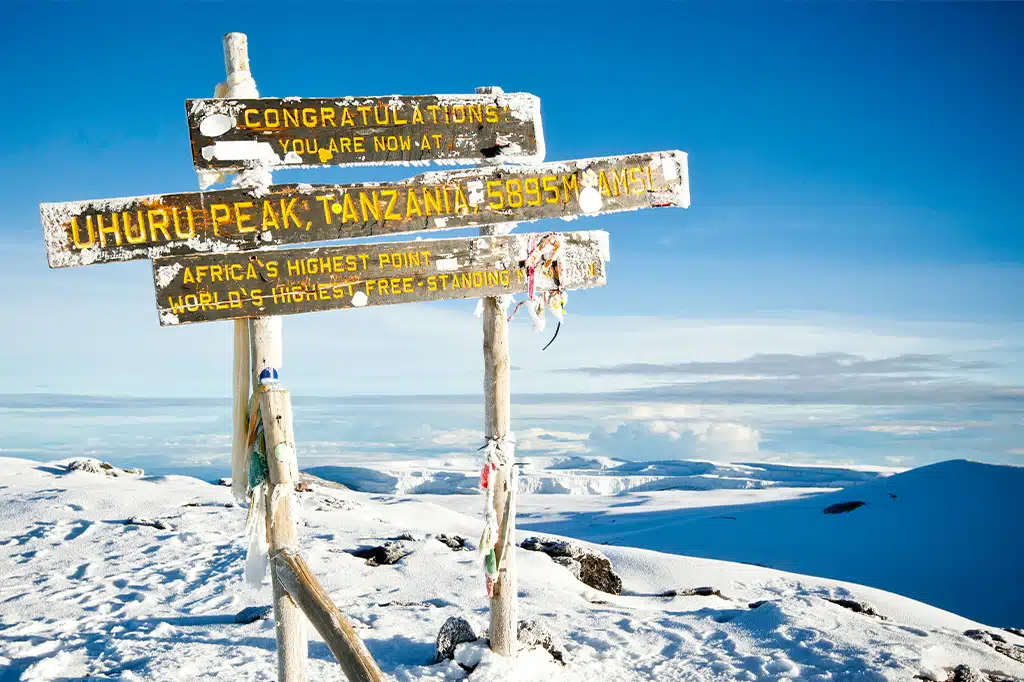
Climbing Mount Kilimanjaro is a powerful personal journey and one of the most iconic adventures in Africa. Standing at 5,895 meters (19,341 feet), it is the highest mountain on the continent and the tallest free-standing mountain in the world. While Kilimanjaro does not require technical climbing skills, it should never be underestimated. High altitude, changing weather, long trekking days, and physical and mental fatigue make preparation absolutely essential.
Many first-time climbers fail not because they are weak, but because they are unprepared. This guide explains, in full detail, how to prepare your body, mind, expectations, and logistics so your first Kilimanjaro climb is safe, successful, and deeply rewarding.
Understanding the Real Challenge of Kilimanjaro
Kilimanjaro’s main difficulty is altitude, not steepness. As you ascend, oxygen levels decrease dramatically, affecting breathing, sleep, digestion, and energy. Even very fit people can struggle if their bodies do not have enough time to adapt.
During the climb, you will pass through several climate zones, sometimes in a single day. You begin in warm, humid rainforest, move through open moorland, cross dry alpine desert, and finally reach an arctic summit zone with freezing temperatures and strong winds. Being prepared for these constant changes helps you stay comfortable and calm.
Understanding that discomfort is normal allows you to manage it instead of fearing it.
Best Time to Climb Kilimanjaro and Why It Matters
Choosing the right time to climb is an important part of preparation.
The best periods are the dry seasons, when weather is more stable and trails are safer. These months offer clearer views, less rain, and better trekking conditions. The rainy seasons bring muddy trails, colder conditions, and reduced visibility, which can make the climb more challenging, especially for first-timers.
Seasonal timing affects:
- Temperature and wind exposure
- Trail conditions
- Crowd levels
- Gear requirements
Planning your climb during a favorable season improves comfort and overall success.
Choosing the Right Route and Number of Days
Route choice plays a major role in acclimatization and summit success. Longer routes allow your body to adjust gradually to altitude, which is the single most important factor in reaching the summit safely.
For first-time climbers, routes with gradual ascent and at least 7–9 days are strongly recommended. Shorter routes may appear cheaper or faster, but they significantly reduce your chances of success and increase health risks.
A well-designed itinerary prioritizes safety, not speed.
Daily Life on Kilimanjaro: What to Expect
Knowing what daily life is like on the mountain helps you mentally prepare.
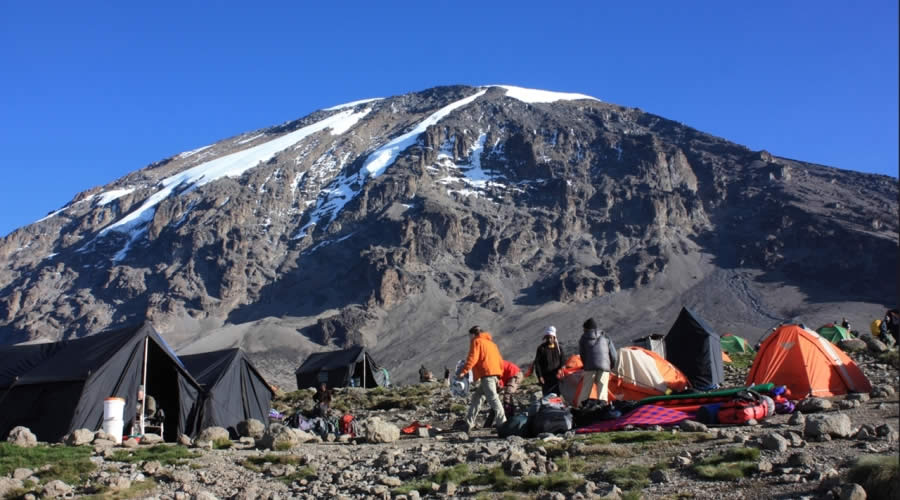
A typical day includes waking early, having breakfast, and trekking for several hours at a slow, steady pace. Afternoons are usually spent resting at camp, eating meals, and going on short acclimatization walks. Evenings are quiet, cold, and focused on recovery.
Facilities are basic:
- Simple tents or huts
- Limited washing options
- Shared toilets
- Early nights due to cold and fatigue
Understanding these realities prevents disappointment and stress during the climb.
.JPG)
Physical Preparation: Training the Right Way
You do not need extreme fitness, but you must be able to walk for long hours over multiple days. Kilimanjaro is an endurance challenge.
Effective training focuses on:
- Long walks and hikes, especially uphill
- Leg and core strength
- Cardiovascular endurance
- Practicing with a backpack and hiking boots
Training should begin at least 8–12 weeks before the climb, with consistency being more important than intensity.
Mental Preparation: The Silent Key to Success
Mental readiness often determines who reaches the summit. Kilimanjaro requires patience, resilience, and the ability to stay calm during discomfort.
You must be prepared to:
- Walk slowly for many hours
- Accept cold, fatigue, and reduced appetite
- Trust your guides and follow their pace
- Focus on one step at a time
The local philosophy of “pole pole” (slowly, slowly) is essential to success.
Acclimatization: How It Really Works
Acclimatization allows your body to adapt to reduced oxygen levels. This process cannot be rushed or trained in advance.
On the mountain, guides use the principle of “climb high, sleep low”, where you hike to higher altitudes during the day but sleep lower. Acclimatization walks and rest days are not optional they are critical for your health and success.
Your guide will monitor symptoms, pace, and oxygen adaptation daily. Honest communication is essential.
Summit Day: The Hardest and Most Important Day
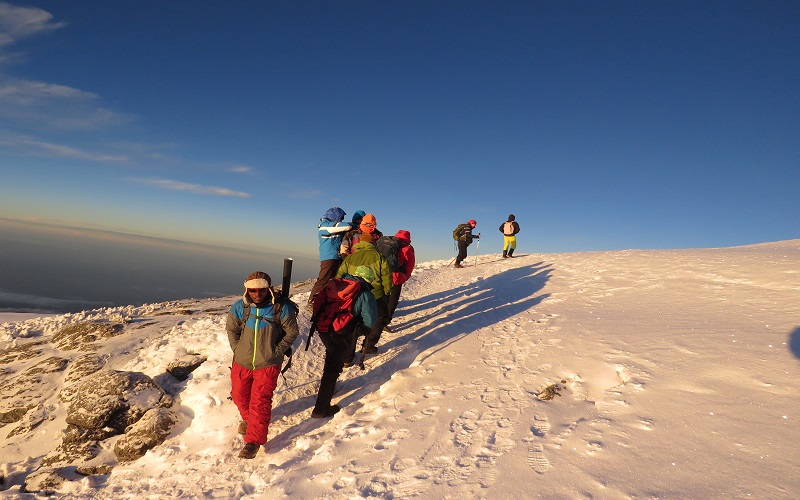
Summit day begins around midnight. This timing allows climbers to reach the summit at sunrise and descend before weather conditions worsen.
Summit night is long, cold, and physically demanding. You will walk slowly for 6–8 hours in freezing temperatures, often in darkness. Many climbers turn back due to exhaustion, cold, or altitude symptoms.
Success on summit day depends on:
- Mental strength
- Slow, steady pacing
- Proper layering
- Listening to your guide
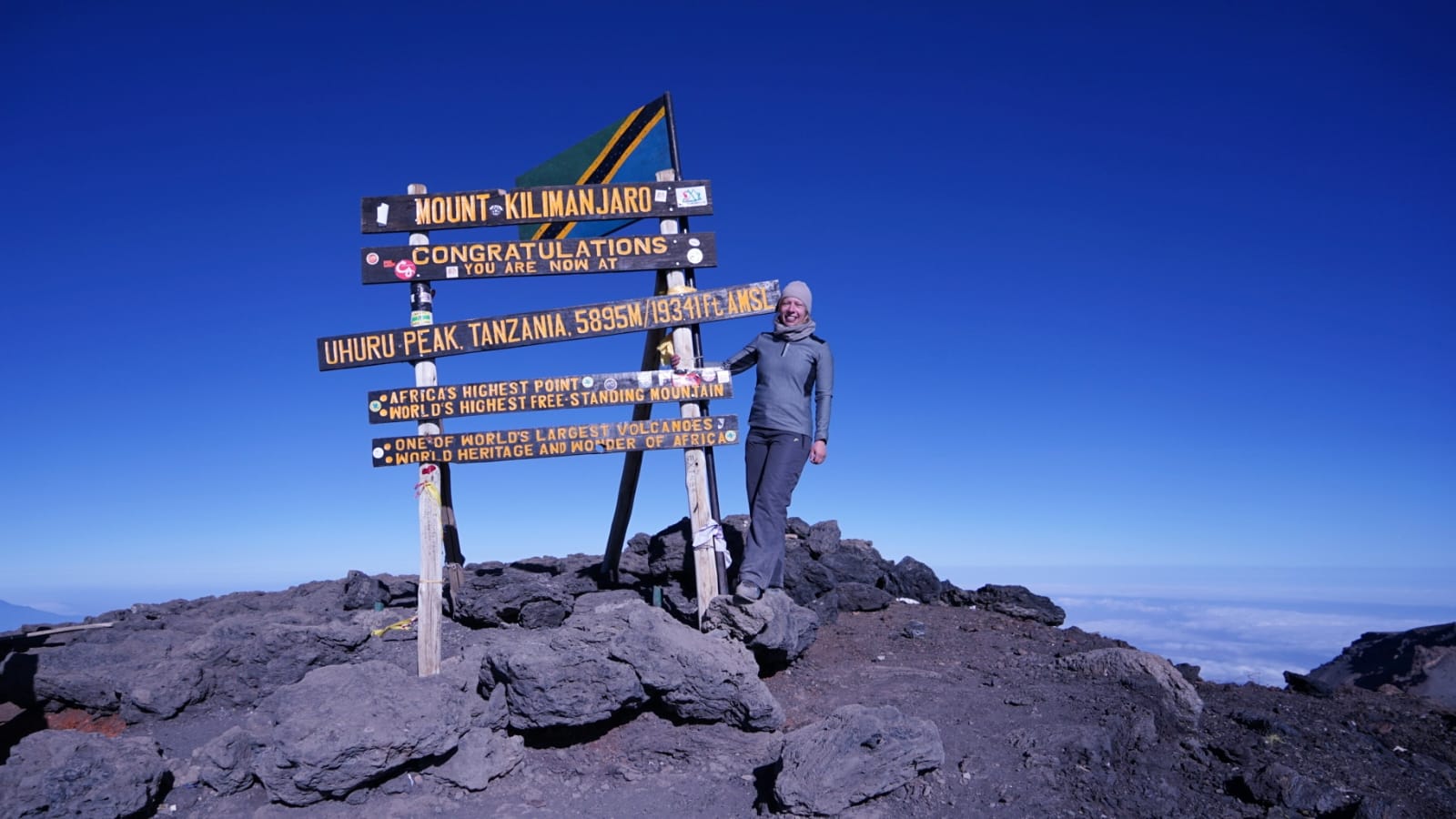
Reaching Uhuru Peak is emotional, quiet, and deeply personal. The descent is immediate and equally demanding.
Clothing and Gear: Preparing for All Conditions
Kilimanjaro requires a proper layering system to manage temperature changes.
Your gear must protect you from cold, wind, rain, and strong sun exposure. All equipment should be tested before the climb. New boots or untested gear often cause blisters and discomfort that can end a climb early.
Packing smart is just as important as packing correctly.
Packing Strategy: What Goes Where
Porters carry your main duffel bag, while you carry a daypack. Weight limits are strictly enforced to protect porter welfare.
Your daypack should include essentials such as water, snacks, warm layers, rain protection, and personal items. Overpacking adds unnecessary strain and fatigue.
Keeping items dry and organized improves comfort throughout the climb.
Nutrition and Hydration at High Altitude
At altitude, your body burns more calories but often loses appetite. Eating and drinking become strategic rather than instinctive.
You must:
- Eat all meals provided, even in small portions
- Drink water consistently throughout the day
- Use electrolytes if needed
Good nutrition and hydration reduce fatigue and help prevent altitude sickness.
Choosing us as a Responsible Tour Operator
We us a tour operator plays a critical role in your safety and experience.
A professional operator provides experienced guides, proper safety equipment, realistic itineraries, and fair treatment of porters. Extremely cheap climbs often compromise safety, food quality, acclimatization time, and staff welfare.
Choosing quality over price protects both you and the people who support your climb.
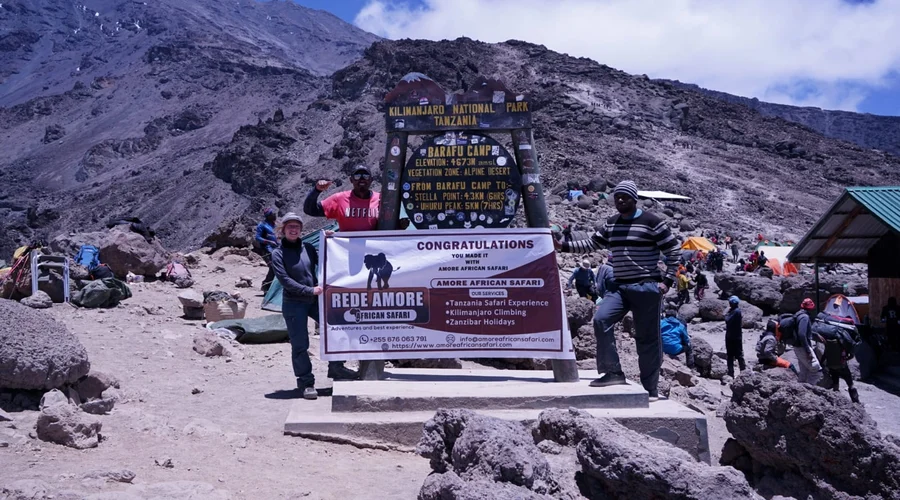
Cultural Awareness and Respect on the Mountain
Kilimanjaro climbs are made possible by local guides, porters, and cooks. Showing respect improves your experience and supports responsible tourism.
Simple gestures, patience, and understanding local customs go a long way. Learning basic Swahili phrases and respecting the environment shows appreciation for the people and place.
Health, Insurance, and Emergency Planning
Before your climb, you should:
- Visit a doctor for a general check-up
- Ensure vaccinations are up to date
- Purchase travel insurance covering high-altitude trekking and evacuation
Never hide symptoms from your guide. Safety always comes first.
Common First-Time Mistakes to Avoid
Many beginners make the same errors:
- Choosing routes that are too short
- Walking too fast
- Ignoring early altitude symptoms
- Wearing new boots
- Underestimating summit night
Awareness of these mistakes helps you avoid them.
After the Climb: Recovery and Reflection
Many climbers are surprised by how exhausted they feel after descending. Fatigue, muscle soreness, and emotional release are common.
Allow time for rest, hydration, and reflection. Reaching the summit is a major achievement, and recovery is part of the journey.
Preparing for Kilimanjaro is about respect for the mountain, your body, and the people who support your climb. When you prepare thoroughly, climb slowly, and choose the right team, your chances of success increase dramatically.
Kilimanjaro is not just about standing on the summit. It is about patience, resilience, and personal transformation. With the right preparation, your first Kilimanjaro climb can be safe, meaningful, and unforgettable.
Let Rede Tours & Safaris guide you every step of the way. Book your tailored Kilimanjaro adventure today, climb with expert guides, and turn your dream of standing on the Roof of Africa into a reality you’ll never forget.