How to Prepare for a Safari in Tanzania
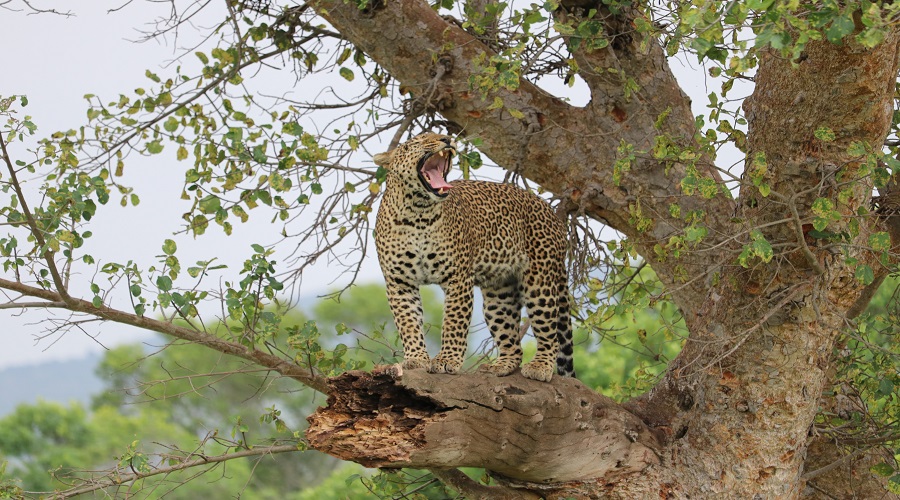
Tanzania is widely regarded as one of the most breathtaking safari destinations in the world, home to some of the planet's most iconic and diverse wildlife and landscapes. From the expansive plains of the Serengeti, famous for the Great Migration, to the breathtaking views of the Ngorongoro Crater, often called the "Garden of Eden," and the majestic Mount Kilimanjaro, Africa's highest peak, Tanzania offers a safari experience unlike any other. The country's diverse ecosystems, ranging from rainforests to open savannahs, provide a wealth of opportunities to spot animals in their natural habitat, from the “Big Five” to rare and elusive species.

Whether you're a seasoned safari-goer or a first-time adventurer, planning your trip carefully is crucial to making the most of this once-in-a-lifetime experience. Proper preparation is the key to ensuring your safari runs smoothly, stays safe, and provides an experience that you’ll cherish for a lifetime. The following is a comprehensive, detailed guide to help you prepare for your safari in Tanzania offering insights into the best time to go, what to pack, the health precautions you should take, how to choose the right safari package, and much more. By following these tips and being well-prepared, you’ll ensure that your safari adventure is everything you’ve dreamed of and more.
1. Choosing the Right Time to Visit Tanzania for a Safari
One of the most important aspects of preparing for your Tanzanian safari is timing. The experience you have on your safari will be deeply influenced by the time of year you visit, as this affects everything from wildlife sightings to weather conditions.
Dry Season (June to October)
The dry season is widely considered the best time to go on safari in Tanzania. During these months, the weather is typically sunny and dry, and temperatures are moderate generally ranging from the mid-70s to low 80s°F (24–28°C) during the day, with cooler nights. The dry weather makes it easier to spot wildlife because animals tend to gather around water sources, and the vegetation is thinner, making animals easier to see.
- Best for Game Viewing: The dry season is when the Great Migration reaches its peak in the Serengeti, and the animals are highly concentrated. The migration involves over 1.5 million wildebeest, zebras, and gazelles moving across the Serengeti’s vast plains, attracting predators like lions and cheetahs.
- Pros: The weather is predictable, and wildlife sightings are plentiful. It's the high season, so there’s a lively atmosphere in the parks, but also more tourists.
- Cons: The peak season means higher prices for accommodations and safari packages, and popular areas like Serengeti and Ngorongoro may be crowded.

Green Season (November to May)
Although the wet season is less popular, it comes with its own set of unique advantages. The rain tends to be short and heavy, falling in the late afternoon or overnight, so it won’t ruin your game drives but can affect your overall comfort and visibility. This is the low season for tourism, which means fewer crowds and cheaper rates.
- Advantages: The landscape becomes lush and green, providing photogenic scenery that is perfect for photographers. It’s also the time when many animals give birth, offering the chance to witness the wonder of baby animals. Additionally, many migratory birds arrive in Tanzania during these months, so birdwatching is exceptional.
- Disadvantages: While the parks are less crowded, the rain can make travel to some remote areas challenging. The thick foliage can also make it harder to spot wildlife compared to the dry season.

2. Choosing the Right Safari Package
When it comes to choosing the right safari package, there are many factors to consider. The safari you choose will affect your overall experience, including your accommodation, the routes taken, and your personal comfort.
Group Safaris:
A group safari is often a more budget-friendly option for travelers, as the costs for things like guides, vehicles, and accommodations are shared. Typically, you’ll be grouped with other travelers in a 4x4 vehicle, which gives you a chance to meet like-minded people and share the experience.
- Advantages: More affordable, social atmosphere, shared costs for safari services, and often a great option for solo travelers looking to meet new people.
- Disadvantages: Less personalized. The pace is set by the group, and you may not have the flexibility to focus on specific wildlife or interests.
Private Safaris:
A private safari allows you to have a tailored experience. This is ideal if you have specific interests, such as photography, bird watching, or a particular animal you want to see. You’ll have your own vehicle and guide, which gives you more flexibility in your schedule.
- Advantages: Highly customizable, more flexibility with timing and routes, personal attention from a knowledgeable guide.
- Disadvantages: More expensive than group safaris. However, if you’re looking for a luxury experience, this is the way to go.
Luxury Safaris:
Tanzania is home to some of the world’s finest luxury safari lodges and tented camps, offering gourmet meals, spa services, private pools, and beautiful, exclusive settings. If you're looking to combine the thrill of wildlife viewing with a high-end experience, this is the perfect option.
- Advantages: Top-notch accommodations, exclusive access to more remote areas, private vehicles, and personal service. Ideal for those seeking comfort and indulgence during their adventure.
- Disadvantages: Expensive, as you’re paying for premium services and accommodations.
Budget Safaris:
For travelers on a budget, budget safaris are a great way to experience Tanzania’s wildlife without breaking the bank. These often involve camping or staying in simpler accommodations, but you’ll still experience the magic of the parks.
- Advantages: More affordable, immersive experience, small group sizes, often more intimate with nature.
- Disadvantages: Less comfort, basic amenities, and sometimes the need for more rugged accommodations.
3. Health and Safety Preparation
Vaccinations and Medical Preparations
Tanzania is a tropical destination, and it’s essential to take health precautions before traveling. Make sure you are up-to-date on all recommended vaccinations, such as:
- Yellow Fever: A vaccination certificate is required for entry into Tanzania if you are traveling from a country with a risk of yellow fever.
- Malaria Prevention: Since malaria is endemic in Tanzania, you’ll need to take malaria prophylaxis (consult your doctor) and use mosquito repellent.
- Routine Vaccinations: Make sure you’re also covered for diseases like Hepatitis A and B, Typhoid, and Tetanus.
Travel Insurance
It’s highly advisable to invest in comprehensive travel insurance, which will protect you in case of medical emergencies, trip cancellations, lost luggage, and evacuation. Make sure your policy covers activities like safaris, as some policies exclude certain adventure travel activities.
Emergency and First Aid Kit
Having a first aid kit on hand is a good idea. Essentials should include painkillers, anti-diarrhea medication, bandages, and hand sanitizers. If you’re traveling to remote areas, it’s also a good idea to have a mosquito net and insect repellent.

4. Packing for Your Safari in Tanzania: A Detailed Guide
When packing for a safari, it’s crucial to prioritize comfort, versatility, and practicality. Tanzania's climate and terrain vary dramatically depending on the region and altitude, so packing accordingly will ensure you stay comfortable and prepared for a wide range of conditions. Here’s a deeper dive into what to pack for each category:
Clothing:
Clothing is one of the most important aspects of packing for a safari in Tanzania. You’ll need to dress in a way that keeps you comfortable during long days of game viewing, while also ensuring you stay protected from the elements and blend in with your surroundings.
Neutral, Light Colors:
- Why: While you may love bright and bold colors, when it comes to safari attire, you want to avoid wearing anything too vibrant. Neutral colors like khaki, beige, and brown are ideal because they blend in with the environment and don’t disrupt wildlife. Bright colors (like red or white) can stand out, attracting unwanted attention from insects or animals.
- Tip: Avoid black or blue, as these colors can attract tsetse flies, which are prevalent in some areas of Tanzania. These flies can cause painful bites, so neutral tones are the safest bet.
Layered Clothing:
- Why: Tanzania’s weather varies significantly depending on the time of year and the altitude. In the lowlands, temperatures can soar during the day, while the mornings and evenings in higher altitudes can be chilly.
- What to Pack:
- Long-sleeve shirts: These provide protection from the sun and insects (especially during evening game drives). Lightweight, breathable fabrics like cotton or moisture-wicking materials are perfect.
- Light jacket or sweater: Early mornings and evenings can be cool, especially on game drives or in the mountains. A fleece jacket or windbreaker will keep you warm during those early hours.
- Hat: A wide-brimmed hat will help protect your face and neck from the strong midday sun. Opt for one with a moisture-wicking band to stay dry. Additionally, you can choose a wide-brimmed safari hat that offers full coverage.
Footwear:
- Why: Footwear is essential because you’ll be walking on uneven ground, especially during walking safaris or when exploring more rugged parts of Tanzania.
- What to Pack:
- Comfortable walking shoes or sandals: For daytime activities like game drives, comfortable shoes or sandals are ideal. Consider lightweight, breathable shoes with good arch support, as you'll be spending long hours on your feet.
- Sturdy boots for walking safaris: If you plan on doing a walking safari or trekking in the more rugged regions (like the Ngorongoro Crater or Mount Kilimanjaro), opt for a pair of hiking boots with ankle support. These will help you navigate rough terrain and provide support for longer walks.
Gear:
Your safari gear plays a key role in ensuring that you’re able to capture the experience and remain comfortable during your game drives and exploration. Having the right equipment can elevate your safari experience, ensuring you don’t miss any opportunities to witness wildlife up close.
Binoculars and Camera:
- Why: You’ll want to bring binoculars and a camera to make the most of your safari experience. The landscape and wildlife are incredibly photogenic, and binoculars will allow you to spot animals from a distance without disturbing them.
- What to Pack:
- Binoculars: A pair of compact, high-quality binoculars (8x42 or 10x42) will give you a clear view of animals from far away, and they’re lightweight enough to carry around without being cumbersome. You'll be able to spot birds, mammals, and other wildlife that may be a little further out of sight.
- Camera: Whether you’re an amateur photographer or a professional, a digital camera with zoom lenses (such as 300mm or higher) is essential for getting close-up shots of wildlife. A camera with manual settings will help you adjust for varying light conditions, from the bright sun during the day to the dimmer, cooler evening light.
- Extra Batteries and Memory Cards: Long game drives and wildlife encounters will require a lot of photography, so make sure you bring extra batteries (they drain quickly) and additional memory cards. You don’t want to miss a perfect shot due to equipment failure or a full memory card.
Sunscreen and Sunglasses:
- Why: The African sun can be intense, especially during midday game drives. Protecting your skin and eyes is crucial for your comfort and safety.
- What to Pack:
- Sunscreen: A high-SPF broad-spectrum sunscreen (SPF 30 or higher) is essential to protect your skin from the sun’s harmful UV rays. Apply it generously in the morning and reapply during the day, especially if you're sweating or swimming.
- Sunglasses: A pair of polarized sunglasses with UV protection will shield your eyes from the harsh glare of the sun, particularly during game drives when the sun reflects off the landscape. Polarized lenses help reduce glare, making it easier to spot wildlife while driving through the savannah.
Personal Items:
- Why: Along with your safari essentials, there are some personal items you’ll need to make your trip smoother and more comfortable.
- What to Pack:
- Passport and Travel Documents: Don’t forget your passport, visa (if required), and any other travel documents. Make sure you keep these in a waterproof, secure pouch while traveling.
- Insect Repellent (with DEET):Insect bites can be more than just annoying, especially in areas where malaria is prevalent. Pack a good quality insect repellent containing DEET (20% to 30%) to protect yourself from mosquitoes and other biting insects.
- Personal Hygiene Items: Bring wet wipes (especially for the dusty environment), hand sanitizer, and any other hygiene products you may need, such as toiletries and medications. Antibacterial hand gel can come in handy when there’s no access to water.
- Medications: If you take any prescription medications, make sure to pack them and carry a copy of the prescription. Also, consider anti-diarrhea medication and painkillers (like ibuprofen), as well as motion sickness tablets for bumpy game drives.

Additional Items to Consider:
- Daypack or Small Backpack: A lightweight daypack is essential for carrying your camera, water, sunscreen, snacks, and any other items you might need during game drives or excursions. Choose one with comfortable straps and enough space for your essentials.
- Water Bottle: Staying hydrated is key, especially during the heat of the day. Bring a refillable water bottle to keep hydrated and minimize plastic waste.
- Notebook or Journal: If you enjoy documenting your travel experiences, consider bringing a notebook or journal to jot down your thoughts, animal sightings, and impressions of the safari.
5. Currency, Tipping, and Local Customs
Currency and Budgeting
- Currency: The Tanzanian Shilling (TZS) is the official currency, but US dollars are widely accepted in tourist areas.
- Tipping: Tipping is customary in Tanzania. Guides and porters and it’s also nice to tip drivers, cooks, and hotel staff. The general tipping range for safari guides is around.
Respecting Local Culture
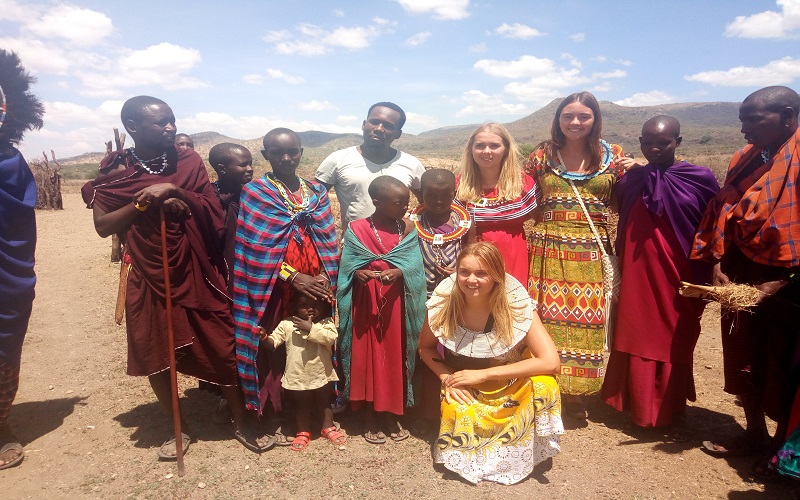
Tanzania is a culturally diverse country with many indigenous tribes, such as the Maasai. When visiting local villages, always be respectful of local customs and ask permission before taking photos. Modest dress is encouraged when visiting villages or cultural sites.
A safari in Tanzania is a once-in-a-lifetime opportunity to experience the raw beauty of Africa’s wilderness and see wildlife in its most natural setting. With proper planning,
A safari in Tanzania is an adventure that requires careful planning, but with the right preparation, it will be an unforgettable experience. From choosing the best time to visit, packing the right gear, ensuring your health is taken care of, and respecting the local culture, every detail counts in making your safari successful.
By booking with a trusted operator like Rede Tours and Safaris, you'll benefit from expert guidance, logistical support, and an unforgettable experience. Whether you're a first-time traveler or a seasoned explorer, Tanzania offers something for everyone its rich wildlife, incredible landscapes, and unique culture await you.