Cultural Aspects of Mikumi National Park
Introduction
When people visit Mikumi National Park, they often focus on wildlife like lions, elephants, and giraffes. However, there is another side of the experience that is just as special, the local culture. Around Mikumi, you will find welcoming communities, rich traditions, and everyday lifestyles that help you understand Tanzania beyond the safari. You can meet local people, learn how they live, and take part in simple daily activities. This guide will show you easy and practical ways to experience the cultural side of Mikumi and make your trip more meaningful and memorable.
Why Cultural Experiences Matter on a Safari?
A safari is not only about animals; it is also about people and their way of life. When you explore local culture, you learn how communities live close to wildlife and how they share the land with animals. You also support local families by buying handmade products or joining community tours. This helps improve their lives and keeps traditions alive. Cultural experiences also give you a deeper understanding of Tanzania, including its history, traditions, and daily life. In the end, your trip becomes more personal, meaningful, and unforgettable because you connect with both nature and people.
How to Experience the Cultural Aspects of Mikumi National Park?
1. Visit Local Villages Near Mikumi
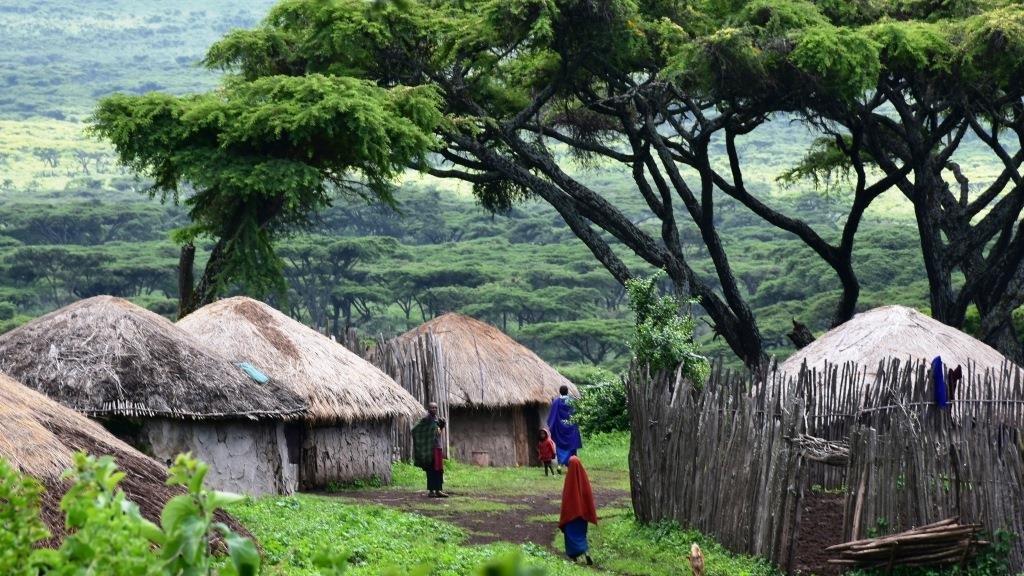
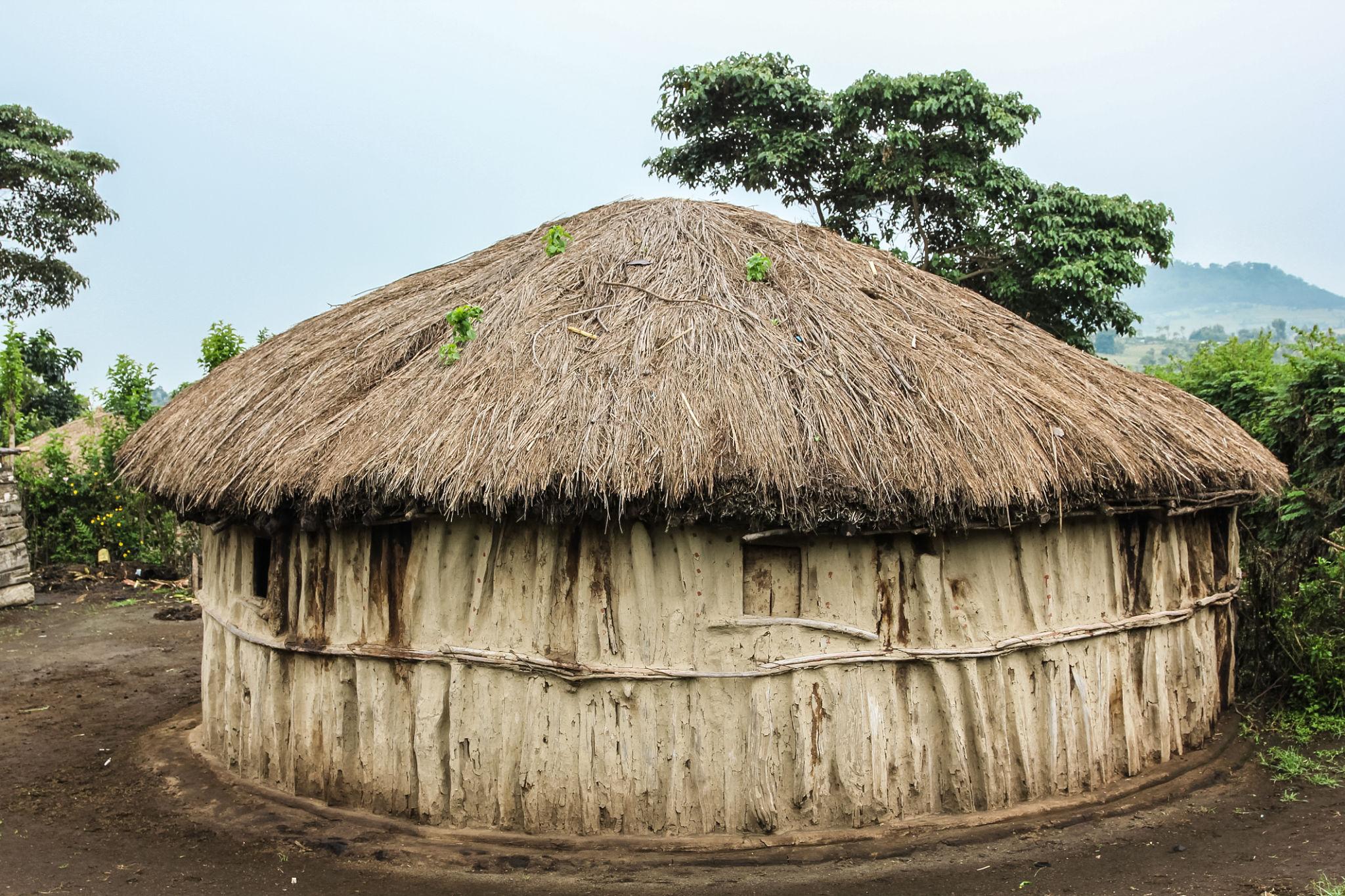
One of the best ways to experience culture is by visiting villages around Mikumi. These visits are usually guided so that everything is done in a respectful and organized way. During your visit, you can see how traditional houses are built using natural materials like mud, wood, and grass. You may watch women cooking local meals, children playing, and farmers working on their land. You can also talk to local families and hear their stories about daily life, education, and challenges. Some visits allow you to take part in simple activities like cooking, farming, or carrying water. Many villages near Mikumi are home to groups like the Maasai and other local tribes, each with their own traditions. Visiting these villages helps you understand real life in rural Tanzania.
2. Experience Maasai Culture
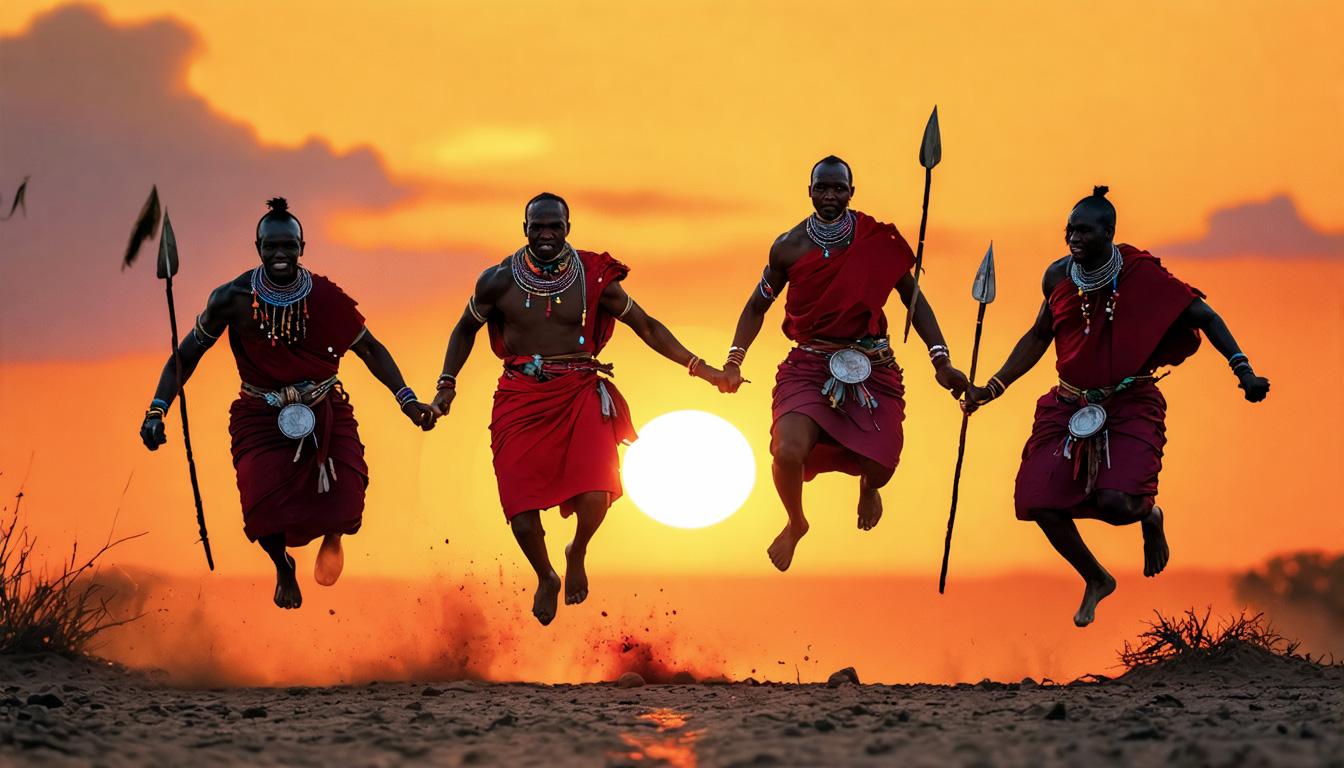
The Maasai people are one of the most well-known tribes in Tanzania, and visiting them is a unique cultural experience. When you visit a Maasai village, you may be welcomed with singing and traditional dances such as the famous jumping dance. You will see their bright red clothing and beautiful handmade beadwork, which often has special meanings. The Maasai mainly depend on cattle for their livelihood, so you will learn how they take care of their animals and move from place to place. You may also visit their traditional homes, called bomas, and learn how they are built. Guides will explain their customs, beliefs, and way of life in simple terms. This experience helps you understand how they have kept their traditions strong for many years.
3. Explore Local Markets in Morogoro
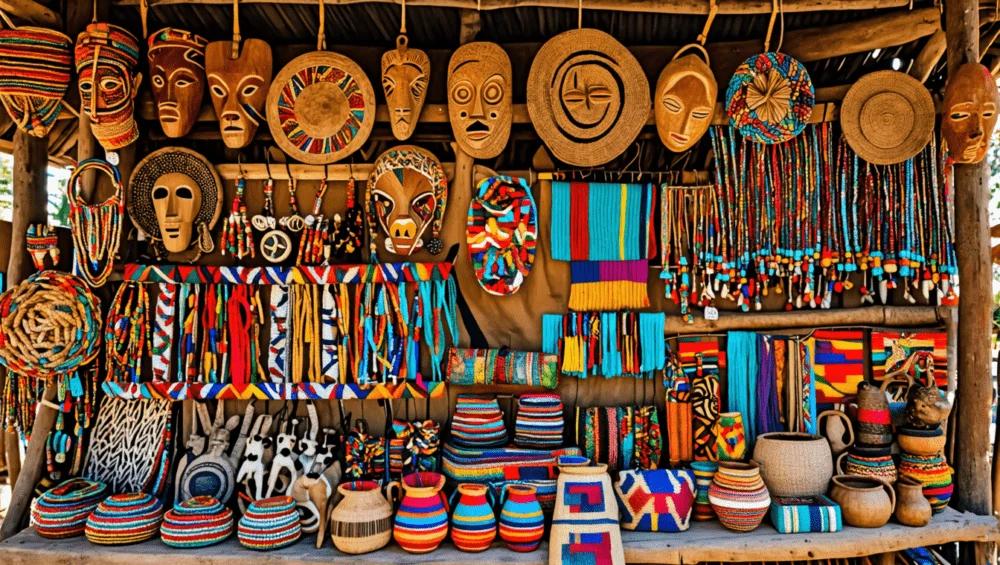
A short trip from Mikumi takes you to Morogoro, where you can explore busy and colorful local markets. These markets are full of life and show you how people shop and do business every day. You will see a wide variety of fresh fruits and vegetables, spices, grains, and local snacks. You can also find handmade items like baskets, fabrics, and carvings that make great souvenirs. Walking through the market allows you to hear local languages, see different traditions, and interact with friendly vendors. You can even try bargaining, which is a common part of shopping in Tanzania. Visiting a market is a simple but powerful way to experience local culture.
4. Try Traditional Tanzanian Food
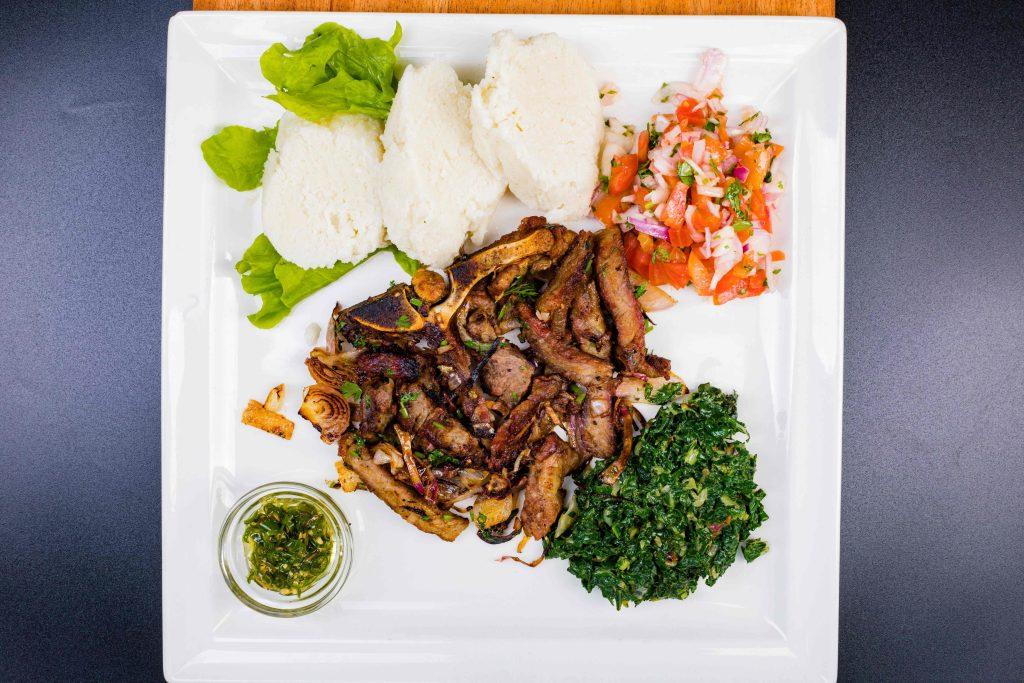
Food is an important part of culture, and trying local dishes helps you understand the lifestyle of the people. While visiting Mikumi, you can enjoy meals like Ugali, which is a thick maize dish eaten with vegetables, meat, or fish. You can also try Nyama Choma, which is grilled meat often served with vegetables or salad, and Pilau, a tasty rice dish cooked with spices. Other common foods include chapati, beans, bananas, and tea. In some places, you can join cooking sessions where locals show you how to prepare these meals step by step. This makes the experience more interactive and enjoyable.
5. Join Cultural Tours and Community Projects
Many tour operators around Mikumi offer cultural tours that are planned together with local communities. These tours are designed to give visitors a real and respectful experience. You may visit local schools, health centers, or community groups and learn how they work. Some tours allow you to learn traditional skills such as weaving, bead-making, or farming. You might also help in small activities like planting crops or preparing food. By joining these tours, you are directly supporting the community because part of the money goes to local projects. This makes your visit more meaningful and helps create a positive impact.
6. Watch Traditional Music and Dance
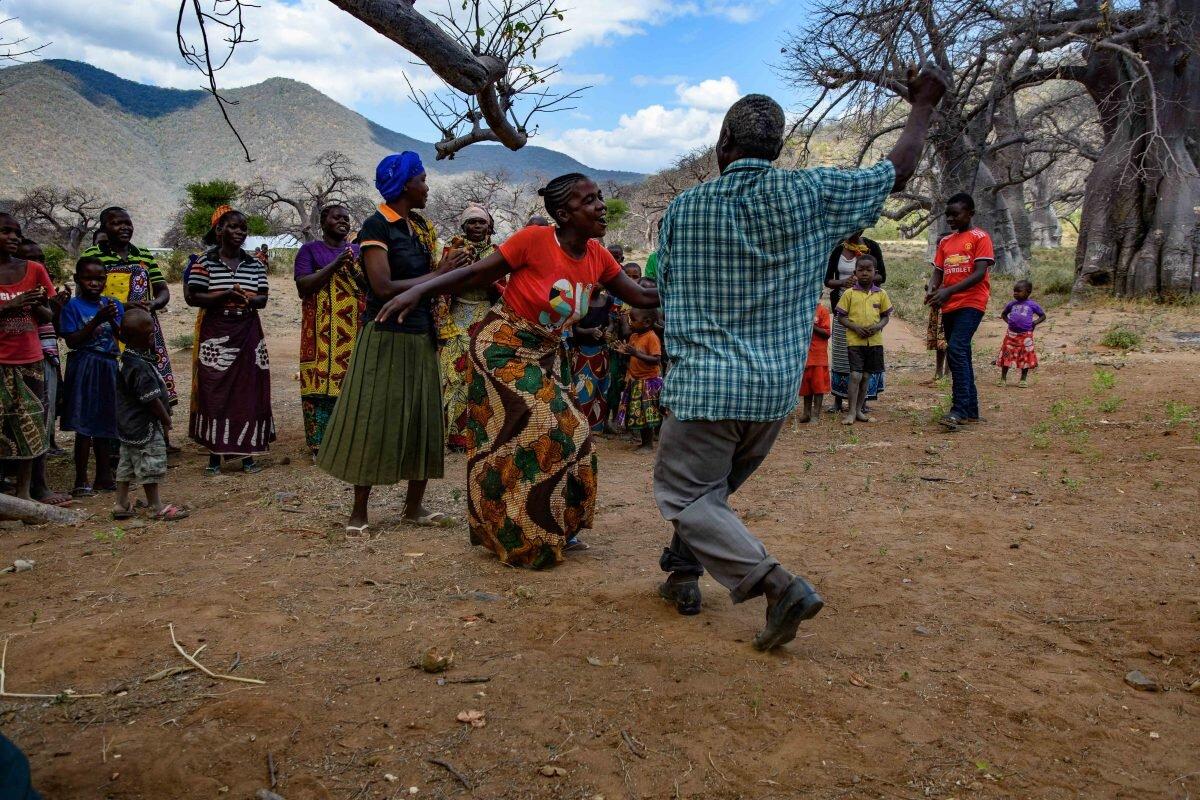
Music and dance are an important part of Tanzanian culture and are often used to celebrate events and tell stories. In villages near Mikumi, you may have the chance to watch traditional performances that include drumming, singing, and dancing. The rhythms are strong and energetic, and the dances often involve groups of people moving together. Some performances may invite visitors to join, making it a fun and interactive experience. These moments help you feel the energy and spirit of the community while learning about their traditions.
7. Learn Basic Swahili Words
Language is an important part of culture, and learning a few Swahili words can make your experience more enjoyable. Simple words like “Jambo” (hello), “Asante” (thank you), “Karibu” (welcome), and “Habari” (how are you) can help you communicate with locals. Even if you only know a few words, people will appreciate your effort and respond warmly. It can also help you feel more connected and comfortable during your visit. Learning the language, even at a basic level, adds a personal touch to your cultural experience.
8. Visit Nearby Cultural and Nature Attractions
You can also make your trip more interesting by visiting nearby places that offer both culture and nature. One of the best places to visit is Udzungwa Mountains National Park. Here, you can go on guided hikes through forests and mountains while learning about the environment. Along the way, you may visit nearby villages where people live and farm. Local guides can explain how communities use natural resources and protect the environment. This combination of culture and nature gives you a deeper and more complete travel experience.
9. Respect Local Culture and Traditions
When visiting local communities, it is very important to show respect. You should always ask for permission before taking photos of people or their homes. Dressing modestly is also important, especially in rural areas. Listening to your guide and following their advice will help you avoid mistakes. It is also good to support local businesses by buying handmade products or using local services. Being polite, friendly, and open-minded will create a positive experience for both you and the people you meet. Respect helps build trust and ensures that cultural tourism remains beneficial for everyone.
Best Time to Experience Culture Around Mikumi
Cultural experiences around Mikumi can be enjoyed at any time of the year, but each season offers something different. During the dry season from June to October, travel is easier because roads are in better condition, and more visitors come to the area. This means more organized tours are available. During the green season from November to May, the landscape is lush and beautiful, and there are fewer tourists. This allows for more relaxed and personal interactions with local communities. Both seasons are good, so the best time depends on your travel preferences.
Frequently Asked Questions (FAQs)
1. Can I visit local villages near Mikumi National Park without a guide?
It is possible to visit villages on your own, but it is not recommended, especially if it is your first time. A local guide helps you communicate with people, especially if there is a language barrier. They also explain cultural practices so you do not accidentally offend anyone. Guides know which villages welcome visitors and how visits should be done in a respectful way. They can also arrange activities and introduce you to local families. Without a guide, you may feel lost or unsure of what to do, so having one makes your experience smoother and more meaningful.
2. Is it safe to interact with local communities?
Yes, it is generally safe to interact with local communities around Mikumi. People are friendly, welcoming, and often happy to share their culture with visitors. However, it is important to follow simple safety rules such as staying with your guide, respecting local customs, and avoiding wandering alone in unfamiliar areas. Always be polite, ask questions in a respectful way, and listen carefully. When you behave well, you will feel comfortable and enjoy positive interactions with local people.
3. Do I need to pay for cultural visits?
Yes, most cultural visits or village tours require a small fee. This fee is important because it supports the local community directly. The money is often used for village development, such as improving schools, healthcare, or community projects. In some cases, it also supports the families who host visitors. Paying this fee shows respect for the community’s time and effort. It also helps keep cultural tourism sustainable so that future visitors can enjoy the same experiences.
4. What should I wear when visiting villages?
When visiting villages, it is best to dress modestly and respectfully. This means avoiding very short clothes, tight outfits, or clothing that shows too much skin. Instead, wear comfortable clothes like long pants, skirts, or shirts that cover your shoulders. Light and loose clothing is also good because of the warm weather. Dressing appropriately shows respect for local traditions and helps you feel more comfortable when interacting with the community.
5. Can I take photos during cultural visits?
Yes, you can take photos, but you must always ask for permission first, especially when photographing people. Some individuals or communities may not feel comfortable being photographed, and it is important to respect their wishes. Your guide can help you know when it is appropriate to take pictures. In some cases, there may be a small fee for photography. Being polite and respectful when taking photos will create a better experience for everyone.
6. How long should I spend on cultural activities?
The amount of time you spend depends on your travel plan and interests. You can spend just a few hours visiting a village, exploring a market, or watching a cultural performance. However, if you want a deeper experience, you can choose a full-day or even multi-day cultural tour. Spending more time allows you to interact more with people, learn new skills, and understand daily life better. Even a short visit can still be meaningful if you are open and engaged.
7. Are cultural tours suitable for families and children?
Yes, cultural tours are very suitable for families and children. These experiences are educational and fun at the same time. Children can learn about different ways of life, see how other kids live, and take part in simple activities. They may enjoy dancing, storytelling, or trying local food. Cultural tours also help children become more open-minded and respectful of different cultures. It is a great way for families to learn and bond together during travel.
8. Can I combine cultural experiences with a safari?
Yes, many tours around Mikumi combine wildlife safaris with cultural experiences. This is a great way to enjoy the best of both worlds. You can spend part of your day or trip watching animals in the park and another part visiting villages or markets. Some safari packages already include cultural visits, while others allow you to add them easily. Combining both experiences gives you a more complete understanding of Tanzania, including its nature and its people.
⇒Experiencing the cultural side of Mikumi National Park makes your safari more than just wildlife viewing. It allows you to connect with people, traditions, and everyday life in Tanzania. By visiting villages, trying local food, exploring markets, and learning from communities, you gain a deeper understanding of the country. You also create meaningful memories and support local people. A safari that includes culture is not just a trip, it is a complete and unforgettable experience.
Contact for Booking
📧 Email: info@redetoursandsafaris.com
📱 WhatsApp: +255 676 063 791