How to Climb Mount Kilimanjaro: A Complete Beginner's Guide
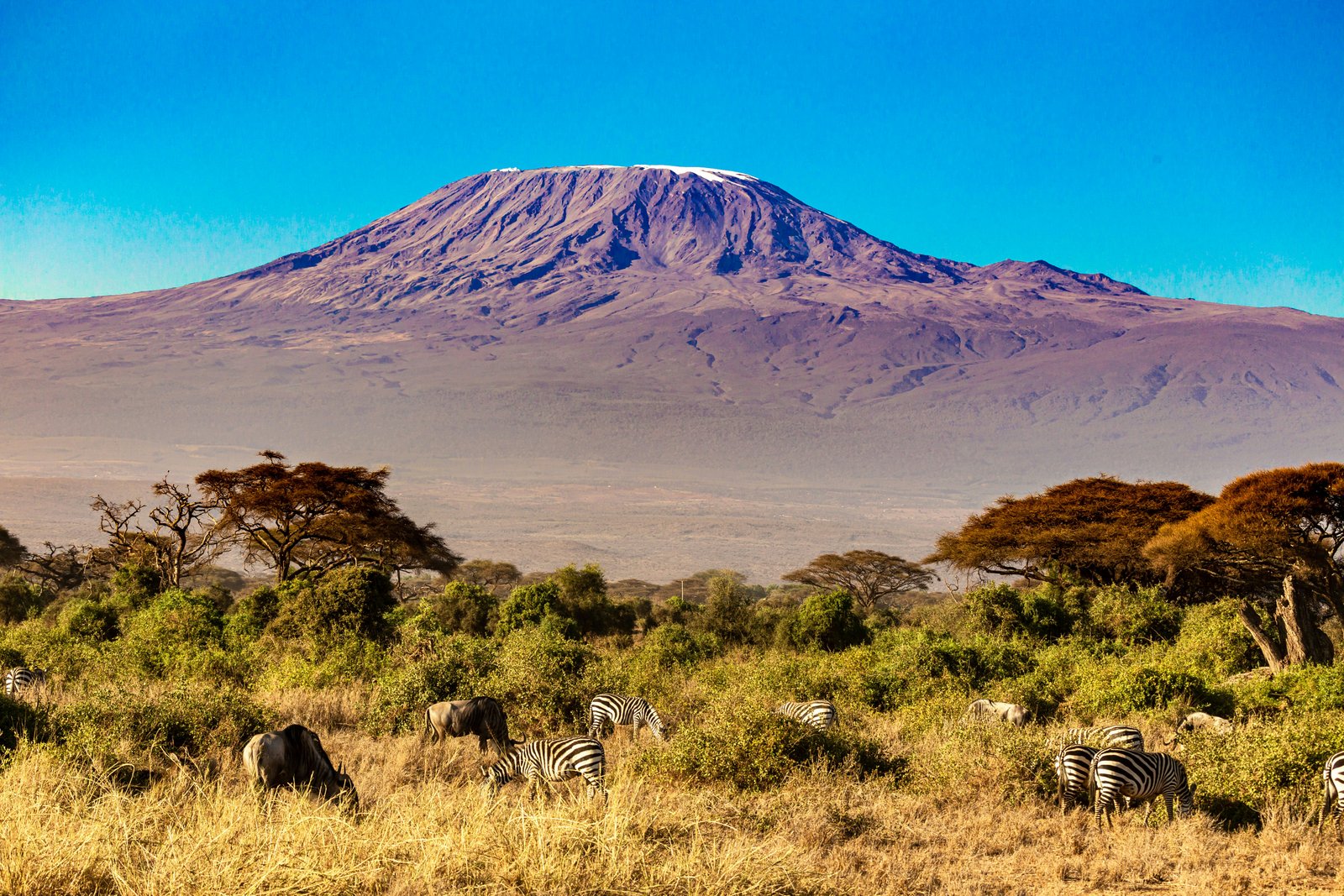
Climbing Mount Kilimanjaro is one of the world's most accessible high-altitude adventures. At5,895 meters (19,341 feet), it's the highest mountain in Africa and the tallest free-standing mountain on Earth. Unlike many peaks of similar height, you don't need technical climbing skills or ropes, but you do need good preparation, fitness, and respect for the altitude.
WithRedeTours and Safaris, you can count on professional guides to guide you climb Mount Kilimanjaro with a full guaranteed supporting team for an excellent chance of standing on the Roof of Africa. In this complete beginner’s guide byRede Tours and Safaris, you will be able to find what is actually needed before climbing Mount Kilimanjaro, including, the routes, essential gear, fitness, the best time to climb as well as the reason to climb withRede Tours and Safarisprofessional guides. You can explore ourBest Kilimanjaro climbing packages 2026/2027.
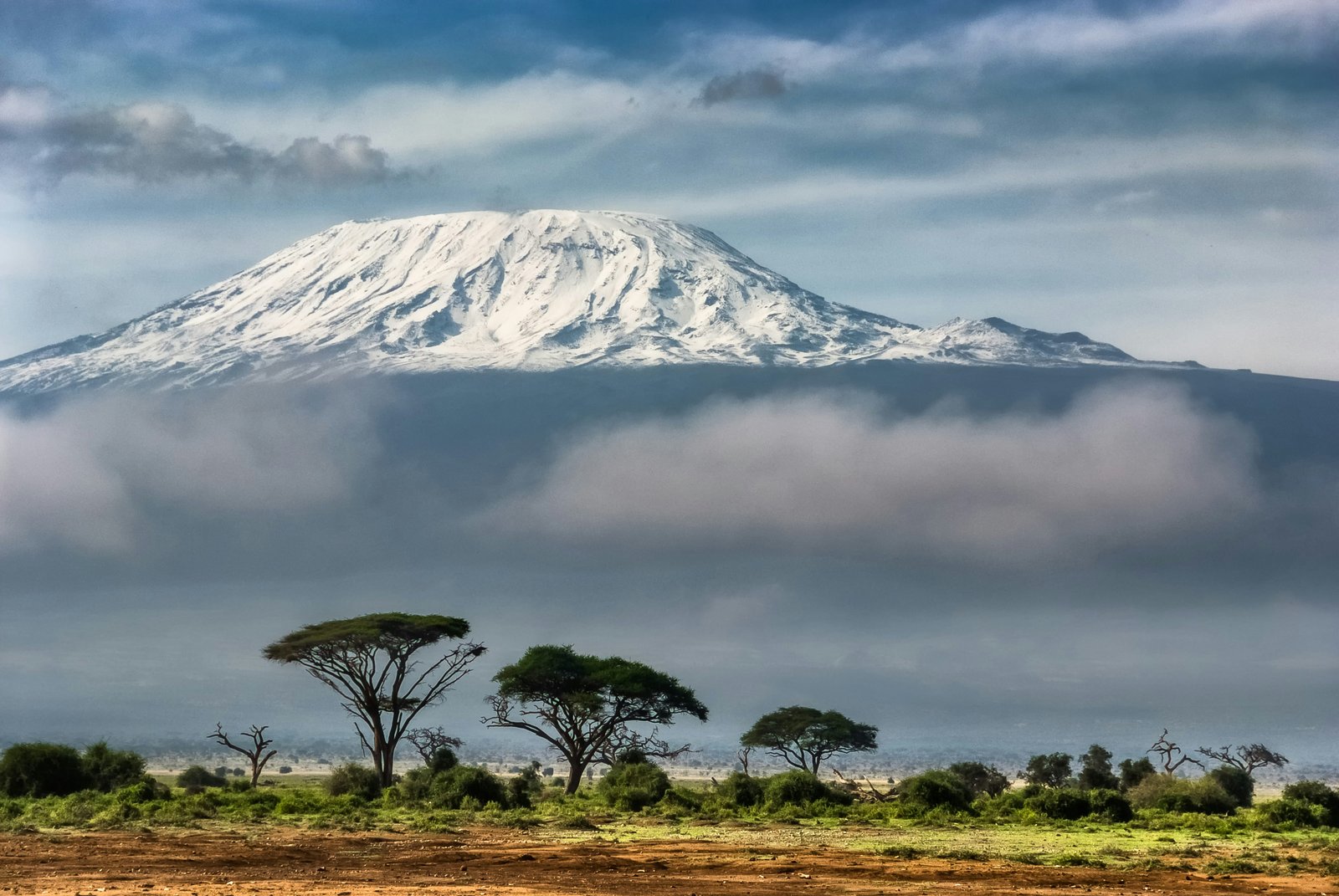
Where is Mount Kilimanjaro?
Kilimanjaro is located in the northeast of Tanzania, near the Kenyan border. It lies around 140 kilometers south of Nairobi (the Kenyan capital), and 500 kilometers northeast of Dodoma, Tanzania's capital.
Getting to Mount Kilimanjaro.
To get to Kilimanjaro you need to fly to Kilimanjaro International Airport (JRO), in the Hai District of Tanzania. There are several direct flights from Europe (from Amsterdam, Brussels and Zurich) to JRO, as well as from the Middle East (Doha, Istanbul). Otherwise, you'll need to fly via another African destination first, Dar es Salaam, Addis Ababa and Nairobi are your best bet.
Can Beginners Climb Kilimanjaro?
Yes. Thousands of first-time trekkers reach the summit every year. The biggest challenge isaltitude, not steep climbing. Most healthy people who prepare properly and choose an appropriate route have a good chance of success. If you have the desire and put in the effort, climbing Kilimanjaro is possible for a beginner hiker. You can do it if you plan smartly and use the right support team.Rede Tours and Safarisare ready to support you to make the climbing of Mount Kilimanjaro possible.
Why Beginners Trust Rede Tours and Safaris?
Beginners trustRede Tours and Safarisfor a Mount Kilimanjaro climb because of certified guides, custom beginner routes, and high safety standards. Prices range from $1,200 for budget options to $5,000 for luxury packages.
Choose the Right Kilimanjaro Route
For beginners, it is important to choose a route with enough time for acclimatization. This is because the longer routes are suitable to give your body more time to adjust to altitude.
These are the popular beginner-friendly routes:
·
·
·
Choosing the Right Route
Route | Days | Difficulty | Success Rate | Best For |
Marangu | 5–6 | Moderate | Lower | Hut accommodation |
Machame | 6–7 | Moderate | High | First-time climbers |
Lemosho | 7–8 | Moderate | Very High | Best acclimatization |
Rongai | 6–7 | Moderate | Good | Quieter experience |
Northern Circuit | 8–9 | Moderate | Highest | Maximum acclimatization |
WithRede Tours and Safaris, we help you select the best route depending on your fitness level, available time, and summit goals.
Best Time to Climb Mount Kilimanjaro
The most popular climbing seasons are:
- January to March:Cooler temperatures, fewer crowds, occasional snow near the summit.
- June to October:Dry weather, clear skies, busiest season.
The rainy seasons are typically:
- April to May:Heavy rain.
- November:Short rains.
How Fit Do You Need to Be?
You don't need to be an athlete, but you should be able to:
- Hike for 6–8 hours per day
- Walk uphill carrying a light daypack
- Recover well after consecutive hiking days
A 2–3-month training plan should include:
- Hiking
- Stair climbing
- Cardio (walking, running, cycling)
- Strength training for legs and core
Essentials to pack for Kilimanjaro adventure
Essential Gear includes:
- Waterproof hiking boots
- Warm down jacket
- Waterproof shell jacket and pants
- Thermal base layers
- Fleece mid-layer
- Warm hat and gloves
- Trekking poles
- Sleeping bag rated for below freezing
- Headlamp
- Sunglasses
- Sunscreen
- Water bottles or hydration bladder
- Personal medications
Understanding Altitude Sickness
Above 2,500 meters, the air contains less oxygen. Common symptoms of altitude sickness include:
- Headache
- Nausea
- Fatigue
- Poor sleep
- Dizziness
In order to reduce risk of altitude sickness, consider the following:
- Walk slowly ("pole pole" in Swahili)
- Drink 3–4 liters of water daily
- Eat enough calories
- Don't ignore symptoms
- Choose a longer itinerary for better acclimatization
Your guides should monitor your health throughout the trek.
Typical Daily Schedule
A normal climbing day often looks like:
- 6:30 AM:Wake up
- 7:30 AM:Breakfast
- 8:30 AM:Begin hiking
- 12:30 PM:Lunch
- 3:00–5:00 PM:Reach camp
- 6:30 PM:Dinner
- 8:00 PM:Sleep
Summit day usually starts around midnight and lasts 10–15 hours.
How Much Does It Cost to Climb Mount Kilimanjaro?
The climbing cost depends on the route you choose, number of days, group size, accommodation and the season you choose to climb Mount Kilimanjaro.
Most guided climbs cost approximately:
- Budget:$1,500–$2,000
- Mid-range:$2,000–$3,500
- Luxury:$3,500–$6,000+
Prices usually include:
- Park fees
- Guides
- Porters
- Cook
- Meals
- Camping equipment
- Transfers
Flights, visas, tips, travel insurance, and personal gear are usually extra.
Why You Need a Guide from Rede Tours and Safaris?
Tanzanian regulations require climbers to use a licensed guide on Kilimanjaro andRede Toursand Safarisis the best tour operator in Tanzania with licensed guides to help you climb Mount Kilimanjaro. Guides help you with:
- Navigation
- Safety
- Health monitoring
- Camps and logistics
- Emergency response
Summit Day
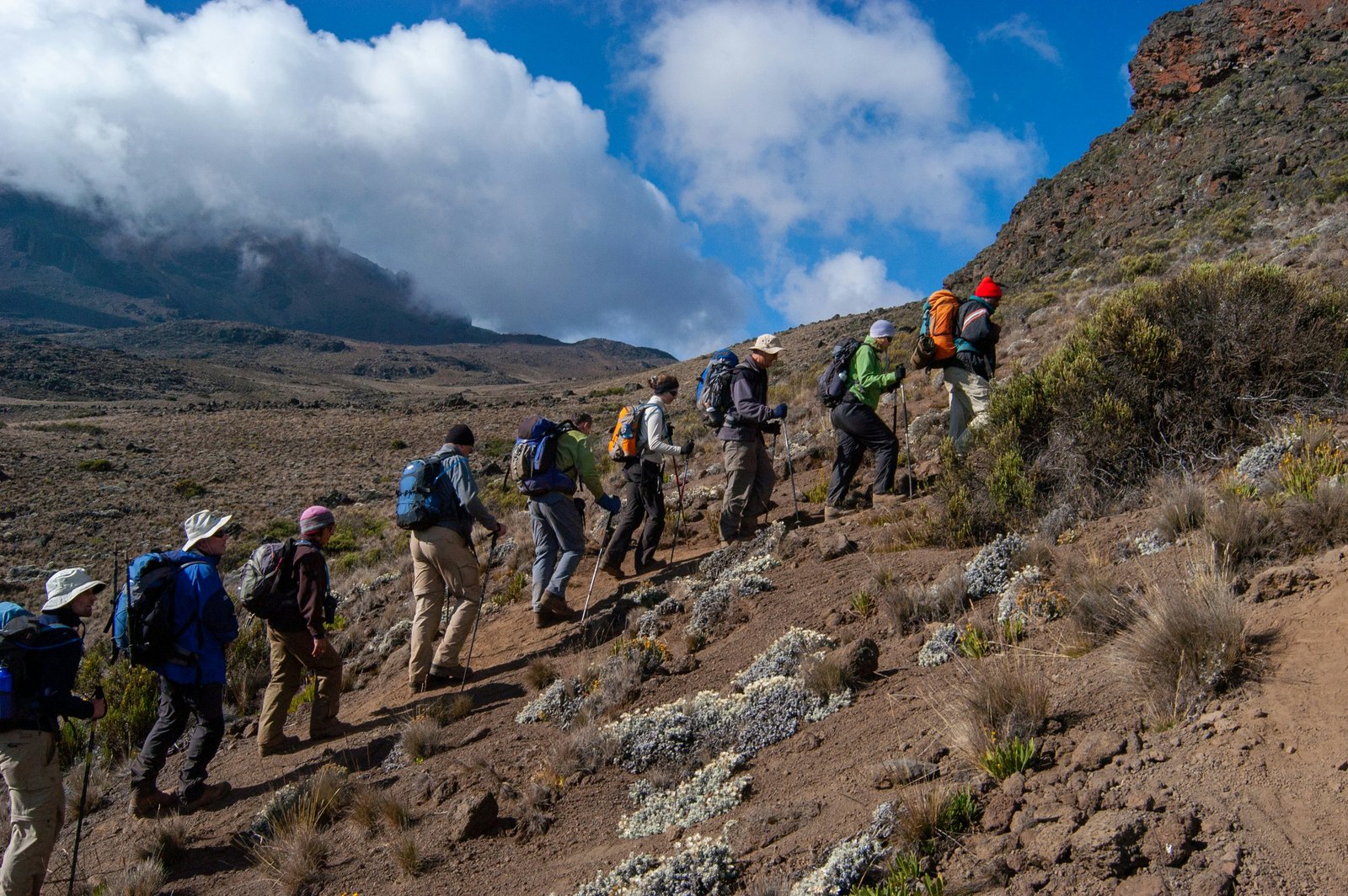
Most climbers begin the summit push around midnight to reach the top at sunrise.
The final ascent is:
- Slow
- Cold (often below freezing)
- Windy
- Physically demanding
After reaching the summit atUhuru Peak, you'll descend several hours to a lower camp for the night.
Beginners Tips for Success
For a comfortable and successful Kilimanjaro trek for the beginners, here are some important tips to keep in mind:
- Choose a 7- or 8-day itinerary if possible.
- Hike slowly to improve acclimatization.
- Stay hydrated.
- Pack layers for changing temperatures.
- Listen to your guides.
- Get plenty of rest before the climb.
- Maintain a positive attitude, mental resilience is just as important as physical fitness.
Is It Worth It?
For many travelers, climbing Kilimanjaro is a once-in-a-lifetime experience. Over the course of the trek, you'll pass through rainforest, moorland, alpine desert, and an arctic summit zone, all on a single mountain. With proper preparation, a realistic pace, and a well-planned route, even beginners can have an excellent chance of standing on Africa's highest peak.Rede Tours and Safariscan help you plan your Kilimanjaro adventure with experienced guides and customized routes to increase your chances of reaching the summit. Reaching the summit of Mount Kilimanjaro is not only about strength, it is about preparation, patience, and the right support team.Rede Tours and Safaris, is the right support team ever!
Conclusion
Your Kilimanjaro journey is not only about reaching the summit, it is about enjoying the landscapes, culture, and achievement along the way. WithRede Tours and Safaris, you will get experienced local mountain guides, proper planning and route selection, support from porters and mountain crew, safety-focused trekking approach and a memorable Tanzanian adventure. Ready to stand on the Roof of Africa? LetRede Tours and Safarisguide you from the first step to Uhuru Peak.
Frequently Asked Questions (FAQs)
Is climbing Mount Kilimanjaro suitable for beginners?
Definitely. The climbing of Mount Kilimanjaro is very suitable for beginners with good physical fitness as well as a nice preparation.
What are the best recommended routes for the beginners?
The Lemosho and Machame routes are the best recommended routes for the first-time climbers because these routes offer excellent acclimatization and higher summit success level.
How many days does it take to climb Mount Kilimanjaro?
It depends with the chosen route, but for most trekkers it takes 5-8 days. The longer routes provide excellent acclimatization and increase the chance to reach the summit.
How much does it cost to climb Mount Kilimanjaro?
A guided Kilimanjaro trek typically costs between US$1,800 and US$4,500 per person, depending on the route, trip duration, group size, and level of service.
What is the best time to climb to the Roof of Africa?
The best times are January to March and June to October, when the weather is generally dry, visibility is excellent, and trekking conditions are favorite.
Ready to experience this Mount Kilimanjaro climbing with Rede Tours and Safaris? Let Rede Tours and Safaris take you through the trek.
AtRede Tours and Safaris, we are passionate about creating unforgettable experiences. Let us help you discover the magic of climbing Mount Kilimanjaro. Book early with us for your dream Mount Kilimanjaro trek adventure;
Contact Rede Tours and Safaris for a personalized quotation.Top of Form
Rede Tours and Safaris (Amore African Safari)
📧 Email:redetours2005@gmail.com
📱 WhatsApp: +255 676 063 791
🌐 Website:www.redetoursandsafaris.com