Step-by-Step Guide to Plan the Perfect Safari Adventure
Booking a safari in Kenya is one of the most exciting experiences any traveler can have. Kenya is famous for its vast savannahs, incredible wildlife, and welcoming people. From seeing lions and leopards in the Masai Mara to spotting elephants under Mount Kilimanjaro in Amboseli, a Kenyan safari is a journey you’ll never forget.
Planning a safari can feel overwhelming, especially if it’s your first time. This step-by-step guide explains everything you need to know to book a safari in Kenya, including choosing the best time to visit, selecting the right parks, picking a safari style, and finding a trusted safari company.
Why Choose Kenya for a Safari in 2026–2027?
Before planning your trip, it’s important to understand why Kenya stands out as a safari destination. From vast savannahs and dramatic landscapes to rich wildlife diversity and vibrant cultures, Kenya offers experiences that are hard to find anywhere else in the world.
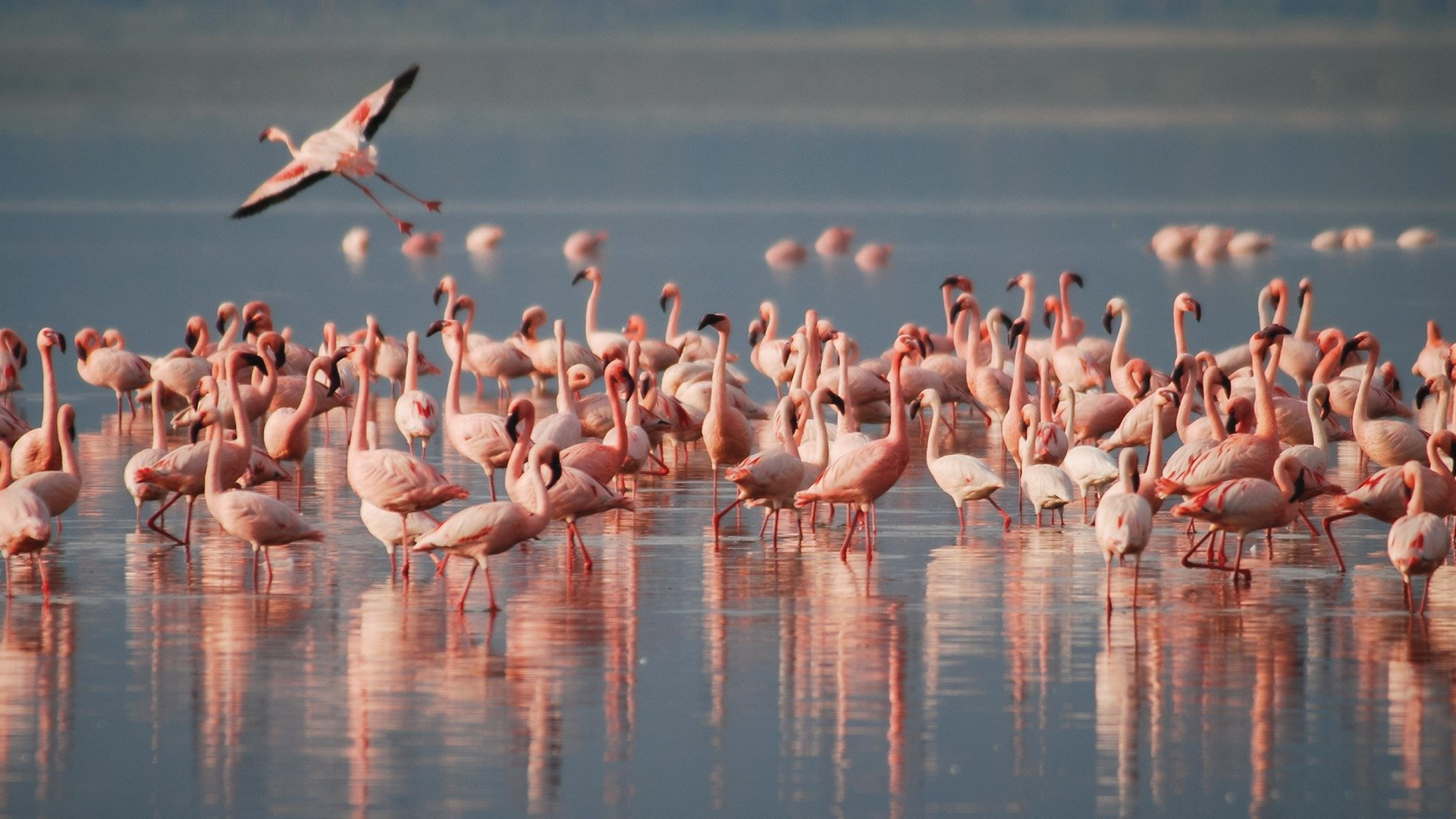
Kenya boasts world-famous national parks such as Masai Mara, Amboseli, Lake Nakuru, Samburu, and Tsavo East & West, each offering unique landscapes, wildlife, and experiences. The Masai Mara is renowned for the Great Wildebeest Migration, where millions of wildebeest, zebras, and gazelles traverse the plains, a wildlife spectacle that is truly awe-inspiring. Amboseli National Park features huge elephant herds and spectacular views of Mount Kilimanjaro. Lake Nakuru is home to flamingos and rhinos, while Samburuoffers rare species like Grevy’s zebra and gerenuks.
Beyond wildlife, Kenya provides rich cultural experiences. You can meet Maasai communities, learn about their traditions, and explore friendly towns and villages. For travelers seeking a combination of adventure and relaxation, combining a safari with a stay on Kenya’s beautiful coastsuch as Diani, Watamu, or Lamuis a perfect option.
Safari Booking Steps Outline
Here is a quick overview of the steps you will follow to plan and book your Kenya safari:
1. Choose the Best Time to Visit Kenya – Pick the ideal season for wildlife viewing and experiences.
2. Decide Which National Parks to Visit – Select parks based on wildlife, scenery, and your interests.
3. Choose Your Safari Style and Budget – Decide between budget camping, mid-range lodges, or luxury safaris.
4. Select a Reliable Safari Company – Choose a licensed, experienced operator for a safe and smooth safari.
5. Plan Your Safari Itinerary – Map out your daily route, parks, and activities for maximum enjoyment.
6. Confirm Your Booking and Payment – Secure your safari with deposits, confirmations, and optional domestic flights.
7. Prepare for Your Safari – Check visas, vaccinations, packing, and other travel essentials.
8. Extend Your Safari to the Kenyan Coast – Optional beach extension for relaxation after your wildlife adventure.
Step 1: Choose the Best Time to Visit Kenya
The timing of your safari greatly influences the wildlife you’ll see, the landscapes you’ll experience, and the overall enjoyment of your trip. Kenya has distinct seasons, each offering unique advantages.
· June to October (Dry Season): This is considered the prime safari season. During these months, the weather is mostly sunny with cooler mornings and evenings. Animals gather around water sources, making it much easier to spot elephants, lions, giraffes, and other wildlife. This is also the peak season for the Great WildebeestMigration in Masai Mara, where millions of wildebeest, zebras, and gazelles cross the Mara River, an unforgettable sight. Lodges and camps are in high demand during this period, so early booking is highly recommended.
· December to March (Green Season): Also known as the short rains season, the landscapes are lush and vibrant. This is an excellent time for birdwatching, as migratory species are abundant, and for seeing young wildlife, as many animals give birth during this period. The parks are less crowded, providing a more peaceful safari experience. While some days may see light rain, it usually occurs in short bursts and rarely disrupts game drives.
· April to May (Long Rains): This is the quietest season with fewer tourists, making it perfect for travelers looking for solitude and lower prices. The countryside turns green, rivers swell, and waterfalls are at their most impressive. Roads in some parks may become muddy or slippery, which can affect accessibility to certain areas, but this also means fewer vehicles on the tracks and a more intimate experience with nature.
If your goal is to witness the Great Migration or have the best chance of spotting the Big Five, plan your trip for the dry season and book at least six months in advance, as accommodations and safari operators fill quickly. For those seeking lush landscapes, birdwatching, and fewer crowds, the green season is ideal.
Step 2: Decide Which National Parks to Visit
Kenya offers a wide range of national parks and reserves, each with unique wildlife, landscapes, and experiences. Choosing the right parks depends on your interests, the time you have available, and your budget. Here’s a detailed guide to help you decide:
Northern Circuit – Classic Safari for First-Timers
The Northern Circuit is the most popular route and perfect for first-time safari travelers. It combines Kenya’s most famous parks and offers a chance to see the Big Five and other wildlife up close.
· Masai Mara National Reserve: Known globally for the Great WildebeestMigration, the Masai Mara is home to lions, cheetahs, leopards, elephants, and more. The park is divided into three regions:
o Central Mara: Excellent for year-round wildlife viewing.
o Northern Mara: Best from July to October for witnessing the dramatic river crossings.
o Southern Mara: Ideal during the calving season (December–March) when newborn wildebeests attract predators, offering intense wildlife action.
· Amboseli National Park: Famous for its huge elephant herds and the stunning backdrop of Mount Kilimanjaro, Amboseli provides incredible photography opportunities. Early morning and late afternoon game drives offer the best lighting and animal sightings.
· Lake Nakuru National Park: A smaller park but packed with highlights, including millions of flamingos that color the lake pink and a healthy population of rhinos. Lake Nakuru also has baboons, giraffes, and over 400 species of birds, making it a paradise for birdwatchers.
· Samburu National Reserve: Located in northern Kenya, Samburu is home to unique wildlife species found only in this region, such as Grevy’s zebra, oryx, reticulated giraffe, and gerenuk. The semi-arid landscape and riverine forests offer a different safari experience from the southern parks.
Southern Circuit – Remote Safari Adventures
For travelers seeking quiet, less crowded parks, the Southern Circuit is ideal:
· Tsavo East & West National Parks: Together, these are among Kenya’s largest parks, featuring rugged wilderness, scenic landscapes, waterfalls, and abundant wildlife. Tsavo East is famous for its red-dust elephants, while Tsavo West has the Mzima Springs, lava flows, and scenic escarpments. This circuit offers a sense of adventure for those wanting to explore untouched landscapes.
Optional Beach Extensions
After your safari, you can extend your trip to the Kenyan coast for relaxation and water activities. Popular destinations include:
· Diani Beach: White sandy beaches and turquoise waters, perfect for swimming, snorkeling, or diving.
· Watamu: A quieter beach with coral reefs and marine reserves.
· Lamu: Rich in culture, history, and Swahili architecture, ideal for a mix of beach and heritage experiences.
T Combining a safari with a beach stay gives you the perfect balance of adventure, wildlife viewing, and relaxation.
Step 3: Choose Your Safari Style and Budget
Kenya offers safari options to suit every type of traveler, depending on your comfort preferences, travel goals, and adventure level.
Budget Camping Safari: This style is perfect for travelers seeking adventure and an authentic connection with nature. You will sleep in tents, share vehicles with fellow travelers, and enjoy freshly prepared meals around a campfire. Budget camping allows you to experience wildlife up close and immerse yourself in the sights and sounds of the African bush. The cost for a budget camping safari typically ranges from $350 per person perday, which usually includes park fees, accommodations in tents, meals, and game drives. This option is ideal for solo travelers, students, or those on a tighter budget who want a genuine safari experience.
Mid-Range Lodge Safari: For those who want comfort but still enjoy a classic safari adventure, mid-range lodge safaris offer cozy lodges or tented camps with private bathrooms and semi-private vehicles for game drives. Meals are included, and the lodges are often located in scenic areas with good access to wildlife. Costs generally range from $400 per person per day, covering accommodations, meals, park fees, and game drives. This option is popular with couples, families, and small groups who want a balance of comfort, convenience, and authentic wildlife encounters.
Luxury Safari: Luxury safaris are designed for travelers seeking exclusivity, privacy, and top-tier service. You will stay in high-end lodges or luxury tented camps, enjoy private gamedrives, gourmet meals, and personalized attention from experienced guides. These safaris provide the ultimate combination of comfort, relaxation, and adventure, often including additional experiences such as spa services, hot air balloon rides, or sunset dinners overlooking the savannah. Luxury safaris typically cost $600 per person per day, with park fees, accommodations, meals, and game drives included. This style is ideal for honeymooners, special occasions, or anyone who prefers premium service and a highly personalized safari experience.
In the While most safaris include park fees, accommodations, meals, and game drives, flights, visas, personal expenses, and tips are usually not included. Choosing the right safari style ensures your trip aligns with your comfort level, budget, and the type of wildlife adventure you want to experience in Kenya.
Step 4: Select a Reliable Safari Company
Choosing a trusted safari operator is one of the most important steps in planning your Kenyan safari. A reliable company ensures that your trip is safe, smooth, and enjoyable, and that you get the best possible wildlife experiences without stress.
When selecting a safari company, look for licensed operators with experienced localguides. Local guides have extensive knowledge of Kenya’s national parks, wildlife behavior, and hidden spots that most visitors miss. Their expertise makes a huge difference in spotting animals, understanding their habits, and ensuring your safety.
Check online reviews on platforms like TripAdvisor or Googleto see what previous travelers say. Pay attention to feedback on guide knowledge, vehicle comfort, accommodations, and overall experience. Reviews often provide honest insights into what you can expect during your safari.
Make sure the operator provides transparent pricing. A good company will clearly outline what is includedsuch as park fees, accommodations, meals, and transportand what is not, such as flights, visas, personal expenses, or tips. Transparency avoids surprises and helps you plan your budget effectively.
Communication is key. A reputable safari company will respond promptly to inquiries, answer all your questions, and provide detailed guidance for planning your trip. Whether you’re booking a 3-day mini safari or a 10-day multi-park adventure, your operator should make the planning process smooth and stress-free.
Example:Rede Tours and Safaris is a highly recommended operator in Kenya. They offer tailor-made itineraries, experienced guides, and seamless arrangements, ensuring that every safari is memorable, comfortable, and personalized to your interests.
Step 5: Plan Your Safari Itinerary
A well-planned safari itinerary is key to maximizing your wildlife sightings, comfort, and overall experience in Kenya. Begin by deciding how many days you can dedicate to your safari. Short safaris of 3–5 days are ideal for quick getaways and visiting one or two parks, while longer safaris of 7–14 days allow you to explore multiple parks, enjoy diverse landscapes, and have more opportunities for wildlife encounters.
Next, select the parks based on the wildlife you want to see, the scenery you want to experience, and how accessible they are. The Northern Circuit, including Masai Mara, Amboseli, and Lake Nakuru, is perfect for first-time visitors and offers iconic wildlife sightings. The Southern Circuit, including Tsavo East and West, is better for those seeking quieter, remote, and less crowded safari experiences.
Your safari style and comfort level also play an important role in planning. Choose between budget camping, mid-range lodges, or luxury lodges depending on your preferences for accommodation, vehicle comfort, and meals.
Consider the season and wildlife patterns. Certain months offer dramatic wildlife events like the Great Migration, river crossings, or calving season, while other times provide lush landscapes and excellent birdwatching opportunities. Planning around these patterns ensures you experience the best of Kenya’s wildlife at the right time.
Include additional activities such as walking safaris, cultural visits to Maasai villages, or boat safaris on lakes and rivers. These activities enrich your experience and allow you to see different sides of Kenya’s wildlife and culture.
Finally, keep some flexibility in your plan. Wildlife doesn’t follow a strict schedule, and unexpected sightings or scenic stops can become the highlights of your safari. Allowing room for spontaneity ensures you enjoy every moment without feeling rushed.
Step 6: Confirm Your Booking and Payment
Once you’ve chosen your safari itinerary and a reliable operator, the next step is to finalize your booking and secure your trip. Start by carefully reviewing the detailed quote provided by your operator. Make sure it clearly outlines what is includedsuch as park fees, accommodations, meals, and transportationand what is not, including flights, visas, tips, or personal expenses. Understanding all costs upfront helps avoid surprises and ensures your safari meets your expectations.
If your safari includes domestic flights within Kenya, such as from Nairobi to Masai Mara or Amboseli, your operator can arrange these for you. They will handle flight bookings, transfers, and timing, ensuring a seamless connection between parks and accommodations.
Step 7: Prepare for Your Safari
Proper preparation is key to enjoying a safe and stress-free safari in Kenya. Before your trip, start by checking visa requirements. Most visitors can apply for a Kenya tourist visa online or obtain one upon arrival at the airport. Make sure your passport is valid for at least sixmonthsbeyond your travel dates, as this is a requirement for entry.
Health and safety are also important. Visit your doctor or travel clinic to get recommended vaccinations, such as Yellow Fever, Typhoid, and Hepatitis A, depending on your travel history. Malaria is present in many parts of Kenya, so discuss malaria prevention options, including medication and mosquito precautions, with your healthcare provider.
Packing wisely will enhance your safari experience. Choose light, neutral-colored clothing to blend into the environment and avoid attracting insects. Long sleeves and pants are recommended for early morning and evening game drives. Other essentials include comfortable walking shoes, a wide-brimmed hat, sunscreen, insect repellent, binoculars, anda camera to capture every moment. A small backpack for daily excursions is also helpful.
Your safari operator can make preparation easier by providing a detailed packing list tailored to the season, parks you will visit, and activities planned. They can also help with airport transfers, local transport, and arranging luggage for domestic flights within Kenya, ensuring your journey starts smoothly.
Step 8: Extend Your Safari to the Kenyan Coast
After an exciting safari adventure, extending your trip to Kenya’s stunning coastline is a perfect way to relax and enjoy the country’s tropical beauty. The Kenyan coast offers crystal-clear waters, white sandy beaches, vibrant coral reefs, and a rich cultural heritage. Popular beach destinations include Diani Beach, Watamu, andLamu, each with its own unique charm.
Diani Beach is ideal for sunbathing, swimming, snorkeling, and diving. The turquoise waters and soft sand create a picture-perfect setting for rest and rejuvenation after several days of safari. Watamuis quieter and known for its coral gardens and marine life, making it a paradise for snorkelers, divers, and nature lovers. Lamu Island offers a blend of beach relaxation and cultural exploration. With its historic Swahili architecture, narrow streets, and traditional dhows, Lamu provides a glimpse into Kenya’s rich history and traditions.
Many travelers combine a 5–7-day safari with a 3–4-day beach stay, creating the perfect mix of wildlife adventure and tropical relaxation. This combination allows you to experience Kenya’s diverse attractions, from observing elephants in Amboseli to lounging by the Indian Ocean. Your safari operator can help arrange seamless transfers from safari parks to the coast, domestic flights if needed, and recommend accommodations that match your comfort level, whether it’s a luxury resort, boutique hotel, or eco-lodge.
Final Tips for Booking a Safari in Kenya 2026–2027
· Book with a licensed and experienced tour operator for safety and reliability.
· Compare quotes, but prioritize quality over price.
· Confirm airport transfers and accommodations before and after your safari.
· Solo travelers can join group safaris to save costs and meet new friends.
· Stay flexible-wildlife sightings depend on nature, and unexpected moments are often the most magical.
Ready to Book Your Kenya Safari?
Booking a safari in Kenya doesn’t have to be stressful. With the right operator and planning, you can enjoy one of the world’s most unforgettable travel experiences. Witness the Great Migration, photograph elephants under Mount Kilimanjaro, and immerse yourself in Kenyan culture.
Contact Rede Tours and Safaris for a personalized, safe, and memorable safari experience across Kenya.
Frequently Asked Questions (FAQs)
1. What is the best time for a safari in Kenya?
June–October is ideal for wildlife spotting and the Great Migration. December–March is quieter, green, and perfect for birdwatching.
2. Which parks should I visit on my first safari?
The Northern Circuit—Masai Mara, Amboseli, Lake Nakuru, and Samburu—is perfect for first-timers.
3. How long should a safari be?
o 3 days: Short getaway (Amboseli or Tarangire).
o 5 days: Classic Northern Circuit.
o 7 days: Extended Northern Circuit or additional parks.
o 10+ days: Safari plus beach or multi-park adventure.
4. What types of safari styles are available?
o Budget Camping
o Mid-Range Lodge
o Luxury Safari
5. How much does a Kenya safari cost?
o Budget: $150–$250 per person/day
o Mid-Range: $250–$450 per person/day
o Luxury: $500–$1000+ per person/day
Costs usually include park fees, accommodation, meals, and game drives; exclusions are flights, visas, tips, and personal expenses.
6. Can I go on safari as a solo traveler?
Yes! Join a small group safari for a social and affordable experience.
7. Do I need a visa to visit Kenya?
Most visitors apply online or get a visa on arrival. Passport must be valid for at least six months.
8. What should I pack?
Neutral-colored clothing, comfortable shoes, sunscreen, insect repellent, hat, binoculars, and a camera.
9. Can I combine a safari with a beach holiday?
Yes! Many travelers combine a 5–7-day safari with a 3–4 day stay on Kenya’s coast.
10.How do I choose a reliable safari company?
Pick a licensed, experienced operator with knowledgeable guides, good reviews, and clear pricing. Rede Tours and Safaris is highly recommended.