How Mobile Migration Camps Work
Mobile migration camps are one of the best ways to experience the Great Wildebeest Migration in Africa. These camps move with the animals, placing you close to the action throughout the year. Instead of staying far away and driving long hours, you stay where the wildlife is happening.
In this article, you will learn how mobile migration camps work, how they are set up, how they move, what daily life is like, and why they offer one of the most authentic safari experiences in the Serengeti.
What Is a Mobile Migration Camp?
A mobile migration camp is a temporary safari camp that moves several times during the year to follow the Great Migration in the Serengeti ecosystem. Instead of staying in one fixed place, the camp changes location based on where the wildebeest, zebras, and other animals are moving. This allows guests to stay close to the migration and enjoy excellent wildlife viewing throughout the year.
Unlike permanent lodges, mobile migration camps are not built with concrete or permanent structures. They are carefully set up in natural areas using eco-friendly methods and later removed once the season ends. When the camp is taken down, the land is restored to its original state, leaving no lasting impact on the environment.
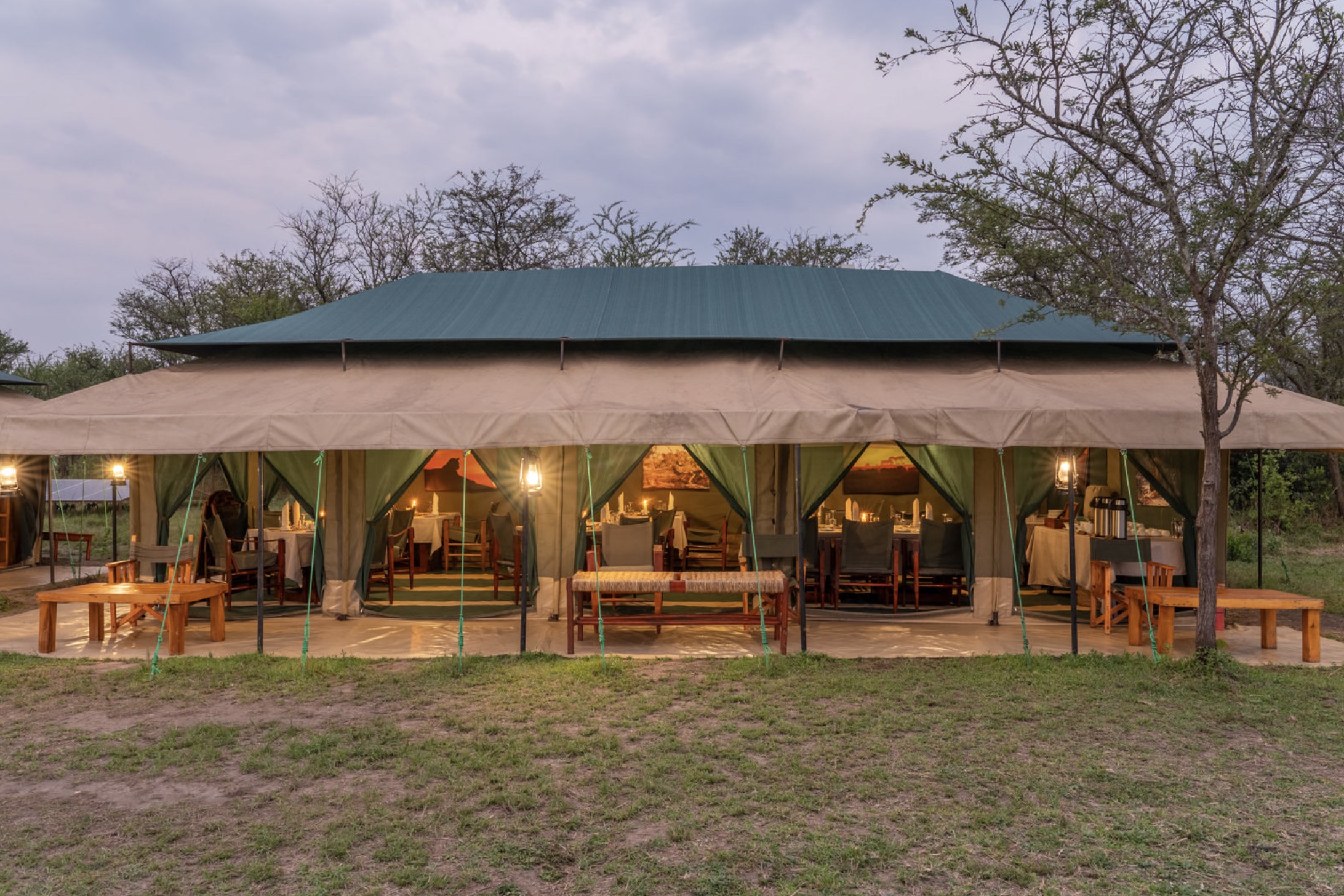
A mobile migration camp is usually built using strong, comfortable canvas tents that are designed for safari living. These camps are fully serviced by professional staff, including guides, chefs, and camp attendants, who ensure guests are safe and comfortable. Even though the camp is temporary, it offers comfort similar to a lodge, with proper beds, private bathrooms, and good meals. The main goal of a mobile migration camp is to move with wildlife, keeping guests as close as possible to migrating animals for a truly authentic safari experience.
Examples of Mobile Migration Camps
Nomad Tanzania Mobile Camps
Nomad Tanzania operates luxury mobile camps that move with the Great Migration, offering guests front-row access to wildlife hotspots throughout the Serengeti. Their camps feature spacious safari tents with comfortable beds, private bathrooms, and stylish furnishings. Nomad is known for exceptional service, expert guides, and carefully planned itineraries that maximize wildlife sightings, from calving season in Ndutu to the dramatic Mara River crossings.

Elewana Mobile Camps
Elewana Mobile Camps provide a combination of comfort, adventure, and sustainability. Their camps are fully serviced with professional guides, chefs, and attentive staff. Guests enjoy large tents, hot showers, and beautifully presented meals in a natural setting. Elewana camps are strategically located to follow the migration, ensuring guests have the best possible chance to witness key wildlife events.
Singita Serengeti Mobile Camp
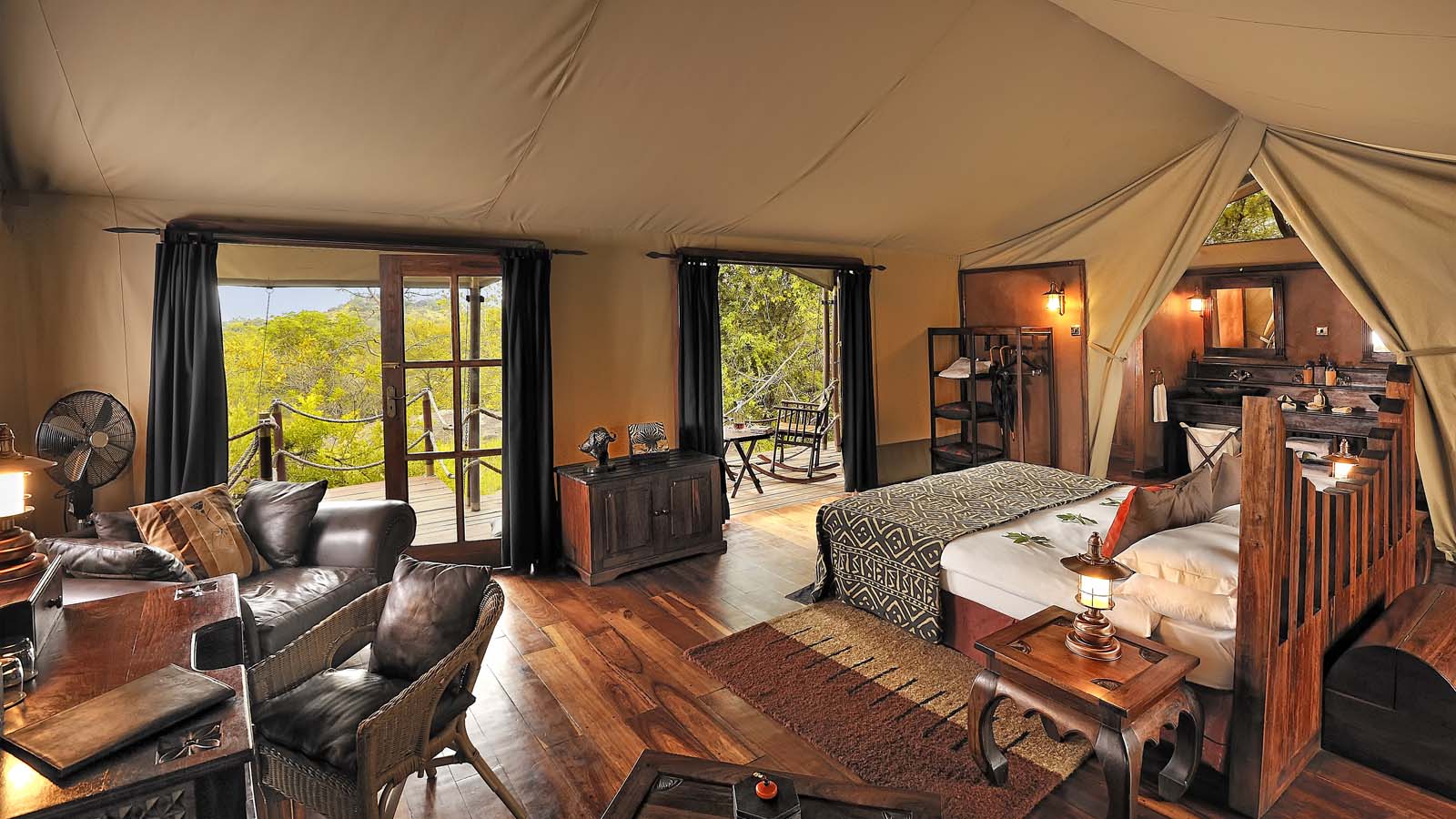
Singita Serengeti Mobile Camp offers a high-end safari experience with luxury tents, fine dining, and personalized service. This mobile camp is designed for travelers seeking both comfort and immersion in nature. Guests can observe wildlife directly from their tents or on guided game drives, all while enjoying world-class hospitality and eco-friendly practices that protect the Serengeti ecosystem.
Asilia Africa Mobile Camps
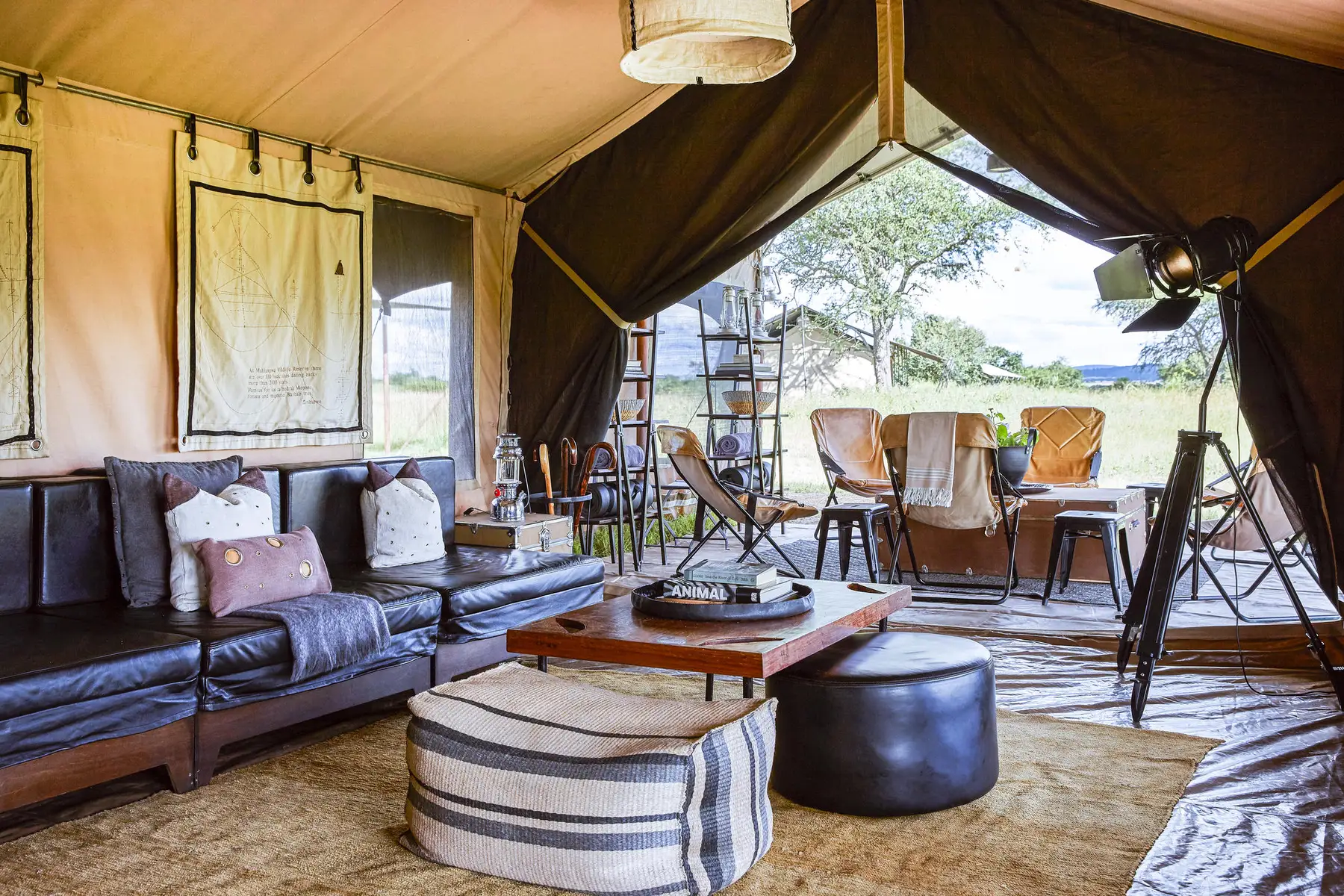
Asilia Africa operates mobile camps that are perfect for both families and wildlife enthusiasts. Their camps combine comfort with authenticity, offering large tents, private bathrooms, and open-air dining areas. The expert guides ensure that guests are always in the right place at the right time to experience migration highlights, from predator interactions to river crossings, while maintaining sustainable and responsible safari practices.
These camps are all excellent options for travelers who want to experience the Great Migration up close while enjoying the comforts of a well-run mobile camp in the Serengeti.

Why Mobile Migration Camps Exist?
The Great Migration is not fixed in one place. Every month, millions of wildebeest, zebras, and gazelles move across the Serengeti ecosystem in search of rain and fresh grass. Their movement depends on weather and grazing conditions, which change throughout the year. Because the animals are always on the move, staying in one permanent lodge does not always mean you will be close to the migration. This is why mobile migration camps were created.
Follow the animals instead of waiting for them
Mobile migration camps move several times a year to stay close to the herds. Instead of hoping the animals come near your lodge, the camp is set up where the migration is currently happening. This greatly increases your chances of seeing large herds, predators, and daily wildlife activity right outside your tent.
Reduce long and tiring game drives
When animals are far from a fixed lodge, guests often spend many hours driving just to reach good wildlife areas. Mobile camps are placed close to the migration routes, so game drives are shorter and more relaxed. This means less time on rough roads and more time enjoying wildlife sightings.
Allow guests to see key events like calving and river crossings
The most exciting moments of the Great Migration happen in specific areas at specific times of the year. Calving season occurs in the southern Serengeti, while dramatic river crossings happen in the north. Mobile camps move to these areas at the right time, giving guests a better chance to witness these famous events.
Offer better wildlife viewing every day
Because the camps are located near active wildlife areas, game viewing is usually excellent every day. You can often see animals close to camp, sometimes even from your tent. This creates a more immersive safari experience with consistent and rewarding sightings throughout your stay.
Overall, mobile migration camps exist to bring guests closer to the Great Migration. They offer flexibility, better wildlife encounters, and a more comfortable safari experience without long drives or missed opportunities.
How Mobile Migration Camps Move?
Seasonal Movement
Mobile migration camps do not stay in one place all year. They move between 2 and 4 times each year, following the natural movement of the Great Migration. The exact timing depends on rainfall, grass growth, and where the wildebeest and zebras are gathering. Camp operators use many years of experience, reports from guides, and wildlife tracking to decide the best time and location to move the camp.
Packing the camp
When it is time to move, the entire camp is carefully taken down. Canvas tents, beds, furniture, kitchens, dining areas, and all equipment are packed safely. Everything is organized and labeled to make sure nothing is damaged or lost during transport.
Transporting everything by truck
Once packed, all camp materials are loaded onto trucks. These trucks travel to the new location, often deep inside the national park. The routes are planned to avoid damage to the environment and follow park regulations.
Setting up camp in a new location
At the new site, the team sets up the camp from scratch. Tents are placed with enough space and privacy, beds and furniture are arranged, and bathrooms are installed. The goal is to create a comfortable and natural setting that blends into the surroundings.
Making the camp fully ready before guests arrive
Before any guests arrive, the camp must be completely ready. This includes setting up the kitchen, preparing staff areas, testing water and lighting systems, and ensuring safety standards are met. Everything is checked carefully so guests arrive to a fully functioning camp.
A smooth and organized process
The entire moving process is well planned and professional. Guests are never present during the move and only stay at the camp once it is fully set up. This ensures a seamless safari experience with no disruption, while still allowing the camp to stay close to the wildlife.
Where Mobile Migration Camps Are Located?
Mobile migration camps are placed in some of the best wildlife areas in the Serengeti ecosystem. These locations change with the seasons so the camps can stay close to where animals are most active. Each site is carefully chosen by experienced safari operators to offer excellent game viewing, beautiful scenery, and easy access to the migration routes.
Common Locations by Season
January – March (Southern Serengeti & Ndutu Area)
This period is known as calving season. Hundreds of thousands of wildebeest give birth to their calves on the open plains. Every day, many new babies are born, which attracts predators such as lions, cheetahs, leopards, and hyenas. Wildlife viewing is intense and action-filled, with frequent hunting scenes. The open landscape also makes it easy to spot animals from a distance.
April – June (Central & Western Serengeti)
During these months, the herds begin their long journey north. Huge groups of wildebeest and zebras move across the plains in long lines. In the western Serengeti, animals may cross rivers such as the Grumeti River. While these crossings are less crowded than the Mara River, they are still exciting and dramatic. The central Serengeti also offers excellent year-round wildlife, including resident predators.
July – October (Northern Serengeti)
This is the most famous time of the Great Migration. The herds reach the northern Serengeti and must cross the Mara River. These river crossings are dangerous, with strong currents and large crocodiles waiting in the water. Watching thousands of wildebeest crossing the river is one of the most dramatic wildlife experiences in the world. Mobile camps are placed close to the river to give guests the best chance of witnessing these events.
November – December (Central Serengeti)
As the short rains begin, the herds start moving back south toward the calving grounds. The central Serengeti becomes green and fresh, attracting many animals. Wildlife viewing remains excellent, with plenty of predators and plains game. This time of year is also quieter, offering a more peaceful safari experience.
By moving between these key locations, mobile migration camps ensure guests are always close to the action and enjoy the best possible views of the Great Migration throughout the year.
How the Camps Are Set Up?
Tent Structure
Mobile migration camps use large and comfortable safari tents that are built for extended stays in the wilderness. These are not basic camping tents. They are strong, well-designed structures made from heavy canvas to handle different weather conditions such as sun, wind, and rain.
Each tent is carefully furnished to provide a comfortable stay. Guests sleep on real beds with proper mattresses, clean sheets, and warm blankets for cooler nights. Bedside tables and lamps are provided for convenience, allowing guests to read or relax in the evening. Every tent has its own private bathroom with a toilet, giving guests privacy and comfort at all times. Hot showers are available and usually use solar heating or a bucket system, which provides warm water in an eco-friendly way. There is also enough storage space for clothes, bags, and personal items, helping guests keep their tent tidy.
Tents are placed with enough space between them to ensure privacy and quiet. This layout allows guests to enjoy peaceful surroundings and feel close to nature without being disturbed by others.
Camp Facilities
In addition to private tents, mobile migration camps have shared areas that bring guests together and create a friendly atmosphere. Meals are served in a dining tent, where guests enjoy freshly prepared food in a relaxed setting. The lounge tent offers comfortable chairs, books, and sometimes board games, making it a nice place to rest during the day.
In the evening, many camps have a campfire area where guests can sit, share stories, and enjoy the sounds of the African bush under the stars. Solar power is used for lighting and charging cameras, phones, and other small devices, reducing the camp’s impact on the environment.
Everything in a mobile migration camp is designed to balance comfort and nature. Guests enjoy modern conveniences while still experiencing the true feeling of being in the heart of the Serengeti.
What Daily Life Is Like in a Mobile Migration Camp?
Life in a mobile migration camp is calm, natural, and closely connected to the wildlife around you. Each day follows the rhythm of nature, with activities planned around the best times to see animals and enjoy the environment.
Morning Routine
Your day usually starts early, just before sunrise. A staff member brings hot tea or coffee to your tent so you can enjoy a warm drink while listening to the sounds of the bush. The air is cool and fresh, and you may hear birds singing or animals moving nearby.
Early morning is the best time for wildlife viewing, so you head out on a game drive when animals are most active. Predators are often still hunting, and herbivores are grazing in the soft morning light. After the game drive, breakfast is served either in the bush at a scenic spot or back at camp, depending on the day’s plan.
Afternoon & Evening
After lunch, the warm part of the day is usually for resting. You can relax in your tent, read a book in the lounge area, or enjoy the peaceful surroundings. This quiet time helps you recharge before the afternoon activities.
Later in the day, you go on another game drive as temperatures cool down and animals become active again. The afternoon light is perfect for photography, and the landscapes often look beautiful during sunset. Many camps offer sundowners, where you enjoy a drink in the wild while watching the sun set over the plains.
In the evening, you return to camp for dinner, often served under the stars or in the dining tent. At night, as you relax in your tent, you may hear lions roaring, hyenas calling, or other night sounds from the surrounding wilderness. These sounds are a reminder that you are truly staying in the heart of the Serengeti.
How Game Drives Work from Mobile Camps?
Because mobile migration camps are set up close to active wildlife areas, game drives are easy, relaxed, and very rewarding. You do not need to travel far to find animals, which makes a big difference to your overall safari experience.
1.Quick and easy starts
Game drives usually begin soon after leaving camp. Since the herds and predators are often nearby, you can start seeing wildlife within minutes. This saves time and energy and allows you to enjoy the best wildlife moments without rushing.
2.More time watching animals
With less driving to reach wildlife areas, more of your day is spent observing animals. You can follow a lion hunt, watch elephants interact, or sit quietly with the migration herds for longer periods. This creates a deeper and more meaningful wildlife experience.
3.No long drives from distant lodges
Staying far from wildlife hotspots often means long and tiring drives each day. Mobile camps remove this problem by placing you right where the action is. This makes the safari more comfortable, especially for families, photographers, and travelers who prefer a relaxed pace.
4.Experienced guides and flexible schedules
Game drives are led by highly experienced guides who understand animal behavior, seasonal movements, and migration patterns. They know where to go and when to wait patiently for special moments. Many mobile camps also offer flexible schedules, allowing drives to be adjusted based on guest interests, weather conditions, or wildlife activity.
Overall, game drives from mobile migration camps are designed to maximize wildlife viewing while minimizing travel time, giving you a richer and more enjoyable safari experience.
5.Safety in Mobile Migration Camps
Mobile migration camps are very safe when they are operated by experienced and professional safari companies. Safety is always a top priority, and clear systems are in place to protect guests while still allowing them to enjoy a true wilderness experience.
6.Trained and licensed guides
All guides working at mobile camps are professionally trained and licensed. They understand animal behavior and know how to read warning signs from wildlife. Their experience helps them make safe decisions during game drives and around camp.
7.Camp staff on watch day and night
Camp staff are always present and alert. During the day and especially at night, staff members keep watch around the camp to monitor animal movement. This ensures that guests are protected at all times.
8.Escorts when walking after dark
For safety, guests are always escorted by a staff member when walking around camp after dark, such as when going to the dining area or returning to their tent. Staff use torches and know the safest paths to follow.
9.Clear safety rules for guests
When guests arrive, safety rules are clearly explained. These include staying inside your tent at night, not walking alone in the dark, and listening to staff instructions. Following these simple rules keeps everyone safe.
10.Managing wildlife around camp
It is normal for animals to pass near or even through the camp, as it is located in a natural wildlife area. Staff are trained to handle these situations calmly and safely, without disturbing the animals. Guests are advised to remain in their tents until it is safe to move.
Mobile migration camps offer a secure environment while allowing guests to experience the excitement of staying close to wildlife in the Serengeti.
Who Runs Mobile Migration Camps?
Mobile migration camps are operated by experienced safari companies that have a deep understanding of the Serengeti and the Great Migration. Running a mobile camp requires skill, planning, and knowledge of wildlife, weather, and park regulations. These companies have many years of experience in managing camps in remote wilderness areas.
Camp manager
The camp manager is responsible for the overall operation of the camp. They make sure everything runs smoothly, from guest comfort to staff coordination. The manager also handles logistics, safety, and communication between guides, kitchen staff, and guests.
Professional safari guides
Safari guides are a key part of the experience. They are highly trained and licensed, with excellent knowledge of animal behavior, migration patterns, and the local environment. Guides lead game drives, share information, and ensure guests have safe and memorable wildlife encounters.
Chefs and kitchen staff
Chefs and kitchen staff prepare fresh, well-balanced meals every day, even in remote locations. They plan menus carefully, considering dietary needs and food safety. Meals are often a highlight of the stay and add to the comfort of the camp.
Camp attendants and support crew
Camp attendants take care of daily tasks such as cleaning tents, heating water for showers, serving drinks, and assisting guests. The support crew also helps with setting up, moving, and maintaining the camp. Their work ensures everything is clean, organized, and comfortable.
Consistent service and quality
One of the strengths of mobile migration camps is that the same team moves with the camp throughout the year. This creates consistency in service, strong teamwork, and high standards. Guests benefit from experienced staff who know the camp well and work together smoothly.
Together, this dedicated team ensures that mobile migration camps offer a safe, comfortable, and high-quality safari experience in the heart of the Serengeti.
Difference Between Mobile Migration Camps and Permanent Lodges
Mobile Camps
- Follow wildlife movement
- Offer closer migration viewing
- Smaller and quieter
- More immersive nature experience
Permanent Lodges
- Stay in one location
- Larger buildings
- May require long drives
- Offer more fixed facilities
Are Mobile Migration Camps Comfortable?
Yes, mobile migration camps are very comfortable and designed to make guests feel relaxed while staying in the wilderness. Even though the camps are temporary, they offer many of the comforts you would expect from a good safari lodge.
Comfortable sleeping areas
Most mobile camps provide proper beds with thick mattresses, clean sheets, pillows, and warm blankets. This ensures a good night’s sleep after a day of game drives. Tents are spacious and well ventilated, making them comfortable in both warm and cool weather.
Clean and private bathrooms
Each tent usually has its own private bathroom with a toilet and shower. Hot water is available, often heated by solar power or a bucket system. Bathrooms are cleaned daily to maintain high hygiene standards, even in remote locations.
Freshly prepared meals
Meals are prepared on-site by skilled chefs using fresh ingredients. Guests enjoy hearty breakfasts, tasty lunches, and well-presented dinners. Tea, coffee, and snacks are also available throughout the day, adding to the comfort of the stay.
Friendly and attentive service
Camp staff are trained to offer warm and personal service. They help with luggage, keep tents clean, prepare hot water for showers, and make sure guests feel well cared for at all times. The friendly atmosphere makes the camp feel like a home in the wild.
Luxury mobile camps
Luxury mobile migration camps offer an even higher level of comfort. These may include larger tents, stylish furnishings, high-quality linens, private verandas, and gourmet meals. Despite the added luxury, these camps remain fully mobile and continue to follow the migration.
Who Should Choose a Mobile Migration Camp?
- Travelers visiting Africa for the first time
- People who want to see the Great Migration
- Photographers who need good locations
- Couples and honeymooners
- Nature lovers seeking authentic experiences
Environmental Benefits of Mobile Camps
Mobile migration camps are designed to have a very low impact on the environment. They allow guests to experience the Great Migration while helping to protect the natural beauty of the Serengeti.
Avoiding permanent construction
Mobile camps do not use concrete buildings or permanent structures. Everything is temporary and removed when the camp moves. This prevents long-term damage to the land and allows the area to return to its natural state.
Using solar power
Most mobile camps rely on solar energy for lighting, hot water, and charging devices. Solar power reduces the need for fuel generators and helps lower pollution and noise in the wilderness.
Careful waste management
Waste is managed very carefully in mobile camps. Rubbish is sorted, stored safely, and removed from the park. Water use is controlled, and environmentally friendly products are often used to reduce harm to nature.
Restoring camp areas after removal
When a camp moves, the area is cleaned and restored. Tents, pathways, and fire pits are removed, and the ground is left as it was before the camp arrived. In a short time, there is little to no sign that a camp was ever there.
By following these practices, mobile migration camps help keep the Serengeti natural, wild, and untouched, ensuring that future generations can enjoy this unique ecosystem.
Cost of Mobile Migration Camps
The price of staying in a mobile migration camp can vary depending on several factors. Understanding these can help you plan your safari budget and choose the best option for your needs.
1. Season
The time of year affects the cost. High season usually during the peak migration months or calving season tends to be more expensive because wildlife viewing is at its best and demand is high. Low season, when fewer tourists visit, is generally cheaper but still offers excellent wildlife experiences.
2.Camp comfort level
Mobile camps range from mid-range to luxury. Mid-range camps provide comfortable tents, clean bathrooms, and good service at a reasonable price. Luxury camps offer larger tents, premium furnishings, gourmet meals, and extra services, which increases the cost.
3.Location within the Serengeti
Where the camp is set up also influences the price. Camps in prime wildlife areas, such as near the Mara River during the river crossings or in Ndutu during calving, often charge more because of the incredible wildlife experiences they offer.
4.Value for your money
Regardless of the cost, you are paying for much more than just a place to sleep. Mobile camps provide:
· Close access to wildlife and the migration
· Expert guides who know animal behavior and migration patterns
· Personalized service from dedicated staff
· A unique experience in the heart of the Serengeti
Mobile migration camps work by moving with the Great Migration, allowing travelers to stay close to wildlife all year round. This approach provides comfort, safety, and unmatched access to one of the world’s greatest natural events. Guests can experience calving, river crossings, and abundant wildlife without long drives from a fixed lodge.
For travelers who want a true safari experience with unforgettable wildlife moments, mobile migration camps are one of the best choices available.
Book your safari now and secure your chance to witness the Great Migration up close while enjoying the comfort and adventure of a mobile camp in the heart of the Serengeti.