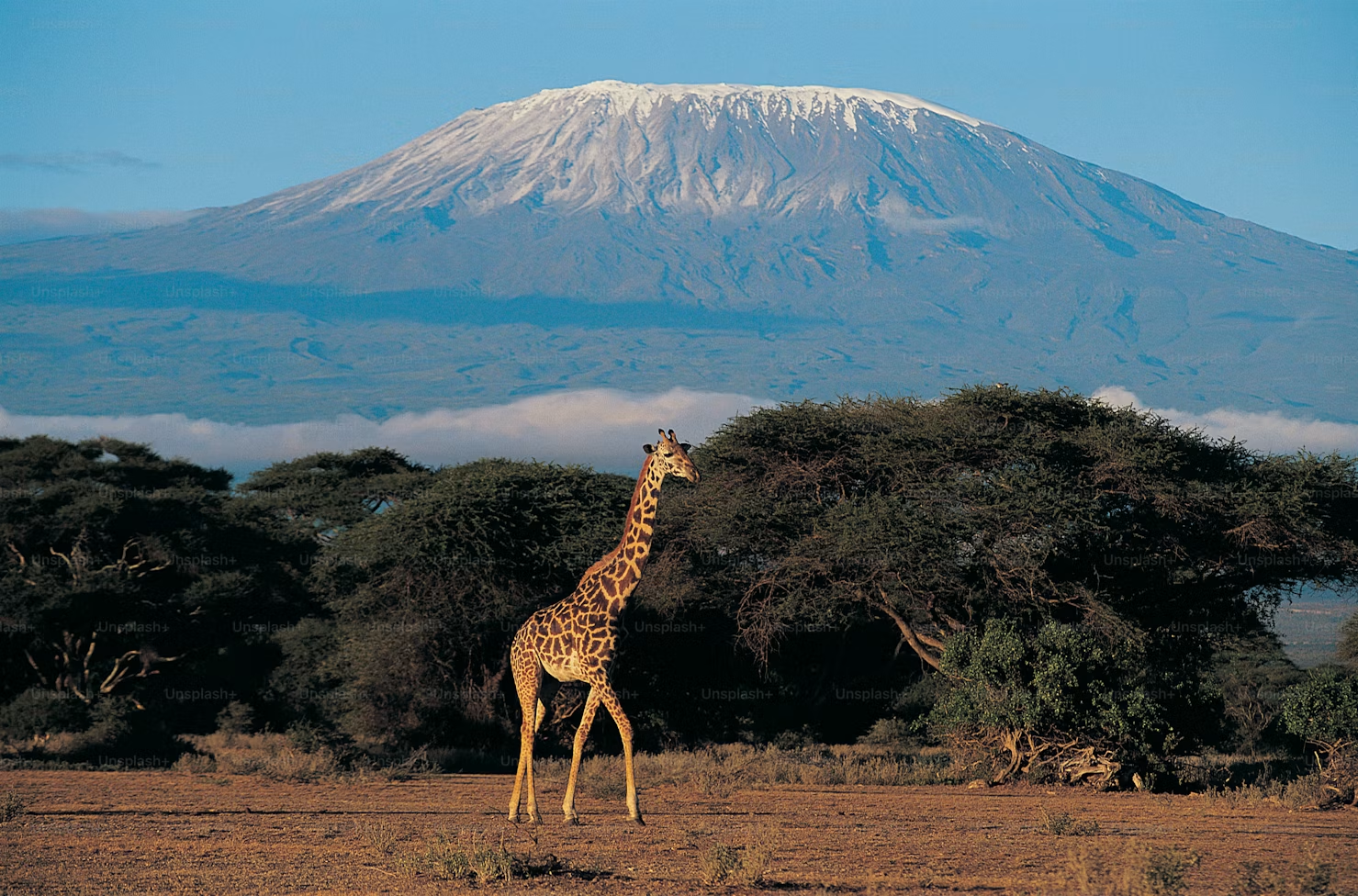
How Many People Summit Kilimanjaro Per Year?
The answer is not as simple as a single number because not everyone who begins the climb reaches the summit. Success depends on several factors, including the route chosen, the number of days spent on the mountain, physical fitness, weather conditions, and how well a climber adapts to the altitude.
Each year, an estimated 20,000 to 35,000 climbers successfully reach Uhuru Peak, while approximately 35,000 to 50,000 people attempt to climb Mount Kilimanjaro. The exact numbers vary from year to year depending on international tourism, global travel conditions, weather patterns, and other factors that influence visitor arrivals in Tanzania.
Despite the challenges of climbing to nearly 6,000 meters, thousands of climbers achieve their dream of standing on Africa's highest mountain every year. Reaching Uhuru Peak is a life-changing accomplishment that rewards hikers with spectacular sunrise views, breathtaking landscapes, and the pride of completing one of the world's greatest trekking adventures.
One reason Kilimanjaro attracts so many visitors is that it is a non-technical mountain. Unlike peaks such as Mount Everest, climbers do not need ropes, ice axes, or advanced mountaineering experience. Instead, success depends on physical preparation, choosing the right itinerary, and allowing enough time for proper acclimatization to the altitude.
People from more than 100 countries visit Kilimanjaro annually. The mountain welcomes solo travelers, couples, families, charity groups, school expeditions, and corporate teams, making it one of Africa's most internationally visited natural attractions.
How Many People Attempt Kilimanjaro Each Year?
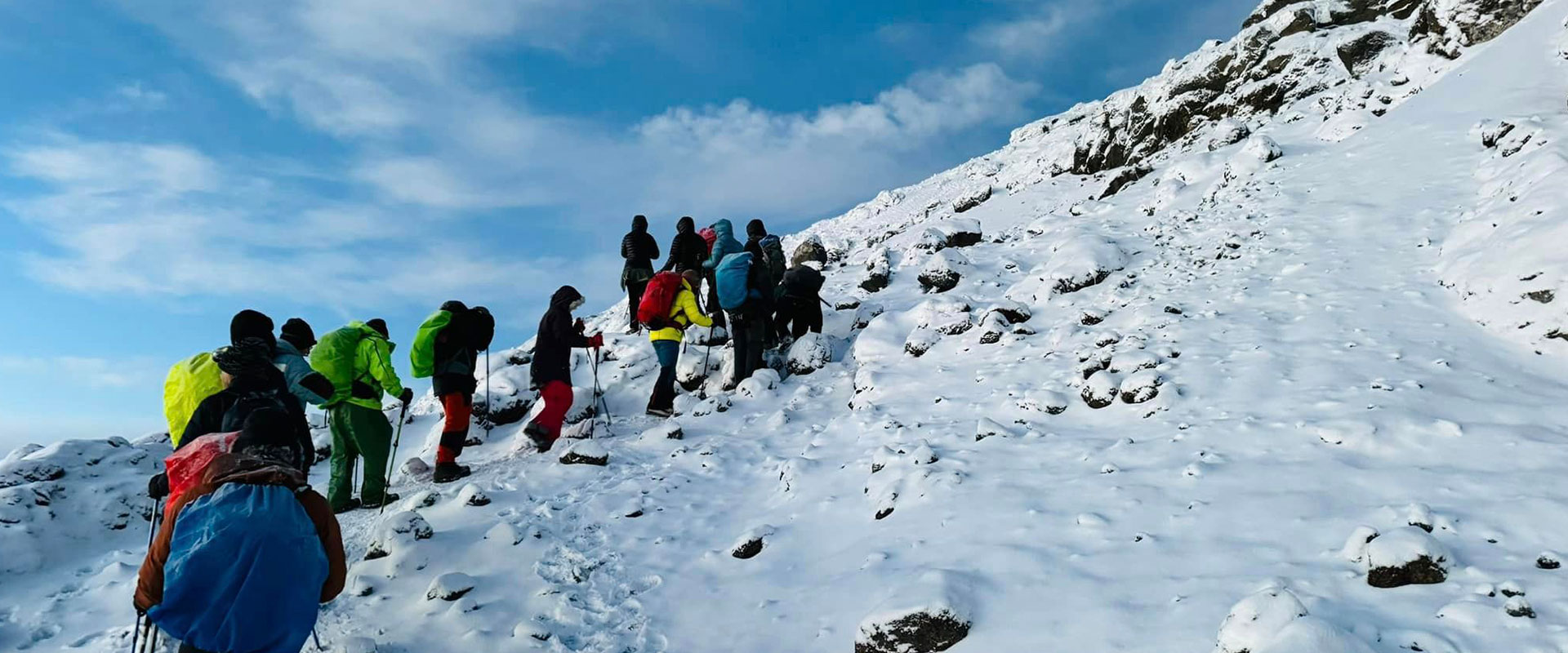
Recent estimates indicate that between 35,000 and 50,000 people attempt to climb Mount Kilimanjaro every year. These numbers make Kilimanjaro one of the busiest trekking mountains in the world and the most climbed mountain in Africa.
The number of climbers changes slightly from year to year. Tourism is influenced by factors such as international travel demand, airline availability, weather conditions, and global events. During peak travel years, visitor numbers are generally higher, while some years may see fewer climbers.
To reach the summit, every climber must choose one of Kilimanjaro's seven official trekking routes. Each route offers a unique experience, with different scenery, difficulty levels, and summit success rates.
Official Kilimanjaro Climbing Routes
Machame Route
The Machame Route, often called the "Whiskey Route," is one of the most popular ways to climb Mount Kilimanjaro. It is well known for its spectacular scenery, taking climbers through lush rainforests, open moorlands, alpine deserts, and finally to the icy summit of Uhuru Peak. The route follows the "climb high, sleep low" principle, which allows for better acclimatization and improves summit success rates. Most trekkers complete the Machame Route in 6 or 7 days, although the 7-day itinerary is highly recommended because it gives your body more time to adjust to the altitude.
Lemosho Route
The Lemosho Route is widely regarded as one of the best routes on Kilimanjaro. Starting on the mountain's western side, it offers breathtaking scenery, fewer crowds during the first few days, and excellent opportunities to spot wildlife in the rainforest. Because the route is longer, usually taking 7 or 8 days, climbers have more time to acclimatize, resulting in some of the highest summit success rates on the mountain. Lemosho is an excellent choice for first-time climbers who want a scenic, less crowded, and highly successful trekking experience.
Marangu Route
The Marangu Route, also known as the "Coca-Cola Route," is the oldest and one of the most established routes on Kilimanjaro. It is unique because it is the only route that provides mountain huts for overnight accommodation instead of camping in tents. This makes it a popular choice for climbers who prefer more comfortable sleeping arrangements. The route is usually completed in 5 or 6 days, but the shorter itinerary provides less time for acclimatization, which can result in lower summit success rates compared to longer routes. Choosing the 6-day option is recommended for a better chance of reaching the summit.
Rongai Route
The Rongai Route approaches Kilimanjaro from the northern side near the Kenya border. It is one of the quietest routes on the mountain, making it ideal for climbers who prefer a more peaceful trekking experience. The northern side also receives less rainfall than the southern slopes, making Rongai a good choice during wetter months. The route usually takes 6 or 7 days and offers beautiful views of the Kenyan countryside before descending via the Marangu Route, allowing climbers to experience different parts of the mountain.
Northern Circuit Route
The Northern Circuit Route is the longest and one of the most scenic routes on Kilimanjaro. Taking 8 or 9 days, it circles around the quieter northern slopes of the mountain, offering panoramic views that few other routes provide. Because climbers spend more time on the mountain, the Northern Circuit has the highest summit success rates, often exceeding those of all other routes. It is an excellent option for travelers who want a less crowded experience, outstanding scenery, and the best possible chance of reaching Uhuru Peak.
Shira Route
The Shira Route begins on the western side of Kilimanjaro at a relatively high elevation before joining the Lemosho Route after the first day. It crosses the beautiful Shira Plateau, one of the mountain's most impressive landscapes, with wide-open views and unique volcanic scenery. Because the starting point is already at a high altitude, climbers have less time to acclimatize during the early stages. For this reason, the Shira Route is generally recommended for trekkers who already have some experience at higher elevations or are confident in their fitness and acclimatization ability.
Umbwe Route
The Umbwe Route is the steepest, shortest, and most challenging route on Mount Kilimanjaro. It climbs rapidly through dense rainforest before ascending directly toward the southern glaciers. While the scenery is spectacular and the trails are usually quiet, the fast ascent allows very little time for acclimatization, resulting in lower summit success rates compared to longer routes. Because of its demanding nature, the Umbwe Route is recommended mainly for experienced hikers who are physically fit and have previous experience trekking at high altitude.
Busiest Climbing Seasons on Kilimanjaro
January to March
The January to March season is one of the best times to climb Mount Kilimanjaro. During these months, climbers usually enjoy clear mornings, cooler temperatures, and relatively stable weather. Although occasional afternoon showers can occur, the conditions are generally excellent for trekking and summit attempts. This season is also less crowded than the middle of the year, making it a great choice for travelers who want a quieter experience while still benefiting from good climbing conditions. The clear skies also provide stunning views of the mountain, glaciers, and the surrounding plains of northern Tanzania.
June to October
The June to October season is the busiest and most popular time to climb Kilimanjaro because it coincides with Tanzania's dry season. The weather is typically sunny and dry, with excellent visibility and firm trail conditions, making hiking more comfortable and enjoyable. These months are especially popular with international travelers because they match summer holidays in many countries. As a result, thousands of climbers visit Kilimanjaro during this period, creating a lively atmosphere on the mountain.
Why These Seasons Are the Most Popular
Both January to March and June to October offer the best overall weather for climbing Kilimanjaro. During these months, there is less rainfall, clearer skies, and drier trails, reducing the chances of slippery paths and poor visibility. The pleasant weather allows climbers to fully appreciate the mountain's breathtaking scenery, including lush forests, alpine landscapes, dramatic volcanic formations, and the famous glaciers near Uhuru Peak. Better weather conditions also improve safety and increase the likelihood of successfully reaching the summit.
Expect More Climbers on Popular Routes
Because these are the peak climbing seasons, Kilimanjaro's most famous routes, especially the Machame Route and Marangu Route, can become quite busy. Campsites, mountain huts, and popular viewpoints often have many climbers from around the world, creating a vibrant but more crowded trekking experience. For some travelers, this lively atmosphere adds to the adventure, while others may prefer a quieter climb.
Choose Longer Routes for a More Peaceful Experience
If you prefer fewer crowds, consider climbing during these busy seasons on a longer route such as the Lemosho Route or the Northern Circuit Route. These routes attract fewer climbers, particularly during the early days of the trek, allowing you to enjoy a more peaceful and immersive mountain experience. In addition to offering spectacular scenery, the extra days on these routes give your body more time to acclimatize to the altitude, resulting in higher summit success rates and a safer, more enjoyable climb.
What Percentage of Climbers Reach the Summit?
Overall, the average summit success rate on Kilimanjaro is approximately 60% to 70%, although success depends heavily on the route chosen and the number of trekking days. Longer itineraries generally produce much higher success rates because they allow better acclimatization.
Typical success rates include:
Route | Average Success Rate |
Northern Circuit (9 Days) | 95%+ |
Lemosho Route | 90–95% |
Machame Route | 80–90% |
Rongai Route | 80–90% |
Marangu Route (5 Days) | 50–65% |
Umbwe Route | 45–70% |
Choosing a longer route greatly increases your chances of reaching Uhuru Peak.
Why Do Some Climbers Fail to Reach the Summit?
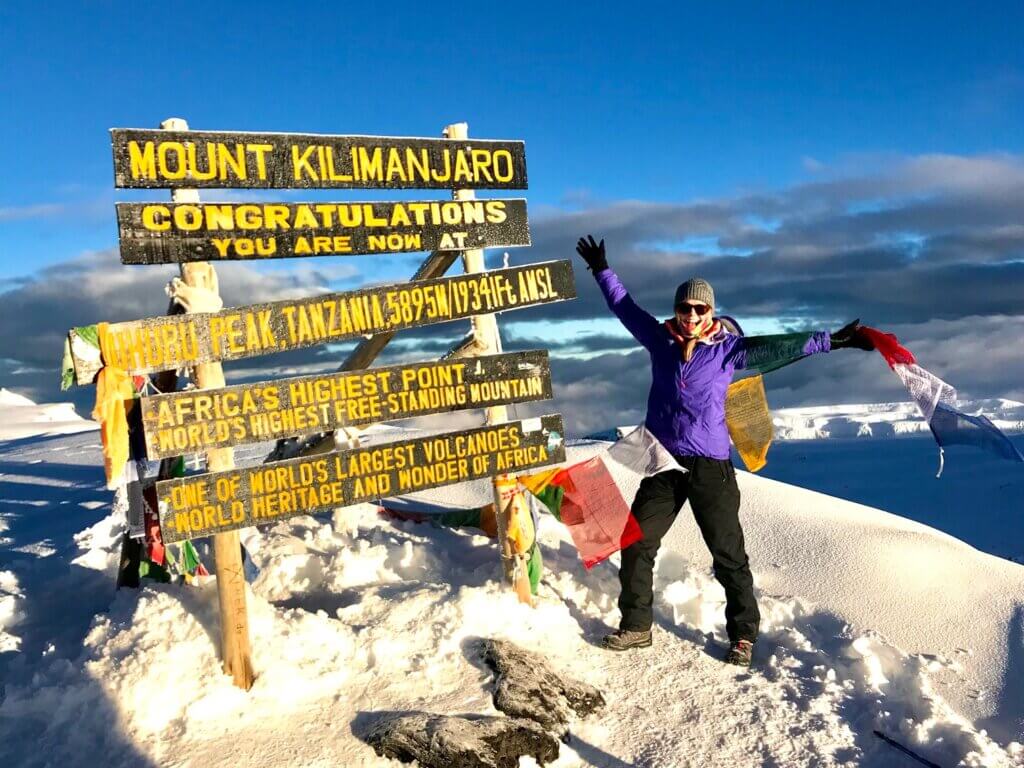
The biggest reason people fail is altitude sickness, not lack of fitness. As you climb higher, the air becomes thinner and contains less oxygen, If symptoms become serious, guides require climbers to descend immediately for safety. Some climbers develop symptoms such as:
- Severe headaches
- Nausea
- Dizziness
- Extreme fatigue
- Shortness of breath
Other reasons include:
- Choosing routes that are too short
- Poor physical preparation
- Not drinking enough water
- Climbing too fast
- Cold weather and exhaustion
Is Kilimanjaro Difficult to Climb?
Although Mount Kilimanjaro is the tallest mountain in Africa, it is considered a trekking mountain rather than a technical climbing peak. This means you do not need ropes, ice axes, mountaineering certification, or previous climbing experience to reach the summit. The trails are well-established, and most people can complete the climb by hiking with the support of experienced guides and porters.
However, climbing Kilimanjaro is still a challenging adventure. The biggest challenge is not the steepness of the trails but the high altitude. As you climb to nearly 6,000 meters (19,341 feet), the air becomes thinner, making it harder to breathe and increasing the risk of altitude sickness. Most climbers spend between 5 and 9 days on the mountain, allowing their bodies time to adjust to the altitude. Choosing a longer route, walking at a slow and steady pace, staying hydrated, and following your guide's advice greatly improve your chances of reaching Uhuru Peak successfully.
How Can You Improve Your Summit Success?
Choose a Longer Route
One of the best ways to increase your chances of reaching Uhuru Peak is by choosing a longer climbing route. Routes that take seven or eight days give your body more time to adjust to the high altitude, which greatly reduces the risk of altitude sickness. Although these routes require an extra day or two on the mountain, they have much higher summit success rates than shorter itineraries. Some of the best options include the Lemosho Route, Northern Circuit Route, and the 7-Day Machame Route, all of which are known for their excellent acclimatization profiles.
Train Before Your Climb
You do not need to be a professional athlete to climb Kilimanjaro, but preparing your body before the trek will make the experience much easier and more enjoyable. Start training about 8 to 12 weeks before your climb by walking regularly, hiking on hills or uneven terrain, running or cycling to improve your fitness, and doing exercises that strengthen your legs and core. Building your endurance will help you handle the long hiking days with less fatigue and allow you to enjoy the journey to the summit.
Walk Slowly
One of the most important rules on Kilimanjaro is to walk slowly. Your guides will often say the famous Swahili phrase, "Pole Pole," which means "Slowly, slowly." Climbing at a slow and steady pace helps you conserve energy, breathe more comfortably, and gives your body enough time to adjust to the increasing altitude. Many climbers who start too fast become exhausted early or experience altitude sickness, so taking your time is one of the keys to a successful summit.
Drink Plenty of Water
Staying well hydrated is essential throughout your Kilimanjaro climb. Most mountain guides recommend drinking about 3 to 4 liters of water every day to replace fluids lost through walking and the dry mountain air. Proper hydration supports your body's ability to adapt to the altitude, reduces the risk of headaches and dehydration, and may help lower the chances of developing altitude sickness. Drinking water regularly, even when you do not feel thirsty, is an important part of staying healthy on the mountain.
Listen to Your Guide
Your mountain guides are highly trained professionals with years of experience leading climbers to the summit of Kilimanjaro. They know how to recognize the early signs of altitude sickness and will regularly check your health during the trek. Always follow their advice about pacing, hydration, rest, and whether it is safe to continue climbing. Trusting your guide's experience not only improves your chances of reaching Uhuru Peak but also ensures that your climb is as safe and enjoyable as possible.
Which Countries Do Most Climbers Come From?
Mount Kilimanjaro attracts thousands of climbers from all over the world every year, making it one of the most international trekking destinations in Africa. People travel to Tanzania to challenge themselves, enjoy the stunning scenery, and stand on the highest point on the African continent. The mountain welcomes adventurers of all ages and experience levels, creating a unique atmosphere where people from different cultures share the same journey to the summit.
Many climbers come from countries such as the United States, the United Kingdom, Germany, Canada, Australia, France, the Netherlands, South Africa, India, and China. These countries consistently contribute a large number of visitors each year, although Kilimanjaro also welcomes trekkers from many other parts of Europe, Asia, Africa, the Middle East, and South America.
Kilimanjaro is popular with a wide variety of travelers. Solo adventurers often climb the mountain to challenge themselves and meet new people, while couples choose the trek to celebrate honeymoons, anniversaries, or other special occasions. Families with older children also enjoy climbing together as a memorable adventure. In addition, many charity groups organize Kilimanjaro climbs to raise funds for important causes, and corporate teams use the experience to build teamwork, leadership, and motivation. Regardless of where they come from, climbers share the same goal of reaching Uhuru Peak and creating memories that last a lifetime.
Why Is Kilimanjaro So Popular?
It Is Africa's Highest Mountain
One of the main reasons Mount Kilimanjaro is so popular is that it is the highest mountain in Africa, rising to 5,895 meters (19,341 feet) above sea level. Reaching Uhuru Peak is a dream for many travelers because it is the highest point on the continent and one of the famous Seven Summits, the highest mountains on each of the seven continents. Standing on the summit is a remarkable achievement that attracts adventure seekers from around the world.
No Technical Climbing Required
Unlike mountains such as Mount Everest or Denali, climbing Kilimanjaro does not require technical mountaineering skills. You do not need ropes, ice axes, or previous climbing experience to reach the summit. Instead, the climb follows well-established hiking trails led by experienced mountain guides. This makes Kilimanjaro one of the most accessible high mountains in the world and an excellent choice for first-time high-altitude trekkers.
Incredible Scenery
Another reason Kilimanjaro is famous is its breathtaking scenery. During the climb, you pass through five distinct climate zones, each with its own unique landscape and vegetation. The journey begins in a lush rainforest filled with tall trees and wildlife before continuing through heath and moorland covered with giant groundsels and colorful plants. Higher up, the landscape changes into a rocky alpine desert before reaching the icy Arctic summit, where glaciers and snow surround Uhuru Peak. Very few mountains in the world offer such dramatic changes in scenery during a single trek.
Wildlife and Safari Opportunities
Many travelers choose Kilimanjaro because they can easily combine the climb with a world-class Tanzania safari. After reaching the summit, visitors often explore some of Africa's most famous wildlife destinations, including Serengeti National Park, the Ngorongoro Crater, Tarangire National Park, and Lake Manyara National Park. These parks are home to the Big Five and countless other animals, giving travelers the opportunity to experience both mountain trekking and unforgettable wildlife viewing in one trip.
Finish Your Adventure in Zanzibar
Many climbers complete their Tanzania adventure with a relaxing beach holiday in Zanzibar. After several days of hiking on Kilimanjaro, Zanzibar offers the perfect place to unwind on beautiful white-sand beaches, swim in the warm Indian Ocean, enjoy water sports, and explore the island's rich history and culture. Combining Kilimanjaro, a Tanzania safari, and Zanzibar creates one of Africa's most popular and unforgettable travel experiences.
Best Time to Climb Kilimanjaro
January to March
January to March is one of the best times to climb Mount Kilimanjaro, especially for travelers looking for a quieter experience. During these months, the mountain usually has clear mornings, cooler temperatures, and fewer climbers on the trails. The weather is generally stable, offering excellent conditions for hiking and reaching the summit. Although there may be occasional afternoon showers, they are usually light and do not significantly affect the climb. This season is ideal for photographers, nature lovers, and anyone who prefers a less crowded trekking experience.
June to October
June to October is the most popular climbing season on Kilimanjaro because it falls during Tanzania's dry season. The weather is typically dry, the skies are clear, and visibility is excellent, allowing climbers to enjoy breathtaking views of the mountain and surrounding landscapes. The trails are also drier and easier to hike, making this an excellent time for first-time climbers. Because these months are the busiest of the year, it is recommended to book your climb several months in advance to secure your preferred route and travel dates.
Avoid the Rainy Season
If possible, avoid climbing Kilimanjaro during April and May, which are the main rainy months in Tanzania. Heavy rainfall can make the trails muddy, slippery, and more difficult to walk on. Cloud cover may also reduce visibility, limiting the spectacular views that Kilimanjaro is famous for. While it is still possible to climb during this period, the wetter conditions can make the trek more challenging and less enjoyable. For the best overall experience, most climbers choose to visit during the drier months of January to March or June to October.
Interesting Kilimanjaro Facts
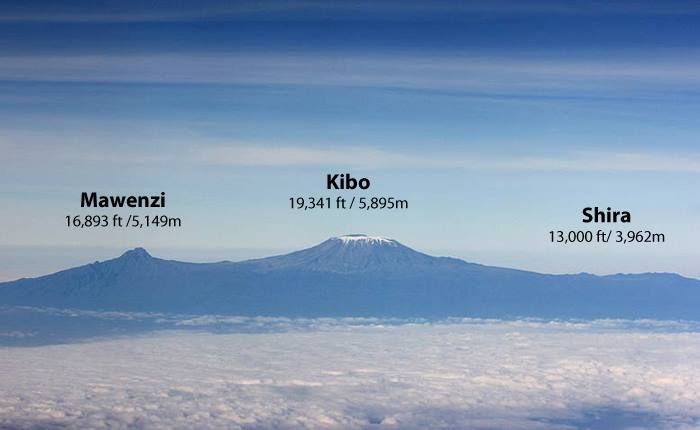
Mount Kilimanjaro is full of fascinating features that make it one of the world's most famous mountains. Standing at 5,895 meters (19,341 feet) above sea level, it is the tallest mountain in Africa and the highest free-standing mountain in the world. Unlike mountain ranges such as the Himalayas, Kilimanjaro rises on its own from the surrounding plains, creating an impressive and unforgettable sight.
Kilimanjaro is made up of three volcanic cones: Kibo, Mawenzi, and Shira. Kibo is the highest and youngest cone and is home to Uhuru Peak, the highest point on the mountain and the ultimate goal for climbers. Mawenzi is a rugged and dramatic peak that is not commonly climbed, while Shira is an older volcanic cone that has largely eroded into a plateau.
One of the reasons Kilimanjaro is so popular is that no technical climbing skills are required on the standard trekking routes. Climbers do not need ropes, ice axes, or previous mountaineering experience, making it one of the most accessible high mountains in the world. Success depends more on proper acclimatization, physical preparation, and determination than on climbing ability.
Kilimanjaro also plays an important role in Tanzania's economy and local communities. Every year, thousands of licensed mountain guides, porters, cooks, and support staff help visitors safely reach the summit. The mountain provides employment and income for many families in northern Tanzania, making tourism on Kilimanjaro one of the region's most important industries while giving visitors the opportunity to experience the warm hospitality and rich culture of the local people.
Frequently Asked Questions
How many people summit Kilimanjaro every year?
Approximately 20,000 to 35,000 climbers successfully reach Uhuru Peak each year. The exact number varies from year to year depending on how many people attempt the climb, weather conditions, and overall summit success rates. Every successful climber earns the achievement of standing on the highest point in Africa at 5,895 meters (19,341 feet).
How many people climb Kilimanjaro annually?
Mount Kilimanjaro attracts between 35,000 and 50,000 climbers every year, making it one of the most visited trekking mountains in the world. Travelers come from every continent to experience the challenge of climbing Africa's highest mountain and enjoy its incredible scenery, diverse landscapes, and unforgettable summit experience.
What is the success rate for climbing Kilimanjaro?
The average summit success rate on Kilimanjaro is around 60% to 70%, although this depends largely on the route and the number of days spent on the mountain. Climbers who choose longer routes such as the Lemosho Route or Northern Circuit usually have much higher success rates because the extra days allow better acclimatization to the high altitude. Proper preparation, a slow walking pace, staying hydrated, and following your guide's advice also greatly improve your chances of reaching the summit.
Is Kilimanjaro harder than Everest?
No. While climbing Kilimanjaro is physically challenging because of the high altitude and long days of hiking, it is much easier than climbing Mount Everest. Kilimanjaro is a trekking mountain that does not require technical climbing skills, ropes, or mountaineering equipment on the standard routes. In contrast, Mount Everest requires advanced climbing experience, specialized equipment, technical skills, and the ability to survive in extreme high-altitude conditions.
Which route has the highest summit success?
The Northern Circuit Route and Lemosho Route have the highest summit success rates on Kilimanjaro. These routes take seven to nine days to complete, giving climbers more time to adjust to the altitude before attempting the summit. The additional acclimatization days significantly reduce the risk of altitude sickness and increase the likelihood of reaching Uhuru Peak successfully.
How long does it take to summit Kilimanjaro?
Most climbers spend 5 to 9 days on Mount Kilimanjaro, depending on the route they choose. Shorter routes can be completed in five or six days but generally have lower summit success rates because there is less time for acclimatization. Longer routes, lasting seven to nine days, provide a more comfortable pace and greatly improve the chances of reaching the summit while allowing trekkers to fully enjoy the mountain's spectacular scenery.
Book Your Kilimanjaro Adventure with Rede Tours and Safaris
Ready to conquer Africa's highest mountain? Rede Tours and Safaris offers professionally guided Kilimanjaro climbing tours designed for both first-time trekkers and experienced hikers. Our experienced local mountain guides, skilled porters, and dedicated support team are committed to making your climb safe, enjoyable, and successful.
We offer all of Kilimanjaro's most popular routes, including the Lemosho Route, Machame Route, Marangu Route, Rongai Route, Umbwe Route, and the Northern Circuit Route, with flexible itineraries ranging from 5 to 9 days. Our packages include quality camping or hut accommodation, nutritious meals on the mountain, airport transfers, park fees, safety equipment, and personalized support throughout your adventure.
To make your Tanzania holiday even more memorable, Rede Tours and Safaris can also arrange unforgettable wildlife safaris to Serengeti National Park, Ngorongoro Crater, Tarangire National Park, and Lake Manyara National Park, as well as relaxing beach holidays in Zanzibar. Whether you're traveling solo, with family, friends, or as part of a group, we'll help you create the perfect Tanzania adventure.
Contact Rede Tours and Safaris today to start planning your Kilimanjaro climb and experience the adventure of a lifetime with a trusted local tour operator dedicated to helping you reach the Roof of Africa.
For Booking and Inquaries
📧 Email: redetours2005redetours2005@gmail.com
📱 WhatsApp: +255 676 063 791
🌐 Website: Rede Tours and Safaris